
Blog 2026
How to Make Edibles Safely: A Beginner’s Guide
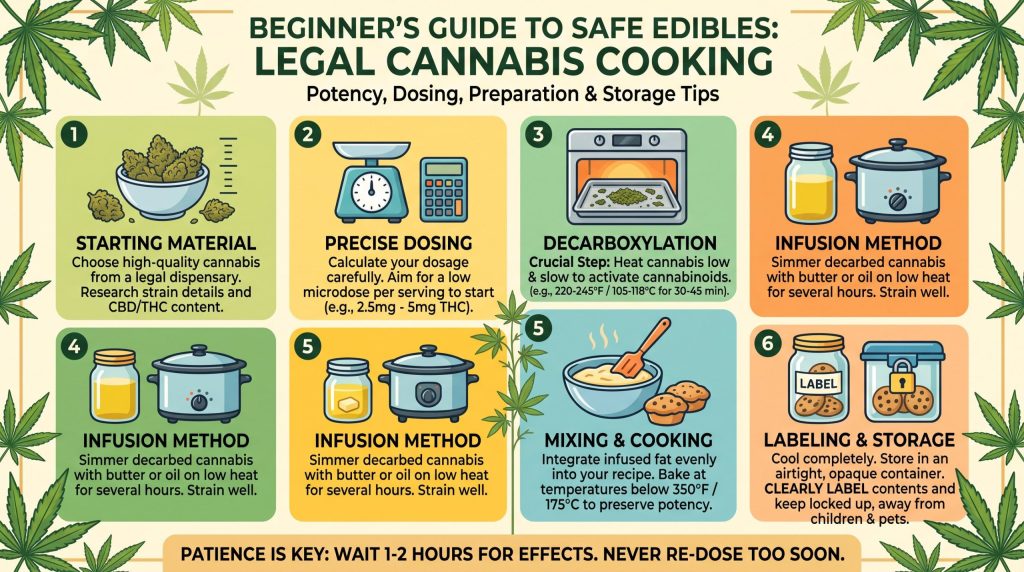
Nov
Learning how to make edibles involves more than stirring cannabis into brownie batter and hoping for the best. The difficult part isn’t baking, it’s controlling potency, preventing accidental ingestion, and waiting long enough to judge the effects. Homemade products aren’t laboratory-tested, so even careful calculations remain estimates.
This beginner-focused review explains the preparation process, ingredient choices, dosing math, storage, and common mistakes without pretending your kitchen is a pharmaceutical facility. You’ll learn why cannabis may require activation, how labelled ingestible oils simplify preparation, and why “I don’t feel anything yet” can become famous last words.
Only make or possess cannabis where you’re of legal age and your provincial or territorial rules permit it. If you’re pregnant, breastfeeding, taking medication, or managing a health condition, consult a qualified clinician first. Keep every cannabis product locked away from children, teenagers, pets, and unsuspecting adults.
Key Takeaways
- Making edibles safely requires confirming your provincial rules and legal age and strictly following household safety rules to protect children and pets.
- Using regulated, labelled cannabis oils simplifies dosing and preparation compared to cannabis flower, which requires activation and infusion.
- Decarboxylation activates THC in cannabis flower, making it intoxicating; use accurate oven temperatures and follow product instructions carefully.
- Consistent mixing and precise portioning are crucial for estimating potency and ensuring uniform dosing in homemade edibles.
- Start with a low dose and wait at least four hours before consuming more to avoid accidental overconsumption due to delayed effects.
- Store edibles in locked, labelled containers away from children and pets, and follow proper refrigeration or freezing guidelines to preserve safety and quality.
Before You Start: Legal Requirements, Ingredients, and Equipment
A safe batch begins before you turn on the oven. Confirm that homemade cannabis foods are legal where you live, choose ingredients you can tolerate, and create a workspace where ordinary snacks won’t be confused with infused ones.
Check Canadian Cannabis Laws, Age Restrictions, and Household Safety
In Canada, the federal Cannabis Act lets adults make cannabis food and drinks at home for personal use, as long as dangerous organic solvents aren’t used, and possess or share up to 30 grams of dried cannabis or its equivalent in public. Beyond that, rules vary between provinces, territories, and municipalities. The legal age is 19 in most of the country, 18 in Alberta, and 21 in Quebec. Legal possession doesn’t necessarily permit home cultivation, extraction, or public consumption, and taking cannabis into or out of Canada is illegal. Check official provincial or territorial guidance rather than relying on a friend’s confident-but-vague interpretation.
If you make homemade edibles, establish three household rules:
- Prepare them only when children and pets can’t enter the kitchen.
- Never use packaging that resembles commercial candy.
- Lock finished products and leftover cannabis in a clearly labelled container.
Dogs are particularly vulnerable to THC, while chocolate, raisins, and xylitol introduce additional pet hazards. Contact a veterinarian promptly after suspected exposure.
Gather Essential Kitchen Tools and Check Dietary Restrictions
You’ll generally need an oven or another recipe-appropriate appliance, a baking tray, parchment paper, mixing bowls, measuring spoons, an accurate kitchen scale, and sealed storage containers. A thermometer can help identify an oven that runs surprisingly hot, an extremely common kitchen plot twist.
Check for allergies and dietary needs before choosing a recipe. Butter won’t suit a dairy-free guest, regular gummies often contain gelatin, and baked goods may contain gluten, nuts, or eggs. Write down every ingredient instead of trusting your memory later.
Choose Your Starting Ingredient: Cannabis Flower or Labelled Cannabis Oil
Your starting material affects preparation time, flavour, cost, and dosing confidence. For beginners, a regulated oil specifically labelled for oral consumption is usually easier to measure than flower.
Compare Flower and Ingestible Oils by Preparation Time, Cost, and Dosing Uncertainty
| Starting ingredient | Preparation | Flavour | Dosing uncertainty |
|---|---|---|---|
| Cannabis flower | Requires activation and infusion | Herbal or bitter | Higher |
| Labelled ingestible oil | Often ready to mix | Usually milder | Lower, but still present |
| Commercial edible | No preparation | Product-specific | Lowest when regulated and tested |
Flower may cost less per milligram, but its cannabinoid percentage, activation, infusion efficiency, and distribution can all vary. A labelled oil reduces several variables. Confirm that it is intended for ingestion, not merely described as “oil.” In Canada, a legal edible contains no more than 10 mg of THC per package, which is part of why it’s the easiest to dose.
Understand THC, CBD, and Product Labels Rather Than Relying on Strain Names
THC is intoxicating; CBD generally isn’t, although it can cause side effects and interact with medications. Products may contain both. Look for total THC and CBD, serving size, lot number, packaging date, ingredient list, and independent testing where regulated.
Strain names such as Blue Dream or Wedding Cake aren’t reliable dosing tools. Two products sharing a name may have substantially different cannabinoid profiles. Numbers on a credible label tell you more than colourful branding ever will.
Learn How to Make Edibles: The Preparation Process Explained
The basic process is straightforward: select a legal ingestible cannabis ingredient, determine the batch estimate, incorporate it evenly into a compatible recipe, divide the food consistently, and label it immediately. The chemistry and mixing deserve more attention than the cute cookie shapes.
Understand Decarboxylation and When Activation Is Necessary
Raw flower primarily contains acidic cannabinoid forms such as THCA. Controlled heating converts THCA into intoxicating THC, a process called decarboxylation. Flower typically needs this activation before infusion, while regulated oral oils may already contain activated cannabinoids.
Avoid guessing based on colour or smell. Excessive heat can degrade cannabinoids, and inaccurate ovens complicate home processing. Follow instructions supplied with your legal product and verify oven temperature independently. If the label doesn’t explain whether an oil is activated and ingestible, ask the licensed retailer or manufacturer.
Understand Cannabis-Infused Butter and Oil as Recipe Ingredients
Cannabinoids are fat-soluble, which is why butter and cooking oils are common carriers. Activated cannabis may be infused into a recipe-compatible fat and strained, but home infusion efficiency can’t be measured accurately without laboratory analysis.
Treat infused fat as a concentrated ingredient, not as ordinary butter sitting beside the toast. Use measured quantities, stir thoroughly, and avoid recipes where oil pools or separates. Also remember that straining removes plant material, not the uncertainty surrounding potency.
Use Only Products Labelled for Ingestion, Not Vape Liquids or Unknown Concentrates
Never cook with vape cartridges, e-liquids, essential oils, synthetic cannabinoids, or mystery concentrates. Ingredients safe to inhale aren’t automatically safe to swallow or heat; vape formulations may include additives that were never intended for food.
Use products explicitly labelled for oral consumption and purchased through legal, regulated channels. If you can’t verify the contents, concentration, or intended route of use, don’t put it in a recipe. “Probably fine” is not a food-safety standard.
Plan Consistent Mixing, Equal Portions, and Clear Batch Labelling
Mix the infused ingredient into the wet ingredients thoroughly before adding dry ingredients. Scrape the bowl’s sides and bottom, then divide the batter by weight when practical. Cutting a pan “roughly evenly” tends to produce one heroic corner piece and several crumbs pretending to be servings.
Label the container before anyone samples the batch. Include:
- “Contains cannabis/THC” in large letters
- Preparation date and complete ingredients
- Number of portions
- Estimated THC per portion
- A warning that potency is not laboratory-confirmed
Estimate THC per Serving, and Understand Why Homemade Dosing Is Uncertain
Dosing calculations help you plan, but they don’t certify the final food. Plant variability, processing loss, inaccurate labels, and imperfect mixing can make individual servings weaker or stronger than your estimate.
Interpret Milligrams per Package, Milligrams per Millilitre, and Potency Percentages
For labelled oil, multiply milligrams per millilitre by the volume used. Then divide by the number of equal portions. For example, 5 mL of oil labelled 10 mg THC/mL contains a stated total of 50 mg; divided into 20 pieces, that is 2.5 mg per piece before accounting for variation.
Flower labels often use percentages. One gram at 20% total potential THC represents 200 mg before activation and processing losses, not 200 mg guaranteed in the finished food. Don’t confuse total package potency with potency per serving.
Account for Processing Losses and Uneven Distribution: Estimates Are Not Lab Results
Some cannabinoids remain in plant material, degrade during heating, stick to equipment, or distribute unevenly. Applying a universal “efficiency percentage” creates false precision because home conditions differ.
Use conservative estimates and keep portions small. If dependable dosing matters, particularly for medical use, a regulated, laboratory-tested product is safer than a homemade batch. Write down your calculation and recipe details, but label the result as an estimate. Your spreadsheet may look official; the brownie still hasn’t visited a lab.
Beginner-Friendly Edible Options: Choose a Suitable Recipe Format
Choose a format that supports even mixing and measurable portions. Familiar recipes are helpful, but simplicity doesn’t erase dosing uncertainty.
Brownies and Cookies: Familiar Formats With Portion-Control Challenges
Brownies distribute infused fat reasonably well when batter is mixed thoroughly, but equal cutting can be difficult. Weigh the finished slab or use a marked cutting guide. Cookies offer individual portions, though differing dough-ball sizes create dosing differences.
Avoid “special” decorations that appeal to children. A plain, clearly labelled adult product is safer than a cannabis cookie dressed like a cartoon unicorn. And don’t lick infused batter; it complicates tracking and may contain raw egg or flour.
No-Bake Foods: Simpler Options Using Products Intended for Ingestion
No-bake chocolate bites, nut-butter balls, or yogurt portions can work with ready-to-ingest, accurately labelled oils. Their advantage is fewer heating variables; their weakness is that concentrated oil can remain in streaks or pockets.
Choose a recipe with enough compatible fat and mix methodically. Prepare a small batch with many low-potency portions rather than a few powerful ones. Refrigerate promptly when the base contains dairy or other perishable ingredients.
Gummies and Drinks: Why Separation and Uneven Dosing Make Them More Challenging
Oil and water naturally separate, so drinks may deliver little THC in early sips and much more near the bottom. Homemade gummies introduce similar problems, plus mould risk, inconsistent size, and candy-like appeal to children.
Beginners should generally choose a solid food with uniform fat distribution. If using a commercial beverage additive, follow its label and shake only if instructed. Never assume vigorous stirring permanently solves emulsion chemistry; it doesn’t.
What to Expect: Edible Onset, Duration, and Responsible Consumption
Swallowed THC behaves differently from inhaled cannabis. Effects may be stronger, slower, and longer-lasting, with considerable variation between people and occasions.
Why Effects Can Be Delayed and Taking More Too Soon Increases Risk
Edibles may take 30 minutes to two hours or longer to produce noticeable effects, and Health Canada notes it can take up to four hours to feel the full effects. Impairment can persist for many hours. Food intake, metabolism, tolerance, and product composition all matter. The delayed onset encourages a classic mistake: taking another serving because the first appears ineffective.
Start with a low amount and wait at least the full period recommended on the regulated product label before considering more. Beginners and infrequent consumers should be especially cautious. Plan the entire day, possibly the next morning, without driving or important decisions.
Avoid Driving and Alcohol; Ask a Clinician About Medication Interactions
Don’t drive, cycle in traffic, operate machinery, cook over high heat, or supervise children while impaired. Combining cannabis with alcohol can intensify dizziness, nausea, poor judgment, and impairment.
THC and CBD may interact with prescription drugs, including sedatives, anticoagulants, and some seizure medications. Ask a pharmacist or clinician for individualized advice. Use cannabis in a familiar place with a trusted sober adult nearby, especially during your first experience with a new batch.
Store Homemade Edibles Safely and Protect Food Quality
Safe storage has two jobs: preventing accidental consumption and slowing spoilage. A refrigerator shelf alone accomplishes neither if everyone can reach it.
Label Ingredients and Estimated Potency; Lock Edibles Away From Children and Pets
Place each batch in a child-resistant container inside a locked cabinet, lockbox, or locked refrigerator compartment. Keep it separate from normal food and retain the original cannabis label when possible.
Use unmistakable wording rather than a tiny symbol. Record allergens, the approximate potency per piece, and the date made. Tell other adults in the household what the container holds. Never leave infused brownies on a communal counter where someone can make a very consequential midnight-snack decision.
Follow Recipe-Specific Refrigeration, Freezing, and Spoilage Guidance
Cannabis doesn’t protect food from bacteria, mould, or rancidity. Follow the underlying recipe’s storage instructions: refrigerate perishable products promptly, freeze suitable baked goods for longer storage, and discard anything with mould, unusual odours, or damaged packaging.
Label frozen portions individually so you don’t repeatedly thaw the whole batch. Potency may remain after the food’s quality has deteriorated, so “it still works” is not evidence that it’s safe to eat.
Common Homemade Edible Mistakes and Troubleshooting
Most failures come from uncertain potency, uneven mixing, excessive heat, or impatience. You can improve future batches, but you can’t reliably repair a serving after someone has swallowed it.
Unexpectedly Weak or Strong Effects: Why Not to Compensate by Taking More
If a portion seems weak, don’t immediately add another. Delayed absorption can turn “nothing is happening” into uncomfortable intoxication surprisingly fast. Wait according to the product guidance and avoid chasing an effect.
If one piece feels unusually strong, assume the batch may be uneven. Stop serving it, mark the container, and consider discarding it. Don’t dilute a mystery portion by eating it with ordinary food; that changes the meal, not the THC already present.
Bitter Flavour, Greasy Texture, and Separation: Common Quality Problems
A grassy or bitter taste often comes from plant material or an overly concentrated infusion. Greasiness suggests too much oil for the recipe, while visible streaks indicate incomplete mixing or separation.
For future batches, select a recipe designed for the carrier fat, use a milder labelled oral oil, and mix in stages. Don’t mask a dosing problem beneath extra frosting. Better flavour can make overconsumption easier, which is exactly why labels and controlled portions still matter.
Frequently Asked Questions About Making Edibles
These practical questions often surface only after the kitchen smells unusual or someone becomes worried. Planning for both situations is part of learning how to make edibles responsibly.
Does making edibles smell, and can kitchen odours be reduced?
Heating cannabis flower can produce a strong herbal odour that travels through vents and shared hallways. Use ordinary kitchen ventilation, close interior doors, and check housing rules before beginning. Don’t use unsafe masking methods such as burning excessive incense or running ozone generators around people or pets.
A sealed, commercially prepared ingestible oil usually produces less cannabis odour than processing flower. Still, food aromas from baking remain, and your neighbours may suddenly wonder why brownies appear every Tuesday.
Can you make edibles without decarboxylation?
You can use a regulated oil or tincture that the manufacturer identifies as activated and suitable for ingestion. In that situation, separate flower decarboxylation may be unnecessary.
Raw, unactivated flower generally won’t produce the same intoxicating effect because much of its cannabinoid content remains in acidic forms. Simply sprinkling it into food also creates poor texture and highly uncertain results. Check the product label rather than assuming every cannabis ingredient has already been activated.
What should you do after consuming too much, and when is emergency help needed?
Move to a calm, safe environment, stop consuming cannabis and alcohol, sip water, and stay with a trusted sober adult. Don’t drive yourself anywhere. Anxiety, nausea, confusion, impaired coordination, and rapid heartbeat can occur; reassurance and reduced stimulation may help while effects pass.
Call 911 for trouble breathing, chest pain, seizures, collapse, severe agitation, loss of consciousness, or inability to wake the person. Accidental consumption by a child or pet requires immediate professional guidance. In Canada, contact your poison centre at 1-844-POISON-X (1-844-764-7669), or 1-800-463-5060 in Quebec; pet exposures should go to a veterinarian or animal poison service.
Eventually, the safest homemade approach is conservative: use legal products labelled for ingestion, calculate cautiously, mix and portion carefully, wait patiently, and lock everything away. If you can’t verify the ingredient or confidently estimate the batch, skip the experiment and choose a regulated, laboratory-tested edible instead.