

Cannabis Concentrates: Your Practical 2026 Guide
Cannabis concentrates can look like a science experiment: amber glass, whipped wax, sparkling “diamonds” and syringes filled with dark oil. But the basic idea is simple. These products separate cannabinoids and aromatic terpenes from much of the plant material, creating something stronger, and often more flavourful, than flower.
This guide reviews the main formats, extraction methods, consumption options and safety considerations without pretending one product suits everyone. You’ll learn how live resin differs from rosin, why distillate works well in edibles and what to check before ordering concentrates online in Canada.
Because potency can be substantial, treat every unfamiliar cannabis concentrate as a new product. Read its label, begin with a tiny amount and wait before using more. Purchase only through legal, provincially authorized channels, and follow your province’s age rules: 18+ in Alberta, 21+ in Quebec and 19+ elsewhere in Canada. No concentrate is worth turning a quiet evening into an unexpected voyage through space.
What are Concentrates?
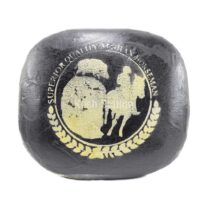
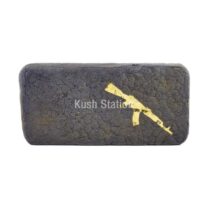
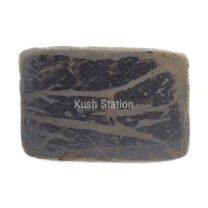
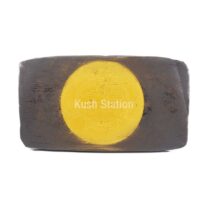
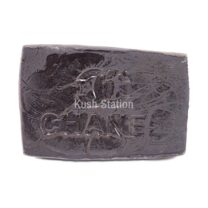
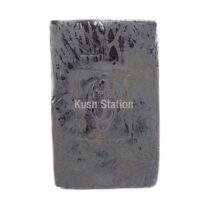
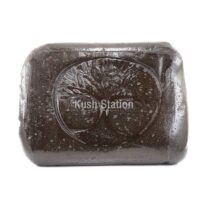
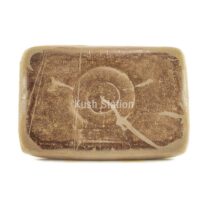
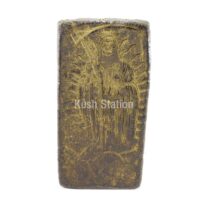
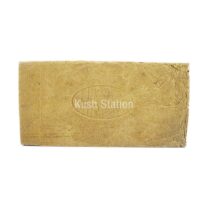
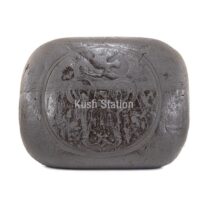
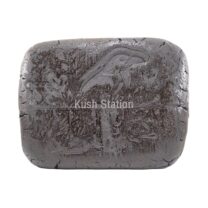
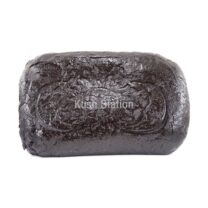
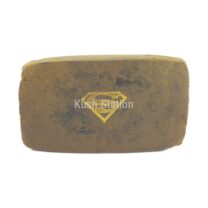
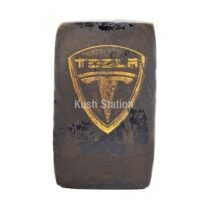
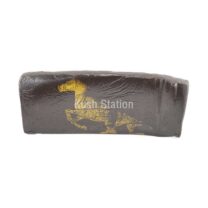
Cannabis concentrates are cannabis-derived extracts that primarily contain tetrahydrocannabinol (THC), other cannabinoids and terpenes. There are various types of cannabis concentrates, such as budder, diamonds, hash, live resin, rosin, shatter, terpene sauce, and tinctures.
Concentrates
Concentrates
Concentrates

Concentrates

Concentrates
Concentrates
Concentrates
Concentrates
Concentrates
Concentrates
Concentrates
Concentrates
Concentrates
Concentrates
Concentrates

Concentrates
Concentrates

Concentrates
Concentrates
Concentrates
Concentrates
Concentrates
Concentrates
Concentrates
Concentrates
Concentrates
Concentrates
Concentrates
Concentrates
Concentrates
Concentrates
Concentrates

Concentrates
Concentrates
Concentrates
Concentrates
Concentrates
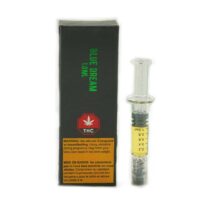
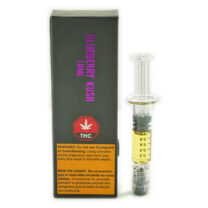
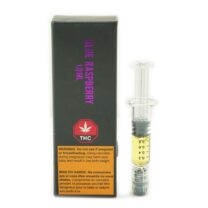
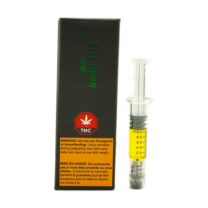
Key Takeaways
- Cannabis concentrates separate cannabinoids and terpenes from plant matter, offering stronger and often more flavorful alternatives to flower.
- Different concentrate types like live resin, rosin, distillate, and shatter vary by extraction method, texture, potency, and intended use.
- Start with small amounts when trying a new cannabis concentrate, especially due to their high potency, and always follow dosage instructions carefully.
- Choose concentrates compatible with your consumption device, and buy only from legal, provincially authorized sources to ensure safety and product reliability.
- Proper storage away from heat, light, and moisture preserves the flavor and potency of concentrates.
- Reading product labels and lab reports is essential to verify cannabinoid content, terpene profiles, and contaminant testing for quality assurance.
What Are Cannabis Concentrates?
Cannabis concentrates are products in which cannabinoids such as THC and CBD, and sometimes terpenes, have been separated from excess plant matter. Depending on the process, the result might resemble oil, crystals, glass, butter or brown resin.Potency varies widely. Some hash may be moderately stronger than flower, while distillate and THCA diamonds can approach very high cannabinoid concentrations. The package label matters more than the nickname.Concentrates vs flower vs edibles: key differences (potency, onset, duration)
| Format | Typical experience | Onset | Duration |
|---|---|---|---|
| Flower | Usually easiest to pace | Minutes | Roughly 1–3 hours |
| Inhaled concentrate | Fast and potentially intense | Seconds to minutes | Roughly 1–3 hours |
| Edible | Delayed, longer-lasting | 30 minutes–2+ hours | Often 4–8+ hours |
Common terms: extract, concentrate, dab, resin, rosin, distillate
Concentrate is the broad category: extract often means a product made using a solvent. A dab is a small portion vaporized on a heated surface. Resin generally comes from solvent extraction, whereas rosin uses heat and pressure. Distillate is highly refined cannabinoid oil with relatively little original flavour unless terpenes are added back.Types of Cannabis Concentrates (With Quick Pros/Cons)
Texture doesn't reliably indicate strength or quality. Two jars of budder can have different cannabinoid levels, terpene profiles and contaminants, so compare their labels and testing, not simply their Instagram sparkle.Wax, budder/badder, crumble, honeycomb
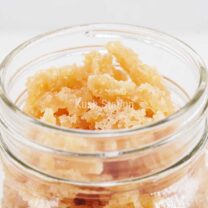
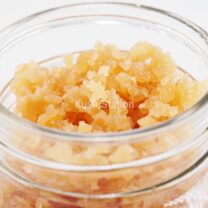
These related textures are commonly dabbed or added sparingly to flower. Budder and badder are creamy and easy to portion: wax is sticky: crumble and honeycomb are drier.Popular picks in this category include Budder Candy Land and Live Resin Couch Lock.Pros: manageable textures, versatile and widely available. Cons: messy in warm rooms, difficult to dose precisely without a scale and frequently potent.You can also browse our sugar wax range.Shatter
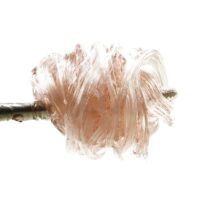
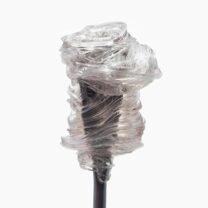
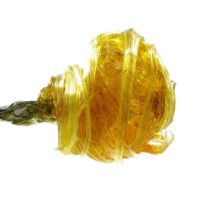
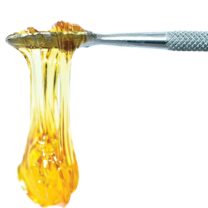
Shatter is translucent, brittle and glass-like. It snaps into pieces when cool but may become sticky when warm.Pros: relatively tidy handling and good stability when stored properly. Cons: pieces can ping across the table, an oddly expensive disappearing act, and its firmness says nothing about purity.Live resin (and cured resin)
Live resin is usually extracted from freshly harvested cannabis that was promptly frozen, helping retain volatile aromatics. Cured resin uses dried and cured material.Pros: expressive, plant-forward flavour: useful for terpene-focused shoppers. Cons: generally costs more than basic extracts and requires careful, cold storage to preserve aroma.Rosin (flower rosin vs hash rosin)
Rosin is pressed with heat and pressure, without hydrocarbon solvents. Flower rosin is pressed directly from buds: hash rosin begins with sift or ice-water hash and is usually cleaner and more refined.Pros: solventless production and rich flavour. Cons: premium hash rosin can be expensive, and "solventless" doesn't automatically mean contaminant-free.Hash (kief, dry sift, bubble hash)
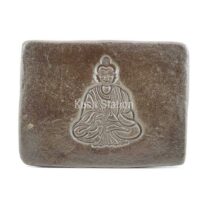
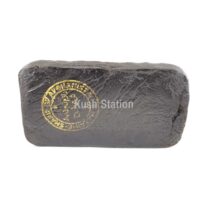
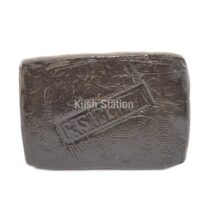
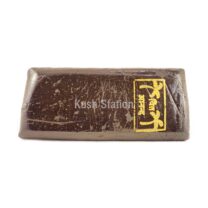
Kief consists of loose trichomes. Dry sift screens them from dried cannabis, while bubble hash uses ice water and filtration bags. These can be smoked, vaporized or pressed.You can also browse our kief range.Pros: traditional, flavourful and available across several price levels. Cons: quality ranges from plant-heavy sift to full-melt hash: not every grade vaporizes cleanly.Distillate (often used in carts and edibles)
Distillation creates highly refined cannabinoid oil. Its neutral character makes it practical for vape cartridges, gummies and measured oils.Pros: consistent potency, discreet flavour and easy formulation. Cons: less representation of the original plant: vape flavour may come primarily from reintroduced cannabis-derived or botanical terpenes.Diamonds and sauce / terp sauce
"Diamonds" are crystalline cannabinoids, commonly THCA, while sauce is a terpene-rich liquid containing cannabinoids. They're often sold together.Pros: strong potency and concentrated flavour. Cons: challenging for beginners to portion evenly: THCA becomes intoxicating THC when heated. This is advanced territory, not a beginner badge of honour.RSO (Rick Simpson Oil) and FECO: what they are and how they're used
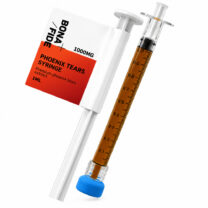
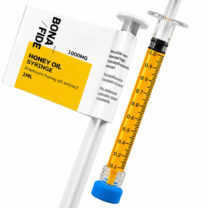
RSO and full-extract cannabis oil (FECO) are thick, dark extracts generally intended for oral use or infusion rather than dabbing. Production terminology varies between brands.You can also browse our honey oil range.They can be extremely concentrated, so follow the labelled serving directions. Even though online health claims, these oils aren't proven cures and shouldn't replace qualified medical care.Extraction Methods: Solvent-Based vs Solventless
The extraction method influences texture, flavour and cost, but it doesn't establish quality by itself. Skilled processing and verified source material matter on both sides of the solvent divide.Solvent-based: hydrocarbons (BHO/PHO), CO2, ethanol, what they typically produce
Butane and propane extraction can produce shatter, wax, badder, cured resin and live resin. Supercritical CO2 commonly produces oils, while ethanol is used for broad extraction and products destined for further refinement.Don't attempt hydrocarbon extraction at home. Flammable gases plus improvised equipment can cause fires, explosions and serious injuries.Solventless: ice water, heat/pressure, what they typically produce
Ice-water agitation separates trichomes to make bubble hash: screens produce dry sift: heat and pressure turn flower or hash into rosin. These methods avoid extraction solvents, though they still require clean cannabis, controlled temperatures and competent handling."Solventless" describes the process, not guaranteed potency, purity or superiority.Purging, residual solvents, and why lab testing matters
Solvent-based extracts require controlled removal, or purging, of processing solvents. Proper testing can also screen for pesticides, microbes and heavy metals that appearance can't reveal.Choose regulated Canadian products with traceable lot numbers and compliant labels. Health Canada's legal cannabis information explains national rules and consumer considerations.How to Use Cannabis Concentrates
Your device must match the concentrate. A 510-thread cartridge doesn't accept crumble, and an ordinary dry-herb vaporizer may not handle sticky extracts. When in doubt, check the manufacturer's instructions before creating a tiny, costly mess.Dabbing (rig, e-rig, nectar collector): basic setup and steps
A rig uses a heated nail or banger: an e-rig controls temperature electronically: a nectar collector touches its heated tip to concentrate.- Place a rice-grain-sized portion, or less, on a clean tool.
- Heat the device according to its instructions.
- Vaporize at a low setting and inhale gently.
- Wait before considering another dab.
- Clean residue while the chamber is safely warm.
Vaping concentrates (cartridges vs concentrate vaporizers)
Pre-filled cartridges offer convenience and discreet use, while concentrate vaporizers have refillable chambers for wax, rosin or resin. Buy compatible, regulated products only: avoid modified or unverified carts.Take one short puff, then pause. Rapid "blinkers" can deliver much more THC than expected and may irritate your lungs.Adding concentrates to flower (topping bowls, twaxing joints)
You can place a crumb inside a bowl or roll a thin concentrate line, sometimes called twaxing, within a joint. Keep extract away from the paper edge so it burns more evenly.This noticeably increases potency and can make combustion irregular. Use less flower and concentrate than your normal serving.You can also browse our caviar concentrates.Edibles & infusions: which concentrates work best and why
Distillate is convenient because it's refined, potent and easy to distribute through fat-based mixtures. RSO and FECO provide stronger plant flavour. Some products require decarboxylation to activate THC: others are already activated.Use only products labelled for ingestion, calculate total THC carefully and divide the mixture evenly. Guesswork and brownies are unreliable roommates.How to Choose the Right Cannabis Concentrate for You
Start with the experience you want and the equipment you own, not whichever jar has the loudest name. When buying cannabis concentrates in Canada, compare final price, cannabinoid content, package date, format and authorized retailer credentials.Potency and cannabinoid profile (THC/CBD/minor cannabinoids)
Read total THC and CBD per gram, package or activation. High THC may increase intoxication and unwanted effects: CBD-dominant or balanced products may feel more manageable, though responses vary.Minor cannabinoids such as CBG or CBN can appear on labels, but evidence for specific consumer effects remains limited. Don't treat marketing language as clinical proof.Flavor and terpene profile (live resin vs distillate vs rosin)
Live resin often delivers vivid, fresh aromatics. Rosin can offer nuanced flavour without extraction solvents. Distillate is comparatively neutral and consistent, making it suitable when discretion or predictable formulation matters more than cultivar character.Look for named terpenes and percentages, not vague claims such as "premium flavour explosion." Your nose deserves better paperwork.Ease of use: beginner-friendly picks and why
A regulated, low-potency vape with clear labelling can be easier to pace than loose concentrates. If you want to dab, soft budder is simpler to portion than brittle shatter or slippery diamonds-and-sauce.Choose adjustable low-temperature equipment, take one small inhalation and wait. Convenience doesn't make a product mild.Intended effects: daytime vs nighttime, focus vs relaxation (strain & terp considerations)
Labels such as indica, sativa and hybrid provide rough expectations, not dependable outcomes. Cannabinoid dose, terpene profile and your own tolerance are more informative.For daytime use, prioritize a modest dose over promises of "focus." At night, don't assume a heavy product guarantees sleep. Keep notes on product, amount and response: your personal pattern is more useful than folklore.Dosing & Safety: Avoiding a Bad Time
Concentrates demand patience. Your ideal amount can change with tolerance, medication, sleep, food and setting, so yesterday's dose isn't a binding contract.Start-low-go-slow dosing for dabs, vapes, and edibles
For a new dab, use no more than a tiny crumb and wait at least 10–15 minutes before reassessing. With a vape, take one short puff, then pause.For edibles, follow the Canadian public-health principle of beginning around 2.5 mg THC or less, particularly if you're inexperienced, and wait several hours before taking more. Review Health Canada's lower-risk guidance.High-potency risks, tolerance, and impairment guidance
Too much THC may cause anxiety, nausea, dizziness, confusion or a racing heartbeat. Move somewhere calm, sip water and remind yourself that the feeling should pass. Seek medical help for severe symptoms, chest pain, unconsciousness or breathing difficulty.Never drive impaired, combine cannabis casually with alcohol or operate machinery. Frequent high-potency use may raise tolerance and dependence risk: taking breaks can help you reassess your pattern.Storage and handling: temperature, light, containers, preventing terp loss
Store concentrates upright in their original, child-resistant packaging, away from heat, sunlight, moisture, children and pets. Silicone is handy briefly, but clean glass containers are often better for longer storage.Refrigeration may help terpene-rich extracts, provided the label recommends it. Let a sealed jar warm before opening to reduce condensation.Quality Checklist: How to Spot Good Concentrates
Good quality means more than pale colour or high THC. Traceability, fresh aroma, suitable texture and contaminant testing are stronger indicators than flashy packaging.Reading a COA (lab report): potency, terpenes, pesticides, heavy metals, solvents, microbes
A certificate of analysis should match the product's lot or batch number. Check:- THC, THCA, CBD and other reported cannabinoids
- Terpene results, when available
- Pass/fail findings for pesticides and microbes
- Heavy-metal and residual-solvent limits
- Laboratory name, test date and sample identifier