Buy Magic Mushroom Online Guide: Effects, Risks & Safety
A magic mushroom experience can be described as everything from colourful and meaningful to nauseating, frightening, or deeply confusing. That huge range is exactly why psilocybin deserves more respect than its playful nickname suggests.
This guide provides a practical, evidence-based review of psilocybin mushrooms for Canadian adults. It covers how they work, what effects people report, major health and interaction risks, harm reduction, emerging therapeutic research, and the legal situation. It doesn’t recommend taking mushrooms, provide personalized medical advice, or review unregulated sellers. There are no brand affiliations or financial relationships influencing the information here.
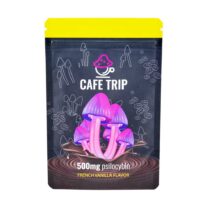
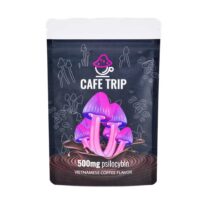
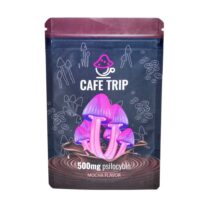
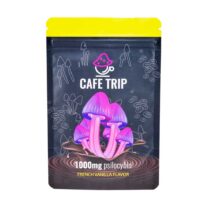
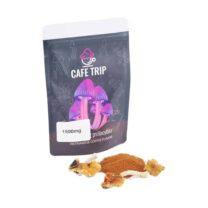
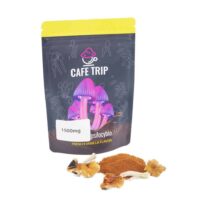
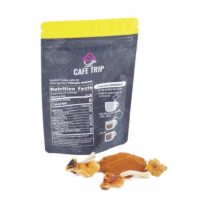
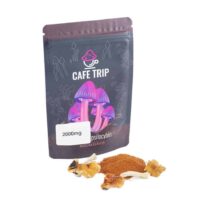

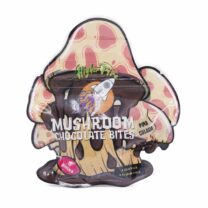
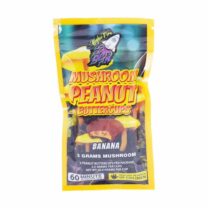
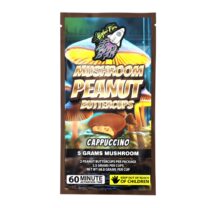
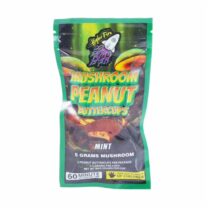
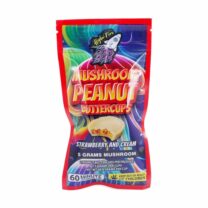
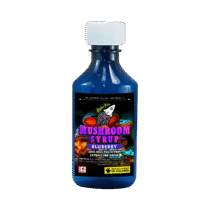
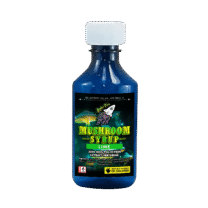
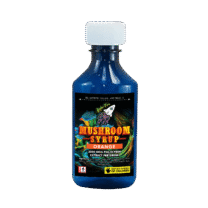
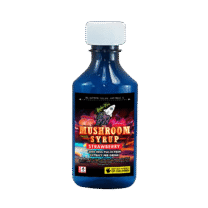
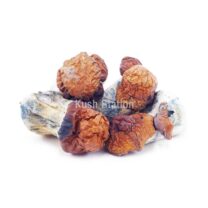
Dried Shrooms
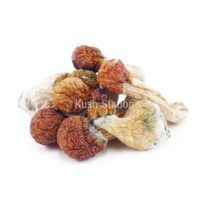
Dried Shrooms
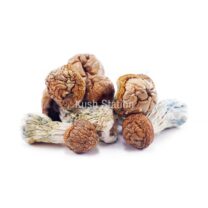
Dried Shrooms
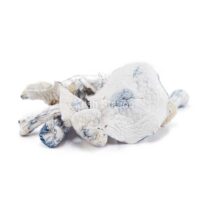
Dried Shrooms
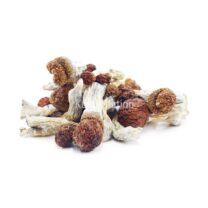
Dried Shrooms
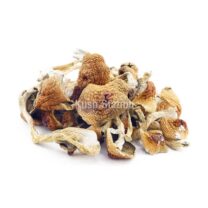
Dried Shrooms
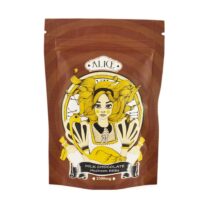
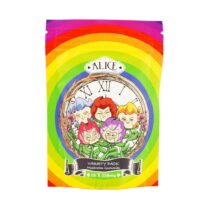
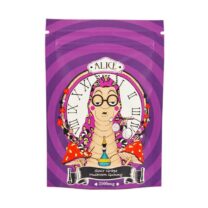
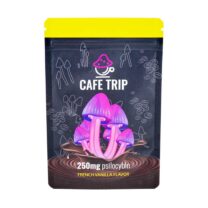
If you're accustomed to regulated cannabis, with labelled THC content, child-resistant packaging, and provincial retail standards, mushrooms are a different landscape. Products advertised online as magic mushroom delivery, magic mushroom microdoses, Mushroom Gummy, or Mushroom Chocolate may look polished, but attractive packaging doesn't verify potency, purity, legality, or even the ingredients. A chocolate square stamped "500 mg" is not comparable to a Health Canada–approved medicine, nor does it necessarily tell you how much psilocybin you're getting.Another important distinction: psilocybin isn't simply "stronger weed." Cannabis and classic psychedelics act through different brain systems. The familiar cannabis strategy of taking another puff and waiting may not translate safely to a substance that can alter your sense of time, identity, surroundings, and reality for several hours.This article is strictly for adults and emphasizes starting with reliable information rather than marketing claims. Cannabis age limits, 18 in Alberta, 21 in Quebec, and 19 in most other provinces and territories, do not make psilocybin legal at those ages. Local laws and personal medical risks still apply.So, what actually happens after psilocybin enters your body, and why can two apparently similar mushrooms produce dramatically different experiences? Let's start beneath the cap.
Key Takeaways
- Magic mushrooms contain psilocybin, a psychoactive compound that interacts with serotonin receptors to alter perception, mood, and cognition.
- Effects of magic mushrooms can vary widely based on species, dose, set and setting, and individual factors, making experiences unpredictable and sometimes intense.
- Unregulated products marketed as magic mushrooms or edibles can have inconsistent potency, uncertain ingredients, and pose safety risks due to contamination or mislabeling.
- Using magic mushrooms carries mental health risks, including panic, psychosis, and prolonged perceptual changes, especially for individuals with psychiatric histories or on certain medications.
- Harm reduction practices include using a trusted sober sitter, choosing a safe environment, avoiding mixing substances, and planning for a full day free of responsibilities.
- Psilocybin remains illegal in most contexts; legal access is limited to specific exemptions, clinical trials, or medical programs, so relying on unregulated sources increases legal and health risks.
What Is a Magic Mushroom (Psilocybin and Psilocin)?
"Magic mushroom" is an informal term for fungi containing the psychoactive compounds psilocybin and psilocin. More than 200 mushroom species have been reported to contain these or related compounds, although potency, chemistry, and geographic distribution differ substantially.Psilocybin is often described as a prodrug. After ingestion, your body removes a phosphate group and converts much of it into psilocin, the compound primarily responsible for psychedelic effects. That conversion helps explain why the experience doesn't usually begin immediately.Psilocybin mushrooms belong to the classic psychedelic family alongside LSD, mescaline, and DMT. They aren't cannabis, stimulants, or conventional sedatives. While users may report relaxation or euphoria, they can also experience intense fear, disorientation, and impaired judgment. "Natural" doesn't automatically mean gentle, poison ivy would like a word.It's also worth separating psilocybin products from functional mushrooms. Lion's mane, reishi, cordyceps, and chaga don't naturally produce a psilocybin trip. A legal wellness gummy labelled "mushroom blend" may hence have nothing to do with psychedelic mushrooms.- How psilocybin works in the brain (serotonin receptors, perception, mood)
Psilocin resembles serotonin closely enough to interact with several serotonin receptors. Its psychedelic effects are associated particularly with partial activation of the 5-HT2A receptor, which is widely distributed across brain regions involved in perception, attention, mood, and higher-order thinking.Brain-imaging research suggests psilocybin temporarily changes communication among networks that normally maintain relatively stable patterns. Researchers often discuss altered connectivity involving the default mode network, which participates in self-referential thought and autobiographical processing. In plain English, the brain may become less rigidly compartmentalized for a while. Signals and ideas that don't ordinarily mingle can start crossing paths.That can manifest as:- Colours appearing unusually saturated
- Surfaces seeming to breathe, ripple, or form patterns
- Music feeling spatial, visual, or emotionally loaded
- Time appearing slowed, accelerated, or fragmented
- Thoughts becoming unusually associative
- The boundary between "self" and surroundings feeling less distinct
- Common types and why potency varies (species, growing conditions, storage)
Psilocybe cubensis is among the best-known cultivated species. Others include Psilocybe semilanceata, often called liberty caps, and several wood-loving species such as Psilocybe cyanescens. Informal strain names used by growers and online shops, Golden Teacher and Penis Envy, for example, aren't equivalent to standardized pharmaceutical varieties.Potency can vary between species, cultivated varieties, harvests, individual mushrooms, and even different parts of one mushroom. Genetics matter, but so do substrate composition, temperature, maturity at harvest, drying technique, and storage. Older mushrooms exposed to heat, moisture, oxygen, or light may lose active compounds unevenly.This variability creates a problem familiar to edible-cannabis users, only with fewer guardrails. Two chocolate pieces that look identical may not be chemically identical if powdered mushrooms weren't evenly distributed. A person who tolerated one batch may be surprised by another carrying the same label.Blue bruising is sometimes treated as a potency test, but it isn't reliable. Bluing may relate to oxidation of psilocin-derived compounds, yet its intensity doesn't provide a trustworthy measurement. Nor does a photo, cap shape, or seller's "AAAA" language establish strength.Clinical studies avoid much of this uncertainty by using carefully manufactured, analytically tested psilocybin in controlled amounts. Results from that environment shouldn't be casually mapped onto an unknown dried product stored in somebody's kitchen drawer.- Common forms and routes of use (fresh/dried, tea, capsules, edibles)
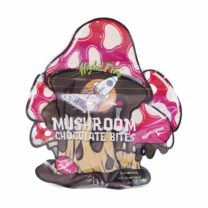
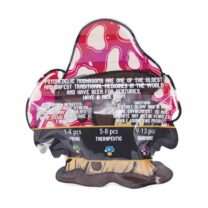
Psilocybin mushrooms are encountered fresh, dried, powdered in capsules, steeped in tea, or incorporated into foods such as gummies and chocolate. They are generally consumed orally. Each form changes convenience and taste, but none removes the core psychological or medical risks.Fresh mushrooms contain considerable water, so fresh and dried weights aren't interchangeable. Drying concentrates material by removing water: it doesn't make uncertain potency suddenly predictable. Powdering can distribute material more evenly within a batch, yet it also removes visual clues about mushroom identity and contamination.Tea may be easier on some stomachs, although nausea can still occur and effects may emerge differently depending on preparation and the individual. Capsules conceal flavour but can encourage the mistaken assumption that the contents are pharmaceutical-grade. They usually aren't.Commercial-looking edibles deserve special caution. A Mushroom Gummy could contain psilocybin, non-intoxicating mushroom extracts, another psychoactive compound, or inaccurate ingredients. Mushroom Chocolate may also hide uneven distribution, spoilage, or a product different from its label. Independent analyses in the broader unregulated edible market have repeatedly shown that labels and contents don't always agree.Never assume an online menu, QR code, foil wrapper, or "lab tested" logo proves independent verification. Unless you can authenticate the laboratory, lot number, methods, and certificate, you're looking at a claim, not evidence.Effects of Magic Mushrooms: What to Expect
The effects of a magic mushroom can range from subtle sensory changes to a complete disruption of ordinary reality. Experiences are unpredictable, and online trip reports tend to overrepresent either magical breakthroughs or spectacular disasters. Many real experiences sit somewhere messier in between.Unlike inhaled cannabis, psilocybin usually has a delayed onset and a long commitment window. Once effects become strong, there is no reliable at-home "off switch." That matters when planning around work, caregiving, pets, privacy, transportation, and other responsibilities.- Timeline: onset, peak, duration, and after-effects
After oral use, initial effects commonly begin within roughly 20 to 60 minutes, but onset can take longer. Food, gastrointestinal function, product form, and individual metabolism can all shift the timing. Taking more because "nothing is happening" is a classic way to become far more impaired than intended once both amounts take effect.A typical general timeline looks like this:| Phase | Approximate timing | Possible experiences |
|---|---|---|
| Early onset | 20–60+ minutes | Nausea, yawning, restlessness, sensory sharpening |
| Rising phase | 1–2 hours | Stronger emotion, visual distortion, altered time |
| Peak | Around 2–3 hours | Most intense perceptual and psychological effects |
| Decline | 3–6 hours | Gradual return toward ordinary perception |
| Residual period | 6–12+ hours | Fatigue, stimulation, reflection, headache, insomnia |
- Short-term mental effects (mood changes, visuals, anxiety, paranoia)
Commonly reported mental effects include euphoria, awe, introspection, laughter, emotional sensitivity, and an intensified response to music or nature. Visual changes may include geometric patterns, trails behind moving objects, shifting textures, and altered depth perception. Closed-eye imagery can also become vivid.But there's another side. Thoughts can loop: Am I okay? Did I already ask that? Is time stuck? A mild concern can gain enormous emotional weight. Someone may become convinced friends are judging them, emergency services are coming, or the experience will never end. Logical reassurance may be harder to absorb during the peak.Confusion can create practical hazards. A balcony door, lake, roadway, campfire, or kitchen knife remains physically real even when perception isn't dependable. Impulsivity is particularly concerning if a person becomes panicked or believes they must "escape" the setting.Cannabis experience offers limited preparation. A seasoned daily consumer who handles high-THC concentrates comfortably can still be overwhelmed by psilocybin. In fact, adding cannabis during a mushroom experience may intensify visuals, anxiety, dissociation, or paranoia.Not every profound thought remains profound the next morning. It helps to treat major revelations as material for later reflection, not instructions to immediately end a relationship, empty a bank account, or message your boss a 900-word truth bomb.- Short-term physical effects (nausea, pupil dilation, heart rate, coordination)
Physical effects can include nausea, stomach discomfort, vomiting, yawning, chills, sweating, tremor, muscle tension, headache, dizziness, and dilated pupils. Heart rate and blood pressure may rise temporarily. Some users feel heavy and lethargic: others become restless or energized.Coordination and spatial judgment may deteriorate even when the person feels mentally clear. Stairs become trickier. Crossing a road becomes riskier. Swimming, skating, boating, cycling, snowmobiling, and driving are unsafe while impaired. Yes, even if the lake looks incredibly inviting.Vomiting isn't automatically an emergency, but repeated vomiting can contribute to dehydration and may signal poisoning or another medical issue. A semiconscious person who vomits can choke, especially if left alone or positioned on their back.Body temperature can feel unstable without necessarily reaching a dangerous level. Still, extreme heat, very high fever, severe agitation, rigid muscles, chest pain, or collapse requires urgent medical attention. These symptoms shouldn't be dismissed as "just part of the trip."People with cardiovascular conditions should speak with a qualified clinician rather than relying on anecdotes. Clinical trials frequently exclude participants with significant uncontrolled medical conditions, so reassuring study headlines may not apply to everyone.- What impacts effects (dose, set & setting, experience level, sleep/food)
The familiar phrase set and setting remains useful. Set means your psychological state, expectations, mood, recent stress, and underlying mental health. Setting means the physical and social environment. Neither can guarantee safety, but both can strongly shape how an experience unfolds.Key variables include:- Amount and potency: More active compound generally raises intensity, but unknown potency makes prediction difficult.
- Mindset: Grief, conflict, panic, or pressure from friends can surface forcefully.
- Environment: Crowds, strangers, noise, and unfamiliar spaces may become overwhelming.
- Experience level: Familiarity may reduce surprise, but it doesn't eliminate bad reactions.
- Sleep: Exhaustion can worsen confusion and emotional instability.
- Food and digestion: These may influence onset and nausea.
- Other substances or medications: Interactions can blunt, amplify, or complicate effects.
Risks and Side Effects
Psilocybin has relatively low direct toxicity compared with many drugs, but "low toxicity" is not the same as low overall risk. Accidents, psychiatric reactions, drug interactions, adulterated products, and poisonous mushroom identification can all cause serious harm.Risk also isn't distributed evenly. A healthy participant screened for a university trial and monitored by trained professionals is not in the same situation as someone taking an unknown edible alone while experiencing a mental health crisis.- Bad trips: signs, common triggers, and how to respond
A bad trip is an intensely distressing psychedelic experience. Signs may include panic, repetitive fear, paranoia, crying, agitation, disorientation, or a belief that death, permanent insanity, or persecution is imminent. The distress can feel completely real even when the trigger isn't.Common contributors include an unexpectedly strong product, chaotic surroundings, unresolved stress, sleep deprivation, mixing substances, hostile people, or feeling trapped. Trying aggressively to "snap someone out of it" can make matters worse.If the person remains physically safe and responsive:- Move them away from crowds, traffic, water, heights, and sharp objects.
- Reduce noise and harsh lighting.
- Have one calm, sober person speak slowly and simply.
- Remind them that they took a drug and that the effects will pass.
- Avoid arguing about unusual beliefs: acknowledge the fear without confirming the belief.
- Encourage slow breathing, but don't force complicated exercises.
- Stay with them and monitor for medical warning signs.
- Poisoning and misidentification risk (toxic look-alikes, contamination)
Foraging introduces one of the most dangerous risks: identifying the wrong mushroom. Toxic species can resemble psychoactive or edible mushrooms, and some cause delayed liver or kidney failure. Early symptoms may briefly improve before severe organ damage appears.A phone app, social media group, photograph, bruising reaction, or folk test cannot reliably confirm safety. Cooking or drying does not neutralize every mushroom toxin. If a wild mushroom may have been misidentified, contact poison control promptly rather than waiting for severe symptoms.Contamination is another concern. Poor cultivation or storage can introduce mould, bacteria, or foreign material. Warning signs may include unusual slime, obvious mould, unexpected odour, dampness, or damaged packaging, but contamination isn't always visible.Processed products create a different identification problem: you can't inspect powdered material inside a capsule, gummy, or chocolate. Some products marketed as mushroom edibles have been associated with unexpected psychoactive ingredients. Packaging can be copied cheaply, so multiple sellers using the same bright cartoon wrapper doesn't prove they share a legitimate manufacturer.In Canada, provincial poison centres provide case-specific guidance. Keep packaging or a sample if this can be done safely, and tell responders what was consumed, when, how much was suspected, and what symptoms appeared. Accurate information helps: shame and guesswork don't.- Mental health risks (panic, psychosis risk, HPPD) and who should avoid
Psilocybin can provoke acute panic, paranoia, mania-like behaviour, or psychotic symptoms. Most short-term reactions resolve as intoxication fades, but prolonged symptoms have been reported. Risk may be higher among people with personal or family histories of psychotic disorders or bipolar disorder.People who are pregnant or breastfeeding, have unstable cardiovascular illness, are experiencing acute suicidal thoughts, or have histories suggesting mania or psychosis should avoid unsupervised psychedelic use and seek professional guidance. The same caution applies when medications or medical conditions haven't been properly reviewed.Hallucinogen persisting perception disorder (HPPD) is uncommon but important. It involves recurring or persistent visual disturbances after hallucinogen use, potentially including trails, flashes, visual snow, halos, or after-images. Not every brief visual oddity is HPPD, and anxiety or migraine can produce overlapping symptoms, so assessment by a clinician matters.A challenging experience can also leave someone shaken without meeting criteria for a disorder. Sleep disruption, derealization, intrusive memories, or fear of "going crazy" may continue after the drug has cleared. Persistent changes deserve medical attention, particularly if they interfere with work, relationships, or basic functioning.Therapy headlines sometimes make psilocybin sound universally healing. In reality, trials use screening criteria precisely because some people face elevated risk. Exclusion from unsupervised use isn't moral failure: it's risk management.- Mixing and interactions (alcohol, cannabis, stimulants, SSRIs/MAOIs, lithium)
Mixing substances makes effects less predictable. Alcohol can worsen nausea, dehydration, poor judgment, and coordination. Cannabis may intensify psychedelic effects and trigger anxiety or paranoia, even for regular cannabis users. Stimulants can add cardiovascular strain, agitation, and sleeplessness.Medication interactions are more complicated than social media charts imply:| Substance or medication | Main concern |
|---|---|
| Alcohol | Vomiting, poor judgment, dehydration, accidents |
| Cannabis | Intensified visuals, anxiety, paranoia, confusion |
| Stimulants | Increased heart rate, blood pressure, agitation |
| SSRIs/SNRIs | Effects may be altered or blunted: individual responses vary |
| MAOIs | Potentially stronger or prolonged effects and interaction risks |
| Lithium | Reports associate combinations with seizures and severe reactions |
Tolerance, Dependence, and Withdrawal
Psilocybin behaves differently from alcohol, nicotine, opioids, or daily cannabis. It tends to produce rapid short-term tolerance, while classic physical dependence and withdrawal are not typical. That distinction is useful, but it shouldn't become an excuse to ignore problematic behaviour.- Tolerance and cross-tolerance (LSD/other psychedelics) and reset time
Tolerance to psilocybin can develop quickly when it is used repeatedly over consecutive days. The same amount may produce noticeably weaker effects. Sensitivity generally moves back toward baseline after abstinence, often over roughly one to two weeks, although there is no universal reset clock.Cross-tolerance can occur among classic psychedelics acting primarily through 5-HT2A receptors. Recent LSD use, for example, may reduce the apparent effects of psilocybin and vice versa. Increasing intake to overpower tolerance introduces more uncertainty rather than restoring a predictable experience.This also complicates magic mushroom microdoses. Microdosing usually refers to taking a small, intended-to-be-sub-perceptual amount on a recurring schedule. Yet unregulated products may vary enough that yesterday's subtle capsule becomes today's very noticeable one. Frequent exposure also makes it harder to separate perceived benefits from expectation, normal mood variation, caffeine, sleep, or other lifestyle changes.Placebo-controlled research on microdosing has produced mixed findings, with expectancy effects appearing important. That doesn't mean every personal report is imaginary. It means anecdotes alone can't establish whether psilocybin caused the benefit, or whether repeated use is safe for a particular person.- Addiction potential vs. problematic use: when to seek help
Psilocybin isn't generally associated with compulsive physical dependence or a recognized withdrawal syndrome. It doesn't usually create the repetitive reward pattern seen with nicotine, cocaine, or opioids. Still, a low addiction potential doesn't make all use healthy.Problematic patterns can include:- Using even though worsening anxiety, sleep, finances, or relationships
- Escalating frequency in pursuit of a previous experience
- Treating psychedelics as the only way to cope or feel meaning
- Driving, working, or caregiving while impaired
- Repeatedly mixing substances even though bad reactions
- Becoming preoccupied with "messages" that disrupt ordinary life
- Spending money on unverified products instead of essentials
Harm Reduction and Safety Checklist
The safest option is not to use an illegal, unregulated psychoactive product. If an adult chooses to use anyway, harm reduction focuses on reducing preventable injury, not declaring the choice risk-free.Planning matters more than premium packaging, loyalty points, or a same-day magic mushroom delivery promise. Shipping speed tells you nothing about identity, potency, contamination, or medical suitability. Never interpret a slick online storefront as clinical oversight.- Safer-use planning (trusted sitter, environment, hydration, avoiding driving)
A sober, trusted sitter can reduce risk by monitoring the environment and responding calmly if distress develops. The sitter should know what was reportedly taken, when it was taken, relevant medical conditions, emergency contacts, and when to call for help. They shouldn't be intoxicated "but less intoxicated."Use this safety checklist before any decision:- Check your headspace. Postpone if you're severely anxious, sleep-deprived, pressured, or emotionally unstable.
- Review health risks. Consider medications, cardiovascular issues, seizure history, and personal or family psychiatric history.
- Avoid mixing. Alcohol, cannabis, stimulants, and medications can complicate effects.
- Choose a low-hazard space. Secure balconies, tools, weapons, traffic access, pools, fire, and bodies of water.
- Protect the full day and following morning. Don't schedule driving, work, caregiving, or important decisions.
- Keep hydration available. Sip normally: don't force excessive water.
- Protect children and pets. Store all products locked, labelled, and out of reach.
- Keep a charged phone nearby. Save poison control and emergency information.
- When to get emergency help (warning signs, what to tell responders)
Call 911 or seek emergency care for:- Chest pain, breathing difficulty, collapse, or blue/grey skin
- Seizure, severe muscle rigidity, or very high temperature
- Loss of consciousness or inability to wake the person
- Extreme agitation, violence, or immediate self-harm risk
- Persistent vomiting with reduced responsiveness
- Suspected poisonous mushroom ingestion
- Symptoms that are severe, unusual, or getting worse
Therapeutic Uses and Research (Depression, PTSD, Anxiety)
Psilocybin-assisted therapy is one of the most closely watched areas of psychedelic research. Studies have explored depression, distress associated with life-threatening illness, alcohol use disorder, and other conditions. Early findings are promising enough to justify serious investigation, but not broad claims that mushrooms cure depression, PTSD, or anxiety.Therapeutic research is about more than swallowing psilocybin. It generally combines preparation, a controlled dosing session, trained support, monitoring, and follow-up or integration. That package is fundamentally different from buying a chocolate bar online and hoping for a breakthrough on the couch.- What clinical trials suggest and key limitations (screening, dosing, support)
Randomized trials have reported rapid reductions in depressive symptoms for some participants receiving psilocybin with psychological support. A notable study published in the New England Journal of Medicine compared a single dose of synthesized psilocybin at different strengths for treatment-resistant depression. The higher-dose group showed greater improvement at three weeks, but adverse effects occurred and benefits were not universal or necessarily durable.Research from institutions including Johns Hopkins Center for Psychedelic and Consciousness Research and other academic centres has also examined depression, addiction, and cancer-related distress. PTSD research exists, but evidence for psilocybin is less established than popular discussions sometimes imply: much high-profile psychedelic PTSD research has involved MDMA, a pharmacologically different substance.Important limitations include:- Small or selectively recruited samples
- Difficulty maintaining blinding when psychedelic effects are obvious
- Exclusion of people with certain psychiatric or medical risks
- Intensive therapist support that may be hard to scale
- Variable psychotherapy methods across studies
- Limited long-term safety and durability data
- Participants' positive expectations about psychedelics
Magic Mushroom Legality and Access (High-Level Overview)
Psilocybin legality is confusing because enforcement practices, municipal motions, medical-access pathways, and federal criminal law can coexist. A storefront operating openly does not necessarily mean its products are authorized. The same goes for websites advertising nationwide shipping, discreet Xpresspost, free gifts, or magic mushroom delivery.For Canadian consumers, the central point is straightforward: cannabis legalization did not legalize psilocybin. Provincial cannabis stores and federally licensed cannabis producers operate under regulatory systems that generally do not authorize recreational psilocybin sales.- How laws vary by region and what "decriminalized" vs "legal" can mean
In Canada, psilocybin and psilocin are controlled substances under federal law, except where an exemption or authorized pathway applies. Health Canada explains current pathways through its information on psilocybin and psilocin access. Rules, exemptions, and enforcement priorities can change, so verify current information rather than relying on an old forum post.The terminology matters:| Term | What it generally means |
|---|---|
| Legal | Conduct is permitted within an established legal framework |
| Decriminalized | Certain conduct may have reduced penalties or lower enforcement priority, but isn't necessarily authorized commerce |
| Medical exemption | Specific people or activities may receive limited authorization under stated conditions |
| Tolerated storefront | A business may operate openly even though lacking full legal authorization |