
Blog 2026
11-Hydroxy-THC: Why Cannabis Edibles Hit Harder & Last Longer
Oct
Have you ever wondered why cannabis edibles can feel significantly stronger and last much longer than smoking or vaping marijuana? The answer lies partly in a powerful compound called 11-Hydroxy-THC. This metabolite plays an important role in how the body processes cannabis, particularly when THC is consumed through food or beverages.
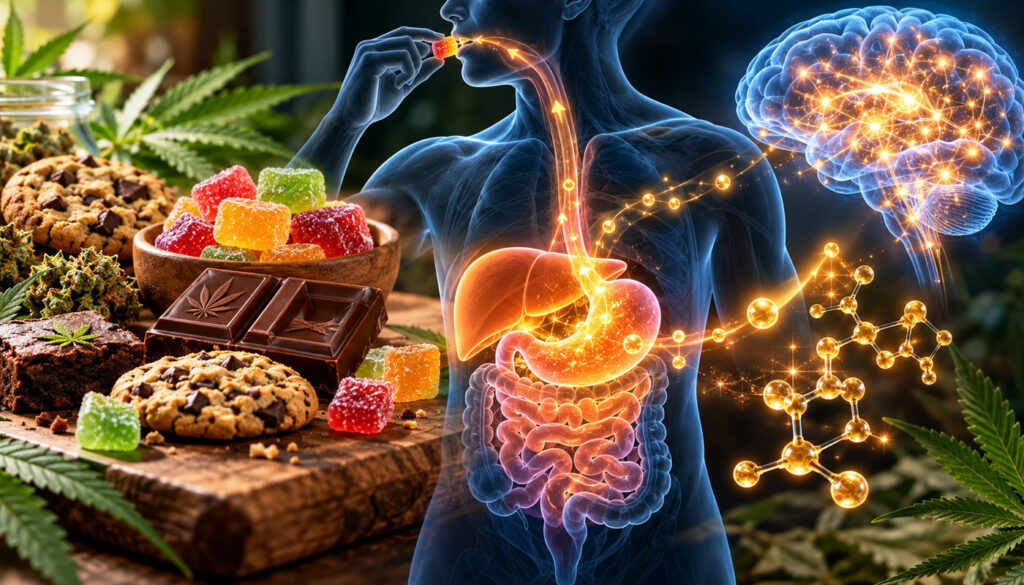
Unlike inhaled cannabis, which delivers THC rapidly into the bloodstream through the lungs, cannabis edibles undergo digestion and metabolism before producing their full effects. During this process, the liver converts some THC into 11-Hydroxy-THC, a psychoactive compound that contributes to the distinctive experience associated with edibles.
Understanding how 11-Hydroxy-THC works can help cannabis consumers make more informed decisions about edible potency, onset times, duration, and potential risks.
In this guide, we’ll explore the science behind 11-Hydroxy-THC, its effects, potential benefits, and why it makes cannabis edibles different from other consumption methods.
What Is 11-Hydroxy-THC?
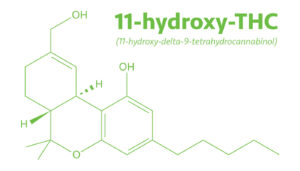
It scientifically known as 11-hydroxy-delta-9-tetrahydrocannabinol, is an active metabolite produced when the body breaks down delta-9-THC, the primary intoxicating compound found in cannabis.
When THC enters the body, enzymes in the liver transform some of it into 11-Hydroxy-THC. This compound is psychoactive and contributes to the effects of cannabis.
Both delta-9-THC and 11-Hydroxy-THC interact with the body’s endocannabinoid system, particularly CB1 receptors in the brain and central nervous system.
These interactions can influence mood, perception, memory, appetite, and coordination.
Although 11-Hydroxy-THC is often described as more potent than delta-9-THC, its effects depend on multiple factors, including dose, metabolism, and individual sensitivity.
Importantly, 11-Hydroxy-THC is not exclusive to edibles. It can also form after inhaled THC, although oral consumption generally produces greater exposure to this metabolite relative to the parent compound.
How Does the Body Produce 11-Hydroxy-THC?
The production of 11-Hydroxy-THC involves a metabolic process known as first-pass metabolism.
When someone consumes a cannabis edible, THC travels through the digestive system before entering circulation.
The process generally involves several stages.
-
Digestion: The edible passes through the stomach and intestines, where THC becomes available for absorption.
-
Absorption: THC is absorbed through the gastrointestinal tract.
-
Liver metabolism: Some absorbed THC reaches the liver, where enzymes convert it into 11-Hydroxy-THC.
-
Systemic circulation: THC and its metabolites enter the bloodstream and contribute to the overall cannabis experience.
The liver eventually converts 11-Hydroxy-THC into additional metabolites, including 11-nor-9-carboxy-THC, commonly called THC-COOH, which is not intoxicating.
Because this process takes time, the effects of edibles usually develop more slowly than those of inhaled cannabis.
Why Does 11-Hydroxy-THC Make Edibles Feel Stronger?
One of the most frequently discussed characteristics of 11-Hydroxy-THC is its contribution to the intensity of edible cannabis effects.
Research suggests that 11-Hydroxy-THC is an active psychoactive metabolite capable of producing substantial central nervous system effects.
Oral THC administration also produces a different balance of THC and its metabolites compared with inhalation.
These differences help explain why edible cannabis can produce an experience that feels more intense or prolonged.
Greater Exposure to an Active Metabolite
When THC is consumed orally, first-pass metabolism increases the relative amount of 11-Hydroxy-THC entering circulation.
This contributes to the distinctive effects of edible cannabis.
However, the intensity of an edible cannot be predicted solely from 11-Hydroxy-THC levels.
The original THC dose, food intake, individual metabolism, and tolerance also influence the experience.
Delayed but Potentially Intense Effects
Cannabis edibles often take between 30 minutes and two hours to begin producing noticeable effects, although onset can take longer.
Peak effects may not occur until several hours after consumption.
This delay sometimes leads consumers to mistakenly believe an edible is ineffective and consume additional THC too soon.
The resulting combined dose can cause unexpectedly intense intoxication.
Longer-Lasting Effects
Edible cannabis effects commonly last approximately six to eight hours, with some effects persisting longer.
The prolonged experience reflects gastrointestinal absorption, metabolism, and other pharmacokinetic factors—not simply the presence of 11-Hydroxy-THC.
11-Hydroxy-THC vs. Delta-9-THC: What’s the Difference?
Although these compounds are closely related, they have important differences.
| Feature | Delta-9-THC | 11-Hydroxy-THC |
|---|---|---|
| Origin | Naturally occurring cannabis cannabinoid | Active THC metabolite |
| Formation | Produced by the cannabis plant | Formed through THC metabolism |
| Psychoactive | Yes | Yes |
| Primary role | Major intoxicating cannabis compound | Contributes to THC intoxication |
| Edible relevance | Consumed directly | Produced during metabolism |
| Duration | Depends on consumption method | Contributes to overall effects |
Both compounds interact with cannabinoid receptors, but their concentrations and timing differ depending on how cannabis is consumed.
Neither compound is inherently safe simply because it occurs naturally or forms through normal metabolism.
Potential Benefits Associated With 11-Hydroxy-THC
Research into cannabis and cannabinoids has explored several potential therapeutic applications.
However, evidence specifically isolating the medical benefits of 11-Hydroxy-THC remains limited.
Most clinical research evaluates THC-containing products rather than the metabolite independently.
1. Potential Pain Management Applications
Cannabinoids have been studied for their potential role in managing certain forms of chronic pain.
Some evidence suggests that particular cannabinoid-based medicines may provide modest relief for selected patients.
Because 11-Hydroxy-THC contributes to the psychoactive effects of orally administered THC, it may also contribute to the overall effects of THC-based medicines.
However, direct evidence establishing 11-Hydroxy-THC as an independent pain treatment is insufficient.
2. Appetite Stimulation
THC has recognized appetite-stimulating effects, and certain prescription cannabinoid medications are used for specific appetite-related conditions.
Orally administered THC produces 11-Hydroxy-THC, which may contribute to its overall pharmacological activity.
This does not establish ordinary cannabis edibles as appropriate treatments for appetite loss.
3. Nausea and Vomiting Research
Certain cannabinoid medications have established roles in treating chemotherapy-related nausea and vomiting when other treatments are inadequate.
Their effects involve cannabinoid signaling pathways, although the independent contribution of 11-Hydroxy-THC remains uncertain.
4. Prolonged Effects
One practical characteristic of edible THC is its longer duration compared with inhaled cannabis.
Some patients receiving medically supervised cannabinoid treatment may value longer-lasting effects.
However, prolonged intoxication can also be a disadvantage, especially when adverse reactions occur.
Longer duration should not automatically be considered a therapeutic benefit.
How Long Does 11-Hydroxy-THC Stay in Your System?
The duration of noticeable intoxication is different from the time THC metabolites remain detectable in the body.
The effects of cannabis edibles commonly last six to eight hours, although impairment may persist beyond that period.
Detection times vary considerably depending on the type of drug test, frequency of cannabis consumption, metabolism, and other factors.
Urine tests typically identify THC-COOH or related metabolites rather than measuring current intoxication.
For frequent cannabis consumers, certain metabolites may remain detectable for weeks.
Therefore, a positive drug test does not necessarily indicate that someone is currently impaired.
Why Cannabis Edibles Affect Everyone Differently
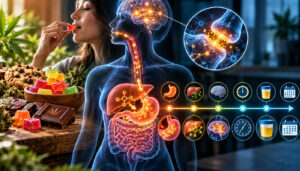
The effects of 11-Hydroxy-THC vary from person to person.
Several factors contribute to these differences, including:
-
Individual metabolism: Liver enzyme activity influences how THC is processed.
-
THC concentration: Higher doses generally increase the risk of intense effects.
-
Food consumption: Meal composition and timing can affect THC absorption.
-
Cannabis tolerance: Previous exposure may influence sensitivity.
-
Individual physiology: Age, medications, and health conditions can alter the experience.
Because edible THC responses are variable, consumers should not assume that another person’s experience will predict their own.
Important Safety Considerations When Consuming Cannabis Edibles
Understanding 11-Hydroxy-THC also means recognizing the risks associated with edible cannabis.
Excessive THC consumption can cause anxiety, panic, confusion, dizziness, nausea, rapid heartbeat, and impaired coordination.
In some cases, severe reactions require medical attention.
Health Canada recommends beginning with a low THC amount, such as 2.5 mg or less, for people choosing to consume edibles, and waiting long enough to assess the effects before considering additional consumption.
Consumers should avoid combining cannabis with alcohol or other impairing substances.
Cannabis edibles must also be stored securely away from children and pets, particularly when they resemble ordinary candy, chocolate, or baked goods.
Driving while impaired by cannabis is dangerous and illegal.
Understanding Cannabis Edibles in Canada
Canada regulates cannabis edibles under the federal Cannabis Act and Cannabis Regulations.
Legal edible cannabis products are subject to packaging, labeling, and THC-content restrictions, including a maximum of 10 mg THC per immediate container.
Consumers can learn more about cannabis safety and regulations through Health Canada
Choosing products from provincially authorized retailers helps ensure access to cannabis products subject to Canada’s regulated testing and labeling requirements.
Final Thoughts: Understanding 11-Hydroxy-THC and Choosing Quality Cannabis Edibles
11-Hydroxy-THC is an important reason cannabis edibles can produce a different experience from smoking or vaping. Its formation during THC metabolism contributes to the intensity and characteristics of orally consumed cannabis.
Understanding this compound helps explain why edibles often take longer to work, why their effects can feel stronger, and why intoxication may persist for several hours.
For adults researching cannabis edibles,
Before purchasing, verify that the retailer is authorized to sell cannabis in your province and review the product’s THC concentration, ingredients, and labeling.
Ultimately, understanding 11-Hydroxy-THC allows consumers to make better-informed decisions about cannabis edibles while recognizing the importance of responsible consumption, accurate dosing information, and product safety.