Blog 2026
Is Cannabis Legal in British Columbia? 2026 Rules
Nov
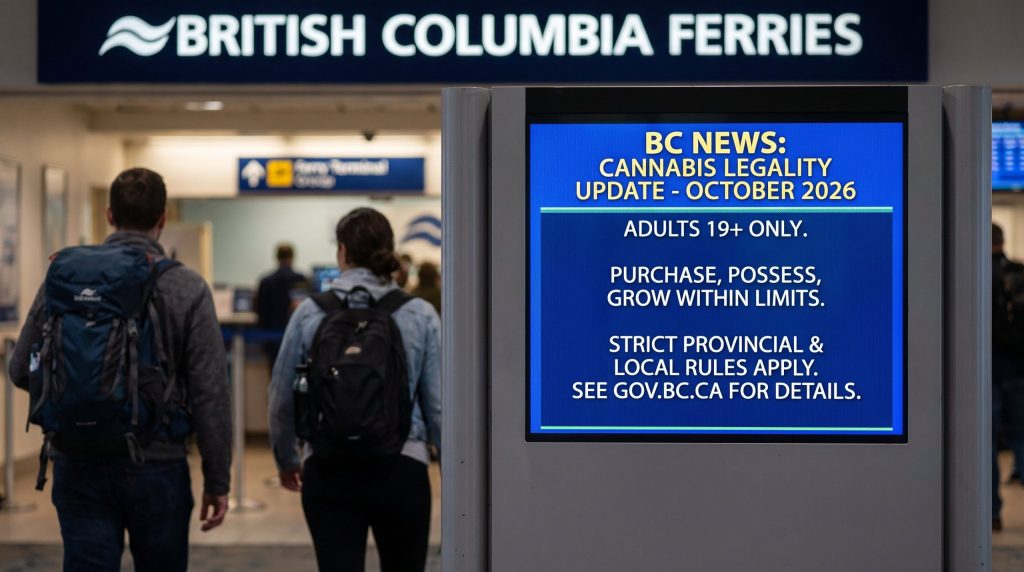
Yes, but “legal” doesn’t mean anything goes. If you’re wondering is cannabis legal in British Columbia, adults 19 and older may generally buy, possess, consume, and grow non-medical cannabis within federal, provincial, and local restrictions.
This guide explains the rules as of November 2026, from the 30-gram public possession limit to home growing, driving, travel, rentals, and edibles. It covers recreational cannabis laws, with a separate section on medical access. Because municipalities, landlords, strata corporations, parks, and Indigenous communities may impose additional restrictions, always check the rules for your exact location.
This is an independent informational review, we’re not affiliated with a cannabis retailer or government agency, and it isn’t legal advice. Think of legalization as a three-layer map: Canada sets the foundation, BC adds provincial rules, and your municipality fills in local details. Miss one layer and an apparently simple purchase or smoke break can become an expensive mistake.
Key Takeaways
- Cannabis is legal in British Columbia for adults 19 and older, with rules on possession, purchasing, cultivation, consumption, and transportation.
- Adults can possess up to 30 grams of legal cannabis in public and grow up to four plants per household, subject to provincial and local restrictions.
- Buy cannabis only from authorized BC retailers, who sell tested, regulated products with clear labelling and child-resistant packaging.
- Smoking or vaping cannabis is restricted in indoor public places, near children’s areas, and in many rental or strata properties, so always check local rules before use.
- Driving while impaired by cannabis is illegal; always arrange for sober transportation after using cannabis.
- Medical cannabis has separate regulations allowing authorized users to access and grow larger amounts with documentation from a healthcare practitioner.
Is Cannabis Legal in British Columbia? The Short Answer
Yes. Cannabis is legal in British Columbia for adults aged 19 or older, subject to limits on possession, purchasing, cultivation, consumption, transportation, and driving. The federal Cannabis Act legalized regulated recreational cannabis nationwide, while BC controls matters such as retail licensing, minimum age, public use, and provincial enforcement.
Legalization Since October 17, 2018: Federal, Provincial and Local Rules
Recreational cannabis became legal across Canada on October 17, 2018. Federal law governs production, product standards, promotion, and criminal offences. BC regulates distribution, stores, possession at home, and public consumption. Municipalities can add zoning, business-licensing, and smoking bylaws.
So, yes, it’s legal, but your Vancouver sidewalk, Whistler hotel balcony, and Victoria rental suite may each have different rules.
What Is the Legal Age for Cannabis in BC?
You must be 19 or older to buy, possess, or consume recreational cannabis in BC. This matches the province’s minimum age for alcohol and tobacco. Retailers may ask for government-issued photo identification, even when you’re comfortably past 19, take it as a compliment and bring your ID.
Rules for Minors, Store Entry and Supplying Cannabis to Someone Under 19
Minors can’t enter cannabis stores in BC, even with an adult, and retailers must verify age before completing a sale or delivery. Giving or selling cannabis to anyone under 19 is illegal and can bring serious provincial or criminal consequences.
Adults should also keep cannabis inaccessible to young people. A locked container is far safer than the classic “top kitchen shelf,” which teenagers discovered centuries ago.
How Much Cannabis Can You Buy and Possess in BC?
In public, an adult may possess up to 30 grams of dried legal cannabis or its equivalent. A legal retailer can’t sell you more than that amount in one transaction. Possessing larger quantities may lead to seizure, tickets, or criminal charges, depending on the amount and circumstances.
The 30-Gram Public Possession Limit and Equivalents for Edibles, Oils and Concentrates
Federal equivalency rules treat one gram of dried cannabis as:
- 5 grams of fresh cannabis
- 15 grams of edible product
- 70 grams of liquid product
- 0.25 grams of concentrate
- One cannabis plant seed
These are possession calculations, not THC equivalencies. For example, 450 grams of packaged edible products equals 30 grams of dried cannabis for possession purposes.
Cannabis at Home: Household Limits, Secure Storage and Sharing With Adults
BC generally limits possession in a private residence to 1,000 grams of dried cannabis or its equivalent per household, regardless of how many adults live there. Medical authorization can change applicable allowances.
You may share up to 30 grams with another adult, but you can’t sell cannabis without authorization. Store products securely, preferably locked, in their original child-resistant packaging and away from children, pets, and unsuspecting roommates hunting for brownies.
Where Can You Legally Buy Cannabis in British Columbia?
Buy recreational cannabis only through BC’s authorized system. Legal sources provide tested products, standardized labels, THC and CBD information, excise stamps, and packaging designed to reduce accidental access.
BC Cannabis Stores, Licensed Private Retailers, Online Orders and Delivery
You can shop at government-operated BC Cannabis Stores, licensed private retailers, and authorized online or delivery services. The official BC Cannabis Stores website serves as the province’s government-run online retailer.
Avoid social-media sellers, unlicensed dispensaries, and “delivery clubs” that can’t demonstrate provincial authorization. A polished website and a maple leaf logo don’t magically make a seller legal.
How to Verify a Legal Retailer and Recognize Regulated Products
Check a store through BC’s licensed cannabis retail store map. Regulated products normally display:
- A federal excise stamp for the province or territory
- Standardized cannabis and THC symbols where required
- THC/CBD quantities and ingredient information
- A lot number, producer details, and health warnings
- Child-resistant, plain packaging
Missing labels, homemade-looking cartridges, or implausibly strong edibles are red flags.
Where Can You Legally Smoke, Vape or Eat Cannabis in BC?
BC generally regulates smoking and vaping cannabis similarly to tobacco, but important extra restrictions apply. Edibles don’t create secondhand smoke, yet property rules, workplace policies, and laws against public intoxication or supplying minors still matter.
Public Spaces, Parks, Beaches, Workplaces and Areas Used by Children
You generally can’t smoke or vape cannabis in indoor public places, workplaces, enclosed transit areas, or near doors, windows, and air intakes where tobacco use is prohibited. Cannabis use is also restricted in places primarily used by children, including playgrounds, sports fields, skate parks, and school property.
Smoking and vaping cannabis is banned in provincial, regional, and municipal parks except designated areas and some campsites, and beaches, trails, and protected areas may have site-specific rules or seasonal fire restrictions. Check posted signs before lighting up.
Rental Homes, Strata Properties, Hotels and Private Residences
Legalization doesn’t create a right to smoke anywhere you live. A tenancy agreement may prohibit smoking or vaping, and a strata corporation can restrict cannabis use in units, balconies, and common property. Hotels may designate their entire property smoke-free.
Before booking or signing, read the policy rather than assuming “private room” means “anything permitted.” Edibles may avoid smoke complaints, but possession and impairment rules still apply.
Vancouver and Other Municipalities: Checking Local Consumption Bylaws
Cities may impose stricter smoking distances and location bans. Vancouver, Surrey, Kelowna, Victoria, and resort communities don’t necessarily use identical bylaws.
Search your municipality’s official website for cannabis, smoking, parks, and public-consumption rules. In Vancouver, start with the city’s cannabis regulations and licensing information. When signs and general guidance conflict, follow the stricter posted restriction.
Can You Grow Cannabis at Home in British Columbia?
Adults may generally grow recreational cannabis at home, but BC adds restrictions beyond the federal four-plant ceiling. Seeds and starter plants should come from legal sources, and homegrown cannabis can’t be sold.
The Four-Plant Household Limit, Public Visibility and Property Restrictions
A household may grow up to four non-medical cannabis plants, not four per adult. Plants generally must not be visible from public places off the property. BC also prohibits recreational growing in dwellings used as licensed childcare facilities.
Landlords and strata bylaws may restrict cultivation. Consider moisture, electrical load, odour, insurance, and mould before turning a spare closet into “tiny Vancouver Island.” Never use dangerous wiring or unauthorized alterations.
Cannabis and Driving: Impairment Laws and Penalties
Driving while impaired by cannabis is illegal regardless of where you bought it or whether a doctor authorized it. Police can use observations, roadside screening devices, field sobriety testing, and drug-recognition evaluations.
There’s no dependable waiting period that makes everyone safe. THC effects vary with dose, product, tolerance, food, and combined alcohol use. If you consume, arrange a sober driver, taxi, transit ride, or overnight stay.
Transporting Cannabis in Vehicles: Packaging, Storage and Passenger Rules
Adults may transport a legal amount, but cannabis should remain sealed or otherwise inaccessible to vehicle occupants. BC rules generally require cannabis in a vehicle to be in its unopened original packaging or stored where occupants can’t readily access it, such as the trunk.
Passengers shouldn’t consume cannabis in a vehicle. Keep your receipt and packaging, and never drive if impaired, even if the product is locked away.
Can You Travel With Cannabis To or From BC?
Travel rules depend on whether you remain within Canada. Legal possession in BC doesn’t override another province’s age limits, consumption rules, carrier policies, or international border law.
Domestic Flights and Interprovincial Travel: Destination Laws and Carrier Policies
You may generally carry up to 30 grams of legal dried cannabis or its equivalent on a domestic journey within Canada. Confirm the rules at your destination and check your airline, ferry, or bus operator’s baggage policy.
Flights can be diverted internationally. The BC government’s travel guidance warns about that risk, and the Canadian Air Transport Security Authority’s cannabis guidance notes that flying outside Canada with cannabis is illegal.
International Borders: Why Legal Cannabis Cannot Be Taken Across Without Authorization
Do not carry cannabis across Canada’s international border without a valid legal authorization or exemption. That includes trips to Washington state, even though Washington permits recreational cannabis under state law. US federal border law still applies.
The prohibition covers cannabis, CBD products, edibles, oils, and often products containing trace amounts. Review the Canada Border Services Agency cannabis rules before travelling.
How Do Medical Cannabis Rules Differ in BC?
Medical cannabis remains regulated separately under federal law. Recreational legalization didn’t eliminate medical authorization or guarantee workplace accommodation, insurance coverage, or permission to consume anywhere.
Medical Authorization, Access, Possession Allowances and Registered Home Growing
With documentation from an authorized healthcare practitioner, you may obtain medical cannabis from a federally licensed seller. Eligible patients may also apply to Health Canada to produce cannabis for personal medical purposes or designate another person to produce it.
Medical possession and cultivation allowances can exceed recreational limits, depending on registration. Keep documentation available and follow storage, transportation, property, and impaired-driving laws. Health Canada explains the process through its medical cannabis access guidance.
What Happens if You Break BC Cannabis Laws?
Consequences depend on the violation and can include warnings, tickets, product seizure, fines, store sanctions, eviction-related disputes, driving prohibitions, vehicle impoundment, or criminal charges.
Examples include possessing over the limit, buying from an illicit seller, supplying a minor, selling without a licence, growing too many plants, or driving impaired. Federal offences involving youth, trafficking, or unlawful distribution can be especially serious. If you’re charged, or your immigration, employment, or travel status could be affected, speak with a qualified BC lawyer promptly.
Cannabis Health and Safety: What Legalization Does Not Guarantee
A regulated product is tested and labelled, but it isn’t harmless. Cannabis can impair attention, coordination, memory, and judgment. Frequent use may increase dependence risk, while high-THC products can trigger anxiety, paranoia, or other adverse effects in some people.
If you’re pregnant, breastfeeding, taking medication, managing a mental-health condition, or concerned about dependency, seek individualized medical advice.
Delayed Edible Effects, Impairment and Protecting Children and Pets
Edibles may take 30 minutes to two hours or longer to produce noticeable effects, and impairment can last well beyond the initial high. Start low, wait before taking more, and don’t mix cannabis with alcohol.
Keep edibles in their original packaging, not beside ordinary gummies or cookies, and lock them away. If a child or pet consumes cannabis, contact emergency services (911), the BC Drug and Poison Information Centre (1-800-567-8911), or a veterinarian rather than waiting for symptoms to “wear off.”
Frequently Asked Questions About Cannabis Legality in BC
These quick answers cover three details that frequently trip up visitors and first-time buyers.
Can Tourists Buy Cannabis in British Columbia, and What ID Is Required?
Yes. Canadian and international visitors who are at least 19 may buy from authorized BC retailers. You don’t need to be a BC resident.
Bring valid government-issued photo ID showing your birth date. A passport is typically the clearest option for international travellers. Never take your purchase across an international border when you leave Canada.
Is CBD Legal in BC, and Where Can You Buy It?
CBD derived from cannabis is regulated under the federal Cannabis Act, even when it doesn’t make you feel high. Recreational CBD oils, capsules, beverages, and other ingestible products should be purchased from authorized cannabis retailers, not ordinary convenience stores or unlicensed wellness websites.
Some topical products follow different classifications, so check the label and seller’s authorization rather than relying on “hemp” marketing.
What Is the Legal THC Limit for Cannabis Edibles?
Legal edible cannabis is limited to 10 milligrams of THC per immediate container, not 10 milligrams per bite. A package may contain multiple pieces sharing that total.
Extracts and some other product classes use different limits, so read both “THC per unit” and “total THC.” For beginners, even 10 milligrams can feel intense: lower-dose products allow more cautious control.
Official Sources and Latest Updates: BC Government, Health Canada and Local Bylaws
For current rules, use the BC government’s cannabis information, Health Canada’s cannabis laws and regulations, and your municipality’s official bylaw pages. Also check your landlord, strata, hotel, park, or transportation provider before consuming or carrying cannabis.
So, is cannabis legal in British Columbia? Yes, if you’re 19 or older and follow the rules governing source, quantity, location, cultivation, travel, and driving. Your safest checklist is simple: buy regulated products, carry no more than the lawful limit, keep cannabis secured, respect property rules, and never drive impaired. When local signs or policies are stricter, follow them. A two-minute check now can save you a ticket, and a deeply awkward conversation later.