
Distillate – Delta 8
Price range: $150.00 through $2,700.00 As low as $6.03 per gram
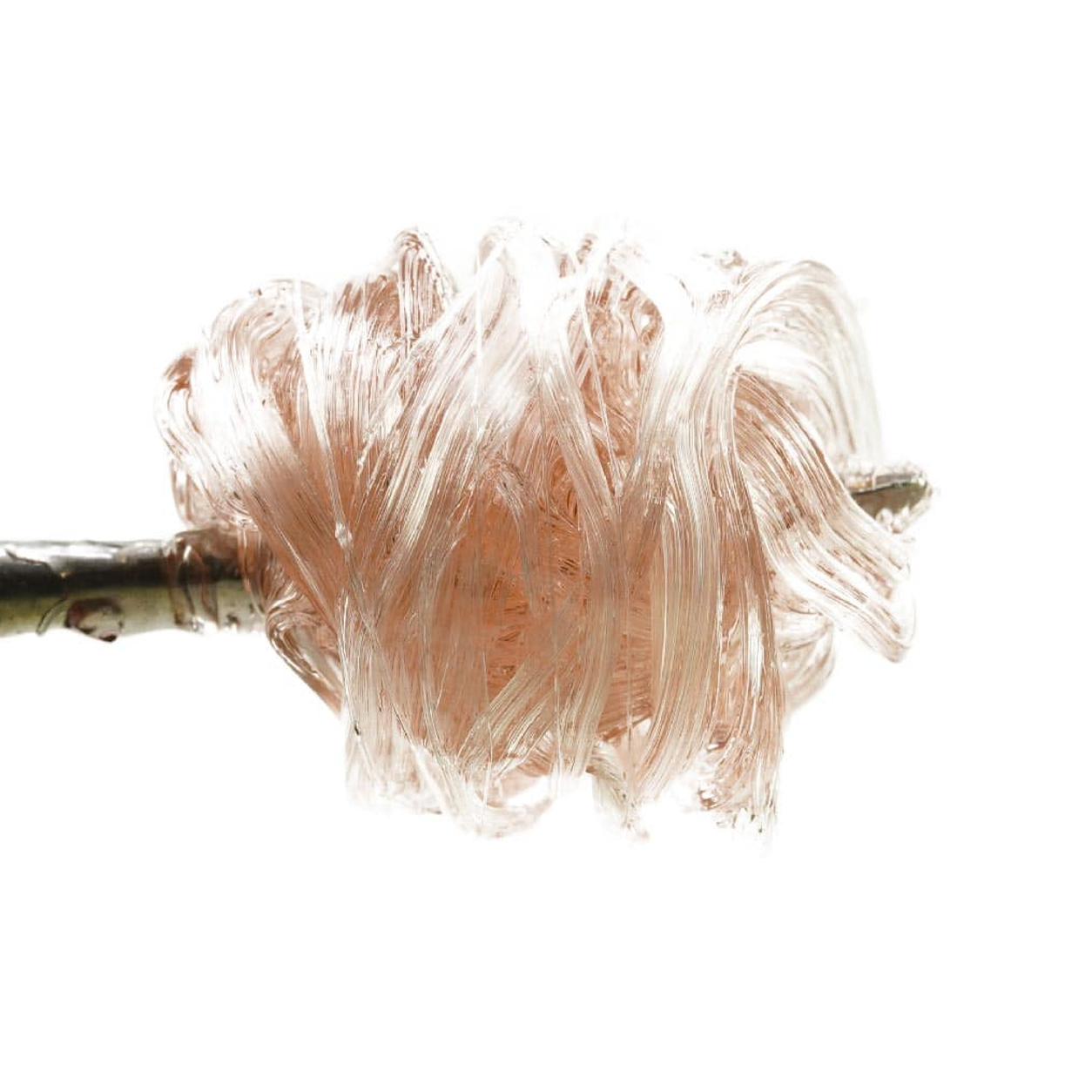
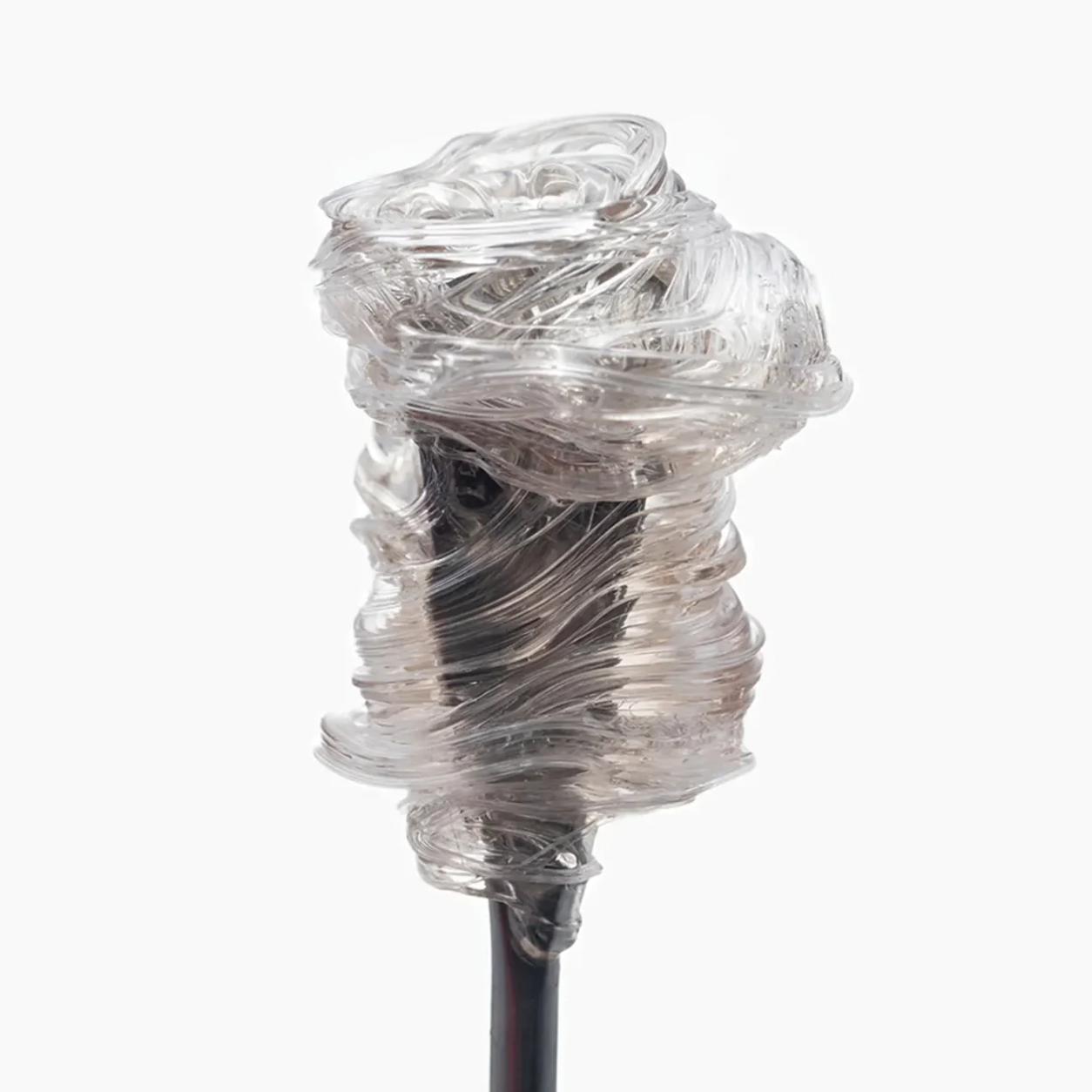
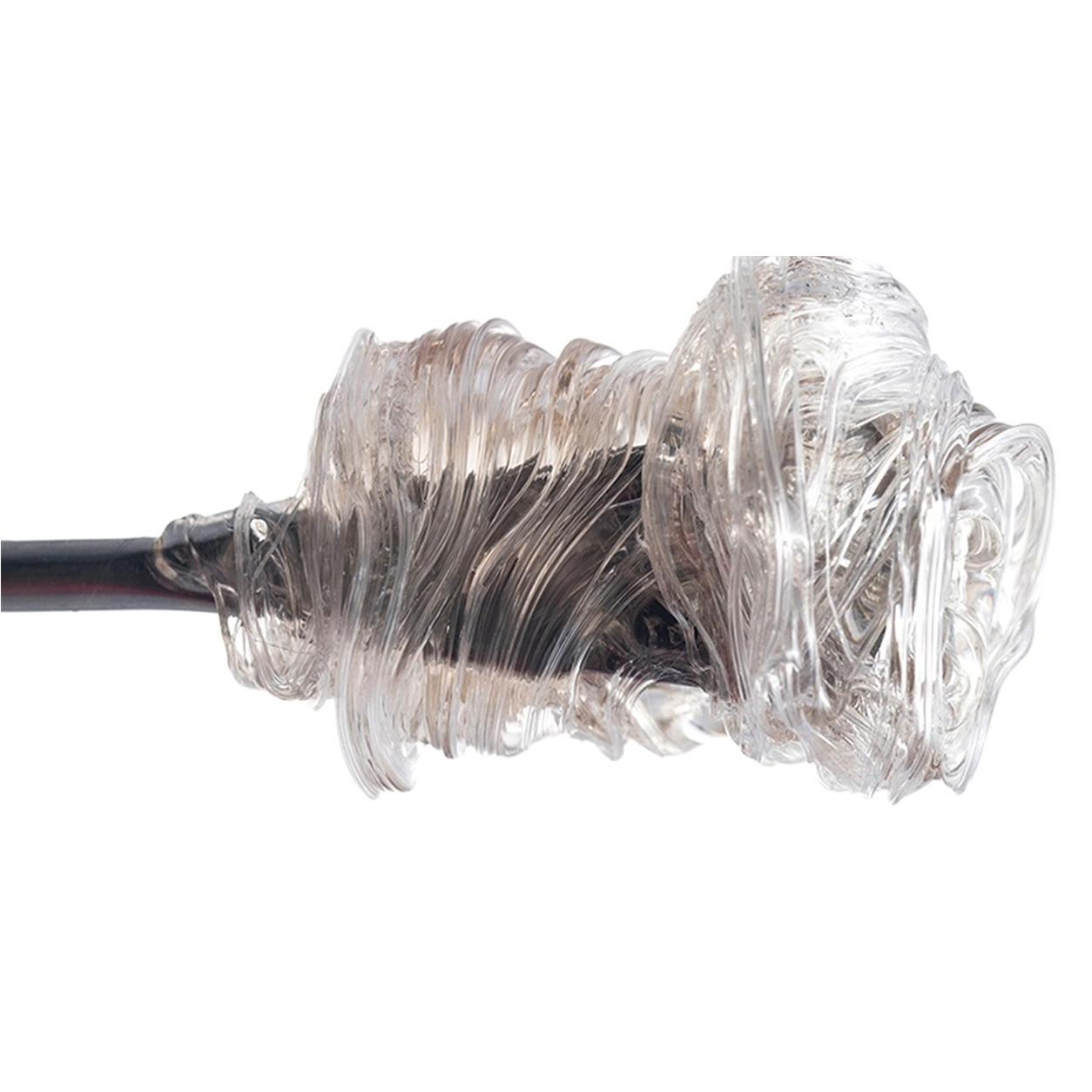
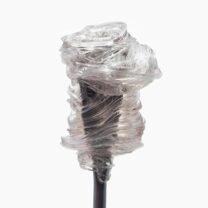
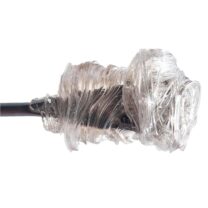
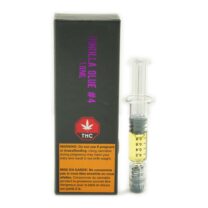
Delta 8 Distillate is a highly refined cannabis concentrate made with Delta 8 THC, a cannabinoid related to the more common Delta 9 THC. The thick, clear oil is versatile and can be used in a variety of ways, such as filling empty cartridges, dabbing or adding to homemade edibles. It comes in discreet packaging to keep it fresh. Follow the guidance on the packaging. Store in a cool, dark place, away from children and pets. For adults only.
If you’ve searched for “distillate delta” while comparing carts, edibles, or concentrates online, you’ve probably noticed the phrase is a little slippery. It may refer to delta-8 distillate, delta-9 THC distillate, or simply a highly refined THC oil. Those products can look similar in a product listing, yet they don’t necessarily feel or behave the same.
This guide breaks down what you’re actually buying, how distillate is made, why colour and lab results matter, and how to use it without turning your evening into an accidental space launch. You’ll also find practical tips for vaping, dabbing, edibles, drinks, infused flower, and topicals.
Everything here is intended for adults of legal age only. In Canada, that generally means 19+, except 18+ in Alberta and 21+ in Quebec. Follow your provincial rules, buy from a licensed source where possible, and start low, especially when a product is new to you.
Key Takeaways
- “Distillate delta” refers to refined THC oils containing delta-8 or delta-9 THC, which differ in potency and effects, so always check product labels and lab results carefully.
- THC distillate is produced by refining cannabis extracts to concentrate THC, resulting in a high-potency, mostly flavorless oil versatile for vaping, dabbing, edibles, and topicals.
- Safety and quality depend on proper testing, clear labeling, and buying from licensed, reputable sources with batch-specific lab reports showing cannabinoid content and contaminant screening.
- Different forms of distillate, such as single-cannabinoid, terpene-enhanced, and full-spectrum, vary in flavor and effect—understanding these distinctions helps tailor your experience.
- Start with low doses and familiar settings to avoid overconsumption, especially with edibles where onset is delayed and effects last longer.
- Proper usage techniques for vaping, dabbing, and edibles reduce risks; avoid unapproved additives, monitor device temperatures, and calculate dosing precisely for safe enjoyment of distillate delta.
What “distillate delta” means (delta-8 vs delta-9 vs THC distillate)
“Distillate delta” isn’t one specific product. It’s usually shorthand for a distillate containing a particular delta cannabinoid, most commonly delta-8 THC or delta-9 THC. The word delta describes the position of a chemical double bond in the cannabinoid’s structure, while distillate describes how the oil has been refined.
Delta-9 THC is the main intoxicating cannabinoid in traditional cannabis. It’s the compound most people mean when they say “THC,” and it can produce euphoria, altered perception, sleepiness, increased appetite, or anxiety depending on the person, dose, setting, and product.
Delta-8 THC is chemically similar but generally reported as less potent than delta-9. It may feel gentler to some people, although “gentler” doesn’t mean non-intoxicating. You can still feel impaired, uncomfortable, or unexpectedly high.
THC distillate is refined oil with a high concentration of THC. A listing may call it “THC distillate” without saying delta-8 or delta-9, so check the certificate of analysis and product label rather than guessing from the name. In Canada’s regulated market, legal product packaging should identify cannabinoid content and follow federal and provincial requirements. Imported or unregulated listings may be much less reliable.
What is THC distillate and how it’s made
THC distillate is produced by extracting cannabinoids from cannabis, then refining the extract to separate THC from many other plant compounds. Commercial processors may use steps such as winterization, filtration, decarboxylation, and short-path or wiped-film distillation. The exact process varies by facility, but the goal is broadly the same: concentrate selected cannabinoids and remove unwanted material.
Raw cannabis extract contains cannabinoids, waxes, pigments, terpenes, and other compounds. Refining strips much of that away. The result is often a thick oil with a high THC percentage and a relatively neutral smell and taste. Manufacturers can later add terpenes, flavouring, or other cannabinoids for a particular product.
This explains why distillate is popular for cartridges and edibles. It’s concentrated, easy to measure in milligrams, and versatile. But high potency also makes mistakes easier. A tiny amount can contain more THC than a beginner expects, especially in homemade infusions.
A useful distinction: distillation is not the same as making cannabis “safe.” Refining can remove some impurities, but it won’t rescue contaminated input material or poor manufacturing practices. Testing, traceability, and accurate labelling still matter. Think of distillation as a processing tool, not a magic quality stamp.
– Distillation basics: potency, purity, and why distillate is often flavorless
Distillate is commonly associated with high potency because much of the plant material has been removed. Depending on the product and jurisdiction, labels may show a very high THC concentration. Don’t treat that percentage as a score where higher automatically means better. For many people, a lower-potency oil with good terpene balance is more enjoyable and easier to control.
The neutral taste is also intentional. Terpenes and pigments are reduced during refinement, leaving an oil that can be nearly flavourless or mildly chemical-tasting. Some brands reintroduce cannabis-derived or botanical terpenes to create strain-style profiles such as citrus, pine, or berry.
Purity is a separate question from potency. A good lab report should show cannabinoid results and screening for pesticides, heavy metals, microbial contamination, residual solvents, and other relevant contaminants. If a seller only displays a dramatic THC number but no batch-specific testing, that’s not enough information for a confident purchase.
– Delta-8 production from hemp CBD: isomerization and why it matters for safety
Much commercial delta-8 is made by chemically converting CBD into delta-8 THC through a process called isomerization. This matters because the final oil may contain reaction by-products, leftover solvents, or other cannabinoids if it hasn’t been properly purified and tested.
You don’t need to become an organic chemist before buying a cartridge. Look for a current, batch-specific certificate of analysis from an independent laboratory. It should identify delta-8 content and show contaminant testing, not merely say “99% pure” in a product description. Avoid products with vague ingredients, cartoon packaging, no manufacturer address, or lab reports that cannot be matched to the batch.
The legal status of delta-8 can also vary by country and province, and products sold online may not follow Canadian rules. Check the laws where you live before ordering.
Types of distillate delta: clear vs amber, full-spectrum vs single-cannabinoid
Distillate colour can range from almost clear to pale gold, amber, or darker brown. Colour alone doesn’t tell you whether an oil is potent, fresh, or safe. Heat, oxidation, the source material, filtration, added terpenes, and storage can all affect appearance. A darker oil isn’t automatically bad, and crystal-clear oil isn’t automatically superior.
You’ll also see different product descriptions:
| Type | What it usually means | What to expect |
| Single-cannabinoid distillate | Mostly one target cannabinoid, such as delta-9 THC | A straightforward, often strong effect with limited plant character |
| Terpene-enhanced distillate | Distillate blended with cannabis-derived or botanical terpenes | More aroma and flavour: the experience may feel different from neutral oil |
| Full-spectrum extract | Retains a wider mix of cannabinoids and terpenes | More plant character and potentially a broader, less one-note experience |
| Broad-spectrum extract | Several compounds retained, usually with one intentionally reduced or removed | Product-specific effects and flavour |
“Full-spectrum distillate” can be confusing because heavy refinement removes many compounds. Read the ingredient list and lab report instead of relying on the marketing phrase. If you care about flavour, ask whether the terpenes are cannabis-derived. If you care about predictable dosing, focus on the total THC per serving and the number of servings, not just the strain name.
Effects: will delta distillate get you high, and what does it feel like?
Yes, THC distillate can get you high. Delta-9 distillate is intoxicating, and delta-8 is intoxicating too, even though many users describe it as less intense. Reported effects include relaxation, euphoria, sleepiness, altered time perception, giggling, increased appetite, and a heavier body feeling. Others report dry mouth, racing thoughts, dizziness, or unease. Your reaction can change from one day to the next.
The delivery method makes a major difference. Inhaled distillate can be felt within minutes, while an edible may take 30 minutes to two hours, or occasionally longer, to become noticeable. Edible effects often last longer and can feel stronger than expected because the body processes THC differently after swallowing it.
– Delta-8 vs delta-9: strength, onset time, duration, and common user-reported effects
| Factor | Delta-8 THC | Delta-9 THC |
| Perceived strength | Often reported as milder, but still intoxicating | Typically stronger at an equivalent amount |
| Inhaled onset | Usually minutes | Usually minutes |
| Edible onset | Often 30–120 minutes | Often 30–120 minutes |
| Duration | Commonly several hours | Commonly several hours, sometimes longer with edibles |
| Common reports | Relaxed, clear-headed, mellow, sleepy | Euphoric, more powerful, sensory changes, sometimes anxious |
These are broad user reports, not guarantees or medical predictions. Don’t drive, cycle in traffic, operate equipment, or mix THC with alcohol. If you’re new, try a small amount in a familiar place with no urgent plans. The sofa can wait: your calendar doesn’t need to become a negotiation.
How to use distillate delta (best methods + step-by-step)
Your safest starting point depends on the product’s label and your experience. First, confirm whether the distillate is intended for inhalation, ingestion, or topical use. Not every oil is suitable for every method. Then check the total THC, serving size, ingredients, and expiry or lot information.
For a first session, use the smallest labelled serving or a very small inhalation. Wait before taking more. With edibles, waiting at least two hours is a sensible minimum because delayed onset is where many “I thought nothing was happening” stories begin.
– Vaping/carts: thinning, terpenes, hardware compatibility, and burn prevention
Commercial cartridges should already be formulated for the device. Don’t add random carrier oils, vitamin E acetate, water, or household ingredients to thin an overly thick distillate. If a refillable device is designed for concentrates, follow its instructions: otherwise, use a purpose-made cartridge from a reputable manufacturer.
Terpenes can change viscosity and flavour, but more isn’t better. An aggressively flavoured cart may irritate your throat, while a very thick oil can clog or require excessive heat. Use the lowest effective voltage or temperature setting, take short draws, and let the coil rest between puffs. Repeatedly heating an empty cart can create a burnt taste and damage the hardware.
Stop using a cartridge if it leaks, tastes sharply burnt, produces an unusual chemical smell, or makes you feel unwell. Save the packaging and batch details in case you need to contact the seller.
– Dabbing: temperature ranges, tools, and avoiding harsh hits
Dabbing concentrated distillate requires a compatible rig, e-rig, or concentrate vaporizer. Lower temperatures generally preserve flavour and feel less harsh than scorching-hot hits. Many users begin around 450–600°F (230–315°C), but the ideal setting depends on the device and material. Follow the manufacturer’s guidance first.
Use a small amount on a clean tool, heat gradually, and take a gentle inhale. A water-filtered rig can cool the vapour, but it doesn’t make a large dab safer. Keep a timer handy if you’re using a torch, guessing tends to produce either a disappointing puddle or a throat-clearing event worthy of a sitcom.
Clean the chamber regularly. Residue can alter flavour and airflow, and shared equipment should be cleaned between users.
– Edibles & drinks: decarb needs, dosing math (mg), and recipe-safe handling
Commercial distillate is often already decarboxylated, meaning its THC is in an active form. Raw cannabis extract may need decarboxylation, but don’t assume every concentrate requires the same treatment. Check the product instructions.
For dosing math, use the labelled THC amount. If a syringe contains 1,000 mg THC and you divide it evenly into 20 servings, each serving contains about 50 mg, far too much for many beginners. A more practical approach is to dilute or blend carefully so each portion contains a clearly measured, low amount. Stir thoroughly: THC oil can distribute unevenly in a recipe.
Start with 2.5 mg THC or less if you’re inexperienced, then wait at least two hours before considering more. Keep infused food clearly labelled and separate from ordinary snacks. Store it away from children and pets, and never leave a gummy sitting in a candy bowl.
– Infusing flower/pre-rolls & topicals: practical tips and common mistakes
A small amount of distillate can be applied to flower, but too much creates uneven burning, clogged airflow, and a harsh smoke. For a pre-roll, a thin, even line is more workable than a thick blob near the tip. Let it settle before smoking, and remember that added distillate increases potency quickly.
Topicals are different: they’re applied to skin and aren’t intended to produce a traditional high, though ingredients and local rules vary. Check the label for intended use and avoid broken or irritated skin unless the product specifically says otherwise. Patch-test a small area first.
The common mistake across all methods is rushing. Concentrate looks tiny, but “tiny” and “mild” are not synonyms.
Safety, quality, and buying checklist (lab tests, contaminants, and red flags)
When buying distillate delta online in Canada, start with the seller, not the flashy product photo. Licensed retailers and provincially authorized products offer stronger safeguards than anonymous marketplace listings. Look for discreet, compliant packaging, clear contact information, and delivery policies that explain age verification and provincial restrictions.
What to check before ordering
- Exact cannabinoid: Is it delta-8, delta-9, or a blend?
- Total and per-serving THC: Can you calculate the amount you’ll actually consume?
- Batch-specific lab report: Does the lot number match the product?
- Contaminant screening: Look for pesticides, heavy metals, microbes, and residual solvents where applicable.
- Ingredients: Avoid unexplained oils, mystery flavourings, and vague “proprietary” blends.
- Hardware details: For carts, identify the device type and battery requirements.
- Storage and expiry: Heat and sunlight can degrade oil and alter flavour.
Red flags include impossible potency claims, copied lab reports, spelling-filled packaging, pressure to buy immediately, no age gate, and products marketed as completely risk-free. “Hemp-derived” also doesn’t automatically mean non-intoxicating or legal everywhere.
If you experience severe confusion, chest pain, trouble breathing, loss of consciousness, or another serious reaction, seek urgent medical help. For a milder uncomfortable high, move somewhere calm, sip water, avoid alcohol, and remind yourself that the feeling will pass. Don’t take more to “fix” it.
Finally, keep distillate locked away from children and pets. If you’re ordering to a rural or remote address, use a delivery option with tracking and inspect the package before opening. A little patience, checking the label, reading the lab report, and starting low, can turn a mysterious oil into a much more predictable part of your routine.
Frequently Asked Questions about Distillate Delta
What does “distillate delta” mean in cannabis products?
“Distillate delta” usually refers to a refined THC oil containing delta-8 or delta-9 THC. The term ‘delta’ describes the chemical bond position in the cannabinoid, while ‘distillate’ refers to how the oil has been purified and concentrated.
How is THC distillate made and why is it popular?
THC distillate is produced by extracting cannabinoids from cannabis and refining them through processes like winterization and distillation, removing unwanted compounds. Its high potency and neutral flavor make it versatile for cartridges, edibles, and other products.
What are the differences between delta-8 and delta-9 THC distillates?
Delta-9 THC is the main intoxicating cannabinoid in cannabis, often producing euphoria and altered perception. Delta-8 THC is chemically similar but usually milder, though still intoxicating. Both can cause impairment and have different effects and potencies for users.
How should beginners use distillate delta safely?
Start with a very small dose, especially if you’re new. Check the product’s label for total THC and serving size, use the smallest serving, and wait at least two hours before using more. Avoid mixing THC with alcohol and don’t operate machinery or drive after use.
Why is lab testing important when buying distillate delta?
Lab tests verify cannabinoid content and screen for contaminants like pesticides, heavy metals, and solvents. Batch-specific certificates of analysis help ensure safety and quality. Avoid products without reliable lab results or vague ingredient listings.
Can distillate delta be used in different ways?
Yes, distillate delta is versatile. It can be vaped, dabbed, added to edibles, infused into flower, or used topically. Each method requires proper handling and dosing, and not all distillates are suitable for every use, so always follow product instructions.
Only logged in customers who have purchased this product may leave a review.
Related products
Reviews
There are no reviews yet.