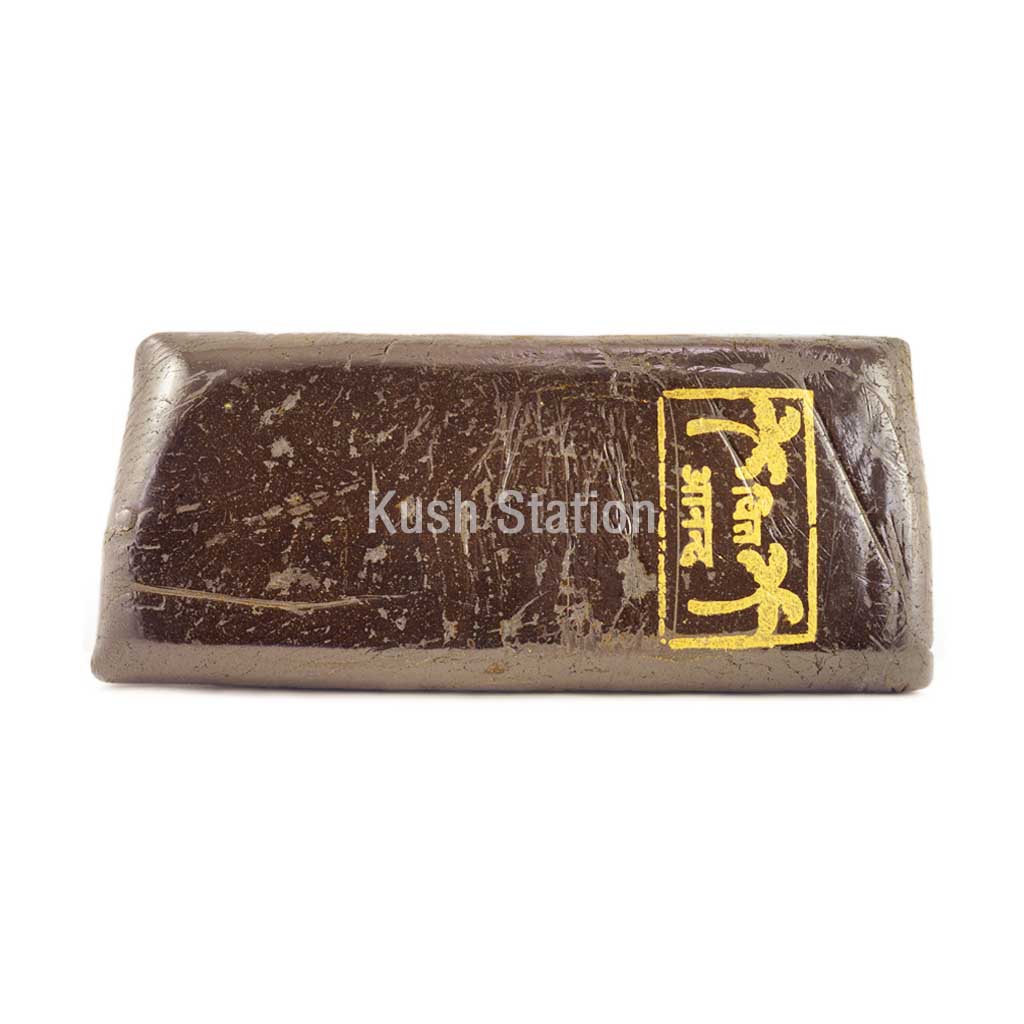
Hash – Pakistan
Price range: $10.00 through $1,900.00 As low as $1.90 per gram
Pakistani Hash is a traditional concentrate made in the classic style of Pakistan, a region famous for its hash-making heritage and its landrace indica strains. It’s known for its dense, dark texture and a rich, earthy flavour with warm spice and a hint of sweetness. Crumble it over a bowl, add it to a joint, or enjoy it on its own. Because hash is much stronger than regular flower, it’s best suited to experienced users. Follow the guidance on the packaging. It comes in discreet, airtight packaging to keep it fresh. Store in a cool, dark place, away from children and pets. For adults only.
“Hash Pakistan” can mean a few different things: a search for Pakistani hashish, interest in its history and regional reputation, or curiosity about what the phrase means on an online product listing. Those aren’t quite the same question, and a label or photo can’t tell you whether a product is authentic, safe, or legal.
This guide explains the term, the traditions commonly associated with Pakistani hashish, and the health and legal issues worth understanding. It’s for adult readers in Canada seeking context, not instructions for making, sourcing, or importing cannabis. Canadian cannabis rules also differ from those in Pakistan, so don’t treat a familiar product name as a green light. If you’re shopping legally in Canada, use authorized channels, check the label, and keep age and local rules in mind.
Key Takeaways
- “Hash Pakistan” is an informal phrase referring to hashish associated with Pakistan, but it does not guarantee product origin, quality, or safety.
- Pakistani hashish has a historical and regional reputation, mostly linked to northern areas near the Hindu Kush, but modern claims often lack verifiable proof.
- In Canada, always purchase hashish and cannabis products from authorized retailers with regulated packaging rather than relying on unverified online or social media listings.
- Hashish is a concentrated cannabis resin that can vary widely in potency and appearance; color and aroma are not reliable indicators of quality or authenticity.
- Transporting cannabis, including hash from Pakistan, across international borders is illegal and carries serious legal risks regardless of local laws in Canada or Pakistan.
- If you use cannabis products legally in Canada, start with small amounts, avoid mixing substances, and follow health and safety guidelines to minimize risks.
What Does “Hash Pakistan” Mean?
“Hash Pakistan” is an informal search phrase, not a standardized cannabis category. People may use it to refer to hashish said to originate in Pakistan, a style associated with the country, or simply a seller’s description. The wording alone doesn’t verify where a product was made, or what’s actually in it.
Hashish, often shortened to hash, is a cannabis concentrate made from the plant’s resin glands. Compared with dried flower, it’s generally more concentrated by weight, but potency varies widely. “Pakistani” is a geographic or marketing label rather than a guaranteed grade, strain, recipe, or strength.
For Canadian consumers, the distinction matters. A legal product sold through a provincial or territorial cannabis system should carry regulated packaging and information. A social-media listing or overseas website may offer no reliable testing, traceability, or consumer protections. Think of a name as a claim to check, not proof.
A Brief History of Hashish in Pakistan
Cannabis has a long, complicated history across parts of South and Central Asia. In Pakistan, cannabis plants and preparations have been associated with regional customs, traditional remedies, and social use. Hashish is also discussed in connection with historic trade and movement through mountain regions linking present-day Pakistan, Afghanistan, and Central Asia.
That broad history shouldn’t be mistaken for a single, unbroken national tradition. Pakistan is culturally and geographically diverse: practices vary by place, community, and period. Modern accounts can also blur distinctions between cannabis resin, dried plant material, and locally named preparations. Stories about a famous origin or a centuries-old recipe are often repeated without dependable documentation.
Today, cannabis remains a subject shaped by public-health concerns, law enforcement, and changing debates about drug policy. For a reader in Canada, the useful takeaway is modest: Pakistani hashish has a regional reputation and historical context, but that context doesn’t establish the provenance, quality, or safety of any particular product.
Where Pakistani Hashish Is Traditionally Associated
Descriptions of Pakistani hashish often point toward the country’s north and northwest, including areas near the Hindu Kush and regions bordering Afghanistan. These references reflect geography and long-standing regional associations, not a reliable map of current production. Political boundaries, local conditions, and changing enforcement all make neat origin stories difficult to verify.
You may also see “Kashmir” or “Hindu Kush” used in product names and online descriptions. Such terms can refer to a place, a broad regional identity, or merely branding. They don’t prove that cannabis was grown or processed there. The same applies to claims that a product was hand-produced in a particular valley.
If you’re in Canada and encounter one of these labels, treat it like a wine-region claim without an auditable supply chain: interesting, perhaps, but not conclusive. Legal retail packaging and testing information are more useful indicators for assessing a product than a dramatic origin story.
Traditional Production Methods and Cultural Context
Hashish is made by separating and collecting resin-bearing material from cannabis. Across different regions, practices and resulting products vary. Historical descriptions of South Asian hash traditions often mention hand-processing, but a regional label doesn’t tell you exactly how a specific item was produced. This article doesn’t provide production instructions: unregulated processing can pose health and legal risks, and local laws may prohibit it.
Cultural accounts can be meaningful, but they’re not quality assurance. A traditional practice may have a long history without providing modern laboratory testing for potency, pesticides, microbes, or other contaminants. If you’re buying cannabis legally in Canada, look for regulated labeling and follow the product’s directions rather than relying on folklore or online anecdotes.
How Hashish Differs From Dried Cannabis
Dried cannabis is primarily the cured flower: hashish is resin-rich material separated from the plant. Since resin contains cannabinoids and aromatic compounds, hash can deliver a different experience and may be stronger by weight than flower. That doesn’t mean every hash product is more potent than every flower product. Only product-specific information can clarify the amount, and effects also depend on how it’s used and your own tolerance.
Why Texture, Color and Aroma Can Vary
Hash may be soft or firm, and its color and smell can vary with plant material, handling, age, and storage. Appearance is not a dependable test for purity or potency. A dark, fragrant sample isn’t automatically authentic: a crumbly one isn’t automatically poor quality. If a product is unlabelled, smells sharply chemical or musty, or has visible foreign material, don’t use it. When uncertain, don’t try to identify it by taste or a home test.
Common Names and Styles Linked to Pakistani Hash
Online discussions may use names such as “Pakistani hash,” “Pak hash,” or regional terms like “Kashmiri” and “Hindu Kush.” Sellers may also describe products as soft, pressed, traditional, or hand-rubbed. These words are not consistent legal product categories, and meanings can vary from one seller or region to another.
A useful way to read a listing is to separate descriptive language from verifiable details:
| Listing detail | What it may tell you | What it does not prove |
| “Pakistani” or “Kashmiri” | Claimed regional association | Verified country of origin |
| “Traditional” or “handmade” | Seller’s description of style | Safe processing or testing |
| Color, aroma, texture | Basic appearance and sensory notes | Potency, purity, or authenticity |
| THC percentage on regulated packaging | Declared potency information | How you personally will feel |
In Canada, don’t let familiar terminology distract from the basics: legal source, clear label, age requirements, and sensible storage. If a listing promises exact effects or extraordinary strength based only on its name, be skeptical.
Expected Effects and Potential Health Risks
Cannabis affects people differently. Users report feeling relaxed, altered in their perception, sleepy, or more focused on sounds and sensations: others experience anxiety, dizziness, nausea, or confusion. The same person can react differently depending on product strength, amount, setting, other substances, and tolerance. Hash can be concentrated, so it may be easy to take more than intended.
If you choose to use legal cannabis in Canada, read the package, start with a small amount, and wait before considering more. Avoid mixing it with alcohol or other intoxicating substances, and don’t drive or operate equipment while impaired. Keep cannabis secured away from children and pets. No cannabis product should be treated as a proven cure for a medical condition.
Potency, Contamination and Unregulated Products
Unregulated products may have inaccurate potency claims or contain contaminants such as pesticides, microbes, solvents, or other unwanted material. You generally can’t identify these reliably by sight, smell, or texture. Legal products in Canada are subject to a regulated framework, though you should still read the label and buy only from authorized retailers in your province or territory.
For concentrates, a “small piece” isn’t a dependable dose unless the product provides clear, reliable information. If the package is missing, altered, or vague, the safest choice is not to use it. Newer consumers and anyone with low tolerance should be especially cautious.
When Cannabis Use May Require Medical Help
Seek urgent medical help if someone has severe trouble breathing, loses consciousness, has a seizure, experiences chest pain, or cannot be safely awakened. If a person is intensely panicked or confused, stay with them in a calm environment and contact a local poison centre or health service for advice. Don’t assume a severe reaction will pass simply because cannabis was involved.
If cannabis use is causing ongoing problems with sleep, mood, work, relationships, or daily responsibilities, consider speaking with a qualified health professional. They can help you discuss options without relying on a product seller’s promises.
Pakistan Cannabis and Hashish Laws
Cannabis and hashish are subject to legal restrictions in Pakistan. The applicable rules and consequences can depend on the substance, conduct, location, and current law. Travelers should not rely on old forum posts, informal advice, or claims that enforcement is relaxed in a particular area. For a current interpretation, consult official Pakistani government information or a qualified local lawyer.
Canadian legality is a separate matter. Canada permits adult-use cannabis under federal and provincial or territorial rules, but those rules do not authorize possession or use in another country. Legal age also varies: it is 18 in Alberta, 19 in most provinces and territories, and 21 in Quebec. Retail access and product rules differ by jurisdiction.
For Canadian buyers, use a provincially or territorially authorized retailer and follow local possession and use requirements. An online shop’s claim that a product is “legal” doesn’t override Canadian law, nor does a Canadian purchase permit you to take cannabis abroad.
Travel, Importation and Cross-Border Legal Risks
Taking cannabis across an international border is a serious legal risk, even if cannabis is legal where your trip begins and even if you have a medical authorization. Canada’s rules do not make it legal to carry cannabis into Pakistan or another country. Likewise, a product sold online as Pakistani hash should not be assumed to be legal to import into Canada.
Border laws can apply to possession, export, import, and mailing. Consequences may include seizure, travel disruption, criminal penalties, or other serious outcomes, depending on the jurisdictions involved. Rules can change, and a seller’s promise of “discreet shipping” is not legal protection.
Before travelling, check current government guidance for both your departure and destination countries. Don’t pack cannabis in checked luggage, carry-on bags, or mail parcels internationally. If you need medication while travelling, speak with your healthcare professional and consult official travel and customs authorities about lawful alternatives. When in doubt, leave cannabis at home.
How to Evaluate Online Claims Without Buying Illegal Products
Curiosity doesn’t require a purchase. If you’re researching “hash Pakistan,” use sources that distinguish historical information from sales copy and explain what they can actually verify. A product photo, regional name, or glowing review is weak evidence of origin or safety.
Before trusting a claim, ask:
- Who published it? Look for identifiable authors, editorial standards, and sources beyond a seller’s own page.
- What does the claim mean? “Traditional,” “pure,” and “strong” need evidence: they aren’t test results.
- Is there traceability? A legal Canadian product should come through an authorized retail system with required packaging and product information.
- Is the seller encouraging border evasion? Claims about hiding a parcel or avoiding customs are a warning sign, not a consumer benefit.
- Can you confirm the law? Check official government and provincial or territorial sources, not a checkout page.
If you’re shopping for legal cannabis in Canada, compare labeled products through authorized retailers. Look for clear potency information and packaging, then choose an option that fits your experience level. You don’t need to chase a supposedly rare import to find a product that suits you.
Hash Pakistan FAQs
Is “Pakistani hash” a standardized product type?
No. The phrase is generally a regional or marketing description, not a regulated grade or consistent recipe. It doesn’t establish origin, ingredients, or potency.
Is Pakistani hash legal to buy in Canada?
A country-of-origin label doesn’t determine legality. Canadian cannabis rules apply, and international importation is a separate legal issue. Buy only from authorized retailers in your province or territory, and don’t import cannabis across the border.
Can you tell whether hash is authentic by its color or smell?
Not reliably. Appearance and aroma can vary, but neither confirms a product’s source, strength, or safety. Avoid unlabelled products and anything with suspicious packaging or an unusual chemical or musty smell.
Is hash stronger than dried cannabis?
It can be more concentrated by weight, but strength varies by product. Check reliable product information and remember that your response depends on factors such as tolerance and amount used. If you’re new to cannabis, be cautious and avoid taking more before you understand the effect.
Can you travel with hash from Pakistan to Canada?
Don’t attempt to bring cannabis across an international border. Canadian domestic rules do not permit international importation, and the destination country’s laws may impose additional consequences. Check official government guidance before travel.
Only logged in customers who have purchased this product may leave a review.
Related products
Reviews
There are no reviews yet.