
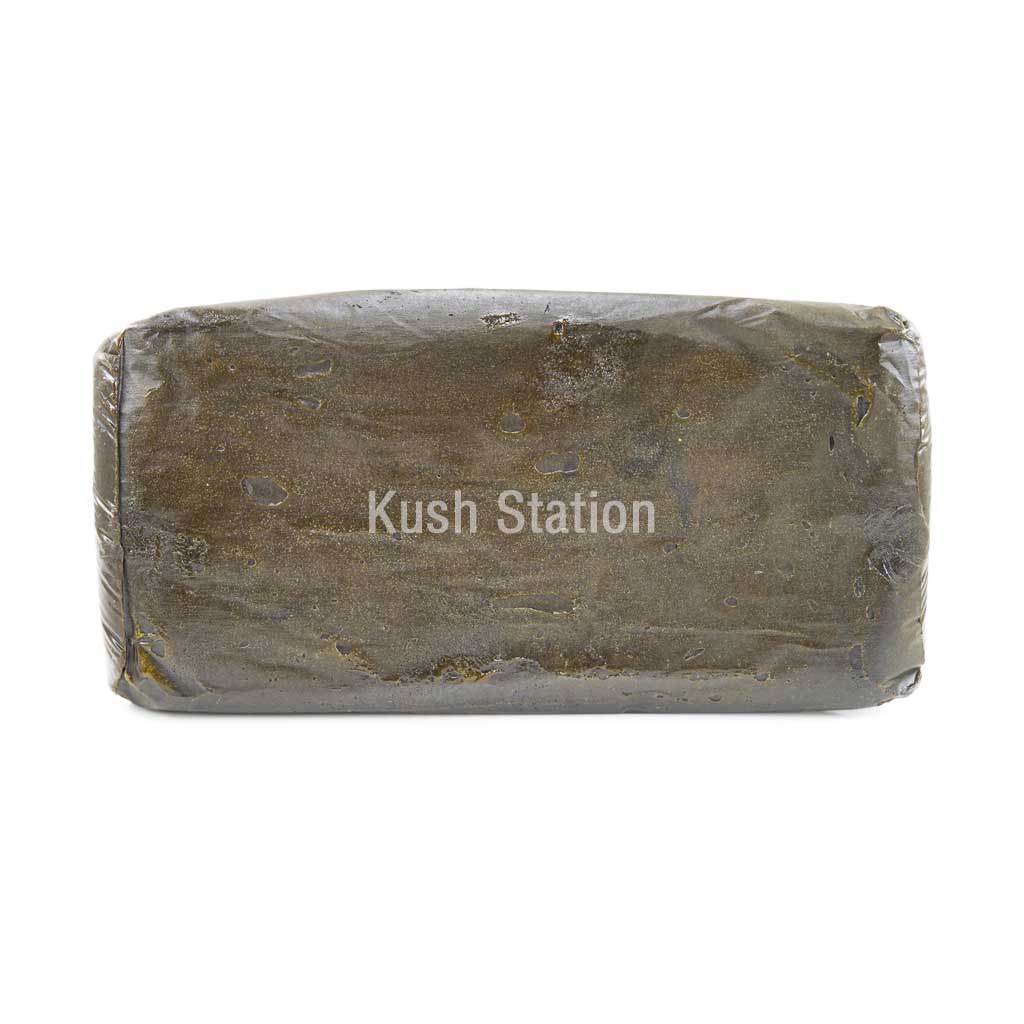
Hash – Piatella
Price range: $10.00 through $1,900.00 As low as $1.90 per gram
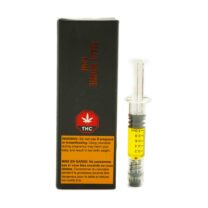
Piatella Hash is a premium Moroccan-style hash, traditionally made from the finest, first-sifted resin for a soft, creamy texture that’s easy to work with. It’s known for its sweet, earthy flavour with warm spice and light floral notes. Crumble it over a bowl, add it to a joint, or enjoy it on its own. Because hash is much stronger than regular flower, it’s best suited to experienced users. Follow the guidance on the packaging. It comes in discreet, airtight packaging to keep it fresh. Store in a cool, dark place, away from children and pets. For adults only.
If you’ve spotted “Piatella” on a cannabis menu and wondered whether it’s a strain, a type of hash, or just a fancy label, you’re not alone. Hash piatella is a modern, carefully handled cannabis concentrate that’s become popular with people who value aroma and texture as much as potency. It’s also often priced above everyday hash, so it’s worth knowing what you’re looking at before adding it to an online cart.
This guide explains how piatella is typically made, how it compares with other concentrates, and what to check on a product listing or lab report. We’ll also cover storage, Canadian legal considerations, and a few common questions. Product names and methods can vary, so treat the label as a starting point, not a guarantee of quality.
Key Takeaways
- Hash piatella is a refined, cold-cured, solventless cannabis concentrate made from ice-water hash that offers a soft, creamy texture and preserves the plant’s aromatic terpenes.
- The term “piatella” refers to a style or process and not a regulated grade or strain, so product quality and characteristics can vary between producers.
- When choosing hash piatella, prioritize clear product information such as cannabinoid content, producer details, lab testing, and storage instructions over marketing terms or price.
- Proper storage in a cool, dark, and sealed environment is essential to maintain piatella’s aroma and texture, and prevent degradation.
- To enjoy hash piatella safely, start with a small dose, avoid mixing with other substances, and never operate machinery while impaired.
- Canadian legal cannabis regulations require products like piatella to be sold through licensed retailers with proper labeling and testing to ensure quality and safety.
What Is Hash Piatella?
Hash piatella is a refined, cold-cured form of solventless cannabis concentrate. It’s generally made from high-quality ice-water hash, also called bubble hash or ice-water hash, and handled at low temperatures to develop a soft, creamy, sometimes spreadable consistency. The aim is to preserve the cannabis plant’s aromatic compounds, known as terpenes, while producing a smooth, resin-rich concentrate.
“Piatella” is a style or process description, not a cannabis strain and not a regulated grade. The name is associated with Spanish hash-making culture, but there isn’t one universal recipe or official standard. One producer’s piatella may differ in texture, colour, or curing method from another’s.
You’ll often see it described as solventless. That means the extraction relies on physical separation rather than chemical solvents such as butane. Solventless doesn’t automatically mean stronger, safer, or better for everyone, though. Check the product’s ingredients, cannabinoid information, and testing details rather than relying on the name alone.
How Hash Piatella Is Made
Piatella production begins with carefully selected cannabis and involves several steps where temperature and handling matter. The method is intended to collect resin glands, separate them from plant material, and preserve desirable aroma. Exact techniques differ among makers, and many keep their production details private. The broad process below can help you understand what a product description means, but it isn’t a home-production recipe. Concentrate production requires specialized equipment, sanitation, and knowledge of applicable laws.
Fresh-Frozen Cannabis and Ice-Water Separation
Makers commonly start with fresh-frozen cannabis: plants are frozen soon after harvest rather than dried and cured in the usual way. Freezing helps retain a fresh-plant aromatic profile, although the result depends on the cultivar, harvest, and handling. The material is then agitated in ice-cold water so brittle resin glands can separate from the plant. Fine mesh screens filter and collect the resin-rich material, often called bubble hash.
Not every grade is equally suited to the next stage. Producers may separate collections by screen size and inspect them for cleanliness and quality. The goal is to reduce unwanted plant material while retaining the trichome heads, the tiny resin glands that hold much of the plant’s cannabinoids and aromatic compounds. Labels such as “six-star” are used in the market, but they aren’t a consistent, government-defined rating. Ask what the producer means instead of assuming a star count guarantees performance.
Cold Curing, Pressing, and Terpene Preservation
After separation, the hash is dried and may be pressed or worked into a pliable mass before a controlled cold cure. The cure allows the material’s texture to change over time: depending on the starting hash and method, it may become creamy, waxy, or more uniform. Keeping temperatures low is intended to limit terpene loss and avoid unwanted changes to the concentrate.
There’s no single timing or temperature that defines all piatella. Producers may use different curing environments, and shipping or storage conditions can affect texture after it leaves the maker. A product arriving firmer than expected isn’t automatically poor quality, just as a soft texture isn’t proof of careful craftsmanship. Look for clear handling and storage guidance, and remember that a warm delivery route can affect a temperature-sensitive concentrate.
Hash Piatella vs. Traditional Hash, Live Rosin, and Temple Balls
The word “hash” covers a range of products. Traditional hash may be made by dry-sifting or pressing resin-rich material: it can be firm, crumbly, or soft, depending on the method. Piatella is usually distinguished by its ice-water-hash starting material and cold-cured, soft texture. Temple balls are traditionally formed into rounded, pressed hash, though modern products vary. Live rosin is also solventless, but it’s typically made by pressing hash or fresh-frozen material with heat and pressure. Piatella is generally not defined by that rosin-pressing step.
| Product | Common starting material or method | Typical texture | What to check |
| Piatella | Ice-water hash, cold-cured | Soft, creamy, or pliable | Producer’s process and lab information |
| Traditional hash | Dry-sift or other collected resin, often pressed | Firm, crumbly, or pliable | Ingredients, consistency, and testing |
| Live rosin | Hash or fresh-frozen material pressed with heat | Often waxy or sap-like | Whether it’s labelled live rosin and tested |
| Temple ball | Pressed or worked hash, traditionally rounded | Dense and pliable | How it was made: the name alone is broad |
These are broad distinctions, not guarantees. A product’s name can’t tell you its exact THC level, terpene profile, or quality. Compare the actual package details, not just the category.
Texture, Aroma, Flavor, and Appearance
Piatella is often described as soft, smooth, or creamy, with a consistency that can resemble thick dough or a dense spread. Colour ranges from pale gold to amber or light brown, depending on the starting material and production choices. It may look glossy or slightly oily, but appearance varies, and photos on an online store can’t show texture accurately.
Aroma is one of its selling points. Depending on the cannabis cultivar, you might notice citrus, fruit, pine, floral notes, or a deeper earthy scent. The aroma can be pronounced, but “loud” doesn’t automatically mean better. A pleasant, characteristic smell is more useful than a dramatic marketing phrase.
If you consume concentrates, start with a very small amount, especially if you’re new to them or don’t know the product’s potency. Effects are reported differently from person to person and can depend on dose, tolerance, and context. Follow the product’s directions and avoid driving or operating machinery after use. Keep concentrates secured away from children and pets.
Cannabinoids, Terpenes, and Potency: What to Check
A product listing may highlight THC, but potency is only one part of the picture. Look for the cannabinoid amount on the label or a certificate of analysis, and check whether the figure is stated as a percentage or milligrams per gram. Concentrates can contain much higher THC levels than dried flower, so a small quantity may be plenty for someone with limited experience. Don’t assume two products with similar THC numbers will feel the same.
Terpenes contribute to aroma and flavour. Some listings provide a total terpene percentage or name individual terpenes: others provide no terpene data. Treat these figures as descriptive information, not a promise of a particular effect. Research on how specific terpene profiles shape human experiences is still developing, and individual responses vary.
Before ordering, check that the package identifies the producer, lot or batch, cannabinoid content, and required regulatory information. If you can’t find basic details, ask the retailer or choose a listing that provides them. For a first try, consider a lower-THC option and use a minimal amount. Store it securely, and don’t combine it with alcohol or other intoxicating substances.
How to Recognize High-Quality Piatella Hash
There’s no single visual shortcut for judging quality, especially when you’re shopping online. A polished product photo can be helpful, but it can’t confirm how the hash was made or whether it was tested. Focus on a combination of clear product details, credible packaging information, and a description that avoids promises it can’t substantiate.
A useful listing should explain what the product is, identify the producer, provide cannabinoid information, and include the applicable testing and lot details. If the only selling points are words such as “premium,” “cali,” or “AAAA,” you don’t have much to evaluate. Those terms may communicate a seller’s positioning, but they aren’t universal quality standards. A responsive retailer should be able to answer practical questions about packaging, storage, and testing.
Color, Consistency, Aroma, and Clean-Melt Indicators
Quality clues are best treated as clues, not a home lab test. A consistent light gold or amber colour may be common, but darker material isn’t automatically defective: source material and processing can affect the shade. A clean, cannabis-like aroma is generally more reassuring than an unexplained musty or chemical smell, though smell alone can’t confirm safety.
The texture should broadly match the maker’s description. If it’s advertised as creamy and arrives completely dried out, contact the retailer rather than trying to “fix” it with added heat or household products. Some consumers use the phrase “clean melt” to describe hash that leaves little visible residue when heated. That observation can vary with the equipment and temperature, and it isn’t a substitute for regulated lab testing. Don’t taste or use a product that seems contaminated, has damaged packaging, or smells distinctly off: contact the seller for guidance.
How to Store Piatella Hash Correctly
Heat, light, air, and repeated handling can change a concentrate’s aroma and texture. Keep piatella in its original, sealed packaging when possible, and follow the producer’s storage instructions. In general, a cool, dark, stable place is preferable to a sunny windowsill, a warm car, or a pocket. Keep it locked away from children and pets.
For longer storage, some producers recommend refrigeration or freezing, but instructions differ. If you chill it, avoid repeatedly opening a cold container in a humid room: condensation can affect the product. Let the sealed container adjust toward room temperature before opening, then close it promptly. Use clean, dry tools rather than fingers, which can transfer warmth and residue.
If the product changes dramatically in smell, shows unexpected contamination, or its packaging is compromised, don’t try to salvage it. Ask the retailer or licensed producer what to do. Good storage can help maintain quality, but it can’t make an old or improperly handled product new again.
Legal, Lab-Testing, and Safety Considerations
In Canada, legal recreational cannabis is sold through provincially or territorially authorized systems and retailers. The minimum legal age is generally 19, with exceptions: 18 in Alberta and 21 in Quebec. Rules about possession, public use, and where products can be consumed also vary by province or territory. Check current local guidance before buying or travelling with cannabis. Cannabis bought outside the legal system may not have the same quality controls or required product information.
A legal cannabis package should include required details such as the producer, lot information, cannabinoid content, and health warnings. Ask the retailer how you can review product testing information. Testing and packaging rules help identify what’s in a product, but they don’t remove all risk or guarantee a particular experience.
Concentrates can be potent. If you choose to use one, start with a tiny amount and wait to understand how it affects you before considering more. Don’t drive, cycle in traffic, or operate machinery while impaired. Keep it in child-resistant packaging and out of reach of anyone who shouldn’t access it. Cannabis products are for adults of legal age only.
Frequently Asked Questions About Hash Piatella
If you’re weighing a first purchase, the questions below cover the basics. Product names and methods aren’t perfectly standardized, so check the details on the specific listing rather than assuming every jar follows the same recipe.
Is Piatella the Same as Hash?
Piatella is a type or style of hash, not a separate cannabis plant or strain. The term usually refers to ice-water hash that has been carefully handled and cold-cured into a soft, pliable concentrate. Traditional hash can be made in other ways and may have a much firmer or more crumbly texture. Since “piatella” isn’t a universal regulated grade, ask the producer or retailer how they use the term.
Why Is Piatella Usually More Expensive?
Price can reflect the quality and amount of starting material, labour-intensive separation, careful curing, and the fact that only some collected hash may be suitable for a particular style. Small-batch production and limited supply can add to the cost. But an elevated price isn’t proof of superior quality. Compare the price per gram, producer details, testing information, and product description with other solventless options. If those details are missing, the premium may be harder to justify.
How Long Does Piatella Stay Fresh?
There’s no dependable single expiry period for every batch. Freshness depends on the starting material, packaging, temperature, exposure to air, and how often the container is opened. Follow the package’s best-before date and storage directions, and keep the product sealed and away from heat and light. If you notice an unexpected smell, visible contamination, or damaged packaging, don’t use it, ask the retailer for help.
The practical takeaway: hash piatella may suit you if you enjoy terpene-forward concentrates and are comfortable checking product details before buying. Compare labels, choose a legal retailer, and start low if you decide to try it. You don’t need the priciest jar to make an informed choice: clear information and careful handling matter more than a flashy name.
Only logged in customers who have purchased this product may leave a review.
Related products
Concentrates
Reviews
There are no reviews yet.