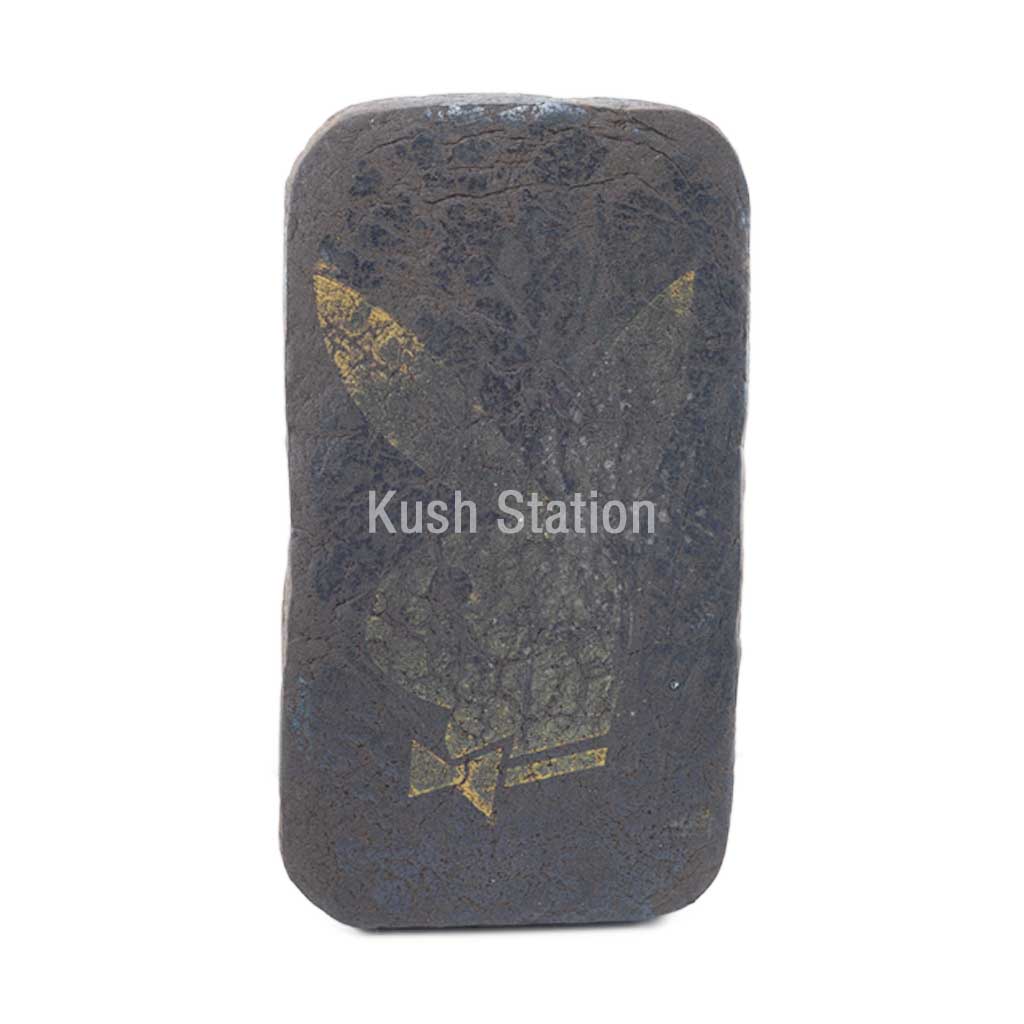
Hash – Playboy
Price range: $5.00 through $1,350.00 As low as $1.35 per gram
Playboy Hash is a premium, traditional-style hash made by pressing resin-rich cannabis trichomes into a smooth, dense block. It’s known for its rich, earthy flavour with sweet notes and a gentle spicy finish. Crumble it over a bowl, add it to a joint, or enjoy it on its own. Because hash is much stronger than regular flower, it’s best suited to experienced users. Follow the guidance on the packaging. It comes in discreet, airtight packaging to keep it fresh. Store in a cool, dark place, away from children and pets. For adults only.
Searching “hash playboy” can turn up an unusual mix of cannabis language and pop-culture history. The phrase might sound like the name of a strain, a hash product, or a person, but it isn’t a widely established term with one clear meaning. More often, it points people toward questions about hashish and Playboy, Hugh Hefner, or the famous Playboy Mansion. This guide untangles those possibilities and explains the history behind the Playboy name without confusing a cultural brand with a cannabis product. If you’re an adult cannabis consumer in Canada, you’ll also find a practical note on how to assess products safely if that’s what brought you here. The short version: context matters, and a catchy search phrase isn’t proof that a product or brand is real.
Key Takeaways
- The term “hash playboy” does not refer to a recognized cannabis strain or official Playboy product, so verify product authenticity with legal sources.
- Hash is a cannabis concentrate made from compressed resin glands, while Playboy is a longstanding media brand founded by Hugh Hefner with no confirmed link to cannabis.
- Hugh Hefner, Playboy’s founder, was a complex cultural figure whose legacy includes both sexual openness and criticism related to gender and power dynamics.
- The Playboy Mansion symbolizes Hefner’s celebrity lifestyle but public portrayals differ significantly from private accounts and realities.
- When considering cannabis products like hash, always check legal authorization, product labels, and start with small amounts to ensure safety and compliance.
- Playboy’s legacy influences media and cultural conversations about sexuality, but it’s important to keep the brand distinct from unrelated cannabis searches or products.
What Does “Hash Playboy” Mean?
“Hash playboy” doesn’t have a single confirmed definition. It may be a search query combining hash, the cannabis concentrate, with Playboy, the media brand associated with Hugh Hefner. It could also be a misspelling, a nickname, a social-media phrase, or a seller’s informal product label. Without a reliable source or clear product listing, you shouldn’t assume it refers to a recognized strain or licensed cannabis brand.
Hash, short for hashish, is made by collecting and compressing cannabis resin glands. Playboy, meanwhile, began as an American magazine and grew into a larger entertainment and lifestyle brand. The shared search phrase doesn’t establish a partnership between them. If you see a product called “Hash Playboy,” check who made it, what’s in it, and whether it’s being sold legally in your province. A name alone tells you very little about potency, production standards, or safety.
Who Was Hugh Hefner?
Hugh Hefner (1926–2017) was an American publisher and entrepreneur best known for founding Playboy magazine. He became a public figure whose image, silk pyjamas, a smoking jacket, and a circle of famous guests, was carefully tied to the brand. To some, he represented sexual openness and resistance to conservative social norms. To others, his lifestyle embodied the power imbalance and commercial objectification that critics saw in Playboy’s approach to women.
It’s worth separating Hefner’s fame from the magazine’s full history. Playboy was built by editors, photographers, writers, models, and business staff, not by one person alone. Hefner nevertheless remained its most visible face for decades. Understanding that distinction helps make sense of why his legacy is still argued over rather than neatly celebrated or dismissed.
The History of the Playboy Brand
Playboy’s story is larger than the mansion parties most people picture. The brand began with a magazine, then developed into a network of clubs and media properties. Its reach made the bunny logo internationally recognizable, while its editorial content helped attract readers who might not otherwise have bought an adult magazine. The brand’s fortunes changed over time as media habits shifted and audiences debated the values it represented.
The exact meaning of “Playboy” also depends on who’s using it: a publication, an entertainment company, a logo, or a shorthand for a certain lifestyle. That distinction matters when you encounter the phrase “hash playboy” online. A search result, an unverified seller’s label, and an official brand announcement are not equivalent evidence. Look for a named manufacturer and dependable documentation before treating a product label as a genuine affiliation.
Playboy Magazine, the Bunny Symbol and the Sexual Revolution
The first issue of Playboy appeared in December 1953. Its rabbit-head logo, designed by Art Paul, became one of the most recognizable symbols in publishing. The magazine paired nude images with fiction, interviews, and articles: over the years, it published work by prominent writers and interviewed major political and cultural figures. That editorial mix helped Playboy present itself as a broader lifestyle publication, not simply a collection of photographs.
Its cultural role remains contested. Supporters say the magazine contributed to public conversations about sexuality and challenged restrictive conventions. Critics argue that its version of liberation often centred men’s desire and presented women through a commercial lens. Both perspectives can be true at once: Playboy changed what could be discussed in mainstream media, while also reflecting the gender and power structures of its era.
Inside the Playboy Mansion
The Playboy Mansion in Los Angeles became a shorthand for Hefner’s celebrity lifestyle. The property was used for private gatherings and high-profile events, and its reputation grew through photographs, television coverage, and guests’ accounts. For many people, the mansion is less a building than a setting in a long-running cultural story: famous parties, elaborate interiors, and a carefully maintained image of access to glamour.
But the public version was never the whole picture. Guests, employees, and former girlfriends have described different experiences, and their accounts don’t all match. Treating the mansion as a fantasy backdrop can obscure the everyday rules and relationships that shaped life there. If you’re curious about its history, firsthand accounts are useful, but they should be read as individual perspectives, not as one universal description.
The Women of Playboy: Public Image Versus Personal Experience
Women associated with Playboy have described a range of experiences. Some have spoken positively about opportunities, friendships, or the confidence they gained from public attention. Others have criticized the expectations, scrutiny, or unequal power they encountered. Neither a single glowing anecdote nor one painful account can speak for everyone.
That range matters because the public image of a Playboy model or girlfriend often flattened a person into a role. Reading women’s own accounts can restore context: what they chose, what they felt pressured by, and how they interpret those years now. Their perspectives may also evolve with time. When weighing them, pay attention to who is speaking, what they say happened to them, and whether a claim is corroborated. Respectful curiosity beats assuming you already know someone’s story from a headline.
Controversies Surrounding Playboy Mansion Life
Discussion of mansion life includes allegations and criticism concerning control, age and status differences, sexual expectations, substance use, and privacy. Former residents and employees have offered accounts that raised questions about how much freedom people had within a world that was publicly presented as glamorous. These are serious subjects, and they deserve precise language: an individual’s allegation should not automatically be treated as a proven fact about every person or event.
A broader criticism concerns the power imbalance between a wealthy, influential host and younger women seeking work, opportunity, or public recognition. Supporters of the brand’s past may emphasize individual choice: critics ask whether choice is meaningful when access and approval are controlled by someone with far greater power. You can hold both ideas in view without flattening the people involved into heroes or villains.
Hugh Hefner’s Death, Estate and Marilyn Monroe Crypt
Hefner died on September 27, 2017, at age 91. His death brought renewed attention to his estate, the Playboy brand, and the way his life had been documented by friends, critics, and former partners. Estate matters can change over time, so older reports should not be treated as a complete picture of current ownership or business arrangements.
Hefner was buried in a crypt beside Marilyn Monroe at Westwood Village Memorial Park in Los Angeles. He had purchased the burial space decades earlier. The choice drew attention because Monroe’s image had appeared on the first issue of Playboy, though she had no personal relationship with Hefner. Some viewed the proximity as a tribute: others found it unsettling. The detail captures a recurring tension in Playboy history: a famous image can outlast the person’s control over how it is used.
What Is Playboy’s Legacy Today?
Playboy’s legacy is not one tidy story. It includes influential publishing, a globally familiar logo, shifting ideas about sexual expression, and persistent criticism of how women’s bodies and choices were represented. The brand has changed since its mid-century peak, while its founder’s image remains a lightning rod for debate.
And if you arrived here looking for cannabis, keep the two subjects separate. “Hash playboy” by itself doesn’t verify a strain, hash product, or official partnership. In Canada, buy cannabis only from legal sources authorized in your province or territory, and check the package for producer, ingredients, and THC information. Hash can be potent: if you choose to use it, start with a small amount and avoid mixing it with alcohol or driving. Cannabis products are for adults of legal age only: 18+ in Alberta, 19+ in most provinces and territories, and 21+ in Quebec. That’s a practical end point for a search phrase with two very different histories.
Frequently Asked Questions About Hash Playboy and Playboy Mansion History
Is “Hash Playboy” a cannabis strain?
There’s no clear, widely recognized evidence that “Hash Playboy” is an established cannabis strain. The phrase may be an informal listing or a search combination. Verify the producer and product details through a legal retailer before making assumptions.
Was the Playboy Mansion open to the public?
It was a private residence, not a public attraction. Its events and interiors became familiar through media coverage and accounts from people who visited or lived there.
What was the Playboy Mansion grotto?
The grotto was a poolside feature at the Los Angeles mansion. It became famous through party coverage and pop-culture references, but its public image doesn’t tell you everything about life at the property.
Did Hugh Hefner and Marilyn Monroe know each other?
Hefner used Monroe’s photograph on the first Playboy cover, but he did not meet her. His burial beside her later drew attention to the connection, and to questions about image, consent, and legacy.
Is Playboy connected to cannabis?
The shared words in a search query don’t prove a business connection. Look for an official announcement and reliable product information rather than relying on a name alone.
Only logged in customers who have purchased this product may leave a review.
Related products


Reviews
There are no reviews yet.