
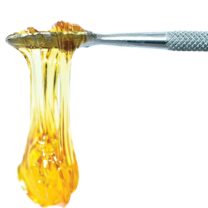
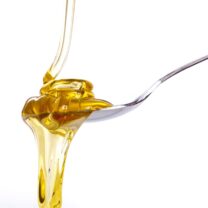
Distillate – Delta 9
Price range: $150.00 through $2,700.00 As low as $6.03 per gram
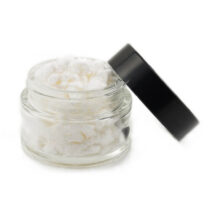
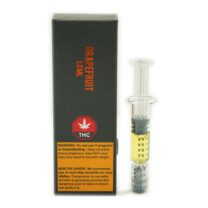
Delta 9 Distillate is a highly refined cannabis concentrate made with Delta 9 THC, the main cannabinoid found in cannabis. The smooth, clear oil is versatile and can be used to fill empty cartridges, for dabbing or to make homemade edibles. It comes in discreet packaging to keep it fresh. Follow the guidance on the packaging. Store in a cool, dark place, away from children and pets. For adults only.
If you’ve searched for “distillate delta” while browsing carts, gummies, syringes, or concentrates, you’re not alone. The phrase sounds technical, but it usually points to a highly refined cannabis oil containing delta-8 THC, delta-9 THC, or another cannabinoid. Distillate is popular because it can be potent, versatile, discreet, and relatively affordable. It can also be confusing, especially when labels are vague, product names are inconsistent, or a bargain looks suspiciously good.
This guide breaks down what delta distillate is, how it compares with other extracts, what users commonly report, and how to assess quality before buying online. You’ll also find practical dosing, storage, drug-testing, and Canadian legal information. Products discussed here are for adults of legal age only: 19+ in most of Canada, 18+ in Alberta, and 21+ in Quebec. Start low, go slowly, and remember that no extract is risk-free.
Key Takeaways
- Distillate delta refers to a highly refined cannabis oil containing forms of THC such as delta-8 or delta-9, prized for its potency and versatility.
- Always check for a complete cannabinoid breakdown, batch number, and a recent certificate of analysis (COA) to ensure product quality and safety when purchasing delta distillate.
- Delta-8 distillate tends to offer a milder, less intense experience compared to the stronger effects of delta-9 distillate, making dosing important based on individual tolerance.
- Proper dosing involves starting low and going slow—especially with edibles where effects can take up to two hours to manifest—and avoiding mixing THC with alcohol or activities requiring focus.
- A trustworthy COA must test for potency and contaminants like solvents, pesticides, and heavy metals, with particular caution for products involving chemical conversion to delta-8 THC.
- Legal status varies by region; in Canada and the U.S., buying from licensed sources and understanding local laws is critical, and delta distillate use can result in a positive drug test due to THC metabolites.
What Does “Distillate Delta” Mean?
“Distillate delta” generally means a refined cannabis oil containing a delta-form of THC, most commonly delta-8 THC or delta-9 THC. Distillate describes how the oil has been purified: delta describes the THC molecule’s chemical form. Think of it as the difference between “filtered coffee” and “coffee beans”: one describes processing, the other describes what’s in the cup.
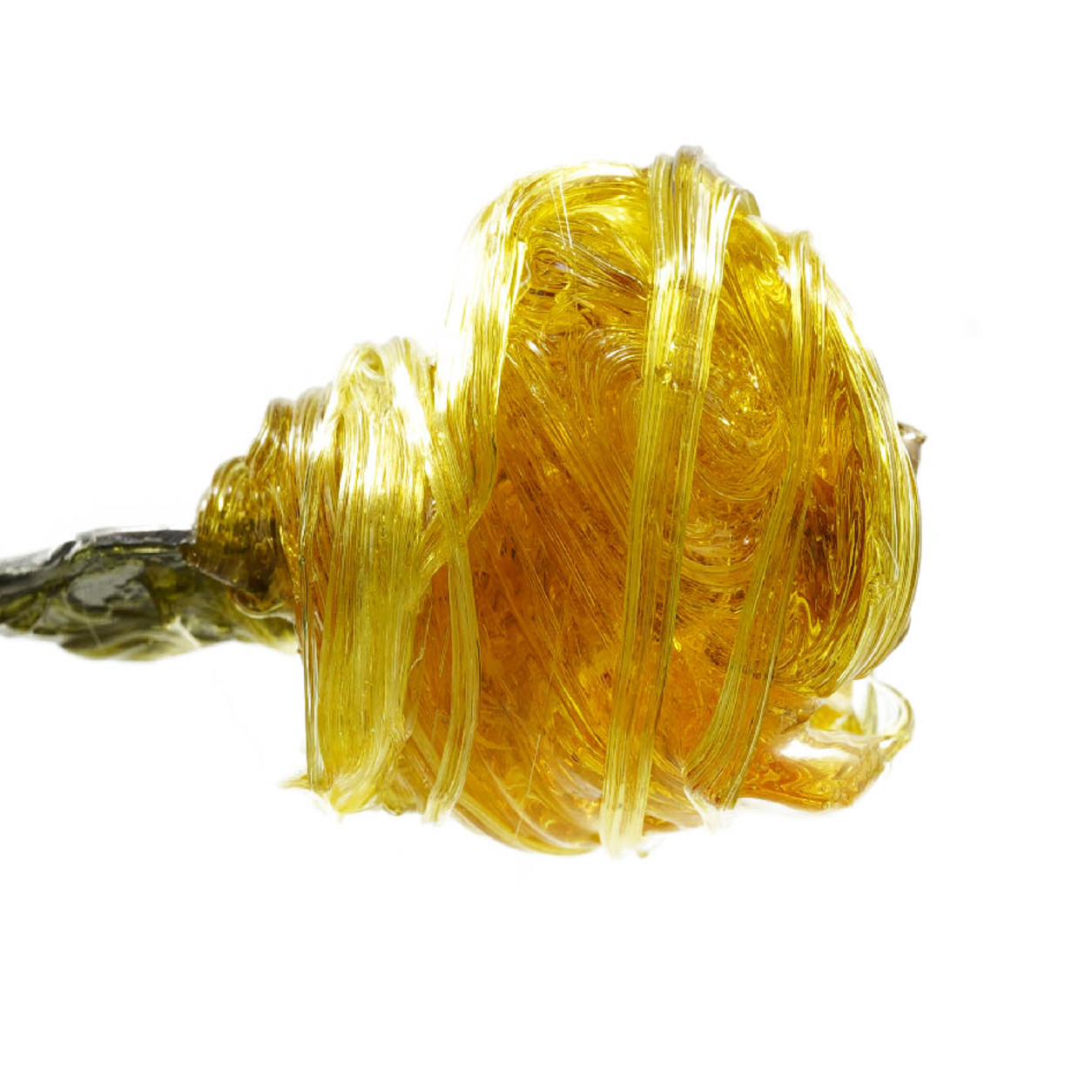
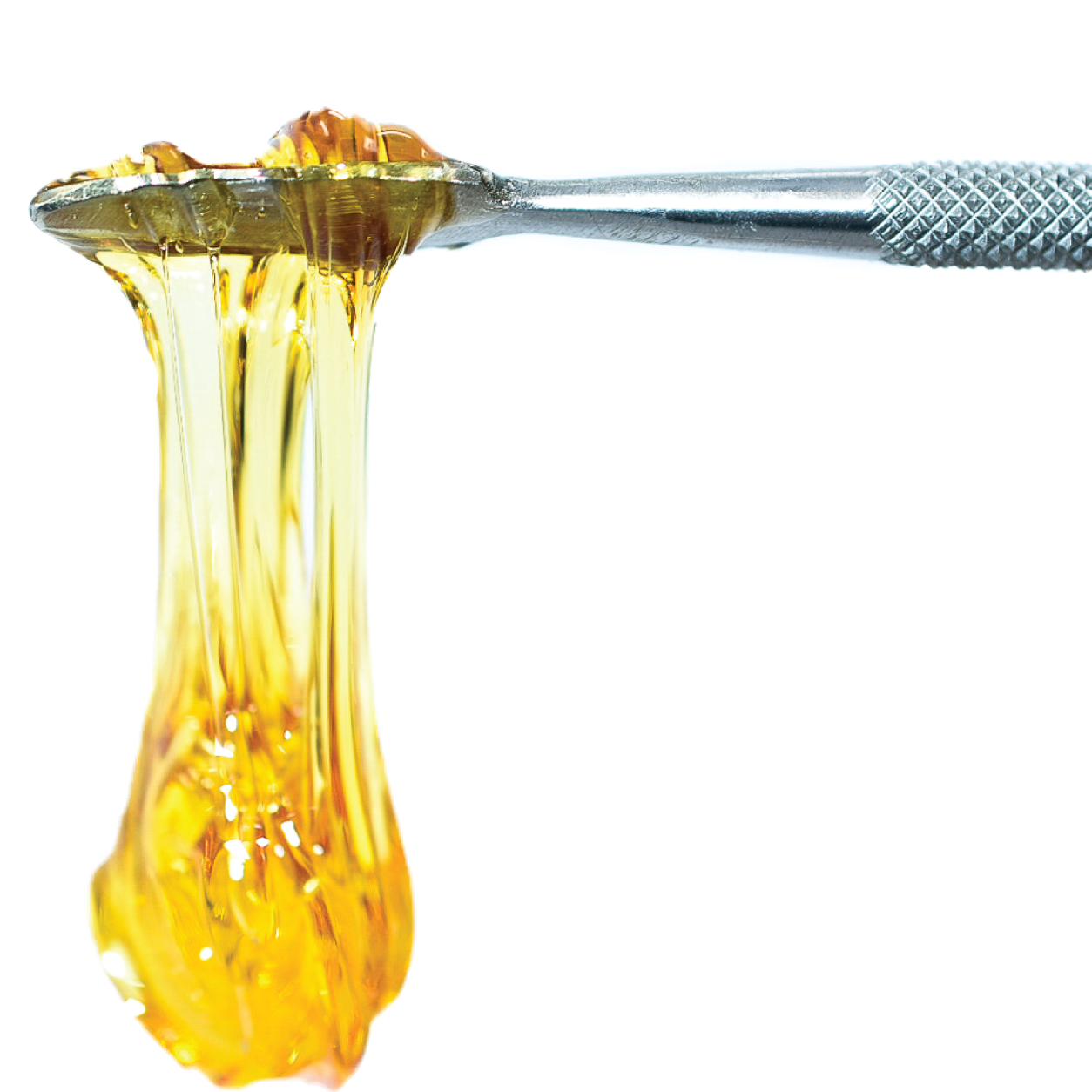
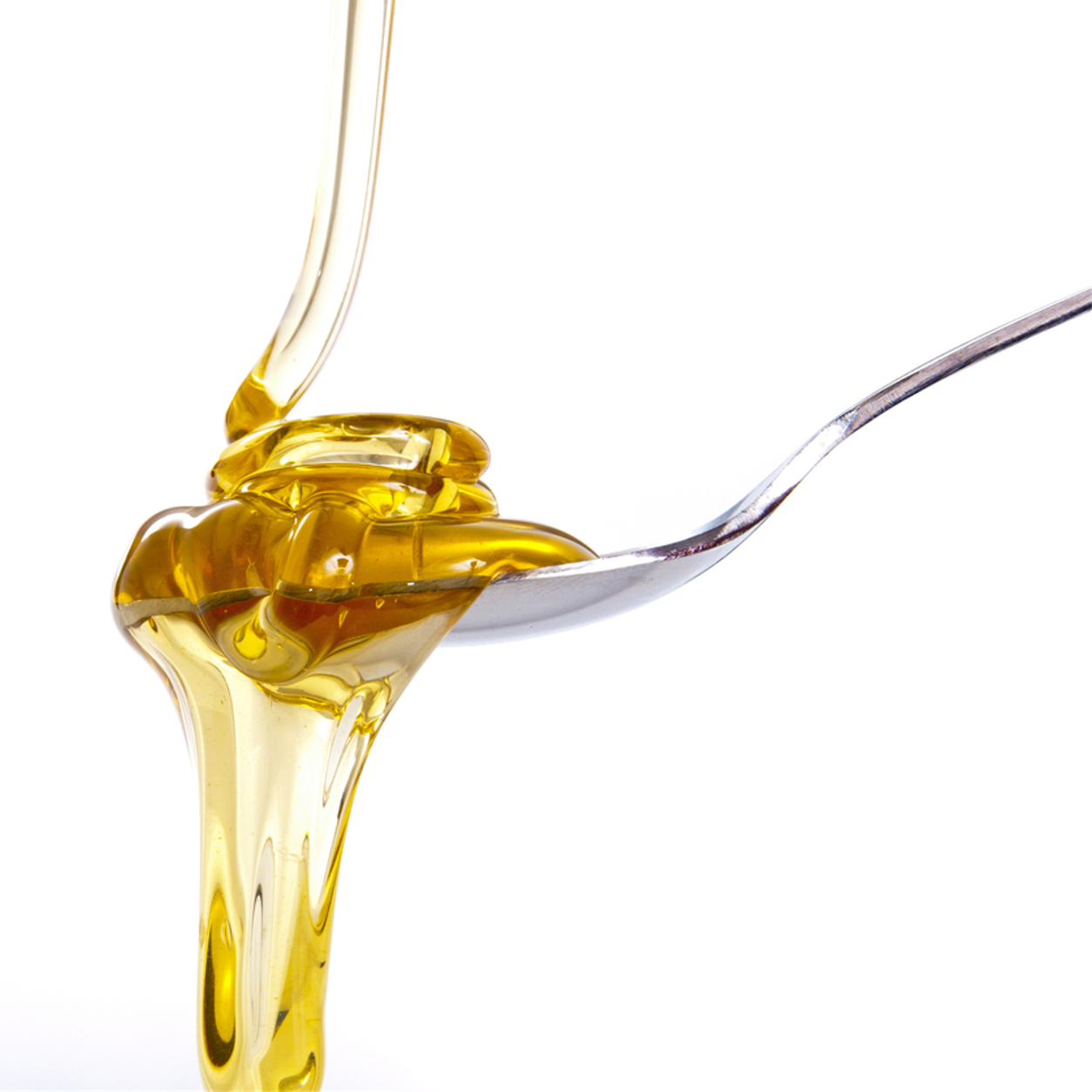
During refinement, many plant compounds are removed, including chlorophyll, waxes, fats, and much of the original terpene profile. The result is usually a thick, amber-coloured oil with high cannabinoid concentration. Manufacturers may add cannabis-derived or botanical terpenes afterwards to create flavour and a more strain-like experience.
The label matters. “Delta distillate” by itself doesn’t tell you whether the product contains delta-8, delta-9, both, or minor cannabinoids. Look for a full cannabinoid breakdown, serving size, batch number, and a recent certificate of analysis (COA). If those details are missing, you’re being asked to buy on vibes, and vibes are not a quality-control system.
Delta THC Distillate Basics: Distillate vs Live Resin vs Shatter vs Isolate
Distillate is only one type of cannabis concentrate. The major difference is how much of the plant’s original chemistry remains after processing.
| Extract | What it is | Typical character | Best suited to |
| Distillate | Highly refined cannabinoid oil | Potent, smooth, often mild in flavour | Carts, edibles, syringes, discreet use |
| Live resin | Extract made from fresh-frozen cannabis | Strong terpene aroma and strain character | Connoisseurs who value flavour |
| Shatter | A glassy, solvent-extracted concentrate | Potent, brittle, sometimes tricky to handle | Experienced dab users |
| Isolate | A single purified cannabinoid, often near-crystalline | Very little flavour or plant complexity | Formulation and precise cannabinoid use |
Distillate is usually more consistent from batch to batch than flower-based extracts, but “more refined” doesn’t automatically mean “better.” Live resin may taste more like the original cultivar, while distillate can be easier to dose in a cartridge or gummy. Shatter and other dabbable extracts require a suitable device and careful temperature control.
One common beginner mistake is assuming a product with a familiar strain name has the same effects as that flower. A distillate labelled “Blue Dream,” for example, may contain added terpenes inspired by Blue Dream rather than extract from that exact plant. Read the cannabinoid and terpene details, not just the name on the front.
Delta-8 vs Delta-9 Distillate: Key Differences in Effects, Strength, and Onset
Delta-8 and delta-9 THC are chemically related, but users commonly describe them differently. Delta-9 THC is the better-known intoxicating cannabinoid and is generally considered more potent by weight. Delta-8 THC is often described as gentler or less mentally intense, although the experience varies with dose, tolerance, body chemistry, and product quality.
| Factor | Delta-8 distillate | Delta-9 distillate |
| Common user description | Milder, calmer, less overwhelming | Stronger, more pronounced intoxication |
| Onset when vaped | Often within minutes | Often within minutes |
| Onset when eaten | Roughly 30–120 minutes | Roughly 30–120 minutes |
| Main concern | Inconsistent conversion or testing in some products | Greater chance of impairment at a similar dose |
These are broad patterns, not guarantees. A large delta-8 gummy can be far more intense than a small delta-9 serving. Both may cause dry mouth, drowsiness, anxiety, impaired coordination, or a racing heart, particularly when you take more before the first dose has peaked.
If you’re new, choose a product with clearly stated milligrams per serving. Don’t mix THC with alcohol, and don’t drive or operate equipment after using either type.
How Delta Distillate Is Made (Extraction, Winterization, Distillation, Conversion)
Manufacturing typically begins with cannabis biomass. Cannabinoids are extracted using a solvent such as ethanol or a hydrocarbon, or through another commercial extraction process. The crude oil contains cannabinoids along with waxes, fats, pigments, terpenes, and other plant compounds.
Winterization cools the crude extract and filters out waxes and lipids. The cleaner oil then goes through short-path or wiped-film distillation, where heat and vacuum separate compounds according to their boiling behaviour. Several passes may be used to raise cannabinoid concentration.
For delta-8 products, manufacturers may start with hemp-derived CBD and chemically convert it into delta-8 THC. That step deserves extra scrutiny: incomplete reactions or poor purification can leave behind unknown byproducts, acids, solvents, or other cannabinoids. A trustworthy COA should test the finished product, not merely the starting material.
THC vs THCa: Decarboxylation and conversion explained
THCa is the acidic precursor found in raw cannabis. When heated, it undergoes decarboxylation, releasing carbon dioxide and becoming delta-9 THC. That’s why raw flower is not equivalent to the same weight of activated THC distillate.
Decarboxylation is different from converting CBD into delta-8 THC. Decarboxylation uses heat to activate an existing cannabinoid: conversion changes one cannabinoid into another through a chemical reaction. The distinction matters because each process creates different testing and safety questions.
Potency & Product Forms: Typical % Ranges, Syringes, Carts, Dabs, Gummies
Distillate is commonly sold in cartridges, disposable vapes, refillable syringes, dab-friendly applicators, and infused edibles. Labels may show a percentage, milligrams per package, or both. Distillates often test in the high-80% to mid-90% cannabinoid range, but the exact figure depends on the cannabinoid, formulation, and laboratory method. A higher percentage is not automatically a better product.
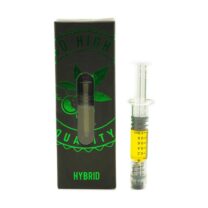
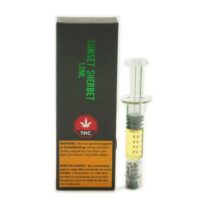
A syringe can be flexible: you might use a measured amount in an edible or apply it to a compatible dab device. It isn’t automatically a vape cartridge, though. Don’t fill hardware unless the manufacturer says it’s designed for that oil: leaks, clogging, and burnt coils are common annoyances.
Dosing guidance by format (inhaled vs edible) and how to avoid overdoing it
For inhaled products, take one small puff and wait at least 10–15 minutes before deciding whether you need more. Vape effects can arrive quickly, but the urge to keep puffing can sneak up on you.
For edibles, beginners may choose 1–2.5 mg THC, while experienced consumers may use more. Wait a full two hours, and preferably longer, before increasing the dose. Edibles can feel slow, then suddenly become the main character. Check whether the label gives milligrams per gummy or for the entire package: confusing those two is an expensive and uncomfortable error.
Keep concentrates away from children and pets, and never use an unmarked syringe or mystery oil.
Effects, Benefits, Risks & Side Effects (What Users Commonly Report)
People use delta distillate for many reasons, including relaxation, mood changes, easier socializing, winding down at night, or simply enjoying a discreet cannabis format. Some users report that delta-8 feels functional and mellow, while delta-9 feels more euphoric, immersive, or impairing. Those descriptions are personal reports, not medical guarantees.
Possible unwanted effects include:
- Dry mouth and red eyes
- Sleepiness or reduced attention
- Dizziness and impaired coordination
- Anxiety, panic, or paranoia
- Nausea, especially after too much edible THC
- Faster heartbeat or an uncomfortable sense of being overstimulated
Your tolerance can change. A person who handles flower comfortably may still misjudge a concentrated edible. Set and setting matter too: taking a strong gummy on an empty stomach before an important morning is not exactly a recipe for a serene evening.
If you feel unwell, stop taking more, move somewhere calm, sip water, and ask a trusted person to stay nearby. Seek urgent help for severe symptoms such as chest pain, trouble breathing, loss of consciousness, or extreme confusion.
Lab Testing & Compliance: What a COA Must Show for Delta Distillate
A COA is a laboratory report for a specific batch. It should match the product’s batch or lot number and list the testing date, laboratory identity, methods, and results. At minimum, look for cannabinoid potency and contaminant screening.
A useful report should identify delta-8 THC, delta-9 THC, THCa, CBD, and relevant minor cannabinoids rather than displaying one impressive total. It should also address residual solvents, pesticides, heavy metals, microbial contamination, and mycotoxins where applicable.
Red flags: unknown byproducts, residual solvents, heavy metals, pesticides, vitamin E acetate
Be cautious when a seller offers only a screenshot, a COA for a different batch, or a report that says “pass” without numerical results. Conversion-based delta-8 products deserve particular attention for unidentified reaction byproducts. Residual solvents can indicate inadequate post-processing, while heavy metals and pesticides may come from contaminated inputs or equipment.
For inhaled oils, avoid products containing vitamin E acetate. It has been linked to the serious vaping-related lung injury outbreak and has no place in a legitimate THC vape formula. Also question mystery thinning agents, vague “proprietary blends,” and dramatic potency claims unsupported by independent testing.
Legality of Delta Distillate (U.S. Federal vs State) + Canada/International Notes
In Canada, delta-9 THC cannabis products are regulated under the Cannabis Act and provincial or territorial rules. Legal products should come through licensed channels, carry required packaging and excise information, and follow rules for THC limits, labeling, and promotion. Buying from an authorized Canadian retailer is safer than ordering an unregulated product advertised as “hemp delta” from another country.
Delta-8 products are not automatically legal simply because they come from hemp or contain less delta-9 THC. Their status can depend on how they were produced, whether they fall within the legal cannabis framework, and the rules of the province or territory. Provincial age limits and online sales arrangements also differ.
In the United States, the 2018 Farm Bill helped create a market for hemp-derived cannabinoids, but state laws vary considerably. Some states restrict or prohibit delta-8, while others regulate it as cannabis. Federal and state rules can change, so check the current law where you live before ordering or travelling.
Canada and other countries may also restrict import, export, possession, or mailing of THC products. Don’t cross a border with distillate, even if it was purchased legally at home.
Will Distillate Delta Make You Fail a Drug Test? (THC Metabolites Explained)
Yes, it can. Standard workplace urine tests generally look for THC metabolites, especially THC-COOH, rather than whether your product was labelled delta-8 or delta-9. Delta-8 use may produce metabolites that cross-react with some screening tests, and a product containing more delta-9 THC than advertised creates an even clearer risk.
Detection depends on dose, frequency, body chemistry, test type, and the time since use. Occasional use may clear sooner than frequent use, but nobody can promise a precise timeline. Hair, saliva, blood, and urine tests each have different detection windows and procedures.
If a drug test could affect your employment, sport, driving status, or legal situation, the safest choice is not to use THC products. “Hemp-derived” does not mean “drug-test-proof,” and detox drinks are not a reliable workaround. Keep product packaging and test records if you use regulated products, but understand that documentation doesn’t guarantee a negative result.
How to Buy Quality Distillate Delta: Checklist for Consumers & Bulk/Wholesale Buyers
Whether you’re ordering a single disposable vape or comparing bulk syringes, use the same basic filter: Can the seller prove what’s in it? Look for legal-age verification, clear Canadian labeling, a batch-matched COA, a complete ingredient list, and customer support that answers specific questions. A low price is useful only when the product is genuine and tested.
Before checkout, confirm:
- Exact cannabinoid: delta-8, delta-9, or a blend
- Milligrams per serving and per package
- Extraction or conversion details, where disclosed
- Independent potency and contaminant testing
- Hardware type, oil volume, and compatible voltage
- Manufacturing or packaging date and lot number
- Shipping, return, privacy, and storage policies
For wholesale buyers, request retained samples, certificates for every batch, chain-of-custody information, and documentation showing the laboratory is independent. Ask about recalls and whether the supplier carries product liability insurance. Never rely on a COA sent by a broker if the batch number cannot be verified.
Storage, shelf life, and handling tips (crystallization, viscosity, terpene separation)
Store distillate sealed, upright, and away from sunlight, heat, and humidity. A cool, dark cupboard is usually more practical than a refrigerator, which can introduce condensation and make thick oil awkward to handle. Keep it locked away from children and pets.
Crystallization can happen when cannabinoids solidify or the formulation changes: gentle warming in a sealed container may restore flow, but don’t microwave oil or expose it to an open flame. Terpenes can separate over time, and very cold oil becomes stubbornly viscous. If a cartridge tastes burnt, leaks, or changes dramatically in colour or smell, stop using it.
Shelf life depends on ingredients, packaging, and storage. Use the manufacturer’s date guidance rather than treating “distillate” as immortal. Even a potent product can lose flavour and consistency as it ages.
Frequently Asked Questions About Distillate Delta
What does ‘distillate delta’ mean in cannabis products?
Distillate delta typically refers to a highly refined cannabis oil containing delta-form THC, most commonly delta-8 or delta-9 THC. ‘Distillate’ describes the purification process, resulting in a potent, amber-colored oil with a high concentration of cannabinoids.
How is delta-8 distillate different from delta-9 distillate?
Delta-8 THC is often described as milder and less mentally intense compared to delta-9 THC, which is more potent and has a stronger intoxicating effect. Both have similar onset times when vaped or eaten, but effects can vary by dose and individual tolerance.
What forms does delta distillate come in, and how should I dose it safely?
Delta distillate is available in cartridges, syringes, dabs, and infused edibles like gummies. For inhaled forms, start with a small puff and wait 10–15 minutes before more. For edibles, beginners should consider 1–2.5 mg THC and wait at least two hours before increasing the dose to avoid overconsumption.
Can using delta distillate cause you to fail a drug test?
Yes, delta distillate can cause a positive drug test since standard tests detect THC metabolites that results from both delta-8 and delta-9 THC use. Detection depends on factors like dose, frequency, body chemistry, and test type.
What should I look for to ensure I’m buying high-quality delta distillate?
Look for clear labeling specifying the exact cannabinoid (delta-8, delta-9, or blend), milligrams per serving, a recent batch-matched Certificate of Analysis (COA) showing potency and contaminant testing, ingredient list, and reliable customer support before purchasing.
How should delta distillate be stored to maintain its quality?
Store distillate sealed, upright, away from sunlight, heat, and humidity, preferably in a cool, dark cupboard. Avoid refrigeration which can cause condensation. Keep away from children and pets. If crystallization occurs, gently warm in a sealed container without microwaving or using open flame.
Only logged in customers who have purchased this product may leave a review.
Related products
CBD
Reviews
There are no reviews yet.