
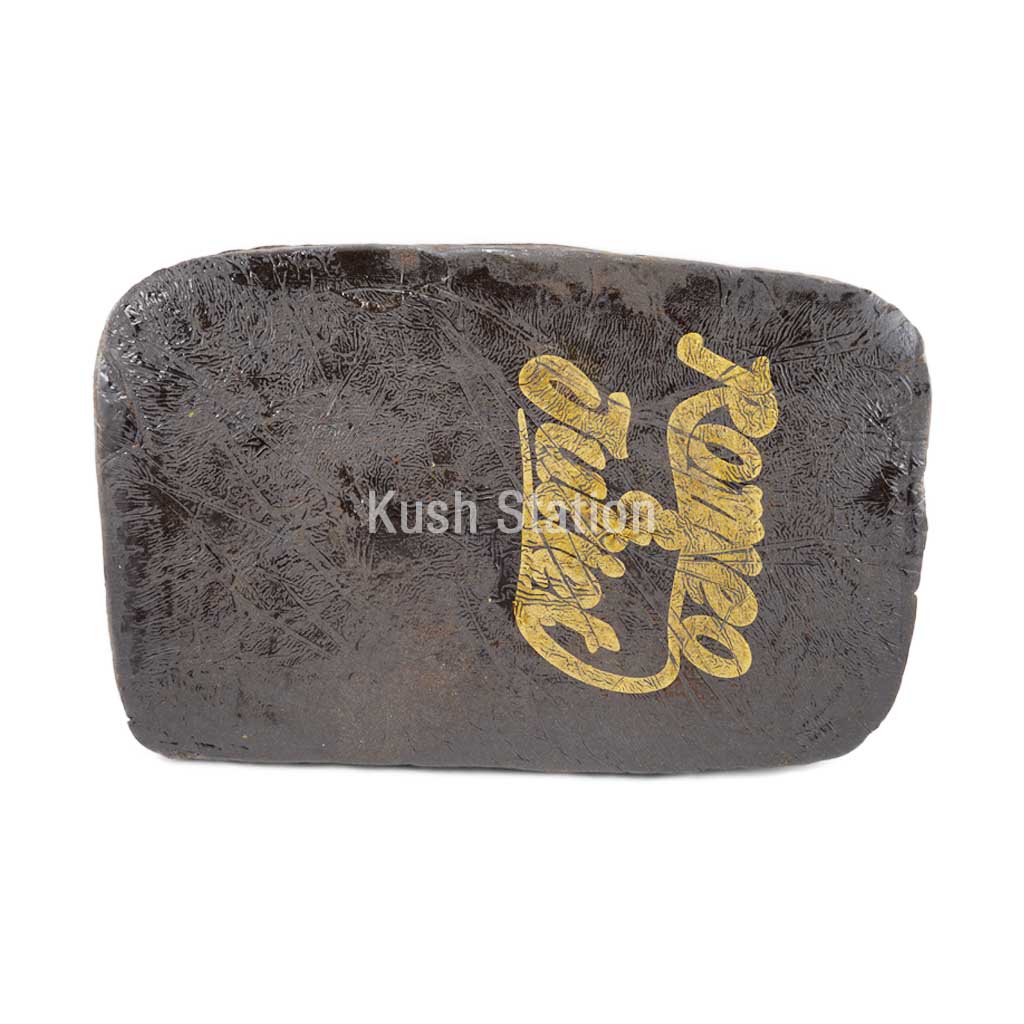
Hash – Romeo and Juliet
Price range: $12.50 through $3,600.00 As low as $3.60 per gram
Romeo and Juliet Hash is a smooth, traditional-style hash made by pressing resin-rich cannabis trichomes into a dense, easy-to-crumble block. It offers a rich, earthy flavour with sweet, soft floral notes and a gentle spicy finish. Crumble it over a bowl, add it to a joint, or enjoy it on its own. Because hash is much stronger than regular flower, it’s best suited to experienced users. Follow the guidance on the packaging. It comes in discreet, airtight packaging to keep it fresh. Store in a cool, dark place, away from children and pets. For adults only.
Shopping for hash online can feel like trying to judge a fruit basket through a closed box: the product name offers a clue, but it doesn’t tell you exactly what’s inside. Hash Romeo and Juliet is a name you may see attached to pressed cannabis hash, but product names aren’t standardized, and details can vary by seller and batch. That makes it worth checking the actual listing, not just the romantic label, before you buy.
This guide explains what the name may refer to, what flavour and texture descriptions can (and can’t) tell you, how to think about potency, and what to check when buying in Canada. We’ll keep the focus on practical, non-medical information: no strain-name guesswork presented as fact, and no promise that a particular product will produce a specific effect. Cannabis is for adults of legal age only.
Key Takeaways
- Hash Romeo and Juliet is a product name for cannabis hash, but it lacks a standardized recipe or potency, so always check batch-specific details before buying.
- Look for clear product descriptions, batch information, and lab test results to verify THC, CBD levels, and ensure authenticity of Romeo and Juliet hash products.
- Flavour, aroma, and texture descriptions like earthy or spicy are subjective and vary by batch, so use them as general guides rather than guarantees.
- Due to wide potency variations in cannabis concentrate, start with small amounts and avoid mixing hash with alcohol or operating machinery while impaired.
- Purchase Hash Romeo and Juliet only from authorized retailers with transparent policies and batch-linked lab results, especially when buying online in Canada.
- Be cautious of vague listings, unverifiable claims, or suspicious packaging; always prioritize legal, safe, and informed cannabis purchasing practices.
What Is Hash Romeo and Juliet?
“Hash Romeo and Juliet” is a product name used for cannabis hash, but the name alone doesn’t establish a standardized recipe, strain lineage, or potency. Hash is made by separating resin-rich trichomes from cannabis material and compressing or otherwise processing them into a concentrate. The exact source material, production method, and final quality depend on the producer.
When browsing an online menu, look for the product description, batch information, and any available test results. If those details aren’t listed, ask the retailer rather than assuming the name tells the whole story. A Romeo & Juliet label may be a brand or product line, while “Romeo” could refer to something else entirely. It’s a small distinction, but it can save you from buying based on an assumption.
Hash is not one uniform product category. Producers can use different starting material and separation or pressing methods, and those choices can affect appearance, aroma, consistency, and cannabinoid results. Even products sold under the same name may not be identical if they come from different batches. Treat the product page and package as the source of current details, rather than relying on an old review or a description copied from another seller.
Romeo Hash vs. Romeo & Juliet Hash
“Romeo hash” and “Romeo & Juliet hash” aren’t necessarily interchangeable terms. The first could be shorthand for a particular seller’s product: the second may be a distinct label or blend. There’s no universal cannabis naming registry that guarantees a shared formula across retailers, so two products with similar names may differ in source material, processing, texture, and cannabinoid content.
Check the listing for a producer or brand, ingredient or material description, and batch-specific certificate of analysis (COA), if available. If you’re comparing two listings, compare those details, not just the headline name. When information is vague, treat the product as unverified rather than filling in the blanks yourself.
It can also help to distinguish a named product from a strain claim. If a listing presents Romeo and Juliet as a strain, ask what supports that description and whether the information applies to the specific batch. A familiar-sounding name is not evidence of genetic lineage, a particular blend, or a consistent production recipe.
Traditional Pressed Hash and Product Format
Traditional pressed hash is generally a compact, resin-rich product. Depending on how it’s made and stored, it may be pliable, crumbly, or firm. Retail formats can include small pieces or blocks sold by weight. Don’t assume that all hash with this name is made using the same technique: a product title rarely explains whether the material was sifted, pressed, or processed another way.
Check the listed weight, packaging, storage advice, and any directions supplied by the licensed seller. Hash is concentrated cannabis, so a small-looking piece shouldn’t automatically be treated like a small amount of ordinary dried flower. If you’re new to concentrates, ask a knowledgeable retailer about the product and take a cautious approach.
Product format matters for practical reasons: a firm block and a softer piece may be handled differently, while neither texture by itself tells you how potent the hash is. Review the package’s stated net weight and product information instead of estimating quantity by sight. If the format or contents don’t match the listing, contact the seller before using it.
Hash Romeo and Juliet Flavour, Aroma, and Texture
Descriptions such as “earthy,” “spicy,” or “sweet” can help you picture a product, but they’re subjective. Aroma and flavour vary with the plant material, processing, storage, and age of the batch. A retailer’s notes are best understood as a guide, not a guarantee that every person will notice the same thing.
Texture can also offer clues about handling, though it isn’t a quality certificate on its own. Hash that has softened in transit may feel different from a sample stored cool and sealed. Focus on clear product information and appropriate packaging, then use your own experience, not an extravagant listing, to decide what suits you.
When comparing descriptions, look for specific, restrained language rather than a long list of dramatic tasting notes. A product page may reflect a retailer’s assessment or information supplied by a producer; it doesn’t necessarily describe what every batch or consumer will experience. Treat sensory notes as one small part of evaluating a product, alongside its identity, packaging, and available test information.
Earthy, Herbal, Spicy, Sweet, and Berry Notes
Some sellers may describe Romeo and Juliet hash with earthy, herbal, spicy, sweet, or berry-like notes. Those are common sensory terms in cannabis marketing, not a verified flavour profile for every product carrying this name. One person might notice a woody, peppery aroma: another may mainly pick up a mild sweetness. Neither reaction proves the product is authentic or potent.
If flavour matters to you, look for batch-specific descriptions and, where offered, terpene information. Terpenes are aromatic compounds found in many plants, including cannabis, but the label doesn’t let you predict an exact experience. Keep your expectations flexible: storage can change aroma, and your own senses are part of the equation. If a package smells sharply chemical or otherwise seems off, don’t use it: contact the retailer for guidance.
Aroma can also be affected by how a product has been packaged and stored, so a description may not match a product that has been exposed to heat or air. Don’t try to identify a contaminant by smell or taste. If anything about the product seems unusual or the packaging is compromised, leave it unused and ask the seller how to proceed.
Colour, Consistency, and Resin Quality
Pressed hash can range from tan or brown to darker shades, and its consistency can range from soft and pliable to firm or crumbly. Colour alone is not a reliable scorecard. Differences may reflect source material, production, age, or storage: a dark piece isn’t automatically poor, and a pale one isn’t automatically premium.
Look for a product that’s described clearly and arrives in intact, suitable packaging. Avoid interpreting a glossy surface, strong aroma, or easy-to-crumb texture as proof of purity. Visual inspection cannot identify contaminants or confirm cannabinoid content. For that, you need credible, batch-linked testing and a seller able to answer basic questions. If the product arrives damaged, unusually wet, or with signs of contamination, keep it sealed and contact the retailer rather than trying to assess it by taste.
Consistency can change with temperature, handling, and storage, which makes it a poor stand-alone measure of freshness or quality. If you are inspecting a sealed purchase, follow the package instructions and avoid opening it merely to compare it with photos online. Product images may be illustrative, and lighting can make colour appear different from one image to another.
Expected Effects and Potency Considerations
Hash is a cannabis concentrate, so its THC content may be higher than that of many dried-flower products, but potency varies widely. The product name doesn’t tell you how strong a particular batch is. Effects also depend on amount, route of use, your tolerance, and other individual factors. Retail descriptions can be useful, but they aren’t a substitute for a label or lab report.
If you choose to use cannabis, plan for a low-key setting and avoid combining it with alcohol or other intoxicating substances. Don’t drive or operate machinery while impaired. If you’re unfamiliar with the product or its strength, it’s sensible to take a cautious approach and wait before considering more. There’s no prize for turning a relaxed evening into an unexpectedly intense one.
Concentrates can be less familiar to people who have only used other cannabis products, and small differences in quantity may be difficult to judge by sight. Consider the product’s labelled potency and your own experience rather than relying on someone else’s description of how much they use. If you have questions about possible interactions, health effects, or whether cannabis is appropriate for you, seek advice from a qualified health professional rather than a seller or strain description.
Relaxing, Euphoric, Indica-Dominant Effects
Some sellers or consumers may describe a Romeo and Juliet product as relaxing, euphoric, or indica-dominant. Treat those as product claims or reported experiences, not guaranteed outcomes. The indica/sativa labels are broad retail shorthand: they don’t reliably predict exactly how a specific product will affect you. Two people can use the same batch and describe it differently.
Consider what you need to do afterward. If you have work, childcare, driving, or other responsibilities, choose not to use beforehand. If you’re a newer consumer, using a concentrate can be harder to judge than using a familiar, clearly labelled product. Ask the seller about the batch and follow any legal product directions. Cannabis is not a treatment recommendation, and you shouldn’t rely on a strain name to address sleep, stress, or a health concern.
Effects may also feel different depending on the setting and circumstances, and no product can guarantee a particular mood or level of alertness. Avoid making plans that depend on being unimpaired after use. If you feel uncomfortable, don’t take more, move to a calm and safe environment, and seek appropriate help if you are concerned about your condition.
Why Lab Results Matter: THC, CBD, and Terpenes
A batch-specific COA, when available, can provide more useful information than a product name. Check that it matches the product and batch you’re considering, and review the reported THC and CBD levels. Results may be shown as a percentage or as milligrams per gram. If the listing gives only a broad potency claim without a clear testing source, you have less information on which to base a decision.
Terpene results may describe aromatic compounds, but they don’t guarantee flavour or effects. Also check whether the report includes contaminant screening and whether the testing laboratory and date are identified. A lab report is only helpful when it’s authentic and connected to the specific batch: a generic image or a document for a different product isn’t enough. When in doubt, ask the retailer to clarify.
Read the units carefully and don’t compare figures expressed in different ways as though they were automatically equivalent. A COA describes the sample tested; it does not guarantee that every piece in a package has precisely the same composition. If the report is difficult to interpret, ask the retailer to explain it in plain language rather than drawing conclusions from a single number.
How to Choose High-Quality Romeo and Juliet Hash
A good online purchase starts with transparent information. Look for the producer, batch details, net weight, a plain-language product description, and testing information where available. Check the seller’s shipping, returns, and customer-support policies too, especially if you live outside a major city and rely on mail delivery.
Price can help you compare options, but a bargain isn’t a bargain if you can’t verify what you’re buying. On the other hand, a premium label doesn’t prove premium quality. Compare like with like: product format, stated weight, test information, and seller reliability. If you use a retailer’s live chat, ask specific questions and save the answers with your order details.
Before checkout, confirm that the listing is current and that the product description, selected quantity, and final order summary all agree. Check whether the retailer explains how it handles substitutions, delays, damaged parcels, and customer concerns. A clear answer to these practical questions is more useful than a product page built mainly around bold claims or polished imagery.
Origin, Ingredients, Batch Testing, and Authenticity
Ask where the cannabis material comes from and how the product is made, if that information is available. A credible listing should identify a brand or licensed source and describe the product without relying entirely on dramatic claims. If a seller says the hash is linked to a particular strain, look for an explanation or documentation rather than assuming the name confirms its genetics.
For testing, check that the batch number on the report matches the product listing or package. Review cannabinoid results and any contaminant testing stated in the report. Packaging should be sealed and labelled as required under the applicable rules. In Canada, legal access and product requirements depend on the province or territory, so buy only through authorized channels and check your local government’s guidance.
A quick comparison before checkout can help:
| What to compare | What to look for |
| Product identity | Brand, format, weight, and batch details |
| Potency | Clear THC/CBD information and its source |
| Testing | Batch-linked results, where available |
| Seller | Authorization, contact details, and clear policies |
| Delivery | Discreet, secure shipping information and age checks |
Keep the product listing, order confirmation, and any customer-service replies until the order is resolved and you have checked the package. These records make it easier to compare what was advertised with what arrived. If the package carries a batch number or other identifying information, use it when asking questions so the retailer can respond about the specific item.
Red Flags in Low-Quality or Unverified Hash
Pause if a listing promises a specific medical result, claims an implausibly exact effect, or gives no meaningful information beyond a catchy name. Other warning signs include missing seller contact details, unclear product weight, no batch identification, or lab results that don’t match the item. A very low price isn’t proof of a problem, but it’s a reason to check the details carefully.
Be wary of sellers that encourage you to ignore local age limits or shipping laws. Don’t buy products in unlabelled packaging from an unverified source just because the photos look appealing. If the package arrives open, damaged, or suspiciously different from what you ordered, don’t consume it: document the issue and contact the retailer. Your peace of mind is part of the purchase.
Pressure to pay through unusual channels, requests to move a transaction away from the retailer’s normal process, or promises that a product is “guaranteed” to have a particular effect are also reasons to stop and verify the seller. Don’t provide personal or payment information until you are confident the retailer is legitimate and the purchase is lawful where you live.
Responsible Use, Storage, and Legal Buying Guidance
Cannabis is for adults of legal age only. In Canada, the legal age is generally 18 or 19 depending on the province or territory: Quebec sets it at 21. Confirm the rules where you live before ordering, including restrictions on possession, public use, and delivery. Buy from an authorized source and don’t try to route a purchase around local requirements. Federal and provincial rules can change, so check current official guidance if anything is unclear.
If you decide to use hash, start cautiously, particularly if you haven’t used concentrates before. Avoid mixing it with alcohol or other intoxicants, and don’t drive or do anything safety-sensitive while impaired. Keep cannabis away from children and pets, preferably in its original, child-resistant packaging. Store it sealed in a cool, dry, secure place, away from heat and direct sunlight: follow the product’s own storage instructions.
For online orders, review the retailer’s age-verification and shipping policies before paying. Check the delivery address, estimated timing, and what to do if a parcel is delayed or arrives damaged. Discreet packaging can protect privacy, but it doesn’t replace secure, lawful purchasing. If you’re unsure about the product, potency, or local rules, pause and ask the retailer or consult official provincial guidance. A few minutes of checking beats a parcel-related headache.
Store hash in a place that is not accessible to children, pets, or anyone who might mistake it for an ordinary food or household item. Avoid leaving it in a vehicle or another place where temperature may fluctuate. Keep it in its original packaging when possible, and don’t transfer it into an unlabelled container that could cause confusion about what it is or who it belongs to.
Responsible use also includes being honest about uncertainty. If you don’t know the strength, can’t verify the product, or have responsibilities that require clear attention, the cautious choice is not to use it. Follow the package directions and local rules, and don’t treat online anecdotes as a substitute for product information or professional advice.
Hash Romeo and Juliet FAQ
Is Romeo and Juliet hash a strain?
Not necessarily. The phrase may be a product or brand name, and naming practices aren’t consistent across retailers. Look for a producer, strain details, and batch information rather than treating the name as proof of genetics.
How strong is Hash Romeo and Juliet?
There’s no reliable answer based on the name alone. Potency depends on the specific batch and should be checked on the product label or a matching lab report. If the retailer doesn’t provide clear information, ask before buying, and be cautious with concentrates if you’re new to them.
What should Romeo and Juliet hash smell and look like?
Descriptions may mention earthy, herbal, spicy, sweet, or berry notes, while colour and texture can vary. Those traits aren’t standardized, and appearance can’t verify purity or potency. Use the seller’s batch information and testing details as stronger evidence than colour or marketing language.
Can you order it online in Canada?
Online cannabis purchasing is subject to federal and provincial or territorial rules, including age limits and authorized-retailer requirements. Buy only through a legal source available in your jurisdiction, and verify the current rules where you live. The legal age is 21 in Quebec and 18 or 19 in other provinces and territories, depending on location.
What’s the safest way to approach an unfamiliar hash product?
Confirm the product identity, check the batch and potency information, and use only if you’re of legal age and comfortable with the risks. Don’t mix it with alcohol, drive while impaired, or leave it where children or pets can reach it. If information is missing or the delivered product seems compromised, contact the seller instead of guessing.
Does the Romeo and Juliet name guarantee a particular flavour or effect?
No. The name doesn’t establish a standard flavour profile, potency, or expected effect. Check the current product and batch information, and treat tasting notes or consumer reports as subjective rather than guaranteed outcomes.
What information should I check before buying Romeo and Juliet hash?
Look for the producer or brand, product format, net weight, batch identification, cannabinoid information, and available batch-linked testing. Confirm that the seller is authorized where you live and has clear contact, delivery, and support information. If key details are missing, ask questions before placing an order.
Bottom line: Hash Romeo and Juliet may sound distinctive, but the label alone can’t tell you its origin, strength, or quality. Let the batch details, testing, and seller transparency do the talking. Buy legally, keep your expectations realistic, and make a cautious choice that fits your experience.
Only logged in customers who have purchased this product may leave a review.
Related products
CBD
Reviews
There are no reviews yet.