
Cannabis Flower: The Complete Canadian Buyer’s Guide
Buying cannabis flower online should be straightforward: choose a strain, check the THC, place your order, and wait for the discreet box to arrive. Yet one product page says “AAAA craft,” another promises 29% THC, and a third lists enough terpenes to resemble a chemistry quiz. Which details actually predict a good experience?
This guide cuts through that noise. You’ll learn what cannabis flower is, how its anatomy and cultivation affect quality, what cannabinoids and terpenes can, and can’t, tell you, and how to compare legal online options without assuming the highest THC number wins. It also covers dosing, storage, lab reports, consumption methods, side effects, drug testing, and the sometimes confusing differences among marijuana, hemp, CBD flower, and THCA flower.
The scope is practical rather than medical. Cannabis affects everyone differently, and evidence connecting individual strains or terpenes to specific outcomes remains limited. When consumers report relaxation, focus, creativity, or sleepiness, treat those descriptions as clues, not guarantees or treatment claims.
Canadian law matters too. Recreational products should come from provincially or territorially authorized retailers, whether you buy in-store or online. Legal-age rules vary: 18 in Alberta, 21 in Quebec, and 19 in most other provinces and territories. Packaging, possession, public-use, home-growing, workplace, and travel rules can also differ by location.
Think of shopping for flower like buying coffee. Origin and roast matter, but freshness, storage, processing, and your own taste matter just as much. A famous cultivar can still arrive dry and dull: a modestly priced batch can be fragrant, smooth, and genuinely enjoyable. Once you know which evidence to inspect, labels such as “premium” become less persuasive than the harvest or packaging date, terpene profile, moisture, contaminant testing, and retailer transparency.
Whether you’re ordering a budget ounce for the weekend, comparing BC-grown craft jars, or buying your first low-THC flower, the goal is the same: find a suitable product, use less than you think you need, and avoid preventable mistakes. This guide is intended only for adults of legal age. Start low, go slow, and keep cannabis secured away from children and pets.
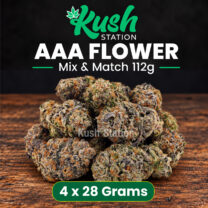
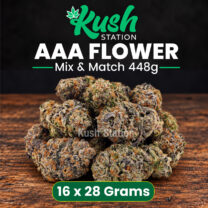
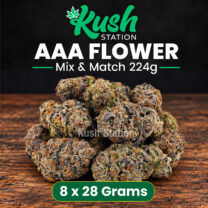
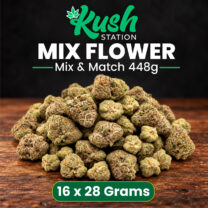
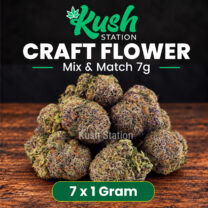
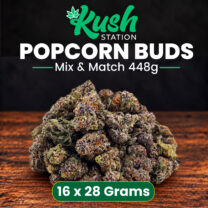
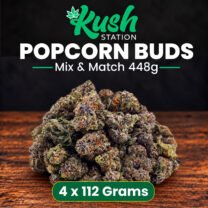
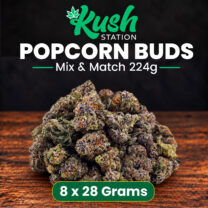
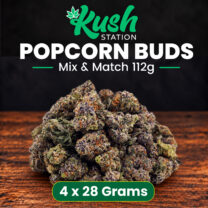
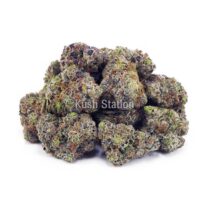
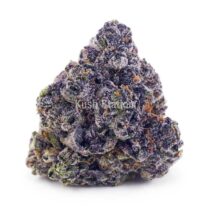
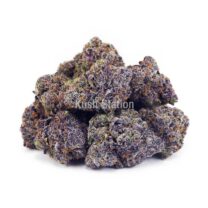
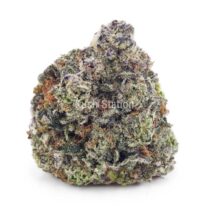
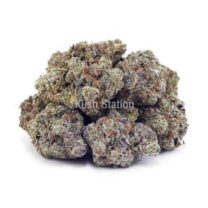
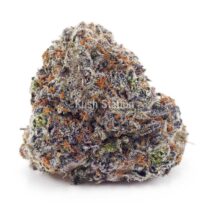
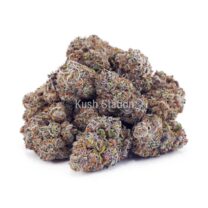
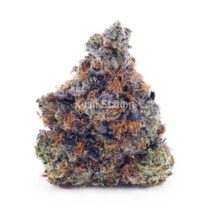
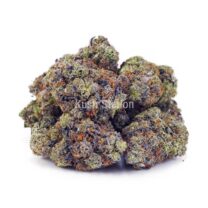
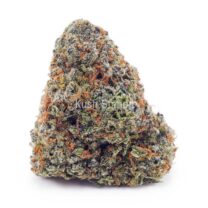
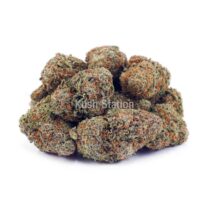
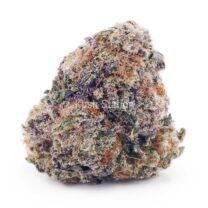
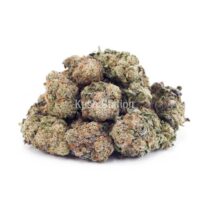
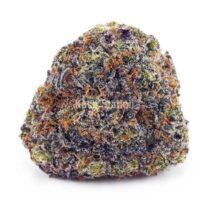
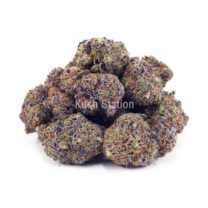
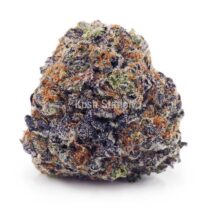
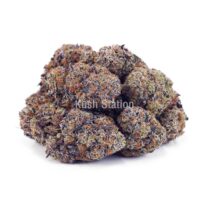
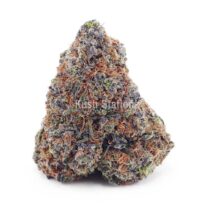
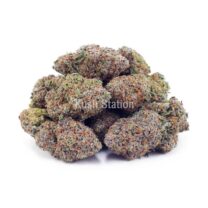
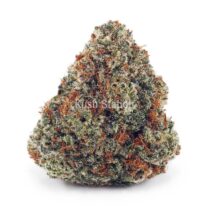
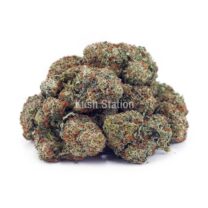
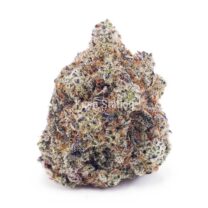
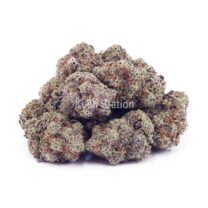
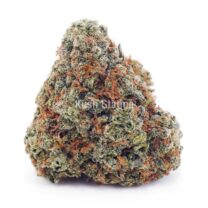
Kush Station has several categories of weed you can buy online: Craft Weed, Premium Weed, Budget Buds, Popcorn/Small Buds, Hybrid Weed, Indica Weed, Sativa Weed & Infused Pre-Rolls.
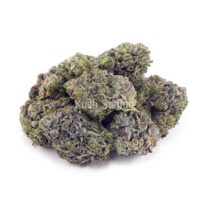
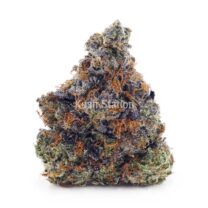
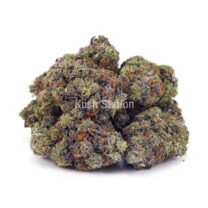
Cannabis
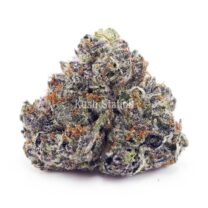
Key Takeaways
- Cannabis flower is the dried, harvested part of the female cannabis plant rich in cannabinoids and terpenes, used primarily for smoking or vaporizing.
- Quality cannabis flower depends on cultivation, harvest timing, curing, and storage—factors more important than just high THC percentages or premium labels.
- Lab reports, including THC/CBD levels, terpene profiles, and contaminant testing, are essential for verifying product safety and expected effects.
- Start with a low dose and wait before consuming more, as individual reactions vary widely and dosing by puff is more manageable than edibles for beginners.
- Proper storage in airtight containers with humidity control preserves freshness, potency, and aroma, extending usability for up to a year.
- Always buy cannabis flower from authorized legal sources, respect age limits and local regulations, and never operate vehicles while impaired.
What Is Cannabis Flower?
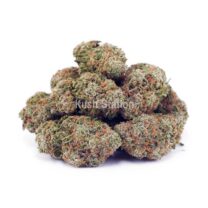
Cannabis flower is the harvested, dried, and usually cured flowering portion of a female cannabis plant. It contains resin-producing structures rich in cannabinoids and aromatic compounds. You can smoke it, use it in a dry-herb vaporizer, or process it into infused products where permitted.Unlike oils or edibles, flower undergoes relatively little transformation after harvest. That gives you direct access to the plant's aroma and flavour, but it also makes cultivation, trimming, curing, and storage easy to notice, for better or worse.Flower vs bud vs nug: dispensary terms explained
Flower is the standard retail term. Bud means essentially the same thing, while nug usually refers to an individual trimmed piece. "Nugs" may imply attractive, intact buds, but it isn't a regulated quality grade.Other common listings include:- Colas: Large clusters that form near branch tips.
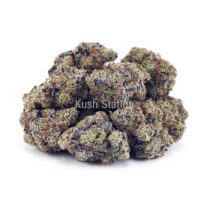
- Smalls or popcorn: Smaller buds from lower on the plant: often cheaper but not automatically weaker.
- Shake: Loose fragments collected from a package or trimming process.
- Milled flower: Pre-ground material intended for convenience.
- Pre-roll flower: Ground cannabis packed into papers or cones.
Cannabis flower vs hemp/CBD/THCA flower: key differences and what matters to buyers
In Canada, cannabis and industrial hemp are distinguished by regulation and permitted uses, not simply by how a bud looks. CBD flower is cannabis bred to contain more cannabidiol and comparatively little THC. It can still be intoxicating if meaningful THC is present, and CBD itself can interact with medications.THCA flower contains tetrahydrocannabinolic acid, the natural precursor to THC. Heat from smoking or vaping converts THCA into intoxicating THC through decarboxylation. Calling a product "THCA flower" doesn't make it non-intoxicating once heated, nor does US-style hemp marketing automatically make it legal to import or purchase in Canada.For buyers, the useful questions are concrete: Who produced it? Is the seller provincially authorized? What do the THC and CBD values say? Was the lot tested for contaminants? A cannabis leaf doesn't carry a passport, but the package and supply chain certainly do.Cannabis Flower Anatomy (What You’re Actually Smoking)
A dried nug may look like one fuzzy green object, but it's a compact collection of bracts, stigmas, resin glands, tiny leaves, and stem. Knowing those parts helps you distinguish real quality indicators from dispensary folklore.Calyx and bracts: where cannabinoids concentrate
People often call the teardrop-shaped structures in a bud "calyxes," although the visible resinous structures are more accurately bracts surrounding the plant's reproductive organs. These tightly layered tissues make up much of the flower and carry abundant glandular trichomes.Large, swollen bracts can make a bud look plump, but size alone doesn't prove potency. Genetics, growing conditions, maturity, trimming, and moisture all affect appearance. What matters is the resin coating on and around those structures, plus verified laboratory results from the same production lot.Pistils/stigmas: what color changes can (and can't) tell you
The hair-like strands protruding from flower are stigmas, commonly, and loosely, called pistils. They often begin pale or white and shift toward orange, red, or brown as the plant matures.Growers sometimes use that change as one harvest clue, but stigma colour is unreliable on its own. Genetics, stress, pollination, handling, and environmental conditions can darken them early. Once flower is dried, orange hairs mostly tell you what the plant looks like, not how strong or fresh it is. Bright hairs can be pretty: they're not miniature potency meters.Trichomes: potency, ripeness, and why they matter most
Trichomes are microscopic resin glands that give good flower its frosted appearance. Their heads contain much of the plant's cannabinoids and terpenes. Under magnification, growers watch gland colour shift from clear toward cloudy and, eventually, amber as harvest approaches.Cloudy trichomes are commonly associated with peak cannabinoid maturity, while increasing amber may indicate oxidation and changing chemistry. That's a cultivation guideline, not a precise effects dial.Heavy trichome coverage can signal strong resin production, but handling matters. Old, overhandled buds may lose brittle trichome heads even if they began beautifully. A macro photograph, intact seal, lot-specific certificate of analysis, and recent packaging date together tell you more than sparkle alone.Sugar leaves, seeds, and stems: impact on quality and harshness
Small leaves tucked into the flower are called sugar leaves because trichomes dust their surfaces. A few are normal, especially on hand-trimmed craft flower. Excess leaf adds chlorophyll-heavy material, lowers the usable flower-to-weight ratio, and may taste harsher.Thick stems are similarly inconvenient: you paid for weight you probably won't consume. A tiny supporting stem is unavoidable: a twig collection isn't.Seeds suggest pollination or plant stress. One mature seed doesn't make flower unsafe, but numerous seeds usually mean less desirable flavour and combustion. Never grind them into a joint, they pop, taste unpleasant, and add no useful potency. Dark fuzz, webbing, powdery patches, or an ammonia-like smell are more serious warning signs: don't use suspicious flower.How Cannabis Flower Is Grown, Harvested, and Cured (Quality Starts Here)
The best genetics can disappoint when cultivation or post-harvest handling goes sideways. Conversely, careful growing and curing can turn an unfashionable cultivar into the jar everyone quietly reaches for.Plant life cycle overview: seed to harvest
Cannabis generally moves through germination, seedling, vegetative growth, flowering, harvest, drying, and curing. During vegetative growth, the plant develops roots, branches, and leaves. Once flowering begins, female plants build resinous buds.Commercial growers may start from seed or clone. Seeds provide genetic variation: clones are cuttings from a selected mother plant and offer greater consistency. Indoor producers control light, temperature, humidity, airflow, irrigation, and nutrition. Greenhouses blend environmental control with sunlight, while outdoor crops depend more heavily on season and weather.None is automatically superior. Indoor flower may look exceptionally uniform, while sun-grown flower can deliver complex aroma with lower energy use. Execution beats the cultivation label.Flowering stage basics: photoperiod, timelines, and what changes in the plant
Most cannabis is photoperiod-sensitive. Indoors, growers commonly trigger flowering by moving to roughly 12 hours of light and 12 hours of darkness. Outdoors, shortening late-summer days initiate the same hormonal change. Autoflowering genetics follow age more than day length.Flowering commonly takes about seven to twelve weeks, although cultivar and conditions alter the timeline. The plant stretches, forms flower sites, and increases resin and aroma production. Humidity control becomes critical as buds thicken because trapped moisture can support Botrytis, better known as bud rot.More time isn't always better. Harvesting too early can reduce mature cannabinoid and terpene development: waiting too long can sacrifice aroma and allow degradation.Harvest window: trichome maturity and peak effects
Growers usually inspect trichome heads with a loupe or microscope rather than trusting brown stigmas or a breeder's calendar alone. Mostly clear glands suggest immaturity. Predominantly cloudy glands with some amber often indicate a reasonable harvest window, though the preferred balance depends on genetics and production goals.Claims that clear, cloudy, and amber ratios precisely create "energetic," "balanced," or "sedating" effects oversimplify the science. Cannabinoid degradation, terpene loss, dose, and individual response all matter.For a buyer, the harvest date can help assess age, but it rarely appears on every legal package. A packaging date is useful, yet not equivalent: flower may have been stored in bulk before packaging.Drying and curing: flavor, smoothness, and potency preservation
After harvest, flower is dried slowly enough to control moisture without baking away volatile terpenes. It's then cured in controlled storage so moisture equalizes through the buds and sharp "green" notes diminish.Rushed drying can leave grassy aromas and a harsh burn. Excess heat accelerates terpene loss. Packaging flower while it's too wet raises microbial risk: drying it into dust creates a brittle, hot-smoking product.A good cure usually produces buds that feel slightly springy rather than damp, grind evenly, and release a distinct aroma when broken apart. The ash-colour test often shared online isn't definitive, white ash doesn't prove a perfect cure or pesticide-free cultivation. Lab testing and sensory quality are more meaningful.Common cultivation/processing issues that reduce quality (mold, pests, PGRs, overdrying)
Watch for grey-brown rot inside dense buds, white powdery growth, webbing, insects, or a musty basement smell. Moldy cannabis shouldn't be salvaged by removing one patch: spores may extend beyond what you see. Photograph it, retain the packaging, and contact the authorized retailer.Plant growth regulators, or PGRs, are another online concern. Some growth-regulating substances have legitimate agricultural uses, while certain unapproved chemicals pose safety concerns. Rock-hard density, muted aroma, or excessive orange hairs can't prove PGR use. Only supply-chain controls and appropriate testing can provide meaningful evidence.Overdrying is more mundane, and common. If a bud crumbles when touched and smells like hay, age, poor storage, or aggressive drying likely stole much of its character.Cannabinoids, Terpenes, and the Entourage Effect
Cannabis effects come from a mixture of compounds interacting with your body, dose, tolerance, and surroundings. The popular "entourage effect" proposes that cannabinoids and aromatic compounds work together, but specific combinations haven't been mapped reliably enough to guarantee an outcome.THC, CBD, and minor cannabinoids (CBG, CBC, CBN): what they do
THC is the principal intoxicating cannabinoid. It may alter perception, mood, coordination, appetite, and short-term memory. More THC generally creates greater intoxication at the same consumed amount, but a 30% label doesn't ensure a better experience than 20% flower.CBD isn't intoxicating in the same way and may soften some THC effects for certain users, though responses vary. CBG and CBC usually occur at lower concentrations and remain under active study. Marketing claims often race ahead of human evidence.CBN can form as THC oxidizes over time. It's widely promoted for nighttime use, but evidence that CBN alone produces strong sedation is limited. If older flower feels sleepier, changes in THC, terpenes, dose, and expectation may all contribute.Terpenes and aroma: myrcene, limonene, pinene, caryophyllene, linalool
Terpenes help create aroma and may influence the overall experience, but they aren't dependable prescriptions:- Myrcene: Earthy, musky, or mango-like: often associated by consumers with relaxation.
- Limonene: Citrus peel: commonly described as bright or uplifting.
- Pinene: Pine and herbs: often linked anecdotally with alertness.
- Beta-caryophyllene: Pepper and spice: notable for interacting with CB2 receptors.
- Linalool: Floral and lavender-like: frequently associated with calm.
Reading a COA (lab report): potency, terpene panel, contaminants
A certificate of analysis, or COA, should identify the producer, product, lot number, test date, laboratory, and methods or reporting units. Match the lot to your package: a report from last year's crop isn't evidence for today's jar.For potency, distinguish THC from total THC, which accounts for the potential conversion of THCA. Canadian labels may show values in milligrams per gram: 200 mg/g is approximately 20% by weight. Small variations between a sample and your particular bud are normal.A useful report may include:- Cannabinoids and their reporting limits.
- Individual terpenes and total terpene content.
- Microbial contaminants, including yeast and mold.
- Pesticides, heavy metals, and possibly mycotoxins.
- A clear pass/fail status under applicable standards.
Cannabis Flower Strains and Types (Beyond Indica vs Sativa)
Strain names help organize a huge catalogue, but they aren't standardized scientific identities. Two products called Blue Dream may differ because of phenotype, producer, environment, harvest timing, and storage.Indica, sativa, hybrid: what's helpful and what's outdated
Retailers commonly use indica for relaxing products, sativa for energizing ones, and hybrid for something in between. Those labels offer quick navigation, and many shoppers understand them. Their weakness is predictability.Botanical ancestry doesn't neatly determine the chemical profile of modern, heavily hybridized flower. Research examining commercial labels has found inconsistencies between names, genetic relationships, and chemistry. Treat indica/sativa as a retailer's broad description, not a promise about your evening.If you're new, don't throw the labels away, just pair them with THC, CBD, dominant terpenes, dose, and reviews from users whose preferences resemble yours.Chemovars (cannabinoid + terpene profiles): a better way to pick effects
A chemovar classifies cannabis by chemical composition. A simple framework separates THC-dominant, balanced THC/CBD, and CBD-dominant flower. A fuller description adds dominant terpenes and minor cannabinoids.Suppose you enjoyed a 17% THC cultivar with caryophyllene, myrcene, and limonene. When it sells out, as favourite strains mysteriously do, you can seek a similar profile rather than chasing the same name from another grower.Keep notes on product, lot, dose, method, setting, aroma, and effects after 15, 60, and 120 minutes. After five or six products, patterns may emerge. This isn't laboratory-grade science, but it's much more individualized than "all indicas make you sleepy."Popular strain families and what they're typically known for
Recognizable families can still provide useful flavour and lineage clues:- Kush: Often earthy, fuel-like, spicy, and associated with heavier evening experiences. Examples include OG Kush and Pink Kush.
- Haze: Frequently citrusy, herbal, or incense-like: users often describe a lively cerebral character.
- Cookies/Gelato: Sweet, doughy, creamy, or gassy profiles, commonly with substantial THC.
- Diesel: Pungent fuel, citrus, and skunk aromas: Sour Diesel is the famous reference point.
- Blueberry: Berry-forward descendants often marketed for calmer sessions.
- CBD-rich lines: Cannatonic and similar cultivars may offer gentler THC-to-CBD ratios.
Effects of Cannabis Flower: What to Expect
Your experience depends on dose, inhalation depth, tolerance, food, mood, surroundings, and product chemistry. Even the same jar can feel different at a loud party than it does during a quiet Saturday at home.Onset and duration by method (smoking vs vaping vs edibles)
Smoked and vaporized flower usually takes effect within seconds to several minutes. Effects commonly peak within roughly 15 to 30 minutes and may remain noticeable for two to four hours, with impairment sometimes lasting longer.Edibles follow a different path. Onset may take 30 minutes to two hours or more, and effects can persist six hours or longer. The liver converts THC into 11-hydroxy-THC, contributing to a different and often stronger-feeling experience.That's why smoked flower isn't directly "stronger" or "weaker" than an edible. Route and dose matter. Don't redose an edible because nothing happened after 25 minutes: that's how an ordinary movie night becomes an accidental expedition through time.Common desired effects (relaxation, focus, creativity, sleep) and likely terpene links
Consumers often seek relaxation, sociability, sensory enhancement, creativity, appetite, or easier winding down. Terpene associations can guide experimentation: myrcene and linalool are commonly linked with calm, while limonene and pinene appear frequently in products described as bright or focused.Still, THC dose may dominate those subtleties. One small inhalation of a limonene-rich product could feel lively: four large inhalations may feel foggy or anxious. For sleep, high intoxication can make you drowsy but doesn't guarantee better sleep quality, and frequent use can change sleep patterns.Choose a low-pressure setting for a first trial. If you need focus for taxes, power tools, childcare, or an important video call, sober is the reliable chemovar.Potential side effects and how to reduce risk (anxiety, dry mouth, dizziness)
Common unwanted effects include dry mouth, red eyes, coughing, dizziness, faster heart rate, impaired coordination, short-term memory problems, and anxiety. Higher THC doses raise the likelihood of an unpleasant reaction, particularly for inexperienced users.To reduce risk:- Start with one small puff and wait at least 10–15 minutes.
- Sit somewhere familiar and avoid mixing cannabis with alcohol.
- Drink water, but don't expect hydration to "flush out" THC.
- Stand slowly if you feel light-headed.
- Choose lower-THC or balanced THC/CBD flower.
- Avoid deep inhalation or holding smoke: it adds irritation, not meaningful absorption.
How to Use Cannabis Flower: Methods, Pros/Cons, and Tips
Smoking is familiar and inexpensive, while dry-herb vaping offers better flavour and less combustion. No inhaled method is risk-free, so your best option depends on health considerations, budget, discretion, and how precisely you want to dose.Joints and pre-rolls: burn quality, paper choices, and avoiding canoeing
Joints require no glass or battery, and sharing one is culturally familiar. They also create strong odour, keep burning between puffs, and make exact dosing difficult. Pre-rolls add convenience, though the contents may be drier or more finely milled than whole flower.Thin rice or hemp papers generally add less paper flavour than thick, fast-burning options. Grind evenly, not into powder, and distribute flower consistently. Leave enough airflow through the filter.When one side burns faster, the joint canoes. An uneven grind, loose pocket, tight section, wind, or hurried lighting may be responsible. Rotate it while lighting the entire rim, take gentle pulls, and lightly dampen the fast-burning edge if needed. Pulling harder usually turns a small canoe into a speedboat.Pipes and bongs: smoother hits, cleaning basics, and screens
A pipe is compact and lets you consume a small bowl without burning a whole joint. A bong passes smoke through water, cooling it and capturing some particulate matter. Cooler doesn't mean harmless, though: combustion still produces irritants.Use a glass or purpose-made metal screen if the bowl hole pulls flower through. Avoid improvised plastic, coated metal, or mystery hardware. Pack loosely enough for airflow and take a modest draw, large bong hits can deliver far more THC than beginners expect.Change bong water frequently and clean resin before it becomes a sticky archaeology project. Isopropyl alcohol and coarse salt are commonly used on compatible glass, followed by thorough rinsing and complete drying. Follow the manufacturer's directions for silicone, painted, electronic, or delicate components.Dry herb vaporizers: temperature ranges and flavor vs potency tradeoffs
Dry-herb vaporizers heat cannabis without deliberately burning it. Portable models such as the Storz & Bickel Mighty+, Arizer Solo series, and PAX devices cost more than papers but produce less lingering odour and let you adjust temperature.Approximate settings are useful:| Temperature | Typical experience |
|---|---|
| 160–175°C | Light vapour, pronounced flavour, gentler extraction |
| 175–195°C | Balanced flavour and vapour density |
| 195–210°C | Fuller extraction, stronger roasted flavour, more irritation |
Dosing Cannabis Flower (Beginner-Friendly Guide)
Flower dosing is less exact than using a measured oil or legal edible. THC percentage tells you concentration, but it doesn't reveal exactly how much reaches your bloodstream. Puff size, device efficiency, combustion, and inhalation technique all change the delivered dose.Start low, go slow: practical puff-based dosing
For your first session, choose lower-THC flower or a balanced THC/CBD product. Take one short, gentle puff, exhale normally, and wait 10 to 15 minutes before deciding whether you need more. With a large bong or unfamiliar vaporizer, wait longer and resist matching an experienced friend.For context, 0.1 g of flower labelled 20% total THC contains about 20 mg of THC before losses. You won't absorb all of it, but that theoretical amount shows why a "tiny" bowl can still be substantial.Try new flower at home when you have no driving, work, or family obligations. Write down the number of puffs and outcome. Your ideal dose is the least that gives you the experience you wanted, not the most you can tolerate.Factors that change intensity (THC %, terpene profile, tolerance, set/setting, hydration)
THC concentration is only one variable. A 25% product consumed as two large bong hits may feel radically different from one small vaporizer draw, and recently reduced tolerance can surprise returning consumers.Set means your mindset: setting means your environment. Stress, crowds, unfamiliar people, and sensory overload can amplify discomfort. Food and hydration affect how you feel physically, but neither makes you immune to intoxication. Mixing alcohol generally increases impairment and nausea risk.Also consider medication, health history, sleep, and frequency of use. Cannabis can interact with certain medicines, and higher-risk individuals, including those who are pregnant or breastfeeding or who have personal or family histories of psychosis, should seek qualified medical guidance. If you use daily and need steadily increasing amounts, a tolerance break or conversation with a healthcare professional may be worthwhile.How to Choose High-Quality Cannabis Flower (Top-Shelf Checklist)
High-quality cannabis flower should be clean, properly dried, aromatic, accurately labelled, and suitable for your preferences. "AAAA," "craft," and "premium" can be useful retailer categories, but they aren't universal Canadian grades.Visual cues: trim, trichome coverage, color, density (dense vs airy buds)
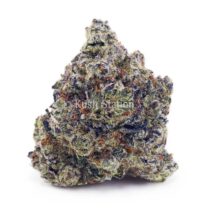
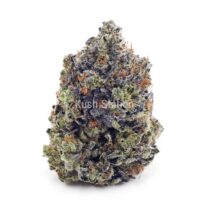
Look for intact buds with visible resin, limited excess leaf, and no obvious seeds, pests, fuzzy growth, or discoloured rot. Green can range from pale lime to deep forest, with purple or nearly black pigmentation depending on genetics and temperature. Brown, lifeless flower may indicate age or poor handling, but colour alone doesn't determine potency.Density is also genetic. Some indica-associated cultivars form compact nugs: many sativa-associated lines naturally grow airier flowers. Dense isn't automatically better, and suspiciously hard buds deserve closer inspection for trapped moisture.Online, prioritize clear photos of the actual batch over dramatically edited stock images. Reviews mentioning packaging date, moisture, aroma, and burn quality are more useful than "FIRE..." followed by six flame emojis.Aroma and stickiness: what they indicate (and what they don't)
Fresh flower should smell distinct when opened: citrus, pine, fruit, fuel, pepper, earth, cheese, or combinations that defy polite description. Strong aroma often suggests good terpene retention, while hay-like or cardboard notes can indicate poor drying, age, or storage.A little tackiness suggests resin and suitable moisture. Wet, spongy buds that clump in the grinder may be underdried: oily stickiness could also come from an infused product, which should be clearly labelled.A powerful smell doesn't guarantee cleanliness or a pleasant effect. Added terpenes can intensify aroma, and microbial contamination can smell musty or sour. Buy sealed, tested products and inspect them under good light before use.Moisture level: avoiding brittle buds and overly wet flower
Properly conditioned buds usually compress slightly and spring back. Small stems may snap, while the flower itself shouldn't explode into dust. Overdry flower burns quickly, feels harsh, and loses aroma. Overly wet flower burns poorly, weighs more, and carries greater microbial risk.A small hygrometer inside a storage jar can measure relative humidity after the flower stabilizes. Many consumers aim around 58–62% RH. Don't rely on a hygrometer placed loosely in a large room: you're measuring the sealed container's environment.Humidity packs from brands such as Boveda or Integra Boost can help maintain moisture, but they can't restore evaporated terpenes or make moldy flower safe. Think maintenance, not resurrection.Price vs value: when higher THC isn't better
Price reflects production scale, hand trimming, cultivar yield, brand positioning, packaging, taxes, and scarcity, not just experience quality. A craft 3.5 g jar may deliver exceptional aroma, while a budget ounce offers a lower per-gram cost for regular consumers. Compare like with like.| Buyer | Prioritize | Be cautious of |
|---|---|---|
| Beginner | Lower THC, CBD balance, small package | Buying 28 g before testing |
| Value seeker | Price per gram, lot freshness, smalls | Cheap old stock with no date |
| Connoisseur | Genetics, terpenes, cure, producer | Paying only for luxury packaging |
| Rural buyer | Authorized shipping, tracking, service | Unlicensed "Xpresspost" claims |
Storing Cannabis Flower to Keep It Fresh
Once the seal breaks, you become the storage department. Light, oxygen, heat, and uncontrolled humidity gradually flatten aroma and degrade cannabinoids. Fortunately, good storage is neither expensive nor complicated.Best containers, humidity targets, and avoiding light/heat/air
Use an airtight glass jar sized so there isn't excessive empty air. Store it in a cool, dark cupboard away from ovens, radiators, direct sun, and curious children. An opaque UV-resistant jar can help, but a basic Mason jar in darkness works well.Keep different cultivars separate or their aromas may mingle. A 58% or 62% two-way humidity pack can stabilize flower, particularly in Canada's dry winters. Check it periodically and replace it according to the manufacturer's guidance.Avoid the refrigerator: temperature swings can create condensation. Freezing makes trichomes brittle and is unnecessary for routine household storage. Plastic baggies are convenient for brief transport but allow compression, static, and odour leakage. And please label homemade jars, mistaking strong flower for culinary herbs creates a memorable pasta night for all the wrong reasons.How long flower stays good and signs it's degraded or contaminated
Well-cured flower stored properly may remain usable for six to twelve months, though aroma and freshness gradually decline. It doesn't suddenly expire at midnight on day 365. Older THC can oxidize, terpenes evaporate, and the experience may become flatter or harsher.Typical age-related signs include fading aroma, brittle texture, dull colour, and reduced flavour. Contamination is different. Discard flower with fuzzy white or grey growth, web-like material, damp interior rot, visible insects, or musty and ammonia-like odours. Don't vape moldy buds or turn them into edibles: processing doesn't reliably eliminate every hazard.Retain your receipt and original packaging until you've inspected the product. If a legal purchase appears contaminated, stop using it and contact the retailer or producer with photographs, lot details, and the package date.Legal, Safety, and Responsible Use Considerations
Cannabis is legal for adults in Canada, but legal doesn't mean unrestricted. Federal rules overlap with provincial, territorial, municipal, workplace, housing, and Indigenous community requirements. Confirm the rules where you live rather than trusting a forum post from another province.Buying legally, age limits, and possession basics (location-dependent)
The minimum recreational age is 18 in Alberta, 21 in Quebec, and 19 elsewhere in Canada. Legal online sellers are operated or authorized through provincial and territorial systems. Check your government's retailer list instead of assuming professional design, free gifts, crypto payments, or "discreet nationwide delivery" proves legitimacy.Adults may generally possess up to 30 grams of legal dried cannabis, or its public-possession equivalent, subject to federal law and local restrictions. Home-growing rules vary: Quebec and Manitoba prohibit non-medical home cultivation even though the federal framework, while landlords and housing agreements may add restrictions elsewhere.Legal products use standardized labels, excise stamps where required, child-resistant packaging, and tested supply chains. Never provide cannabis to a minor. Keep all flower and accessories locked away from children and pets.Driving, work policies, and travel: practical risk reduction
Don't drive or operate machinery while impaired. There's no universal waiting period that guarantees safety because dose, method, tolerance, and individual metabolism vary. Effects can outlast the obvious "high," particularly after heavy use. Plan a sober driver, taxi, public transit, or overnight stay before consuming.Workplaces may prohibit possession or use and can impose fit-for-duty requirements, especially in safety-sensitive roles. Legalization didn't erase employment policies.Never take cannabis across Canada's international border, even when travelling to or from a jurisdiction where cannabis is legal. That includes flower, edibles, vape cartridges, CBD products, and forgotten pre-rolls in a coat pocket. Domestic air travel has separate possession and destination considerations: verify current Government of Canada cannabis travel guidance before packing.Drug tests: why flower can trigger positives (including some hemp products)
Drug tests generally look for THC metabolites, not whether the product came from a legal store or was marketed as hemp. THC-dominant flower can produce positive results after the noticeable effects end, and frequent use may remain detectable longer than occasional use.CBD or hemp-derived products can also create risk if they contain trace THC, are inaccurately labelled, or become contaminated during production. "THCA flower" becomes THC when heated and should never be treated as drug-test safe.Detection depends on the specimen, urine, oral fluid, blood, or hair, as well as dose, frequency, metabolism, and testing threshold. Detox drinks and internet timing calculators can't guarantee a negative result. If testing affects your job, legal status, athletics, or medical care, abstinence is the lowest-risk choice and professional advice is more dependable than a product review.Cannabis Flower FAQs
These quick answers address three questions that often appear just before checkout. They also reinforce the central lesson of this cannabis flower guide: labels matter less than verified contents, appropriate dosing, and the way your own body responds.Is cannabis flower stronger than edibles?
Not inherently. Flower usually acts faster and wears off sooner, making it easier to increase a dose gradually. Edibles take longer to work and can feel more intense or last much longer because swallowed THC is processed by the liver into 11-hydroxy-THC.A joint made with high-THC flower may contain far more total THC than a 10 mg edible, although much is lost through sidestream smoke and incomplete absorption. Meanwhile, a novice may find even a legal 5–10 mg edible overwhelming.Compare actual dose and route, not product categories. If you're inexperienced, one small puff of lower-THC flower provides a more adjustable trial than repeatedly eating an edible because you "don't feel it yet." Never combine methods casually: their onset curves can overlap later than expected.What does "premium flower" mean?
"Premium" usually suggests attractive buds, abundant trichomes, careful trimming, desirable genetics, strong aroma, and a controlled cure. It doesn't have one legally standardized quality definition across Canadian retailers. The same is true for informal grades such as AAA and AAAA.You can also browse our AAA flower range.Judge the evidence behind the label:- Is the producer identified?
- Are package and lot details current?
- Can you review cannabinoid, terpene, and contaminant results?
- Are buds properly hydrated and free from excessive leaf or seed?
- Does the retailer have a credible return process?