


Blue Dream AAA
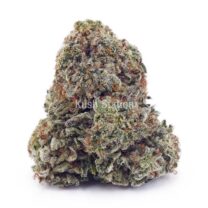
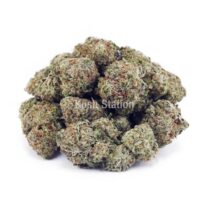
Blue Dream AAA is quality flower from one of the most popular strains around, a sativa-leaning hybrid known for its sweet blueberry flavour with soft herbal and earthy notes. The AAA grade means well-formed, frosty buds that are carefully trimmed and cured, offering great quality at a more accessible price than top-shelf AAAA. It comes in discreet, airtight packaging to keep it fresh. Follow the guidance on the packaging. Store in a cool, dry, dark place, away from children and pets. For adults only.
Blue Dream AAA is one of those cannabis labels that can mean two different things: a familiar, well-loved strain and a seller’s quality grade. That’s why one jar can smell like sweet berries and pine while another feels more like generic flower wearing a fancy name. If you’re shopping online in Canada, the label alone isn’t enough, you’ll want to check potency, freshness, terpene details, lab information, and whether the product comes from a licensed source. In this guide, you’ll learn what Blue Dream AAA usually means, what effects people report, how to choose between flower, vapes, and edibles, and how to avoid paying premium prices for tired bud. Products discussed here are for adults of legal age only: 19+ in most of Canada, 18+ in Alberta, and 21+ in Quebec. Start low, go slowly, and never drive after consuming cannabis.
Key Takeaways
- Blue Dream AAA typically refers to a mid-tier quality cannabis flower with a balance of uplifting and relaxing effects, making it popular for daytime use and creativity.
- The ‘AAA’ grade is a seller’s quality label reflecting better trimming, aroma, and trichome visibility, but standards vary across retailers, so always check potency, terpene profile, and lab test results.
- Blue Dream is a sativa-dominant hybrid known for its blueberry and pine aroma, commonly featuring terpenes like myrcene, caryophyllene, and humulene that shape its flavor and effects.
- Start with a low dose—one small inhalation for flower or 1–2.5 mg THC for edibles—and wait before consuming more to avoid adverse effects.
- Choose cannabis products from licensed, reputable sources, verifying freshness, proper cure, and lab testing, especially when buying Blue Dream AAA online in Canada.
- Consider your personal tolerance and setting, avoid mixing cannabis with alcohol, never drive while impaired, and consult healthcare professionals if using cannabis for medical reasons.
What “Blue Dream AAA” Means (AAA vs AA vs AAAA)
“AAA” is usually a retailer’s quality grade, not a regulated Canadian standard. In practical terms, AAA flower is expected to sit above budget or AA cannabis, offering better trimming, stronger aroma, more visible trichomes, and a cleaner cure. AAAA, or “quad”, is marketed as the top shelf, often with denser buds, louder terpene expression, and more careful cultivation.
The catch? There’s no universal grading inspector handing out trophies. One shop’s AAA can look like another shop’s AA. Treat the label as a starting point, then check:
- Harvest or packaging date: fresher isn’t always better, but very old flower often loses aroma and moisture.
- Cannabinoid results: THC percentage is useful, though it doesn’t predict the entire experience.
- Terpene information: a terpene percentage or detailed profile gives you more context.
- Photos and reviews: helpful, but remember that batch quality can change.
- Source and testing: licensed products should provide clearer compliance information.
For value seekers, a good AAA batch may be the sweet spot: noticeably more enjoyable than bargain flower without the price of boutique craft cannabis.
Blue Dream Strain Overview: Type, Genetics, and Origins
Blue Dream is generally described as a sativa-dominant hybrid descended from Blueberry and Haze genetics. It became especially associated with California cannabis culture and developed a reputation for combining a bright, cerebral lift with a softer body feel. Exact genetics can vary by breeder, so two products carrying the Blue Dream name may not be identical.
You’ll often see it listed as a hybrid rather than a pure sativa. That makes sense: the experience is usually more balanced than a sharply stimulating daytime strain, but less heavy than many classic indicas. Users commonly look for Blue Dream when they want something social, creative, or gently energizing without feeling completely wired.
The name has also become widely used, which creates a quality-control problem. A reputable producer should identify the breeder or genetics where possible. If a listing only says “Blue Dream AAA” and gives no batch details, grower, terpene information, or test results, keep your expectations modest. A familiar strain name can’t rescue poorly dried flower. Genetics matter, but cultivation and storage matter just as much.
THC/CBD Potency: Typical Ranges and What Impacts Strength
Blue Dream flower is commonly sold in the mid-to-high THC range, often around 15% to 25% THC, although individual batches can fall outside that window. CBD is usually low, frequently listed below 1%, but you should rely on the product label rather than a strain stereotype. Vapes and concentrates can be dramatically stronger because extraction removes much of the plant material.
Potency depends on genetics, harvest timing, growing conditions, curing, storage, and testing methods. Even two jars labelled 22% THC may feel different because terpenes, tolerance, inhalation technique, and your own mood all influence the experience.
For a newer consumer, a very high THC number isn’t automatically better. It may simply make the margin between “pleasantly lifted” and “why is the ceiling breathing?” much smaller. Look for balanced information:
| Product | What to check | Sensible starting approach |
| Flower | THC per gram, batch date | One small inhalation, then wait |
| Vape | THC concentration and hardware quality | One brief puff: wait several minutes |
| Edible | THC per piece and package | 1–2.5 mg THC for a cautious first try |
| Concentrate | THC percentage and texture | Tiny amount with suitable equipment |
Cannabis affects people differently. Don’t combine it with alcohol, and keep products away from children and pets.
Terpene Profile of Blue Dream (Myrcene, Caryophyllene, Humulene + More)
Blue Dream is often associated with a terpene profile led by myrcene, caryophyllene, and humulene, with some batches also showing pinene or limonene. Terpenes are aromatic compounds found in cannabis and many other plants: they help shape smell and flavour, but they shouldn’t be treated as guaranteed medical ingredients.
- Myrcene: earthy, musky, and sometimes fruity. It may contribute to a softer, more relaxed impression.
- Caryophyllene: peppery and warm, similar to cracked black pepper.
- Humulene: woody, herbal, and lightly bitter, often reminiscent of hops.
- Pinene: fresh, pine-like notes.
- Limonene: citrus brightness when present in meaningful amounts.
Think of terpene percentages as a recipe rather than a promise. A Blue Dream with citrus and pine may feel subjectively brighter than a myrcene-heavy batch, but personal response varies. If you’re buying online, a listing that provides total terpenes and individual compounds is more useful than one that simply says “fruity.”
Aroma, Flavor, and Appearance: What AAA Blue Dream Should Look Like
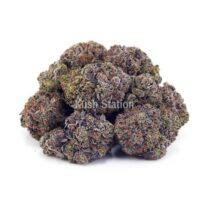
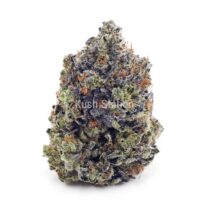
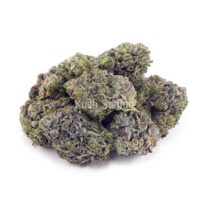
A good AAA Blue Dream should generally have medium-to-large buds with visible trichomes, olive-green colour, orange hairs, and a tidy trim. The buds may be moderately dense rather than rock-hard. Aroma often leans toward blueberry sweetness, floral haze, pine, herbs, or pepper, depending on the batch.
The first test is the jar opening. You’re looking for a clear, pleasant scent, not hay, damp cardboard, ammonia, or an aggressively chemical smell. A little stem crackle is normal, but flower that turns instantly to dust is probably too dry. Conversely, buds that feel wet, spongey, or unusually heavy may not have been cured properly and could carry mould risk.
A quick visual inspection helps, but don’t judge everything by sparkle. Trichomes can look impressive under bright lighting, while stale flower still hides behind the glitter. If a product photo looks suspiciously perfect, remember that it may be a stock image. Batch-specific photos and recent reviews are more trustworthy.
Small buying tip: If you’re ordering an ounce, choose a retailer with clear storage practices, discreet packaging, and responsive support. A low price isn’t a bargain if the flower arrives dry and you have no practical way to resolve it.
Effects of Blue Dream AAA: Uplift, Focus, Relaxation (and Common Side Effects)
People commonly describe Blue Dream AAA as uplifting, conversational, creative, and mentally noticeable without being immediately couch-bound. At lower amounts, some users report focus or motivation. At higher amounts, the experience can shift toward relaxation, distraction, sleepiness, or an uncomfortable racing mind.
Your setting matters more than many strain descriptions admit. A small amount before a walk or casual afternoon may feel very different from the same amount after a stressful day, little sleep, or too much coffee. I’d avoid testing a new batch before an important meeting: “sativa-dominant” isn’t a legally binding promise that your inbox will suddenly become fascinating.
Common unwanted effects can include dry mouth, red eyes, dizziness, increased heart rate, anxiety, and short-term memory issues. If you feel uncomfortable, move somewhere calm, sip water, breathe slowly, and remind yourself that the sensation will pass. Seek urgent help for severe or unusual symptoms. Avoid cannabis if you’re pregnant or breastfeeding, have been advised not to use it, or have a personal or family history of psychosis without speaking with a qualified healthcare professional.
Best Use Cases: Daytime vs Evening, Creativity, Social, and Workouts
Blue Dream AAA is often chosen for daytime or late-afternoon use because users report a balance of mental lift and physical ease. That doesn’t mean it’s right before every task. If you need to drive, operate equipment, make complex decisions, or care for someone, skip it.
For creative work, try a low amount before an activity where ideas matter more than precision, sketching, music, cooking, or brainstorming. For social use, the conversational quality can be pleasant, but too much may make you quiet or self-conscious. A small dose may suit a patio chat: a large one can turn a simple question into a ten-minute internal documentary.
Some people use cannabis around gentle stretching or low-intensity movement. Cannabis can affect balance, coordination, heart rate, and reaction time, so it isn’t a substitute for warm-ups, hydration, or good judgment. Don’t consume before strenuous exercise, cycling on roads, swimming, or anything requiring reliable coordination. For evening use, choose a dose based on your own response rather than assuming Blue Dream will make you sleepy.
Medical & Wellness Uses (Reported Benefits and Who Should Avoid It)
Adults report using Blue Dream for relaxation, mood, stress, appetite, or help winding down. Those are personal reports, not guaranteed outcomes or medical claims. Cannabis products can also worsen anxiety, impair memory, affect motivation, or disrupt sleep quality for some people, especially with frequent or high-THC use.
If you’re considering cannabis for pain, insomnia, anxiety, or another health concern, speak with a physician, nurse practitioner, or pharmacist who understands cannabis. Ask about drug interactions, particularly if you take sedatives, antidepressants, blood thinners, or medications affected by liver enzymes. Don’t replace prescribed treatment based on a strain description.
People who should be especially cautious include those under the legal age, pregnant or breastfeeding individuals, anyone with a history of psychosis or severe cannabis-related anxiety, and people with cardiovascular concerns. Start with a low amount in a safe environment, keep a simple notes app record of product, dose, timing, and effects, and stop if the experience consistently makes you feel worse.
How to Consume Blue Dream: Flower, Vape, Edibles, Concentrates (What to Choose)
Flower gives you the clearest view of aroma, appearance, and cure. It’s a practical choice if you already use a pipe, bong, or dry-herb vaporizer and want effects that usually arrive within minutes. Smoking can irritate your lungs, so a dry-herb vaporizer may appeal if you prefer inhalation without combustion.
Vape cartridges are discreet and convenient for travel where legal, but check the hardware, ingredients, and producer. Effects arrive quickly, making it easier to titrate, provided you don’t keep puffing while waiting for the first one.
Edibles avoid inhalation and last longer, but onset is slow and unpredictable. A gummy can take 30 minutes to two hours to become noticeable, which is exactly how people accidentally turn one gummy into a very ambitious evening.
Concentrates such as live resin or hash offer intense flavour and potency. They’re better suited to experienced consumers with appropriate equipment. Beginners usually have more control with flower or low-dose edibles.
Dosing Guide: Beginner to Experienced (Plus Edible Timing & Safety)
There’s no universal “Blue Dream dose,” so use the smallest practical amount and wait. For flower, one small inhalation is a reasonable starting point for a new or infrequent consumer. Wait several minutes before deciding whether you need more. If you use a vape, take one short puff rather than a long pull.
For edibles, begin with 1–2.5 mg THC if you’re inexperienced or sensitive. Wait at least two hours, and preferably longer if effects are still building, before considering more. Experienced consumers may choose 5 mg, but tolerance isn’t a superpower: it can change with breaks, sleep, food, and product type.
Keep these habits:
- Consume at home or somewhere familiar.
- Don’t mix cannabis with alcohol or other intoxicants.
- Label and lock away leftovers.
- Never drive or cycle while impaired.
- Write down the product and amount so you can repeat, or avoid, the experience.
If you’re ordering online, check whether THC is listed per piece, per package, or per gram. That tiny wording difference can prevent a very large mistake.
How to Identify Real AAA Quality: Freshness, Cure, Trichomes, Moisture, Lab Tests
Quality AAA flower should pass several checks, not just one. Look for an intact, fragrant bud with a springy texture, visible trichomes, and no grey fuzz, webbing, or suspicious discolouration. A humidity pack can help preserve flower after opening, but it can’t repair cannabis that was badly dried in the first place.
The cure is easier to judge after grinding. Properly cured flower should break apart without becoming powder and should burn or vaporize reasonably evenly. Harshness can come from poor cure, excessive dryness, or simply your own sensitivity: don’t use one unpleasant session as a laboratory result.
When shopping online, prioritize batch-specific details: THC/CBD results, terpene information, producer, package date, and testing or compliance information. Check shipping policies, discreet packaging, return procedures, and customer support too. Rural shoppers may care more about reliable Xpresspost delivery and freshness on arrival than a flashy product badge.
Avoid listings that promise guaranteed effects, use dramatic stock photography, or make medical claims. AAA should describe product quality, not magically guarantee that you’ll feel energetic, calm, creative, or sleepy.
Blue Dream vs Similar Strains (Alternatives if You Want More Energy or More Calm)
Blue Dream sits in a useful middle ground, but alternatives may fit your goal better. If you want more daytime energy, look at strains commonly described as citrusy or pinene-forward, such as Jack Herer or Durban Poison. These can feel sharper and more stimulating, though they may also be more anxiety-provoking for some people.
If you want deeper calm, strains such as Northern Lights, Pink Kush, or Bubba Kush are often marketed as more physically relaxing. Again, the batch and your tolerance matter more than the name on the jar.
| If you want… | You might compare… | Watch for… |
| Bright, social effects | Jack Herer, Durban Poison | Possible jitters |
| Balanced creativity | Blue Dream, Green Crack | Mental stimulation |
| Heavier evening relaxation | Pink Kush, Northern Lights | Sleepiness and grogginess |
| Strong flavour without smoke | Blue Dream live resin vape | Higher potency |
Use this as a shopping shortcut, not a promise. If a dispensary or online retailer offers terpene data, compare that before relying on indica/sativa labels alone.
Growing Blue Dream (Quick Overview): Difficulty, Yield, Flowering Time
Blue Dream is often considered a reasonably approachable strain for home growers, although the final result depends on genetics, climate, lighting, training, and disease prevention. Indoor flowering is commonly reported at roughly 9–10 weeks, while outdoor plants may finish around early to mid-October in suitable Canadian conditions, local weather can change that quickly.
Plants may grow tall and benefit from topping, low-stress training, or support during flowering. Indoor growers should plan for airflow and humidity control because dense foliage can create mould-friendly conditions. Outdoor growers need to consider frost, rain, pests, and local rules before planting.
Yields are frequently described as moderate to high, but catalogue estimates are optimistic by nature. A smaller, healthy harvest beats a larger crop ruined by mould or rushed drying. Dry slowly in a dark, controlled environment, then cure in airtight jars while monitoring moisture. Home cultivation laws vary by province and territory, and some housing or rental agreements impose additional restrictions, so check current local rules before growing.
Final take on Blue Dream AAA
Blue Dream AAA can be an excellent everyday hybrid when the batch is fresh, properly cured, and honestly graded. Expect a potentially uplifting start with a relaxed finish, but treat every product as individual. Compare terpene and batch details, begin with a small dose, and buy only through legal, age-appropriate channels. The best jar isn’t necessarily the one with the loudest label, it’s the one that matches your tolerance, routine, and reason for consuming.
Frequently Asked Questions About Blue Dream AAA
What does the “AAA” grade mean for Blue Dream cannabis?
“AAA” is a retailer’s quality grade indicating cannabis that is above budget or AA quality, featuring better trimming, stronger aroma, visible trichomes, and a cleaner cure. However, it’s not a regulated standard, so quality can vary between sellers.
What typical effects can I expect from consuming Blue Dream AAA?
Blue Dream AAA usually offers an uplifting and creative mental lift with a softer body relaxation. At lower doses, it may enhance focus and social interaction, while higher amounts can lead to relaxation or sleepiness. Effects vary based on dose, setting, and individual tolerance.
How should a consumer choose between Blue Dream flower, vape, edibles, or concentrates?
Flower provides clear aroma and quick effects, ideal for those with vaporizing or smoking experience. Vapes are discreet and fast-acting, edibles offer longer-lasting effects with slow onset, and concentrates deliver potent effects suited for experienced users with proper equipment.
What terpenes are commonly found in Blue Dream and how do they influence its aroma?
Blue Dream typically contains myrcene, caryophyllene, humulene, with possible pinene or limonene. These contribute to its blueberry sweetness, herbal, pine, peppery, and citrusy aromas, making the scent complex but variable by batch.
How can I ensure the Blue Dream AAA I buy is fresh and high quality?
Check for a recent harvest or packaging date, visible trichomes, strong aroma, springy texture, and lab-tested cannabinoid and terpene profiles. Avoid stale, overly dry, or moldy buds and only purchase from licensed, reputable sources with good storage and return policies.
What are some safe dosing recommendations for beginners trying Blue Dream AAA products?
Start with one small inhalation for flower or one brief puff for vape, then wait several minutes before more. For edibles, begin with 1–2.5 mg THC and wait at least two hours due to slow onset. Always consume in a safe environment and avoid mixing with alcohol or driving.
Only logged in customers who have purchased this product may leave a review.
Related products
Cannabis
Reviews
There are no reviews yet.