


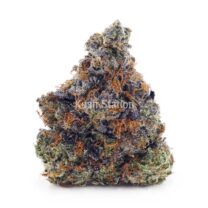
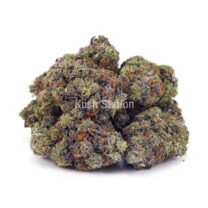
One Punch (Craft) – BC Craft
Price range: $10.00 through $1,475.00 As low as $3.29 per gram
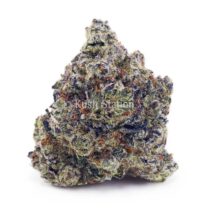
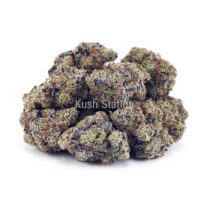
One Punch is small-batch BC craft flower with a bold name and a sweet, fruity flavour over a smooth, earthy finish. As a craft product, it’s grown in small batches with extra care, then hand-trimmed and slow-cured to bring out its full aroma and character. It comes in discreet, airtight packaging to keep it fresh. Follow the guidance on the packaging. Store in a cool, dry, dark place, away from children and pets. For adults only.
If you’re shopping online for Death Star AAAA, you’re probably looking for more than a flashy product label. You want dense, well-cured flower, loud aroma, dependable effects, and a price that doesn’t make your wallet need a recovery day. This guide breaks down what the name usually means, how the strain is described, what to check before ordering, and how it compares with similar options.
A quick reality check: “AAAA” is a retailer quality grade, not a regulated national standard. One seller’s top-shelf flower may be another seller’s very good AAA. Batch testing, harvest date, storage, and honest product photos matter more than the extra letter. The details below reflect commonly reported Death Star characteristics, but your experience can vary by grower, batch, tolerance, consumption method, and dosage.
This guide is for adults of legal age in Canada only: 19+ in most provinces, 18+ in Alberta, and 21+ in Quebec. It’s educational, not medical advice, and no cannabis product is risk-free.
Key Takeaways
- Death Star AAAA is an indica-dominant hybrid known for its potent, relaxing effects and distinctive diesel and citrus aroma.
- The AAAA label is a retailer quality grade, not a regulated standard, so checking batch details, harvest date, and product photos is crucial before purchase.
- Top-quality Death Star AAAA features dense, well-cured buds with frosty trichomes, orange pistils, and a fuel-forward scent, reflecting good freshness and potency.
- Consumers should start with a small dose, especially if new to cannabis, as Death Star AAAA can cause strong body relaxation and sedation.
- Buy from licensed Canadian retailers with transparent lab results and proper storage to ensure product freshness and safety.
- Alternatives like Sour Diesel or Sensi Star can offer similar effects or flavors if Death Star AAAA is unavailable or not preferred.
Death Star AAAA at a Glance (Quick Facts)
Death Star is generally described as a potent indica-dominant hybrid with relaxing, heavy effects and a sharp, fuel-forward aroma. Even though the dramatic name, it isn’t related to the fictional space station, though a strong batch can certainly feel like it has its own gravitational field.
| Feature | What you’ll commonly see |
| Type | Indica-dominant hybrid |
| Common lineage | Sensi Star × Sour Diesel |
| Aroma | Diesel, skunk, citrus, earth |
| Flavor | Fuel, lemon, herbs, pepper, kush-like earthiness |
| Typical use | Evening relaxation, winding down, movies, quiet time |
| Potency | Often marketed in the high-THC range: verify the batch label |
| Appearance | Dark green to olive buds, orange pistils, visible trichomes |
| Best match | Experienced consumers who enjoy strong, body-forward flower |
The important word here is commonly. Genetics and naming can differ between producers, and some Canadian retailers use “Death Star” for flower that shares the name but not a confirmed pedigree. Before you buy, look for a producer, lot number, packaging date, THC range, and recent photos.
Genetics & Origins of Death Star
Death Star is most often linked to a cross of Sensi Star and Sour Diesel. That pairing helps explain its reputation: Sensi Star is associated with dense, resinous, relaxing flower, while Sour Diesel is known for its unmistakable fuel and citrus character. The result is usually presented as a hybrid that leans toward the couch rather than the running shoes.
Still, strain names are not always perfectly standardized. Pheno selection, the particular expression chosen from a group of genetically similar plants, can change the aroma, colour, structure, and intensity. A Death Star grown in a carefully controlled indoor room may smell brighter and produce tighter buds than an outdoor crop from a different producer.
You’ll also see variations in marketing language, including “Death Star,” “Deathstar,” or “Death Star OG.” Those names may refer to related selections, or simply to different products using a familiar strain name. If verified genetics matter to you, prioritize a licensed Canadian producer, transparent cultivation information, and a certificate of analysis where available. The name is a useful starting point, not a guarantee.
Appearance, Bud Structure & Trichome Coverage (AAAA Quality Checklist)
Top-shelf Death Star flower should look compact and well-finished without being rock-hard or strangely damp. Buds are commonly medium to large, with olive or deep green tones, rusty-orange pistils, and a thick coating of milky trichomes. Some batches may show purple shading, especially when genetics and finishing temperatures encourage anthocyanin expression.
When you inspect product photos, or the flower itself, look for:
- Trichome coverage: A frosty, even coating is a good sign, although sparkle alone doesn’t prove freshness or potency.
- Healthy structure: Dense buds should still break apart cleanly rather than crumble into dust.
- Proper moisture: Flower should feel slightly springy, not wet, brittle, or spongy.
- Clean trim: A few sugar leaves are normal: excessive fan leaves suggest rushed preparation.
- No warning signs: Avoid flower with grey fuzz, webbing, chemical smells, or unexplained black spots.
AAAA grading often focuses on appearance, but the prettiest nug can still be stale. I’d rather have slightly less photogenic flower with a fragrant cure than a glittery bud that smells like an old drawer. If you’re ordering online, check whether images are batch-specific and read the packaging date before getting distracted by the close-up trichome shot.
Aroma, Flavor & Smoke/Vape Experience
Death Star’s signature profile is usually described as diesel-heavy, with sour citrus, skunk, earth, and sometimes peppery or herbal notes. Open a fresh jar and you may notice fuel first, followed by lemon peel and damp forest-floor earth. It’s not the shy wallflower of the cannabis world.
When smoked, the flavour can be sharp and savoury. A well-cured batch may finish with citrus and light sweetness, while poorly cured flower can taste harsh, grassy, or ashy. Your pipe, joint, bong, or vaporizer also changes the experience. Lower-temperature vaporization tends to preserve delicate citrus and herbal notes: hotter settings emphasize the fuel but can make the throat feel rougher.
If you’re sensitive to smoke, a dry-herb vaporizer may feel more comfortable, but it still delivers intoxicating cannabinoids. Start with a small amount, especially if the package lists high THC. Give the first inhalation time to settle before taking another. “I don’t feel anything yet” is often the moment people accidentally turn a relaxed evening into an unexpectedly intense one.
Effects: What to Expect (Onset, Duration, Best Time to Use)
Death Star is commonly reported as a gradual, body-forward strain. You may notice mental quieting first, followed by physical relaxation, heavier eyelids, and a slower pace. Some people experience an initial lift in mood or a loose, giggly feeling before the sedating side becomes more obvious.
With inhalation, effects can begin within minutes and build over roughly 15 to 30 minutes. Duration varies, but many consumers feel noticeable effects for a few hours. Edibles are a different beast: onset can take 30 minutes to two hours, and effects may last much longer. Don’t use inhaled timing as a guide for edible dosing.
For many consumers, evening is the sensible window. It may suit a movie, music, reading, or a low-key night at home. It’s a poor choice before driving, operating equipment, attending work, or doing anything that requires quick reactions. Keep cannabis away from children and pets, and never mix it casually with alcohol or other intoxicants.
– Common Positive Effects
Users commonly describe:
- Deep physical relaxation
- A calmer or quieter mood
- Sleepiness later in the session
- Eased muscle tension
- Increased enjoyment of music, food, or television
- A comfortable, “lights are getting softer” kind of evening
Your tolerance matters enormously. A seasoned consumer may find a high-THC batch manageable, while a new or occasional user may find the same flower overwhelming. The product label is a clue, not a prediction of your exact experience.
– Potential Negative Effects & How to Reduce Them
Dry mouth, red eyes, dizziness, anxiety, racing thoughts, and grogginess are possible. Too much can also cause nausea or an unpleasantly strong sense of time slowing down.
To reduce the odds of a rough ride, use one small inhalation and wait. Have water, a light snack, and a comfortable place nearby. Avoid combining cannabis with alcohol, and don’t re-dose an edible because the first portion feels slow. If you feel unwell, stop consuming, rest somewhere calm, and seek medical help for severe or unusual symptoms.
Medical & Wellness Uses (What People Report It Helps With)
Adult consumers often report choosing Death Star when they want to unwind after work, settle into a bedtime routine, or take their mind off everyday stress. Some also say relaxing strains help them feel less aware of ordinary muscle tension or discomfort. These are personal reports, not proof that Death Star treats a medical condition.
Cannabis affects people differently, and a strong THC product can worsen anxiety, disrupt concentration, or interfere with sleep quality for some users. If you’re considering cannabis for pain, insomnia, anxiety, or another health concern, speak with a qualified healthcare professional. They can help you weigh interactions, underlying causes, and safer options.
Keep a simple note of dose, timing, product, and effects. That small log can reveal whether a product is genuinely useful or merely memorable because it was powerful. If you take prescription medication, are pregnant or breastfeeding, or have a history of serious mental-health symptoms, get professional advice before using cannabis.
Potency, Cannabinoids & Terpene Profile (Lab Results + Typical Ranges)
There is no single THC or terpene profile for every Death Star AAAA listing. Potency depends on genetics, cultivation, harvest timing, curing, testing methods, and storage. Online menus may show a range, but only the batch label or current laboratory report tells you what you’re actually buying.
You may see high-THC flower marketed somewhere around the upper teens through the high 20s, but don’t treat those figures as a promise. CBD is often low, while minor cannabinoids vary. A product with slightly less THC can still feel stronger if it’s fresher, consumed in a larger dose, or rich in terpenes that suit you.
Commonly associated terpenes include:
- Myrcene: Earthy, herbal, and sometimes musky.
- Limonene: Bright citrus and lemon peel.
- Caryophyllene: Peppery, spicy, and woody.
- Pinene: Pine-like and fresh.
Terpenes don’t guarantee a particular effect, and “indica” doesn’t scientifically predict your experience on its own. Use cannabinoid and terpene information as context alongside your own response. For concentrates and edibles, read the total THC and per-serving amount carefully: they aren’t directly comparable with flower percentages.
How to Choose the Best Death Star AAAA (Freshness, Cure, Storage, Pricing)
Start with the batch, not the grade. Look for a recent packaging date, intact packaging, a producer name, cannabinoid information, and clear return or replacement policies. If the listing says “AAAA” but offers no useful batch details, treat that as a yellow flag, not an automatic deal-breaker, but definitely a reason to ask questions.
A sensible buying checklist:
- Compare the price per gram, not just the headline price.
- Check whether shipping is discreet, tracked, and available to your province.
- Look for customer support that can explain the current batch.
- Confirm whether photos show the actual product.
- Buy a small quantity first if you haven’t tried that seller.
- Store flower in an airtight glass container away from heat, light, and humidity swings.
Prices fluctuate with Canadian supply, craft cultivation, promotions, and quantity. A premium ounce may offer value for a regular consumer, but it’s a poor bargain if the flower sits around and dries out. Bulk deals, free shipping thresholds, rewards points, and mix-and-match offers can help, provided you’re buying quality you’ll actually use. For legal compliance and product safety, buy from authorized Canadian retailers and verify age requirements in your province.
Growing Information (Difficulty, Yield, Flowering Time, Indoor vs Outdoor)
Death Star is generally considered an intermediate grow for home cultivators. Its indica influence may produce sturdy, compact plants, while the Sour Diesel side can contribute stretch, odour, and a need for good airflow. Expect a strong smell during flowering, so odour control matters, especially in apartments or closely packed neighbourhoods.
Indoor flowering is often reported in the approximate eight-to-10-week range, though phenotype and environment can shift that window. Outdoor timing depends on your region and fall weather: Canadian growers need to consider frost, rain, mould pressure, and local laws. Yield is highly variable. Light intensity, pot size, training, nutrition, genetics, and harvest timing matter far more than a catalogue estimate.
Keep the basics steady: adequate light, good drainage, gentle airflow, and careful moisture management. Avoid chasing maximum yield with aggressive feeding. Nutrient burn, overwatering, and poor ventilation can turn promising plants into a troubleshooting exercise worthy of its own sitcom. Follow applicable provincial and municipal rules, including plant limits and secure storage requirements.
Death Star AAAA Reviews: User Ratings, Notes & Who It’s Best For
Because Death Star AAAA is sold by multiple producers and retailers, reviews should be read as batch-specific observations rather than universal truth. Look for repeated comments about freshness, aroma, smoothness, trim, and effects, not one dramatic five-star sentence.
| Consumer type | Likely fit |
| Experienced THC user | Often a good match for strong evening flower |
| New or occasional user | May be too intense: choose lower THC or use a tiny dose |
| Flavour-focused connoisseur | Appealing if you enjoy diesel, citrus, and earth |
| Budget shopper | Worth comparing with AAA flower from the same seller |
| Daytime consumer | Potentially too relaxing or sedating |
| Home grower | Interesting genetics, but odour and phenotype variation matter |
My practical review standard is simple: does the flower smell alive, burn or vaporize cleanly, match its description, and produce effects you can manage? If yes, the AAAA label has earned some credibility. If it’s dry, harsh, and anonymous, four As won’t rescue it. Check verified retailer reviews where possible, but remember that tolerance and preferences colour every rating.
Photos of Death Star AAAA (What Top-Shelf Buds Look Like)
Product photos should show dense, intact buds with visible trichomes, orange pistils, and a clean trim. Colour may range from bright green to deep olive, sometimes with purple accents. The best images are well lit, close enough to show structure, and clearly labelled as current-batch photography.
Don’t let exaggerated macro shots do all the selling. A bud can look snowy under a ring light and still be old. When comparing listings, look for signs of compression, excessive shake, brown interiors, or a suspiciously uniform stock image. You can also ask whether the flower was stored with a humidity-control pack and whether the photo represents the exact lot.
If your delivered product looks mouldy, smells chemical, or differs substantially from the listing, don’t consume it. Photograph the package, keep the lot information, and contact the retailer. Good customer service is part of a premium buying experience, too.
Where to Buy Death Star AAAA + Similar Strains (Alternatives by Effects/Flavor)
For privacy, consistency, and legal protection, buy through an authorized Canadian retailer or licensed producer. Confirm that the seller ships to your province, uses discreet packaging, provides tracking, and clearly displays product information. Rural shoppers should check delivery windows and weather-related delays before ordering a large amount.
If Death Star is unavailable, or the fuel profile sounds like a personal argument with your taste buds, consider alternatives:
| If you want… | Consider exploring… |
| Fuel and citrus | Sour Diesel or a related diesel-forward hybrid |
| Heavy evening relaxation | Sensi Star or another indica-dominant cultivar |
| Earthy, peppery flavour | OG Kush or a caryophyllene-rich hybrid |
| Strong effects with a fruitier profile | Gelato or certain Kush hybrids |
| A gentler daytime option | A balanced hybrid or lower-THC flower |
Compare current THC, terpene information, package date, price per gram, and reviews for the exact batch. If you’re trying Death Star for the first time, order a modest amount, use it at home, and start low. The goal isn’t to defeat the Death Star: it’s to have a pleasant evening without accidentally becoming one with the couch.
In short, Death Star AAAA can be a compelling choice when you want dense, aromatic, high-potency flower with a relaxing reputation. But the grower, cure, storage, and testing details matter more than the grade printed on a menu. Buy from a legal source, check the batch, dose patiently, and let your own experience, not the marketing, decide whether it deserves a place in your rotation.
Frequently Asked Questions about Death Star AAAA
What does the ‘AAAA’ grade mean for Death Star cannabis?
The ‘AAAA’ grade is a retailer quality rating that indicates a top-shelf appearance, but it is not a regulated national standard. Factors like batch testing, harvest date, and storage affect quality more than the grade alone.
What are the typical effects of consuming Death Star AAAA?
Death Star AAAA typically offers relaxing, body-forward effects with mental quieting, physical relaxation, and eventual sleepiness. It is best suited for evening use and may cause dry mouth, red eyes, or dizziness in some users.
How can I identify quality Death Star AAAA flower when buying?
Look for dense, compact buds with dark green to olive tones, orange pistils, and a thick coating of milky trichomes. Check for a fresh cure, clear batch info, recent packaging date, and avoid flower that looks damp, stale, or has signs of mold or chemical smells.
What is the genetic background of Death Star AAAA cannabis?
Death Star most commonly originates from a cross between Sensi Star and Sour Diesel, combining dense, resinous indica traits with a sharp, fuel and citrus aroma.
Can Death Star AAAA be used for medical or wellness purposes?
Many adult consumers use Death Star for unwinding, stress relief, muscle tension easing, and helping with bedtime routines, but these effects are based on personal reports and not medical proof. Consult healthcare professionals for medical concerns.
What should I consider when growing Death Star AAAA at home?
Death Star is an intermediate grow requiring good airflow and odor control due to its strong smell. Indoor flowering takes about eight to ten weeks, and consistent light, drainage, and moisture management are essential for a healthy yield.
Only logged in customers who have purchased this product may leave a review.
Related products
Reviews
There are no reviews yet.