


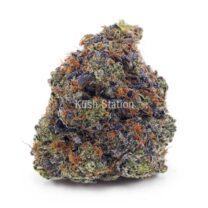
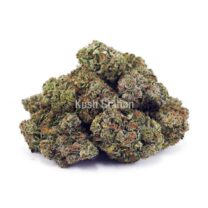
Hindu Kush AAAA
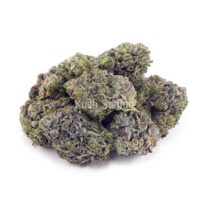
Hindu Kush AAAA is top-grade flower from one of the most famous landrace strains in the world, named after the mountain range along the Afghanistan–Pakistan border where it originated. This pure indica is known for its sweet, earthy flavour with rich hashy notes and hints of pine and sandalwood. The AAAA grade means dense, resin-coated buds that are carefully trimmed and cured to bring out their full aroma. It comes in discreet, airtight packaging to keep it fresh. Follow the guidance on the packaging. Store in a cool, dry, dark place, away from children and pets. For adults only.
Shopping for hindu kush aaaa online can feel a bit like judging a steak through a sealed package: the label promises quality, but what’s actually inside? “AAAA” usually signals top-shelf flower, yet it isn’t a regulated Canadian grading system. One seller’s premium batch may be another seller’s merely-good bud. That’s why the details matter, genetics, cure, aroma, trichomes, moisture, testing and, frankly, whether the product sounds like dried lawn clippings in a bag.
This guide breaks down what you can reasonably expect from Hindu Kush AAAA, from its old-school mountain lineage to its earthy hash notes and typically relaxing effects. You’ll also find practical tips for buying online in Canada, spotting stale flower, choosing a consumption method and using potent cannabis responsibly. Products discussed are for adults of legal age only: 19+ in most provinces, 18+ in Alberta and 21+ in Quebec. Effects vary from person to person, so start low and go slow.
Key Takeaways
- “Hindu Kush AAAA” signifies a premium quality cannabis flower characterized by strong aroma, intact trichomes, and careful curing, but it’s an informal label not regulated federally in Canada.
- Authentic Hindu Kush originates from the mountain region with indica traits, offering earthy, hash-like flavors and typically relaxing body effects ideal for evening use.
- When shopping online, prioritize listings with recent harvest dates, detailed cannabinoid and terpene information, clear photos, and honest customer reviews to identify true AAAA quality.
- Start consumption with small amounts, especially with high-THC Hindu Kush AAAA, to gauge effects gradually and avoid side effects like dizziness and anxiety.
- Choose consumption methods thoughtfully—joints, bongs, and vaporizers each affect experience and potency differently, with vaporizers preserving flavor at controlled temperatures.
- Watch for red flags such as stale aroma, dry or moldy buds, uneven burn, and unverifiable high THC claims to avoid low-quality purchases.
What “Hindu Kush AAAA” Means: Grading, Bud Quality & What to Expect
“AAAA” is informal cannabis shorthand for a premium or craft-grade product. In practice, it often describes flower with strong visual appeal, generous trichome coverage, a noticeable terpene aroma, careful trimming and a well-managed cure. It does not guarantee a specific THC percentage, effect or growing method.
Think of the label as a quality claim, not a scientific certification. Canadian licensed sellers must follow packaging and testing rules, but “AAAA” itself isn’t an official federal grade. Some online retailers use a broader scale such as:
- AA: usable, affordable flower with more visible variation.
- AAA: dependable mid-to-high quality for everyday smoking.
- AAAA: the seller’s premium tier, often featuring stronger aroma, better structure and more careful presentation.
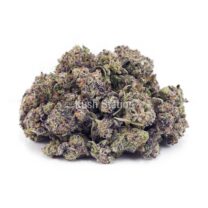
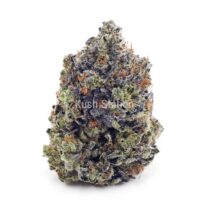
A good AAAA Hindu Kush should look intact rather than pulverised, feel springy rather than brittle, and smell distinct before you grind it. You might notice dark green buds, orange pistils and a frosty coating of trichomes. Still, appearance can be dressed up. Bright lighting and oversized close-up photographs can make average flower look like a tiny cannabis celebrity.
The best buying decision comes from combining the grade with a recent harvest or packaging date, cannabinoid information, terpene details, customer feedback and the retailer’s reputation. If the listing only says “AAAA” in giant letters and tells you nothing else, keep your wallet in your pocket for a moment.
Hindu Kush Strain Overview (Origin, Genetics, Indica Traits)
Hindu Kush is commonly described as a landrace-style indica from the Hindu Kush mountain range, which stretches through parts of Afghanistan and Pakistan. “Landrace” generally means a locally adapted cannabis population shaped by its environment over many generations, rather than a modern strain made from several named crosses.
The classic profile is associated with compact flowers, resin production and a deeply earthy, hash-like character. Modern versions sold as Hindu Kush may be selected from traditional genetics or bred from related lines, so two products with the same name can behave differently. One batch may lean peppery and sedating: another may be softer, sweeter or more balanced.
Lineage & history from the Hindu Kush region
The region has long been connected with traditional cannabis cultivation and handmade hashish. Mountain climates, strong sunlight and dry conditions helped shape plants known for resin and rugged growth. Those origins are part of the strain’s appeal, but a retail product is not automatically identical to historical regional plants. Breeder selection, indoor growing, phenotype and curing all leave fingerprints.
For you, the practical takeaway is simple: treat “Hindu Kush” as a useful flavour-and-effect signpost, not a guarantee of one genetic formula. Check the producer’s description when available. If the listing provides parent genetics, harvest information or terpene results, that’s a much more useful clue than an indica icon alone.
Aroma, Flavor & Smoke: Earthy, Spicy, Hashy Notes
Hindu Kush is a natural fit for people who enjoy classic cannabis flavours rather than tropical candy-shop profiles. The aroma often begins with damp earth, pine, herbs and pepper. Once ground, you may find dry wood, coffee-like depth or the familiar scent of old-school hash. The flavour can be savoury and spicy, with a slightly sweet finish depending on the batch.
A smooth smoke should feel rounded rather than aggressively scratchy. That depends on more than the strain name: the flower’s moisture level, cure, storage and combustion temperature all matter. A joint that burns unevenly and keeps going out may be poorly dried, or simply packed too tightly. Cannabis has opinions, apparently.
Bud appearance: trichomes, density, trim, moisture & cure
Look for buds with visible, intact trichomes. They may appear glassy, milky or amber under good light, although a photograph can’t tell you everything. Dense flowers are common with indica-leaning genetics, but extremely hard, compressed buds aren’t automatically better. A little give is preferable to a rock or a biscuit.
Healthy flower should be neither wet nor dusty-dry. When gently squeezed, it should offer slight resistance and recover instead of crumbling into powder. A clean, fresh aroma is encouraging. Hay, ammonia or a musty basement smell is not.
A proper cure allows excess moisture to leave gradually while preserving aroma and burn quality. If the product arrives unusually damp, don’t smoke it immediately. If it smells mouldy, has fuzzy growth or makes you cough far more than expected, stop using it and contact the retailer.
Terpene Profile & Cannabinoids (Common Terps + Typical THC/CBD Ranges)
Terpenes are aromatic compounds that contribute to cannabis smell and flavour. In Hindu Kush, commonly reported terpenes may include myrcene, caryophyllene, limonene, pinene and sometimes humulene. The exact mix varies by phenotype, cultivation method, harvest timing and storage. Two jars can carry the same strain name but smell noticeably different, rather like two coffees labelled “dark roast.”
| Component | What you may notice | Practical caveat |
| Myrcene | Earthy, musky, herbal aroma | Often associated with relaxing profiles, but terpene effects aren’t predictable on their own |
| Caryophyllene | Black pepper and spice | Also found in cloves and some herbs |
| Limonene | Citrus brightness | May soften a heavy earthy profile |
| Pinene | Pine and fresh resin | Usually present in varying amounts |
| Humulene | Woody, hoppy notes | Batch-dependent and not always listed |
Hindu Kush flower is often sold in a high-THC range, commonly around 15%–25% THC, though some products fall outside that window. CBD is frequently low, often below 1%, but this isn’t universal. Treat the package’s current lab result as more meaningful than a strain stereotype. Potency can also feel different depending on tolerance, inhalation, sleep, food, mood and whether you combine cannabis with alcohol or other substances.
A terpene list is useful, but it isn’t a promise that myrcene equals sleep or caryophyllene equals pain relief. Think of it as a flavour map and a comparison tool, not a crystal ball.
Effects & Experience: Body High, Relaxation, Sedation (Who It’s Best For)
Consumers commonly describe Hindu Kush as physically relaxing, mellow and grounding. The first phase may feel calm or pleasantly heavy, followed by a slower, quieter mood. Some people enjoy that “blanket on the brain” feeling after dinner: others find it too sedating for errands, meetings or trying to assemble flat-pack furniture without losing a screw and a little faith in humanity.
The experience depends heavily on dose. A small amount may take the edge off an evening, while a large dose can bring sleepiness, dry mouth, red eyes, dizziness or anxious thoughts, especially for newer users. If you’re buying AAAA flower with high THC, potency deserves more attention than the four As.
Day vs night use, productivity impact, and duration
For many consumers, Hindu Kush is better suited to late afternoon or night than a busy workday. It may fit a film, quiet music, gentle stretching or a low-key conversation. It’s less suitable before driving, cycling in traffic, operating equipment or making an important financial decision. Don’t drive impaired: plan a safe ride or stay home.
Inhaled effects can begin within minutes and commonly last a few hours, with lingering drowsiness lasting longer for some people. If you’re testing a new batch, take one small puff and wait at least 10–15 minutes before deciding whether you need more. With cannabis, impatience is often the most expensive ingredient.
Who might appreciate it? Experienced users seeking a traditional indica-style profile, evening relaxation or a strong earthy flavour. New consumers can try it too, but a lower-THC product or a single small inhalation may be a gentler starting point.
Potential Medical Benefits & Use Cases (Stress, Sleep, Pain) + Safety Notes
People sometimes choose Hindu Kush while managing everyday stress, difficulty winding down, sleep routines or discomfort. Those are reported use cases, not guaranteed medical benefits. Cannabis responses differ widely, and a strain name cannot diagnose, treat or cure a condition. If you’re using cannabis for a persistent symptom, speak with a qualified healthcare professional, especially if you take prescription medication, are pregnant or breastfeeding, or have a personal or family history of psychosis.
For a practical evening experiment, keep the variables boring: use the same small amount, avoid alcohol, note when you consumed it and record how you felt the next morning. That makes it easier to tell whether the product actually suits you instead of relying on a hazy “I think it helped?”
Side effects, tolerance, and moderation tips for potent AAAA flower
Possible unwanted effects include dry mouth, red eyes, increased heart rate, dizziness, impaired coordination, short-term memory problems and anxiety. Higher-THC flower can make these more likely. If you feel uncomfortable, move somewhere quiet, sip water, breathe slowly and remind yourself that the feeling will pass. Seek urgent help for severe symptoms such as chest pain, trouble breathing, loss of consciousness or extreme confusion.
To keep tolerance manageable:
- Start with one small inhalation and wait before redosing.
- Take cannabis-free days if use is becoming automatic.
- Avoid mixing it with alcohol or sedating drugs.
- Store it locked away from children and pets.
- Never share with anyone under the legal age.
If you find you need increasingly more cannabis to feel normal, or use is disrupting work, relationships or sleep, pause and seek support. “AAAA” should describe flower, not your required daily dose.
How to Choose True AAAA Hindu Kush: Checklist for Buyers
When shopping online, I’d judge the listing like a cautious food shopper: what’s the date, what are the ingredients, and does the seller answer straightforward questions? A premium price should come with useful information, not just fancy photography.
Red flags (dry bud, muted aroma, harsh burn) vs green flags (white ash, loud terps)
Green flags include:
- A recent package or harvest date and clear storage information.
- A detailed strain description, cannabinoid results and, ideally, terpene data.
- Close-up photographs that show structure rather than only a dramatic nug shot.
- Consistent customer reviews mentioning aroma, cure, trim and freshness.
- Discreet packaging, age verification, clear shipping terms and responsive support.
- A realistic price that reflects the product instead of pretending every ounce is a rare collector’s item.
Red flags include:
- A muted hay smell, crumbling texture or flower that turns to dust.
- A sharp ammonia or mouldy odour.
- Harsh smoke, black ash or a joint that will not burn evenly. White ash alone does not prove quality: burn conditions and moisture affect ash colour.
- Huge THC claims with no testing or product details.
- Reviews that sound copied, vague or suspiciously perfect.
- Pressure to buy immediately, unclear return policies or missing legal-age checks.
For value seekers, compare the price per gram, not just the headline discount. An ounce may look cheap until shipping is added. Check whether free delivery applies above a threshold such as $150, whether rewards points have restrictions and whether rural delivery takes longer. For connoisseurs, paying more can make sense when the product offers fresher flower, traceable information and better terpene expression. For everyone else, a smaller quantity is a smart audition before committing to a bulk bag.
How to Consume Hindu Kush AAAA (Joint, Bong, Vape) + Ideal Temps
Your consumption method changes the experience as much as the strain does. A joint is familiar and easy to share with adults, but it can burn quickly and exposes you to smoke. A bong delivers a larger hit, which is exactly why beginners should use less flower and more water filtration, not treat the piece like a lawn mower. A dry-herb vape avoids combustion and may preserve more flavour, though the vapour can still be potent and irritating for some people.
For a joint, grind moderately and avoid packing it too tightly. For a bong, start with a small bowl and take a gentle draw. If you prefer a dry-herb vaporizer, begin around 175–185°C (347–365°F) for lighter flavour, then move toward 190–205°C (374–401°F) if you want denser vapour. Higher temperatures can feel harsher and may produce a heavier experience. Device performance varies, so use the manufacturer’s instructions.
Edibles are a different category entirely. They don’t belong in the same “one puff” dosing conversation: effects can take 30 minutes to two hours to appear and may last much longer. If you switch from inhaled flower to an edible, read the label carefully and start with the lowest practical dose.
Whatever method you choose, keep water nearby, avoid driving and give the first dose time to unfold. A good evening doesn’t need to become a personal chemistry experiment. For most buyers, true Hindu Kush AAAA is less about a dramatic label and more about fresh flower, honest information and a comfortable, controlled experience. Choose carefully, start modestly and let your own notes, not the marketing, decide whether the batch earns a return trip.
Frequently Asked Questions about Hindu Kush AAAA
What does “Hindu Kush AAAA” mean in cannabis grading?
“Hindu Kush AAAA” refers to a premium grade of Hindu Kush cannabis flower, noted for its strong visual appeal, abundant trichomes, noticeable terpene aroma, careful trimming, and proper curing. However, “AAAA” is an informal quality claim, not an official Canadian federal grading system.
What are the typical aroma and flavor characteristics of Hindu Kush AAAA?
Hindu Kush AAAA typically features earthy, spicy, and hashy notes with aromas of damp earth, pine, herbs, and black pepper. Its flavor is often savory and slightly sweet, reminiscent of dry wood or old-school hash, offering a smooth, rounded smoke experience when properly cured.
How should I evaluate the quality of Hindu Kush AAAA when buying online?
To judge Hindu Kush AAAA quality online, look for recent harvest or packaging dates, detailed cannabinoid and terpene information, clear photos showing bud structure, positive customer reviews about aroma and freshness, and transparent seller policies. Avoid products with vague “AAAA” claims lacking additional details.
What effects can I expect from consuming Hindu Kush AAAA?
Hindu Kush AAAA usually delivers a relaxing, mellow, and grounding body high. Effects often include calmness and sedation, making it more suitable for evening use. Potency varies, so start with a low dose to avoid side effects like dizziness or anxiety, especially if you’re new to this strain.
What are the common cannabinoids and terpenes found in Hindu Kush AAAA?
Hindu Kush AAAA often contains 15%–25% THC with low CBD levels under 1%. Common terpenes include myrcene (earthy aroma), caryophyllene (black pepper spice), limonene (citrus brightness), pinene (pine scent), and sometimes humulene (woody notes), contributing to its distinctive flavor and effects.
How can I best consume Hindu Kush AAAA to enjoy its qualities safely?
Hindu Kush AAAA can be consumed via joints, bongs, or dry-herb vaporizers. Start with small amounts: moderate grind and loose packing for joints; small bowls and gentle draws for bongs; vaporizer temperatures around 175–205°C for vaporizing. Always start low and wait before consuming more, and avoid driving after use.
Only logged in customers who have purchased this product may leave a review.
Related products
Brands
Reviews
There are no reviews yet.