
Supreme Death Bubba (Craft Cannabis)
As low as $3.29 per gram
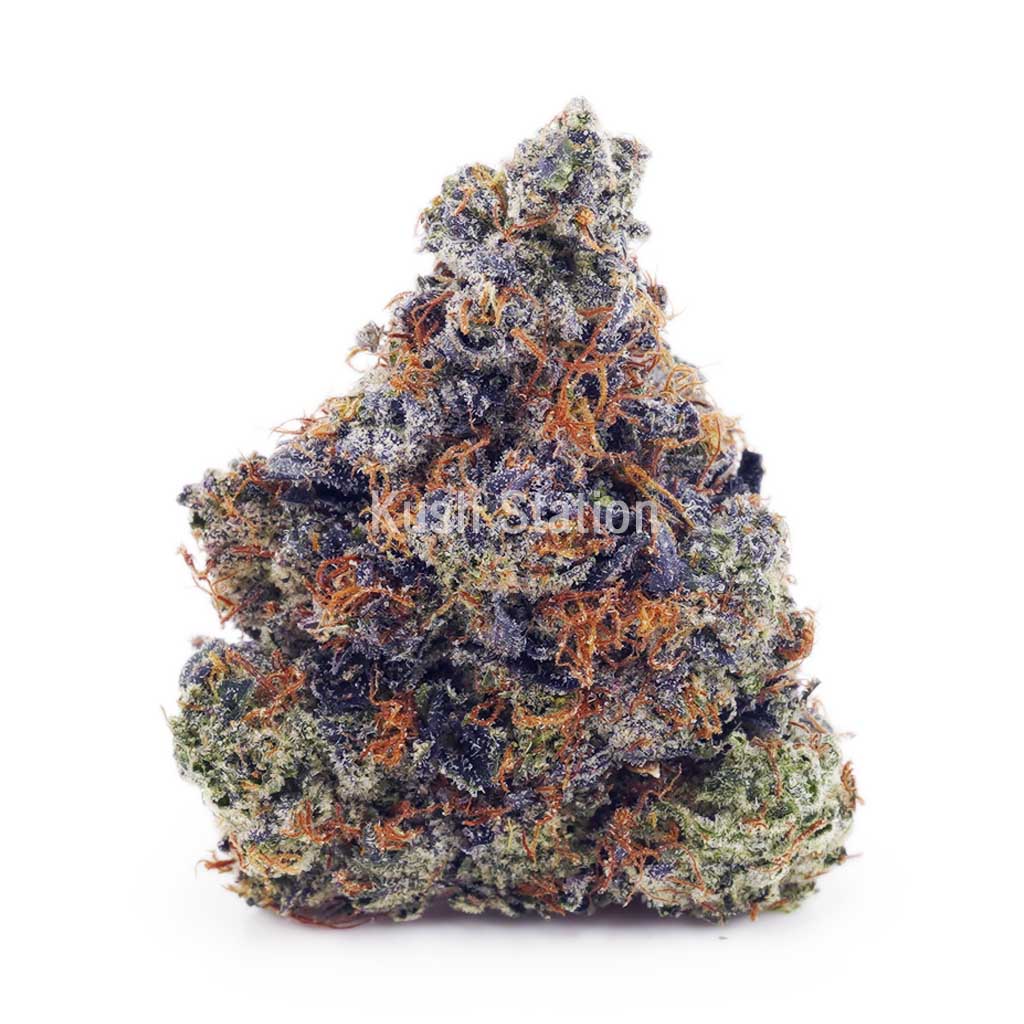
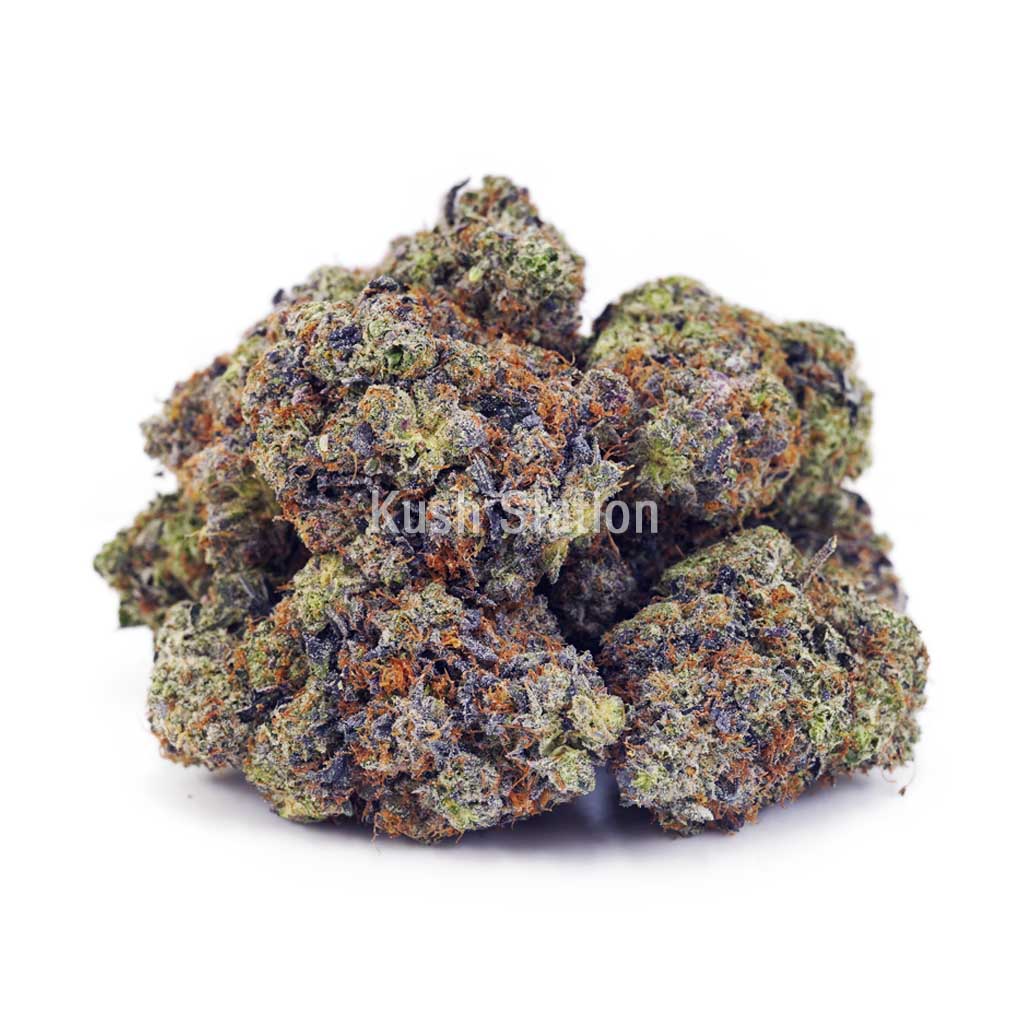
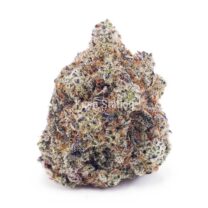
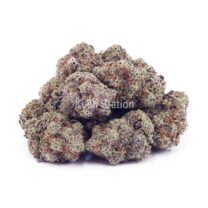
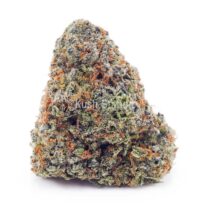
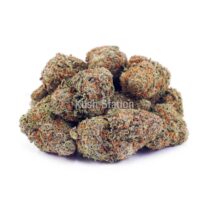
Supreme Death Bubba is small-batch craft flower from a premium variety of Death Bubba, a well-known BC indica from the Bubba Kush family. It’s known for its rich, earthy and hashy flavour with a gassy kick and a hint of sweet berry. As a craft product, it’s grown in small batches with extra care, then hand-trimmed and slow-cured to bring out its full aroma. It comes in discreet, airtight packaging to keep it fresh. Follow the guidance on the packaging. Store in a cool, dry, dark place, away from children and pets. For adults only.
If you’re browsing Canadian cannabis listings for supreme death bubba craft cannabis, the name promises a potent, indica-leaning flower with serious evening appeal. But “Supreme” isn’t a standardized strain grade, and products sold under that label can differ by grower, batch and format. This guide explains the likely genetics, reported effects, aroma, potency and quality cues to check before you buy. You’ll also find practical pointers for choosing flower, pre-rolls, extracts or edibles without getting tripped up by inflated THC claims or an overconfident first dose. Product experiences vary, and cannabis isn’t a treatment for a medical condition. Buy only from legal, authorized sources, follow your province’s age rules, and remember: cannabis is for adults of legal age only.
Key Takeaways
- Supreme Death Bubba craft cannabis typically refers to a premium, indica-leaning version of the Death Bubba strain, known for its relaxing, evening-use profile.
- The term “Supreme” is a marketing label rather than a standardized quality or potency grade, so always check producer and batch-specific THC and terpene information.
- Expect aromas of fuel, pine, earth, and pepper, with effects ranging from deep relaxation to couch-lock, but effects vary by dose and individual tolerance.
- Choose your consumption method carefully: flower and pre-rolls offer more control, concentrates are high potency for experienced users, and edibles have delayed onset and longer duration.
- Look for fresh, well-trimmed buds with visible trichomes and verify product freshness, proper storage, and lab-tested cannabinoid content before purchasing.
- Start with low doses, especially if new to cannabis, and avoid operating machinery or driving while impaired; always buy Supreme Death Bubba craft cannabis from authorized, legal sources to ensure safety and compliance.
What Is Supreme Death Bubba Craft Cannabis?
“Supreme Death Bubba craft cannabis” generally refers to a producer’s premium or small-batch take on Death Bubba, an indica-dominant cultivar known for a fuel-and-earth aroma and a heavy, relaxing reputation. The label alone doesn’t confirm genetics, cultivation style or quality: check the producer and batch details rather than treating “Supreme” as a regulated grade.
Lineage & strain background (Death Bubba roots, Bubba Kush x Death Star, and why “Supreme” varies by producer)
Death Bubba is commonly described as a cross of Death Star and Bubba Kush, with Bubba Kush contributing earthy, kush-like character. Exact lineage claims can vary across sources and producers, so treat the parentage as commonly reported rather than guaranteed for every package. “Supreme” is typically a marketing or product-line descriptor, not a single registered phenotype. One grower’s version may lean gassy and resinous: another’s may show more pine or herbal notes.
Indica-leaning profile: who it’s for and when to use it
This strain is usually presented as indica-leaning and better suited to an unhurried evening than a busy afternoon. Consumers often choose it to relax after work, watch a film or settle into a low-key night. That’s a reported experience, not a promise: your response depends on dose, tolerance and product. If you need to stay alert, drive, study or handle responsibilities, save it for another time.
Supreme Death Bubba Craft Cannabis Effects: What to Expect
Common effects (deep relaxation, heavy body feel, couch-lock, sleep support)
Users often describe a gradual mental unwind followed by a warm, heavy body sensation. At higher doses, “couch-lock” is a familiar shorthand: the sofa suddenly seems like an excellent long-term plan. Some people report that the relaxed feeling helps them prepare for sleep, but cannabis affects people differently and isn’t a proven sleep treatment. A smaller amount may feel calming: too much can feel foggy, uncomfortable or surprisingly intense, especially if your tolerance is low.
Onset & duration by format (flower vs pre-roll vs concentrates vs edibles)
Inhaled cannabis can be felt within minutes, while edible effects may take one to several hours to emerge. A pre-roll behaves much like flower, though its grind and burn can change the experience. Concentrates deliver more THC in a smaller amount, so effects may feel intense. Edibles last longer and are less predictable. Product strength, your recent meals, tolerance and individual biology all matter: don’t take more just because the first few minutes feel quiet.
Aroma, Flavour & Terpene Profile (Gas, Pine, Earth)
Expect a profile that may combine pungent gas, damp earth and woodsy or pine-like notes. Some batches have a peppery edge or a faint citrus lift. Storage, curing and freshness matter: a dry, old package can mute the very aroma that makes a kush cultivar appealing.
Likely dominant terpenes and what they contribute (e.g., myrcene, caryophyllene, pinene/limonene)
Terpenes are aromatic compounds found in cannabis and many other plants. Myrcene is often associated with earthy, herbal aromas: caryophyllene can smell peppery: pinene suggests pine, and limonene is commonly citrus-forward. These are plausible notes for the family, not a guaranteed chemical profile. Only batch-specific lab results can tell you which terpenes were measured and in what amounts. Terpenes may shape aroma, but they don’t reliably predict an individual high.
Burn and smoke/vapour characteristics: smoothness, ash colour, resin ring, aftertaste
A well-cured flower may burn evenly and taste like its aroma, while stale or overly dry material can feel scratchy and harsh. A sticky resin ring isn’t a standalone quality test, and ash colour doesn’t prove potency or purity. Look for an even ember, a steady draw and flavour that doesn’t turn sharply acrid. With a dry-herb vape, lower temperature settings often preserve more delicate flavour: hotter settings can bring out heavier, roasted notes.
Potency, THC/CBD Ranges & Tolerance Considerations
Death Bubba flower is often listed as high-THC, but there’s no reliable THC number for every “Supreme” product. A particular batch may test differently from the next, and CBD is often low unless the label says otherwise. Read the package or current certificate of analysis (COA), where available, instead of relying on strain-name averages or a listing copied from an older batch.
THC percentage describes concentration, not a guaranteed effect. Two products with similar numbers can feel different because of dose, inhalation, freshness, individual sensitivity and other compounds. If you’re newer to cannabis, older, returning after a break or simply unsure, choose a lower-THC option and take a small amount. Experienced consumers should still treat concentrates and unfamiliar batches with respect.
N/A
How to interpret THC claims (lab testing, inflated numbers, realistic ranges)
A package’s regulated label and batch-specific testing are more useful than a product title claiming “maximum potency.” In Canada’s legal market, check the label for the lot’s THC and CBD information and use the provincial product listing or producer documentation to confirm details when available. A COA should identify the tested batch and report cannabinoid results: terpene data may be offered separately. Be wary of a number that appears without a batch reference or seems inconsistent between the listing and package. THC figures are estimates, not a ranking of overall quality.
Who should start low and how to dose responsibly
Start low and go slow if you’re new, have a low tolerance, haven’t used cannabis in a while, or are trying a new format. With inhaled products, take one small puff and wait to understand its effect before considering more. For legal edibles, follow the package directions, start with a low amount and wait several hours before taking more: delayed effects catch many people off guard. Keep products locked away from children and pets, and don’t combine formats just to chase a stronger effect.
How to Enjoy Supreme Death Bubba (Best Consumption Methods)
Smoking vs vaping: flavour retention, harshness, and efficiency
Smoking flower is familiar and straightforward, but combustion can feel harsh and produces smoke. A dry-herb vaporizer heats flower without burning it: lower settings may preserve the gas, pine and earth notes, while a clean device helps avoid stale flavours. Vapour isn’t risk-free, and equipment quality varies. Whichever route you choose, take a small draw, pause and see how it lands rather than treating the session like a race.
Pre-rolls: what “top shelf” should look like (grind, draw, burn consistency)
A quality pre-roll should feel evenly packed, not rock-hard at one end and loose at the other, and draw without constant relighting. Check that the listing names the flower or blend, gives batch information and doesn’t rely on “top shelf” as its only quality detail. If it burns unevenly, goes out repeatedly or tastes harsh from the first puff, don’t assume you’re doing something wrong: grind, moisture and construction can all affect the burn.
Concentrates (shatter/rosin): expected potency range and ideal use-cases
Shatter and rosin are concentrated products, so their THC content is typically much higher than flower and varies by batch and product. Rosin is made using heat and pressure: shatter is a different extract with its own production process. Neither name guarantees purity or a particular experience. These formats are better suited to consumers who already understand their tolerance and have appropriate equipment. If you’re new, a high-potency concentrate is not the easiest place to start.
Edibles made from Death Bubba: delayed onset and dosing guardrails
A Death Bubba-labelled edible won’t necessarily feel like smoking the flower: digestion changes the timing and experience, and the product’s labelled THC per serving matters more than the strain name. Use only regulated products with clear dosing. Keep the package secure, wait several hours before considering another serving and don’t take more because you “can’t feel it yet.” That quiet first hour can be misleading.
Craft Quality Checklist: How to Spot True “Craft” Supreme Death Bubba
Visual cues (bud structure, trichome coverage, trim quality, moisture level)
Look for buds that are intact, reasonably well-trimmed and visibly coated in trichomes, the tiny resin glands that can give flower a frosted appearance. Dense structure can be typical, but a photo can’t establish freshness, potency or safety. Avoid material that looks unusually wet, crumbles to dust or has visible mould. Colour varies by phenotype and lighting, so don’t let one bright product photo do all the talking.
Freshness & storage (packaging date, humidity packs, ideal storage at home)
Check the packaging date and, if shown, the harvest or lot details. A humidity pack may help maintain moisture, but it doesn’t revive old flower or replace good storage. At home, keep cannabis in its original child-resistant packaging or a suitable airtight container, away from light, heat and humidity swings. Store it securely and out of reach of children and pets. If aroma has faded or the flower is brittle, freshness may have slipped.
Transparency signals (COA/lab tests, terpene % reporting, sourcing, cultivation method)
A credible listing makes it easy to identify the producer, format, batch and cannabinoid information. If terpene percentages or growing methods are advertised, look for details tied to that product, not broad claims about the strain. “Craft,” “BC-grown” and “AAAA” can be useful shopping language, but they don’t replace traceable sourcing and regulated testing. Ask the seller for current batch information when it’s missing: a clear answer is a good sign.
Warnings, Side Effects & When to Avoid
Common side effects (dry mouth/eyes, dizziness, anxiety in high doses)
Dry mouth and eyes are common complaints. Dizziness, a racing or uneasy feeling, confusion and anxiety can also occur, particularly with a large dose or high-THC product. If you feel uncomfortable, stop consuming, move somewhere calm, sip water and give it time: don’t add more cannabis or alcohol. Seek medical help if symptoms are severe or you’re worried. If cannabis repeatedly leaves you anxious or unwell, avoiding it is a sensible choice, not a personal failing.
Safety: driving/impairment, mixing with alcohol, medication considerations
Don’t drive, cycle in traffic or operate machinery while impaired. There isn’t a universal waiting period that guarantees you’re safe to drive: effects can last longer than expected, especially with edibles. Avoid mixing cannabis with alcohol, which can intensify impairment. Cannabis may interact with prescription and over-the-counter medicines. Ask a pharmacist or health professional about your specific medications, particularly if you’re older, pregnant or managing a health condition. Keep all products away from minors.
Buying Guide (Canada): How to Choose the Right Supreme Death Bubba Product
Flower vs pre-roll vs extract: which is best for sleep, pain relief, or winding down
For winding down, flower lets you control each small inhalation and inspect the product: pre-rolls are convenient but offer less control over grind and portion. Concentrates are compact and potent, best considered by experienced users. Edibles avoid inhaling smoke or vapour but have delayed, longer-lasting effects. None is guaranteed to improve sleep or relieve pain, and cannabis shouldn’t replace medical advice. Choose based on your experience, preferred format and ability to dose cautiously, not just the strongest THC figure.
| Format | Practical advantage | Main caution |
| Flower | Adjustable small puffs: visible product | Smoke can irritate: needs equipment |
| Pre-roll | Ready to use | Less control over amount and burn |
| Extract | Compact, concentrated | Easy to overdo: higher potency |
| Edible | No inhalation | Slow onset and long duration |
What to look for on listings (THC/CBD, terpene notes, batch info, delivery/age requirements)
Before ordering online, verify the seller is authorized in your province or territory. Rules and legal-age requirements differ: generally 19+, 18+ in Alberta and 21+ in Quebec, with local rules worth checking before checkout. Review THC and CBD per package, format, producer, batch details and any available terpene information. Confirm delivery coverage, fees, discreet packaging terms and age verification through the seller’s official policies. Don’t assume a “free shipping over $150” offer or rural delivery claim applies everywhere: read the current checkout terms. Buy from legal channels rather than unlicensed sites.
FAQ: Supreme Death Bubba Craft Cannabis
What strain is Supreme Death Bubba?
It’s generally a producer’s premium-labelled version of Death Bubba, commonly described as an indica-dominant cross of Death Star and Bubba Kush. “Supreme” can mean different things from one producer to another, so check the listed genetics and batch information.
Is Supreme Death Bubba stronger than regular Death Bubba?
Not necessarily. “Supreme” isn’t a standard potency grade. Compare the actual batch’s THC and CBD figures, and remember that a higher THC number doesn’t guarantee a better or more enjoyable experience.
What does Supreme Death Bubba taste and smell like?
Expect possible fuel, earth, pine, herbal or peppery notes. The exact balance depends on phenotype, growing and curing conditions, freshness and storage. Batch terpene results offer a better clue than the strain name alone.
Is it best for nighttime use and sleep?
Many consumers prefer its reported relaxing, heavy feel in the evening. That doesn’t mean it will help everyone sleep, and cannabis is not a medical treatment. Avoid using it when you need to remain alert.
How should I consume it for the best flavour and smoothest experience?
Fresh, well-stored flower in a clean dry-herb vaporizer may preserve flavour, especially at a moderate setting. If smoking, take a small puff and avoid inhaling deeply. Start low, wait, and don’t drive while impaired.
If you’re comparing supreme death bubba craft cannabis listings, prioritize a traceable producer, current batch details and a format you can dose comfortably. A careful first session tells you more than a flashy label ever will.
Only logged in customers who have purchased this product may leave a review.
Related products
Brands
Reviews
There are no reviews yet.