


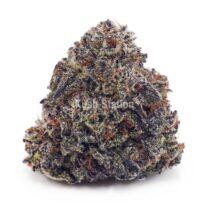
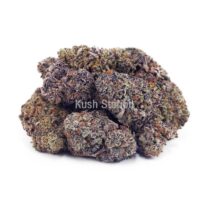
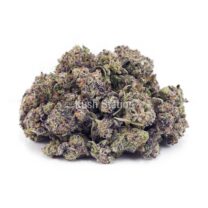
Budzilla (Craft) – Only Gas
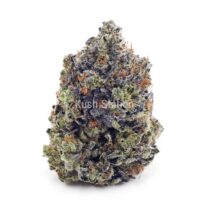
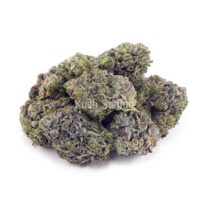
Budzilla from Only Gas is small-batch craft flower with a big name and a bold, gassy flavour over an earthy base with a light, sweet finish. As a craft product, it’s grown in small batches with extra care, then hand-trimmed and slow-cured to bring out its full aroma and character. It comes in discreet, airtight packaging to keep it fresh. Follow the guidance on the packaging. Store in a cool, dry, dark place, away from children and pets. For adults only.
Budzilla Craft sounds like one unmistakable strain or brand, but cannabis naming isn’t always that tidy. Depending on the retailer, “Budzilla” may describe a cultivar, a limited small-batch drop, or simply premium flower marketed with monster-sized appeal. Similar names, such as Budszilla or Nugszilla, can refer to entirely different products. That’s why the label alone shouldn’t make the decision for you.
This Budzilla Craft review explains how to assess the flower in front of you: genetics, terpene data, cannabinoid results, freshness, production methods, formats, pricing, and legal sourcing. It also covers expected onset and duration, how to compare a COA with the package, what genuine craft practices look like, and which alternatives may suit a preferred flavour or effect. Where verified specifications vary by producer or batch, you’ll see that uncertainty stated plainly rather than filled with suspiciously convenient guesswork.
The short version? Buy the batch, not the hype. Check its certificate of analysis when available, compare harvest and package dates, confirm the licensed producer, and start with a small amount. Cannabis is for adults of legal age only, 19+ in most of Canada, 18+ in Alberta, and 21+ in Quebec. Rules, product availability, and possession limits can vary, so consult the relevant provincial or territorial authority before purchasing or travelling with cannabis.
Key Takeaways
- Budzilla Craft cannabis emphasizes small-batch production, careful post-harvest handling, and richer aroma, but “craft” does not guarantee consistent quality without verifying batch-specific details.
- Always check genetics, certificate of analysis (COA), lot number, package and harvest dates, and producer information to ensure you are buying fresh, traceable Budzilla Craft flower.
- Terpene profiles and cannabinoid levels vary by batch; do not assume potency, flavour, or effects based solely on the Budzilla name or THC percentage.
- Choose the right Budzilla format—flower, pre-rolls, or vapes—based on your preference for aroma, convenience, visual inspection, and dosing control.
- Look beyond bud size: trim quality, moisture, aroma, trichome condition, cure, packaging integrity, and current test results provide a fuller picture of quality.
- Store Budzilla Craft flower in a cool, dark, airtight container and inspect for excessive dryness, unusual odours, pests, or mould before use.
- Purchase Budzilla Craft only through licensed Canadian retailers, verifying all product and shipping details, and always consume responsibly according to legal age restrictions.
What Is Budzilla Craft?
Budzilla Craft generally refers to cannabis sold under the Budzilla name with an emphasis on small-batch production, careful drying and curing, attractive buds, and a richer aroma than typical value flower. It isn’t a nationally standardized quality grade, however. “Craft” on a product page doesn’t automatically guarantee hand trimming, indoor cultivation, extended curing, limited room size, or flawless freshness.
The term may identify a specific cultivar from one producer, a rotating line of premium flower, or a seller’s merchandising category. That distinction affects everything from lineage and potency to flavour and price. Two packages called Budzilla Craft may have little in common if they were grown by different producers or released under different lot numbers.
Before ordering, identify exactly what the retailer means:
- Producer and cultivar: Who grew it, and what cultivar or strain is listed on the regulated label?
- Lot number: Can the package, test report, and product description be traced to the same batch?
- Package and harvest dates: Packaging alone doesn’t reveal crop age, so a harvest date adds useful context when available.
- Cannabinoids and terpenes: Are actual batch results shown, or only broad marketing claims?
- Production details: Was it hang-dried, hand-finished, cured, or grown in small rooms, and does the producer explain those terms?
- Net weight and format: Is the listing for whole flower, small buds, milled flower, pre-rolls, or a vape product?
Think of the name like “reserve” on a coffee bag: promising, perhaps, but not proof by itself. A legitimate Canadian product should carry the required excise stamp and regulated label, while licensed sellers should clearly identify the producer, cannabinoid information, product format, and package size. Treat descriptive terms such as premium, exotic, craft, quad, or AAAA as starting points for investigation rather than official grades.
Budzilla Strain Overview (Type, Genetics & Lineage)
There doesn’t appear to be one universally documented Budzilla lineage used across every Canadian listing. A retailer may call its version indica-dominant, sativa-leaning, or hybrid depending on the genetics supplied by that specific producer. Similar product names don’t establish a genetic relationship, and spelling variations may represent unrelated releases.
That ambiguity matters. Genetics influence plant structure and can suggest likely aromas or growth patterns, but phenotype, cultivation environment, harvest timing, drying, curing, and storage also shape the finished flower. The indica and sativa labels are broad shopping shorthand, not reliable predictions of an individual’s experience. If a page claims a precise cross, look for the breeder or licensed producer to confirm it and check whether the information applies to the current lot.
| Label detail | What you should verify |
| Indica, sativa, or hybrid | Producer’s batch description and chemistry, not the name alone |
| Parent strains | Breeder or producer documentation tied to the listed cultivar |
| Phenotype number | Whether it identifies a selected expression within the same genetic cross |
| “BC craft” | Actual cultivation location, facility, and licence holder |
| AAAA | Seller-defined grade: Canada has no official AAAA standard |
| Indoor or greenhouse | The producer’s stated growing method rather than assumptions based on appearance |
If lineage is missing, judge the product through measurable details: terpene profile, total THC and CBD, moisture and texture, package date, producer reputation, and recent batch photographs. If the lineage is important to you, ask the licensed retailer before buying. A transparent “not provided” is more useful than a confident but unsupported family tree.
Aroma, Flavor & Terpene Profile
Budzilla’s aroma can’t be described reliably without batch-specific terpene data. Listings may suggest earthy, gassy, sweet, citrus, pine, fruit, or dessert-like notes, but your bag may lean differently, especially after several months in storage. Individual perception also varies: one consumer’s creamy sweetness can be another’s peppery dough.
Common cannabis terpenes include myrcene (earthy or herbal), limonene (citrus peel), caryophyllene (pepper and spice), pinene (pine), linalool (floral), and terpinolene (fresh herbs, wood, or fruit). A COA may list several terpenes in descending order. The dominant compound contributes useful context, but the overall aroma comes from the combination of aromatic compounds rather than one terpene acting alone. These descriptions concern aroma and flavour, not guaranteed effects or medical outcomes.
When you open fresh craft flower, the scent should be distinct rather than flat or hay-like. Gently breaking apart a bud may release a stronger aroma than smelling the unopened flower because more surface area is exposed. The buds shouldn’t smell musty, ammonia-like, or unpleasantly damp; those are reasons to stop and inspect for spoilage rather than attempting to “air it out.”
Flavour is usually clearest through a clean dry-herb vaporizer at a moderate temperature. Combustion adds toasted notes and can flatten subtler terpenes, rather like judging good coffee after setting it slightly on fire. Use clean equipment when comparing batches because old residue can overwhelm delicate flavour. If the seller lists total terpenes, compare percentages only between credible, similarly tested batches, since laboratories and testing methods can differ.
THC/CBD Potency, Cannabinoid Breakdown & Lab Testing (How to Read a COA)
Never assume potency from the Budzilla name. Read the package or certificate of analysis (COA) for that lot. Canadian labels may show THC and total THC separately because raw flower contains mostly THCA, which converts during heating. The same distinction applies to CBD and CBDA. Consumers usually use the total values to compare expected potency between dried-flower products.
Pay attention to units. Dried cannabis labels may express cannabinoid content as milligrams per gram or as a percentage, while extracts and ingestible products can use different presentations. Do not compare numbers until you understand whether they refer to the product as sold, the activated total, or an amount per unit. The regulated package should be your primary reference when a retailer page and the physical label disagree.
A quick COA check
- Match the lot number and product name to your package.
- Confirm the testing laboratory, report date, sample date, and producer where shown.
- Review total THC and CBD, not just the largest number on the page.
- Check the units and whether results are reported as percentages or milligrams per gram.
- Look for terpene results and, where supplied, microbial, pesticide, heavy-metal, and residual-solvent screens relevant to the format.
- Note whether a result says detected, not detected, below a reporting limit, pass, or fail; these terms are not interchangeable.
- Be cautious if a retailer displays one old report for every new batch or crops out identifying information.
A COA is most useful when it clearly connects the tested sample to the product in your hand. It cannot tell you whether the package was stored in a hot delivery vehicle, whether the seal was damaged, or whether you personally will enjoy the effects. Treat it as one part of the quality picture alongside freshness, aroma, appearance, and handling.
High THC doesn’t equal higher quality. A fragrant 22% batch can be more enjoyable than dry 30% flower with faded terpenes, and small differences between test results may not translate into a noticeable difference in use. Beginners should take one small inhalation and wait before having more. Effects can arrive within minutes when inhaled, while oral products act much more slowly and last longer. Follow Health Canada’s lower-risk cannabis guidance and don’t drive after consuming.
Effects: What to Expect (Onset, Duration, Day vs Night)
Reported effects will depend on the actual Budzilla cultivar, dose, terpene and cannabinoid profile, consumption method, and your physiology. Users may describe relaxation, euphoria, sensory enhancement, heavier body sensations, increased appetite, or a more talkative mood, but none is guaranteed. Expectations and setting can also influence how an experience feels.
Inhaled cannabis is commonly felt within minutes, often strengthening over roughly 10–30 minutes. Effects may last several hours, with residual impairment potentially lasting longer. Dose size, inhalation depth, tolerance, and product potency all affect that timeline. That’s why rapid “top-ups” can turn a pleasant evening into an unexpectedly intense date with the sofa.
For daytime use, choose a lower dose and test it when you have no driving, work, childcare, or safety-sensitive duties. A pleasant low dose may still reduce reaction time or judgment even if you feel functional. If the batch seems mentally stimulating, choose familiar, low-consequence activities rather than tasks requiring precision.
At night, a stronger serving may feel more settling to some consumers, though others become mentally alert, dizzy, or anxious. Your first session with a new Budzilla Craft lot should happen somewhere familiar. Keep water nearby, avoid mixing cannabis with alcohol or other intoxicants, and wait before consuming more. If you’re new or sensitive to THC, lower-potency flower or a balanced THC:CBD product may be a smarter purchase than the biggest percentage available.
Best Uses & Pairings (Creativity, Focus, Relaxation) + Who It’s For
If your batch feels bright and mentally engaging, it may suit low-stakes creative activities: sketching, reorganizing a playlist, casual gaming, journaling, or cooking something you already know how to make. Creativity and focus are subjective, however. Cannabis can make ideas feel more interesting while reducing accuracy, short-term memory, or follow-through, so save important decisions and final edits for when you’re sober.
A heavier batch may fit an unhurried film night, gentle stretching, a familiar hobby, or listening to an album without checking your phone every 14 seconds. Food pairings can follow the aroma: citrus-forward flower may complement fresh fruit or sparkling water, while earthy or dessert-like profiles may suit tea, coffee, or simple snacks. Pairing is about enjoyment rather than changing or controlling the effects.
Budzilla Craft may appeal to experienced consumers who value strong aroma, intact buds, careful curing, and batch transparency. It can also suit an enthusiast who prefers buying smaller quantities of fresh flower instead of a large amount that may dry out before use. It’s less suitable for beginners when THC is high, the lineage is unclear, or the producer provides vague testing information. Anyone prone to unpleasant reactions should consider lower-THC or balanced THC:CBD options instead.
A practical pairing rule: match the dose to the responsibility level. A quiet evening at home allows more margin than errands, tools, water activities, or a work call. Cannabis shouldn’t be used before driving, and it must be secured away from children and pets. If you use medication, are pregnant or breastfeeding, have a personal or family history of psychosis, or have other health concerns, discuss cannabis with a qualified health professional.
Budzilla Craft Flower vs Pre-Rolls vs Vapes: Which Format to Choose?
Your ideal format comes down to control, convenience, storage, and whether you enjoy the ritual of preparing flower. Products sharing a Budzilla name may use different source material, so don’t assume a vape or pre-roll recreates the whole-flower profile exactly.
| Format | Best for | Main trade-off |
| Flower | Aroma, visual inspection, flexible portions, and vaporizer use | Requires gear, preparation, and creates noticeable odour |
| Pre-rolls | Convenience, travel within legal limits, and easy sharing where legal | You can’t inspect the grind before opening, and it may dry faster |
| Vapes | Discretion, portability, and short sessions | Effects and flavour differ from whole flower, and potency can be easy to underestimate |
Whole flower gives connoisseurs the clearest look at trim, trichomes, moisture, bud size, and potential defects. It also lets you grind only what you plan to use. A dry-herb vaporizer can preserve more of the original aromatic character, while a pipe or joint is simpler but produces smoke and stronger lingering odour.
Pre-rolls are handy, but ask whether they contain whole-flower grind or smaller material. Check the package date and inspect the paper for damage or staining after opening. A tightly packed joint that burns unevenly isn’t “premium” merely because it arrived in a sleek tube. Store unused pre-rolls sealed and protected from crushing.
Vape products should come only from authorized sources. Check whether the product is a distillate, resin-style extract, or another regulated formulation because each can taste and feel different. Avoid unregulated cartridges, modified devices, or mystery oil. Smoke-free doesn’t mean risk-free, and concentrates can deliver a substantial dose quickly. Take a short draw, then pause before deciding whether you need another.
How to Identify True Craft Cannabis (Hand-Trimmed, Hang-Dried, Small-Batch, Packaging Dates)
Good craft cannabis usually reveals care through several details working together, not one glamorous macro photo. Visual appeal matters, but proper drying, curing, handling, and traceability have a greater effect on the experience than unusually large buds alone.
- Hand-finished trimming: Buds retain their natural shape without excessive leaf, exposed stems, or uniformly machine-shaved edges.
- Hang-drying: Whole branches or plants may dry more gradually, but the final moisture and execution matter more than the phrase itself.
- Slow drying and curing: Flower smells developed rather than grassy and burns or vaporizes consistently without feeling wet.
- Small-batch traceability: The producer identifies the lot, facility, and relevant test results instead of relying on a generic product description.
- Reasonable moisture: Buds feel slightly springy, not wet, crumbly, dusty, or so brittle that they turn to powder immediately.
- Recent information: Package and ideally harvest dates help you judge age and time between harvest and packaging.
- Protective packaging: The seal is intact, the container suits the quantity, and the flower has not been excessively compressed.
Large buds aren’t automatically better. Small “popcorn” buds from the same plant can offer similar chemistry at a lower price, making them useful for value seekers or consumers who grind everything anyway. Likewise, purple colour doesn’t prove potency: genetics and temperature can influence pigmentation. Heavy trichome coverage is appealing, but it should be considered alongside aroma, moisture, cure, and test data.
Packaging dates require context. A recently packaged product may still come from an older harvest, while well-stored flower can remain enjoyable longer than poorly stored flower packaged more recently. When both dates are available, compare them and look for a producer explanation of curing and storage. A humidity-control insert may help maintain moisture, but it cannot restore terpenes that have already degraded.
Check the seal before opening. Once opened, inspect under bright light for webbing, insects, fuzzy growth, unusual dark patches, or an off smell. Trichomes look crystalline or resinous, while mould tends to appear fuzzy, dusty, or threadlike and may extend into the flower. When uncertain, don’t consume it, photograph the product and label, preserve the package, and contact the licensed retailer.
How to Shop Budzilla Craft Safely (Licensed Retailers, Pricing, Storage & Freshness Checks)
Canadian buyers should use provincially or territorially authorized retailers. Verify a private store through your regulator rather than trusting a maple leaf graphic, “Xpresspost” promise, cryptocurrency discount, or aggressive bulk offer. Legal age and purchasing rules vary: 18+ in Alberta, 21+ in Quebec, and 19+ elsewhere. Municipal rules and retailer availability may also differ.
Before paying, compare the product-page name with the producer, format, weight, cannabinoid range, and package information. Confirm whether the photograph shows the current lot or is merely a representative image. If important details are missing, ask the retailer; a knowledgeable seller should be able to distinguish the legal product name from a promotional nickname.
Compare the final price per gram, including tax and delivery, but account for format. Pre-rolls include preparation and packaging, while small-bud flower may cost less despite sharing genetics with larger buds. An inexpensive ounce isn’t good value if it arrives stale, while a premium eighth deserves more than a fancy pouch. Confirm shipping timelines, adult-signature requirements, return procedures, and privacy practices before checkout. Legal retailers may offer promotions, but free gifts and loyalty points shouldn’t replace transparent product information.
At home, store flower in an airtight container in a cool, dark, dry place away from direct sunlight and temperature swings. Don’t refrigerate or freeze everyday-use flower, and don’t add orange peel, bread, or other household moisture sources because they can encourage mould and alter the aroma. Open the container only as needed and avoid touching all the buds repeatedly.
Keep the original labelled packaging for identification, lot details, and complaint handling, even if you transfer the flower to another container. Lock all cannabis away from minors and pets. For rural deliveries, track the parcel through the carrier’s official system and avoid leaving it exposed to heat or freezing temperatures. If a product arrives with a broken seal, incorrect label, severe dryness, or suspected contamination, document it before discarding anything.
Brand & Product Drops to Know (e.g., Budszilla/Nugszilla-Style Drops) + What Specs to Compare
Names such as Budzilla, Budszilla, and Nugszilla can look related while representing separate cultivars, rotating drops, bud-size categories, or seller-created product names. Don’t transfer reviews from one spelling, producer, format, or lot to another. Limited releases also change quickly: yesterday’s glowing review may cover genetics, growing conditions, or package dates that aren’t in today’s bag.
A rotating drop can still be worthwhile if the seller clearly identifies what is changing. Look for a specific cultivar name beneath the collection name, along with current producer and batch information. If “Budzilla” only describes oversized buds or a premium tier, evaluate the underlying cultivar rather than treating Budzilla as the lineage.
Use this comparison checklist for each drop:
| Specification | Why it matters |
| Licensed producer | Establishes who cultivated or manufactured the product |
| Cultivar and lineage | Prevents name-based mix-ups and supports meaningful comparisons |
| Lot and package date | Connects reviews and testing to your batch |
| Harvest date | Provides added context about crop age and curing time |
| Total THC/CBD | Helps with dose planning and comparison between batches |
| Dominant terpenes | Offers a better flavour preview than strain category alone |
| Format and weight | Makes price comparisons fair and clarifies what you are buying |
| Whole buds, smalls, or milled | Explains price and expected visual quality |
| Harvest and cure details | Adds context for freshness, moisture, texture, and aroma |
Watch for drop announcements from authorized retailers or producers, then verify availability on the regulated store itself. Save the lot information if you find a batch you enjoy, because the next release may not be equivalent. Scarcity can be exciting, but it’s no reason to rush past an old package date, incomplete specifications, an unfamiliar producer, or a price that doesn’t match the evidence of quality.
Grow Notes: Budzilla Plant Traits (Structure, Yield Tendencies, Difficulty)
Reliable Budzilla cultivation advice requires verified breeder genetics. Without that, precise claims about flowering time, height, yield, stretch, climate preference, or difficulty would be guesswork, and seeds sharing a name may not produce the same plant. Bag seed is especially uncertain because its parentage, pollination source, and stability may be unknown.
If you obtain legal, documented genetics, start with the breeder’s guidance and record each phenotype separately. Observe internodal spacing, stretch after flowering begins, branch strength, feeding response, aroma development, root-zone behaviour, and susceptibility to humidity problems. Photographs and dated notes make it easier to distinguish normal variation from a developing issue.
Dense flowers often need steady airflow and careful moisture control because tightly packed plant material can retain humidity. Support may be necessary if branches become top-heavy, but predicted yield should never be treated as guaranteed. More fertilizer isn’t automatically better: burnt leaf tips are the plant’s rather unsubtle complaint form. Make gradual adjustments and avoid assuming that a feeding schedule designed for another cultivar will suit Budzilla.
Home-growing rules vary across Canada. Federal law generally permits limited personal cultivation, but provinces, territories, leases, strata rules, and local regulations may impose restrictions or prohibitions. Quebec and Manitoba have particularly restrictive home-cultivation rules. Check current federal and local requirements before germinating anything. Use legal starting material, keep plants secured from minors, prevent odour or electrical hazards, and never apply a generic feeding calendar blindly to an unidentified cultivar.
Budzilla vs Similar Craft Strains (Alternatives by Flavor/Effect)
If Budzilla Craft is unavailable, sold under unclear specifications, or priced beyond your budget, shop by the experience and flavour you want rather than chasing the name. The closest alternative is not necessarily the strain with the most similar-sounding label; it is the fresh, well-documented batch with comparable chemistry and aroma.
| Preference | Craft strains to compare | Typical aroma direction* |
| Gas and earth | GMO, Pink Kush | Savoury, fuel, earth, spice |
| Sweet dessert | Ice Cream Cake, Wedding Cake | Vanilla, dough, cream, pepper |
| Citrus-forward | Lemon Skunk, Super Lemon Haze | Lemon peel, herbs, light sweetness |
| Fruit and cream | Blueberry, Gelato | Berry, sweet, floral, creamy |
| Pine and spice | Kush cultivars, Jack Herer | Pine, wood, herbs, pepper |
*Aroma and reported effects vary by producer, phenotype, harvest, and batch. These alternatives are comparison starting points, not promises of identical genetics or effects.
For a closer comparison, match total THC within a similar range and look at the top terpenes, package date, cultivation method, bud format, and price per gram. Compare flower with flower rather than using a vape percentage to judge dried cannabis. Recent consumer feedback can help identify dryness or packaging problems, but prioritize reviews that state the producer and lot.
If you want relaxation without extremely high THC, a balanced THC:CBD cultivar may be a better alternative than another potent craft strain. If aroma is the priority, seek a current package date and detailed terpene listing. If value matters most, small buds from a reputable producer may deliver more useful quality than paying extra for visual size. A fresh mid-potency batch usually beats an old trophy-number bag.
FAQs About Budzilla Craft
Is Budzilla Craft an indica or sativa?
There isn’t one reliably standardized answer across all products using the name. Check the specific producer’s label, documented lineage, terpene results, and batch description. Even when a listing uses indica or sativa shorthand, dose and individual response remain important.
How strong is Budzilla?
Potency varies by lot and format. Use total THC and CBD on the regulated label or matching COA; don’t rely on a retailer nickname, an unrelated review, or a result from an older batch. New consumers should favour a modest dose regardless of the printed percentage.
Does Budzilla Craft have a standard flavour?
No universal flavour profile can be guaranteed. Compare the current batch’s dominant terpenes and producer description, then consider package age and storage. Earthy, gassy, sweet, citrus, pine, or dessert-like notes may appear in listings, but they are not consistent across every product using the name.
Is Budzilla Craft worth a premium price?
It can be if the flower is fresh, aromatic, properly cured, traceable, and suited to your preferences. The price is easier to justify when the producer provides current dates, lot-specific testing, clear cultivation details, and consistent handling. “Craft,” giant buds, or a high THC number alone don’t justify the markup.
Should I choose Budzilla flower or pre-rolls?
Choose flower when you want to inspect the buds, control the grind, and explore aroma. Choose pre-rolls when convenience matters more than visual inspection. In either case, compare the package date, producer, total THC and CBD, and whether the product contains whole-flower material.
Can Budzilla be shipped anywhere in Canada?
Authorized shipping options depend on your province or territory, retailer, age, and local rules. Buy only through legal channels and expect age verification. Provincial systems may restrict where a retailer can sell or deliver. Never transport cannabis across an international border, even when travelling to a place where cannabis is legal.
How should Budzilla Craft be stored?
Keep it sealed in an airtight container in a cool, dark, dry location, secured from children and pets. Retain the original regulated package and label. Avoid sunlight, heat, repeated exposure to air, and improvised moisture sources such as fruit peel.
What should you do if the flower seems mouldy?
Don’t use it. Preserve the package and lot information, take clear photographs, isolate it from other cannabis, and contact the authorized retailer or producer about its complaint process. Do not rely on removing one visibly affected section because contamination may extend farther into the flower.
What’s the final verdict?
Budzilla Craft is worth investigating, not buying blindly. The strongest choice is the product with verifiable genetics, current batch testing, useful harvest and package information, intact seals, and clear producer details. Compare price per gram, evaluate the trim and moisture after opening, choose a format that fits your tolerance, and begin with a small serving. Names create curiosity; transparent specifications earn trust. Buy legally, store it securely, avoid driving after use, and enjoy responsibly—adults of legal age only.
Only logged in customers who have purchased this product may leave a review.
Related products
Brands
Cannabis
Reviews
There are no reviews yet.