
Blog 2026
Purple Weed: Potency, Strains & Quality Explained
Nov
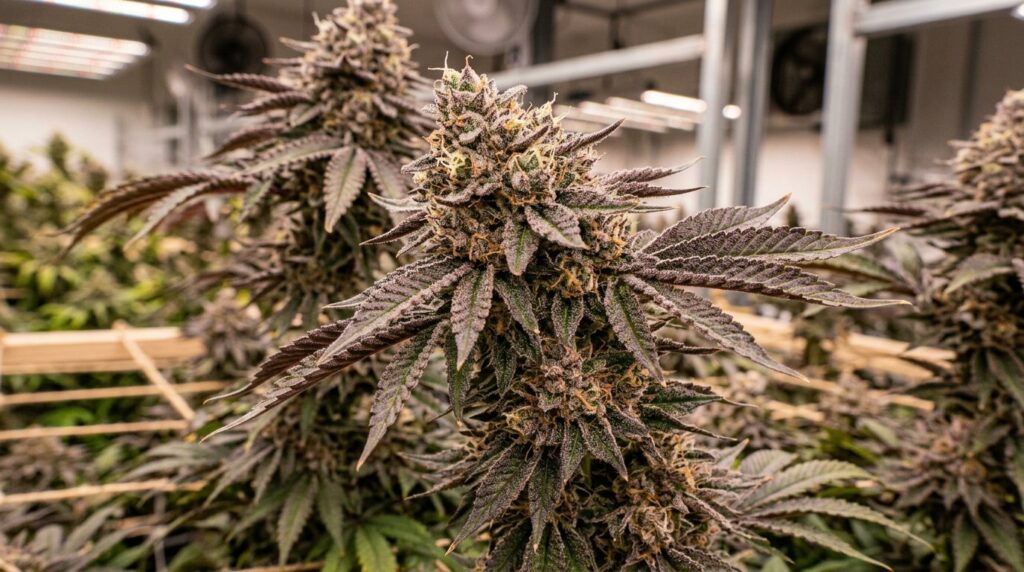
Purple cannabis can stop you mid-scroll. Deep violet buds, orange pistils, and frosty trichomes look spectacular, but does that dramatic colour tell you anything useful about potency, flavour, or quality?
Sometimes, but not in the way dispensary folklore suggests.
This review explains purple weed from a practical, science-based perspective. You’ll learn how genetics, anthocyanin pigments, temperature, light, and flowering stage influence colour: whether purple flower is stronger than green flower: and which classic cultivars are worth knowing. You’ll also get a straightforward quality checklist and cultivation tips that don’t rely on stressing a plant half to death for an Instagram photo.
The scope matters: cannabis names aren’t standardized nationally, and products sold under one strain name can have different cannabinoid and terpene profiles depending on the breeder, producer, harvest, and laboratory. Treat strain descriptions as useful starting points, not chemical guarantees. Whenever possible, judge the specific batch using its certificate of analysis, packaging date, aroma, and condition.
This article is independent and has no affiliation with the cultivars, breeders, dispensaries, or testing laboratories mentioned. It’s educational rather than medical or legal advice. Cannabis laws, including the legal age, differ by province and territory, and high-THC products can impair coordination, attention, and judgment. If you’re of legal age where you live and you choose to use cannabis, start conservatively and keep it away from children and pets.
Now, let’s separate genuinely good purple flower from bud that’s merely wearing a fancy jacket.
Key Takeaways
- Purple weed derives its distinctive colour from anthocyanin pigments influenced by genetics and growing conditions, not by its potency or quality.
- The purple appearance does not indicate higher THC levels; potency varies independently of flower colour, so check lab reports for accurate cannabinoid content.
- High-quality purple cannabis should have mature trichomes, fresh aroma, proper cure, and clear lab testing rather than relying solely on vibrant colour.
- Popular purple strains like Granddaddy Purple and Purple Kush share genetic traits but can differ batch to batch; always consider producer lineage and testing.
- Growers achieve purple buds through genetics and healthy cultivation practices without stressing plants to force colouration, which can harm plant vigour and yield.
- When purchasing or growing purple weed, focus on freshness, terpene profiles, and lab analytics over visual appeal to ensure a satisfying experience.
What Is Purple Weed?
Purple weed is cannabis flower with visible violet, lavender, burgundy, magenta, or nearly black colouration. The colour may cover an entire bud or appear only on sugar leaves and small patches between green calyxes. It isn’t a separate cannabis species, potency category, or legally defined product class.
The purple appearance generally comes from anthocyanins, a family of plant pigments also found in blueberries, black rice, red cabbage, and eggplant skin. Cannabis genetics determine whether a plant can produce and display substantial amounts of these pigments. Growing conditions and maturity then influence how clearly they appear.
Colour can occur in THC-dominant, CBD-dominant, and balanced cultivars. It can also appear in Cannabis sativa, Cannabis indica, and hybrid products, labels that, in retail settings, don’t reliably predict chemistry or effects.
In other words, purple is a trait, not a quality grade. A violet bud may be beautifully grown and aromatic, or dry, weak, and stale. Your eyes get the opening vote, but your nose, the lab report, and the cure should decide the verdict.
Why Does Purple Weed Turn Purple? (Anthocyanins, Genetics, and Environment)
Purple colour develops through an interaction between genetic potential and plant conditions. Think of genetics as the paint box: environmental factors can influence which colours become visible, but they can’t create a pigment pathway the plant doesn’t meaningfully possess.
Some cultivars begin showing violet tones early. Others change late in flowering as chlorophyll, the green pigment, declines and underlying pigments become easier to see. That seasonal fade resembles autumn leaves, although cannabis colouration involves cultivar-specific chemistry rather than one universal switch.
Anthocyanins 101: The pigments behind purple cannabis
Anthocyanins are water-soluble flavonoid pigments stored within plant-cell vacuoles. Depending on their structure, concentration, surrounding chemistry, and tissue pH, they can appear red, blue, violet, or almost black. Their roles may include helping plants respond to light and environmental stress while contributing colour that attracts or protects other organisms.
They’re different from cannabinoids such as THC and CBD. Anthocyanins don’t make cannabis intoxicating, and a dark-purple flower isn’t automatically rich in THC. They’re also distinct from trichomes, the sparkling resin glands where many cannabinoids and aromatic compounds are concentrated.
That distinction is easy to see with a magnifier. Purple plant tissue looks coloured beneath the surface: trichomes resemble tiny translucent or cloudy mushrooms standing above it. A well-grown bud can have both, but only the resin glands provide that familiar frosted appearance.
Genetics: purple phenotypes, cultivars, and why some strains reliably purple
Genetics establish whether a plant is likely to produce enough anthocyanins for obvious colouration. Cultivars such as Purple Kush and Granddaddy Purple were selected partly for this trait, so their offspring may turn purple under ordinary flowering conditions, no cold-night theatrics required.
Even seeds from the same cross can express different phenotypes. One sibling might finish grape-purple and compact, while another stays mostly green with a different aroma or structure. Seeds create genetic variation: a clone copies one selected plant and hence offers more predictable traits, assuming it remains healthy and grows under similar conditions.
Strain names alone aren’t proof of genetic identity. Cannabis naming has developed through informal breeding, regional markets, and decades of prohibition, so unrelated plants sometimes share a label. If consistency matters, look for breeder provenance, clone lineage, and batch-specific laboratory data rather than trusting “Purple” printed in metallic letters on a jar.
Environmental triggers: temperature swings, light intensity, and late-flower fade
Cooler nights can reduce chlorophyll production or speed its breakdown, making existing anthocyanins more visible in genetically receptive plants. Moderate day-to-night temperature differences late in flowering may deepen colour, but severe cold can slow growth, disrupt metabolism, and invite moisture problems. Purple buds aren’t worth a damaged root zone.
Light also matters. Appropriate intensity can encourage pigment expression in exposed tissues, while excessive light may cause bleaching, curled leaves, or stalled flowers. If only the canopy closest to a powerful fixture changes colour, and it looks pale rather than richly violet, you may be seeing stress, not desirable pigmentation.
Late-flower fading is normal in many cultivars as mobile nutrients are redistributed and chlorophyll declines. Leaves may shift through green, yellow, red, and purple. The calendar alone shouldn’t dictate harvest, though. Use trichome maturity, flower development, plant health, and the breeder’s approximate flowering window together.
Nutrients and plant stress: what matters vs common myths
Phosphorus deficiency, pH problems, cold roots, and other stresses can cause reddish or purple stems and leaves. That doesn’t mean nutrient starvation is a smart colouring technique. Deficient plants often produce less vigorous growth, weaker aroma, and reduced yield, the horticultural equivalent of wrecking the kitchen to improve the plating.
A balanced feeding program, suitable root-zone pH, and healthy temperature range support natural pigment expression. Adding extra phosphorus won’t magically turn a genetically green cultivar purple, and overfeeding can cause nutrient lockout or burned leaf tips. Likewise, flushing isn’t a pigment switch.
Watch the pattern. Uniform late-flower colour in a known purple cultivar is usually less concerning than sudden discolouration accompanied by brittle leaves, stunting, spots, or curled margins. When symptoms appear, check root temperature, irrigation practices, pH, electrical conductivity, and pest pressure before pouring another bottle into the reservoir. Diagnose first: fertilize second.
Is Purple Weed Stronger Than Green Weed?
No, purple weed isn’t inherently stronger than green weed. Colour and potency come from different parts of plant biology, and either colour can contain low, moderate, or high cannabinoid concentrations.
That myth survives because several famous purple cultivars are THC-dominant and marketed as deeply relaxing. Their reputation gets attached to the colour, even though the same appearance can occur in mild flower or CBD-rich hemp. Meanwhile, plenty of pale-green cultivars test at high THC levels.
Your response also depends on dose, tolerance, consumption method, mood, setting, and individual physiology. A percentage on a label offers useful information, but it can’t fully predict how the experience will feel.
Potency basics: THC/CBD testing vs visual colour
To assess potency, read a batch-specific certificate of analysis rather than judging the bag. Labels may list THCA and delta-9 THC separately because raw flower contains mostly acidic THCA, which converts into intoxicating THC when heated. A common estimate for total potential THC is:
Total THC ≈ delta-9 THC + (THCA × 0.877)
The adjustment accounts for molecular mass lost during decarboxylation. Real-world delivery will still vary because combustion and vaporization aren’t perfectly efficient.
Check CBD, CBDA, and minor cannabinoids too. Then keep perspective: laboratory results vary with sampling and methods, and a product labelled 30% THC isn’t automatically more enjoyable than one at 20%. For a beginner, that larger number may simply mean it’s easier to take too much. Colour contributes shelf appeal: measured chemistry provides the better potency estimate.
When colour can correlate with effects: chemotype, terpenes, and harvest timing
Colour may indirectly coincide with certain effects when a purple trait travels alongside a cultivar’s broader inherited chemistry. Granddaddy Purple, for example, is commonly associated with THC-dominant flower and earthy, fruity aromas. The effect comes from its chemical profile and your dose, not violet pigment acting as a sedative.
Terpenes such as myrcene, caryophyllene, limonene, and linalool may shape aroma and potentially influence the experience, but human evidence for precise terpene-effect formulas remains limited. Marketing claims often run ahead of clinical research.
Harvest timing can create another loose correlation. As flowers mature, their cannabinoid and volatile-aroma profile changes, while leaves may lose chlorophyll and reveal deeper colour. A later-harvested purple batch could feel different from an earlier one, but maturity, not purple itself, is the relevant variable.
If you want predictable results, record the producer, batch, dose, method, and response. Your own careful notes beat colour-based guessing every time.
Does Purple Weed Have Different Effects, Flavours, or Smells?
Purple flower doesn’t have one universal effect, flavour, or smell. Anthocyanins contribute visual character, but the aroma comes primarily from volatile compounds such as terpenes, along with sulfur compounds and other molecules present in much smaller amounts.
Still, many popular purple cultivars share grape, berry, floral, earthy, or fuel-like descriptions. That pattern partly reflects related genetics and partly reflects breeding and branding: plants with fruity aromas and violet colour are naturally marketed together. “Purple” primes your brain to expect grape before you’ve even opened the jar. Our senses are clever… and occasionally easy to boss around.
Common terpene profiles in purple strains (e.g., myrcene, caryophyllene, limonene, linalool)
Purple cultivars frequently feature some combination of these terpenes, although only a laboratory panel can confirm the specific batch:
- Myrcene: earthy, musky, herbal, and sometimes ripe-fruit notes. It commonly appears in cannabis, not just purple varieties.
- Beta-caryophyllene: peppery, woody, and spicy. It also interacts with CB2 receptors, though that fact doesn’t make every caryophyllene-rich product a proven treatment.
- Limonene: bright citrus-peel character that can lift an otherwise heavy berry or fuel aroma.
- Linalool: soft floral, lavender-like notes found in some cultivars.
Terpene percentages in dried flower are usually far lower than cannabinoid percentages, but aroma can still be striking. Freshness and storage matter enormously because volatile compounds dissipate with heat, oxygen, and time. A six-month-old jar left in sunlight may smell like hay regardless of its impressive lineage.
Typical flavour notes: grape/berry, floral, earthy, gas, what drives them
A purple bud’s “grape” flavour usually doesn’t come from the same single compound used in grape candy. It emerges from a mixture of aromatic molecules interpreted together by your nose and brain. Sweet berry notes may sit over myrcene-rich earthiness, while caryophyllene adds pepper and other trace compounds supply skunky or gassy edges.
Cultivation and curing can change that balance. Slow, controlled drying helps preserve volatile compounds and allows harsh green character to diminish. Drying too quickly may leave the flower smelling faint and tasting sharp: storing it too wet can create mustiness or mould.
Try evaluating aroma in stages. Smell the intact flower, then gently break a small piece and smell again. A stronger, more complex scent after breaking suggests well-preserved internal resin. When legally sampling, keep the dose low enough to notice flavour instead of turning the tasting session into an accidental appointment with your sofa.
Best Purple Weed Strains (Classic Picks and Modern Favourites)
The best purple weed strain depends on the experience and aroma you prefer, not which flower wins the beauty contest. The five cultivars below are enduring reference points, but retail versions can differ substantially by breeder and grower.
| Cultivar | Commonly reported profile | Often chosen for |
|---|---|---|
| Granddaddy Purple | Berry, grape, earth | Rich flavour and evening use |
| Purple Haze | Sweet fruit, spice, floral notes | A brighter, more energetic reputation |
| Purple Kush | Earth, grape, hash-like spice | Dense flower and heavier experiences |
| Blackberry Kush | Dark berries, fuel, earth | Dessert-like aroma with a gassy edge |
| Mendocino Purple | Berry, floral, woody earth | Old-school Northern California character |
These are general tendencies, not guarantees. Compare current lab results and producer quality before buying.
Granddaddy Purple (GDP)
Granddaddy Purple, commonly shortened to GDP, emerged from California cannabis culture and is usually described as a cross involving Purple Urkle and Big Bud. Its dense flowers often combine green and violet tissue beneath bright orange pistils and a thick resin coating.
The classic aroma mixes grape or dark berry with earth and a slightly sweet finish. Retailers frequently categorize GDP as an “indica” and recommend it for evenings, but that label is less informative than the actual cannabinoid and terpene panel. High-THC batches can feel intense for inexperienced consumers.
GDP is a useful benchmark because it combines recognizable colour, aroma, and historical popularity. Look beyond the famous name, though. A fresh, carefully cured 20% THC batch may offer a fuller aroma than an older, drier jar advertised at 28%.
Purple Haze
Purple Haze carries one of cannabis culture’s most recognizable names, helped enormously by Jimi Hendrix’s 1967 song, even though the song’s title wasn’t a strain review. Its lineage and retail identity vary, but versions are often associated with Haze genetics and purple-flowering stock.
Compared with heavier purple classics, Purple Haze is commonly described as more uplifting or mentally lively. Aromas may include sweet berries, spice, flowers, and incense-like earth. Some batches remain mostly green, which doesn’t necessarily indicate inauthenticity or poor quality.
If you’re prone to anxiety, go slowly with high-THC Haze-leaning products. The combination of a fast onset, stimulating reputation, and enthusiastic dosing can be… a lot. Choose a tested batch, begin with a small amount, and give inhaled cannabis time to register before taking more.
Purple Kush
Purple Kush is closely associated with Oakland and California’s medical-cannabis era. It’s generally linked to Hindu Kush and Purple Afghani lineage, producing compact flowers that may develop dark violet leaves and calyxes.
Its aroma typically leans earthy and hash-like, with grape, sandalwood, and subtle sweetness rather than bright fruit candy. Purple Kush is often marketed for deep physical relaxation and nighttime use. Again, those descriptions reflect common consumer reports, not a guaranteed response or medical outcome.
Quality examples should feel slightly springy rather than wet or crumbly. The scent should become more pronounced when the flower is broken apart. If an expensive jar has almost no aroma, the problem may be age, poor storage, or an overly aggressive dry, not your supposedly “uncultured” nose.
Blackberry Kush
Blackberry Kush is known for pairing dark-fruit aromas with earthy, diesel-like depth. Its exact lineage depends on the source, though many descriptions connect it to Afghani genetics and a blackberry-named hybrid. Flowers can range from green with violet accents to dramatically dark purple.
The appeal is contrast: ripe blackberry sweetness up front, then fuel, pepper, or soil underneath. Batches are usually THC-dominant and often positioned as evening products. If you want flavour, prioritize a recent packaging date and a terpene panel over the deepest possible colouration.
Examine very dark flower carefully under neutral light. Natural pigmentation should still reveal intact trichomes and plant structure. A uniformly black, damp, or musty bud deserves suspicion: dramatic colour must never distract you from possible mould or poor handling.
Mendocino Purple
Mendocino Purple, often called Mendo Purps, is tied to Northern California’s Emerald Triangle heritage. Mendocino County’s long cannabis-growing tradition and cool coastal influences helped make richly coloured outdoor flower part of the region’s identity.
Mendo Purps is commonly described as berry-forward, floral, woody, and earthy, sometimes with coffee or caramel-like accents. Its appearance may include lavender calyxes, green interiors, and contrasting orange pistils. Effects are often characterized as balanced at first and more relaxing as the dose increases.
Because “Mendo Purps” has circulated for decades, products bearing the name don’t always share identical genetics. Treat provenance as part of the purchase: ask whether the flower came from a known clone line, named breeder, or merely a producer’s in-house interpretation. Heritage is meaningful, but the current batch still has to earn your money.
How to Tell if Purple Weed Is High-Quality (Not Just Pretty)
High-quality purple weed should satisfy the same standards as excellent green flower: mature resin glands, a clean and distinctive aroma, proper moisture, sound trimming, and transparent safety testing. Purple colour is a bonus, not a substitute.
Start by checking the package date and producer. Flower usually loses aroma and moisture over time, especially in poor packaging. Avoid products with visible fuzzy growth, ammonia-like odours, excessive leaf, or piles of loose trichomes at the bottom of the container. A little “kief” is normal: a jar of battered crumbs isn’t premium presentation.
And don’t assume expensive means excellent. Branding can raise a price faster than cultivation quality does.
Visual and aroma checks: trichomes, cure, moisture, and terpene strength
Use neutral light and, if possible, a small magnifier. Healthy trichomes should look intact and abundant rather than like white powder smeared across the flower. Natural buds contain varied textures: a suspiciously dusty coating that wipes away easily may require closer investigation.
Gently squeeze without crushing. Properly cured flower usually has a slight give and separates with some resistance. Bone-dry buds crumble immediately and often taste harsh. Wet, spongy flower that won’t stay lit may have been packaged before drying was complete, increasing microbial risk.
The aroma should be recognizable and clean, perhaps berry, citrus, earth, flowers, pepper, or fuel. Warning signs include basement mustiness, ammonia, mildew, or an overpowering artificial perfume. Don’t inhale deeply from visibly mouldy material.
Quick quality check:
- Inspect colour and trichomes under good light.
- Check for webbing, fuzz, pests, or odd residue.
- Test texture gently.
- Smell for intensity and cleanliness.
- Confirm the date and laboratory information.
Lab reports: what to look for (THC/CBD, terpene panel, contaminants)
A useful certificate of analysis identifies the product, batch or lot number, test date, laboratory, and measured results. Make sure those details match the package. A generic report for the cultivar isn’t evidence for the flower in your hand.
Review these categories:
- Cannabinoids: THCA, delta-9 THC, CBDA, CBD, and any reported minor cannabinoids.
- Terpenes: total terpene content and dominant individual compounds, when available.
- Microbials: screening for organisms such as pathogenic bacteria, yeast, and mould.
- Pesticides: results against your jurisdiction’s required analyte list.
- Heavy metals: commonly including lead, arsenic, cadmium, and mercury.
- Mycotoxins: fungal toxins such as aflatoxins where testing rules require them.
- Moisture or water activity: useful indicators of storage stability and microbial risk.
A QR code is convenient, but confirm that it leads to a real, matching report rather than a brand homepage. Also remember that “passed” means the sample met a particular jurisdiction’s limits: rules and sampling practices vary. Buy from sellers who can show you a matching, batch-specific report.
How Growers Get Purple Buds: Practical Tips (Without Ruining Potency)
Growers get reliable purple buds by starting with suitable genetics and maintaining healthy flowering conditions, not by shocking plants with ice, darkness, nutrient deprivation, or internet wizardry.
Before cultivating, check the rules where you live. Federal law allows a maximum of four cannabis plants per household (not per person), but provinces, territories, and municipalities can add restrictions, and Quebec and Manitoba prohibit growing non-medical cannabis at home. Keep any legal garden secured from children, pets, and unauthorized access.
For horticultural success, prioritize stable root health, appropriate nutrition, airflow, humidity control, and sensible light levels. Colour should remain secondary to plant vigour and resin development. The most purple flower in the room isn’t a victory if it smells like hay and yields half as much as it should.
Choosing genetics first: seeds vs clones and selecting a purple phenotype
Choose a breeder or nursery that documents lineage and shows mature plants grown under realistic conditions. Photographs can help, but look for repeated purple expression across multiple plants rather than one heavily edited hero shot.
Seeds provide variety and access to new combinations, but individual plants may differ in colour, aroma, structure, and flowering time. If cultivation rules and space allow, growers can evaluate several plants, then preserve a preferred phenotype within the four-plant household limit.
Clones offer greater predictability because each cutting shares the mother plant’s genetics. They can also carry pests, viruses, or mildew, so inspect and quarantine incoming material before introducing it to a clean garden.
Selection shouldn’t focus on colour alone. Compare vigour, flower structure, resin, aroma, maturation time, and resistance to stress. Keep notes and label plants carefully, because “I’ll remember which one smelled like blackberry” is how excellent genetics become an avoidable mystery three weeks later.
Managing temps and light safely during flowering
Maintain temperatures within the cultivar and cultivation system’s healthy range, with modestly cooler nights if appropriate. Avoid dramatic cold shocks. Chilled roots can restrict nutrient uptake, while cold, humid conditions increase condensation and disease risk in dense flowers.
Light intensity should support photosynthesis without bleaching or overheating the canopy. Follow fixture guidance, observe plant responses, and use a suitable light meter when possible. Raised leaf edges, pale tops, foxtailing, or crispy tissue may indicate excessive light or heat. More photons aren’t always more better, yes, grammar has now suffered too.
As flowers become dense, manage humidity and airflow carefully. Air should circulate around the canopy without blasting one spot continuously. Purple pigmentation can make certain damage harder to notice, so inspect inner flowers and leaf undersides rather than admiring the canopy from the doorway.
Make environmental changes gradually and record them. Consistent data turns next season’s decisions into cultivation, not guesswork.
Harvest timing and curing to preserve colour and terpenes
Harvest based on overall maturity rather than the moment leaves turn purple. Examine glandular trichomes on the flowers, not only sugar leaves, because leaf trichomes may mature earlier. Consider calyx development, pistil changes, plant health, and the cultivar’s expected flowering period alongside trichome appearance.
After harvest, protect flower from heat, strong light, and rough handling. A slow, controlled dry helps preserve aroma and reduces harshness, while excessive humidity can support mould. Once appropriately dry, cure flower in clean, airtight containers and monitor conditions rather than following a rigid “open the jar twice daily” ritual regardless of moisture.
For storage, use a cool, dark location and containers that limit air exchange. Don’t refrigerate or freeze casually: temperature changes can create condensation, and brittle frozen trichomes may break away during handling.
Colour may soften over time as pigments and other compounds degrade. That’s normal. Your goal is stable, clean, aromatic flower, not a museum specimen.
Purple weed eventually earns its place through genetics, cultivation, chemistry, and careful handling. Anthocyanins explain the violet colour, but they don’t guarantee high THC, a grape flavour, or superior effects. Judge each batch by its trichomes, aroma, cure, freshness, laboratory report, and producer, not by saturation alone.
If you’re buying, compare two tested batches side by side and note their cannabinoid levels, leading terpenes, dates, and aroma. If you’re growing legally, select purple genetics first and protect plant health instead of forcing colour through stress.
The simple takeaway? Enjoy purple cannabis for what it genuinely offers: striking plant biology, diverse heritage, and sometimes remarkable flavour. Just keep your standards higher than “ooh, shiny.”
Frequently Asked Questions about Purple Weed
What causes cannabis to turn purple?
Purple weed gets its colour from anthocyanins, natural plant pigments influenced by genetics and environmental factors like temperature, light, and plant maturity. Genetics provide the potential, while cooler night temperatures and chlorophyll breakdown reveal the purple hues.
Is purple weed stronger or more potent than green weed?
No, purple weed is not inherently stronger. Colour comes from pigments, not cannabinoids. Both purple and green cannabis can have varying THC or CBD levels, so potency is best judged by lab-tested cannabinoid profiles, not colour.
Do purple cannabis strains have different effects or flavours?
Purple cannabis doesn’t guarantee specific effects or flavours. Its aroma and flavour are mainly determined by terpenes—like myrcene, caryophyllene, limonene, and linalool—which can produce fruity, earthy, floral, or spicy notes unrelated to the purple pigment.
What are some popular purple cannabis strains to know?
Classic purple strains include Granddaddy Purple, Purple Haze, Purple Kush, Blackberry Kush, and Mendocino Purple. Each has unique flavour profiles and effects, commonly featuring berry, grape, earth, or floral notes.
How can I tell if purple weed is high quality and not just pretty?
High-quality purple weed should show mature resin glands (trichomes), a strong, clean aroma, proper moisture, sound trimming, and pass safety lab tests. Look beyond colour and check harvest dates, aroma strength, and lab reports for potency and contaminants.
How do growers reliably produce purple cannabis buds without harming the plant?
Growers achieve purple buds by choosing genetics that express anthocyanins and maintaining healthy, stable conditions without stressing plants. Balanced nutrition, appropriate light, temperature control, and airflow encourage natural purple colouration while preserving potency.