
Blog 2026
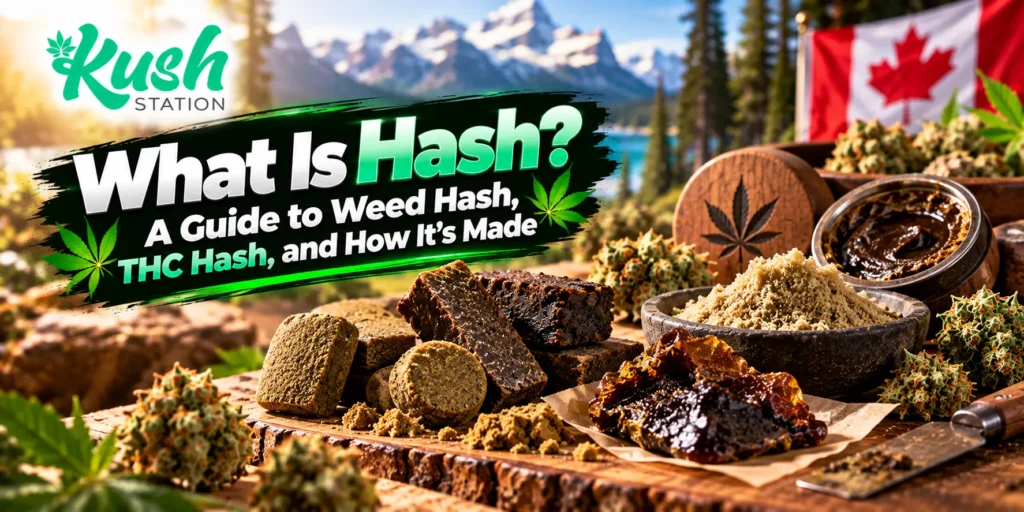
What Is Hash? A Guide to Weed Hash, THC Hash, and How It’s Made
Oct
If you have ever scrolled through an online cannabis menu and wondered what the “hash” category actually means, you are not alone. Hash is one of the oldest cannabis products in the world, yet it confuses many newcomers. Is it the same as weed? Is it stronger? Is it just a different name for a concentrate?
This guide answers all of that. We explain what hash is, how it is made, the different types you will see, how strong it is, how to use it, and how to buy it in Canada. By the end, you will know the difference between Indica vs sativa weed hash, THC hash, kief, rosin, and shatter, and you will be able to choose a product with confidence.
What Is Hash?
Hash, short for hashish, is a cannabis concentrate made by collecting the plant’s resin glands and pressing or compressing them into a solid or semi-solid form. Those resin glands, called trichomes, are the tiny, sticky, crystal-like structures that cover the buds and surrounding leaves of the cannabis plant. They are where most of the plant’s THC, CBD, and aromatic terpenes are produced and stored.
Think of trichomes as the “good stuff” of the plant. When you separate them from the leafy plant material and compress them, you get a product that is far more concentrated than regular dried flower. That is hash.
So when people say weed hash or THC hash, they mean the same thing: a potent, resin-based cannabis product that contains high levels of THC and a rich terpene profile. The difference between the two phrases is mostly a matter of how people search for it. Both point to the same product.
Hash vs. weed: the basic difference
Dried cannabis flower, or “weed,” is the whole bud: plant material, trichomes, and all. Hash is mostly trichomes. Because the leafy material is removed, a gram of hash contains far more active compounds than a gram of flower.
| Dried Flower | Hash | |
| What it is | The whole dried bud | Concentrated, compressed resin glands |
| Typical THC range | About 15% to 28% | Often 40% to 70% or more |
| Texture | Dry, fibrous buds | Pliable, sticky, or crumbly resin |
| Flavour | Varies by strain | Rich, earthy, often more intense |
| Best for | Beginners, everyday use | People with some experience |
These ranges are general. Always check the label for the exact THC and CBD content of the product you buy.
A Short History of Hash
Hash has been around for centuries. Historians trace it to parts of Central and South Asia, the Middle East, and North Africa, where communities developed techniques for gathering the resin of cannabis plants. Regions such as Afghanistan, Morocco, Lebanon, Nepal, and northern India became famous for their traditional hash, and many of those names still appear on product descriptions today.
Some traditional hash was made by rubbing living plants by hand so the sticky resin built up on the skin, then rolling it into balls or sticks. This hand-rubbed style is often called charas. Other regions sifted dried Sativa vs Indica plants through fine cloth screens and pressed the collected powder into blocks. In the modern era, producers have added new technology, including ice-water separation and heated presses, to create cleaner, more flavourful products.
The upshot is that hash is not a trendy new invention. It is among the oldest ways humans have consumed cannabis, and today’s regulated market simply brings it into licensed, tested, and labelled form.
How Is Hash Made?
At its core, every method of making hash follows the same idea: separate the trichomes from the rest of the plant, then collect and compress them. What changes is how the separation happens. Here are the main approaches at a high level.
Dry sift (dry sieve) hash
Dry sift is one of the simplest and oldest techniques. Dried cannabis is gently agitated over fine mesh screens. The trichome heads are small enough to fall through the mesh, while the larger plant material stays behind. The fine golden powder that collects underneath is called kief (or dry sift). Producers may sell this powder as-is or press it into a block or puck using pressure and gentle warmth, which turns it into traditional pressed hash.
Dry sift tends to produce an aromatic, flavourful product, and the quality depends on how carefully the trichome heads were separated from plant debris.
Ice-water hash (bubble hash)
Bubble hash uses cold water and ice instead of screens. Cannabis is agitated in ice-cold water, which makes the trichomes brittle and causes them to break away from the plant. The mixture is then passed through a series of fine mesh bags with different pore sizes, which catch the trichomes at different stages. The collected resin is dried and sometimes pressed.
The name “bubble hash” comes from the way the best-quality resin tends to bubble and melt when heated. Producers often grade ice-water hash by how completely it melts, with the top tier sometimes called full melt. Because it avoids solvents entirely, bubble hash is a favourite among people who prefer a clean, solventless product.
Hand-rubbed hash (charas)
Charas is made by rubbing the resin from live, mature cannabis plants by hand and collecting the sticky buildup. The resin is then rolled or shaped into balls, cakes, or sticks. It is a traditional method and produces a soft, fragrant hash with a distinctive character. Genuine charas is relatively rare, and quality varies a lot.
Rosin and heat-and-pressure methods
Rosin is not hash in the strictest traditional sense, but it is closely related and often sold alongside it. It is made by applying heat and pressure to flower or to hash itself, squeezing out a sticky, sap-like extract without solvents. When rosin is pressed from bubble hash or dry sift rather than from flower, it is often called hash rosin, which is generally prized for its flavour and smooth texture.
A note on safety and legality
You may come across other extraction methods that use chemical solvents such as butane. These produce concentrates like shatter or wax, not hash, and they are dangerous outside a professional, licensed lab. Making cannabis extracts with organic solvents at home is not permitted under Canadian law, and it carries a serious risk of fire and explosion. Hash and other concentrates you buy legally in Canada come from licensed producers who follow strict safety and quality rules, which is one more reason to buy from regulated sources instead of trying to make your own.
This guide describes how hash is made so you can understand what you are buying. It is not a set of instructions for making it.
The Main Types of Hash You Will See
Menus and product pages use a lot of terms. Here is a plain-language rundown.
| Type | How It Is Made | Texture | What to Know |
| Pressed hash | Kief or resin compressed into blocks | Firm, pliable | Classic, earthy, traditional style |
| Dry sift | Mechanical sieving of dried plants | Fine, powdery or crumbly | Often sold as loose powder or pressed |
| Bubble hash | Ice water and mesh bags | Crumbly to sticky | Solventless, often graded by melt quality |
| Charas | Hand-rubbed resin from live plants | Soft, sticky | Traditional, fragrant, less common |
| Hash rosin | Heat and pressure on hash | Sap-like or buttery | Solventless, smooth, flavourful |
| Black hash | Heavily pressed or aged resin | Dark, firm | Strong, deep flavour |
Kief
Kief is the loose trichome powder that collects at the bottom of a grinder or sifting screen. It is not hash on its own, but it is the raw material for pressed hash. You can sprinkle kief on top of a bowl or joint for an extra boost. Many grinders come with a kief catcher for exactly this reason.
Black hash and other colours
Hash comes in many colours: golden, tan, brown, green, red, and black. Colour reflects the plant material, the process, the age of the resin, and how much heat or pressure was applied. A lighter, golden hash often points to a cleaner separation, while darker hash can be older, more heavily pressed, or made from a different plant type. Colour alone does not tell you quality, so rely on lab results, aroma, and the producer’s description.
What Does Hash Taste and Smell Like?
Because hash concentrates the terpenes found in the plant, it often smells and tastes more intense than flower. Depending on the source and process, you might notice earthy, woody, spicy, sweet, or floral notes, sometimes with hints of pine, citrus, or incense. Traditional pressed hash is known for a deep, almost musky aroma. Fresher ice-water hash can be brighter and more fruity.
If you enjoy the full-bodied character of classic cannabis, hash is worth exploring.
How Strong Is Hash?
Hash is significantly stronger than ordinary flower, but it is generally gentler than the highest-potency extracts such as distillate or some shatter. Most hash falls somewhere in the range of 40% to 70% THC, although quality ice-water hash and rosin can reach higher.
Higher potency means a little goes a long way. A pinch that seems tiny can produce a strong effect, especially if you are used to flower. If you are new to hash, treat it with respect and start with a very small amount.
How hash feels
The experience of hash depends on the strain it was made from, the method, and your own tolerance. Many people describe the effects as a deep, full-body relaxation with a rich mental clarity, though some find it heavier or more sedating than flower. Because hash is made from trichomes, which carry the same compounds as the buds, the effects are broadly similar to the strain of origin, just more concentrated.
Typical onset when smoked or vaped is within minutes, and effects commonly last one to three hours, depending on dose and tolerance.
How to Use Hash
There is no single right way to use hash. Here are the most common methods.
Mixed into a joint or pipe
The easiest approach is to crumble a small amount of hash into a joint or onto a bowl of flower. Hash tends to burn unevenly on its own, so mixing it with flower helps it burn more smoothly. This is the most beginner-friendly method.
Using a vaporizer
Some vaporizers are designed for concentrates and can be used with hash. Vaporizing heats the hash without burning it, which can preserve flavour and produce smoother inhalation. Check that your device is built for concentrates before you try it.
Dabbing
Dabbing involves heating a concentrate on a hot surface and inhaling the vapour. Full-melt bubble hash and hash rosin are popular for this. It delivers a very strong effect quickly, so it is best suited to experienced users and requires specialized equipment.
Hot knives and other traditional methods
Some people use heated metal blades to vaporize small pieces of hash. This method is traditional but requires care, and it is easy to burn yourself, so it is not recommended for beginners.
How much should you use?
Start small. A piece about the size of a grain of rice, or even smaller, is a sensible starting point for beginners. Wait for the effects to arrive before you add more. If you are mixing hash with flower, remember that the combined strength is higher than flower alone.
Hash vs. Other Cannabis Concentrates
Hash is one type of concentrate, but it is not the same as all of them. This table clears up the most common mix-ups.
| Product | Made By | Texture | Potency | Notes |
| Kief | Sifting dried plants | Loose powder | Moderate to high | Raw material for pressed hash |
| Hash | Collecting and compressing trichomes | Pliable to crumbly | High | Traditional, often solventless |
| Rosin | Heat and pressure | Sap-like | Very high | Solventless, often from hash |
| Shatter | Solvent extraction | Glass-like | Very high | Clean, stable, lab-made |
| Wax / budder | Solvent extraction | Soft, creamy | Very high | Easy to portion |
| Live resin | Solvent extraction from fresh-frozen plants | Saucy or sugary | Very high | Rich in flavour |
| Distillate | Refined extraction | Thick, clear oil | Very high | Common in vapes and edibles |
The main difference is how the product is made. Hash relies on physically separating and compressing trichomes. Many other concentrates use chemical solvents to pull compounds from the plant. Hash tends to be more flavourful and traditional, while some other extracts can reach higher potency.
Is Hash Stronger Than Weed?
Yes, in most cases. Because hash removes much of the plant material and concentrates the trichomes, it contains a higher percentage of THC than flower. That said, “stronger” does not mean better. It means you need less, and you need to be more careful with how much you use.
If you usually smoke a full joint of flower, a joint with the same amount of hash would be considerably stronger. Adjust your amounts accordingly.
Is Hash Legal in Canada?
Yes. Hash is a legal cannabis product in Canada when it is produced by a licensed producer and sold through authorized retailers. It falls under the broader category of cannabis concentrates and extracts under the Cannabis Act.
Age limits
The minimum age to buy cannabis is 19 in most provinces and territories, 18 in Alberta, and 21 in Quebec.
Possession limits
Adults can generally possess up to 30 grams of dried cannabis in public, or the equivalent in other forms. Concentrates count toward that limit using a conversion ratio, which means you can carry much less hash than you could carry flower. Check Health Canada’s guidance or your provincial rules for the current equivalency.
Making hash at home
Rules for homemade cannabis products are strict. Producing extracts with organic solvents is prohibited for individuals, and rules around other extraction methods can vary. If you are curious about making anything yourself, read Health Canada’s guidance and your provincial laws first. For most people, buying from a licensed source is the safest and simplest choice.
Crossing borders
Never travel with hash across the Canadian border in either direction. It is illegal, even if you are going somewhere that permits cannabis.
Laws change, so always verify current rules with your provincial government. [Add your licensing and compliance details here so readers can see exactly how your store operates.]
How to Buy Hash Online in Canada
Buying hash online is similar to buying any other cannabis product. Here is what to look for.
Stick to licensed retailers
Legal online sales run through provincially authorized channels. Licensed sellers must follow quality, testing, labelling, and age-verification rules. Unlicensed websites may offer tempting prices, but they carry risks such as untested or adulterated product, scams, and legal trouble.
Read the product page
A good hash listing should tell you the type of hash (dry sift, bubble, pressed, rosin), the THC and CBD content, the strain or cultivar it came from, the producer, and the aroma and flavour notes. Vague or missing details are a red flag.
Check lab results
Reputable producers test their products for potency and contaminants. Look for certificates of analysis or lab information on the product page or packaging. This is especially important for concentrates.
Match the product to your experience
If you are new to hash, ask yourself whether you want to start with a small amount of pressed hash mixed into a joint, or whether it makes more sense to stay with flower for now. Hash is not a bad choice for beginners, but it is more potent than flower and deserves a slower approach.
Compare prices by the gram
Hash prices vary widely depending on the method and quality. Solventless ice-water hash and hash rosin generally cost more than pressed hash because the process is more labour-intensive. Compare the price per gram, but remember that potency and quality matter as much as cost.
Check delivery and packaging
Expect child-resistant packaging inside a plain outer box. You will need to be of legal age to receive the order, and the courier may ask for ID. [Add your delivery areas, typical timeframes, and any free-shipping threshold here.]
How to Tell Good Hash from Poor Hash
Quality varies a lot. These signs can help you judge what you are getting, especially with products you can inspect.
Aroma. Good hash smells fresh, rich, and aromatic. A flat, stale, or musty smell can point to old or poorly stored product. A chemical or burnt smell is a red flag.
Texture. Quality hash is usually pliable or evenly crumbly, not dry and powdery or gritty. When you warm a small piece between your fingers, it should soften slightly without turning to dust.
Appearance. Look for an even colour and consistency. Visible plant debris, grit, or strange spots can mean the separation was not thorough.
Burn. Good hash tends to burn cleanly with a light-coloured ash. Heavy residue, popping, or an acrid smoke can signal impurities.
Lab results and labelling. Because you cannot always inspect legal products before buying, lab data and clear labelling are your best guides. Choose products with verified potency and testing information.
Be especially cautious about any hash from unregulated sources. In the illegal market, hash has been known to be cut with fillers or other substances, which is a real health risk. Legal, tested product avoids that problem.
Storing Hash Properly
Good storage protects flavour, potency, and texture.
Keep it airtight. Air dries out hash and dulls its aroma. Use a sealed glass container or the original packaging.
Keep it cool and dark. Heat and light degrade cannabinoids and terpenes. A cupboard or drawer works well.
Avoid extreme temperatures. Hash can become sticky in warmth and brittle in dry cold. Follow the producer’s storage instructions.
Keep it separate and secure. Store it away from food, and lock it up or place it out of reach of children and pets.
Safety Tips and Responsible Use
Hash is a potent product, so a few habits make a big difference.
Start with a tiny amount. You can always take more later, but you cannot take less.
Wait before adding more. Give it time to take effect.
Know your tolerance. If you do not use cannabis often, hash will hit harder than you expect.
Do not drive or operate machinery. Cannabis impairs judgment and reaction time. Plan to stay put or arrange a ride.
Avoid mixing with alcohol. Combining the two can intensify impairment and cause nausea or dizziness.
Choose a comfortable setting. Familiar surroundings and calm company help, especially for newer users.
Think about your lungs. Smoking any substance irritates the airways. Vaporizing is gentler for some people, and non-inhaled products avoid the issue entirely.
Talk to a professional if you take medication or have a health condition. Cannabis can interact with some medications and may not be right for everyone, including people who are pregnant or breastfeeding, or who have a history of heart conditions or psychosis. Ask a doctor or pharmacist.
Keep it away from children and pets. Accidental ingestion can be serious.
What if you take too much?
It happens to experienced users too. The effects are temporary. Move to a quiet, comfortable place, sip water, have a light snack, and remind yourself that it will pass. Ask a trusted friend to stay with you, and do not drive. If you experience severe symptoms such as chest pain, a racing heart that will not settle, or persistent confusion, seek medical help right away.
Common Myths About Hash
“Hash is a different drug from weed.” Hash comes from the same plant and contains the same main compounds as flower. It is simply more concentrated.
“Darker hash is always stronger.” Colour does not reliably predict potency. Lab results are a much better guide.
“Hash is always made with chemicals.” Traditional and modern hash is often solventless, made with sieving, ice water, or pressure. It is other concentrates, like shatter, that commonly rely on solvents.
“Hash is only for experts.” Hash is stronger than flower, but beginners can use it safely with small amounts and patience.
“All hash is the same.” The method, source plant, and quality produce huge differences in flavour, texture, and strength.
Frequently Asked Questions
What is hash made of?
Hash is made from the resin glands (trichomes) of the cannabis plant, which are collected and compressed. These glands contain most of the plant’s THC, CBD, and terpenes.
What is the difference between weed hash and THC hash?
There is no real difference. Both phrases describe the same cannabis resin product.
How is hash made?
Producers separate trichomes from the plant using methods like dry sifting, ice-water extraction, or hand rubbing, then compress the collected resin. Heat and pressure may also be used to create rosin from hash or flower.
Is hash stronger than weed?
Usually, yes. Hash is more concentrated than flower, so it typically contains a much higher percentage of THC.
What is the difference between hash and kief?
Kief is the loose, powdery trichome material that falls off the plant. Hash is made by compressing that resin into a solid or semi-solid form.
What is the difference between hash and rosin?
Hash is made by collecting and compressing trichomes. Rosin is made by applying heat and pressure to flower or hash to squeeze out a sticky extract. Rosin made from hash is called hash rosin.
How do you smoke hash?
Crumble a small amount into a joint or bowl, ideally mixed with flower so it burns evenly. You can also use a vaporizer designed for concentrates.
How long does hash last?
Stored properly in a cool, dark, airtight container, hash can stay good for many months. Over time, it may lose aroma and potency.
Is hash legal in Canada?
Yes, when bought from a licensed retailer by an adult of legal age. It must be sold through authorized channels and follow provincial rules.
Can beginners use hash?
Yes, with caution. Start with a very small amount, wait for the effects, and do not rush to add more.
How much hash should I start with?
A piece about the size of a grain of rice, or smaller, is a sensible starting point for most beginners.
Can I travel with hash?
Not across the Canadian border. Within Canada, check your province’s rules and keep it in its original packaging.
Final Thoughts: Is Hash Right for You?
Hash is one of the most storied products in cannabis, and it is easy to see why it has lasted so long. It concentrates the flavour and potency of the plant into a compact, aromatic form, and it can be made in several traditional and modern ways without solvents. Whether you prefer the classic earthy character of pressed hash, the bright flavour of ice-water hash, or the smooth richness of hash rosin, there is a style to suit most tastes.