Mushrooms – Treasure Coast
Price range: $5.00 through $600.00 As low as $1.34 per gram
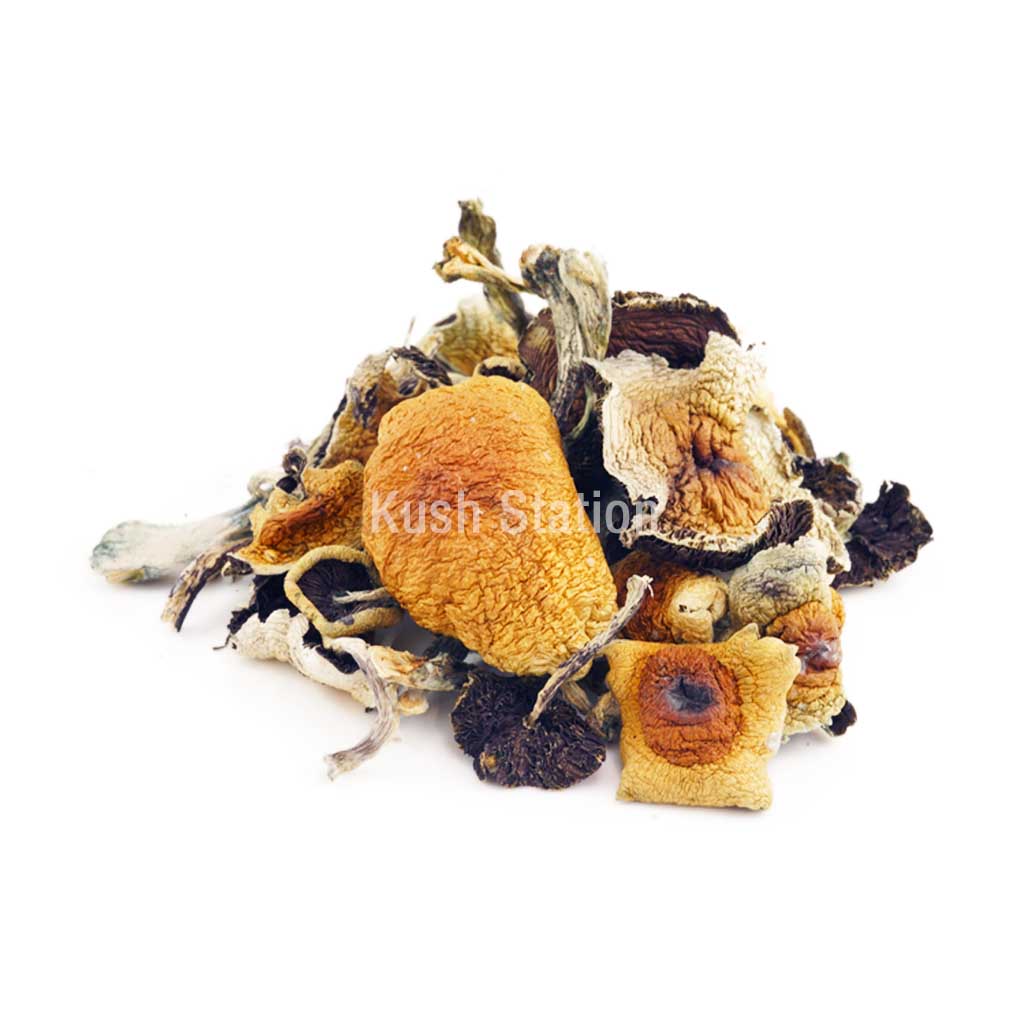
Treasure Coast mushrooms are an American strain named after the Treasure Coast region of Florida, where they’re said to have been first found. They’re known for their warm, golden-brown caps, sturdy stems and a well-rounded reputation that appeals to both newer and experienced users. Each batch is carefully dried and quality-checked, then sealed in discreet, airtight packaging to lock in freshness. Store in a cool, dry, dark place, away from children and pets. For adults only.
Searching for mushrooms Treasure Coast usually means you’ve come across the name of a Psilocybe cubensis variety and want to know what it actually tells you. Is it a clearly defined strain? Can you identify it by sight? And how does its reputation for effects stack up against what’s known about psilocybin? Those are sensible questions, especially when mushroom names online can sound more precise than the evidence behind them.
This guide separates commonly repeated descriptions from what can be confirmed, with a focus on identification limits, reported effects, safety, and legal status. It’s educational information, not an endorsement or a recommendation to use psychedelic mushrooms. Laws and risks differ from cannabis, even if you’re an experienced adult cannabis consumer in Canada. Psilocybin products are not regulated like legal cannabis, and buying them through an online storefront doesn’t make them legal or reliably tested.
Key Takeaways
- The term “mushrooms Treasure Coast” refers to an informal variety of Psilocybe cubensis associated with Florida but lacks scientific verification or consistent genetic lineage.
- Visual identification of Treasure Coast mushrooms or any psilocybin variety is unreliable and can be dangerous due to lookalikes and variations in appearance.
- Potency and effects of Treasure Coast mushrooms vary widely; no strain name guarantees strength, safety, or a specific experience.
- Legal status of Treasure Coast mushrooms is generally restrictive, with possession and distribution often illegal, especially in Florida and Canada.
- Harm reduction demands caution: avoid use without testing, do not drive or operate machinery while impaired, and seek medical help if adverse reactions occur.
- Foraging wild mushrooms without expert knowledge is risky due to poisonous lookalikes; never consume mushrooms identified only through informal sources or apps.
What Are Treasure Coast Mushrooms?
Treasure Coast mushrooms is a common name for a purported variety of Psilocybe cubensis, a species of psychedelic mushroom. The name is associated with Florida’s Treasure Coast, but it’s generally used in online mushroom circles and product listings, not as a formal scientific classification. The species name is the part that carries taxonomic meaning: “Treasure Coast” is a claimed variety label.
- cubensis can contain psilocybin and psilocin, compounds that affect perception, mood, and thinking. Their concentration isn’t reliably signalled by a strain name, a seller’s star rating, or a polished product photo. And unlike regulated cannabis in Canada, illicit mushroom products don’t come with consistent, legally required potency testing or standardised labels.
That distinction matters if you’re comparing it with cannabis. A familiar strain name or a number on a cannabis package can provide some structured product information in a legal market. A “Treasure Coast” label, by itself, can’t confirm species, genetics, contents, or strength.
In practice, the name is most useful as a clue to what a seller or hobbyist claims a mushroom to be—not as a verified description of a specimen. It doesn’t establish that two products carrying the same label are biologically related, and it doesn’t tell you whether a sample is fresh, contaminated, or accurately represented. Those limits apply even when a listing includes detailed descriptions or customer reviews.
Treasure Coast Mushrooms: Origins and Naming
The name is commonly linked to Florida’s Treasure Coast, a region along the state’s Atlantic side. Accounts shared in hobbyist communities describe Treasure Coast as a locally collected or selected P. cubensis variety. But, the details are inconsistent, and there isn’t a single authoritative, independently verified origin story that establishes the name as a stable genetic lineage.
That uncertainty isn’t unusual in the world of named mushroom varieties. Names can spread through informal exchanges, online forums, and commercial listings. Over time, a label may refer to mushrooms that sellers believe share a lineage, without a documented chain of custody or genetic testing to show that every batch does.
Think of the name as a community or marketplace identifier, not a guarantee, more like a handwritten tag on a jar than a laboratory certificate. It may describe what a seller believes they have, but it can’t prove where a sample came from or what’s in it. Treat detailed origin stories as claims unless they’re supported by credible evidence.
Names can also persist after the original source is unclear. A later seller may repeat a description from another listing, and a buyer may repeat it again, without either person having firsthand evidence about the sample’s lineage. That makes confident claims about a precise discovery date, location, or genetic profile difficult to verify. The association with Florida is part of the name’s popular story, not proof that every mushroom sold under it was collected or developed there.
How to Identify the Treasure Coast Strain
The short answer: you can’t reliably identify a Treasure Coast variety from appearance alone. Descriptions of P. cubensis can help explain what people mean when they use the name, but visible traits overlap among varieties and change with age, growing conditions, handling, and storage. Even identifying a mushroom as P. cubensis can be difficult without specialist knowledge.
That’s more than a naming quibble. Misidentifying a wild mushroom can expose someone to poisonous species, and mislabelling a cultivated product can create false confidence about its contents or effects.
Identification involves more than matching one feature to an online photograph. Specialists may consider a specimen’s full structure, habitat, microscopic characteristics, and other evidence, while also accounting for lookalikes. Even a careful identification of species would not establish a named variety or indicate the sample’s chemical contents. An informal description is therefore not a substitute for expert examination.
Typical Cap, Stem, Gills, and Spore Characteristics
General descriptions of P. cubensis often mention a cap that can range from rounded or bell-shaped when young to broader and flatter as it matures. Caps are commonly described as tan to golden brown, with colour changing as the mushroom dries. Stems are typically pale, while the gills underneath the cap darken as spores mature. Mature spores are often described as dark purple-brown.
These are broad species-level descriptions, not a dependable visual checklist for Treasure Coast. Mushroom shape, colour, and size vary substantially, and photographs can distort colour or omit important details. Bluish staining is sometimes discussed in connection with psilocybin-containing mushrooms, but it is not proof of identity or safety: other damage and species can confuse the picture.
A photo-based guess isn’t a safe substitute for expert identification. If you’re looking at an unknown mushroom outdoors, don’t eat it or handle it casually.
Why Appearance Alone Cannot Confirm Identification
Many mushroom species share surface features, and some toxic varieties can look deceptively ordinary. Appearance can also shift with maturity and weather, while drying and storage alter colour and texture. A seller’s photo may not even show the same batch being offered.
There’s another limitation: visual identification can’t tell you the amount of psychoactive compounds in a sample, whether it has been contaminated, or whether a product contains something other than what its label claims. A strain name doesn’t resolve those unknowns. Laboratory analysis by a qualified service may answer some questions, but testing access and standards vary: it doesn’t make an illegal product lawful or remove all risk.
If your reason for asking is to identify something you found, don’t rely on an app, a forum, or this description. Leave it untouched and consult a local mycological group or qualified expert for identification. If someone may have eaten an unknown mushroom and feels unwell, seek urgent medical or poison-control advice.
Treasure Coast Potency, Effects, and Duration
Online descriptions sometimes call Treasure Coast potent or compare it with other P. cubensis varieties. Those claims shouldn’t be treated as dependable measurements. There is no universal potency rating attached to the name, and a variety label can’t tell you how a particular sample will affect someone.
Psilocybin experiences are highly variable. The amount and composition of active compounds, a person’s health and mental state, their surroundings, and other substances can all matter. Effects can be unsettling as well as pleasurable, and may interfere with sound judgement and coordination. The same person may have different experiences at different times.
Duration is also variable. Effects may last for several hours, with lingering changes in mood or perception afterwards. Avoid planning activities that require alertness or sound decisions for the rest of the day, or assuming you’ll feel completely back to normal on a fixed schedule. If you feel unsafe or seriously unwell, get help rather than trying to manage the situation alone.
There isn’t a dependable way to translate a strain name into a predictable experience. Reports from other people may reflect a different sample, personal expectations, or circumstances that don’t match yours. Treating a reported effect as a promise can lead someone to underestimate impairment or distress. Clinical research on psilocybin also takes place in controlled settings and should not be confused with evidence that an unregulated product is safe or suitable for self-treatment.
Commonly Reported Physical and Psychological Effects
People who describe psilocybin experiences commonly report changes in visual perception, time sense, emotional intensity, and patterns of thought. Some describe a sense of connection or wonder: others experience fear, confusion, panic, or a loss of control. There’s no guaranteed mood or outcome attached to a mushroom name.
Physical effects people report can include nausea, dizziness, changes in coordination, increased heart rate, sweating, or pupil dilation. How intense these are varies, and physical discomfort can make a difficult experience feel worse. Impaired perception and judgement can also increase the chance of accidents.
A useful reality check: “natural” doesn’t mean harmless, and a positive story from a friend doesn’t predict your own response. Psilocybin isn’t a substitute for medical care, and claims that it treats a condition shouldn’t be taken as established evidence. If you’re dealing with a mental or physical health concern, speak with a qualified health professional.
Why Potency Can Vary Between Samples
Potency can differ from one mushroom to another, even when products use the same strain name. Genetics, growing conditions, maturity, drying, storage, and processing may all influence the compounds present. Without reliable testing of the specific sample, a label or seller description can’t establish its strength.
The physical form adds another wrinkle. Fresh and dried mushrooms differ in water content and weight, so comparing amounts without knowing the form can be misleading. A whole-mushroom product is also different from an extract or edible that may have been made with other ingredients. Appearance and taste don’t resolve those differences.
This is a key contrast with regulated cannabis products: legal Canadian cannabis packaging is subject to rules for product information, while illicit psilocybin products aren’t covered by that same system. Don’t assume that a neat label, a familiar brand, or a confident online review means a product is tested or consistent.
Are Treasure Coast Mushrooms Suitable for Beginners?
There’s no reliable basis for calling Treasure Coast a beginner-friendly variety. The label doesn’t establish a predictable potency, and psilocybin effects can be intense or distressing, especially for someone who hasn’t experienced them before. A seller calling a mushroom “mild” or “easy” isn’t a safety guarantee.
If you’re new to cannabis, you may already know that one product can feel different from another and that edibles can take time to affect you. That caution is relevant, but it shouldn’t suggest mushrooms are simply another cannabis format. Psilocybin is a different substance, with different effects, legal status, and risks. Cannabis experience doesn’t make a psychedelic experience predictable.
The safest choice is not to use an untested or illegal product. Be particularly cautious if you have a personal or family history of psychosis or bipolar disorder, significant anxiety, or another health concern: seek advice from a qualified clinician rather than relying on a forum. If you choose to learn more, use trusted public-health information and understand your local laws first.
“Beginner-friendly” is a marketing phrase, not a recognised safety category. A first-time experience can be difficult even when someone believes they have chosen a mild product, because neither the label nor the person’s prior cannabis experience predicts their response. If you are taking medication or have a health concern, don’t try to manage the uncertainty by changing treatment or relying on advice from a seller; consult a qualified health professional.
Safety and Harm-Reduction Considerations
Because neither strain labels nor appearance can tell you exactly what’s in a product, the central harm-reduction point is straightforward: avoiding use is the most reliable way to avoid psilocybin-related risks. If you or someone else may use it even though those risks, plan for safety rather than treating an online product description as a safety plan.
Don’t drive, cycle in traffic, swim, operate machinery, or make important decisions while impaired. Keep children, pets, and anyone who hasn’t agreed to be around substances away from products. Store unknown or psychoactive substances securely and clearly separate them from food and legal cannabis products. If a situation becomes medically urgent, contact emergency services and be honest about what may have been taken.
Get urgent help for severe or alarming symptoms, including difficulty breathing, loss of consciousness, seizures, extreme agitation, or a risk of injury. Don’t leave someone who is unwell alone, and don’t assume that a frightening or unusual reaction will pass without support. If an unknown wild mushroom may have been eaten, contact poison control or emergency services promptly; do not wait for symptoms to appear before seeking advice.
Set, Setting, Trusted Support, and Avoiding Impaired Activities
A person’s surroundings and emotional state can influence how an experience unfolds, but a calm room or good company doesn’t eliminate the risks. Don’t use when you’re already distressed, under pressure, or somewhere you can’t safely leave. A person who is intoxicated may misread a situation or struggle to get help.
If someone is present to support another person, they should be sober, trustworthy, and able to seek emergency help. Agree on a plan in advance, including how to contact help and how to prevent access to traffic, heights, water, or other hazards. This isn’t about turning a risky activity into a safe one: it’s about reducing preventable harm.
Avoid mixing substances and don’t drive afterwards. Arrange transport in advance rather than relying on a rideshare app while someone is confused or frightened. If someone becomes unconscious, has trouble breathing, has a seizure, or seems at immediate risk of harming themselves or someone else, call emergency services.
Medication, Alcohol, and Other Substance Interactions
Psilocybin may interact with prescription medicines, non-prescription drugs, and other psychoactive substances. The precise risks can be difficult to predict, particularly because illicit products may not contain what their labels claim. Avoid assuming that a combination is safe because someone online says they tried it without a problem.
Alcohol and cannabis can add impairment or make it harder to judge how you’re feeling. Combining substances may increase confusion, nausea, anxiety, or accident risk. Medication questions are especially important: don’t stop or change a prescription to try to alter a psychedelic experience. Ask a pharmacist or prescriber about potential interactions, and be clear about what substance you’re considering.
This is one area where a quick web search can be misleading. Interaction information may be incomplete, and a clinician can consider your individual medications and health history. If someone has taken a combination and develops alarming symptoms, contact emergency services or a poison-control service.
Treasure Coast Mushrooms vs. Other Psilocybe cubensis Strains
Treasure Coast is often listed alongside other named P. cubensis varieties, such as Golden Teacher, B+, and Mazatapec. Those names can be useful shorthand in enthusiast communities, but the boundaries between varieties aren’t always clearly documented or independently verified. Retail descriptions may highlight supposed differences in appearance, origin, or strength without providing evidence that makes those claims comparable.
| Comparison point | Treasure Coast label | Other P. cubensis labels |
| Species commonly claimed | P. cubensis | Often P. cubensis |
| Meaning of variety name | Informal: associated with Florida’s Treasure Coast | Often informal, with varying origin stories |
| Reliable potency prediction | No | No |
| Visual confirmation | Not dependable | Not dependable |
| Legal status | Depends on local law: illegal in many places | Depends on local law: illegal in many places |
So, if you’re comparing two listings, don’t treat a strain name as a quality grade. A “stronger” or “more visual” claim isn’t a standardised measurement. And unlike choosing between cannabis flower, live resin, or an edible from a regulated Canadian retailer, there may be no trustworthy testing or consistent label to compare. The most useful comparison is often the uncertainty itself.
For people researching these names, the practical difference between one listing and another may be more about the seller’s claims than any established biological distinction. Without independently verified identity and sample-specific testing, a comparison chart cannot establish which product is stronger, more consistent, or safer. The same caution applies to claims that one named variety is appropriate for a particular experience or level of experience.
Are Treasure Coast Mushrooms Legal in Florida and Elsewhere?
In Florida, psilocybin is generally prohibited under state and federal law, outside limited authorised research or other narrow exceptions. The Treasure Coast name does not grant a special legal status. Possessing, selling, or distributing psilocybin mushrooms can carry serious legal consequences: details depend on the conduct and applicable law.
In Canada, psilocybin is a controlled substance under the federal Controlled Drugs and Substances Act. Possession, sale, and distribution are generally illegal unless authorised, such as through certain legal exemptions or approved research pathways. A website shipping mushrooms across provincial borders doesn’t make the transaction lawful. This is separate from Canada’s regulated cannabis market, where adults of legal age can buy cannabis from authorised retailers under federal and provincial rules.
Laws vary internationally and can change. Decriminalisation policies or local enforcement priorities are not the same as legal retail access. Before travelling or acting on advice from an online forum, check current official government information for the relevant jurisdiction and consult a lawyer if you need legal advice. This overview is general information, not a substitute for legal counsel.
Legal rules can depend on the substance, the activity, and the jurisdiction; a product’s label or the seller’s location does not settle those questions. Research permissions and individual exemptions are limited pathways, not general permission for public possession or retail sales. Because laws and official guidance can change, use current government sources rather than relying on an old article or a seller’s assurances.
Foraging, Toxic Lookalikes, and the Florida Treasure Coast
Florida’s warm, humid climate supports a wide range of fungi, but a favourable environment doesn’t make wild mushroom identification easy. A mushroom that appears in a yard or pasture may be a harmless species, a psychoactive species, or a dangerous lookalike. Colour, bruising, and a quick photo comparison aren’t enough to make a safe identification.
Don’t forage for a mushroom you intend to consume unless you have appropriate, in-person expertise, and never eat one identified only through an app, seller, or internet group. Some poisonous mushrooms can cause severe illness, and symptoms may not appear immediately. If someone has eaten an unknown wild mushroom, contact emergency services or poison control promptly: save a sample or photograph only if doing so doesn’t delay help.
For adult Canadians researching mushrooms Treasure Coast, the practical takeaway is less exciting than a strain chart, but more useful: the name offers no dependable guarantee of identity, strength, safety, or legality. Keep psychedelic products distinct from regulated cannabis, check official laws, and don’t take an unknown mushroom on trust. Curiosity is fine: your safety comes first.
Frequently Asked Questions about Mushrooms Treasure Coast
What are Treasure Coast mushrooms?
Treasure Coast mushrooms are an informal variety name for Psilocybe cubensis, a species of psychedelic mushroom often linked to Florida’s Treasure Coast, but not a scientifically verified strain.
Can I identify Treasure Coast mushrooms by their appearance?
No, visual identification alone can’t reliably confirm Treasure Coast mushrooms or distinguish them from other Psilocybe cubensis varieties due to overlapping traits and variability in appearance.
How potent are Treasure Coast mushrooms compared to other Psilocybe cubensis strains?
Potency varies widely even within the same strain name; Treasure Coast mushrooms have no reliable or standardized potency rating, so their strength can’t be predicted by the label.
Are Treasure Coast mushrooms legal in Florida?
No, psilocybin mushrooms including Treasure Coast varieties are generally illegal in Florida under state and federal laws, except under limited authorized research exceptions.
What safety precautions should be taken if someone uses Treasure Coast mushrooms?
Avoid driving or risky activities, do not mix with alcohol or medications, have sober trusted support, and seek medical help if adverse effects occur; untested mushrooms carry significant risks.
Is experience with cannabis relevant to safely using Treasure Coast mushrooms?
No, cannabis experience does not predict psilocybin effects; mushrooms are different substances with distinct legal status and risks, so prior cannabis use doesn’t guarantee safety or predictability.
Only logged in customers who have purchased this product may leave a review.
Related products
Reviews
There are no reviews yet.