

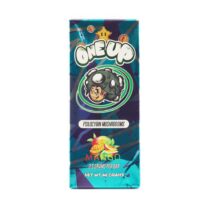
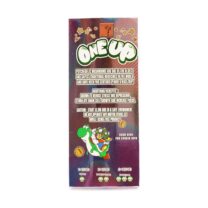
One Up – Psilocybin Mushrooms – Mango 3.5G
$30.00
One Up Psilocybin Mushroom Mango Chocolate 3.5G pairs smooth chocolate with a sweet, tropical mango flavour and 3.5G of psilocybin mushrooms, blended evenly throughout the bar. The juicy fruit taste hides any earthy notes, and the easy-break squares make it simple to portion. Follow the serving guidance on the label. It comes in discreet packaging to keep it fresh. Store in a cool, dry place away from heat, children and pets. For adults only.
In stock
A mango-flavoured chocolate bar can sound familiar if you’ve shopped for cannabis edibles, but a product marketed as “One Up Psilocybin Mushrooms Mango” is a different matter. Psilocybin is a controlled substance in Canada, and an attractive label or polished online listing doesn’t establish what’s inside, how strong it is, or whether it’s legal. This guide explains what the product name may refer to, how to assess claims, and what safety and legal concerns matter. It isn’t a product endorsement or a recommendation to buy or consume it. If you’re used to checking THC percentages and licensed cannabis packaging, keep that same caution here: those familiar cannabis safeguards may not apply. Products are for adults of legal age only, and legality depends on the substance and applicable rules, not your age or a seller’s assurances.
Key Takeaways
- The “One Up Psilocybin Mushrooms Mango” product name does not guarantee the content, potency, or legality of the psilocybin mushrooms it claims to contain.
- Unregulated psilocybin products may lack consistent manufacturing, accurate labeling, or lab testing, making safety and potency uncertain.
- Always verify product claims with credible, batch-specific lab reports and traceable packaging details before considering use.
- Psilocybin can cause unpredictable effects that vary by individual and setting; a mango flavor or chocolate form does not reduce risks or assure a consistent experience.
- Possession or sale of psilocybin mushrooms is generally illegal in Canada without authorization, regardless of online claims or retail presentation.
- Avoid consuming unverified psilocybin products, keep them away from minors, and seek professional help if adverse reactions occur.
What Are One Up Psilocybin Mushrooms Mango?
“One Up” is a name used in online listings and packaging associated with mushroom-branded products, including chocolate products described as containing psilocybin. “Mango” may refer to a flavour, a product variant, or a seller’s own listing label. Those words alone don’t confirm the contents. The name is not a reliable standard for ingredients, potency, manufacturing quality, or legal status.
That distinction matters if you’re accustomed to buying regulated cannabis online. A licensed cannabis edible has specific packaging and regulatory requirements: a mushroom product advertised online may not. Without credible, product-specific evidence, you can’t safely infer what a bar contains from its branding, appearance, or a retailer’s description.
Mango Flavor, Product Format, and Common 3.5G Listing Details
Listings may describe a mango-flavoured chocolate bar, a mushroom-infused product, or a package containing a stated amount such as “3.5 g.” That number might refer to mushroom material, a claimed active ingredient amount, or something else: a listing that doesn’t explain it clearly leaves an important gap. It should not be treated as a verified psilocybin quantity or as a predictable measure of strength.
Flavour is no assurance of quality or safety, either. Chocolate can mask bitterness, and a mango label tells you nothing about whether the product was tested or handled appropriately. If you encounter a listing, read its wording literally and note what it doesn’t disclose. A product photo and a confident-sounding product description aren’t independent verification.
Why Product Labels and Potency Claims May Vary
Unregulated products may not follow consistent manufacturing, testing, or labelling practices. Different batches can vary, and a package may not accurately state its ingredients or their amounts. Even when two products share a brand name and design, that doesn’t prove they have the same contents.
Be especially cautious with claims such as “precise potency,” “premium,” or “lab tested” unless the seller provides a credible report that can be tied to the specific product and batch. A high-resolution label is still just a label. Unlike regulated cannabis products, you shouldn’t assume a mushroom product’s stated quantity has been verified under a standardized system.
One Up Psilocybin Mushrooms Mango Ingredients and Product Verification
A seller may name chocolate, flavouring, or mushroom material as ingredients, but that doesn’t establish what’s actually present. Psilocybin products sold outside authorized channels can pose risks from inaccurate labelling, contamination, unknown strength, or substitution. Appearance and taste can’t identify an active substance.
If you’re researching a listing rather than handling a product, treat verification as a question of evidence, not presentation. Look for independent, batch-specific documentation, and remember that even a document can be copied or misrepresented. If the seller can’t explain exactly what a claim means, don’t fill in the blanks for them.
How to Check Packaging, Batch Information, and Lab Testing
Start with the basics: Does the packaging identify the manufacturer, ingredients, batch or lot number, and a way to contact the responsible business? Is there a clear date or traceable product information? Missing details don’t prove what’s inside, but they are reasons not to trust the listing.
For any lab-testing claim, ask whether the report names the same product and batch, identifies the testing laboratory, and states what substances were tested for. A generic “tested” badge or a screenshot without traceable details is weak evidence. A report that tests for one contaminant, for example, doesn’t necessarily verify potency or rule out other contaminants.
No package check can make an unauthorized product legal or confirm its contents with certainty. Don’t use a QR code, seal, or batch number as proof by itself: those can be copied. If you can’t independently establish the source and the claims, the cautious choice is to avoid the product.
Counterfeit Products, Mislabeling, and Retailer Red Flags
Brand names and familiar packaging can be imitated. Be wary of sellers who promise identical effects every time, guarantee a specific experience, or use urgency, “last chance” and “exclusive drop”, to rush your decision. Other warning signs include no physical business information, unclear returns or privacy practices, vague ingredients, and no meaningful answers to basic questions.
Online reviews aren’t a substitute for testing. They may describe a different batch, another product, or simply a buyer’s subjective experience. A site can also display testimonials it hasn’t independently verified. If a retailer sells cannabis legally, that doesn’t automatically mean every other product on the same site is authorized or regulated. Assess the product and its legal status separately.
Potential Effects and Timing of Psilocybin Products
Psilocybin can alter perception, mood, thinking, and a person’s sense of time. People may report visual changes, heightened emotions, nausea, confusion, anxiety, or a difficult experience. Effects can be unpredictable, particularly when the substance and amount haven’t been verified. A mango flavour or chocolate format doesn’t make the experience gentler or more consistent.
Timing also can’t be reliably predicted from a product listing. It may vary with the product, the person, and whether it was taken with food, among other factors. Don’t assume that not feeling an effect quickly means nothing is happening, and don’t take more to “catch up.” With an unknown product, the uncertainty is precisely the problem.
Why Effects Differ by Person, Product, and Setting
Two people can respond differently to the same substance. Health, mood, expectations, surroundings, and other substances can all influence the experience. The product itself may also vary in composition or strength, making online claims especially hard to translate into a predictable outcome.
Setting matters in a practical sense: feeling pressured, being somewhere unfamiliar, or having no trusted support can add stress if someone becomes distressed. Combining psilocybin with alcohol, cannabis, or other drugs can make effects less predictable. If you’re trying to assess a product, remember that a review saying “it was mild” or “it hit hard” describes one person’s experience, not a dependable forecast for you.
There’s no reliable way to make an unknown product safe by following a cannabis edible routine. Psilocybin isn’t THC, and the usual cannabis labels, dose expectations, and legal protections may not apply.
Safety Guidance and Harm-Reduction Considerations
The most reliable safety step is not to consume a product when you can’t verify what it contains or how strong it is. Don’t drive, cycle in traffic, operate equipment, or take on responsibilities while impaired. Keep unknown products away from children and pets, and don’t leave them where someone could mistake them for ordinary chocolate.
If someone has taken a product, keep them in a calm, supervised place and avoid adding alcohol or other drugs. Don’t shame or argue with them: clear, reassuring conversation can help while you seek appropriate support. If their condition is serious or you’re unsure what they took, contact emergency services or a poison centre. Be honest with responders about the product and any other substances involved.
Who Should Avoid Psilocybin and Important Medication Interactions
People with a personal or family history of psychosis or certain severe mental health conditions may face particular risks from psychedelic substances. Anyone who is pregnant or breastfeeding, has significant health concerns, or takes prescription medication should avoid self-experimenting and speak with a qualified health professional. This isn’t a complete list, and a seller isn’t an appropriate person to assess your medical risks.
Potential interactions depend on the medication and the individual. Don’t stop or adjust prescribed treatment to make a product seem safer. If you have questions, ask a pharmacist or clinician who can review your specific medicines and circumstances confidentially. Be straightforward about what you’re considering: they need accurate information to give useful advice.
What to Do If Someone Experiences Severe Distress or Adverse Effects
Call 911 in Canada if the person is unconscious, having trouble breathing, having a seizure, dangerously agitated, or at immediate risk of harming themselves or someone else. Stay with them if it’s safe, reduce noise and stimulation, and move hazards out of reach. Don’t try to make them vomit or give them other substances to counteract the effects.
Tell emergency responders what you know: the product name, packaging, approximate time it was taken, and any alcohol, cannabis, or medication involved. Keep the package for identification, but don’t delay getting help to search for details. For less urgent concerns, contact a poison centre or health professional for advice: in an emergency, call emergency services first.
Is One Up Psilocybin Mushrooms Mango Legal to Buy or Possess?
In Canada, psilocybin is controlled under the federal Controlled Drugs and Substances Act. Unauthorized possession, production, sale, or distribution is generally illegal. A website shipping to your province, a seller accepting payment, or a claim that the product is “legal” doesn’t make it authorized. Rules can differ for specific exemptions or authorized research and medical contexts, but those are not blanket permission for retail sales.
This is separate from the legal cannabis market. Buying cannabis from a provincially authorized retailer doesn’t authorize buying psilocybin from an unlicensed seller, and familiar cannabis delivery features, discreet packaging, Xpresspost, rewards points, or free-shipping thresholds, don’t establish that a mushroom product is lawful.
Laws and enforcement can change, and details may depend on the circumstances. If you need a decision about a specific situation, consult current federal and provincial guidance or a lawyer. Don’t rely on a retailer’s FAQ as legal advice. This overview is general information, not a determination of anyone’s legal position.
How to Evaluate Online Product Claims Without Relying on Reviews Alone
When a listing looks polished, pause and separate verifiable facts from persuasion. A useful check is to ask: Who is responsible for the product? What exactly does the quantity refer to? Can the batch-specific testing be independently confirmed? Is the sale authorized under Canadian law? If the answers are vague, that’s meaningful information.
| Listing detail | What it can tell you | What it cannot prove |
| Mango flavour or product photo | How the seller presents the item | Ingredients, potency, or safety |
| “3.5 g” claim | A quantity the seller says is associated with the product | What substance is measured or how much active ingredient is present |
| Customer reviews | Individual reports about an experience | Consistency, lab results, or legal authorization |
| “Lab tested” badge | That testing is being claimed | That the report is authentic, batch-specific, or comprehensive |
| Discreet shipping promise | How the seller says it ships | Lawfulness or delivery guarantees |
For a practical research routine, save the listing details, compare claims across independent sources, and look for the manufacturer and batch rather than relying on the brand name alone. Be cautious with videos or forum posts that show packaging but not credible testing. Reviewers can be sincere and still be mistaken about what they consumed.
If you’re shopping for legal cannabis instead, use your province or territory’s authorized retailer information and check the cannabis product’s required label details. Don’t treat a mushroom listing as another edible category just because it’s sold online in a chocolate format. A lower price, a bulk offer, or free shipping isn’t a bargain if you can’t establish what you’re buying, or whether the sale is lawful.
One Up Mango Psilocybin Product FAQ
Does “mango” mean the product contains real mango? Not necessarily. It may describe a flavour or marketing variant. Check the ingredient information, but remember that a seller’s label alone may not verify the contents.
What does “3.5 g” mean on a listing? It’s a stated quantity, but without clear, credible context you can’t tell what material it refers to or infer a dependable potency. Don’t use it as a dosing guide.
Can you confirm the strength from the package or a photo? No. Packaging and product appearance can’t reliably establish ingredients or strength. Only credible, product- and batch-specific testing could provide relevant evidence, and even that doesn’t make an unauthorized sale legal.
Are online reviews enough to decide whether it’s safe? No. Reviews are personal accounts, not laboratory analysis or legal verification. People may have different reactions, and products sold under the same name may not be consistent.
Can you buy it legally through a Canadian cannabis delivery service? A cannabis retailer’s legal status doesn’t authorize psilocybin sales. Psilocybin is controlled in Canada, and unauthorized retail sale is generally illegal. Check current official guidance rather than relying on a shop’s claims.
What’s the safest takeaway? Treat “One Up Psilocybin Mushrooms Mango” as an unverified product description, not a quality guarantee. Don’t consume a product whose contents and strength you can’t verify, and seek professional or emergency help if someone has a concerning reaction. Keep all products away from minors: legal-age rules apply to cannabis, too.
Only logged in customers who have purchased this product may leave a review.
Related products
Reviews
There are no reviews yet.