


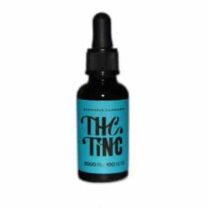
Euphoria Cannabis – THC Tincture 3000MG
$56.00
Euphoria Cannabis THC Tincture 3000MG is a high-strength THC oil in a simple dropper bottle. The bottle holds 3000MG of THC in total, and the built-in dropper makes it easy to measure a consistent amount every time. You can take it on its own or add it to food and drinks. Because of its high strength, it’s best suited to experienced users. Tinctures can take longer to take effect than smoking or vaping, so follow the serving guidance on the label. Store in a cool, dark place with the cap tightly closed, away from children and pets. For adults only.
Out of stock
NOTIFY ME WHEN AVAILABLE
A dropper bottle looks wonderfully simple, until you’re squinting at “30 mg/mL” and wondering whether half a dropper means relaxed or cancel tomorrow’s plans. This guide explains how to evaluate and use an euphoria cannabis THC tincture safely, with Canadian buyers and smoke-free convenience in mind.
This is a category review, not a hands-on review of one verified Euphoria-branded SKU: formulas and potencies can vary. Always treat the product label and certificate of analysis (COA) as the final authority. We’ll cover effects reported by consumers, realistic onset times, dosing math, ingredients, safety, storage, and legal online ordering. No affiliate relationship or financial incentive influenced this guide.
THC affects everyone differently, and tinctures aren’t approved treatments for pain, insomnia, anxiety, or other conditions. Buy only from authorized Canadian retailers, use responsibly, and keep cannabis away from children and pets. Products are strictly for adults of legal age: 18+ in Alberta, 21+ in Quebec, and generally 19+ elsewhere in Canada.
Key Takeaways
- Euphoria cannabis THC tinctures provide a smoke-free, discreet way to enjoy cannabis with precise dosing using a marked dropper.
- Start with a low dose of 1–2.5 mg THC and wait at least two hours before increasing to avoid unwanted effects like anxiety or grogginess.
- Sublingual administration generally produces effects within 15–45 minutes lasting 2–6 hours, while swallowing mimics edibles with slower, longer-lasting effects.
- Always verify the product’s cannabis concentration, ingredients, and Certificate of Analysis (COA) from authorized Canadian retailers to ensure safety and quality.
- Store THC tinctures in a cool, dark place away from children, and never consume before driving or operating machinery to prevent impairment.
- Choose tinctures based on verified cannabinoid profiles rather than marketing claims, and consult healthcare professionals if taking other medications or if you have health concerns.
What Is an Euphoria Cannabis THC Tincture?
A THC tincture is a measured cannabis extract in a liquid carrier, usually MCT oil or alcohol. You place it under your tongue for sublingual absorption or swallow it. Unlike smoking or vaping, there’s no combustion, noticeable cloud, or lingering skunky jacket.
The term euphoria cannabis THC tincture may describe a product marketed for an uplifting experience rather than one standardized formula. Check the exact brand, cannabinoid concentration, bottle volume, and lot number before buying: similar names don’t guarantee similar contents.
Tinctures appeal to people who want:
- Smoke-free, discreet consumption
- More precise measurement than cutting a gummy
- Adjustable doses from the same bottle
- A neutral or lightly flavoured option
They’re particularly practical when you want consistency. A marked dropper lets you repeat a measured quantity, although it doesn’t guarantee identical effects every evening. Meals, tolerance, sleep, medications, and even your mood can change the experience.
Effects & Benefits: What to Expect (Mood, Relaxation, Sleep, Pain)
Consumers commonly report elevated mood, physical relaxation, altered sensory perception, appetite changes, and sleepiness. Some use THC tinctures during quiet evenings or to make everyday discomfort feel less intrusive. Others experience racing thoughts or unease instead, THC isn’t automatically relaxing just because the bottle says “calm.”
Dose and setting matter enormously. At a low dose, you may notice a subtle loosening of tension. At a larger dose, coordination, attention, short-term memory, and time perception can be significantly impaired.
Research supports certain medical uses of cannabinoids, but evidence depends on the condition and formulation. A retail tincture shouldn’t be presented as a cure for pain, anxiety, or insomnia. Health Canada’s consumer information on cannabis details potential effects and risks.
Reality check: If your goal is sleep, more THC isn’t always better. Too much may produce anxiety, dizziness, or a groggy morning, the exact opposite of the plan.
Onset Time & Duration: Sublingual vs Swallowed (Tincture vs Edibles)
Sublingual use generally begins faster because some cannabinoids can be absorbed through tissues under your tongue. Swallowed tincture behaves more like an edible: it travels through your digestive system and liver before effects become noticeable.
| Method | Typical onset | Typical duration | Practical note |
| Under the tongue | About 15–45 minutes | Roughly 2–6 hours | Hold before swallowing |
| Swallowed directly | About 30 minutes–2 hours | Roughly 4–8 hours | Food can alter timing |
| Edible or capsule | About 30 minutes–2 hours | Roughly 4–8+ hours | Easiest to redose too early |
These are broad ranges, not appointment times. Your metabolism, meal size, tolerance, and formula all play a part. When swallowed, THC is converted partly into 11-hydroxy-THC, which can feel stronger and last longer.
Wait at least two hours before considering more after swallowing a dose. That “nothing’s happening” moment has launched many uncomfortable evenings. The gummy, or tincture, often heard you: it’s just taking the scenic route.
THC Strength, Cannabinoid Profiles & Types (Full-Spectrum, Broad-Spectrum, Isolate)
Strength is commonly shown in milligrams of THC per millilitre. Total bottle content matters, but mg/mL tells you what’s in each measured dose.
For example, a 30 mL bottle at 20 mg/mL contains 600 mg THC overall. If your dropper holds 1 mL, one full dropper provides 20 mg, far too much for many beginners.
Profiles also differ:
- Full-spectrum: Contains THC plus other cannabinoids, terpenes, and plant compounds. “Full-spectrum” doesn’t prove superior quality.
- Broad-spectrum: Usually contains multiple cannabis compounds with little or no detectable THC. Verify the COA: terminology isn’t always consistent.
- Isolate: Uses a single purified cannabinoid, such as THC distillate, for a simpler profile.
- Balanced THC:CBD: May feel different from THC alone, but CBD doesn’t reliably erase intoxication.
Experienced consumers may appreciate minor cannabinoids such as CBG or CBN, yet marketing often runs ahead of evidence. Shop by verified cannabinoid numbers and ingredients, not dreamy promises or an “indica” label alone.
How to Use a THC Tincture (Step-by-Step Sublingual Method)
Your first attempt should happen at home, with no driving, work calls, childcare duties, or heroic furniture assembly scheduled.
- Read the label. Confirm THC per millilitre, dropper markings, ingredients, and warnings.
- Calculate your dose. Don’t assume one full dropper equals one serving.
- Shake the bottle if instructed, helping redistribute suspended ingredients.
- Measure carefully. Use the supplied marked dropper, not an unmarked kitchen spoon.
- Place the liquid under your tongue. Hold it there for roughly 60–90 seconds, then swallow.
- Record the time and amount. A phone note prevents fuzzy guesswork later.
- Wait. Avoid stacking another dose because the first feels subtle.
Oil-based formulas can be mixed into food, but swallowing them may delay onset and extend effects. Never drip tincture into your eyes or vape an oral oil, yes, those warnings exist for a reason. If the included dropper lacks readable markings, use an appropriately sized oral syringe.
Dosage Guide for Euphoria Cannabis THC Tincture (Beginner to Experienced)
There’s no universal perfect dose. Health Canada recommends starting with a low-THC product and increasing cautiously. For a new or THC-sensitive consumer, 1–2.5 mg THC is a prudent trial range. Take it in a safe setting and wait long enough to assess the full effect.
| Experience level | Cautious starting range | Suggested approach |
| New or sensitive | 1–2.5 mg THC | Hold steady for several sessions |
| Some experience | 2.5–5 mg THC | Increase only in small steps |
| Experienced | 5–10+ mg THC | Use established tolerance, not bravado |
Dose formula: desired THC ÷ concentration = millilitres needed.
If the tincture contains 10 mg/mL, a 2.5 mg dose is 0.25 mL. At 30 mg/mL, that same dose is approximately 0.08 mL, which may be difficult to measure accurately. A lower-potency bottle can hence be more beginner-friendly.
Tolerance varies, and past smoking experience doesn’t perfectly predict oral THC response. Keep a simple log of dose, onset, meal timing, effects, and next-morning grogginess.
Ingredients & Formulation: Carrier Oils/Alcohol, Terpenes, Flavors, Add-Ins
MCT oil is common because it has a mild taste and mixes well with cannabinoids. Other formulas use hemp seed, coconut, olive, or avocado oil. Traditional alcohol tinctures may act quickly under the tongue but can sting and taste rather fierce, tiny campfire vibes included.
Check for:
- Carrier oils: Important if you have coconut or other food sensitivities
- Flavours and sweeteners: Peppermint or citrus can mask bitterness: sugar alcohols may upset digestion
- Terpenes: Compounds such as limonene, myrcene, or linalool influence aroma, but specific effects aren’t guaranteed
- Emulsifiers: Used in water-compatible or “fast-acting” products
- Added herbs: Potentially relevant to allergies and medication interactions
A short ingredient list is easier to assess, though “natural” doesn’t automatically mean safer. Avoid products with unexplained proprietary blends, artificial claims about instant cures, or no allergen information. If taste matters, choose a mild oil rather than buying a potent bottle you’ll dread using.
How to Choose a High-Quality THC Tincture (Lab Tests, COAs, Sourcing, Solvents)
Start with the package, then verify the paperwork. A credible product should identify its licensed producer, lot number, packaging date, THC and CBD content, ingredients, and required Canadian excise information.
A useful COA should match the product’s lot and show testing by an independent or qualified laboratory. Look for:
- Measured THC, CBD, and relevant minor cannabinoids
- Microbial and mycotoxin screening
- Pesticide results
- Heavy-metal testing
- Residual-solvent results where extraction solvents were used
- Test date and laboratory identity
CO₂, ethanol, and hydrocarbon extraction can all produce acceptable extracts when handled and tested properly. “Solvent-free” isn’t meaningful if the seller won’t provide evidence about production.
Be cautious when an online shop hides labels, uses only generic stock photos, or claims impossibly precise effects. Licensed Canadian cannabis has strict packaging and promotion rules. You can check authorized sellers through your provincial regulator and review the federal list of licensed cultivators, processors, and sellers.
Safety, Side Effects, and Who Should Avoid THC Tinctures
Common unwanted effects include dry mouth, red eyes, dizziness, faster heart rate, impaired coordination, anxiety, nausea, and next-day drowsiness. Higher doses raise the likelihood and intensity of impairment.
Don’t drive, cycle on roads, operate machinery, or combine THC with alcohol. Mixing cannabis with sedatives or other medications can increase risk. Speak with a pharmacist or clinician if you take prescription drugs, especially anticoagulants, sedatives, or medicines affected by liver enzymes.
You should avoid THC during pregnancy or breastfeeding. People with a personal or family history of psychosis, certain cardiovascular conditions, or problematic substance use should seek professional guidance before considering cannabis. Younger adults also face greater neurodevelopmental and mental-health concerns.
If you take too much, move somewhere calm, sip water, and remind yourself the effects will pass. Seek urgent help for chest pain, severe confusion, loss of consciousness, breathing difficulty, or dangerous behaviour. For accidental ingestion, contact your provincial poison centre. Store the bottle locked away, child-resistant packaging isn’t child-proof.
Storage, Shelf Life, and Travel/Legal Considerations
Keep tincture upright in its original container, tightly closed and protected from heat, moisture, and direct sunlight. A cool cupboard is often suitable unless the label requires refrigeration. Don’t store it beside ordinary cooking oil: one sleepy midnight mix-up is one too many.
Discard it if the seal is damaged, the oil smells rancid, the texture changes unexpectedly, or it has passed its expiry or best-before guidance. Always retain the labelled package so potency and ownership remain clear.
Canada’s public possession limit is generally 30 grams of dried cannabis or its equivalent, but provincial rules govern where cannabis can be used and transported. Never take THC across Canada’s international border, even when travelling to a place where cannabis is legal. That includes trips to the United States. The Government of Canada’s cannabis and border guidance is unambiguous.
For domestic flights, confirm current aviation rules and your destination’s age and possession requirements before packing.
Where to Buy Euphoria Cannabis THC Tincture (Dispensary vs Online) + What to Check Before Ordering
In Canada, legal online options depend on your province or territory. Some jurisdictions use government-operated stores: others permit authorized private retailers. Buying from an unlicensed mail-order site may expose you to inaccurate potency, weak contaminant screening, payment risk, and no dependable recall process.
| Buying option | Advantages | Check before paying |
| Authorized online retailer | Privacy, broad browsing, delivery | Licence, delivery area, age verification |
| Licensed dispensary | Staff guidance, immediate purchase | Stock, pricing, accessibility |
| Unlicensed seller | Sometimes lower advertised prices | Legal and product-safety risks |
Before ordering, confirm the exact SKU, THC in mg/mL, bottle size, ingredients, lot-linked testing, return policy, shipping cost, and adult-signature requirements. Discreet outer packaging is reasonable: missing regulated product information isn’t. Rural buyers should also check delivery coverage rather than assuming “Canada-wide” means every postal code.
Price promotions, loyalty points, and free shipping can be useful, but they shouldn’t outrank verifiable potency and legal sourcing. Compare cost per accurately tested milligram, not just bottle price.
Eventually, the right euphoria cannabis THC tincture is one you can measure reliably, purchase legally, and use at the lowest dose that produces your intended experience. Start low, wait patiently, keep notes, and don’t let a flashy “ultra-potent” label make the decision for you. Your future, comfortably relaxed self will appreciate the restraint.
Frequently Asked Questions about Euphoria Cannabis THC Tincture
What is an Euphoria cannabis THC tincture and how does it work?
An Euphoria cannabis THC tincture is a liquid cannabis extract, often in MCT oil or alcohol, taken under the tongue for sublingual absorption or swallowed. It offers a smoke-free, discreet method with precise dosing and generally faster onset than edibles when used sublingually.
How should I dose a THC tincture safely?
Start low with 1–2.5 mg THC for new or sensitive users, increasing gradually if needed. Use the concentration mg/mL to calculate your dose (desired THC ÷ concentration = mL). Always wait at least two hours after swallowing before redosing to avoid excess effects.
What effects can I expect from using a THC tincture?
Users commonly report elevated mood, relaxation, altered perception, appetite changes, and sleepiness. Effects vary by dose and individual; low doses may ease tension, while higher doses can impair coordination and cause anxiety or grogginess.
What is the difference between sublingual use and swallowing a THC tincture?
Sublingual use delivers faster onset (15–45 minutes) as cannabinoids absorb through mouth tissues, lasting 2–6 hours. Swallowed tincture behaves like edibles, with effects starting in 30 minutes to 2 hours and lasting 4–8 hours or more due to liver metabolism.
How can I ensure I’m buying a high-quality Euphoria THC tincture in Canada?
Purchase only from authorized Canadian retailers, verifying the licensed producer, lot number, and COA showing THC and contaminants testing. Avoid unlicensed sellers to ensure accurate potency, safety, and legal compliance.
Are there any safety concerns or side effects with THC tinctures?
Common side effects include dry mouth, red eyes, dizziness, faster heartbeat, and anxiety. Avoid driving or mixing with alcohol or sedatives. Pregnant or breastfeeding individuals, or those with certain health conditions, should
Only logged in customers who have purchased this product may leave a review.
Related products
Reviews
There are no reviews yet.