

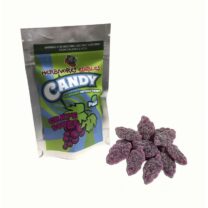
Ganja Edibles – Bag of Regular Cocks 4 x 60mg THC
$21.00
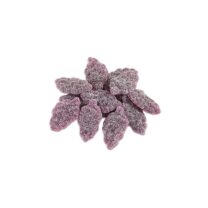
Ganja Edibles Bag of Regular Cocks is the classic, non-sour version of this cheeky edible, with 4 sweet, fruity gummies containing 60MG of THC each, for 240MG in total per bag. The smooth fruit flavour hides any herbal taste, and every gummy is infused evenly for consistency. Edibles take longer to take effect than smoking or vaping, so follow the serving guidance on the label. It comes in discreet, resealable packaging. Store in a cool, dry place, away from children and pets. For adults only.
In stock
Shopping for a novelty THC gummy product online? An unusual name may catch your eye, but the label matters far more than the novelty. With THC gummies, a colourful pouch can hide a surprisingly strong serving, or provide too little information to make a confident choice.
This guide helps adult cannabis consumers in Canada assess the product sensibly: how to read total THC, estimate a per-gummy dose, understand onset and duration, compare regular and sour versions, and check whether an online seller looks legitimate. Product names, recipes, potency, and availability can change, so treat the package you receive as the final source of truth. Always follow Canadian age rules: legal age is 19 in most provinces, 18 in Alberta, and 21 in Quebec.
Key Takeaways
- When shopping for novelty THC gummy products, always prioritize clear, regulated labeling over novelty names to ensure safe and accurate dosing.
- Understand the total THC content and THC per gummy by dividing total THC by the number of gummies, as dosage strength can vary widely in these products.
- Start with a low dose of around 2.5 mg THC and wait at least two hours before consuming more to avoid unexpected strong effects.
- Store THC gummies in child-resistant packaging away from children and pets, and keep them in a cool, dry place to maintain quality and safety.
- Purchase cannabis edibles only from authorized Canadian retailers or licensed online stores that provide transparent product information, age verification, and proper packaging.
- Regular and sour gummies differ mainly in flavor and coating, not necessarily in THC potency, so always check the label for dose and ingredients rather than relying on the product name.
What Are Novelty THC Gummies?
A novelty THC gummy product is usually a cannabis edible sold in a resealable pouch with attention-grabbing branding. The wording on the package may be playful, but it doesn’t tell you the strain, extraction method, ingredient list, or actual strength. Those details should come from the regulated label, not the product nickname.
Depending on the seller and market, similar-looking bags may contain THC gummies, candy-style chews, or an unregulated copycat product. That distinction matters. Legal Canadian edibles have strict limits and packaging requirements, while illicit products may list eye-catching potency numbers that aren’t independently verified.
Before you buy, look for:
- A licensed producer or processor name
- A cannabis excise stamp where applicable
- Lot or batch information
- Total THC and THC per unit
- Ingredient, allergen, and nutrition details
- Clear age-gate and provincial compliance information
The brand name may be playful. Your due diligence shouldn’t be.
THC Content, Gummies per Bag, and Serving Size
The most important numbers are total THC in the package, THC per gummy, and how many gummies are included. Never assume one gummy equals one standard serving. A bag could contain 10 pieces at 2.5 mg each, or fewer pieces with a much higher dose.
In Canada’s regulated market, edible cannabis products are generally limited to 10 mg of THC per immediate container. Products sold outside that framework can claim far more, which is one reason online shoppers need to check the seller carefully.
A simple calculation helps:
Total THC ÷ number of gummies = approximate THC per gummy.
For example, a bag labelled 100 mg total THC with 20 gummies works out to 5 mg each. If the package says 10 gummies but doesn’t state total THC or per-piece potency, that’s a major information gap, not an invitation to guess.
How to Read the Total THC and Per-Gummy Dose
Find the “total THC” figure first, then locate the “THC per unit” or “per gummy” line. Don’t confuse THC with total cannabinoids, CBD, or the weight of the candy. “500 mg” might refer to candy weight or a blend of ingredients rather than THC.
If the maths doesn’t work, the label is hard to read, or the figures seem wildly exaggerated, pause before ordering. For a first experience, many adults choose around 2.5 mg THC or less and wait before considering more. Experienced consumers may use more, but tolerance varies dramatically, even between two people of similar size.
Flavour, Ingredients, and Product Format
Regular gummies are typically sweet and fruit-flavoured, with a soft, chewy texture. The exact profile might resemble berry, peach, cola, or mixed fruit. “Regular” usually distinguishes the product from a sour-coated version: it doesn’t necessarily describe THC strength or a cannabis strain.
Check the ingredient panel for sugar, glucose syrup, gelatin or pectin, artificial colours, allergens, and possible dietary restrictions. Pectin-based gummies may suit some vegetarians, while gelatin-based products don’t. If you avoid certain sweeteners or have food sensitivities, the small print is worth the extra minute.
Also look for cannabinoid details beyond THC. Some products include CBD, CBN, or terpenes, although marketing language can make these additions sound more predictable than they are. Users may report feeling relaxed, sleepy, uplifted, or simply more settled, but an edible isn’t a guaranteed treatment for stress, pain, or insomnia.
A practical tip: take a photo of the label after delivery. It’s useful if you need to check the dose later, especially once the pouch has been opened and the front label is no longer facing you.
How Long THC Gummies Take to Work and How Long Effects May Last
Edibles are famously impatient-proof. THC gummies commonly take 30 minutes to two hours to begin feeling noticeable, and some people wait even longer. Food in your stomach, your metabolism, previous cannabis use, and the product itself can all change the timing.
The classic mistake is taking another gummy after 20 minutes because “nothing’s happening.” Then both servings arrive at once. Effects may build for several hours and can last roughly four to eight hours, with lingering drowsiness or fogginess lasting longer for some people.
Plan the setting before you dose. Choose an evening with no driving, work, childcare responsibilities, or complicated errands. Keep water nearby, have a light snack available, and don’t mix THC with alcohol simply to make the night more interesting. That combination can increase impairment and unpleasant effects.
If you feel uncomfortable, remind yourself that the feeling will pass. Sit somewhere calm, breathe slowly, and avoid taking more cannabis. Seek urgent medical help for severe symptoms such as chest pain, trouble breathing, loss of consciousness, or a serious medical concern.
First-Time and Low-Dose Use: Practical Safety Guidance
If you’re new to edibles, start lower than your enthusiasm suggests. A cautious approach is to begin with 2.5 mg THC or less, then wait at least two hours before deciding whether you want more. Some beginners prefer waiting four hours because edible effects can be slow and surprisingly persistent.
Cutting a gummy can help, but only if the THC is evenly distributed, and you can’t always confirm that. Use a clean knife and avoid estimating by eye when the package has no reliable per-piece information.
Keep these basics in mind:
- Don’t drive, cycle in traffic, or operate equipment while impaired.
- Avoid combining THC with alcohol or other intoxicating substances.
- Don’t redose because a friend seems unaffected.
- Keep your first trial somewhere familiar and comfortable.
- Write down the time and amount: future-you will appreciate the paperwork.
Older adults and anyone taking prescription medicines should consider speaking with a healthcare professional before using cannabis. This isn’t about being dramatic, it’s about avoiding interactions and choosing a safer starting point.
Storage, Label Checks, and Keeping Edibles Away from Children
Store THC gummies in their original child-resistant packaging, sealed and clearly marked. A locked cupboard is better than a bedside table, kitchen counter, or handbag. Gummies can look like ordinary sweets, and children or pets may be drawn to the smell and bright colours.
Keep the pouch somewhere cool, dry, and away from direct sunlight. Heat can soften or deform the candy, while humidity can affect texture. Don’t transfer gummies into an unlabelled jar: that removes the dose information and makes accidental consumption more likely.
Before eating, check the package for:
- THC per gummy and total THC
- Expiry or best-before information
- Batch or lot number
- Allergens and ingredients
- Damage, leakage, or a broken seal
If a child or pet consumes cannabis, contact poison-control services or emergency care promptly and be honest about what was taken. Waiting to “see what happens” is not a good household experiment.
Where to Buy: Verify Product Details, Shipping, and Local Rules
For Canadian shoppers, the safest starting point is a provincially or territorially authorized cannabis retailer. A legitimate online store should display its licensing information, age verification, privacy policy, shipping terms, and clear product details. Be cautious with websites promising enormous potency, mystery freebies, or delivery with no age checks.
Before placing an order, confirm:
- The retailer is authorized in your province or territory.
- The product is legal to ship to your address.
- Shipping uses discreet packaging and provides tracking where available.
- The return, damaged-package, and customer-service policies are visible.
- The product page matches the label information shown at delivery.
Rules can differ by province, and Quebec’s legal age is 21, while Alberta’s is 18. Don’t rely on a seller’s claim that “everyone ships everywhere.” If the bag arrives without a proper label, excise information, or dosage details, don’t assume it’s safe because the packaging looks professional.
For rural and remote customers, delivery times may vary with weather and distance. Order before you actually need the product: edible gummies are not ideal for a last-minute Friday-night rescue mission.
Customer Reviews: What to Look for When Comparing Experiences
Reviews can reveal useful patterns, but they’re not laboratory reports. Look for comments that mention the exact product, package size, dose, flavour, arrival condition, and the reviewer’s experience level. “Amazing” tells you much less than “I took half of a 5 mg gummy after dinner and felt effects about 90 minutes later.”
Pay attention to repeated details:
- Did several customers receive properly sealed packages?
- Do reviewers agree on the listed potency and number of gummies?
- Are flavour and texture comments consistent?
- Do complaints focus on shipping, or on the product itself?
- Does the retailer respond professionally to problems?
Be wary of reviews that promise guaranteed medical results, claim extreme potency without evidence, or appear copied across several products. Also remember that a high-tolerance consumer’s “mild” experience may be far too strong for a beginner.
I’d treat reviews as a quality-control clue, not a dosing instruction. The label, legal status, and your own cautious plan should carry more weight.
Regular vs. Sour Novelty Gummies
The main difference between regular and sour gummies is usually the outside coating and flavour profile. Regular versions tend to be smoother and sweeter. Sour versions may have an acidic sugar coating, sharper fruit flavour, and a slightly different texture. Neither format automatically means stronger THC.
| Feature | Regular gummies | Sour gummies |
| Taste | Sweet, mellow fruit | Tart or acidic fruit |
| Surface | Smooth or lightly sugared | Sour sugar or acid coating |
| THC strength | Depends on label | Depends on label |
| Best for | People who dislike sharp flavours | Fans of candy-like tang |
| Main check | Dose and ingredients | Dose, coating, and allergens |
Compare the actual package rather than the name. A regular and sour bag from the same producer may have identical potency, while products with similar branding can differ considerably. Sour candy can also encourage casual snacking, so portion the gummies before settling in. “Just one more” is how the edible clock gets you.
Frequently Asked Questions
How many gummies come in a bag?
There’s no universal number. The count depends on the producer and package format. Check the front label, net weight, and contents statement. If the listing says only “bag” without a gummy count, ask the retailer before ordering.
How much THC is in each gummy?
Use the package’s “THC per unit” figure. If it isn’t printed, calculate total THC divided by the number of gummies, but only when the total THC figure is credible and clearly identified. Never use candy weight as a substitute for THC strength.
Can I drive after taking a THC edible?
No. Don’t drive or operate machinery after using THC. Edibles can impair reaction time, attention, and judgement long after you think the main effects have faded. Arrange a sober ride or stay home, and remember that cannabis-impaired driving can carry serious legal consequences.
If you’re comparing novelty THC gummy products online, the safest choice is the one with transparent labelling, legal retail provenance, and a dose you can understand, not necessarily the loudest packaging or the highest advertised number.
Bottom line: verify the label, start low, wait patiently, and store the gummies securely. A relaxed evening is much easier to enjoy when you’re not trying to solve a dosage mystery halfway through it.
Only logged in customers who have purchased this product may leave a review.
Related products
Reviews
There are no reviews yet.