Hash – Morrocan Casablanca
Price range: $10.00 through $1,900.00 As low as $1.90 per gram
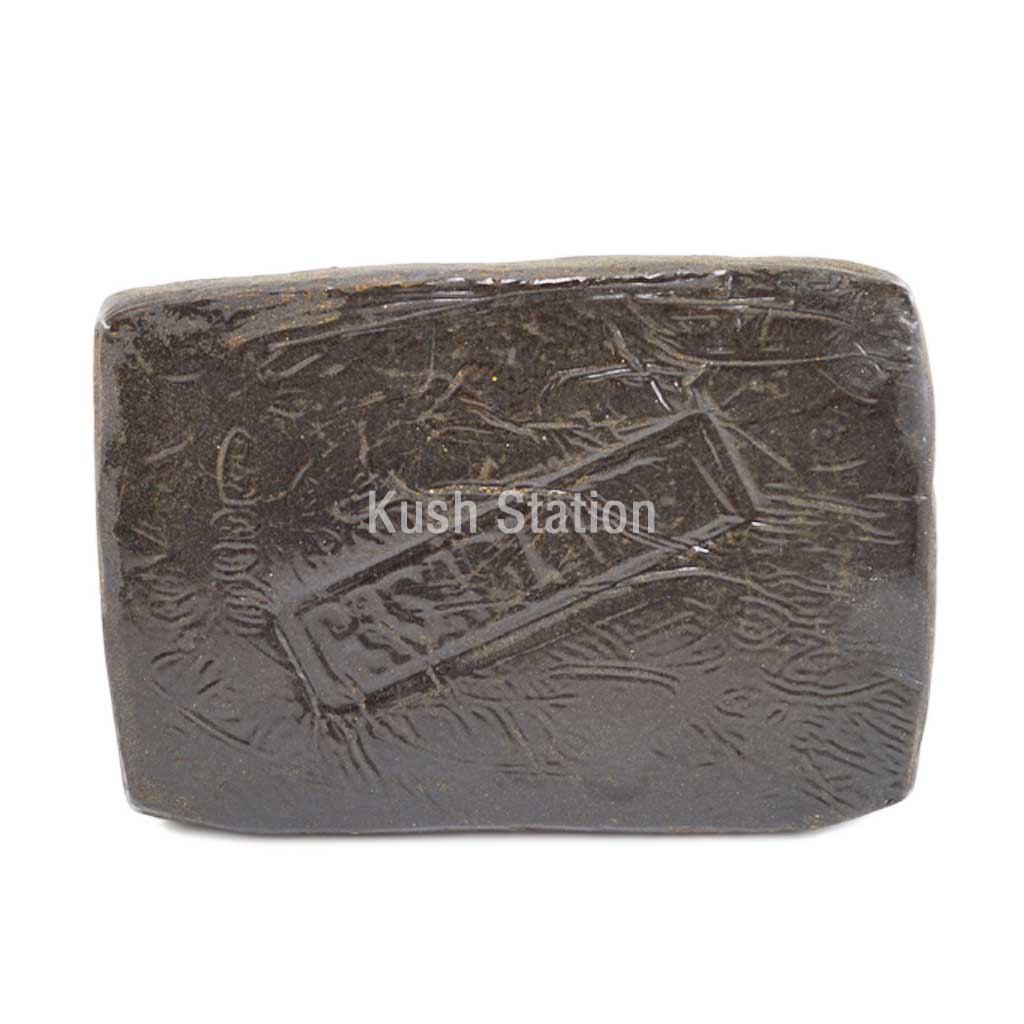
Moroccan Casablanca Hash is a traditional-style hash made in the classic Moroccan way, a country with one of the world’s oldest hash-making traditions. Moroccan hash is known for its lighter, softer texture that crumbles easily, and this one offers an earthy flavour with warm spice and a gentle sweetness. Crumble it over a bowl, add it to a joint, or enjoy it on its own. Because hash is much stronger than regular flower, it’s best suited to experienced users. Follow the guidance on the packaging. It comes in discreet, airtight packaging to keep it fresh. Store in a cool, dark place, away from children and pets. For adults only.
Shopping for hash online can feel like decoding a menu written in three kinds of shorthand. “Hash Morrocan Casablanca” is one name you might encounter, but it doesn’t automatically identify a specific cultivar, recipe, potency, or producer. The spelling is often used informally: Casablanca is a Moroccan city, while traditional Moroccan hash is associated with regions such as the Rif Mountains. That distinction matters when you’re comparing products or checking a label.
This guide explains what the name may mean, what to look for in lab results and packaging, and how the experience can differ from other hash types. It’s written for adults in Canada who want practical information before buying, but it can’t verify any particular product or make medical claims. Cannabis laws and minimum ages vary by province and territory. Buy only through legal channels, and remember: legal-age adults only.
Key Takeaways
- Hash Morrocan Casablanca refers to a Moroccan-inspired style of hash and does not guarantee origin, potency, or quality, so always verify product details and producer information.
- Potency varies widely; check lab-tested THC and CBD levels on packaging rather than relying on appearance or style names like ‘Casablanca’.
- Buy hash from authorized Canadian provincial or territorial retailers to ensure product legality, safety, and traceability.
- Start with a very small amount and wait to feel effects before using more, as hash concentrates can be much stronger than cannabis flower.
- Store hash in its original, sealed packaging in a cool, dark, and dry place away from children and pets to preserve potency and prevent contamination.
- Do not consume ordinary hash as an edible unless it is specifically labelled and prepared for that purpose; follow package directions carefully.
What Is Hash Morrocan Casablanca?
“Hash Morrocan Casablanca” is best treated as a product or style name, not a standardized cannabis category. It may refer to Moroccan-style hash marketed under the Casablanca name, but the words alone don’t confirm where the cannabis was grown, how the hash was made, or what’s in it. Look for a producer, lot number, ingredient or process description, and current test information.
Traditional hash is made by separating resin glands (trichomes) from cannabis and pressing the collected material into a concentrated form. Moroccan products are often associated with dry-sift methods, though modern producers may use different techniques. Texture, colour, aroma, and strength can vary considerably from batch to batch. A familiar name is not a substitute for product details or a certificate of analysis.
Casablanca Naming, Moroccan Origins, and Hash-Making Traditions
Casablanca is a major Moroccan city, but that doesn’t mean a product bearing its name was made there. Moroccan hash traditions are often linked with cannabis cultivation in the Rif region and with sieving dried plant material to collect resin. Contemporary legal-market hash can be made and sold elsewhere, using traditional-inspired or newer methods.
Think of the name as a clue to the style a seller wants to evoke, not proof of origin. If provenance matters to you, check the licensed producer’s label and product information. A vague “authentic Moroccan” claim without traceable sourcing deserves a pause.
Hash Morrocan Casablanca Potency, THC, and CBD
Hash is concentrated cannabis, so it can contain more THC per gram than dried flower, but there is no dependable THC figure attached to the name “Hash Morrocan Casablanca.” Potency depends on the starting material, separation and pressing process, storage, and the individual batch. Don’t assume that dark, soft, or strong-smelling hash is necessarily more potent.
Read the THC and CBD values on the package, including whether they’re stated per gram or for the whole package. For comparison, a 1-gram product listed at 40% THC contains a stated 400 mg of THC in that gram: that is not a suggested dose, and it doesn’t mean all of it will be absorbed when consumed. Methods of use change how much reaches your body.
How Lab Results, Batch Quality, and Extraction Methods Affect Strength
In Canada’s legal market, buy from authorized provincial or territorial retailers and check the regulated label for cannabinoid information and required warnings. Where a producer provides batch-specific test results, verify that the lot number matches the package. Testing can help confirm cannabinoid levels and screen for specified contaminants, but it isn’t a promise of identical effects for every person.
Dry-sift, bubble hash, and solvent-based extracts are made differently: the process influences texture, aroma, and composition. A product described simply as “Moroccan” may not disclose its method. If strength matters to you, use verified batch information rather than a strain-style name, star rating, or seller’s adjective.
Appearance, Texture, Aroma, and Flavor Profile
Moroccan-style hash is often described as tan, brown, or dark brown, with texture ranging from firm and crumbly to pliable. Those are broad descriptions, not authenticity tests. Heat, age, handling, and the production method can all change how a piece looks and feels. A glossy surface, for instance, doesn’t by itself prove quality, or contamination.
Aroma may include earthy, herbal, woody, spicy, or citrus-like notes, depending on the plant material and its terpenes. Some batches smell sharper: others are subdued. If an online listing provides no aroma, texture, or production details, that’s a limitation rather than a puzzle you need to solve from a product photo.
When you receive legal-market hash, compare it with the package description. Avoid using it if you notice visible mould, unexpected foreign material, or an unusual chemical or musty odour. Don’t taste or handle unknown products to identify them. Contact the retailer or producer with the lot number and ask about its quality process.
Expected Effects and Experience
People’s responses to hash vary with THC content, amount used, route of consumption, tolerance, mood, and surroundings. Some adult consumers report relaxation, a shift in sensory perception, or a heavier-feeling experience: others may feel anxious, dizzy, sleepy, or uncomfortable. These are reported experiences, not guaranteed outcomes or medical benefits.
If you’re new to concentrates, don’t treat a small-looking piece as a small dose. Hash can be more concentrated than flower, and it’s easy to use more than intended when the product isn’t portioned. Avoid combining cannabis with alcohol or other intoxicating substances. Plan a calm setting and don’t drive, cycle, or operate equipment while impaired.
Onset, Duration, Potential Benefits, and Common Side Effects
Inhaled cannabis may be felt within minutes, while edible cannabis can take much longer to start and can last longer. Hash itself isn’t an edible unless it has been prepared and sold as one: don’t assume ordinary hash can be eaten for a predictable effect. Follow the package directions for the product format you purchased.
Possible unwanted effects include dry mouth, red eyes, impaired coordination, faster heartbeat, anxiety, or confusion. If someone feels unwell, stop using cannabis, stay somewhere safe, and seek medical assistance for severe or concerning symptoms. Keep products away from children and pets.
How to Use Moroccan Hash Responsibly
Start by reading the package, checking the THC per gram, and deciding in advance how you’ll avoid using more than planned. If you choose to consume, use a very small amount, wait, and assess how you feel before considering more. There is no universal “safe dose”: a beginner and a regular concentrate user can react very differently to the same amount.
Hash is commonly heated for inhalation, but the right equipment and instructions depend on the product. Follow manufacturer directions and local rules. Avoid improvised methods that could cause burns or expose you to harmful materials. If smoke irritates you, don’t force it: consider whether cannabis is right for you, and ask a qualified health professional about personal concerns.
Low-Dose Guidance, Tolerance, and Safer Consumption Practices
For someone without much experience, the practical move is to begin with less than you think you need and give inhaled cannabis time to take effect before using more. With edible products, follow the labelled serving and wait the full recommended interval: taking another serving too soon is a common way to have an unpleasant evening.
Tolerance can change with frequent use, but increasing your amount to chase a familiar effect can raise the chance of impairment and unwanted reactions. Consider taking a break rather than escalating. Don’t use cannabis if you’re pregnant or breastfeeding, and don’t drive while impaired. Keep hash in its original child-resistant packaging, locked away from minors and pets.
Hash Morrocan Casablanca Compared With Afghan, Blonde, Gold, and Rosin Hash
Names such as “Afghan,” “blonde,” and “gold” usually describe a style, appearance, or marketing category, not a uniform standard. Rosin is different: it refers to a solventless extract made with heat and pressure, rather than a single regional hash tradition. Products within each label can still vary in ingredients, strength, and quality.
| Label | What the name may suggest | What to verify |
| Moroccan / Casablanca | Moroccan-inspired or dry-sift-style hash | Producer, origin claim, method, batch results |
| Afghan | A style associated with pressed hash | Actual ingredients and manufacturing details |
| Blonde / gold | A lighter-looking product or marketed style | Whether colour reflects the listed process and batch |
| Rosin | Heat-and-pressure extraction without added solvent in the process | Product type, cannabinoid results, and ingredients |
Use this as a shopping vocabulary guide, not a quality ranking. If two listings share a label but differ in THC, producer, or process, they may feel and perform quite differently. Compare regulated package information and price per gram, not just the name or colour.
How to Identify Fresh, Authentic, and Contaminant-Free Hash
No photo, smell, or “handmade” claim can prove that hash is authentic or contaminant-free. For Canadian buyers, the strongest starting point is a legal, provincially or territorially authorized retailer. Check that the product is sealed, labelled, and traceable to a licensed source. Confirm the lot or batch details when available, and contact the retailer if the packaging is damaged or information is missing.
Freshness is not always printed as a simple “made on” date, so look for packaging and lot dates where provided, storage guidance, and a retailer that can answer basic questions. A very low price is not proof of a problem, but unusually vague listings, unsupported potency claims, or pressure to buy outside a legal channel should make you cautious.
Avoid hash with visible mould, foreign particles, damaged packaging, or an unexplained chemical smell. Don’t try to “clean” questionable material or rely on a home flame test: such checks cannot establish safety. Set the product aside and report the issue to the retailer. In a legal market, a clear complaint process is part of what you’re paying for.
Storage Tips to Preserve Potency, Texture, and Terpenes
Heat, light, air, and moisture can all affect cannabis products over time. Keep hash in its original packaging when possible, tightly closed and stored in a cool, dark, dry place. A locked cupboard or storage box is more practical than a sunny windowsill, and it helps keep the product away from children and pets.
Avoid leaving hash in a hot car, near a radiator, or in a damp bathroom. Don’t repeatedly open the package just to check the aroma: each exposure adds air and handling. If your product needs specific storage conditions, follow the label rather than improvising with a freezer or household container.
Keep the package and its lot information together. If texture or smell changes noticeably, or you see mould or contamination, don’t consume it. Storage can slow deterioration, but it cannot make an old or compromised product safe again.
Where to Buy Hash Morrocan Casablanca Legally
For Canadian adults, the legal route is a retailer authorized by your province or territory, not an unlicensed website, social-media seller, or private message promising “discreet” delivery. Rules, retailer options, age requirements, and online purchasing arrangements differ across the country. Check your provincial or territorial cannabis regulator’s current guidance before ordering, especially if you’re travelling or receiving a parcel in another jurisdiction.
Online availability changes, and “Casablanca” may not be a consistent listing across retailers. Search by producer and product details as well as the style name. Compare package size, THC and CBD, ingredients, shipping terms, and the retailer’s return or issue-resolution policy. Free-shipping thresholds and loyalty points are nice extras: they don’t compensate for unclear labelling.
Age Verification, Lab Testing, Packaging, Pricing, and Delivery Checks
Before checkout, confirm the retailer is authorized and that you meet the legal age where you live: generally 19+, 18+ in Alberta, and 21+ in Quebec, subject to current provincial rules. Expect age checks at purchase or delivery. Review legal packaging, cannabinoid information, warnings, and any batch details provided by the producer.
Check the final price, shipping fees, delivery restrictions, and whether an adult must receive the parcel. Legal retailers use compliant packaging: don’t assume every service offers a particular shipping method or delivery speed. If a seller claims unusually high THC, guaranteed effects, or medical outcomes without reliable product information, move on. A legitimate shop should answer straightforward questions without making you feel rushed.
Frequently Asked Questions About Hash Morrocan Casablanca
Is Hash Morrocan Casablanca a specific strain?
Not necessarily. The name does not establish a specific cannabis cultivar or standardized recipe. Check the producer and product label for the actual details.
Does “Casablanca” prove the hash is from Morocco?
No. Casablanca is a Moroccan city, but a product name alone doesn’t prove where the cannabis was grown or the hash was made. Look for documented sourcing from a traceable producer.
Is Moroccan hash stronger than flower?
It can have more THC per gram because hash is concentrated resin, but potency varies by batch. Compare labelled cannabinoid information rather than assuming every hash is stronger than every flower product.
Can I eat ordinary hash?
Don’t assume so. Ordinary hash is not necessarily prepared or labelled as an edible, and eating it may not produce a predictable effect. Use only products specifically sold and labelled for that route, following their directions.
How should a beginner choose a product?
Choose a legal, clearly labelled product with a traceable producer and readable THC and CBD information. If you’re inexperienced, avoid guessing at a concentrate dose: start very low if you choose to use cannabis, and wait before considering more.
Final takeaway
“Hash Morrocan Casablanca” can point to a Moroccan-inspired style, but the label isn’t a guarantee of origin, potency, or quality. For a more confident purchase, verify the legal retailer, compare the batch information, and store the product securely. Take your time, there’s no prize for figuring out a concentrate in one evening.
Only logged in customers who have purchased this product may leave a review.
Related products
Concentrates
Concentrates
Reviews
There are no reviews yet.