
Blog 2026
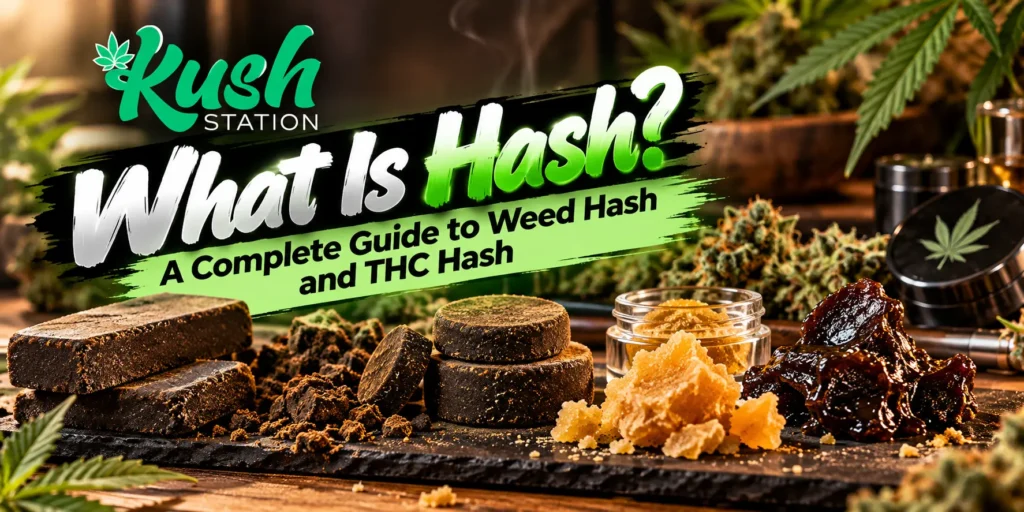
What Is Hash? A Complete Guide to Weed Hash and THC Hash
Oct
Hash is one of the oldest cannabis products in the world, and one of the most misunderstood. Some people think it is a different drug. Others assume it is just another word for weed, or that it is the Hash same thing as the oils and extracts on the concentrates shelf. In reality, hash sits in a category of its own, with a long history, a distinctive flavour and a loyal following.
If you have been wondering what hash is, how it differs from flower and concentrates, and whether it is right for you, this guide covers it. We explain how weed hash is made, the main types you will see on a menu, how strong it is, how people use it, and how to buy it with confidence.
A note before we begin. Hash is stronger than most flower, so it is best suited to adults with some cannabis experience. Everything here is general information, not medical advice, and effects vary from person to person.
What Is Hash?
Hash, short for hashish, is a cannabis product made by collecting and compressing the plant’s resin glands, called trichomes. Those tiny, sticky, crystal-like glands cover the buds and nearby leaves, and they hold most of the plant’s THC and terpenes. When you separate them from the plant and press them together, you get hash.
In simple terms: flower is the whole bud, and hash is the concentrated resin pulled from it. Because the resin is the most potent part of the plant, hash is generally stronger than flower, though usually less intense than modern extracts such as shatter or live resin.
You may see hash called weed hash, THC hash, hashish, charas or simply “hash.” On a menu, it usually appears as a block, slab, ball or crumbly mass, ranging from soft and pliable to firm and dry.
A Short History of Hash
Hash has been made for centuries, and the earliest traditions come from the regions that gave us some of the most famous cannabis strains.
Central and South Asia. Hand-rubbed hash, often called charas, has a long history in regions including Nepal, India and Afghanistan, where resin is rubbed from live plants by hand.
The Middle East and North Africa. Lebanon, Morocco and neighbouring countries have centuries of tradition in producing sifted and pressed hash.
Europe. Hash became widely available in Europe in the 20th century and remains a staple in many places.
Today, craft makers around the world continue these traditions, while newer methods like ice-water extraction have created a modern generation of premium hash.
How Hash Is Made
The core idea is always the same: separate the trichomes from the plant and collect them. The method determines the type of hash.
Dry sift and kief
Kief is the loose, powdery collection of trichomes you find at the bottom of a grinder. In larger-scale production, dried cannabis is gently agitated over fine mesh screens, and the trichomes fall through and are collected. This is called dry sift. It can be used loose, or pressed into a block, in which case it becomes hash.
Hand-rubbed hash
In the traditional method, sometimes called charas, resin is rubbed from live plants by hand and rolled into a ball or stick. It is a labour-intensive process that produces a soft, aromatic, sticky hash.
Bubble hash (ice-water hash)
Bubble hash uses ice, cold water and agitation to make the trichomes brittle and break them off the plant. The mixture is poured through a series of fine mesh bags with different micron sizes. The finest bags collect the cleanest, most potent resin. The result is a fluffy, sandy powder that can be dried and pressed.
Bubble hash is graded by the number of “stars” or by micron size, with higher grades indicating cleaner, more resin-rich material.
Pressed hash
Once resin has been collected, whether by sifting, hand rubbing or ice water, it can be pressed under heat and pressure into a solid block or slab. Pressing helps the material hold together and makes it easier to store, transport and portion.
Hash rosin
Hash rosin is a premium product made by pressing bubble hash between heated plates, which squeezes out the resin as a sticky, sap-like extract. It sits somewhere between hash and a concentrate, and fans love it for flavour.
Types of Hash Explained
| Type | Texture | Appearance | Flavour | Strength |
| Dry sift hash | Powdery to crumbly | Tan to golden | Earthy, mild | Moderate to strong |
| Bubble hash | Sandy, fluffy to soft | Light tan to golden | Clean, aromatic | Strong |
| Hand-rubbed (charas) | Soft, sticky, pliable | Dark brown to black | Rich, resinous | Strong |
| Pressed hash | Firm, dense | Brown, green or black | Earthy, spicy | Moderate to strong |
| Moroccan hash | Dry to crumbly | Brown to olive | Earthy, sweet | Moderate |
| Lebanese hash | Soft to firm | Blond (golden) or red | Sweet, spicy | Moderate to strong |
| Afghan hash | Dense, oily | Dark brown to black | Heavy, earthy | Strong |
| Hash rosin | Sticky, sap-like | Golden | Intense, fruity | Very strong |
Descriptions are general. Individual batches differ widely, so read the product page and lab results.
How Strong Is Hash?
THC levels in hash vary widely depending on the method and the quality of the starting material. As a general guide:
Flower: roughly 15% to 28% THC.
Hash: roughly 20% to 60% THC, with some premium bubble hash and hash rosin going higher.
Concentrates: often 60% to 90% or more.
That means hash typically sits between flower and concentrates. A small piece of hash can easily be as strong as a similar amount of top-shelf flower, and some can be considerably stronger. Because hash is dense, you also tend to use less of it.
Why hash feels different
Many people describe the hash experience as rounder, heavier and more full-bodied than flower, with a Sativa vs Indica distinctive earthy, sweet and spicy flavour. That comes from its concentrated resin and terpene content. It is a matter of taste, but hash fans often say it feels like a more traditional, old-school way to enjoy cannabis.
Hash vs Weed Concentrates vs Flower
| Feature | Flower | Hash | Concentrates |
| What it is | Dried cannabis buds | Compressed resin glands | Extracted resin (shatter, wax, live resin, etc.) |
| How it is made | Grown, dried and cured | Sifted, rubbed or ice-water separated, then pressed | Solvent or solventless extraction |
| Typical THC | 15-28% | 20-60% | 60-90%+ |
| Flavour | Varies by strain | Earthy, rich, spicy | Often intense and varied |
| Best for | Beginners and everyday use | Flavour fans and mid-strength seekers | Experienced consumers |
If you want to dive deeper into the extract side of the menu, see our guide to weed concentrates. [Link to your concentrates article here.]
What is the difference between hash and hash oil?
This is a very common point of confusion. Hash is made from the plant’s resin, which is physically separated and pressed. Hash oil is a liquid extract made using solvents, and it is typically far stronger. The words sound similar, but they describe different products. On a menu, hash oil will usually be listed among the concentrates.
What is the difference between hash and kief?
Kief is loose trichome powder. Hash is what you get when kief or other resin is pressed together into a block. Kief can be used on its own, and it is also the starting material for many types of hash.
How to Use Hash
Hash is versatile, and there is no single correct way to use it. Here are the most common methods.
| Method | How it works | Good to know |
| In a joint or spliff | Crumbled or softened hash is sprinkled into a joint with flower | A simple way to add strength and flavour |
| In a bowl or pipe | A small piece is placed on top of or mixed into flower | Keep it on top so it does not fall through |
| In a vaporizer | Hash is heated in a device made for concentrates or dry herb | Lower temperatures preserve flavour |
| In a dab rig | Bubble hash or hash rosin is vaporized on a heated surface | Very strong; best for experienced users |
| In edibles | Hash is decarboxylated, then added to a fat-based recipe | Edible effects are slow and can be very strong |
Tips for preparing hash
Warm it first. Soft hash can be crumbled with your fingers or warmed briefly in your hands, while firm hash may need to be broken apart with a clean tool.
Use a little. A piece the size of a grain of rice or a small pea is plenty for most people.
Mix with flower. Hash on its own can burn unevenly, so combining it with flower helps it burn smoothly.
Use proper tools. A clean grinder, a screen for your pipe and a dedicated vaporizer all make for a better experience.
A note about cooking with hash
Like flower, hash must be decarboxylated, which means gently heated, before it activates in edibles. Edible effects can be very strong and slow to arrive, so if you try a hash recipe, start with a very small dose and wait at least two hours before taking more. For more on edible dosing, see our THC edibles guide. [Link to your edibles article here.]
A First-Timer’s Guide to Hash
If you are ready to try hash for the first time, this checklist keeps the experience pleasant.
Have some cannabis experience first. Hash is stronger than most flower, so it suits people who already know how they react to cannabis.
Start tiny. Use a small amount, around the size of a grain of rice. You can always add more.
Mix it with flower. Blending a little hash with a familiar flower is an easy, gentle way to try it.
Wait before taking more. Give it at least 10 to 15 minutes before deciding whether you want more.
Choose your setting. Pick a comfortable place with water and snacks and nothing important to do.
Do not drive or operate machinery. Cannabis impairs judgement, reaction time and coordination.
Skip the alcohol. Combining the two makes the experience harder to predict.
Keep notes. Record the type, the amount and how you felt.
How to Choose Good Hash
Quality varies a lot. Here is what to check before you buy.
| What to check | What to look for | Red flag |
| Product description | Clear type (bubble, dry sift, pressed, etc.) and origin | Vague or missing details |
| Lab results | Potency and contaminant testing | No testing information |
| Appearance | Even colour and texture that match the type | Mould, dampness or odd smells |
| Aroma | Rich, earthy, sweet or spicy | Musty, chemical or stale smell |
| Packaging | Sealed, labelled and fresh | Open, damaged or unlabelled |
| Reviews | Real customer feedback on flavour and strength | No reviews or obviously fake ones |
Signs of good hash
Good hash smells aromatic and clean. Depending on the type, it should be pliable or crumbly, evenly coloured and free from anything that looks like mould, grit or foreign material. Softer hash should warm and soften when you hold it. Quality hash burns or vaporizes evenly and tastes full and rounded rather than harsh.
How to store hash
Store hash in an airtight container in a cool, dark place. Heat can make it sticky or oily, and air can dry it out. Many people wrap it in parchment or place it in a small sealed jar. Keep it in its original packaging and well out of reach of children and pets.
Is Hash Legal in Canada?
Adults of legal age can buy and possess cannabis in Canada, but the specific rules for products like hash depend on how they are classified and regulated by your province or territory. Some key points:
Age limits. The minimum age is 19 in most places, 18 in Alberta and 21 in Quebec.
Possession limits. Adults can generally carry up to 30 grams of dried cannabis, or its equivalent, in public. Concentrated products count as larger equivalents, so check how hash is counted where you live.
Provincial rules. Retail, delivery and consumption rules vary by province.
Borders. Do not travel internationally with cannabis. It remains illegal to take it across the Canadian border in either direction.
Laws change, so always check your provincial government’s website for current rules. Kush Station is committed to operating responsibly and serving only customers of legal age. [Add your licensing and compliance details here.]
Buying Hash Online in Canada
Ordering hash online gives you access to a wider range than many local shops stock, with detailed descriptions and customer reviews to help you choose. Here is how it typically works.
Confirm your age. Reputable stores verify that you are of legal age before you can browse or buy.
Browse the menu. Look in the hash or concentrates category and filter by type, price or THC content.
Read the product details. Check the type of hash, the THC level and any lab information.
Check out. Choose your quantity, enter your delivery address and pay. [Add your accepted payment methods here.]
Receive your order. Packaging is discreet, and you may be asked for ID on delivery. [Add your delivery areas, typical timeframes and any free-shipping threshold here.]
How to spot a trustworthy store
| What to check | What a good store does | Red flag |
| Age verification | Verifies your age and is open about compliance | No age check |
| Product information | Accurate type, potency and photos | Vague or missing details |
| Secure checkout | HTTPS and reputable payment options | Unsecured pages |
| Reviews and support | Real feedback and responsive help | No contact details |
| Quality | Proper storage and fresh, well-packaged products | Stale or poorly packaged products |
At Kush Station, we aim to meet each of these standards. [Add what makes Kush Station different: selection size, sourcing, customer service, loyalty rewards, guarantees and so on.] Browse the current range on our hash menu. [Link to your hash category page here.]
Frequently Asked Questions
What is hash made of?
Hash is made from the resin glands (trichomes) of the cannabis plant, which are collected and usually pressed together. It contains the plant’s most potent compounds.
Is hash stronger than weed?
Generally, yes. Hash is made from concentrated resin, so it usually contains more THC than regular flower, though it is typically less potent than extracts such as shatter or live resin.
What is the difference between weed concentrates and hash?
Both are concentrated forms of cannabis. Hash is made by collecting and pressing the plant’s resin glands, while concentrates such as shatter, wax and live resin are typically made through extraction methods. Both are far stronger than regular flower.
What is the difference between hash and kief?
Kief is the loose, powdery collection of trichomes. Hash is made by pressing kief or other resin into a solid piece.
Is hash the same as hash oil?
No. Hash is made by physically separating and pressing resin. Hash oil is a liquid extract, usually made with solvents, and is typically much stronger.
How do I smoke hash?
Most people crumble a small amount into a joint, bowl or pipe with flower, or use a vaporizer made for concentrates. Start with a very small amount.
How long does hash last?
Stored in an airtight container in a cool, dark place, hash can stay fresh for months. It may dry out or lose aroma over time.
Can I order if I am under 19?
No. You must be of legal age in your province or territory to buy cannabis. That is 19 in most places, 18 in Alberta and 21 in Quebec.
Can I travel with hash I bought online?
Not across the Canadian border. Within Canada, check the rules for your province or territory, and keep products in their original packaging.
Final Thoughts: A Classic Worth Knowing
Hash is cannabis in its most traditional concentrated form. It has a long history, a distinctive flavour and a strength that sits comfortably between flower and modern extracts. Once you know the difference between dry sift, bubble hash and pressed hash, and between hash, kief and hash oil, you can shop with confidence and find the style that suits you.