
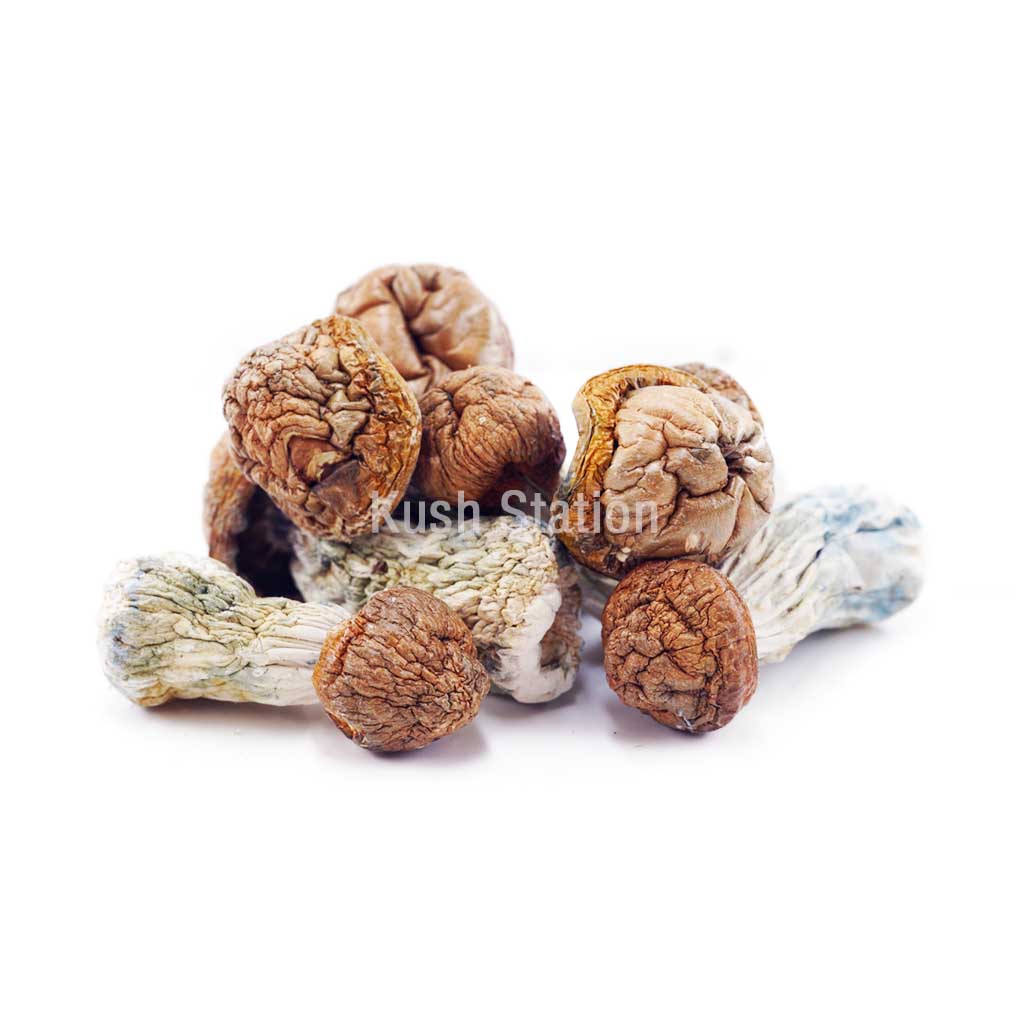
Mushrooms – Tidal Wave
Price range: $5.00 through $600.00 As low as $1.34 per gram
Tidal Wave mushrooms bring together two well-known lines, the easygoing B+ and the famous Penis Envy, in one modern strain. The result is a mushroom with thick, sturdy stems, dense caps and a strong following among experienced users. Every batch is carefully dried, inspected for quality and sealed in discreet, airtight packaging to stay fresh. Store in a cool, dry, dark place, away from children and pets. For adults only.
If you’ve come across the name “Tidal Wave” while reading about magic mushrooms, you may be wondering whether it describes a reliable strain, or just a memorable label. The short answer: it’s a name used for a variety of Psilocybe cubensis, but names and reported potency don’t guarantee what’s in any particular sample. That uncertainty matters, especially because psilocybin can produce intense, unpredictable effects and may be illegal to possess in Canada outside authorized settings.
This guide explains what people mean by Tidal Wave mushrooms, how the variety is commonly described, and what risks deserve attention. It’s educational information, not medical advice or encouragement to use psilocybin. Cannabis products and psilocybin are different substances, with different legal rules and effects. Any drug use carries risks: products are for adults of legal age only, and legal age rules vary by province and territory.
Key Takeaways
- Tidal Wave mushrooms are an informal variety of Psilocybe cubensis with no guaranteed potency or consistent genetic lineage, making exact effects unpredictable.
- The name Tidal Wave often implies a hybrid of Penis Envy and B+ strains, but variations in growth conditions and genetics cause significant differences between samples.
- Visual identification alone is unreliable for confirming Tidal Wave mushrooms or their safety due to similarities with other species and variable physical traits.
- Psilocybin effects vary widely in intensity and experience; high potency claims require caution, as individual reactions depend on multiple personal and environmental factors.
- Using Tidal Wave mushrooms carries risks including psychological distress and impaired judgment, and combining them with other substances like cannabis can heighten unpredictability.
- In Canada, psilocybin mushrooms, including those labeled Tidal Wave, are generally illegal without specific authorization, separate from cannabis regulations.
What Are Tidal Wave Mushrooms?
Tidal Wave is a commonly used name for a variety of Psilocybe cubensis, a mushroom species containing the psychoactive compounds psilocybin and psilocin. People typically use the name to refer to a cultivated line said to have ties to Penis Envy and B+ varieties. In practice, though, mushroom names aren’t regulated labels with a consistent testing standard behind them.
That means two samples called Tidal Wave may differ in appearance, chemical content, and effects. A name alone can’t tell you how strong a mushroom is or confirm its identity. Online descriptions and informal reports are best treated as claims, not guarantees.
Psilocybin affects perception, mood, and thinking. The intensity and character of those effects can vary considerably, and some experiences are distressing. This article focuses on general information and risk awareness, not on sourcing, cultivating, or dosing mushrooms.
Mushrooms Tidal Wave Genetics and Origins
Tidal Wave is generally described in enthusiast communities as a hybrid of Penis Envy and B+, both names associated with P. cubensis. The variety is often credited to cultivators who crossed or selected traits from those lines. But, widely repeated origin stories are not the same as a documented scientific pedigree.
Unlike a registered crop variety with traceable seed records, informal mushroom lines may be renamed, crossed again, or circulated without independent genetic verification. So the label can tell you what a seller or grower claims, but not necessarily the full lineage or chemistry. Even mushrooms from the same named line can develop differently under different conditions.
For readers used to cannabis menus listing a strain, THC percentage, and terpene profile, the comparison has limits. Psilocybin mushroom labels generally don’t come with standardized potency testing, and a familiar name is no substitute for reliable analysis.
How Tidal Wave Relates to Penis Envy and B+ Genetics
The usual account describes Tidal Wave as combining Penis Envy traits with B+ genetics. Penis Envy is known in mushroom circles for its distinctive shape and reputation for high potency: B+ is another widely circulated P. cubensis variety. Tidal Wave is sometimes presented as an attempt to combine characteristics associated with both.
That story is useful context, not proof that every Tidal Wave-labelled sample has the same ancestry. Informal breeding and naming practices make lineages hard to verify. Also, inheritance doesn’t work like a simple recipe: a named cross won’t reliably produce the same appearance or potency every time. Think of the name as a cultural or trade label, not a laboratory-confirmed identity.
How Potent Are Tidal Wave Mushrooms?
Tidal Wave is often described in online accounts as potent, sometimes compared with Penis Envy. Those claims should be treated cautiously. There is no dependable potency figure that applies to all mushrooms sold or discussed under this name, and potency claims are not a substitute for laboratory results.
Psilocybin concentration can differ between individual mushrooms, even within one batch. Drying, storage, age, and the way a sample is handled may also affect its composition. Without validated testing, you can’t reliably infer strength from the variety name, size, colour, or appearance.
That uncertainty makes confident comparisons difficult. A report that one person had a strong experience doesn’t predict what another person will feel. Health history, mood, surroundings, other substances, and individual sensitivity can all play a part. The practical takeaway is simple: a label such as “high potency” is a warning to take uncertainty seriously, not a measurable promise.
Why Potency Can Vary Between Samples
Mushrooms are biological material, not uniform tablets. Chemical content may vary by genetics, growing conditions, and even from one part of a mushroom to another. After harvest, drying and storage can introduce further variation. Moisture also affects how heavy a sample is, which can make comparisons by weight misleading.
There’s another wrinkle: the same informal name can refer to different cultivated lines. A seller’s description may not be independently verified, and visual inspection can’t reveal psilocybin concentration. Without appropriate analytical testing, potency is unknown.
This is why internet anecdotes and strain charts can create false confidence. They may describe someone’s experience with one sample, but they can’t establish what another sample contains. If someone has taken a substance and develops severe symptoms, seek urgent medical help rather than relying on a strain label to judge the situation.
Tidal Wave Mushroom Appearance and Identification
Tidal Wave mushrooms are typically described as P. cubensis with a cap and stem, but descriptions vary. Some accounts mention thicker stems, rounded caps, or blue bruising after handling. Those traits aren’t exclusive to Tidal Wave, and they can differ with age and growing conditions.
The bigger safety point is that appearance is not a dependable way to identify a mushroom. Many mushroom species can look alike to an untrained observer, and misidentification can lead to poisoning. A photograph, online forum, or seller’s label can’t provide the certainty of expert identification. Don’t eat a wild mushroom based on appearance or a social-media ID.
Common Physical Characteristics
Descriptions of Tidal Wave often mention pale-to-brown caps, sturdy stems, and blue staining where tissue is bruised. But none of these features is a definitive marker. Cap colour changes with maturity and moisture: stems vary in thickness: and blue staining can occur in multiple psilocybin-containing mushrooms. It does not tell you the species, safety, or potency.
The name may also be applied to samples with noticeably different shapes. That doesn’t automatically mean one is authentic and another is not, it may reflect variation or inconsistent naming. If you’re looking at a photo to decide whether a mushroom is safe, stop there. Visual resemblance is not a safe identification method.
Why Visual Identification Is Not Definitive
Mushroom identification can require multiple features, local expertise, and sometimes microscopic or chemical analysis. Lighting, camera quality, damaged specimens, and a mushroom’s life stage can all muddy the picture. Several toxic species resemble edible or psychoactive mushrooms, and a wrong guess can have serious consequences.
Blue bruising is especially easy to overinterpret. It may be discussed as a clue in some contexts, but it is not a stand-alone test for psilocybin or proof that a mushroom is safe. Nor can a photo establish how potent a specimen might be.
If you suspect someone has eaten a poisonous mushroom, contact emergency services or a poison centre promptly. Keep any remaining material or packaging for professionals, if it can be done safely. Don’t wait for symptoms to become severe.
Tidal Wave Mushroom Effects and Timeline
People report a wide range of effects from psilocybin mushrooms: altered perception, changes in mood and thought, and a different sense of time. Some describe euphoria or emotional insight: others experience fear, confusion, panic, or an overwhelming loss of control. No particular effect is guaranteed, and the Tidal Wave name doesn’t predict a specific experience.
Timing is also variable. Effects may take time to become noticeable, can intensify over the course of an experience, and may last for several hours. Factors include the person, the mushroom, and whether other substances were involved. This variability is one reason taking more because “nothing is happening yet” can be risky.
Physical effects can include nausea, dizziness, increased heart rate, or changes in coordination. Impaired judgement can make everyday hazards, driving, cooking, being near water, more dangerous. Don’t drive or operate machinery after using a psychoactive substance.
Potential Psychological and Physical Effects
Reported psychological effects include intensified emotions, unusual sensory experiences, altered thinking, and difficulty distinguishing perception from reality. A difficult experience may involve panic, paranoia, disorientation, or frightening thoughts. Effects can be more concerning for people with a personal or family history of certain mental health conditions, though individual risks vary.
Physical effects may include nausea, vomiting, headache, weakness, changes in heart rate, and poor coordination. Mixing psilocybin with cannabis, alcohol, prescription medicines, or other drugs can make effects less predictable. Cannabis, in particular, can intensify or alter an experience for some people: that doesn’t mean the combination is safe.
Seek urgent help for seizures, loss of consciousness, trouble breathing, chest pain, extreme agitation, dangerous behaviour, or inability to keep someone safe. Stay with the person, avoid giving them more substances, and tell responders what may have been taken. That information helps them provide appropriate care.
Tidal Wave Compared With Penis Envy, Albino Penis Envy, and Enigma
These names describe informal varieties or cultivated forms associated with P. cubensis, not standardized products with guaranteed chemical profiles. Online discussions commonly portray Tidal Wave as related to Penis Envy and as potentially strong. Albino Penis Envy is generally described as a pale form associated with Penis Envy lineage. Enigma is often described as an unusual mutation with a folded or coral-like shape rather than a typical cap-and-stem form.
| Name | Common description | What the name can’t confirm |
| Tidal Wave | Said to have Penis Envy and B+ ties | Lineage or potency of a sample |
| Penis Envy | Distinctive, often thick-stemmed form | A consistent strength level |
| Albino Penis Envy | Pale form associated with Penis Envy | True albinism or chemical content |
| Enigma | Unusual, folded growth form | Identity or potency from a photo |
These are broad community descriptions, not verified rankings. No dependable conclusion about strength follows from the name alone.
Risks, Contraindications, and Signs of a Bad Reaction
Psilocybin can cause acute psychological distress, impaired judgement, and physical discomfort. The chance and severity of harms depend on many factors, and a person may react differently on different occasions. It may be especially risky for someone with a history of psychosis, bipolar disorder, severe anxiety, or certain other health concerns. If you take prescription medication or have a medical condition, ask a qualified health professional about potential risks rather than guessing.
A frightening experience can involve intense panic or confusion. Keep the person away from traffic, heights, water, and other hazards. Don’t leave them alone if they’re disoriented or at risk of injury. Calm, simple reassurance may help, but don’t argue about what they’re perceiving.
Get emergency help for severe or worsening symptoms, including seizures, unconsciousness, difficulty breathing, chest pain, extreme agitation, or thoughts of harming oneself or someone else. If a wild mushroom may have been eaten, treat it as a possible poisoning and contact emergency services or a poison centre. Don’t wait for a named variety to be confirmed.
Safer-Use Considerations for High-Potency Psilocybin Mushrooms
The lowest-risk choice is not to use psilocybin, especially when the source or identity is uncertain. There is no reliable way to make an untested mushroom predictable. Avoid relying on strain names, online strength charts, or appearance as safety checks. Also avoid combining substances: interactions can make effects harder to anticipate.
If someone chooses to use even though the risks, general precautions include not being alone, choosing a calm and physically safe setting, and making sure a sober, trusted person can help. Don’t drive, cycle in traffic, swim, or use machinery. Keep children and pets away from any substance. Avoid use if you’re feeling unwell or emotionally overwhelmed, and seek professional advice about health conditions or medications.
These precautions reduce some immediate hazards: they don’t remove the risks or make use legal. If someone becomes unresponsive, has trouble breathing, experiences a seizure, or may harm themselves, call emergency services. Be honest with responders about what was taken.
Are Tidal Wave Mushrooms Legal?
In Canada, psilocybin is a controlled substance under federal law. Possession, production, and sale are generally illegal unless specifically authorized, such as under applicable exemptions or through a regulated research or therapeutic pathway. A mushroom’s name, a seller’s claims, or an online listing does not make it legal.
This is separate from cannabis law. Legal-age adults can buy cannabis through provincially authorized systems, but that does not authorize buying or possessing psilocybin mushrooms. Rules and access pathways can change, so check current information from Health Canada and your provincial or territorial authorities. Don’t assume that a product shipped from another location, or described as a “microdose”, is lawful.
Frequently Asked Questions About Tidal Wave Mushrooms
The questions below address common search queries, but the answers can’t verify the identity or strength of any particular sample. A label is not a safety guarantee.
Are Tidal Wave mushrooms the strongest magic mushrooms?
No reliable evidence establishes Tidal Wave as the strongest magic mushroom variety. Some online accounts describe it as potent, but reports aren’t a standardized comparison, and samples can vary substantially. The same is true of claims about Penis Envy, Albino Penis Envy, or Enigma. Without appropriate testing, a variety name can’t tell you how much psilocybin a sample contains. Treat claims of exceptional strength cautiously, and remember that potency is only one part of the risk.
How can Tidal Wave mushrooms be distinguished from other cubensis varieties?
There’s no definitive visual feature that reliably separates Tidal Wave from other P. cubensis varieties. Descriptions such as thick stems, certain cap shapes, or blue bruising may appear in informal accounts, but these features overlap with other mushrooms and vary naturally. Photographs and seller labels can’t verify lineage or chemical content. Never use appearance alone to decide whether a wild mushroom is safe to eat: misidentification can cause serious poisoning.
Can Tidal Wave mushrooms cause dependence or addiction?
Psilocybin is not generally associated with the same pattern of compulsive use seen with some substances, but that doesn’t mean it’s risk-free or that problematic use is impossible. Someone can experience distress, impaired functioning, or harmful consequences related to use. Psychological effects may also be serious, especially for people with particular health vulnerabilities. If use feels difficult to control or is affecting your life, consider speaking with a health professional or a local substance-use support service. For adults of legal age, the safest decision remains avoiding unregulated psilocybin products.
Only logged in customers who have purchased this product may leave a review.
Related products
Reviews
There are no reviews yet.