
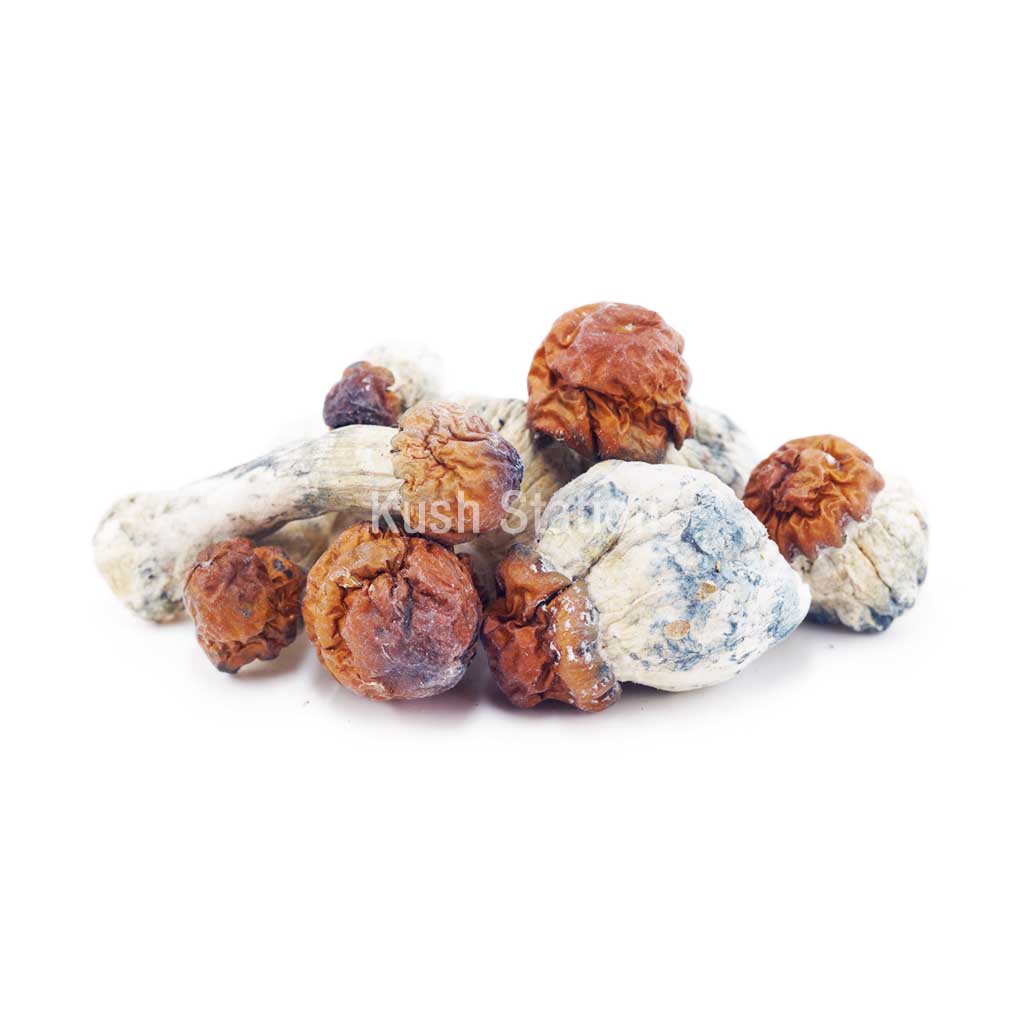
Mushrooms – Texas Yellow Cap
Price range: $5.00 through $600.00 From $1.34 per gram
Texas Yellow Cap mushrooms are a classic American strain from Texas, easy to recognise by their bright, yellow-tinted caps and sturdy stems. They have a balanced, well-loved reputation that makes them a solid pick for both newer and experienced users. Each batch is carefully dried and quality-checked, then sealed in discreet, airtight packaging to lock in freshness. Store in a cool, dry, dark place, away from children and pets. For adults only.
“Texas yellow cap” sounds like a precise mushroom name, perhaps even a familiar strain label if you’ve browsed online listings. But common names aren’t reliable scientific IDs, and a yellow cap alone can’t tell you what a mushroom is, whether it contains psilocybin, or whether it’s safe. That distinction matters whether you’re curious about mushroom terminology, trying to understand a product claim, or simply want to avoid a dangerous mix-up.
This guide explains what the name may refer to, what identification can and can’t establish, and the health and legal issues to know about. It isn’t a mushroom-identification service or advice to use psilocybin. If you’re in Canada and used to seeing cannabis products sold with clear strain and THC labels, keep in mind that an informal mushroom name doesn’t offer the same kind of dependable product information.
Key Takeaways
- “Texas yellow cap” is an informal label, not a reliable scientific name or confirmed identification for any mushroom species.
- Mushroom identification requires examining multiple features and expert input; a yellow cap alone does not determine psilocybin content or safety.
- Photos and product names online cannot confirm mushroom identity, potency, or legality, so don’t rely on them for consumption decisions.
- Psilocybin mushrooms can cause unpredictable psychological effects and pose health risks, especially when identity or contents are uncertain.
- If someone may have ingested an unknown mushroom, contact poison control or emergency services rather than relying on home remedies or assumptions.
- Psilocybin is generally controlled under Texas and Canadian law, subject to limited exceptions. A product name does not guarantee legality or safety.
Mushrooms Texas Yellow Cap: What Does the Name Mean?
“Texas yellow cap” is a common-style label, not a dependable identification by itself. Depending on where you encountered it, it might describe a mushroom with a yellowish cap, name a seller’s product, or serve as an informal nickname. Those possibilities are not interchangeable: the words don’t establish that a mushroom comes from Texas, belongs to a particular species, or contains psilocybin.
People may expect a name on a bag or webpage to work like a cannabis strain name: a shortcut to genetics and expected effects. With mushrooms, informal labels can be even less consistent. Different sellers may use the same name differently, while mushrooms that look alike can belong to unrelated species.
The phrase may also appear in search results or listings without a clear explanation of what it refers to. That lack of definition is itself important: there may be no single specimen, product, or set of characteristics that the label consistently identifies.
The practical takeaway: treat the phrase as a claim to investigate, not proof of identity, potency, safety, or origin. A yellow cap is a colour description, not a green light.
Are Texas Yellow Cap Mushrooms a Recognized Species or Strain?
The phrase “Texas yellow cap” is not, on its own, a formal scientific species name. Nor does it identify a standardized psilocybin strain with a verified genetic profile or predictable potency. In informal markets, sellers may use strain-like names for appearance, reputation, or branding; without reliable documentation, you can’t know exactly what those labels mean.
Scientific identification uses a species name and evidence assessed by qualified specialists. Even then, identifying a specimen may require more than seeing its cap: features can change as it matures, and look-alikes complicate the picture. Claims about where a mushroom was grown or what effects it will have need separate evidence.
It helps to distinguish three different kinds of claims: what a mushroom looks like, what species it belongs to, and what compounds it contains. A common name might suggest the first, but does not establish the second or third. Product potency and contamination questions are separate again.
This is worth remembering if you’re comparing products. A confident-sounding label, polished package, or detailed effects description doesn’t independently verify what’s inside. In Canada, an informal product name also shouldn’t be mistaken for authorization or quality testing by a regulator.
Why Common Mushroom Names Can Be Misleading
Common names shift from region to region. One name can refer to several organisms, and one organism can have several common names. Colour is especially unreliable: lighting, age, moisture, bruising, and image editing can all change how a cap appears.
Foraging guides and mycologists therefore rely on a combination of characteristics and context, not a catchy nickname. A seller’s use of a familiar-sounding name is different again: it may be marketing rather than a taxonomic description.
If you’re looking at a listing, ask what the name actually represents and whether the seller can provide meaningful, independently verifiable information. If the answer is essentially “it looks like one,” that doesn’t resolve identity or risk.
How to Identify Texas Yellow Cap Mushrooms Safely
There isn’t a safe shortcut for identifying a wild mushroom from the phrase “Texas yellow cap.” You can learn which features specialists examine, but using those features to decide whether an unknown mushroom is edible or psychoactive is a high-stakes job, not a beginner’s photo quiz.
If you find an unknown specimen, don’t taste it, prepare it, or assume it’s safe because it resembles a picture. Keep children and pets away. If someone has eaten it, contact poison control or emergency services rather than waiting for symptoms or trying a home identification test.
Identification and safety are different questions. Even if a specimen is correctly identified, that does not establish that it is safe to consume, that its potency is known, or that it is legal to possess. A product label or identification app cannot answer all of these questions.
The next two subsections explain why identification is complicated and why an image or online label cannot settle the question. They’re useful context, not a field key.
Cap, Stem, Gills, Spore Print and Habitat Clues
A trained identifier may consider several features together: the cap’s shape and surface, stem structure, the attachment and colour of the gills, spore-print characteristics, and where and when the mushroom grew. Changes over a mushroom’s life cycle matter too. A young specimen can look quite different from a mature one.
Even this list isn’t enough to identify an unknown mushroom safely on its own. Features can overlap between species, and collecting a spore print doesn’t prove a mushroom is edible or psychoactive. Habitat is a clue, not a guarantee: mushrooms grow in many places, and environmental conditions vary.
If identification is important, consult a qualified local mycologist, extension service, or poison centre as appropriate. Don’t rely on a casual social-media reply. A mushroom can be attractive, familiar-looking, and hazardous all at once.
Why Photos and Online Listings Cannot Confirm Mushroom Identity
Photos leave out important evidence: underside details, scale, texture, smell, growth pattern, and changes over time. Colour balance can turn a tan cap golden, and filters can make the difference worse. A single image also may not show whether the pictured mushroom is even the one being sold or discussed.
Online listings have their own limits. A name and description are claims, not laboratory results. Unless information is independently verified, you can’t infer species, contaminant status, or psilocybin content from packaging or a seller’s effects chart. A test for one compound, if available, doesn’t automatically rule out other hazards.
In short, don’t use a photo, app, forum, or product name to make a foraging decision. When the question is “What did I eat?”, contact poison control or a medical professional and keep any packaging or remaining sample for authorities.
What Effects Can Psilocybin Mushrooms Produce?
Psilocybin is a psychedelic compound. People who use psilocybin mushrooms report changes in perception, mood, thought, and their sense of time. Some describe vivid colours, unusual associations, laughter, or emotional intensity; others experience anxiety, confusion, nausea, or fear. Effects vary widely, and a nickname or claimed “strain” doesn’t reliably predict how someone will feel.
Response can depend on the amount and actual contents, the person’s health and past experiences, other substances, and the setting. Uncertainty about identity or potency adds another layer. This variability is one reason that comparisons with cannabis can mislead: a mushroom product label does not necessarily provide a trustworthy, standardized dose.
Psilocybin can impair judgment and perception. Don’t drive, cycle in traffic, operate machinery, or take responsibility for someone else while affected. The safest choice is not to use an unidentified or unverified mushroom.
Onset, Peak Effects and Typical Duration
When taken by mouth, effects are often reported to begin within roughly 20 to 60 minutes, with the most intense period commonly occurring over the following few hours. The experience may last around four to six hours, though some people feel after-effects, such as tiredness, unsettled emotions, or difficulty sleeping, for longer. These are broad descriptions, not a schedule you can use to predict an individual response.
Food, individual biology, the mushroom’s actual contents, and other substances can all change timing and intensity. A delayed onset can lead someone to assume nothing is happening, take more, and then be caught off guard. That uncertainty is particularly concerning when the identity or strength is unknown.
If someone is intoxicated, keep them in a calm, safe place and don’t let them drive or wander off. Severe distress, loss of consciousness, seizures, breathing problems, or suspected poisoning call for urgent help.
Physical and Psychological Risks
Psilocybin mushrooms can cause unpleasant psychological and physical effects, and unknown wild mushrooms may pose additional poisoning risks. Reported effects include nausea, vomiting, dizziness, increased heart rate, anxiety, and disorientation. Intense experiences can be frightening, especially if a person is alone, already distressed, or in an unsafe environment.
Risk isn’t limited to the person who chose to take something. Impaired judgment can affect driving, caregiving, and decisions around water, heights, or roads. For some people, psychedelic experiences may trigger or worsen mental health symptoms. Individual risk is hard to predict, and a product name cannot screen for it.
There is also a practical risk in not knowing what a mushroom contains. An unexpectedly strong reaction, a dangerous interaction, or poisoning from a misidentified species can require different responses, and a label may not help clinicians assess which is involved. If illness follows ingestion, share what is known with medical responders rather than trying to diagnose the cause at home.
If you’re weighing the risks, be cautious about online testimonials that make a particular label sound gentle or predictable. Personal stories may be sincere, but they don’t establish safety for you or confirm what a product contains.
Bad Trips, Panic, Confusion and Impaired Judgment
A distressing experience can involve panic, paranoia, frightening perceptions, or a sense that time is stretching endlessly. Someone may not recognize familiar people or places, and they may act on a belief that feels completely real to them. That can become dangerous near traffic, balconies, tools, or water.
If you’re supporting someone who’s distressed, speak calmly, reduce noise and bright stimulation, and stay with them if it’s safe to do so. Don’t argue about what they’re seeing or leave them alone to “sleep it off.” Remove immediate hazards and get professional help if they’re difficult to wake, severely agitated, injured, or at risk of harming themselves or someone else.
A friend’s reassurance can help, but it isn’t a substitute for emergency care when symptoms are serious.
Poisonous Look-Alikes, Accidental Ingestion and Overdose Concerns
Some poisonous mushrooms resemble species people seek out. Appearance-based guesses can fail, and cooking, drying, or tasting a small piece does not make an unknown mushroom safe. A mistake may cause severe illness, and symptoms from some toxic mushrooms can be delayed.
“Overdose” can mean different things in this context: an unexpectedly intense psychedelic reaction, a dangerous interaction, or poisoning from a mushroom that wasn’t what someone thought. There is no dependable home test that rules out these possibilities. Don’t induce vomiting or give unverified remedies unless a poison specialist tells you to.
If ingestion may have occurred, call your local poison centre or emergency services promptly, even if the person currently feels fine. Save the packaging, take photos, and keep a sample only if you can do so without touching it unnecessarily. That information may help clinicians assess the risk.
Drug Interactions, Mixing Risks and Who Should Avoid Them
Combining psilocybin with alcohol, cannabis, stimulants, or other drugs can make effects less predictable and increase impairment, anxiety, or physical strain. Mixing substances can also make it harder to tell what is causing a symptom or how urgently help is needed. If you take prescription or over-the-counter medication, don’t assume an online interaction checker can assess the risk for an unknown product.
People with a personal or family history of psychosis or bipolar disorder, significant current mental distress, or certain medical conditions may face added concerns. Pregnancy and breastfeeding also warrant particular caution. This isn’t a complete list, and no one can confirm personal safety from a product label.
Talk with a qualified healthcare professional about medication or health questions; don’t stop a prescribed medicine to try a psychedelic. If you’re already impaired, avoid taking anything else, including cannabis or alcohol, and stay with a sober, trusted person.
What to Do in a Mushroom-Related Emergency
If someone may have eaten an unknown mushroom, has severe symptoms, or is in immediate danger, call emergency services. In Canada, call 911 for an emergency. You can also contact your provincial poison centre for urgent advice: the Canadian Association of Poison Control Centres provides information on reaching poison centres. Don’t wait for symptoms to become severe before seeking guidance.
While help is on the way:
- Keep the person in a safe, quiet place and stay with them.
- Check whether they’re awake and breathing; follow the dispatcher’s instructions.
- Don’t induce vomiting or give food, drink, or medication unless a professional advises it.
- Note when and how much may have been taken, and keep packaging or a sample safely available.
Be honest with responders about anything else the person may have used. Their priority is treatment, not judging you. If the person is unconscious, having seizures, struggling to breathe, or at risk of self-harm, treat it as an emergency. If you’re outside Canada, contact the relevant local emergency number or poison service.
Are Texas Yellow Cap or Psilocybin Mushrooms Legal in Texas?
Texas law is separate from Canadian law, and the word “Texas” in a product name doesn’t establish where it was grown or what rules apply. Psilocybin is generally treated as a controlled substance under US federal law, and Texas also criminalizes psilocybin-related conduct. Laws and penalties can depend on the substance, circumstances, and conduct involved, so a nickname is no guide to legality.
If you’re in Canada, don’t assume that US labels or local rules transfer across the border. Health Canada lists psilocybin and psilocin as controlled substances under the federal Controlled Drugs and Substances Act, subject to limited legal exceptions such as authorized research or specific exemptions. Non-medical retail availability is not equivalent to legal, regulated cannabis sales.
Legal status can depend on the substance and the activity, including possession, sale, or distribution. A seller’s assurances, product packaging, or use of the word “Texas” do not establish that an item is legal. Laws can change, and this is general information rather than legal advice; check current government sources in the relevant jurisdiction. Never transport a controlled substance across an international border.
Evidence, Therapy Claims and the Difference Between Research and Retail Products
Psilocybin is being studied in controlled clinical research for possible mental health applications. That research is not proof that an unverified mushroom or online product is an effective treatment. Studies use carefully defined protocols, participant screening, known doses, trained support, and clinical oversight—conditions that a retail listing cannot replicate.
A claim such as “therapy-grade,” “for anxiety,” or “clinically proven” deserves scrutiny. Ask what study is being cited, whether it involved the same substance and context, and whether the claim has been assessed by an appropriate regulator. A study of a measured compound in a supervised setting does not validate a mushroom sold under an informal name.
Research findings about a specific compound and supervised treatment setting also cannot establish the identity, dose, purity, or clinical value of an unrelated retail product. Evidence of potential benefit in a study does not mean a treatment is appropriate for everyone or that unsupervised use is safe.
If you’re looking for support with mood, sleep, or stress, speak with a qualified healthcare professional about evidence-based options. Don’t replace prescribed care or delay urgent help because a seller presents a product as medicine. Research is promising in some areas, but important questions about safety, long-term outcomes, and who may benefit remain.
Frequently Asked Questions About Texas Yellow Cap Mushrooms
Is “Texas yellow cap” a scientific name?
No. On its own, it’s an informal label, not a scientific species identification. It doesn’t establish origin, psilocybin content, potency, or safety.
Does a yellow cap mean a mushroom is psychedelic?
No. Cap colour can’t tell you whether a mushroom contains psilocybin. Many unrelated mushrooms can have yellowish caps, and some may be toxic. Don’t identify or consume a mushroom based on colour.
Can an app or photo identify one safely?
No image-based result should be treated as confirmation that a mushroom is safe to eat or use. Photos can omit important features, and look-alikes can be dangerous. Contact a qualified specialist for identification; if someone has ingested an unknown mushroom, contact poison control or emergency services.
Are psilocybin mushrooms legal to buy in Canada?
They are not generally available as legal, regulated recreational products in Canada. Controlled-substance rules apply, with limited exceptions. Check current federal and provincial information rather than relying on a seller’s claims.
What should I do if someone ate one and feels unwell?
Call 911 for severe or urgent symptoms, or contact your provincial poison centre promptly. Don’t wait for symptoms to worsen, and don’t induce vomiting unless a professional instructs you to.
Only logged in customers who have purchased this product may leave a review.
Related products
Reviews
There are no reviews yet.