


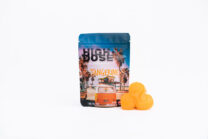
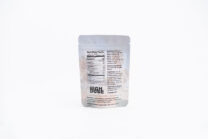

High Dose – Tangerine 1000/1500MG THC
High Dose Tangerine edibles bring a bright, zesty citrus flavour in two strengths: 1000 mg and 1500 mg THC per package. Made for experienced adult consumers with a high tolerance. Start with a small portion, wait at least 2 hours before taking more, and store sealed, out of reach of children and pets. 19+ only.
Tangerine-flavoured THC sounds cheerful enough, like cannabis wearing a tiny orange hat, but “high dose” deserves a closer look. On an online cannabis menu, you may see a 1,500 mg jar, a 50 mg package, or a single 10 mg gummy. Those numbers can describe very different experiences depending on whether they refer to the entire package or each piece.
This guide explains how to read high dose tangerine THC labels, compare extracts and ingredients, estimate effects, and choose a sensible serving. It’s written for adults of legal age in Canada: 19+ in most provinces, 18+ in Alberta, and 21+ in Quebec. The goal isn’t to persuade you to take more. It’s to help you avoid the classic edible mistake: “I don’t feel anything yet,” followed by an unexpectedly intense evening. Always start low, go slowly, and follow the laws where you live.
Key Takeaways
- High dose tangerine THC refers to edibles with significant THC amounts, but it’s crucial to check whether the listed milligrams are total per package or per gummy to avoid unintended strong effects.
- Always start with a low dose, such as 1–2.5 mg for beginners, and wait at least two hours before considering more, as edible THC’s effects are delayed and can last several hours.
- Check labels carefully for total THC, servings, type of extract, and ingredients, since factors like gummy count and cannabinoid content impact potency and experience.
- High dose tangerine THC gummies can vary in flavor and terpene profile depending on their cannabis extract type—distillate, live resin, or full-spectrum hemp-derived Delta-9—but flavor doesn’t indicate strength.
- Store THC edibles securely away from children and pets, and only purchase from authorized retailers with verifiable lab tests and clear packaging to ensure safety and quality.
- Avoid mixing high dose tangerine THC with alcohol, and never drive or operate equipment while impaired to reduce risks and promote responsible use.
What “high dose tangerine THC” means (total mg vs mg per gummy)
“High dose tangerine THC” usually refers to an edible with a relatively large amount of THC available in the package, or a particularly strong individual gummy. The important distinction is total THC versus THC per piece.
A 1,500 mg jar may contain 30 gummies at 50 mg each. That is not the same as one 1,500 mg gummy, thankfully. Meanwhile, a 50 mg bag could contain five 10 mg pieces, making it much easier to portion. Before buying online, look past the big number in the product title and find the serving information.
Common strength formats: 1500mg bags/jars, 50mg packs, and 5–10mg singles
Here’s how common formats often work:
| Product format | What it may mean | Practical takeaway |
| 1,500 mg bag or jar | Total THC across many pieces | Check the piece count before judging strength |
| 50 mg package | Often five 10 mg gummies or ten 5 mg gummies | A moderate total amount, divided into portions |
| 5–10 mg single | THC in one piece | Easier for newer or occasional users |
Names aren’t perfectly standardised, so treat the label, not the product name, as the final word.
How to read a label: total THC, servings, and THC per piece
Find three details: total THC in the package, number of servings, and THC per serving. If a package contains 20 gummies and 1,000 mg total THC, each gummy contains 50 mg. If each gummy is 50 mg but the label calls half a gummy one serving, half contains 25 mg.
Also check whether the listed amount is “THC,” “total THC,” or a cannabinoid amount before conversion. When shopping online, product photos can be cropped or outdated, so confirm the current label and certificate of analysis where available.
High Dose Tangerine THC gummies: ingredients, extract type, and terpene/flavor profile
A tangerine gummy can be made with different cannabis extracts, sweeteners, acids, and flavourings. The orange taste tells you very little about potency. It may be bright and zesty, candy-like, or closer to orange peel with a slightly herbal finish.
Extracts explained: distillate vs live resin/rosin vs full-spectrum hemp-derived Delta-9
Distillate is highly refined THC with much of the plant’s original flavour removed. Manufacturers commonly add botanical or cannabis-derived flavouring afterward. It can deliver a relatively straightforward THC experience, though the exact effect still varies from person to person.
Live resin and live rosin are made to preserve more of the plant’s aromatic compounds. Live resin uses solvents during extraction: rosin is produced with heat and pressure. These products may have a more noticeable terpene character, but “more flavour” doesn’t automatically mean “better” or “stronger.”
Full-spectrum hemp-derived Delta-9 THC comes from hemp and may contain other cannabinoids. In Canada, legal cannabis rules and product categories matter, so don’t assume a hemp label means a product is unregulated or legal everywhere. Check the seller, packaging, excise information, and applicable provincial rules.
Dietary needs: vegan/gelatin-free, allergens, sugar-free options
Many gummies use gelatin, while vegan versions may use pectin. Sugar-free products often rely on polyols or alternative sweeteners, which can cause stomach upset for some people. Check for coconut, soy, artificial colours, and other allergens if those affect you.
A simple shopping habit helps: read the ingredient panel before getting distracted by the tempting tangerine illustration. Look for a clear cannabinoid listing, lot number, expiry or best-before information, and storage directions.
Effects and experience: what to expect from high-dose tangerine THC edibles
Edible THC is processed differently from inhaled cannabis. After you swallow a gummy, your body digests and metabolises the THC before the main effects arrive. That delay is why a high-dose edible can feel deceptively quiet at first and then become much more intense later.
Users commonly describe a gradual shift: a lighter mood, altered sense of time, physical relaxation, increased laughter, or a dreamy, inward focus. Some people feel sleepy: others feel alert or mentally busy. The same tangerine gummy can land differently depending on your tolerance, recent meals, metabolism, mood, and whether you’ve combined it with alcohol or other substances.
For example, taking a gummy after a full dinner may delay the beginning compared with taking it on a mostly empty stomach, while the amount of fat in a meal can affect absorption. That doesn’t make timing perfectly predictable, edibles are not a Swiss train timetable, but it explains why experiences vary.
If your goal is relaxation or sleep, remember that THC effects can outlast your plans. Avoid taking a strong serving before driving, working, caring for children, or making important decisions.
Onset, peak, and duration (why edibles feel stronger)
Many people notice edible effects somewhere between 30 minutes and two hours, although it can take longer. Effects may build toward a peak around two to four hours and can last six hours or more, especially after a higher dose. Residual drowsiness or grogginess may linger into the next day.
The most common trap is redosing too soon. You take 10 mg, check the clock at 45 minutes, feel nothing, and add another 10 mg. Then both servings arrive together. My safest rule for beginners is simple: wait at least two full hours before considering more: three to four hours is more cautious for a high-dose product.
Edibles can feel stronger because digestion creates 11-hydroxy-THC, a metabolite that crosses into the brain efficiently. Individual biology still matters, so no online guide can predict your exact peak. Plan a calm evening, keep water nearby, and leave yourself nowhere urgent to be.
Common effects and side effects (euphoria, relaxation, anxiety, dry mouth)
Reported pleasant effects include euphoria, laughter, sensory enhancement, relaxation, appetite changes, and sleepiness. Other users experience racing thoughts, time distortion, poor short-term memory, dizziness, or difficulty concentrating. A dose that feels mellow to an experienced consumer may feel overwhelming to someone with little edible tolerance.
Common unwanted effects include:
- dry mouth and red eyes:
- faster heartbeat or a noticeable awareness of your heartbeat:
- anxiety, paranoia, or restlessness:
- nausea, dizziness, or unsteady movement: and
- lingering fatigue.
If discomfort appears, stop taking THC, move somewhere quiet, sip water, and remind yourself that the effects are temporary. A low-stimulation activity, soft music, a familiar show, slow breathing, can help. Don’t try to “cancel it out” with alcohol or another drug.
Seek urgent medical help for severe or worsening symptoms, chest pain, trouble breathing, loss of consciousness, or a situation that feels medically dangerous. Edibles aren’t known for fatal overdose in the usual sense, but a very uncomfortable or risky intoxication is absolutely possible.
Edible dosing guide: how much high dose tangerine THC should you take?
The right amount depends on your experience, tolerance, body, food intake, and surroundings. A product described as high dose isn’t automatically appropriate for you. In fact, it may be better value to buy lower-strength pieces you can measure reliably.
Beginner-to-high-tolerance dosing ranges (micro to mega dose) + wait-time rules
| Experience level | Approximate THC range | Sensible approach |
| Microdose or very sensitive | 1–2.5 mg | Start here if you’re new, older, or cautious |
| Beginner | 2.5–5 mg | Wait several hours before increasing |
| Occasional user | 5–10 mg | Take only when you have no driving or duties |
| Experienced user | 10–25 mg | Use caution: potency rises quickly |
| High tolerance | 25 mg+ | Consider whether a smaller, consistent dose works better |
| Mega dose | 50 mg+ | Not a beginner serving: avoid casual experimentation |
These are harm-reduction ranges, not a recommendation or a promise of effects. If you use prescription medication, have a health condition, are pregnant or breastfeeding, or have a history of significant anxiety or psychosis, speak with a qualified healthcare professional before using cannabis.
Wait at least two hours before reassessing: after a strong serving, waiting three to four hours is safer. Never drive or operate equipment while impaired. Cannabis may be legal, but impairment behind the wheel is still dangerous and illegal.
How to split high-dose gummies accurately and dose consistently
If a gummy contains 50 mg, cutting it into five equal pieces theoretically gives 10 mg each. In practice, the THC may not be perfectly distributed, and sticky candy rarely behaves like laboratory equipment. Use a clean knife and a scale if the product’s texture allows it, but don’t treat a home cut as exact.
For better consistency, choose individually dosed 2.5–10 mg gummies. If you do divide a piece, cut the entire package the same way and store portions in their original child-resistant container. Keep notes: product, amount, time, meal, and effect. That little log can save you from guessing next weekend.
Safety, testing, and compliance
A trustworthy online cannabis listing should make it possible to identify what you’re buying and who produced it. Be cautious with products that hide the manufacturer, provide no batch information, promise extreme effects, or use packaging that looks like ordinary candy. Legal requirements vary by province, so buy only from authorised retailers and check the rules that apply to your location.
Lab tests/COAs: potency, pesticides, heavy metals, residual solvents, microbials
A certificate of analysis, or COA, is a lab report connected to a specific batch. It may show cannabinoid potency and screening for contaminants such as pesticides, heavy metals, residual solvents, and microbial contamination. Compare the COA’s lot number with the package. A generic report for a different batch isn’t much reassurance.
Potency results also have a margin of error. If a label says 10 mg, the tested value may not be precisely 10. Look for a regulated producer, clear packaging, excise stamp where applicable, ingredients, expiry information, and contact details. Price matters, especially when you’re comparing bulk deals, but an unusually cheap mystery gummy is a false bargain.
Drug tests, impairment, storage, and child-resistant packaging
THC can trigger drug tests, including tests used for employment, regardless of whether the product came from legal cannabis or a hemp-derived source. If testing matters to you, assume THC products can produce a positive result.
Store gummies locked away, in their original packaging, away from children, pets, heat, and sunlight. Tangerine candy is not a brilliant disguise: it’s an invitation to a curious child. Don’t leave a bag in a car or bedside drawer. If accidental ingestion occurs, contact poison control or emergency services for guidance.
Discreet shipping protects privacy, but it doesn’t remove your responsibility to verify age, delivery rules, and legal limits. Before placing an online order, check the retailer’s shipping policy, return process, customer support, and whether the product is clearly labelled. A reliable seller should make safety information easy to find, not hide it behind a cloud of orange marketing.
Conclusion: choosing high dose tangerine THC with confidence
High dose tangerine THC is easier to shop for when you separate flavour from potency and package totals from per-gummy strength. Check the serving size, extract type, ingredients, batch testing, and legal retailer status before clicking “add to cart.”
If you’re new to edibles, begin with a low amount, often 1–2.5 mg, then wait. Experienced users should still respect the delayed onset and long duration of a stronger gummy. Keep products secured, never mix them casually with alcohol, and don’t drive while impaired.
A good edible experience should feel manageable, not like an orange-flavoured plot twist. Take your time, keep notes, and choose consistency over flashy milligram numbers.
Frequently Asked Questions about High Dose Tangerine THC
What does “high dose tangerine THC” mean on edible labels?
“High dose tangerine THC” usually refers to edibles containing a large total amount of THC in a package or a strong THC dose per gummy. It’s important to check if the listed milligrams refer to the entire package or just one piece for accurate dosing.
How should I safely dose high dose tangerine THC gummies?
Start with a low dose like 1–2.5 mg if you’re new or sensitive, then wait at least two hours before considering more. Experienced users may take higher doses but should still allow ample time to gauge effects and avoid redosing too soon.
What types of cannabis extracts are used in tangerine THC gummies?
Tangerine THC gummies may use distillate, live resin, live rosin, or full-spectrum hemp-derived Delta-9 THC. Distillate offers a refined THC experience, while live resin and rosin preserve more natural plant aromas and terpenes.
Why do edible THC effects take longer to appear and feel stronger?
Edibles are metabolized in the digestive system, creating 11-hydroxy-THC which crosses into the brain more efficiently. Effects typically begin between 30 minutes and 2 hours, peak around 2–4 hours, and can last 6 hours or more, making them feel more intense than inhaled THC.
Can high dose tangerine THC gummies cause side effects?
Yes, potential side effects include dry mouth, red eyes, increased heart rate, anxiety, dizziness, and fatigue. Effects vary by individual tolerance. If uncomfortable symptoms occur, stop use, rest, hydrate, and seek medical attention for severe issues.
How can I accurately split high dose gummies to control dosage?
Cutting gummies into equal pieces can help approximate doses, but THC may not be evenly distributed. Using individually dosed gummies between 2.5–10 mg is more reliable. Always use a clean knife, store portions safely, and keep a consumption log for consistency.
Only logged in customers who have purchased this product may leave a review.
Related products

Reviews
There are no reviews yet.