

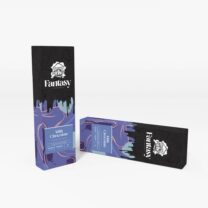
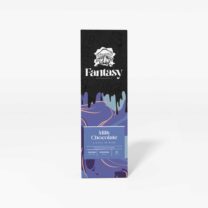
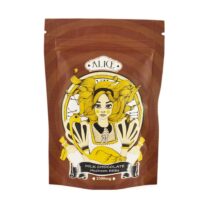
Fantasy Psychedelics – Chocolate Bar – Milk 3000mg
$36.00
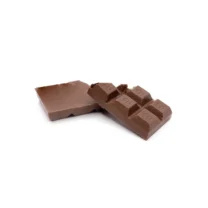
The Fantasy Psychedelics Milk Chocolate Bar combines smooth, creamy milk chocolate with 3000mg of psilocybin mushrooms, blended evenly throughout the bar. The rich, sweet flavour hides any earthy taste, and the easy-break squares make it simple to portion. Because of its high strength, it’s best suited to experienced users. Follow the serving guidance on the label. It comes in discreet packaging to keep it fresh. Store in a cool, dry place away from heat, children and pets. For adults only.
In stock
Searching for a “fantasy psychedelics chocolate bar milk” can feel like decoding a product label written during a sugar rush. Listings may mention milk chocolate, mushroom blends, 3,000 mg, or 300 mg per piece, but those numbers don’t automatically tell you what’s inside, how strong it is, or whether the product is legal and tested. This guide helps you assess the claim without guessing. You’ll learn how psychedelic and functional mushroom chocolates differ, which label details matter, how to spot weak seller claims, and why packaging and lab testing deserve as much attention as flavour. The focus here is consumer education for adults of legal age in Canada. This isn’t a recommendation to buy or use psychedelic products, and it isn’t medical advice. If a listing is vague, unverifiable, or overly dramatic, treat that as a reason to pause, not a challenge to solve.
Key Takeaways
- Fantasy psychedelics chocolate bars labeled as “milk chocolate” require verifying ingredient panels and allergen information to confirm actual dairy content and product authenticity.
- Always check for clear labeling of active psychedelic ingredients like psilocybin, dose per piece, and batch-specific lab testing to ensure safety and know exactly what you’re consuming.
- Functional mushroom chocolate bars differ from psychedelic ones; the former contain non-intoxicating mushrooms, so knowing the exact product type is essential before purchase.
- Beware of vague or exaggerated marketing claims; any online listing lacking detailed ingredient, manufacturer, and testing info is a strong reason to avoid buying the product.
- Psychedelic products can cause unpredictable effects and interact dangerously with medications; certain individuals should avoid use, and legal restrictions vary by region, particularly in Canada.
- Proper storage and child-safe handling of psychedelic chocolate bars are critical to prevent accidental ingestion and maintain product integrity.
What Does “Fantasy Psychedelics” Refer To?
“Fantasy Psychedelics” may refer to a brand name, a product line, or simply a seller’s wording for mushroom-infused chocolate. The phrase itself doesn’t identify the active ingredient. That distinction matters because “psychedelic” can suggest psilocybin, while “mushroom” might mean lion’s mane, cordyceps, reishi, or another non-intoxicating functional mushroom.
Some online listings use attractive packaging and broad claims such as “magic,” “trip,” or “microdose” without clearly naming the compound. A product title is marketing, not proof. You need the actual ingredient panel, batch information, manufacturer details, and, ideally, independent testing.
For Canadian buyers, be especially cautious with products advertised through informal online shops or social media. A listing can look polished and still provide no reliable evidence of contents. If the seller won’t show a complete label before purchase, your safest move is to leave the chocolate on the digital shelf.
Fantasy psychedelics chocolate bar milk: Is a Milk Chocolate Version Verified?
A product described as milk chocolate isn’t necessarily a verified milk-chocolate product. “Milk” may describe the flavour, the chocolate style, or a seller’s search-friendly title. Unless the package lists milk ingredients, such as milk powder, skim milk powder, or milk fat, you shouldn’t assume it contains dairy. Conversely, an image may show a creamy-looking bar while the ingredients reveal dark chocolate or a dairy-free substitute.
There’s another wrinkle: product names and packaging can change between batches, sellers, and regions. A photograph copied from another listing may not match what arrives at your door. Check the current package, not just the thumbnail.
What Available Product Listings Say About Chocolate Type
Listings can provide clues, but they’re not verification. Look for a precise chocolate description, allergen statement, net weight, lot number, best-before date, and manufacturer or importer information. “Milk chocolate flavour” is weaker than a regulated ingredient list naming the dairy components and cocoa percentage.
If the listing says “milk chocolate” but the label is missing, blurry, or inconsistent, contact the seller before ordering. Ask for a clear photograph of every side of the package. A genuine seller should answer basic questions without turning the conversation into a treasure hunt.
How Psychedelic Chocolate Bars Differ From Functional Mushroom Milk Bars
Functional mushroom bars generally contain culinary or wellness-oriented fungi, such as lion’s mane or reishi, and don’t necessarily produce psychedelic effects. Psychedelic bars may contain psilocybin, synthetic compounds, or undisclosed ingredients, particularly when the label is vague. They are not interchangeable.
Even a functional product can cause problems if allergens, caffeine, herbal extracts, or medications are involved. Treat “mushroom chocolate” as a category, not a guarantee of a particular experience. The active ingredient decides far more than the cute mushroom illustration on the wrapper.
Ingredients and Active-Ingredient Labeling to Check
Before considering any mushroom chocolate, read the complete label like you would read a cannabis edible label. You want the exact active ingredient, amount per bar, amount per piece, serving size, and total number of pieces. “Proprietary blend” is a warning sign when it hides individual quantities.
Check for:
- Named compounds: Does the label identify psilocybin, psilocin, muscimol, amanita extract, or only “mushroom blend”?
- Full ingredients: Look for cocoa, sugar, milk, soy, nuts, emulsifiers, caffeine, herbs, and flavourings.
- Allergens: Milk chocolate commonly involves milk and soy: shared-equipment warnings matter too.
- Manufacturer details: A business name, physical contact information, lot number, and date make the product more traceable.
- Testing information: A QR code should lead to a specific, readable report, not a generic homepage.
Don’t confuse the mushroom species’ weight with the amount of an active psychedelic compound. “1,000 mg mushroom extract” doesn’t tell you how much psychoactive material is present. If the label can’t answer that question, you can’t calculate a dependable dose.
What a 3000mg Claim—and 300mg-Per-Piece Claim—Does and Doesn’t Tell You
A “3,000 mg” claim sounds precise, but it may refer to the total weight of mushroom material, an extract, a blend, or even a marketing formulation. It does not automatically mean 3,000 mg of psilocybin or another psychedelic ingredient. Those are very different claims.
Likewise, “300 mg per piece” only becomes useful when you know what the 300 mg measures and how many pieces are in the bar. Ten pieces at 300 mg each would equal 3,000 mg of the stated material, but not necessarily 3,000 mg of the intoxicating compound. Without a clear unit, serving definition, and test report, the number is mostly decoration.
A practical rule: never estimate potency by comparing a mushroom chocolate’s milligrams with a cannabis edible’s milligrams. THC labels measure a specific cannabinoid: mushroom products may measure raw material or extracts instead. Start-low-and-go-slow advice also has limits when the contents are unknown. If you cannot establish what the number represents, don’t treat it as a dosing instruction.
How to Evaluate Testing, Packaging, and Product Authenticity
Reliable testing should connect a particular batch to a laboratory report. Look for the lab’s name, report number, sample date, lot number, methods, and results for the advertised active ingredients. A QR code that opens a sales page, or a PDF with no batch match, doesn’t prove much.
Packaging should be sealed, legible, and tamper-evident where appropriate. Check the spelling, print quality, ingredient panel, allergen statement, and expiry information. Counterfeit products often borrow familiar branding but use slightly different colours, fonts, or awkward wording. That doesn’t prove fraud on its own, but several inconsistencies together deserve attention.
Be cautious if the bar arrives warm, crushed, unsealed, or without an outer package. Chocolate can melt and reset, leaving pale streaks or a crumbly texture: that may affect quality, but it doesn’t explain away missing labels. Photograph the parcel and contact the seller rather than sampling an unidentified product. A bargain isn’t a bargain if you can’t identify what you received.
Potential Risks, Interactions, and Who Should Avoid Psychedelic Products
Psychedelic products can produce intense or unpredictable experiences, including anxiety, confusion, nausea, changes in perception, and impaired judgement. Reported effects vary with the substance, amount, setting, personal history, and whether other drugs or alcohol are involved. Chocolate can make a product seem harmless: your nervous system doesn’t care that it came in a sweet wrapper.
Avoid psychedelic products if you’re pregnant or breastfeeding, under the legal age, or have a personal or family history of psychosis or mania. People with serious heart conditions, uncontrolled blood pressure, seizure disorders, or significant mental-health concerns should speak with a qualified healthcare professional before considering any psychoactive substance, and may be advised to avoid it.
Interactions are possible with antidepressants, stimulants, mood stabilizers, sedatives, migraine medicines, and other drugs. Don’t stop a prescribed medicine to take a mushroom product. Never combine an unknown chocolate with alcohol, cannabis, or other intoxicants, and don’t drive afterward. If someone becomes severely confused, has chest pain, struggles to breathe, has a seizure, or may have eaten an unknown substance, seek urgent medical help and be honest about what was taken.
Legal Status and Age Restrictions Vary by Location
In Canada, legality depends on the substance and the circumstances. Psilocybin and psilocin remain controlled substances outside approved exemptions, clinical research, or specific legal pathways. A website selling a bar does not make that bar legal. Nor does shipping across a provincial border turn an unapproved product into a regulated one.
Age rules also vary by province and territory. Adult cannabis rules commonly set the minimum at 19, except Alberta at 18 and Quebec at 21, but those cannabis thresholds don’t automatically legalize psychedelic products. Local rules, enforcement, and import restrictions can differ.
Before ordering anything online, check current information from official Canadian and provincial sources. Be wary of sellers promising “discreet shipping anywhere” as if privacy guarantees legality. Discreet packaging may protect your privacy, but it cannot remove customs, possession, or controlled-substance risks. If the legal position is unclear, don’t rely on a checkout page for legal advice.
Storage and Child-Safe Handling Considerations
Treat psychedelic chocolate like an unidentified intoxicant, not like an ordinary snack. Keep it sealed in its original packaging, away from children, pets, guests, and anyone who might mistake it for a regular chocolate bar. A locked container is better than a high kitchen shelf, especially if children visit your home.
Store chocolate in a cool, dry place according to the label. Heat, sunlight, moisture, and repeated melting can damage texture and packaging. Don’t transfer pieces into an unmarked jar or zip-top bag: you may lose the ingredient information and create a serious mix-up.
Tell other adults in the household what the package is and why it must not be eaten accidentally. If you suspect a child or pet has consumed it, contact emergency services or poison-control support immediately. Keep the package available so responders can identify the ingredients. “It was probably just a mushroom chocolate” is not enough information in an emergency.
How to Assess Online Listings, Reviews, and Seller Claims
Approach an online listing the way you’d assess a suspiciously cheap ounce of supposedly AAAA flower: slow down and inspect the details. A professional website, live chat, and free-shipping threshold can improve the shopping experience, but none proves product authenticity.
Look for consistent information across the product page, photos, checkout, and package. Be sceptical of claims such as “100% safe,” “guaranteed trip,” “legal everywhere,” or “lab tested” without a report. Reviews can reveal shipping problems or poor customer service, but they rarely verify chemical contents. Five-star comments may describe fast delivery, not what was actually in the bar.
Useful questions include:
- What exact active ingredient is present?
- How much is in each piece and the entire bar?
- Can you provide a batch-specific certificate of analysis?
- Who manufactured and packaged it?
- What are the allergens, expiry date, and storage instructions?
If the seller avoids clear answers, pressures you with limited stock, or asks you to pay through an unusual channel, walk away. Your best protection is refusing to buy an untraceable product.
Frequently Asked Questions
Is the Fantasy Psychedelics bar definitely milk chocolate?
Not from the product name alone. Confirm the current ingredient panel and allergen statement. The words “milk chocolate,” “milk flavour,” and “creamy” can describe different things, and a copied product photo may be outdated. If you have a dairy allergy, don’t rely on appearance or seller chat, look for clear manufacturing information and a dependable allergen declaration. When that information is missing, choose not to consume the product.
Does 3000mg mean 3000mg of a psychedelic ingredient?
No. It may refer to total mushroom material, an extract, or a blend. A separate “300 mg per piece” statement still doesn’t identify the active compound unless the label and a batch-specific laboratory report explain it. Never compare that number directly with THC milligrams or use it as a shortcut for potency. Unknown contents mean unknown risk.
Are functional mushroom chocolate bars the same as psychedelic bars?
No. Functional bars may contain non-psychoactive mushrooms such as lion’s mane or reishi, while psychedelic bars may contain psilocybin, other psychoactive substances, or undisclosed ingredients. Some products blur that distinction in their branding, which is why the full ingredient list matters. “Mushroom” is a broad category, not a dosage or safety guarantee.
The practical takeaway is simple: verify the substance, amount, batch, testing, seller, and legal status before you consider any online mushroom chocolate. If one piece of that puzzle is missing, skip the bar. A milk-chocolate label may answer the flavour question, but it won’t answer the safety question.
Only logged in customers who have purchased this product may leave a review.
Related products
Reviews
There are no reviews yet.