


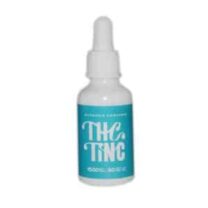
Euphoria Cannabis – THC Tincture 1500MG
$30.00
Euphoria CBD Tincture 3000mg is a high-strength CBD oil that’s simple to fit into your routine. The bottle holds 3000mg of CBD in total, and the built-in dropper makes it easy to measure a consistent amount every time. You can take it on its own or add it to food and drinks. Follow the serving guidance on the label. Store in a cool, dark place with the cap tightly closed, away from children and pets. For adults only.
Out of stock
NOTIFY ME WHEN AVAILABLE
Shopping for an Euphoria cannabis CBD tincture can feel refreshingly simple, until you’re comparing milligrams, percentages, bottle sizes, THC labels and lab reports. A dropper bottle may look straightforward, but the difference between 10 mg and 50 mg per serving is significant, especially if you’re new to CBD. This guide breaks down what to look for, how to use a tincture responsibly and how to assess quality before ordering online in Canada. You’ll also learn where CBD may fit into a relaxation or bedtime routine, what side effects users report and why a “THC-free” claim deserves a closer look. CBD products are for adults of legal age only: 19+ in most Canadian provinces, 18+ in Alberta and 21+ in Quebec. CBD isn’t a cure or guaranteed treatment, and your experience may differ from another person’s. Start low, go slowly and check with a healthcare professional if you take medication or have ongoing health concerns.
Key Takeaways
- Euphoria cannabis CBD tincture offers a smoke-free option for relaxation, requiring careful attention to CBD concentration and serving size for effective use.
- Understanding tincture labels, including mg/mL, total CBD, and THC content, helps you choose the right product and avoid surprises, especially regarding ‘THC-free’ claims.
- Start with a low dose (5–10 mg) and gradually increase to find your ideal CBD amount while monitoring effects and possible side effects like dry mouth or drowsiness.
- Full-spectrum, broad-spectrum, and isolate tinctures differ in cannabinoid profiles and THC presence, influencing their effects and drug test risks.
- Always verify product quality by reviewing batch-specific certificates of analysis (COAs) for potency, contaminants, and accurate labeling before purchase.
- Use tinctures sublingually for faster onset or mix into food or drinks for convenience, and avoid combining CBD with alcohol or sedatives without professional advice.
What Is Euphoria Cannabis CBD Tincture (and who it’s for)?
An Euphoria cannabis CBD tincture is an oil-based product containing cannabidiol (CBD), a non-intoxicating cannabinoid derived from cannabis or hemp. You typically take it with a measured dropper, either under your tongue or mixed into food and drinks. Unlike a THC-dominant oil, it shouldn’t produce a traditional cannabis high, although some people notice calmness, sleepiness or subtle body relaxation.
It may suit adult consumers who want a smoke-free, discreet option and more control than a pre-dosed edible. You might be looking for a wind-down product after work, something to add to a nighttime routine or a convenient alternative to vaping. The key word is may. CBD effects are personal, and product quality and dose matter.
Before ordering, confirm the bottle’s CBD amount, extraction type, ingredient list, lot number and current certificate of analysis (COA). Don’t assume “natural” means risk-free or that a higher strength is automatically better.
Euphoria CBD Tincture Strengths Explained (mg, %, bottle size, mg per dropper)
CBD strength can be displayed several ways, which is where many first-time buyers get tripped up. Total CBD is the amount in the entire bottle. CBD per millilitre (mg/mL) tells you the concentration. CBD per dropper depends on how much liquid your dropper holds, often 1 mL, but don’t take that for granted. A 30 mL bottle containing 1,500 mg CBD provides 50 mg/mL, or approximately 50 mg in a full 1 mL dropper.
A smaller bottle isn’t necessarily weaker: it may simply be more concentrated. For budgeting, compare the price per 100 mg of CBD rather than the sticker price alone. Also check whether the listed amount is CBD isolate, total cannabinoids or an estimated amount.
Quick conversion: % to mg, mg/mL, and approximate mg per drop
For CBD oils, 1% is approximately 10 mg/mL. Hence, 5% is about 50 mg/mL and 10% is about 100 mg/mL. A 30 mL bottle at 5% contains roughly 1,500 mg CBD.
A full 1 mL dropper contains the product’s mg/mL amount. If one millilitre equals about 20 drops, a 50 mg/mL oil delivers approximately 2.5 mg per drop. Droppers vary, though, so use the marked line rather than counting drops whenever possible.
Ingredients & Formulations: MCT vs hemp seed oil, terpenes, and additives to avoid
The carrier oil affects texture, taste and how easy the tincture is to use. MCT oil, commonly made from coconut oil, is light and nearly flavourless. Hemp seed oil has a nuttier taste and contains fatty acids, but it isn’t the same thing as hemp extract and naturally contains very little CBD. Neither carrier is automatically superior: choose the one your stomach tolerates and your palate can handle.
Terpenes may be added for flavour or to create a particular aromatic profile. They’re not a guarantee of stronger effects, and extra terpenes can make an oil taste sharp or peppery. Look for a complete ingredient list rather than vague wording such as “proprietary blend.”
Be cautious with unnecessary artificial colours, heavy sweeteners, undisclosed flavouring and essential oils intended for inhalation rather than ingestion. If you have a coconut allergy, ask whether the MCT source is coconut-derived. A clean formula is usually short: CBD extract, carrier oil and, if applicable, clearly named flavour or terpene ingredients.
Full Spectrum vs Broad Spectrum vs CBD Isolate (which Euphoria tincture should you choose?)
Full-spectrum CBD contains CBD plus other naturally occurring cannabis compounds, including trace THC where legally permitted. Broad-spectrum products contain multiple compounds but are processed to remove detectable THC. CBD isolate is purified CBD with no other cannabinoids intended to remain.
Some consumers prefer full-spectrum oil because of the proposed “entourage effect”, the idea that cannabinoids and terpenes may work together. The theory is interesting, but it doesn’t mean every person will feel a noticeable difference. Broad-spectrum may appeal if you want a multi-compound formula while minimising THC exposure. Isolate offers the simplest cannabinoid profile.
THC content, entourage effect, and “THC-free” labeling realities
“THC-free” can mean no THC was detected above a laboratory’s reporting limit, not necessarily that every molecule is absent. Contamination, batch variation and inaccurate labels are possible reasons to review the COA. If you face workplace or sports drug testing, even trace THC may matter. No CBD tincture containing full-spectrum extract should be treated as drug-test safe. For maximum caution, choose a verified isolate and understand that testing policies vary.
How to Use Euphoria Cannabis CBD Tincture (step-by-step)
- Read the label first. Confirm CBD per millilitre, serving size, ingredients and any THC information.
- Measure a small amount. Use the dropper markings: don’t estimate by filling it “about halfway.”
- Place it under your tongue. Hold the oil there for around 30–60 seconds, then swallow. Avoid eating or drinking immediately if you want a consistent routine.
- Record the time and amount. A note in your phone prevents the classic “Did I already take it?” moment.
- Wait before increasing. Give the dose time to show its effects, particularly if you’re new to oral cannabis products.
Sublingual vs mixing into food/drinks: onset time, duration, and bioavailability
Sublingual use may begin to feel noticeable in roughly 30–90 minutes, while swallowing the oil with food can take longer, often one to two hours. Effects may last several hours, but food, metabolism and dose change the timeline. Mixing CBD into coffee, yoghurt or a smoothie is convenient, although hot drinks and strong flavours can disguise the oil’s taste. Don’t add it to a communal bottle or serve it to anyone else: CBD products are for the intended adult user only.
Dosage Guide: Finding your ideal CBD amount (beginner to high-strength)
There isn’t one universally correct CBD dose. If you’re a beginner, start with 5–10 mg once daily, preferably when you don’t need to drive or operate equipment. Stay at that amount for several days and assess your response. If you notice little or nothing and have no unwanted effects, increase gradually, perhaps by 5–10 mg, rather than jumping straight to a full high-strength dropper.
Dosing chart by goal (sleep, stress, pain, focus) + titration schedule
| Goal people commonly report | Conservative starting point | Practical note |
| Evening relaxation | 5–10 mg | Try it 1–2 hours before bed: sleepiness is possible. |
| Everyday stress | 5–10 mg | Keep timing and dose consistent for several days. |
| Discomfort or soreness | 10–20 mg | CBD isn’t a guaranteed pain treatment: seek advice for persistent pain. |
| Daytime focus | 5 mg | More isn’t always better: drowsiness can work against focus. |
A simple titration schedule is days 1–3 at 5–10 mg, days 4–7 at the same amount or a modest increase, then a weekly review. Use the lowest amount that feels useful. Avoid combining CBD with alcohol or other sedating products while you’re learning your response. If you’re considering a high-strength serving, speak with a pharmacist or clinician first, especially if you take prescriptions.
Expected Effects, Benefits & Side Effects (what users typically notice)
Users commonly describe CBD tinctures as subtle rather than dramatic. Reports include feeling more settled, less mentally “switched on,” physically relaxed or sleepier at night. Others notice no obvious effect, particularly at low doses. That doesn’t mean you should keep escalating indefinitely: it may simply not be the right product for you.
Possible side effects include dry mouth, stomach upset, diarrhoea, reduced appetite, dizziness and fatigue. CBD can also make some people feel unusually sleepy. Taking it with a heavy or fatty meal may change absorption and make effects stronger or less predictable.
Think of your first week as a small experiment: keep caffeine, alcohol and bedtime roughly consistent, note your dose and write down how you felt the next morning. That approach is less exciting than chasing a huge effect, but much more useful. Stop using it and seek medical advice if you experience a concerning reaction.
Safety, Interactions & Drug Tests: Will CBD tincture show up on a test?
CBD may interact with medicines because it can affect how the body processes certain drugs. This matters particularly with medicines that cause drowsiness or those with a narrow safety range. Ask your doctor or pharmacist before using CBD if you take prescriptions, are pregnant or breastfeeding, have liver concerns or are managing a chronic condition.
Don’t drive until you know how the tincture affects you. Combining it with alcohol, sleep aids, opioids, sedating antihistamines or other cannabis products may increase impairment or sleepiness.
Pure CBD itself is generally not the target of standard THC drug tests. But, full-spectrum products can contain THC, and inaccurate or incomplete testing can create risk. Broad-spectrum products may still deserve scrutiny, while a verified isolate is the lowest-risk choice, not a guarantee. If your job, sport, probation conditions or licence depends on a negative result, avoid cannabinoid products unless an appropriate professional confirms the risk.
How to Verify Quality: Reading Euphoria COAs (potency, THC, pesticides, solvents, microbes)
A certificate of analysis should match the exact product and batch you’re buying. Look for a lab name, test date, lot number and a clear sample description. The potency section should show measured CBD, not only the manufacturer’s target, and list THC results separately. Compare the COA’s concentration with the bottle label: a small difference may occur, but a major mismatch is a red flag.
A useful report also screens for:
- Pesticides and heavy metals: important because plants can absorb contaminants from soil.
- Residual solvents: relevant to extracts made with chemical processing.
- Microbial contamination: including mould, yeast and harmful bacteria.
- Foreign material or mycotoxins: depending on the laboratory’s panel.
A QR code is convenient, but don’t treat it as proof by itself. It should lead to a readable, batch-specific document, not a generic marketing page. If an online seller can’t provide a current COA or only says “lab tested” without showing results, choose transparency over a bargain. Also confirm the product is legally sold and labelled for the Canadian market.
FAQ: Euphoria Cannabis CBD Tincture
Will Euphoria CBD tincture make you high?
CBD isn’t intoxicating in the same way THC is. Full-spectrum products may contain THC, but, and some users report subtle tiredness or altered alertness. Check the label and COA.
How long does a bottle last?
Divide the total CBD in the bottle by your daily amount. A 1,500 mg bottle used at 25 mg per day lasts approximately 60 days, before accounting for measuring differences.
Can you take CBD every day?
Some adults use it routinely, but regular use isn’t automatically appropriate for everyone. Track effects, review interactions and reassess if you’re not noticing a worthwhile benefit.
Is CBD oil the same as cannabis oil?
Not necessarily. “Cannabis oil” may contain substantial THC, while a CBD tincture is formulated around cannabidiol. Read the cannabinoid amounts rather than relying on the product name.
Can you order it online in Canada?
Only buy from a legal, authorised Canadian retailer and confirm age requirements in your province or territory. Look for discreet, compliant packaging, clear shipping information and accessible customer support. If the product page hides the ingredients or batch testing, that’s your cue to keep browsing.
What’s the best Euphoria tincture for a beginner?
Choose the lowest clearly labelled strength, a short ingredient list and a recent COA. Start with a small measured dose, wait, and increase cautiously only if needed. Your ideal tincture is the one you can understand, not the one with the loudest label.
Only logged in customers who have purchased this product may leave a review.
Related products
Reviews
There are no reviews yet.