


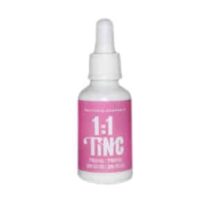
Euphoria Cannabis – 1:1 Tincture (750MG THC + 750MG CBD)
$32.00
Euphoria Cannabis 1:1 Tincture combines equal amounts of THC and CBD in one balanced oil, with 750MG of each per bottle. The built-in dropper makes it easy to measure a consistent amount every time, and you can take it on its own or add it to food and drinks. It’s a popular choice for shoppers who want both cannabinoids in a single product. Follow the serving guidance on the label. Store in a cool, dark place with the cap tightly closed, away from children and pets. For adults only.
Out of stock
NOTIFY ME WHEN AVAILABLE
Buying cannabis online is convenient, until you’re staring at a tincture bottle wondering whether “1,500 mg” means 1,500 mg per dropper or in the entire bottle. I’ve been there, hovering over the label with a calculator in one hand and a very cautious plan in the other.
This guide breaks down the Euphoria cannabis tincture THC experience in plain English: available strengths, how to calculate your dose, what effects people commonly report, and what to check before ordering. It’s written for adults of legal age in Canada, 19+ in most provinces, 18+ in Alberta, and 21+ in Quebec. Laws and product availability can change, so check your province’s current rules and the product label before buying. This is general information, not medical advice, and it doesn’t replace guidance from a healthcare professional.
Key Takeaways
- Euphoria Cannabis THC tincture offers a smoke-free, discreet way to consume cannabis with carefully measured THC doses for adults of legal age.
- Understanding the total THC content versus concentration per milliliter is crucial for safe and effective dosing of Euphoria cannabis tincture.
- Start with a low dose, especially if you are new to THC, and allow at least two hours to gauge effects before increasing your intake.
- Different strengths (1,500 mg, 3,000 mg, and 1:1 THC:CBD) cater to varying tolerance and desired effects; choose based on personal experience and goals.
- Check product labels carefully for THC concentration, ingredients, batch testing, and safety certificates to ensure quality and avoid unwanted side effects.
- Euphoria cannabis tincture effects can include euphoria, relaxation, and pain relief but vary by individual; avoid driving or risky activities after use.
What Is Euphoria Cannabis THC Tincture?
Euphoria Cannabis THC Tincture is a liquid cannabis product designed to deliver a measured amount of THC by mouth. It typically comes in a small bottle with a dropper, allowing you to place the oil under your tongue or swallow it with food or a drink.
The important detail is that the THC number on the front usually refers to the total THC in the bottle, not the amount in one dropper. A 1,500 mg bottle may contain 30 mL of oil, for example, while a 3,000 mg bottle may use the same volume but deliver twice the concentration. Always read the nutrition-style panel rather than guessing from the product name.
Users commonly choose tinctures because they’re discreet, smoke-free, and easier to measure than flower. You can also adjust your intake in small increments, a useful advantage when you’re still learning how THC affects you. The trade-off? Tinctures aren’t always as fast-acting as inhaled cannabis, and the flavour can range from pleasantly herbal to “lawn clippings in a tiny bottle.”
Euphoria’s exact formula, bottle volume, flavour, cannabinoid ratio, and availability may vary by retailer or batch. Before placing an online order, confirm the current label, package date, legal seller, shipping rules, and certificate of analysis if available. I have no affiliation with Euphoria, and this review-style overview isn’t an endorsement or guarantee of a particular batch.
Euphoria Cannabis THC Tincture Strengths & Options (1500mg vs 3000mg vs 1:1)
The main choice is concentration. A 1,500 mg THC tincture can be a sensible middle ground for people who already know their preferred dose, while a 3,000 mg bottle is much more concentrated and leaves less room for careless measuring. A 1:1 option contains roughly equal amounts of THC and CBD, although the exact ratio should always come from the label.
Here’s the practical difference:
| Option | What it generally means | Who may prefer it |
| 1,500 mg THC | Moderate-to-high total bottle potency: concentration depends on bottle size | Regular users who want a manageable amount of THC |
| 3,000 mg THC | Higher concentration in the same or similar bottle volume | Experienced users who already understand their tolerance |
| 1:1 THC:CBD | Similar amounts of THC and CBD, based on the stated label | Consumers wanting a less THC-dominant profile |
A stronger bottle isn’t automatically better value. If you take only 5 mg per session, a highly concentrated tincture can make tiny measuring errors more noticeable. Conversely, if you use THC regularly, the 3,000 mg option may require less oil per serving. Compare cost per 10 mg of THC, not simply the price of the bottle.
How to calculate mg THC per mL and per dropper (with examples)
Use this simple formula:
Total THC in bottle ÷ total liquid volume in mL = THC per mL.
For example, suppose a bottle contains 1,500 mg THC in 30 mL:
- 1,500 ÷ 30 = 50 mg THC per mL
- If the dropper holds 1 mL, one full dropper contains about 50 mg THC
- A half-dropper contains about 25 mg
- A 0.1 mL measure contains about 5 mg
For a 3,000 mg bottle in 30 mL:
- 3,000 ÷ 30 = 100 mg THC per mL
- Half of a 1 mL dropper equals about 50 mg THC
- A 0.05 mL amount equals about 5 mg
Dropper markings aren’t always perfectly precise, so don’t treat them like laboratory equipment. If the bottle uses a 0.5 mL dropper, recalculate based on that capacity. Shake only if the label instructs you to, and keep the bottle upright and securely closed.
Effects You Can Expect: Euphoria, Relaxation, Pain Relief & More
People report THC tinctures producing effects such as euphoria, calm, laughter, sleepiness, heightened music or food appreciation, and temporary changes in focus. Some consumers also use cannabis while managing everyday discomfort, but individual experiences vary and THC products should not be treated as a guaranteed treatment or cure.
Your response depends on dose, tolerance, body size, recent meals, mood, sleep, other substances, and the product’s terpene and cannabinoid profile. The same amount that feels pleasantly floaty on Saturday may feel too intense before a Monday video call. Plan accordingly.
At lower amounts, some users describe a subtle shift in mood or physical relaxation. Higher amounts can bring stronger intoxication, impaired coordination, racing thoughts, or sleepiness. Don’t drive, cycle in traffic, operate equipment, or make important decisions after using THC.
Onset time and duration: sublingual vs swallowed
If you hold the oil under your tongue for the period stated on the label, some effects may appear sooner than if you swallow it immediately. A sublingual dose may begin to be noticeable in roughly 15–45 minutes, while swallowed oil can take 30–120 minutes, particularly after a large meal. These ranges are estimates, not promises.
Effects may last several hours. This is where new users sometimes get caught: they feel nothing after 30 minutes, take more, and then both doses arrive like uninvited party guests. Wait at least two hours before considering additional THC, and longer if you’re inexperienced or the product feels delayed.
Side effects and how to reduce them (dry mouth, anxiety, dizziness)
Common unwanted effects can include dry mouth, red eyes, drowsiness, dizziness, increased heart rate, and anxiety. To reduce the chance of an uncomfortable session:
- Start with a small measured amount and avoid mixing it with alcohol or other intoxicants.
- Use it in a familiar place with water, a light snack, and no driving planned.
- Sit or lie down if you feel dizzy, and stand slowly.
- If anxiety appears, lower stimulation, breathe steadily, and remind yourself that the feeling will pass.
- Don’t take more to “fix” an unexpectedly strong dose.
Seek urgent help for severe symptoms, chest pain, difficulty breathing, loss of consciousness, or a serious reaction. Keep cannabis away from children and pets: tincture bottles can look deceptively ordinary.
How to Use and Dose Euphoria Cannabis THC Tincture (Beginner to Experienced)
Use the dropper to measure the smallest practical amount, place it under your tongue or swallow it according to the label, and record what you took. A note in your phone, time, amount, food, and effects, can reveal patterns faster than memory. Cannabis memory is not always the world’s most reliable filing system.
Choose an evening at home for your first trial. Avoid testing a new tincture before work, a long drive, childcare, or a social event where you’ll feel pressured to act “normal.” Buy from a legal retailer, check the seal and expiry or package date, and don’t use a leaking or unlabeled bottle.
Beginner dosing protocol: start low, go slow (daytime vs nighttime)
For a THC-naive or sensitive adult, a cautious starting point is often 2.5 mg THC or less. If the concentration is 50 mg/mL, that equals 0.05 mL, an amount that may be difficult to measure accurately with a standard dropper. A lower-concentration product can hence be more beginner-friendly.
Wait at least two hours before deciding whether it was enough. Some people prefer to wait until the following day because oral effects can linger. If the experience was comfortable but too subtle, increase gradually on another day rather than doubling impulsively.
For daytime use, keep the amount especially conservative and choose a setting where impairment won’t create risk. Nighttime use may suit people seeking relaxation, but THC can still cause next-morning grogginess. Don’t assume “natural” means compatible with every medication or health condition: ask a pharmacist or clinician if you’re unsure.
Microdosing vs therapeutic dosing: finding your personal range
Microdosing usually means taking a very small amount intended to produce minimal intoxication. One person may find 1–2.5 mg noticeable: another may feel nothing. There is no universal “correct” microdose.
A larger, personally tolerated amount may feel more obviously euphoric or sedating, but more isn’t automatically more beneficial. Build a personal range by changing only one variable at a time:
- Use the same product and approximate time of day.
- Record the measured THC amount and when effects begin.
- Wait long enough before adjusting.
- Stop increasing when unwanted effects outweigh the benefit.
Experienced users should still respect concentration. A 3,000 mg bottle can turn a tiny measuring mistake into a surprisingly large dose.
Ingredients, Extraction & Quality: What to Look For on the Label
A polished product page is helpful, but the bottle and batch information matter more. Look for total THC, THC per serving if provided, bottle volume, CBD content, ingredient list, recommended use, warnings, lot number, package date, and expiry or best-before information.
Extraction method can influence the final profile, but “full-spectrum,” “broad-spectrum,” and “distillate” are not interchangeable marketing decorations. Full-spectrum formulas generally aim to retain multiple cannabis compounds: distillate tends to be more THC-focused and may have added flavour or terpenes. The label and batch test should tell you what is actually present.
Carrier oils, flavoring, cannabinoids/terpenes, and allergens
Common carrier oils include MCT or coconut oil, olive oil, and hemp seed oil. Check these if you have coconut, seed, or other food allergies. Flavouring may include natural flavours, botanical extracts, sweeteners, or terpenes. A minty tincture may be easier to use than a strongly earthy one, but flavour preference is personal.
Look for clear disclosure of cannabinoids beyond THC and CBD, such as CBN or CBC, if included. Terpenes such as myrcene, limonene, or pinene may be listed, though their presence doesn’t guarantee a particular feeling. Avoid products that make dramatic promises like “guaranteed pain relief” or “instant sleep.” Cannabis marketing should not replace evidence or common sense.
Lab testing (COAs): potency, pesticides, solvents, heavy metals, microbiology
A certificate of analysis, or COA, is a batch-specific laboratory report. Ideally, it matches the product name, lot number, and package date. Check whether it reports:
- THC, THCA, CBD, and other cannabinoid levels
- Pesticide screening
- Residual solvents, especially for extracted products
- Heavy metals such as lead, arsenic, cadmium, and mercury
- Microbiology, including mould, yeast, and harmful bacteria
A COA isn’t a magic stamp of perfection, but it offers far more information than a product photo alone. If a seller won’t provide basic potency and safety information, I’d keep browsing, there are plenty of other online options. For Canadian buyers, also confirm the retailer is authorized in your province and uses discreet, trackable delivery.
Euphoria Cannabis THC Tincture vs CBD Tinctures, Gummies, Vapes & Flower
Choosing a format comes down to control, speed, discretion, and how comfortable you are with inhalation. Here’s the quick comparison:
| Format | Typical onset | Main advantages | Main drawbacks |
| THC tincture | About 15–120 minutes | Measurable, smoke-free, discreet | Delayed effects: flavour may be strong |
| CBD tincture | Variable, often subtle | Non-intoxicating for many users | Effects can be difficult to notice: not risk-free |
| Gummies | About 30–120 minutes | Convenient, portable, familiar | Easy to redose too soon: slower digestion |
| Vape | Seconds to minutes | Fast feedback and compact | Inhalation irritation: effects may fade sooner |
| Flower | Seconds to minutes | Broad strain and terpene choice | Smoke, odour, equipment, harder dose precision |
Compared with gummies, a tincture can be easier to adjust in tiny increments, provided the dropper markings are clear. Gummies win for convenience, but each piece is a fixed serving, and delayed onset makes overdoing it a classic beginner mistake.
Vapes and flower act quickly, which can make it easier to stop when you’ve reached the desired effect. They also involve inhalation and can be less discreet, particularly when the room smells like a dispensary opened a window. A tincture fits better if you want a smoke-free option for a quiet evening, travel within legal limits, or a predictable home routine.
CBD tinctures generally don’t create the same intoxicating “high” associated with THC, but product quality and interactions still matter. A 1:1 Euphoria formula sits between the two: it contains THC and CBD, yet it can still impair you because it contains THC.
For online shoppers, compare the price per mg, verified testing, ingredient transparency, shipping policy, and customer support, not just the biggest number on the product banner. A budget tincture with unclear potency isn’t necessarily a bargain.
Final verdict
Euphoria cannabis tincture THC may suit adults who want a discreet, smoke-free format with more control than a pre-dosed edible. The strongest buying advice is wonderfully unglamorous: read the label, calculate the concentration, start low, wait, and keep notes. Choose the formula that matches your experience, not the bottle with the loudest number. Use cannabis only if you’re of legal age, store it securely, and ask a qualified professional about personal health or medication concerns.
Frequently Asked Questions about Euphoria Cannabis THC Tincture
What is Euphoria Cannabis THC Tincture and how is it used?
Euphoria Cannabis THC Tincture is a liquid cannabis product designed to deliver THC orally via a dropper. Users can place the oil under the tongue (sublingual) or swallow it with food or drinks for a measured dose of THC.
How do I calculate the amount of THC per dropper in a Euphoria tincture bottle?
Divide the total THC in the bottle by the total volume in milliliters to find THC per mL. Then multiply by your dropper size. For example, 1,500 mg THC in 30 mL equals 50 mg THC per mL. A 1 mL dropper holds about 50 mg THC.
What effects can I expect from using Euphoria Cannabis THC Tincture?
Users typically experience euphoria, relaxation, sleepiness, and enhanced appreciation for music or food. Effects depend on dose, tolerance, and other factors. Higher doses can cause stronger intoxication and impaired coordination.
What is the difference between the 1,500 mg and 3,000 mg Euphoria THC tincture options?
The 3,000 mg tincture is twice as concentrated as the 1,500 mg in the same or similar bottle volume. The 1,500 mg suits regular users wanting manageable doses, while 3,000 mg is better for experienced users with established tolerance.
How long does it take for THC tincture effects to start and how long do they last?
Holding the tincture sublingually typically leads to effects in 15–45 minutes, while swallowing it may take 30–120 minutes. Effects generally last several hours, so wait at least two hours before redosing to avoid overconsumption.
How should beginners dose Euphoria Cannabis THC Tincture safely?
Start with a low dose, often 2.5 mg THC or less, especially if new to cannabis. Increase gradually over multiple sessions and wait 2 hours before adding more. Use in a safe environment and avoid driving or operating machinery.
Only logged in customers who have purchased this product may leave a review.
Related products
Reviews
There are no reviews yet.