


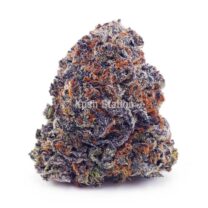
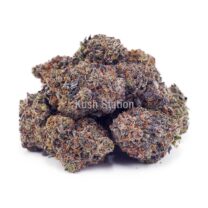
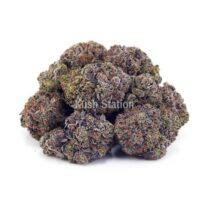
Diesel Fire AAAA – Quadzilla Farms
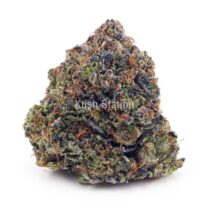
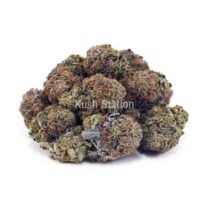
Diesel Fire AAAA from Quadzilla Farms is top-grade flower from a bold, gassy strain known for its sharp diesel fuel flavour over an earthy base, with a peppery kick and a hint of citrus. The AAAA grade means dense, resin-coated buds that are carefully hand-trimmed and slow-cured to bring out their full aroma. It comes in discreet, airtight packaging to keep it fresh. Follow the guidance on the packaging. Store in a cool, dry, dark place, away from children and pets. For adults only.
You type “dieel fire aaaa quadzilla farms” into search, and the results seem to mash together diesel trucks, a social-media clip, Quadzilla tuning hardware, and possibly AAAA cannabis terminology. That confusion is understandable: “dieel” is probably a typo for diesel, while “Quadzilla” can describe either a famously quick truck or Quadzilla Power’s Adrenaline tuner.
This review separates those threads. You’ll get context for the fast four-door Dodge in the likely clip, a practical overview of second-generation Cummins builds, and a troubleshooting guide for trucks that stall or refuse to start after an Adrenaline module is connected. Because modified-diesel advice can become expensive, or dangerous, fast, the emphasis is on conservative diagnostics rather than “turn everything to 11.”
There’s no affiliation with Quadzilla Power, Dodge/Ram, or any cannabis retailer mentioned or implied here. And for Canadian readers: AAAA commonly describes premium cannabis, but it isn’t an official regulated grade and appears unrelated to the truck hardware. Cannabis products are for adults of legal age only in your province.
Key Takeaways
- The term “dieel fire aaaa quadzilla farms” is likely a misspelled or combined search query related to fast Dodge Cummins trucks, Quadzilla Adrenaline tuning modules, or unrelated cannabis terminology.
- Quadzilla Adrenaline modules control fueling and timing for 1998.5–2002 5.9L 24-valve Cummins engines but require careful installation and proper wiring to avoid issues like stalling or no-start.
- When troubleshooting Quadzilla-equipped trucks, begin with stock wiring checks, inspect harness connections, battery health, and scan for diagnostic trouble codes before concluding module failure.
- Safe tuning with Quadzilla involves starting at the lowest power setting, testing incrementally based on intended use—daily, tow, street, or track—while monitoring EGT, boost, and smoke to prevent engine damage.
- Fast four-door diesel trucks like Quadzilla-powered Dodge Rams balance fuel delivery, airflow, transmission, and traction, requiring well-matched hardware and regular maintenance for optimal performance.
- For those seeking video content or cannabis-related information, refine searches with accurate keywords or separate queries, as “dieel fire aaaa quadzilla farms” conflates multiple unrelated topics.
Quick Answer: What is “dieel fire aaaa quadzilla farms” and why people search it
The phrase appears to be a misspelled or auto-generated search query, not the formal name of one product. People searching it are probably trying to do one of three things:
- Find a short video showing a fast, four-door diesel truck making a hard track pass.
- Identify a Dodge Cummins nicknamed Quadzilla or fitted with a Quadzilla Adrenaline tuner.
- Troubleshoot a truck that stalls, won’t start, smokes heavily, or behaves strangely after that tuner is installed.
“Dieel fire” most likely means diesel fire or comes from a caption, username, transcription error, or remembered fragment. “AAAA” may also have been pulled from an unrelated tag. In Canadian cannabis shopping, AAAA usually markets top-shelf flower, but there’s no established mechanical connection between that label and Quadzilla tuning.
For a video lookup, search the platform using combinations such as “Quadzilla Cummins four-door track” and filter by upload date. For a malfunction, skip the mystery phrase and search your truck’s year, engine, tuner version, and exact symptom.
User Intent Breakdown: video/reel lookup vs. Quadzilla (Adrenaline) troubleshooting
Your next move depends on what you actually saw, or what your truck just did.
| Your situation | Likely intent | Best next step |
| You remember a reel but no account name | Clip lookup | Search visual details, platform, track and truck colour |
| A four-door Cummins launches hard | Build identification | Look for year, injection-pump type and visible turbo setup |
| Truck dies when the module is connected | Adrenaline troubleshooting | Return to stock configuration and inspect the harness |
| Display loses data or freezes | Communication/power fault | Verify keyed power, grounds, connectors and firmware |
| You meant premium cannabis | Shopping terminology | Treat “AAAA” as informal retail grading, not a diesel term |
Don’t diagnose from the spectacle alone. Black smoke in a ten-second reel doesn’t reveal injector size, fuel pressure, exhaust-gas temperature (EGT), or whether the truck survived the next pass. Likewise, a no-start after installation doesn’t automatically prove the module is defective. A backed-out pin or poor ground can create the same drama, with considerably less cinematic charm.
The Clip Context: fast 4-door diesel ripping down the track (what’s happening mechanically)
A heavy quad-cab diesel moving that quickly is balancing fuel delivery, airflow, traction and transmission control. At launch, the driver may hold the brakes while building turbo boost. Once released, additional fuel raises exhaust energy, the turbo accelerates, and boost supplies the oxygen needed to burn that fuel.
If fuelling arrives before airflow, you’ll see a dark cloud. Some haze during spool-up is common on older competition setups: a thick trail for the entire pass indicates an inefficient or overly aggressive combination. It’s unburned fuel, not free horsepower.
The drivetrain matters just as much. A built 47RE automatic may use an upgraded torque converter, valve body and stronger internal components. Manual trucks need clutch capacity and careful shifting. Suspension setup and tyre pressure then determine whether torque becomes forward motion or an expensive burnout.
A reel compresses all of this into a few loud seconds. What it rarely shows is the warm-up, data review, fluid inspection and occasionally the fellow underneath looking for a newly invented leak.
Vehicle & Platform Basics: 2nd Gen Cummins 12V/24V, Quad Cab, common build recipes
Second-generation Dodge Ram diesels span the 1994–2002 model years, but the powertrain changed significantly. The 1994–1998 5.9L 12-valve uses a mechanically controlled Bosch P7100 injection pump. The 1998.5–2002 24-valve uses electronic engine management and a Bosch VP44 rotary injection pump. Four-door Quad Cab body configurations appeared during this generation, which explains the “fast four-door” description.
Quadzilla Adrenaline discussions generally concern the electronic 24-valve platform, not P-pump 12-valve tuning.
Common build paths include:
- Daily driver: gauges, healthy lift pump, mild calibration and transmission support.
- Tow setup: conservative timing and fuelling, controlled EGT, responsive turbo and dependable cooling.
- Street performance: larger injectors, upgraded turbo, stronger transmission and careful tuning.
- Track truck: substantial air and fuel upgrades, safety equipment, datalogging and a drivetrain built for repeated launches.
Before buying parts, verify the build already on the truck. Used diesels have a habit of carrying modifications nobody wrote down.
What is Quadzilla Adrenaline? Features, versions, and what it controls
The Quadzilla Adrenaline is an aftermarket performance module best known for 1998.5–2002 5.9L 24-valve Cummins applications. Depending on hardware, firmware and tune, it can modify fuelling behaviour and injection timing while displaying engine data through a compatible monitor or mobile interface.
Typical capabilities include selectable power levels, custom tuning, gauge monitoring and datalogging. Product generations and supported accessories have changed, so don’t assume instructions for one Adrenaline box apply perfectly to another. Identify the module’s part number, harness, firmware and display/app before changing settings.
It also has limits. The tuner can’t repair:
- Weak lift-pump pressure starving a VP44
- Corroded battery cables or unstable charging voltage
- A slipping stock transmission
- Boost leaks, damaged sensors or failing injection hardware
- A tune mismatched to injectors and turbo size
Think of it as a control tool, not a magic horsepower brick. Used intelligently, it can sharpen a combination. Used as a substitute for maintenance, it mostly makes existing weaknesses introduce themselves sooner.
Dieel Fire AAAA Quadzilla Farms: common Quadzilla issues people report (symptoms checklist)
When dieel fire aaaa quadzilla farms leads you to a Quadzilla problem, record the symptoms before unplugging everything. Details such as cold only, after ten minutes, or only above level three are genuinely useful.
Common reports include:
- Crank/no-start after installation
- Starts, then immediately stalls
- Intermittent cutting out over bumps
- Missing or implausible gauge readings
- Frozen display or lost module communication
- Surging at steady throttle
- Dead accelerator response or erratic APPS/TPS input
- Excessive smoke, slow spool or unexpectedly high EGT
- Power level that won’t change
- Trouble appearing after a firmware or tune update
Separate correlation from cause. If the truck already had low fuel pressure, adding a tune may expose the weakness without creating it. Conversely, if it runs normally with the factory connectors restored and fails every time the module harness is reintroduced, the installation path deserves close attention.
Write down diagnostic trouble codes before clearing them. A photo of each connector is also surprisingly valuable when you’re tired, cold, and reconsidering your hobbies.
No-Start / Stall After Plugging In: step-by-step diagnostic flow
Start with the safest, least invasive checks:
- Stop repeated cranking. Confirm both batteries are charged and the engine cranks at normal speed.
- Key off and disconnect battery negatives according to the installation guidance.
- Return the truck to stock wiring. Remove bypass or interception connections carefully: don’t pull on wires.
- Try the stock configuration. If it starts, focus on the module, harness, tune and installation. If not, diagnose the truck itself.
- Scan for codes with a compatible tool. Save them before clearing anything.
- Inspect every disturbed connector. Look for bent terminals, pushed-back pins, moisture, damaged locks and mismatched plugs.
- Verify fuel supply pressure using the appropriate gauge or sensor procedure. VP44 durability depends heavily on adequate supply.
- Reconnect one element at a time, testing after each step.
Never probe terminals blindly or jumper power into a signal wire. If you lack a model-specific wiring diagram and multimeter experience, pause and use a qualified diesel technician. One diagnostic hour is cheaper than a damaged ECM.
Harness & Wiring Verification: main harness, pin fitment, grounds, power, and CAN/comm basics
Harness faults often look like software problems because vibration and heat make them intermittent. With power isolated, follow the loom end to end. Check for chafing near brackets, stretched sections, oil saturation, exhaust heat and sharp bends. Connectors should seat fully and lock without heroic force.
Gently tug each wire from behind its connector. A terminal that slides backward may not contact its mating pin even though the plug looks closed. Inspect grounds at the battery, engine and body: clean metal-to-metal contact matters more than a ground lug that merely looks tight.
Using the correct wiring diagram, verify:
- Constant and key-switched voltage
- Voltage while cranking, not only at rest
- Ground integrity with a voltage-drop test
- Correct pin location and terminal tension
- Continuity only where the manufacturer specifies it
- Communication wiring free of shorts to power or ground
Older 24-valve applications don’t all use modern CAN architecture in the same way newer Rams do, so avoid generic “CAN bus” fixes copied from another generation. Match the test to your exact model year and Quadzilla hardware.
Tuning Essentials: safe starter tunes for daily, tow, street, and track
A safe starter tune is intentionally boring. Begin at the lowest supported power setting, confirm normal operation, and make one change at a time. Custom values should come from current Quadzilla documentation or an experienced tuner who knows your injectors, turbo, transmission and intended use.
| Use | Sensible priority | Avoid |
| Daily | Smooth throttle, clean spool, modest power | Aggressive low-RPM fuelling |
| Tow | EGT control and predictable torque | High setting under sustained load |
| Street | Balanced fuel, timing and transmission capacity | Testing on public roads |
| Track | Logged, incremental changes | Jumping straight to maximum output |
For towing, test with the actual trailer weight and climb progressively rather than discovering the limit halfway up a mountain grade. On the street, watch transmission behaviour: flare, shudder or rising temperature means you should lift, not add another level.
Save a known-good baseline before editing. If a change worsens smoke, surge, EGT or drivability, revert instead of stacking more adjustments on top. Tuning by random button-mashing is still random, even when the buttons have cool graphics.
Smoke, EGT, Boost & Spool: how to monitor and adjust to avoid “runaway” moments
Smoke colour provides clues, though it isn’t a complete diagnosis. Black smoke usually indicates more fuel than available air can burn. White smoke may involve cold combustion, timing, injector or fuel issues. Blue smoke suggests oil entering combustion. Persistent smoke warrants mechanical inspection.
EGT should be measured with a properly installed pyrometer, ideally with probe location considered when interpreting the number. There isn’t one universal safe ceiling: pre-turbo and post-turbo readings differ, while load duration, engine build and sensor accuracy matter. Follow limits established for your combination.
Watch boost alongside EGT. High EGT with lazy boost may point toward a boost leak, restricted airflow, excessive low-end fuel or turbo mismatch. Unexpectedly high boost can signal wastegate or control trouble.
A true diesel runaway is different from a smoky pull: the engine accelerates uncontrollably using unintended fuel or engine oil. If RPM rises without throttle command, don’t stand over the engine bay. Use the planned shutdown method, move people clear, and call emergency assistance if control is lost.
Data Logging & Gauges: what to log, how to read it, and what “bad” looks like
A useful log includes context, not just peak numbers. Record engine speed, throttle or APPS position, boost, EGT, supply voltage, coolant temperature, vehicle speed and any fuel-pressure channel your setup supports. Note the tune, ambient conditions, load and gear.
Look for relationships:
- Throttle increases but boost stays flat: investigate leaks, turbo response or data accuracy.
- Voltage drops and communication resets: inspect batteries, charging and grounds.
- Fuel pressure falls under load: stop hard pulls and diagnose supply delivery.
- EGT climbs rapidly without matching acceleration: reduce fuel and check airflow or drivetrain slip.
- APPS signal jumps at steady pedal: inspect calibration, wiring and the sensor.
One odd sample may be electrical noise: a repeatable pattern across several controlled runs is stronger evidence. Compare logs from the same route and gear where legal and safe. Better yet, log on a chassis dyno or closed track with qualified supervision.
Export and label files immediately, “final_log_REAL_7” is not a diagnostic system, even though what your desktop may claim.
Common Fixes: firmware/software updates, sensor checks, APPS/TPS calibration, and reset procedures
Before updating anything, photograph current settings and save the known-good tune. Confirm the firmware is intended for your exact hardware: interrupted or mismatched updates can create fresh problems.
A sensible repair sequence is:
- Stabilize battery voltage and repair poor grounds.
- Restore factory wiring and confirm baseline operation.
- Inspect and reseat module connectors.
- Check for engine and transmission codes.
- Validate sensor readings against a scan tool or mechanical reference.
- Perform the correct APPS/TPS calibration for your model-year procedure.
- Install verified firmware, then load a conservative tune.
- Key-cycle or reset only as the manufacturer directs.
Don’t replace an APPS sensor solely because the displayed percentage looks unfamiliar: scaling differs among tools. Test for smooth, repeatable movement and correct voltage according to service information.
If the module repeatedly disconnects on a bench-verified power supply or known-good truck harness, contact Quadzilla support or a knowledgeable dealer with serial number, firmware, codes and logs ready. “It’s broken, help” gives support staff very little to work with.
Safety & Track Etiquette: diesel runaway prevention, shutdown methods, and pre-run inspection
Before a run, inspect oil level, coolant, fuel leaks, charge-air boots, clamps, battery retention, tyres, lug torque, driveshaft loops where required, and transmission fluid. Remove loose objects from the cab. Confirm the throttle returns normally and decide how you’ll shut the engine down if it doesn’t.
A competition diesel may use an externally accessible air-shutoff device required by the track. The correct setup must suit the engine and sanctioning rules. Don’t rely on stuffing rags near an intake: approaching a running, uncontrolled engine can cause severe injury. Never place hands or objects near rotating components.
At the track, obey staging staff, keep smoke away from people when possible, and abort a pass if pressure, temperature, sound or steering feels wrong. On public roads, don’t attempt boosted launches or performance logging that distracts you from driving.
Eventually, dieel fire aaaa quadzilla farms is best understood as a muddled search trail leading toward either a memorable Cummins clip or Quadzilla Adrenaline diagnostics. Identify your exact goal, return the truck to a known baseline, and increase power only after wiring, fuel supply, airflow and monitoring are sound. Fast is fun: repeatably fast, and safely back in the pits, is better.
Frequently Asked Questions about Dieel Fire AAAA Quadzilla Farms and Quadzilla Tuning
What does ‘dieel fire aaaa quadzilla farms’ refer to in diesel truck communities?
The phrase is likely a misspelled or mixed search term combining diesel truck topics, Quadzilla tuning hardware, and unrelated cannabis grading. It commonly relates to fast four-door Dodge Cummins trucks and Quadzilla Adrenaline tuner troubleshooting.
How can I troubleshoot a Dodge Cummins truck that stalls or won’t start after installing a Quadzilla Adrenaline module?
Begin by reverting to stock wiring, checking all connectors for proper fit and damage, verifying battery voltage and grounds, scanning for trouble codes, and testing fuel pressure. Inspect the harness carefully and reinstall the module step-by-step to isolate issues.
What is the Quadzilla Adrenaline tuner and what does it control?
Quadzilla Adrenaline is an aftermarket performance module for 1998.5–2002 5.9L 24-valve Cummins engines that adjusts fueling, injection timing, and provides engine data monitoring through compatible interfaces. It offers selectable power levels and tuning options but cannot fix underlying mechanical defects.
Why might a fast four-door Dodge Cummins diesel emit black smoke during a quick track pass video?
Black smoke indicates excess fuel relative to available air, common during turbo spool-up when fueling arrives before airflow. A short smoke burst may be normal in aggressive setups, but constant thick smoke suggests inefficient tuning or mechanical imbalance.
What are safe tuning practices for a Quadzilla Adrenaline-modified truck used for daily driving, towing, or track?
Start with the lowest power levels and conservative fuel and timing settings. For daily and tow use, prioritize smooth throttle response, controlled exhaust gas temperatures, and transmission safety. For track use, make small incremental changes with data logging and safety equipment in place.
How can I differentiate between mechanical issues and tuning faults when my truck displays symptoms like surging, no-start, or freezing gauges after Quadzilla installation?
Check for harness faults, poor grounds, and connector issues first, as these mimic software problems. Use diagnostic tools to read trouble codes, verify sensor data, and confirm proper calibration of APPS/TPS sensors before blaming the tuner or ECM.
Only logged in customers who have purchased this product may leave a review.
Related products

Reviews
There are no reviews yet.