


CBD Isolate
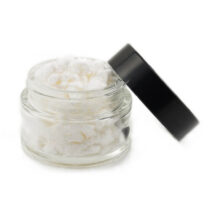
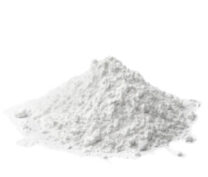
Our CBD Isolate is the purest form of CBD available, a fine crystalline powder that’s 99%+ pure cannabidiol with no THC. It’s flavourless and odourless, so it’s easy to measure and mix into oils, edibles, drinks or topicals, or to use on its own. It’s a versatile choice for anyone who wants CBD without other cannabinoids. Each batch is lab tested for quality and purity.
If you want CBD without a cannabis-like flavour, visible plant material, or added THC, CBD isolate powder can look wonderfully simple. It’s a fine, highly concentrated form of cannabidiol that you can measure, mix into an oil, add to capsules, or use in some DIY recipes. The catch? “Simple” doesn’t always mean foolproof. Isolate doesn’t dissolve in water, tiny weighing errors can change your serving size, and a polished label isn’t the same thing as reliable testing.
This guide explains what CBD isolate is, how it’s made, how to read a certificate of analysis (COA), and how Canadian consumers can use and compare it sensibly. You’ll also find practical dosing maths, expected timing, drug-test considerations, storage tips, and buying checks. CBD products are for adults of legal age only: 19+ in most Canadian provinces, 18+ in Alberta, and 21+ in Quebec. Effects vary, so start low and go slowly.
Key Takeaways
- CBD isolate powder is a highly concentrated, THC-free cannabidiol product ideal for precise dosing and neutral flavor preferences.
- Always review a recent, batch-specific Certificate of Analysis (COA) to verify potency, THC levels, and contaminant testing before purchasing CBD isolate powder.
- CBD isolate does not dissolve in water; use carrier oils like MCT, olive, or hemp-seed oil and gentle heat to properly mix it for sublingual or edible use.
- Start with a low dose of 5–10 mg CBD isolate and increase gradually while monitoring effects to find your ideal serving size safely.
- CBD isolate may reduce THC exposure but does not guarantee passing drug tests due to possible contamination or labeling inaccuracies.
- Purchase CBD isolate powder from reputable Canadian sellers who provide traceable information and transparent lab testing to ensure quality and safety.
What Is CBD Isolate Powder?
CBD isolate powder is cannabidiol (CBD) separated from the other compounds naturally found in hemp or cannabis. After purification, the result is usually a white, crystalline powder containing very high CBD concentration and no intentionally added THC. It has little to no cannabis aroma, which appeals to people who want a discreet option for home use.
Think of it like concentrated salt rather than a ready-to-drink beverage: you need to measure it and choose a suitable carrier before using it. Quality varies, so “isolate” alone doesn’t guarantee purity. A recent, batch-specific COA matters more than a fancy product name.
CBD isolate powder vs CBD oil vs distillate (what’s different and why it matters)
| Product | What it contains | Typical advantage | Main catch |
| CBD isolate | Mostly CBD | THC-free, neutral flavour, precise formulation | Doesn’t dissolve in water: no other cannabinoids or terpenes |
| CBD oil | CBD extract blended into a carrier oil | Ready to measure by dropper | Flavour and CBD strength vary: may contain other compounds |
| CBD distillate | Refined, concentrated cannabis or hemp extract | Potent and often versatile | Can contain THC, terpenes, and other cannabinoids |
For an online shopper, the key distinction is control. Isolate lets you build a formula yourself, while oil is more convenient out of the bottle. Distillate is not automatically “better”, it’s simply a different, broader extract.
How CBD Isolate Powder Is Made (Extraction, Winterization, Crystallization) + What to Look for in COAs
Manufacturers generally begin by extracting cannabinoids from hemp or cannabis plant material, often with supercritical carbon dioxide or an ethanol-based process. The crude extract contains waxes, fats, pigments, terpenes, and several cannabinoids. Winterization chills and filters the extract to remove many waxes and lipids. Further refinement separates CBD from unwanted compounds: controlled crystallization then encourages CBD to form solid crystals, which are dried and milled into powder.
The exact process matters less than the finished batch’s evidence. Look for a QR code or downloadable COA from an independent laboratory, not merely an in-house statement. The report should identify the product lot and testing date.
How to read a Certificate of Analysis: potency, THC (ND vs 0.0%), solvents, pesticides, heavy metals, microbes
Check these items before buying:
- Potency: Confirm CBD in mg/g or percentage. A result near the label claim is more useful than a vague “99% pure” badge.
- THC: “ND” means not detected above that laboratory’s reporting limit: it does not mean absolute zero. “0.0%” may be a rounded figure, so check the actual table and limit of detection.
- Residual solvents: Look for pass results for ethanol, hydrocarbons, or other solvents used during processing.
- Pesticides and heavy metals: The report should show pass/fail results or measured values against limits.
- Microbes and mycotoxins: These tests help screen for contamination, especially in plant-derived products.
A COA with no lot number, no lab identity, or only a front-page summary is a yellow flag. If customer support can’t explain it, keep scrolling.
CBD Isolate Powder Benefits & Potential Effects (What the Evidence Says)
People choose CBD isolate mainly for practical reasons, not because it guarantees a particular outcome. User reports commonly mention a neutral taste, easier formulation, and a less cannabis-like experience. Some adults use CBD products as part of an evening routine or for general relaxation, but individual responses are unpredictable and product research remains mixed. Don’t treat marketing language as medical advice.
Isolate’s biggest functional advantage is consistency: if the powder has reliable testing, you can calculate the amount added to an oil or capsule. It also avoids intentionally adding THC, which matters to some consumers. But, “THC-free” and “drug-test-proof” are not interchangeable promises.
Common reasons people choose isolate: THC-free, flavor-neutral, precise dosing, workplace/drug-test concerns
- THC-free preference: Useful if you don’t want intoxicating effects or cannabis flavour.
- Flavour-neutral recipes: It can disappear into a carrier oil more easily than a strongly herbal extract.
- Precise formulation: You can make a known concentration rather than guessing from drops.
- Workplace concerns: Isolate may reduce THC exposure, but contamination, inaccurate labels, and sensitive testing can still create risk.
The trade-off is that isolate lacks terpenes and minor cannabinoids. If you’re curious about the so-called entourage effect, a broad- or full-spectrum product may interest you more, but it also changes the THC conversation.
How to Use CBD Isolate Powder (Sublingual, Capsules, Topicals, DIY Oils & Edibles)
You can place a measured amount under your tongue, fill capsules, blend it into a topical base, or formulate an oil or edible. For a first experiment, an oil or capsule is easier to repeat than improvising a batch of brownies. Label everything clearly: the snack cupboard is not a laboratory.
For sublingual use, the powder must be dispersed in a suitable oil first. Swallowing dry powder can produce uneven dosing and an unpleasant texture. With topicals, mix thoroughly into a compatible cream or balm, but remember that topical use is local and isn’t the same as taking CBD orally.
Mixing rules that competitors miss: isolate is not water-soluble, best carriers, heat ranges, and blending tips
CBD isolate is fat-soluble, not water-soluble. It won’t properly dissolve in plain water, juice, coffee, or a fizzy drink. Better carriers include MCT oil, olive oil, hemp-seed oil, or another food-grade lipid. Stirring alone may leave crystals at the bottom.
Use gentle heat, roughly 40–60°C (104–140°F), to help the powder dissolve in oil. Avoid boiling or prolonged high heat, which can damage ingredients and make kitchen dosing less predictable. Add the isolate slowly, mix until clear, and let the batch cool before bottling. An immersion blender can help with larger batches, but clean equipment and a small test batch are sensible.
For edibles, mix the CBD into the recipe’s fat component first. Record the total CBD added and divide by the number of finished servings. Never rely on “one pinch”: pinches are how arithmetic goes to have a little adventure.
CBD Isolate Powder Dosage Guide (Beginner to Advanced) + Simple mg Calculator
There is no universally correct CBD dose. Your body size, sensitivity, product concentration, food intake, and reason for use all affect how it feels. A cautious starting point for an adult new to CBD is often 5–10 mg, followed by several hours of observation. If needed, adjust gradually on a different day rather than repeatedly topping up because nothing happened after 15 minutes.
A practical progression might look like this:
- Beginner: 5–10 mg per serving.
- Familiar user: 10–25 mg per serving, adjusted cautiously.
- Advanced: Higher amounts should be discussed with a healthcare professional, particularly if you take medication.
These are planning ranges, not treatment instructions. Start low and go slow.
Dosing by goal and body factors: how to measure grams-to-mg accurately and avoid over/under-dosing
Body weight is only one factor: sensitivity and other substances matter too. Food can change the timing of oral products, and a tired evening can make effects difficult to interpret. Keep a simple note of date, amount, product, timing, and how you felt.
The conversion is straightforward: 1 gram = 1,000 milligrams. If your isolate tests at 99% CBD, 1 g contains approximately 990 mg CBD, not a full 1,000 mg. To make 10 mg servings from 99% isolate, you need about 0.0101 g, or 10.1 mg of powder. That is too small to estimate accurately by eye.
Use a calibrated milligram scale, preferably one that reads to 0.001 g (1 mg), and check whether it requires a calibration weight. For a simpler formula, dissolve 1,000 mg of 99% isolate into 100 mL of oil: each 1 mL contains about 9.9 mg CBD. A marked oral syringe is usually more repeatable than counting drops.
Onset Time & How Long CBD Isolate Lasts (By Method)
Timing depends on how you use it. Effects from an oral capsule, edible, or oil commonly begin in roughly 30–120 minutes, with food and digestion affecting the range. Sublingual use may feel quicker for some people, often around 15–60 minutes, though swallowed portions still pass through digestion. Topicals are harder to assess because the experience is local and varies by formula.
Duration is equally individual. Many users report several hours from an oral serving, but that isn’t a promise. If you’re trying CBD before bed, test it on an evening when you don’t need to drive, work, or make important decisions. Don’t redose simply because the first hour was quiet: delayed effects are a common beginner trap.
Keep a routine for a few days if you’re evaluating tolerability. Changing dose, meal, carrier oil, and product all at once creates scientific soup, and nobody wants soup with mystery CBD.
Side Effects, Interactions & Who Should Avoid CBD Isolate Powder
CBD is often tolerated, but some users report sleepiness, dry mouth, loose stools, appetite changes, dizziness, or fatigue. Stop using it and seek medical advice if you experience a concerning reaction. Avoid driving or operating machinery until you know how your chosen product affects you, especially if you also use alcohol, cannabis, sleep aids, or other sedating substances.
CBD may interact with medicines because the body processes it through pathways involved in drug metabolism. Speak with a doctor or pharmacist before using it if you take prescription medication, have liver concerns, are pregnant or breastfeeding, or are preparing for surgery. Keep powder and finished products away from children and pets: an unlabelled white powder is a particularly poor kitchen guest.
This article doesn’t diagnose, prevent, or treat any condition. Your pharmacist can review the full ingredient list and your medication schedule far better than a product comment section can.
Will CBD Isolate Powder Show Up on a Drug Test? (THC Risk, COA Checks, Best Practices)
Pure CBD itself is not the cannabinoid most standard cannabis drug tests look for. The concern is THC: cross-contamination, manufacturing residue, inaccurate labels, or a product that isn’t truly isolate. Even tiny amounts may matter to someone facing workplace, athletic, legal, or safety-sensitive testing.
If avoiding THC is essential, the lowest-risk option is not using cannabinoid products. If you choose isolate, reduce uncertainty by checking a recent batch-specific COA, looking for THC reported as ND with a clear detection limit, buying from a transparent Canadian retailer, and avoiding products that make absolute “drug-test safe” guarantees.
Don’t assume an old COA covers a new lot. Keep the packaging and receipt, and remember that home testing cannot guarantee what an employer or laboratory will find. This is one area where “probably fine” may not be a comfortable strategy.
CBD Isolate vs Broad-Spectrum vs Full-Spectrum (Entourage Effect, Pros/Cons, Who Each Is Best For)
These labels describe how much of the original plant profile remains after processing.
| Type | THC position | Strengths | Consider before buying |
| Isolate | Intended to contain no THC | Neutral, simple, easy to formulate | No terpenes or minor cannabinoids: contamination is still possible |
| Broad-spectrum | THC removed or reduced | More plant compounds and flavour | “THC-free” claims need a COA: taste may be stronger |
| Full-spectrum | May contain THC within legal limits | Broad cannabinoid and terpene profile | Not ideal for THC-sensitive users or drug-test situations |
The entourage effect is the idea that cannabinoids and terpenes may work together, but the size and practical importance of that effect are still being studied. Don’t let the phrase do all the selling.
Choose isolate if you prioritise a neutral, THC-avoiding formula. Consider broad-spectrum if you want more plant compounds without intentionally choosing full-spectrum THC. Full-spectrum may suit an experienced adult who values flavour and the whole extract profile. None is automatically best: the right choice depends on your tolerance, preferences, and testing concerns.
How to Buy High-Quality CBD Isolate Powder: Purity, Source, Testing, Price per mg, Storage & Shelf Life
Start with traceability. A reputable Canadian seller should provide a product name, lot number, net weight, CBD concentration, ingredients, contact information, and an accessible COA. Look for independent testing covering potency, THC, residual solvents, pesticides, heavy metals, and microbes. “Lab-tested” without the report is a promise, not proof.
Compare price per mg of CBD, not price per jar. For example, a $40 jar containing 2,000 mg of tested CBD costs $0.02 per mg: a cheaper-looking $25 jar with 500 mg costs $0.05 per mg. Also account for shipping, minimum orders, loyalty points, and whether the retailer ships legally and discreetly to your province. Adults should buy through lawful channels and follow local rules.
Source matters, but “Canadian-grown” or “organic” doesn’t replace testing. Ask whether the hemp or cannabis was grown under controlled standards, how the powder was packaged, and whether the company will answer basic questions without sending you on a scavenger hunt.
Store isolate in its original, tightly sealed container somewhere cool, dry, dark, and out of reach of children and pets. Avoid a sunny windowsill or humid bathroom. Mark the date opened. Over time, heat, light, oxygen, and moisture can affect quality: follow the manufacturer’s expiry date rather than assuming the powder lasts forever.
Before checkout, run through this quick list:
- Is the product intended and labelled for Canadian sale?
- Does the COA match the lot number?
- Is the CBD amount stated in a unit you can calculate?
- Are THC and contaminant results visible?
- Can you measure your intended serving accurately?
- Are shipping, privacy, returns, and customer-support details clear?
That final check takes two minutes and can save you from buying a mystery jar with a heroic-looking label.
Frequently Asked Questions about CBD Isolate Powder
What is CBD isolate powder and how is it different from CBD oil?
CBD isolate powder is a pure, crystalline form of cannabidiol without THC or other plant compounds. Unlike CBD oil, which is a ready-to-use blend of CBD extract and carrier oils, isolate requires measuring and mixing with a carrier before use, offering precise dosing and a neutral flavor.
How do I read a Certificate of Analysis (COA) for CBD isolate powder?
Check the COA for the batch number, recent testing date, CBD potency (mg/g or %), THC levels (ND or 0.0%), and results for solvents, pesticides, heavy metals, and microbes. A full, independent lab report is essential for verifying purity and safety.
Can CBD isolate powder dissolve in water or other beverages?
No, CBD isolate is fat-soluble and does not dissolve in water or aqueous drinks like juice or coffee. It dissolves best in carrier oils such as MCT, olive, or hemp-seed oil, often requiring gentle heat to blend properly.
What is the appropriate dosage for CBD isolate powder for beginners?
A cautious starting dose is typically 5-10 mg per serving. Use a calibrated milligram scale for accurate measurement, start low, observe effects for several hours, and adjust gradually as needed to find your optimal dose.
Will using CBD isolate powder cause a positive drug test for THC?
Pure CBD isolate contains no THC, but cross-contamination or inaccurate labeling can present risks. Always verify recent batch-specific COAs with ‘not detected’ THC results and purchase from reputable, transparent sources to minimize drug-test risks.
What are common ways to use CBD isolate powder at home?
CBD isolate powder can be used sublingually by dispersing it in oil, filled into capsules, mixed into topical creams, or incorporated into DIY oils and edibles. Always measure precisely and avoid swallowing dry powder for consistent dosing and effect.
Only logged in customers who have purchased this product may leave a review.
Related products
Reviews
There are no reviews yet.