
Price range: $75.00 through $400.00
$75.00
Price range: $8.00 through $750.00
Price range: $8.00 through $750.00
Price range: $8.00 through $1,350.00
Price range: $8.00 through $1,350.00
Price range: $8.00 through $1,350.00
Price range: $5.00 through $525.00
Price range: $5.00 through $525.00
Price range: $5.00 through $525.00
Price range: $5.00 through $1,000.00
Price range: $5.00 through $1,000.00
Price range: $5.00 through $1,000.00
Price range: $5.00 through $1,000.00
Price range: $5.00 through $1,000.00


Price range: $5.00 through $1,000.00
Price range: $5.00 through $1,000.00


Price range: $5.00 through $1,000.00
Price range: $5.00 through $1,000.00
Price range: $5.00 through $1,000.00
Price range: $60.00 through $440.00


Price range: $60.00 through $230.00
Price range: $60.00 through $800.00
Price range: $60.00 through $800.00
Price range: $60.00 through $800.00


Price range: $60.00 through $800.00
Price range: $60.00 through $800.00
Price range: $60.00 through $800.00
Cannabis
Price range: $10.00 through $1,475.00
Price range: $10.00 through $850.00
Price range: $10.00 through $1,475.00
Price range: $75.00 through $400.00
$10.00
Price range: $5.00 through $1,000.00
Price range: $5.00 through $1,000.00
Price range: $5.00 through $1,000.00
Price range: $5.00 through $1,000.00
Price range: $5.00 through $1,000.00
Sale!

Cannabis
Price range: $5.00 through $160.00


Brands
$17.00


Brands
$17.00


Brands
$17.00


Brands
$17.00
Brands
$25.00
Brands
$12.00
Brands
$12.00
Brands
$12.00
$50.00
This guide explains how to approach cannabis information critically. It covers label terminology, the limits of appearance and product descriptions, authorization checks, storage, and health considerations. It is intended for adult education rather than individualized medical advice. Understanding a product does not require using it, and choosing not to use cannabis is always an option.
Begin With the Label, Not the Marketing
The label is a useful starting point because it contains information tied to the packaged product. Kush Station's packaging guidance addresses cannabinoid content, health warnings, product identification, and other required details. The information displayed varies by product class, so dried flower and edible products should not be interpreted as though their labels use identical measurements. [1] Read the entire label instead of concentrating on one large number. Notice the product form, quantity, units, lot identification, and any instructions. Keep a photograph of the label if you need to ask a question about it later. This makes it easier to discuss the specific item rather than rely on a remembered strain name. A useful reading habit is to distinguish facts from descriptions. A lot number identifies a batch. A phrase such as “exceptional quality” expresses a judgment. Both may appear near each other, but they should not receive the same evidential weight.Understand THC, CBD and Measurement Units
THC and CBD are commonly discussed cannabinoids. THC is associated with intoxication, while CBD should not be interpreted as a guarantee that a product is harmless or suitable for everyone. Health Canada's lower-risk guidance identifies higher THC potency as a factor associated with greater health risks. [2] Units matter. A concentration written in milligrams per gram is different from a quantity written in milligrams per package. For example, 100 milligrams per gram corresponds mathematically to 10% by weight. This conversion describes concentration; it does not establish how much someone absorbs or predict their experience. Labels may distinguish THC from total THC, and CBD from total CBD. Total values account for the potential conversion of precursor compounds. Health Canada's guidance explains how these declarations are presented for different cannabis classes. [1] If the distinction is unclear, ask for an explanation rather than assuming that the largest figure represents an immediate effect.Treat Potency as One Piece of Information
A single potency number cannot answer every question about a product. It does not establish freshness, confirm the absence of contamination, or demonstrate a medical benefit. It also does not tell you whether a product is appropriate for a particular person's health circumstances. Avoid translating “higher” into “better.” That shortcut combines a measurable characteristic with a subjective judgment. It can obscure the more relevant questions: What exactly was measured? Does the result relate to this batch? Is the unit clear? What warnings accompany it? When two descriptions seem inconsistent, write down the discrepancy. One might show a range while another shows a specific batch value. Ask which information applies to the packaged item. Clear answers are more useful than explanations that simply repeat a promotional phrase.Recognize the Limits of Strain Names
Strain names can organize a catalog, but a name is not a personalized prediction. Likewise, descriptions such as “relaxing,” “uplifting,” or “creative” should be read as claims that require context, not promises. Ask what supports a description. Is it a customer's account, the producer's characterization, or a finding from research? A statement based on one person's experience does not establish what another person will experience. A reference to research should identify the actual study and clarify whether it examined the named product. The same discipline applies to indica, sativa, and hybrid labels. Do not use a category word as a substitute for examining the product's actual information. If a description makes a precise claim about effects, the claim should be supported rather than accepted because the category sounds familiar.Put Aroma and Terpene Claims in Context
Descriptions often mention citrus, pine, earth, or other aromas. These observations can help communicate a sensory impression, but they are not safety certificates. “Smells fresh” and “has been tested for a particular contaminant” are different statements. If terpene information is supplied, check whether it is a measured profile or a general description associated with the strain name. Look for units and batch context. A percentage without an explanation is less informative than a clearly identified result. Be particularly cautious when an aroma description becomes a health promise. A reference to a compound's scent does not, by itself, show that a finished product treats anxiety, insomnia, or pain. Follow the evidence through to its original source before accepting the claimed connection.Photographs Cannot Establish Safety
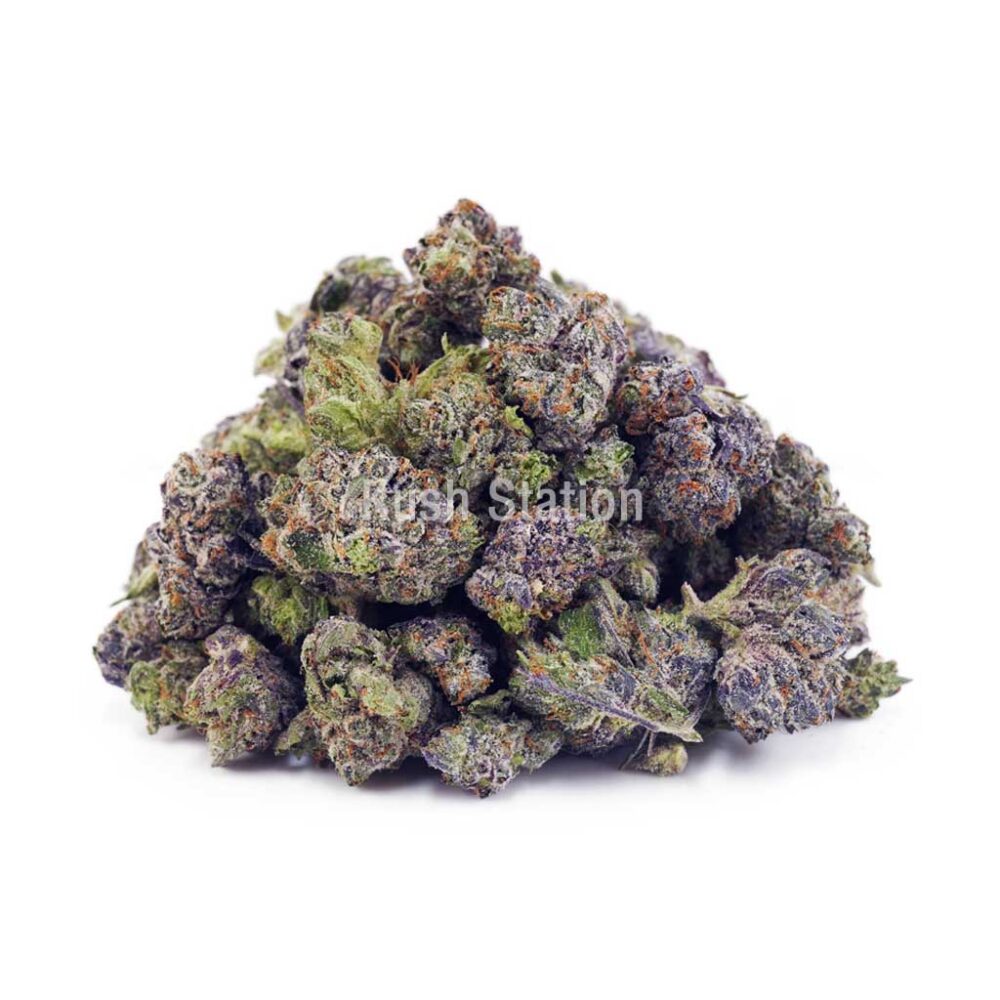
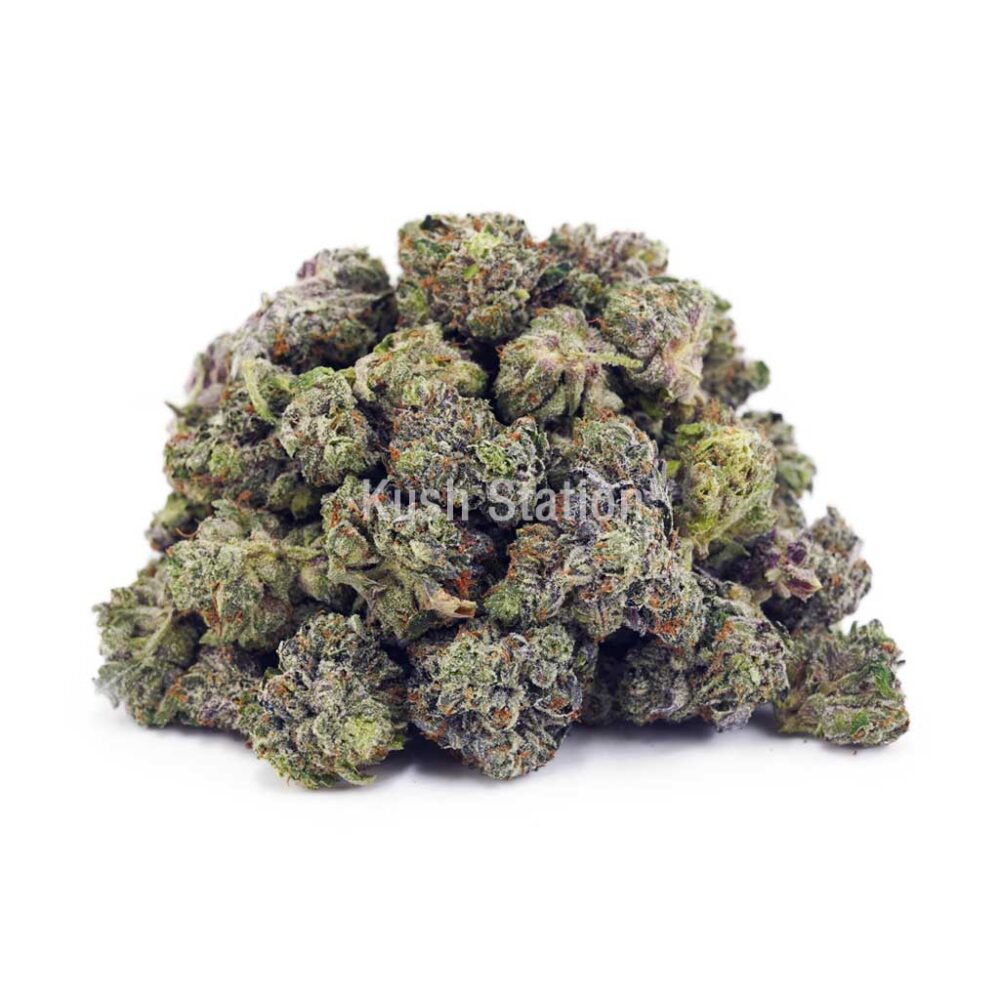
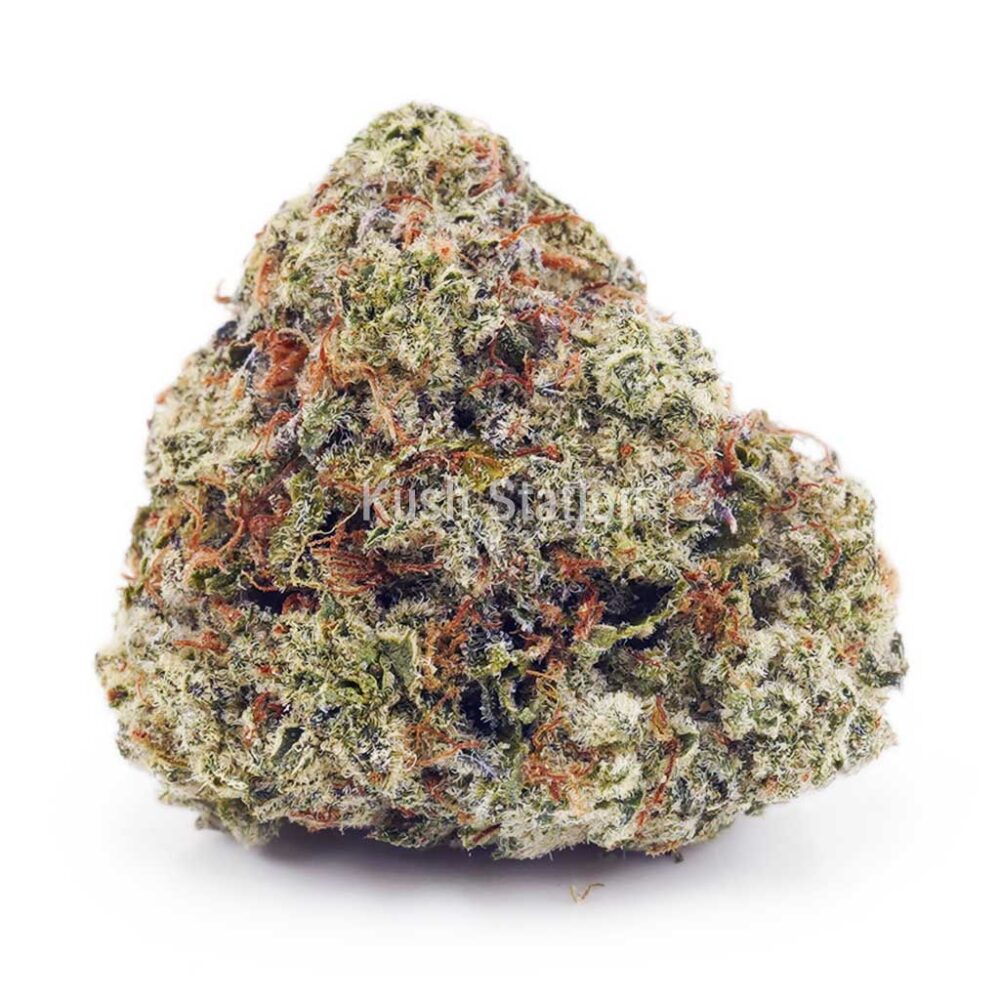
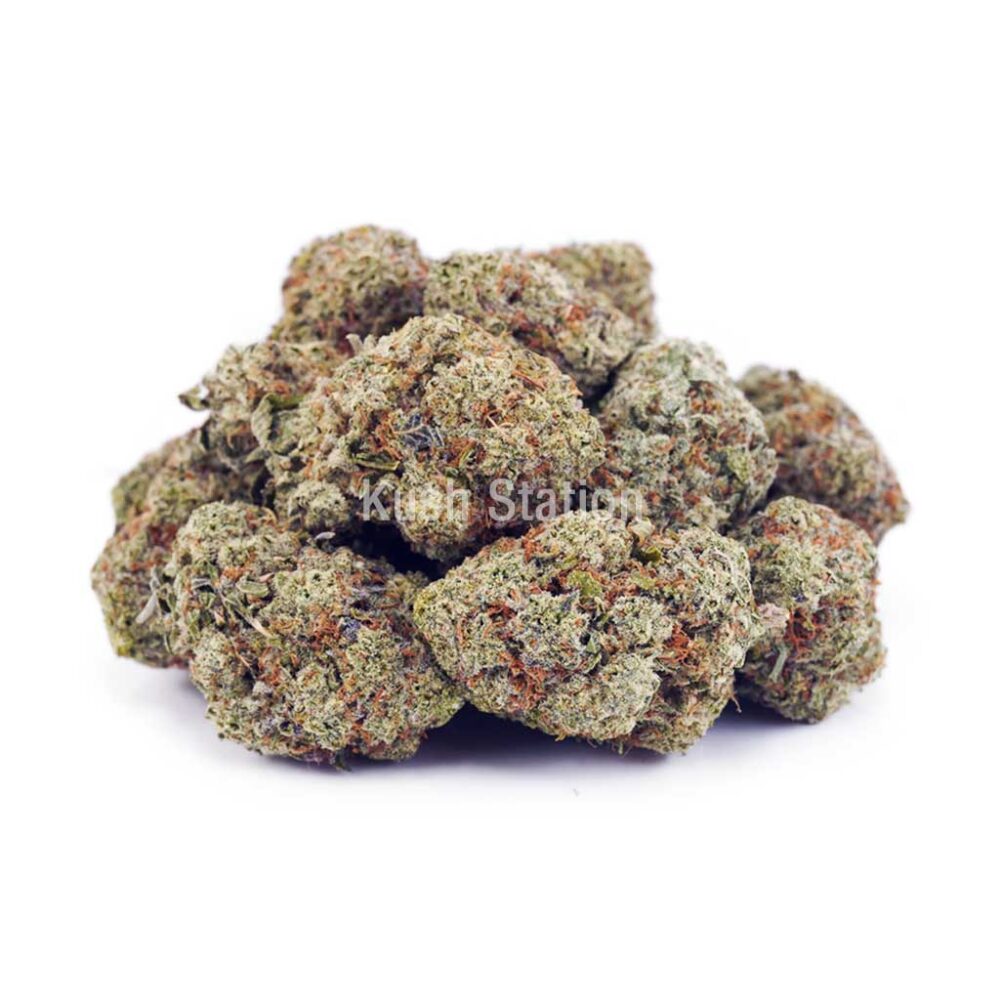
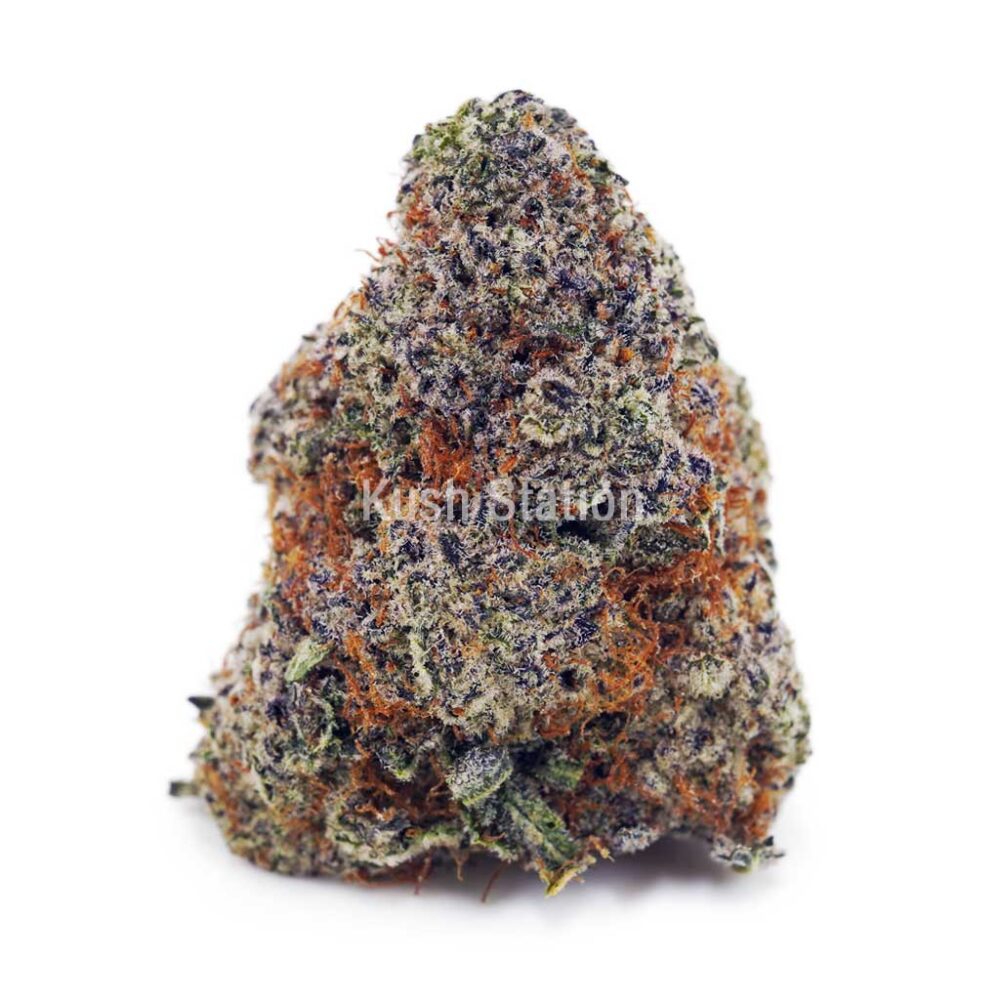
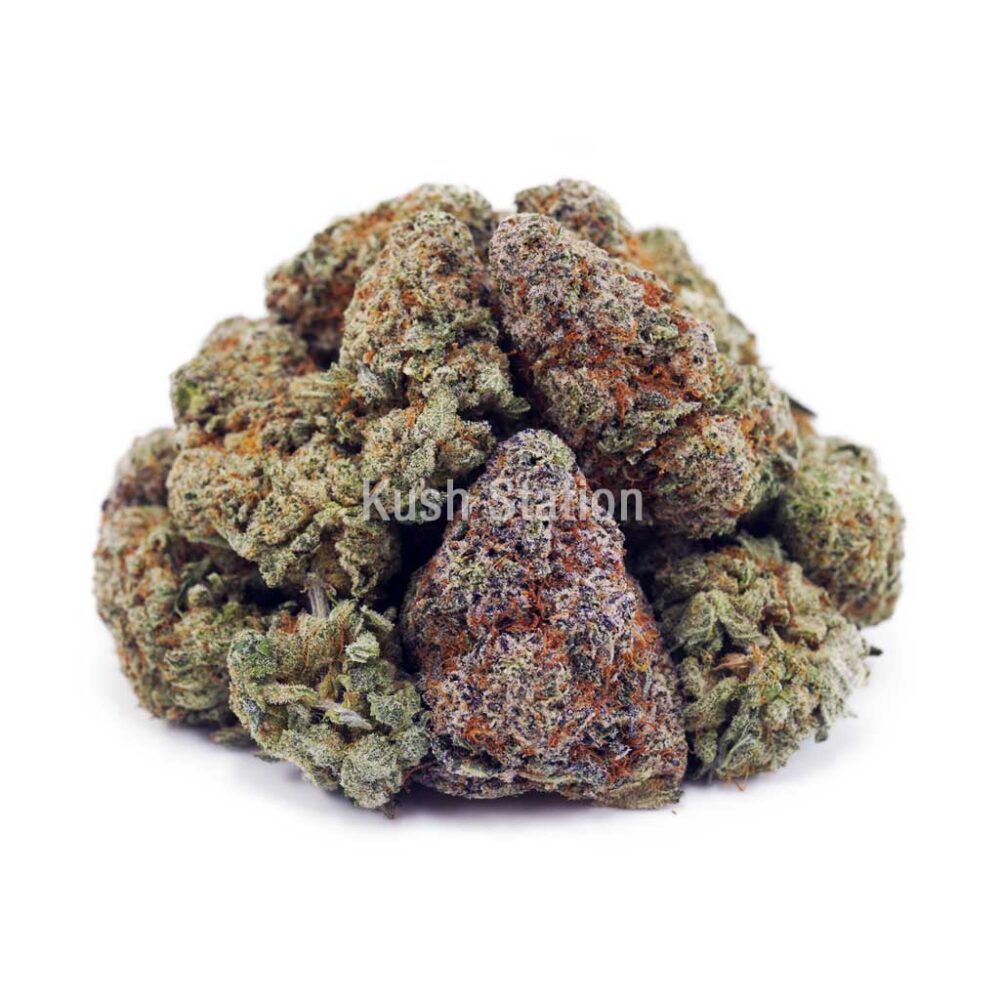
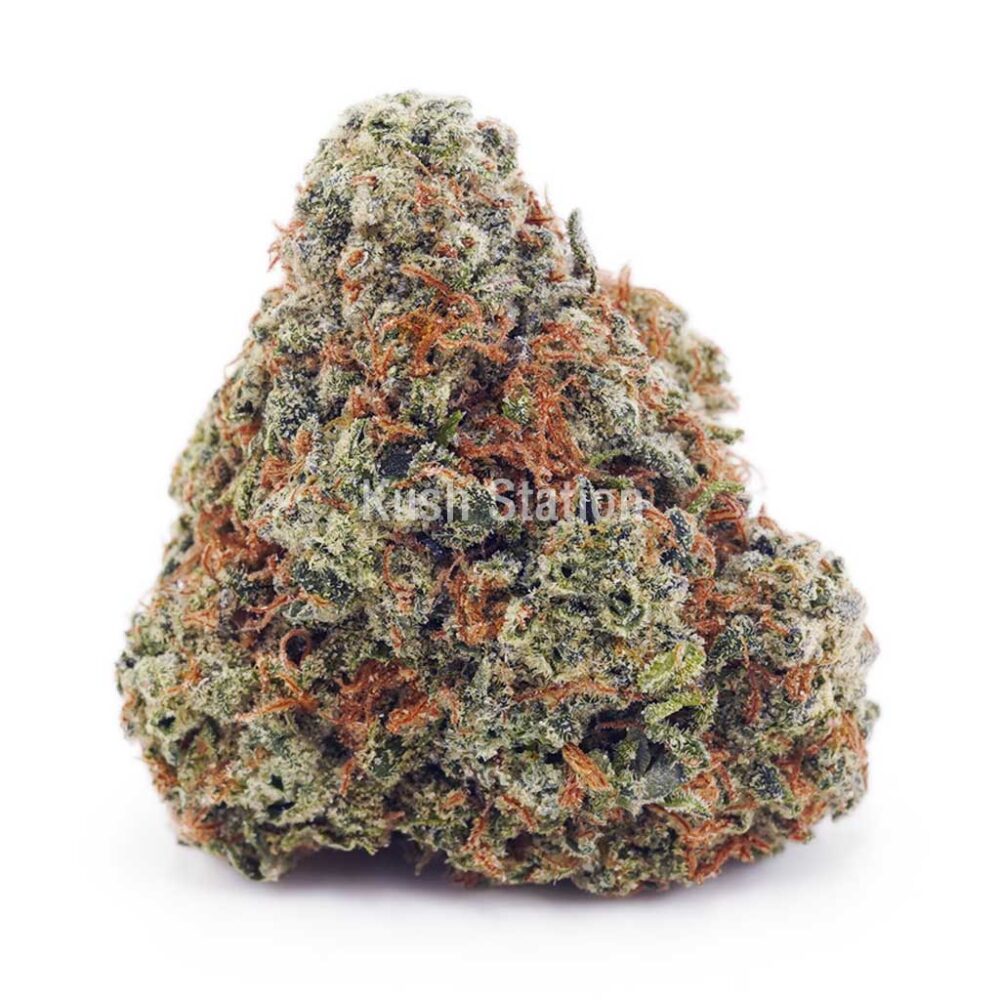
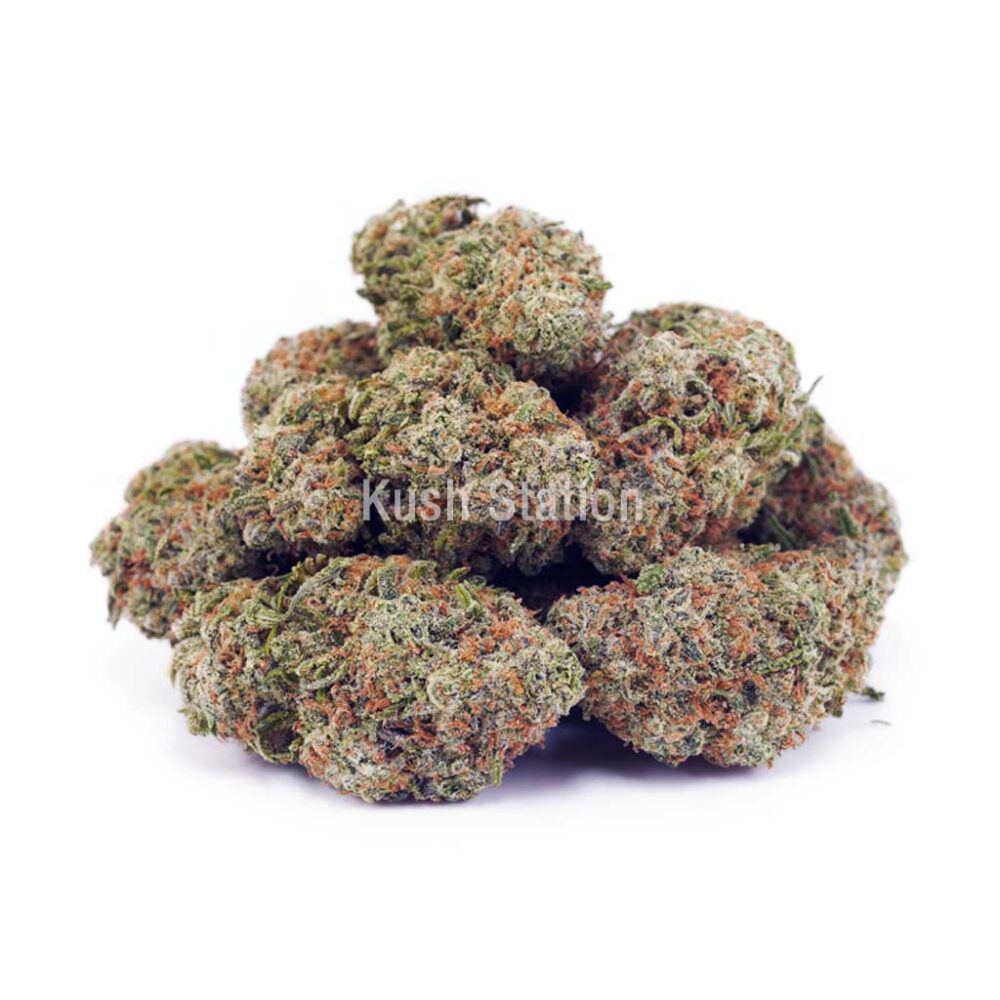
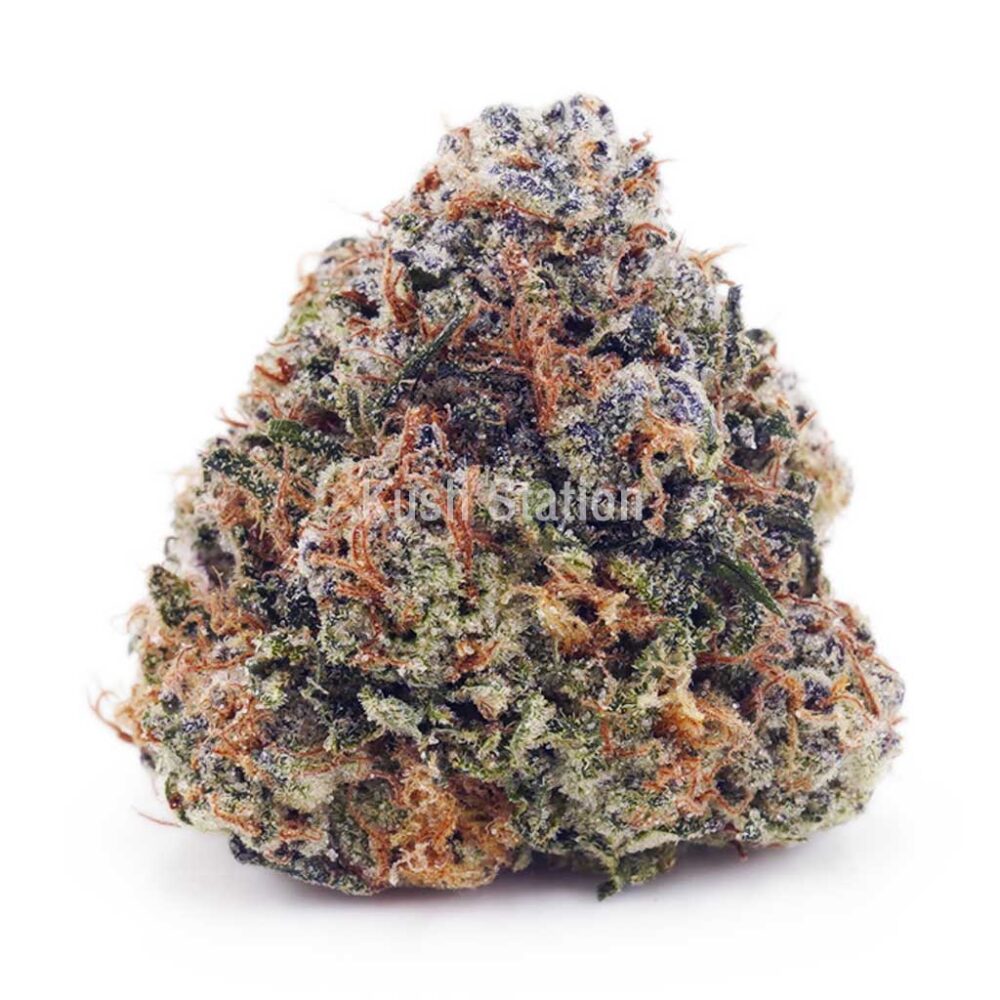
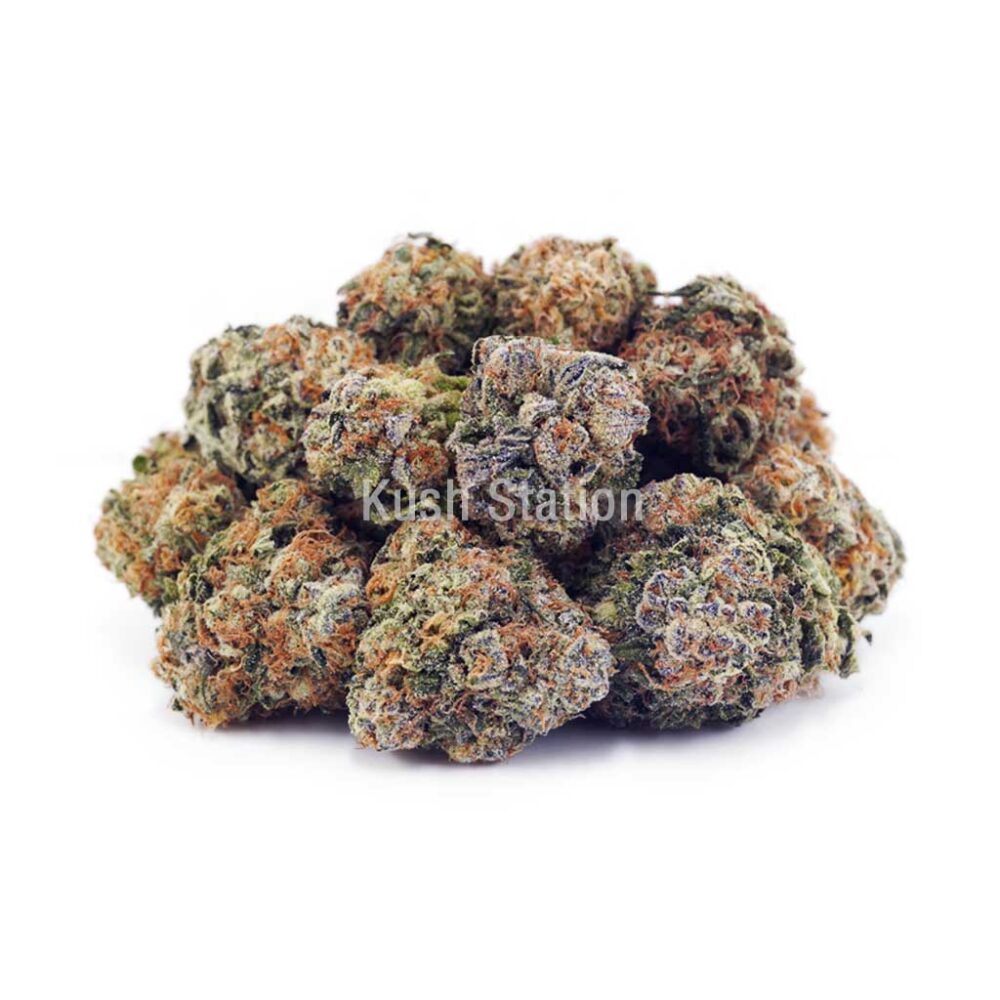
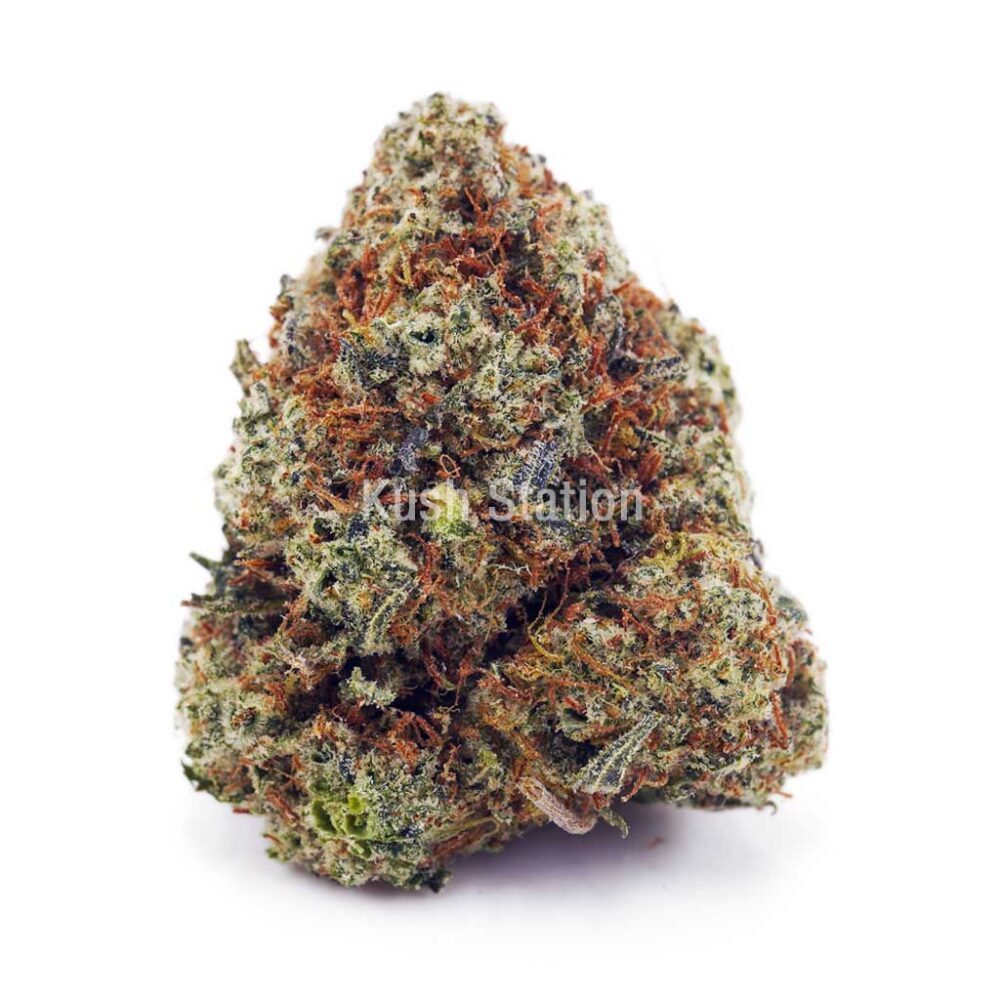
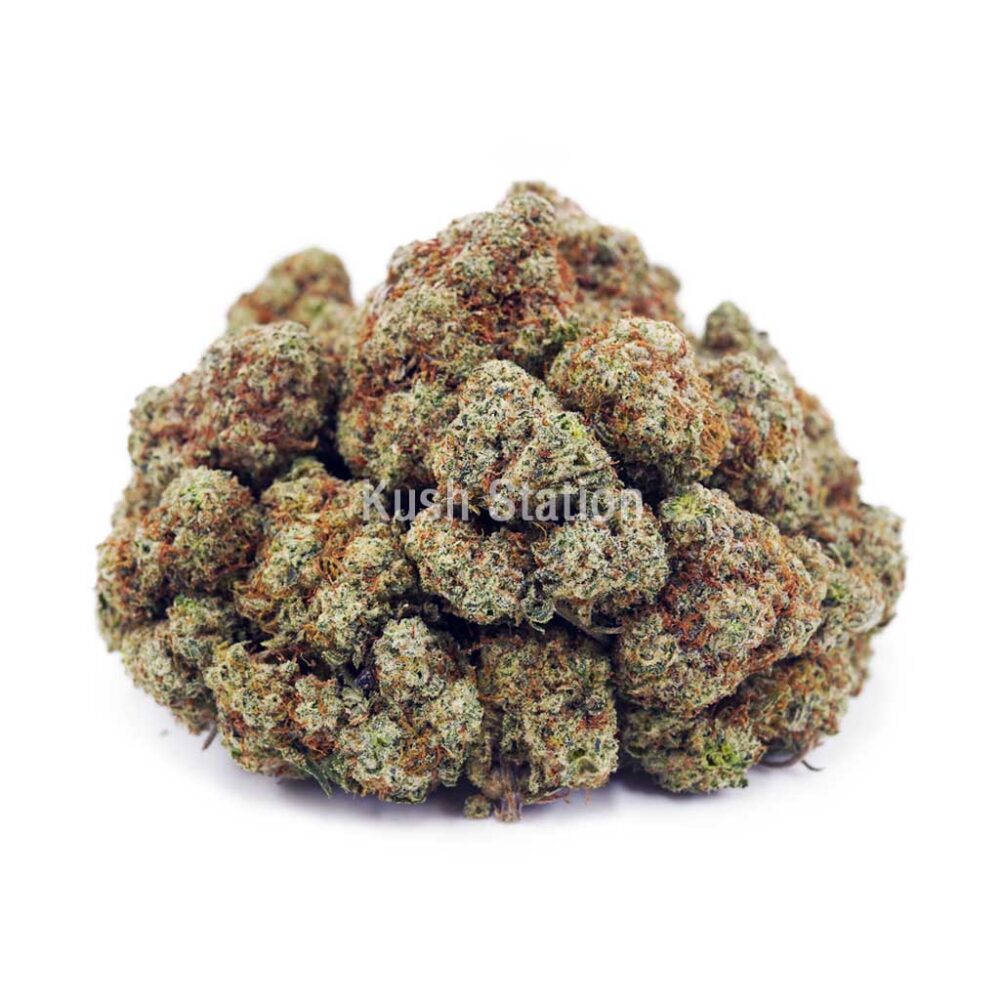
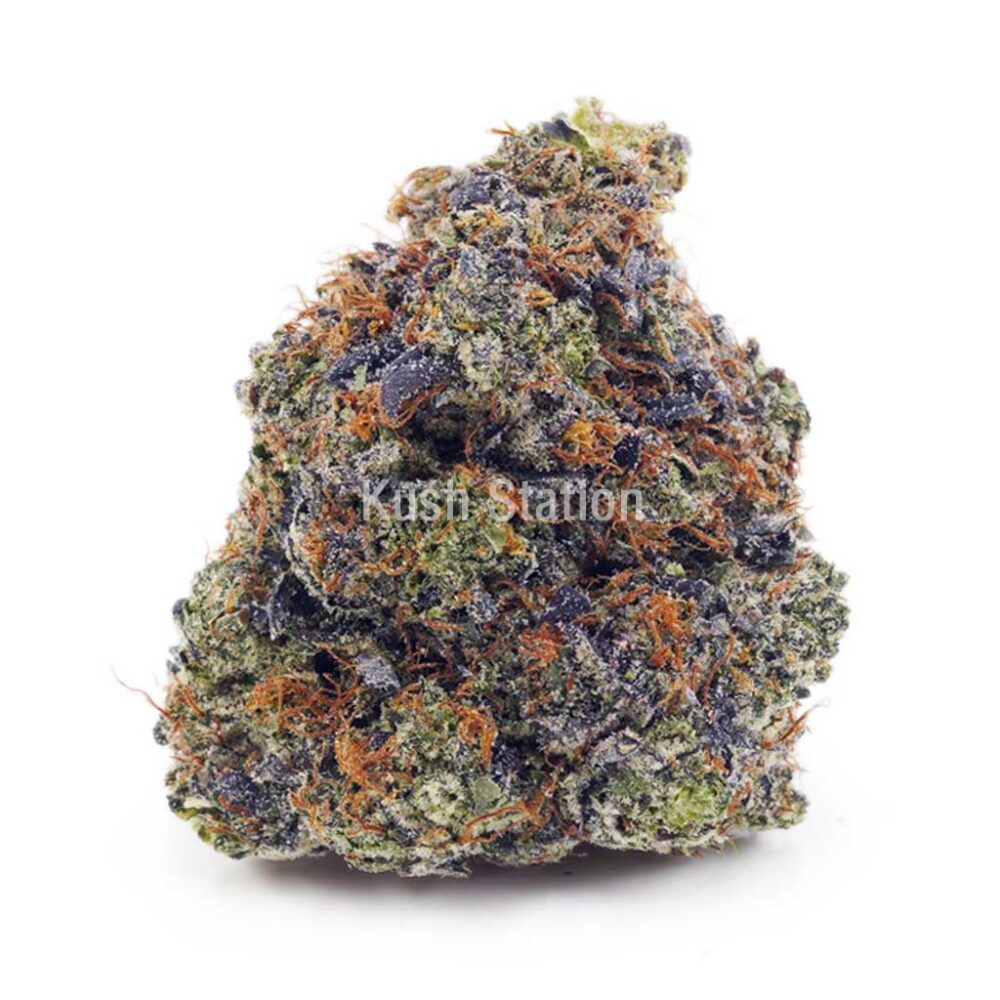
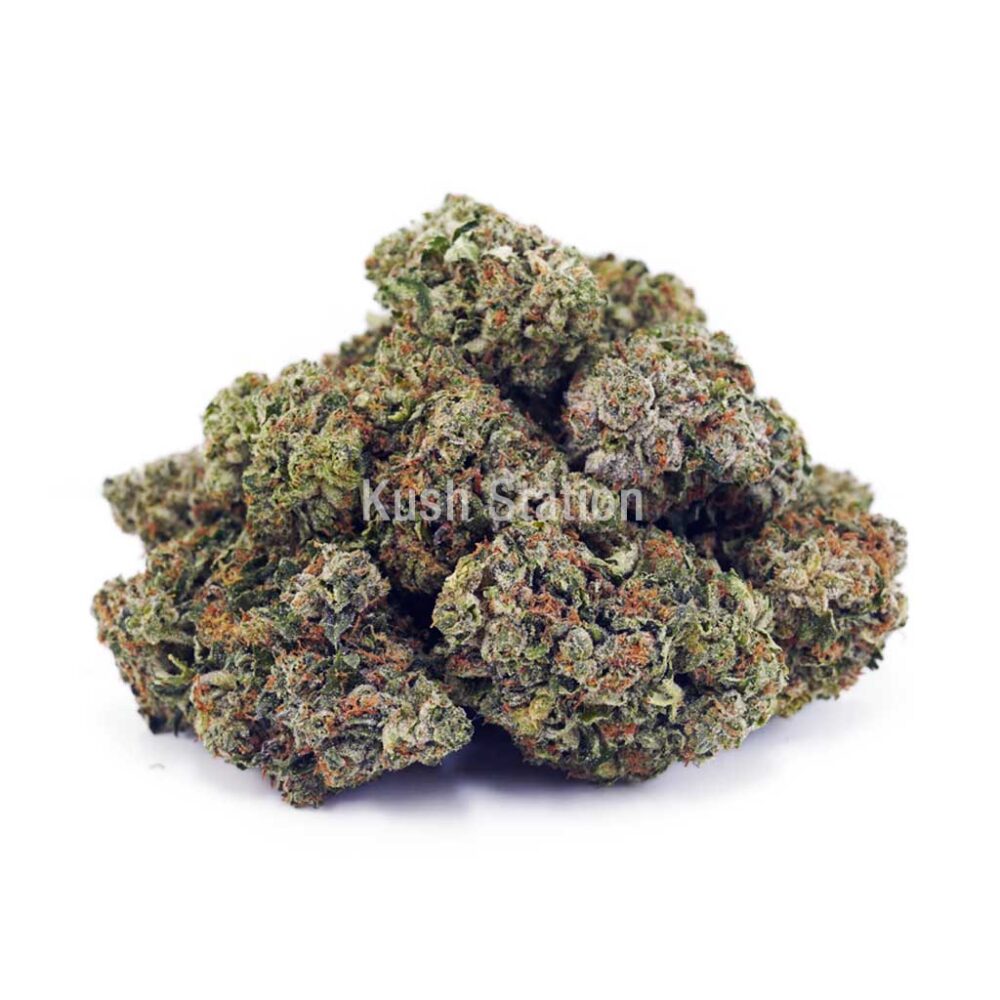
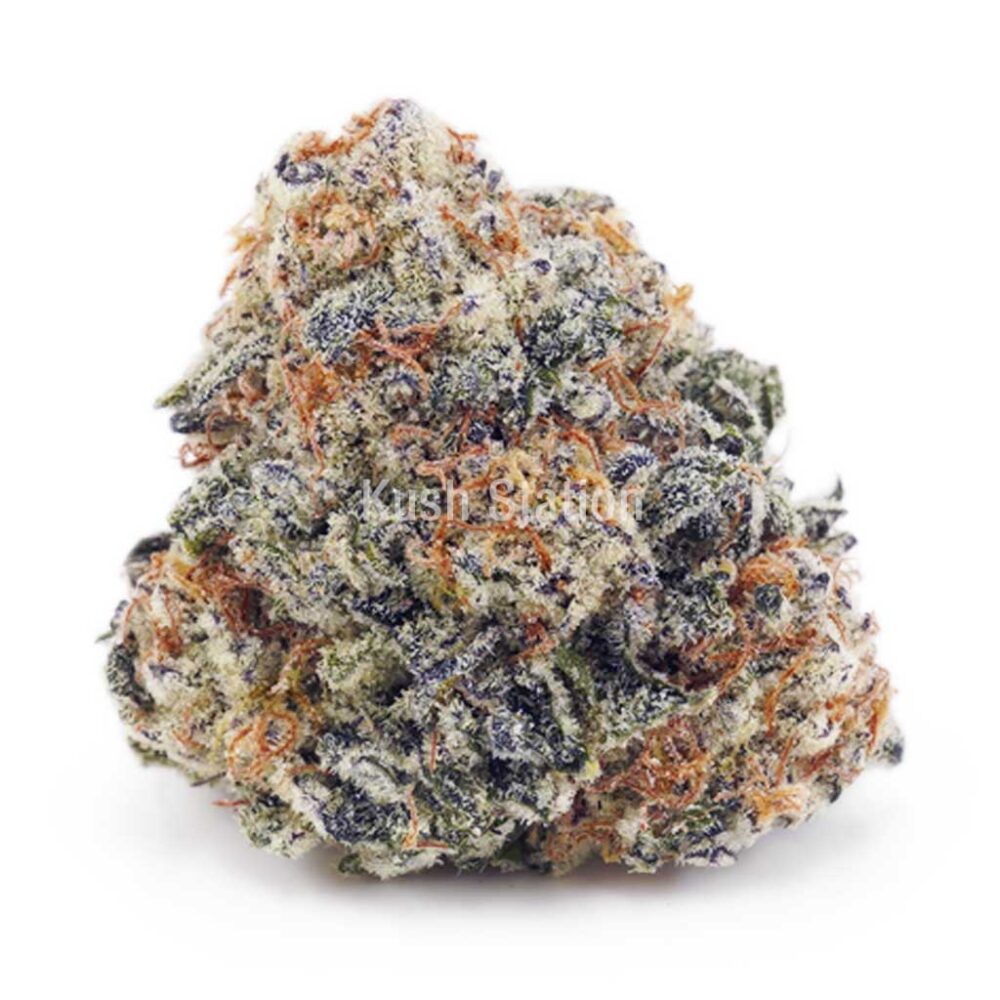
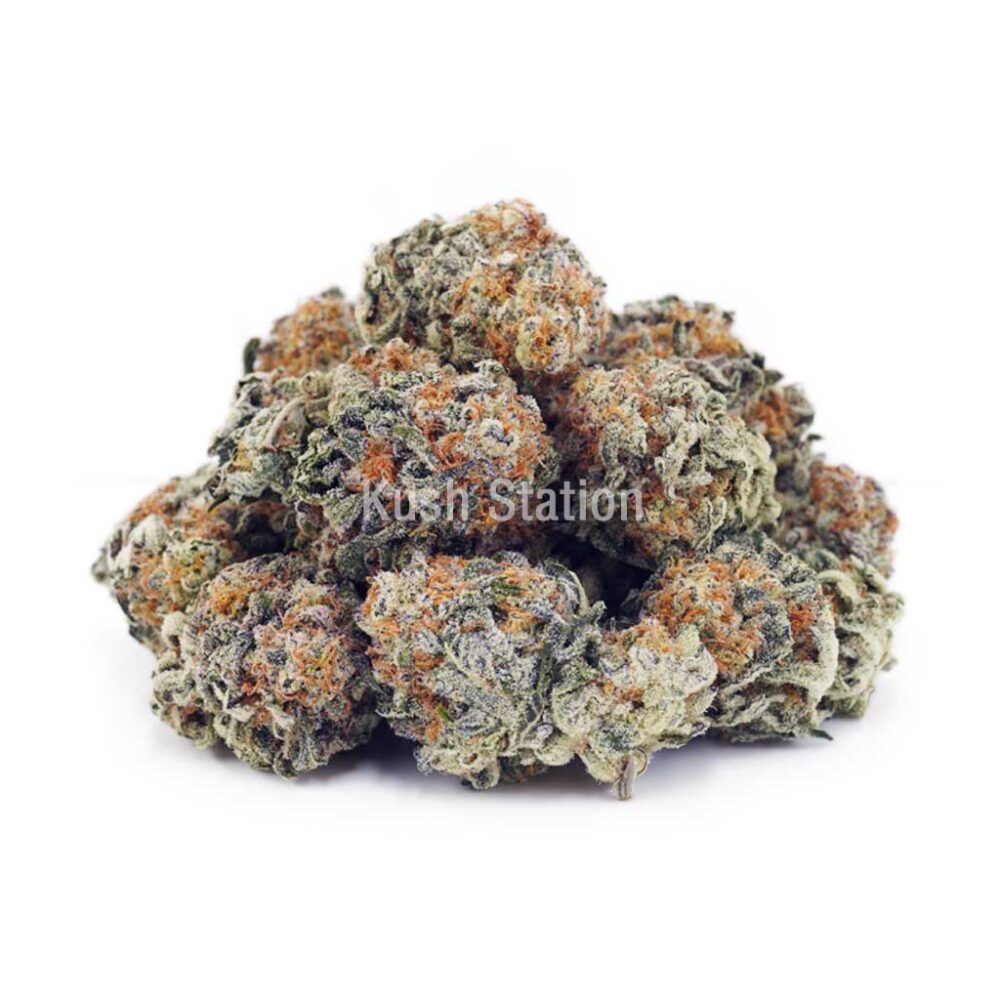
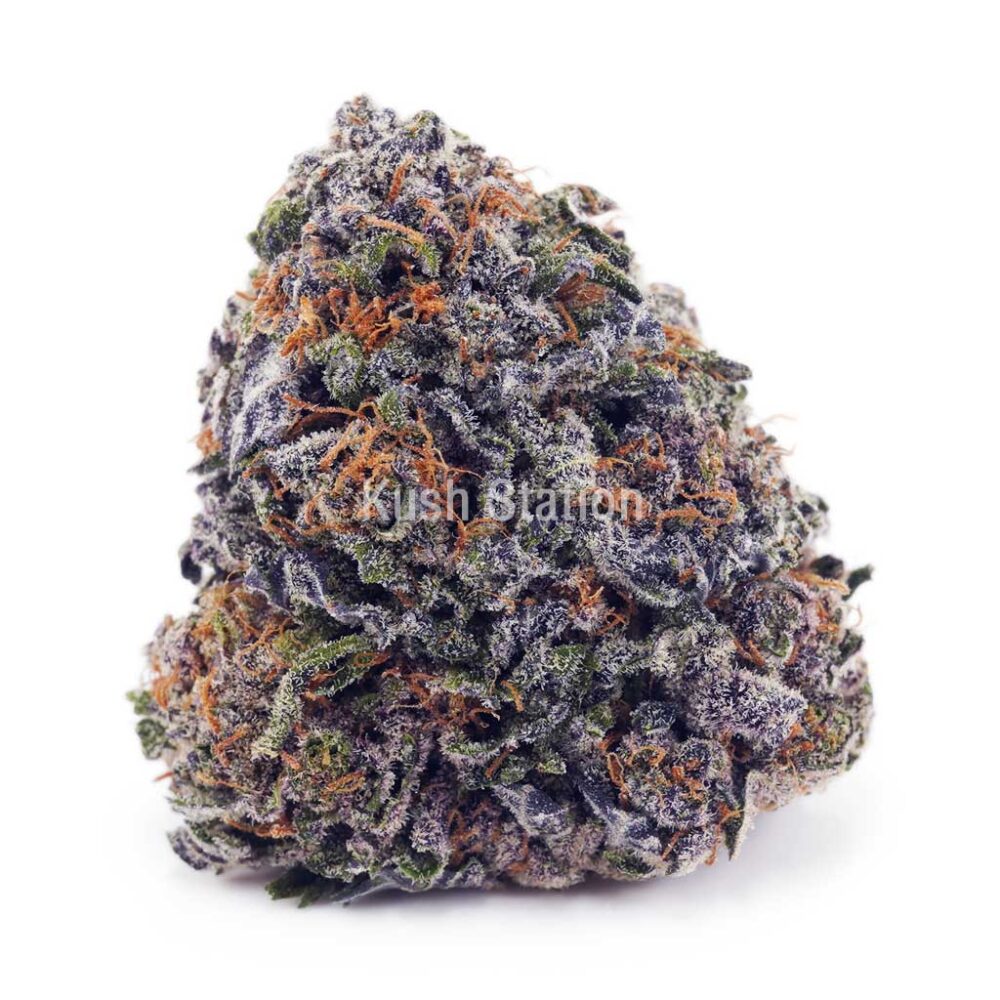
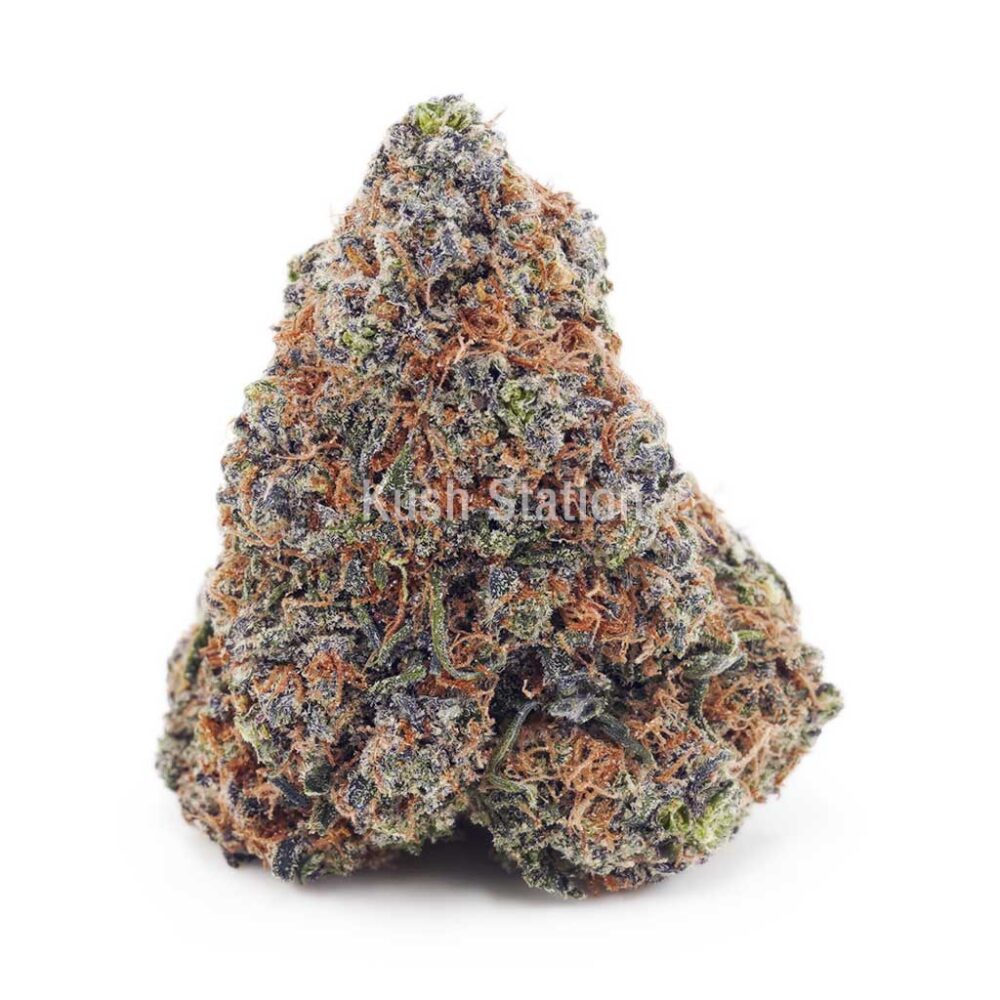
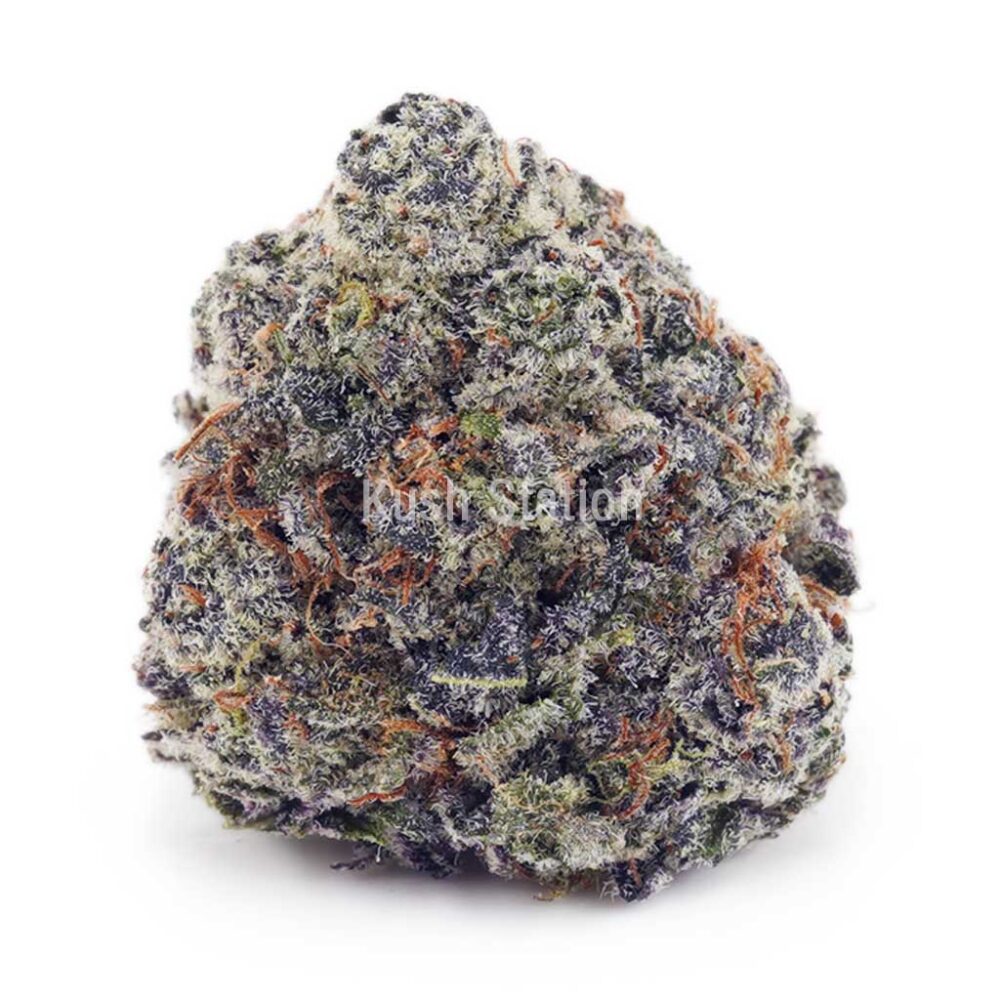
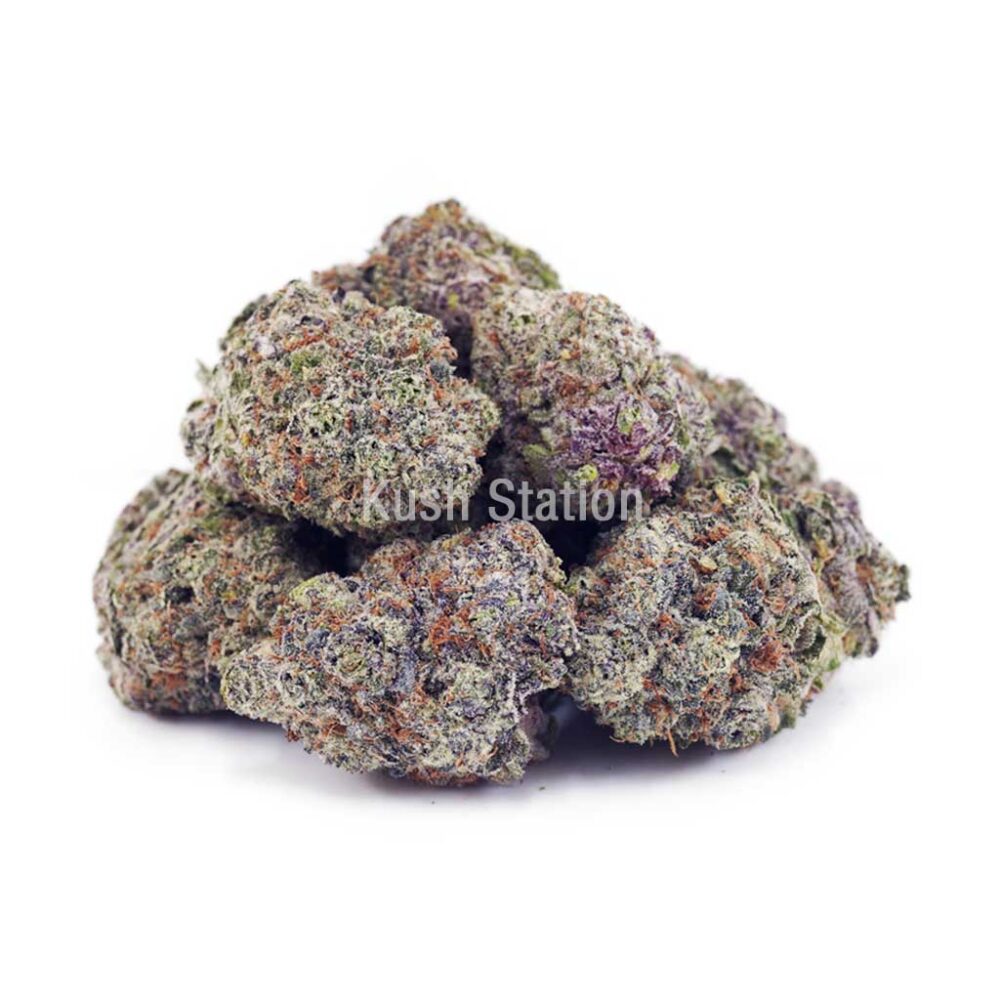
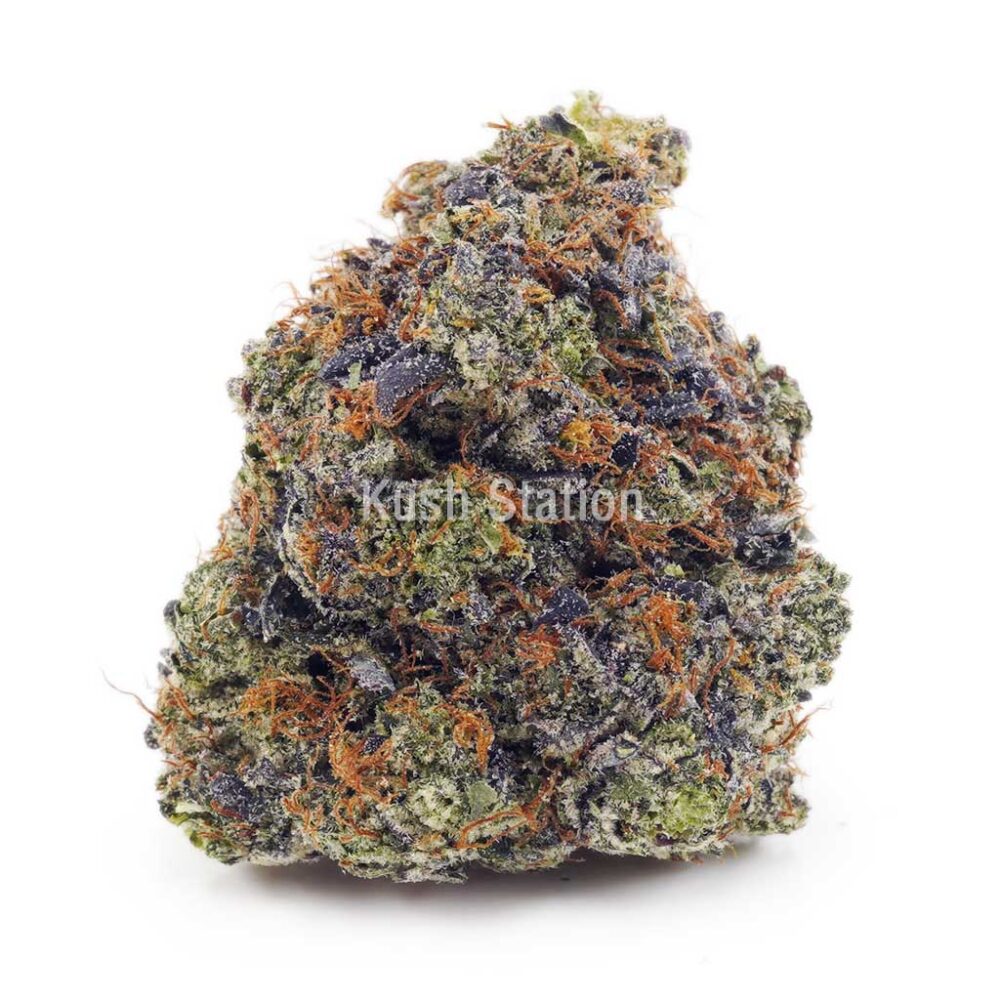
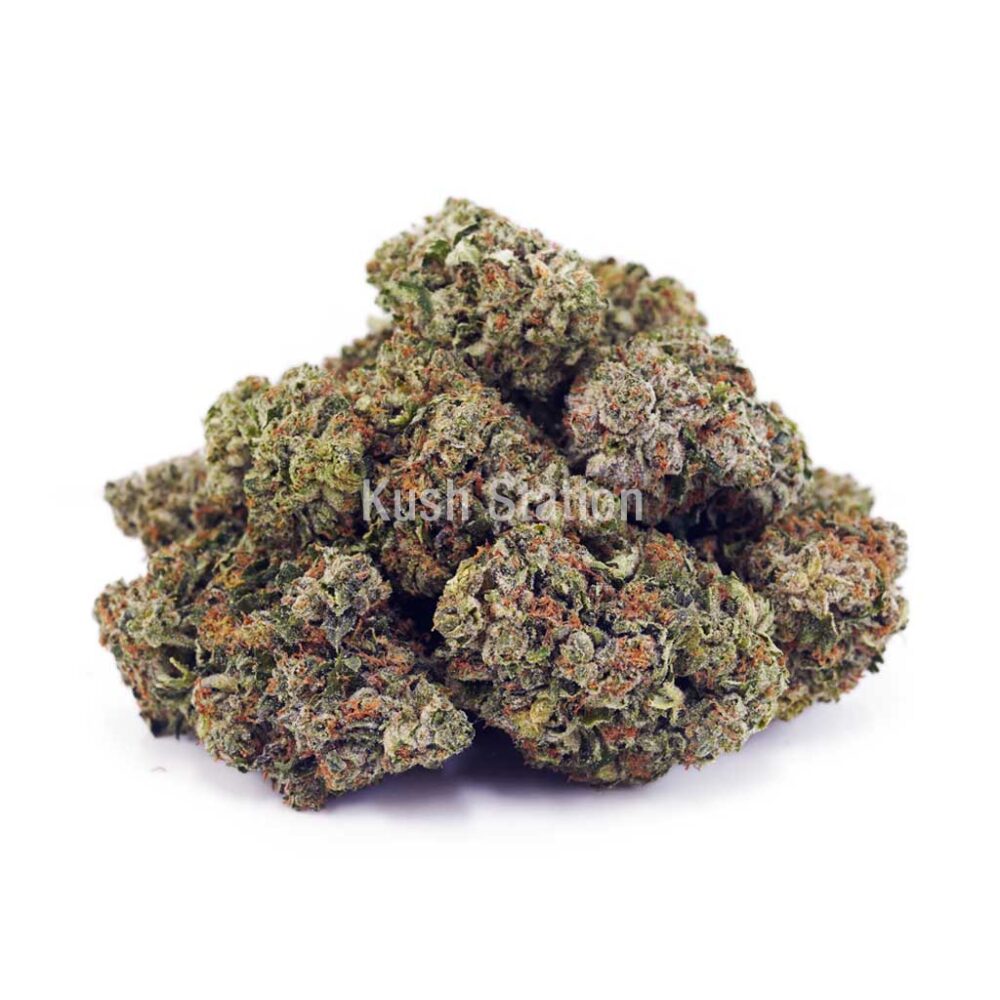
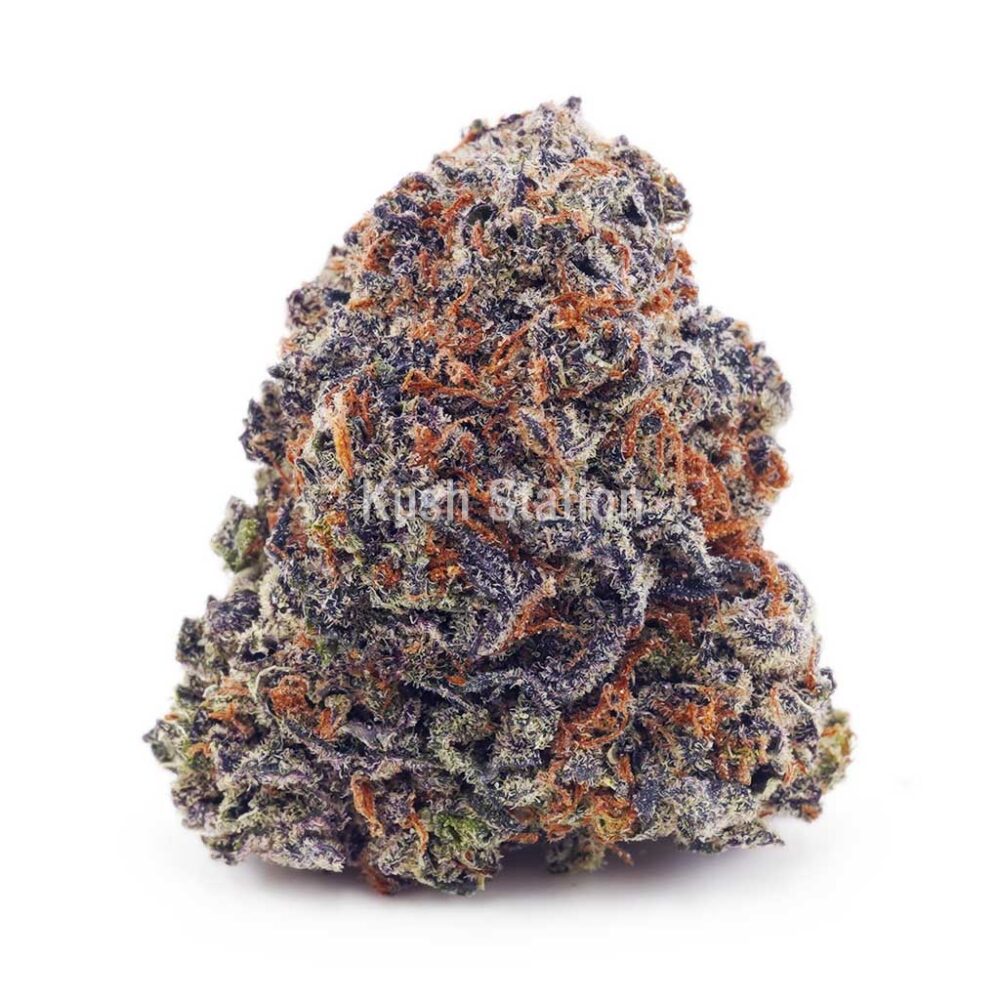
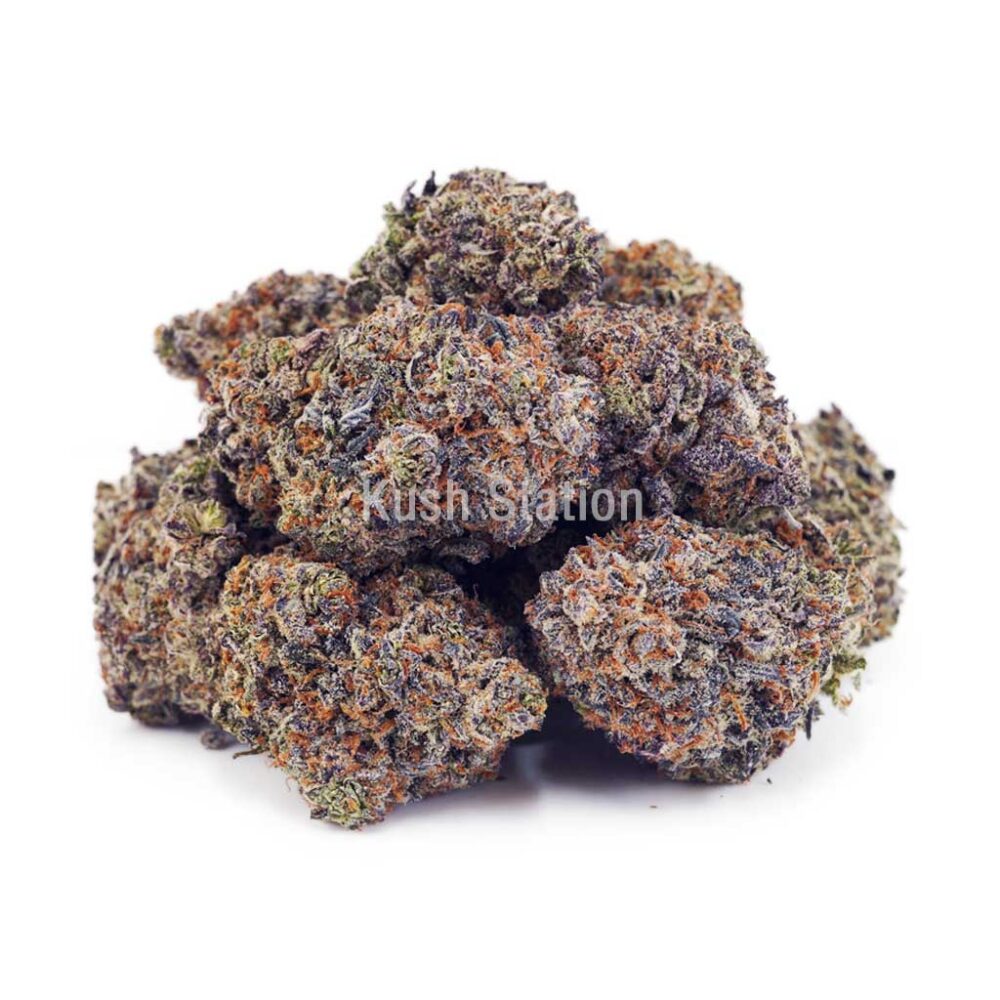
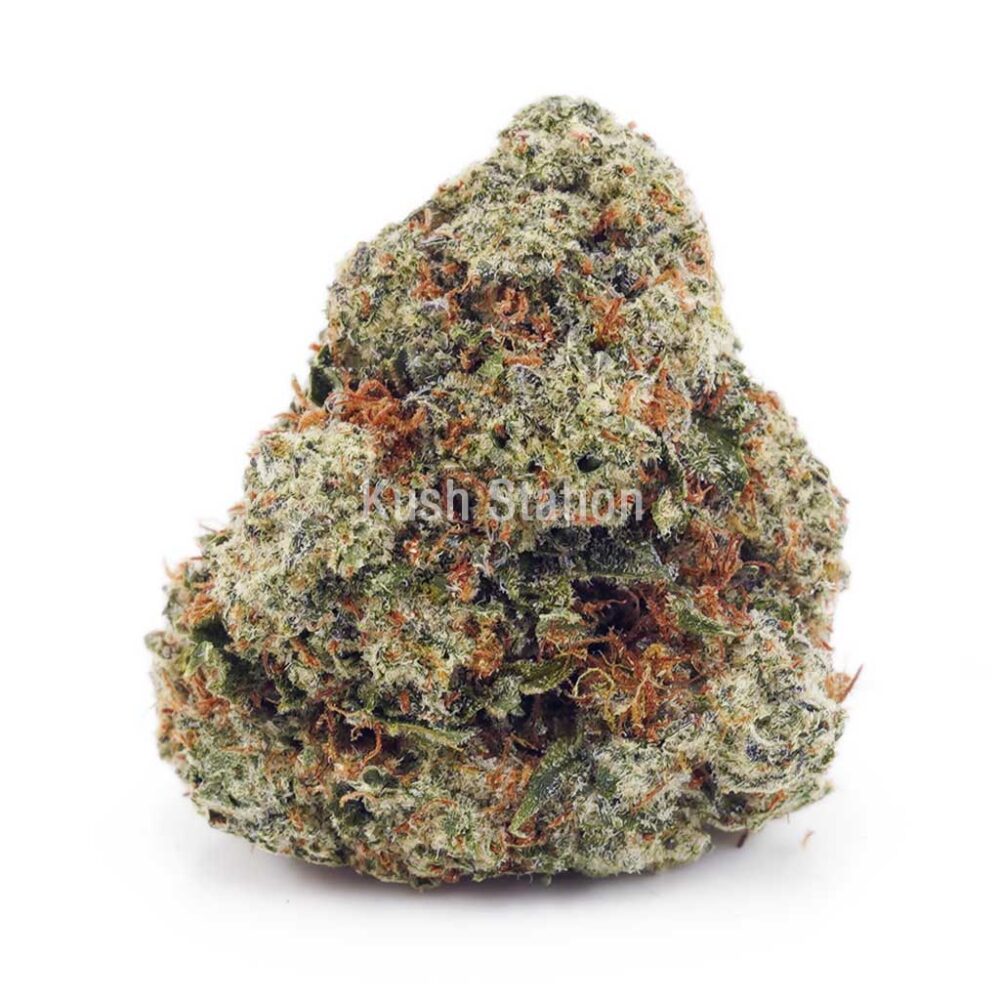
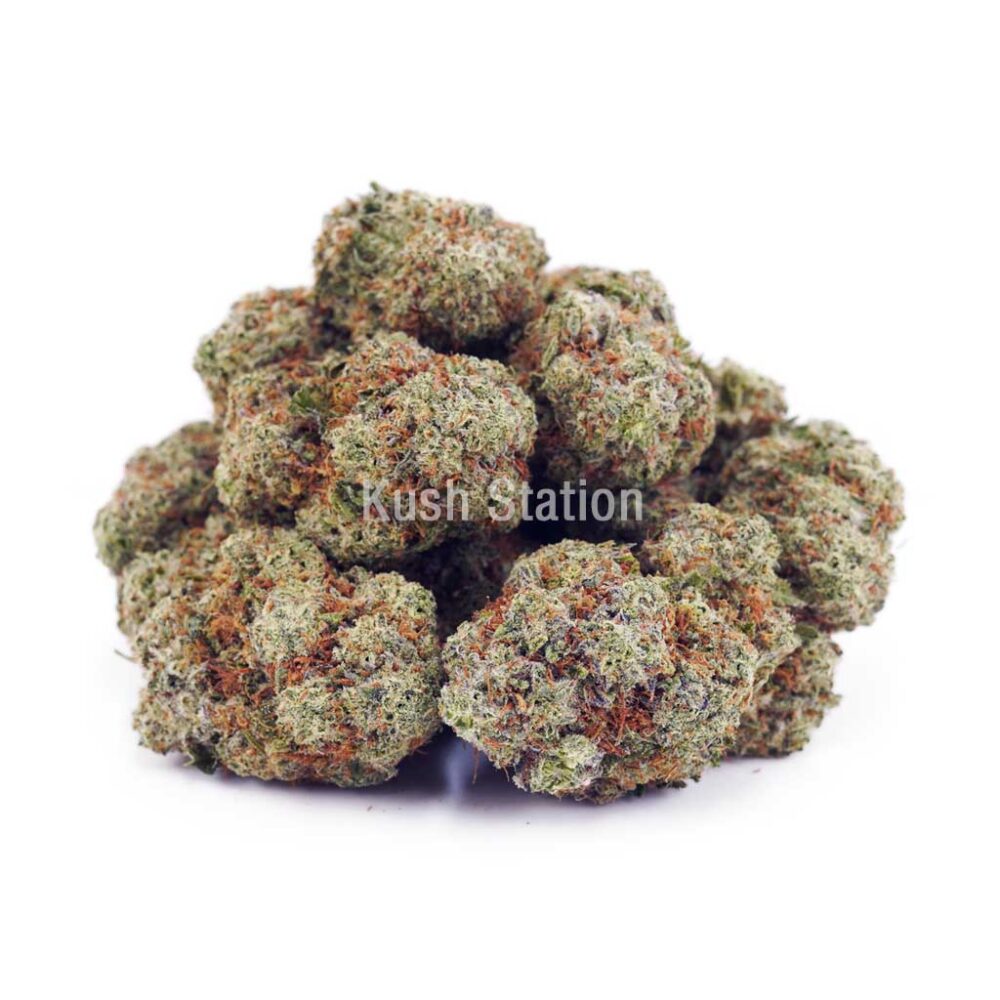
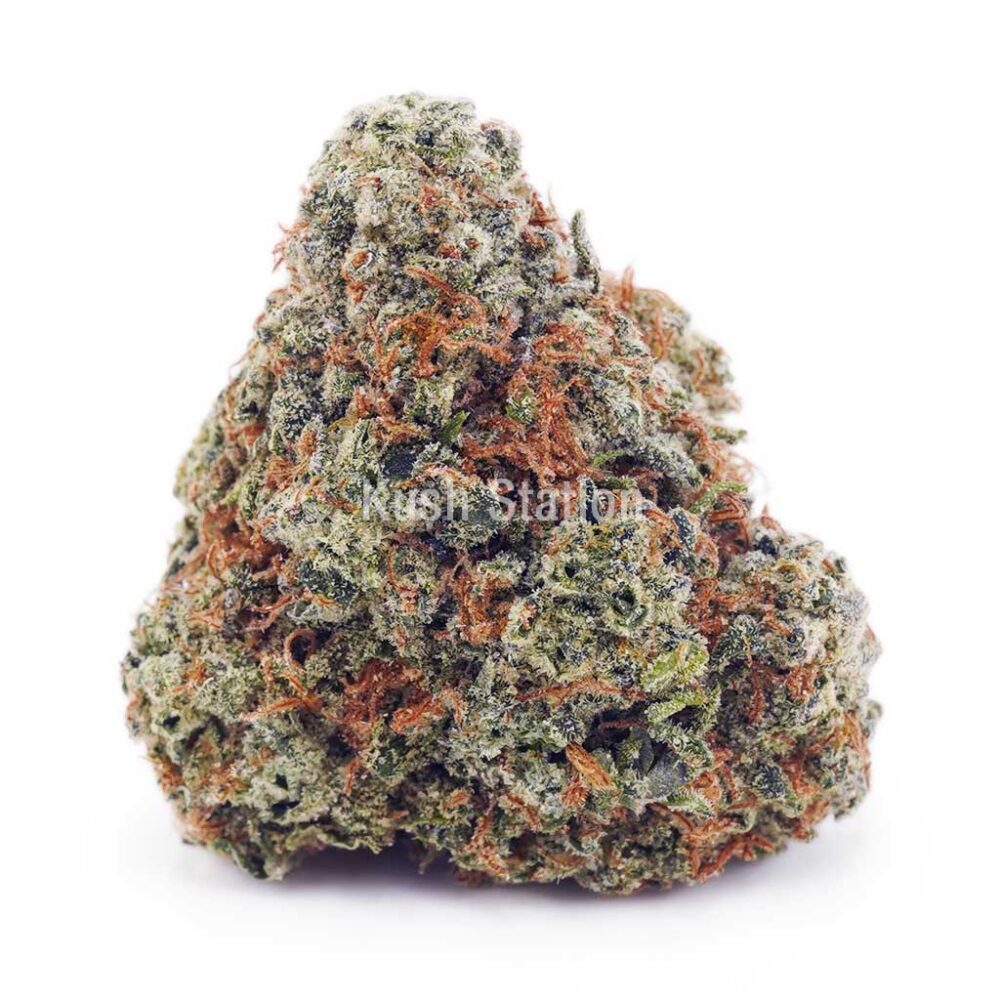
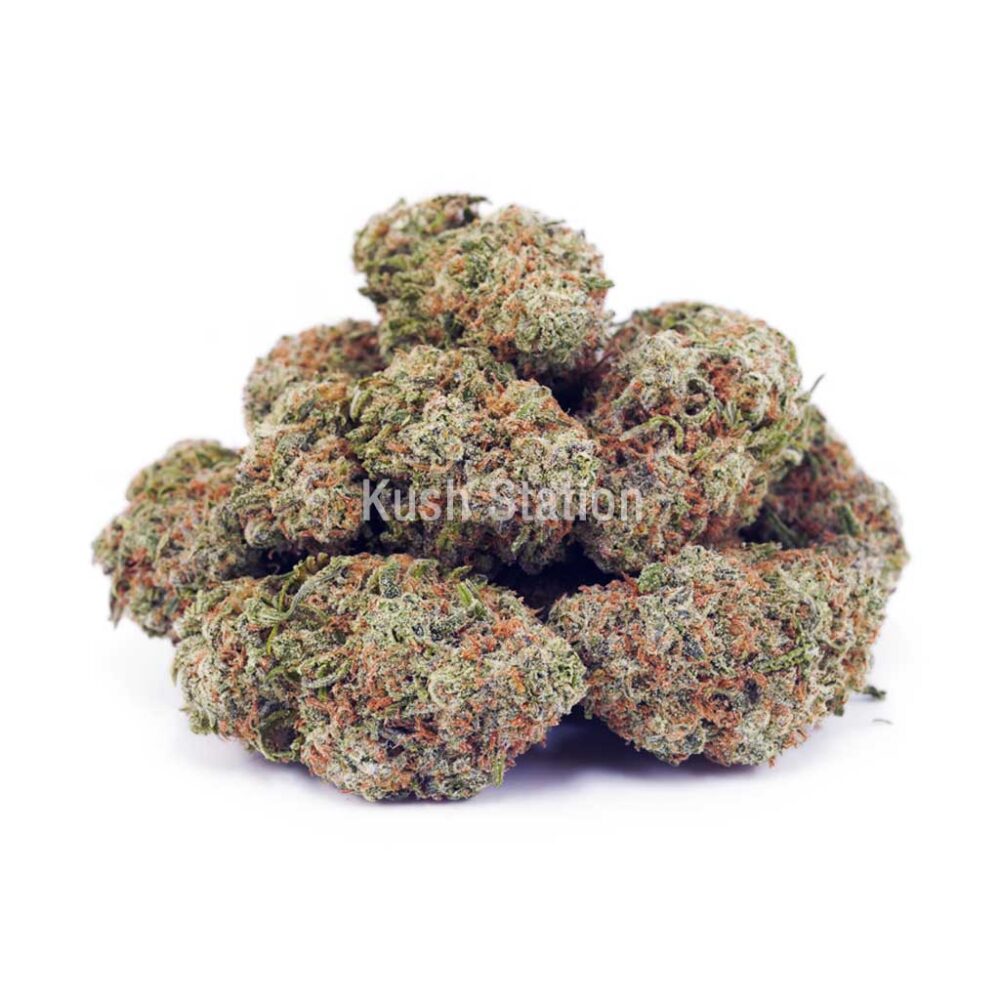
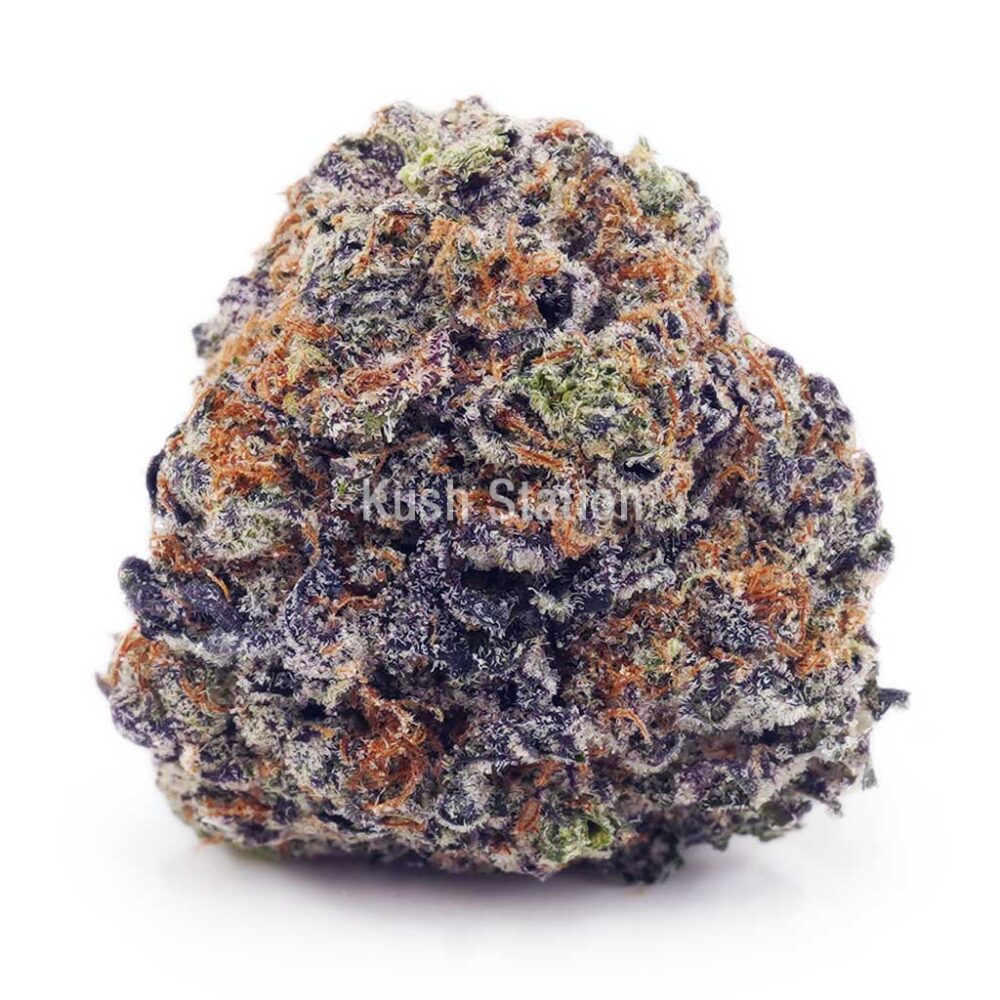
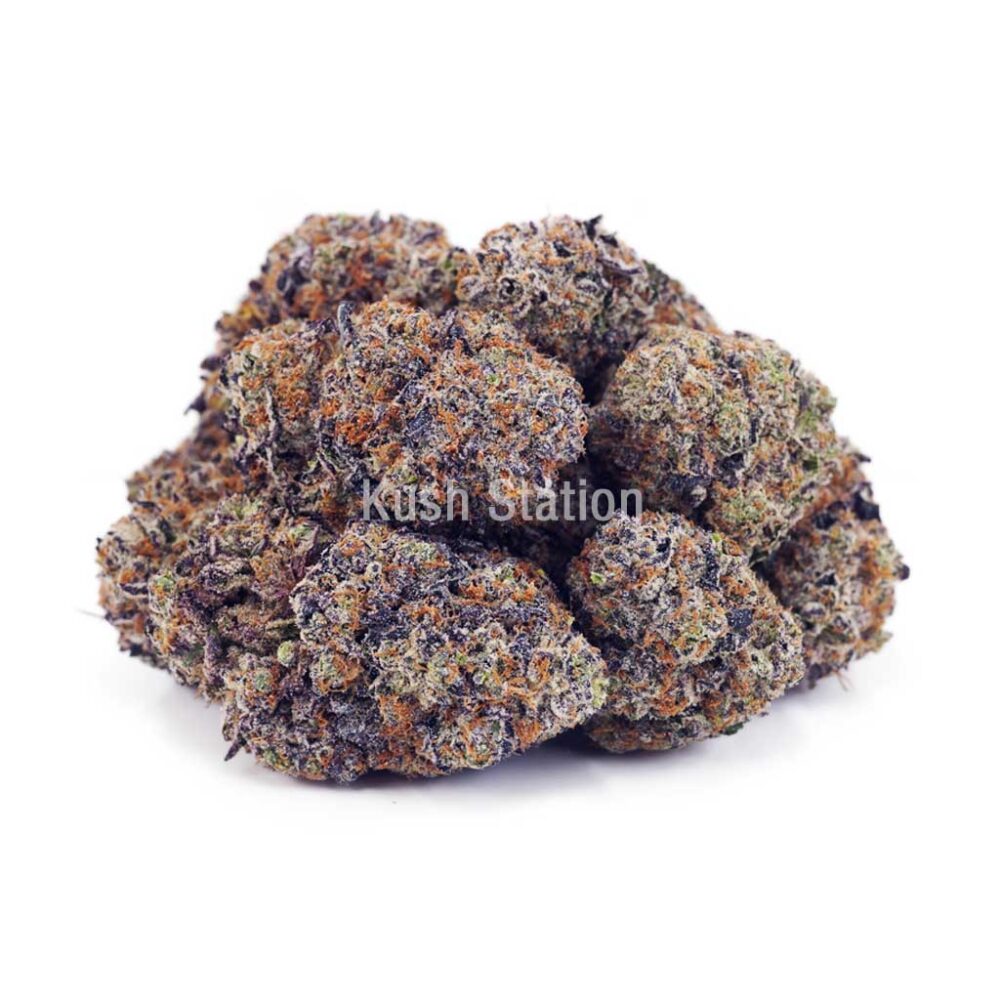
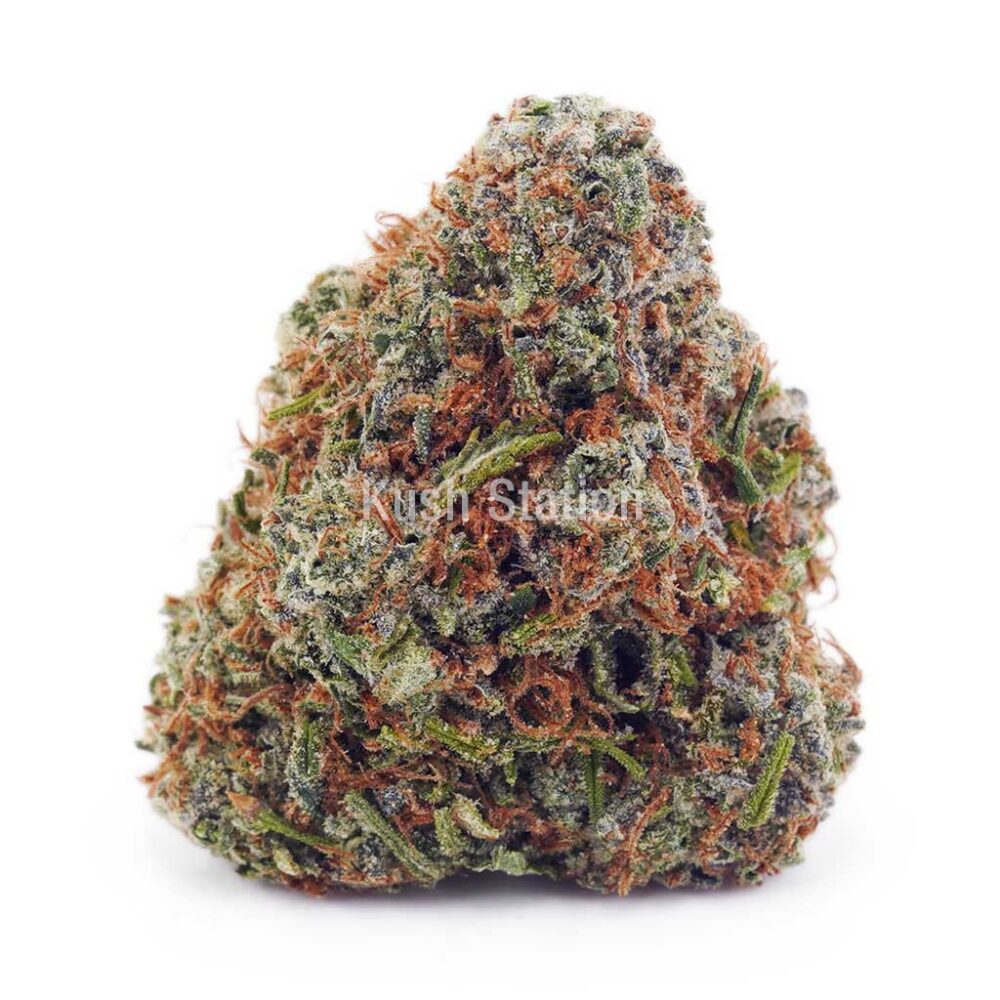
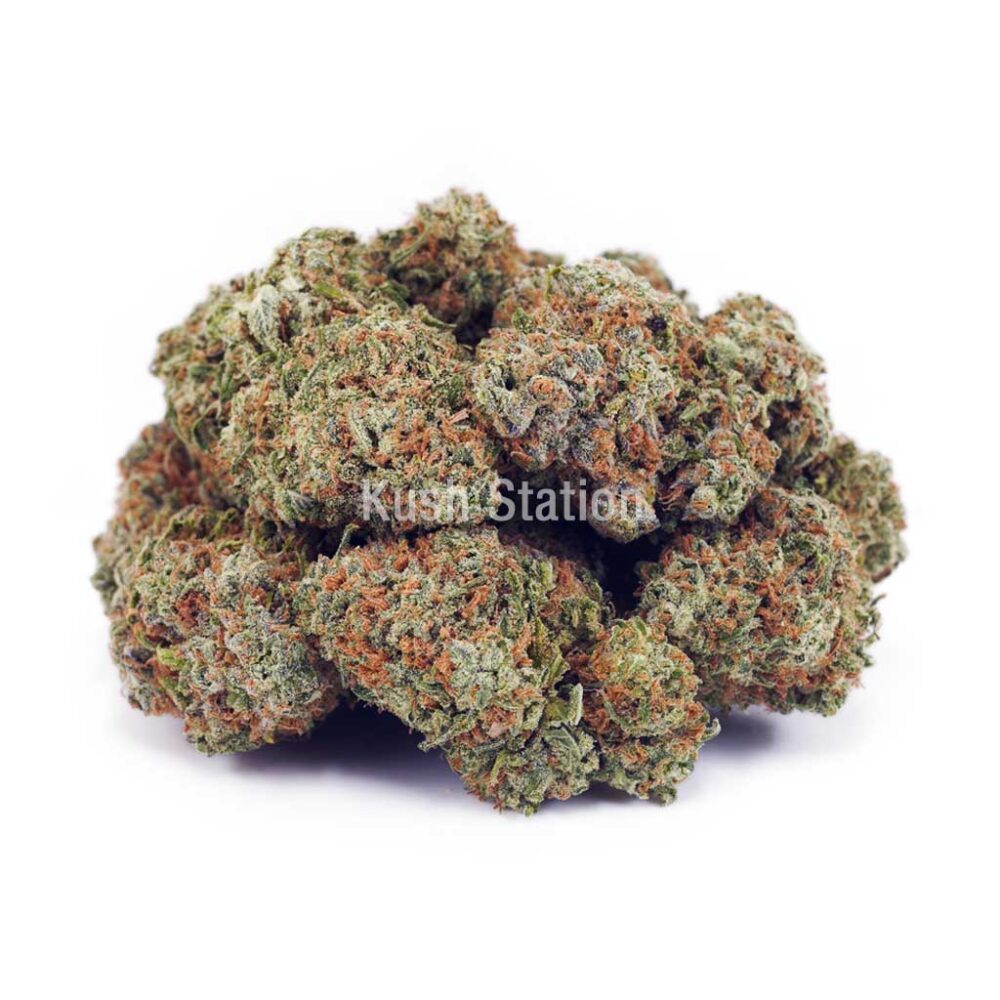
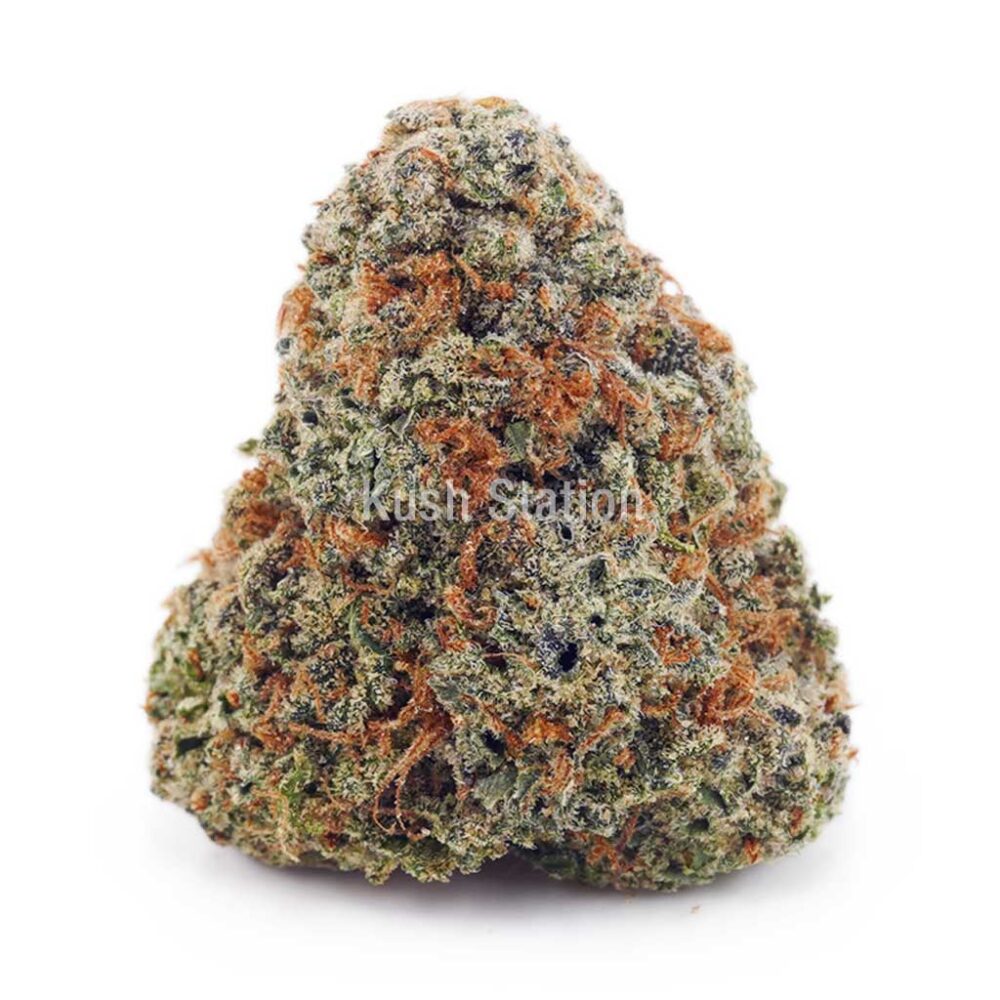
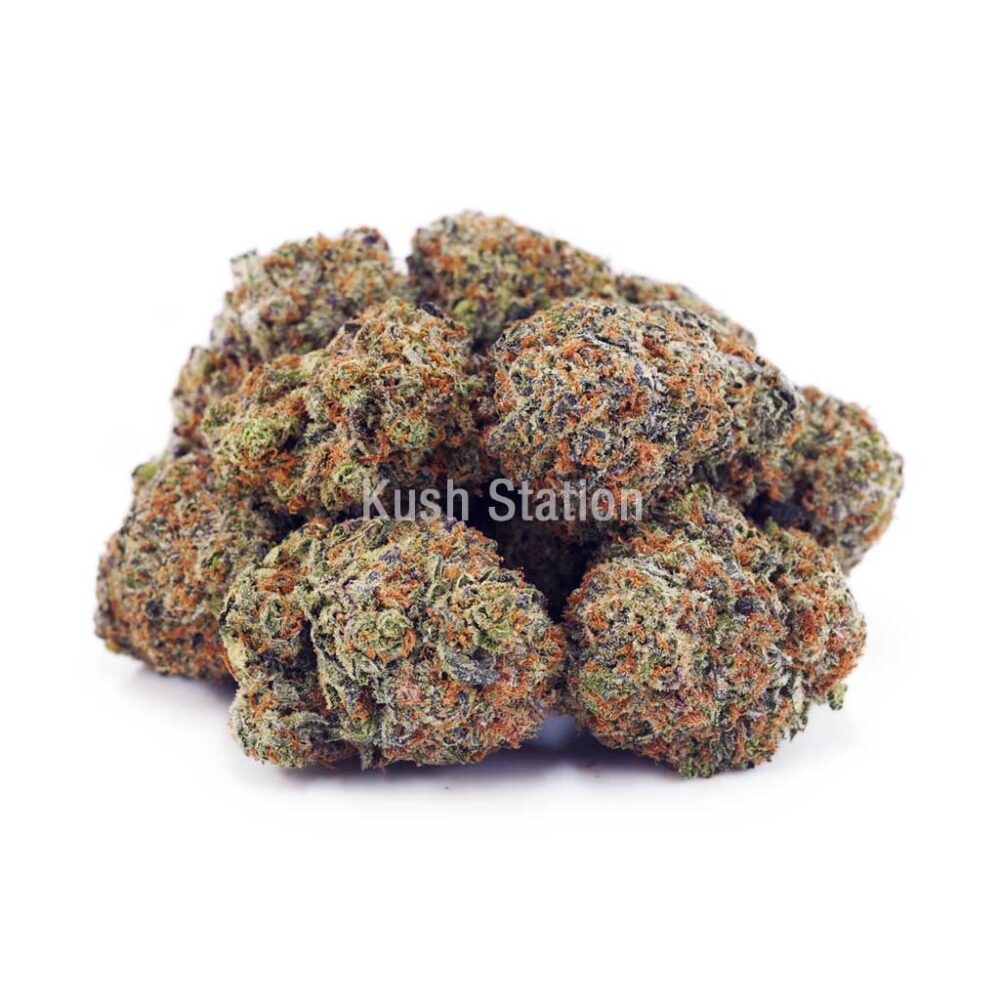
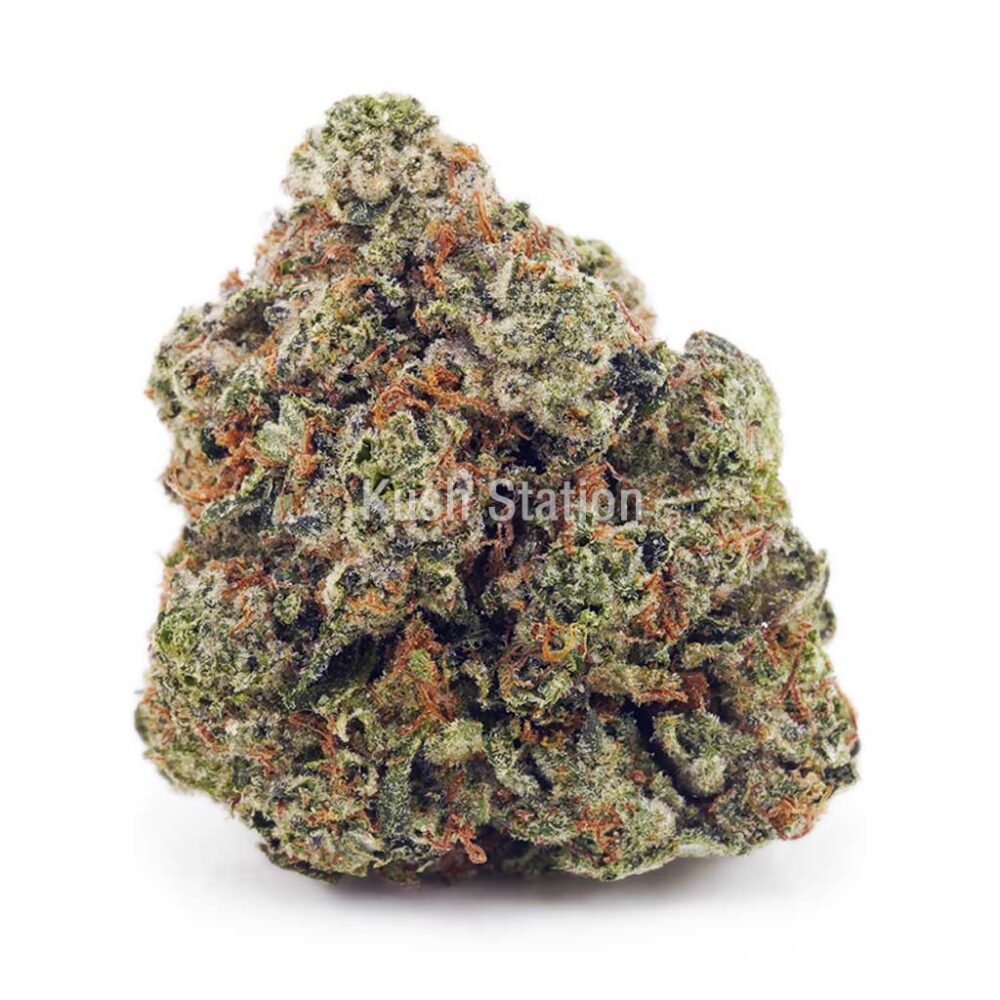
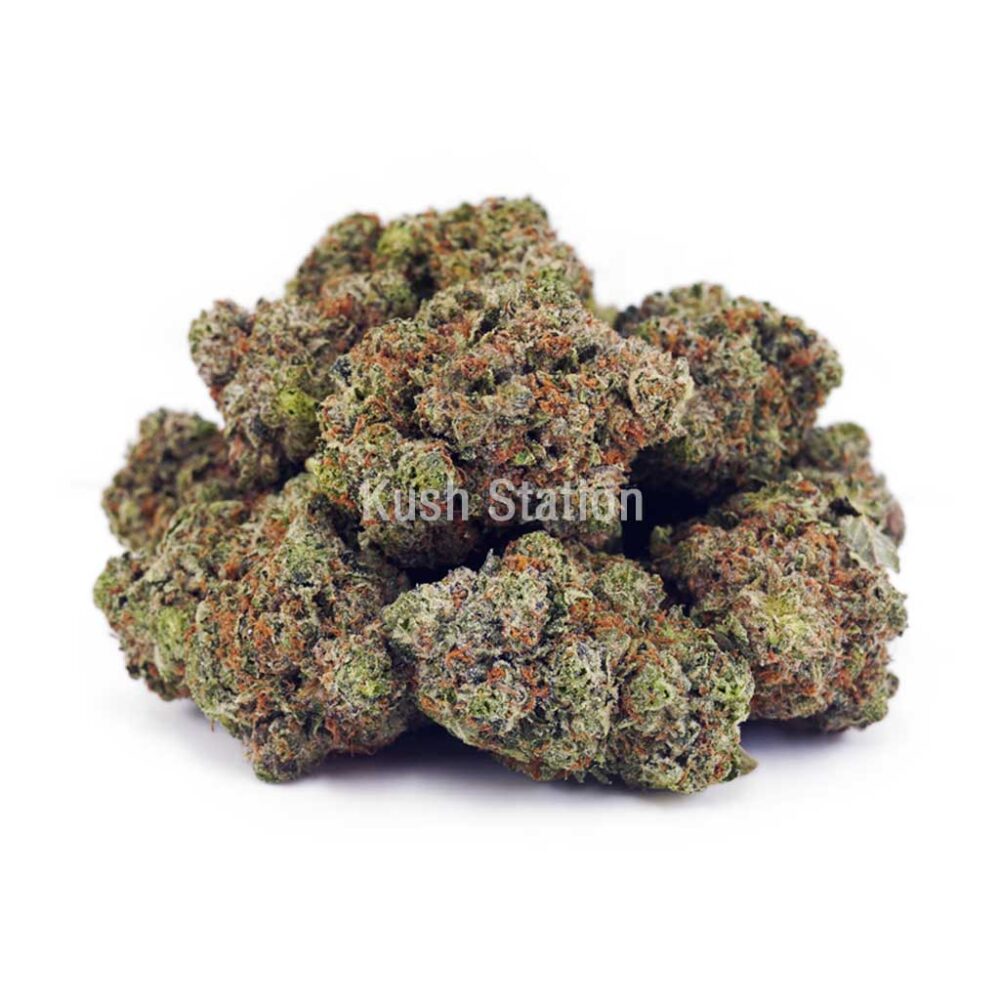
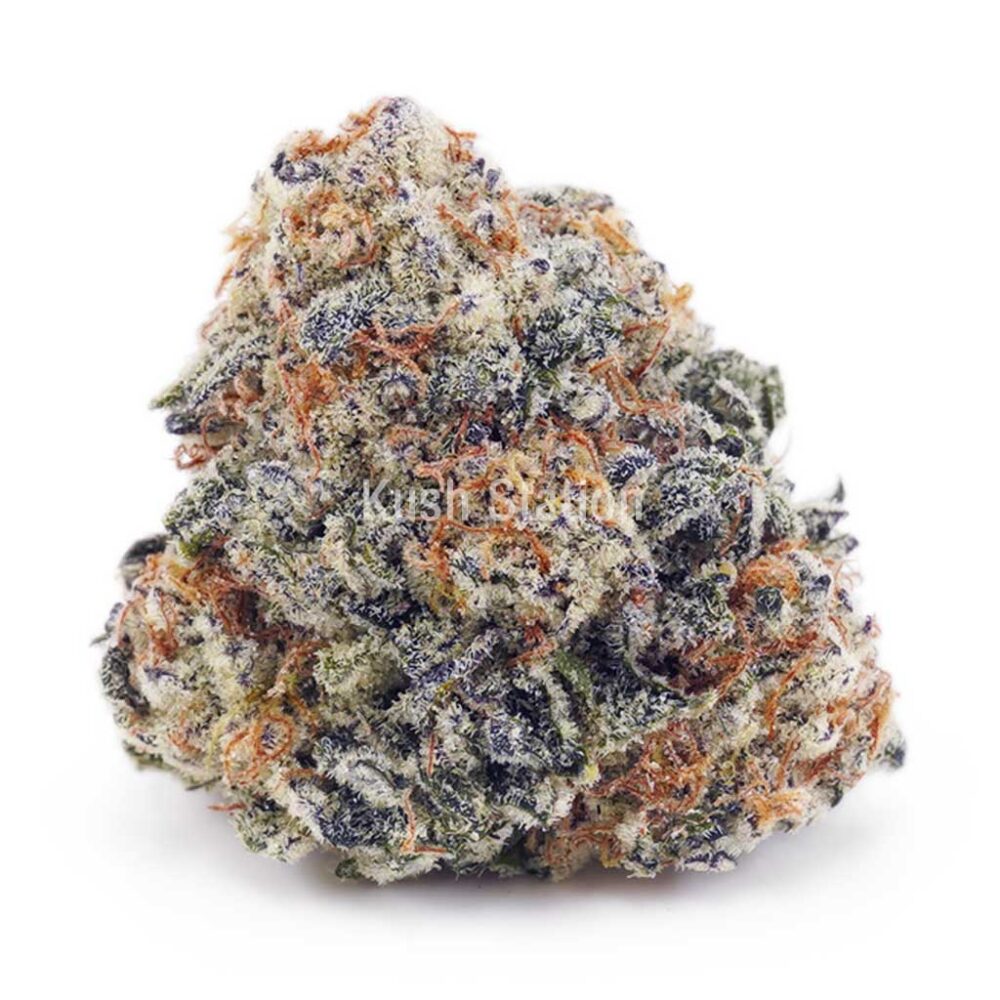
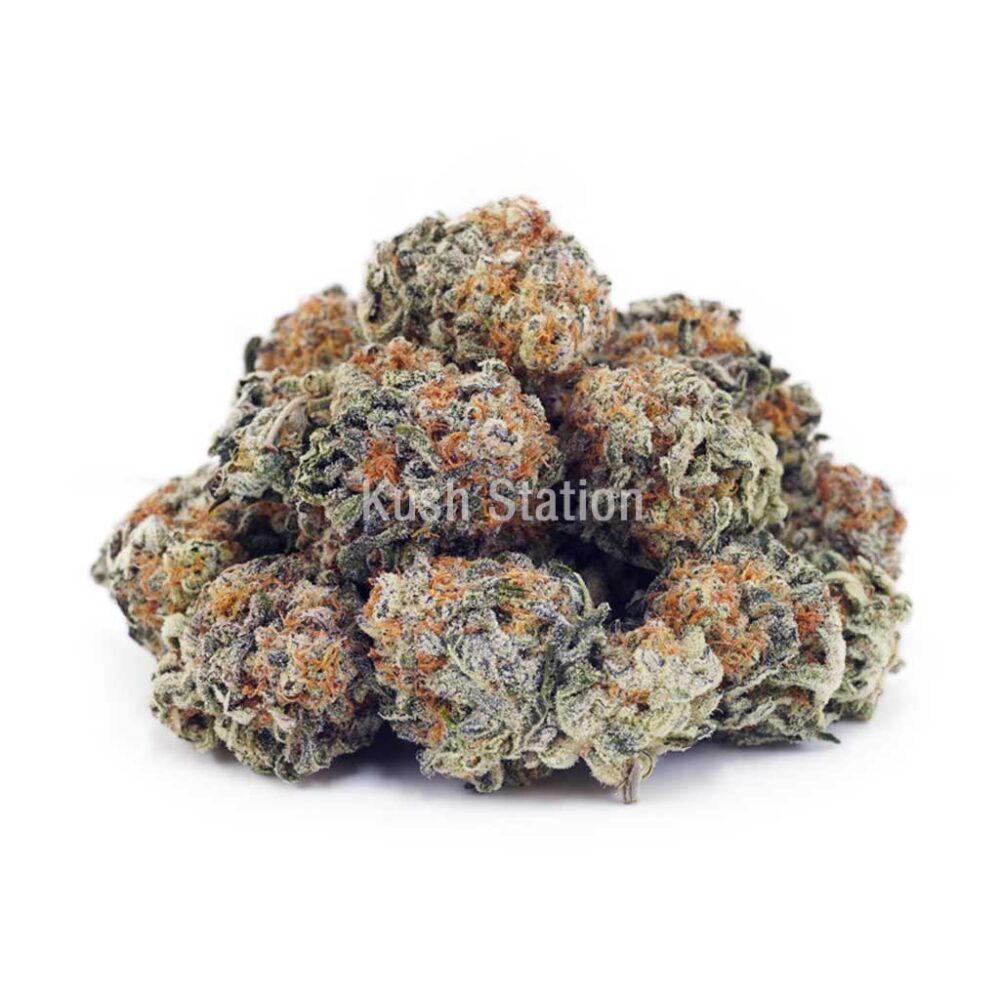
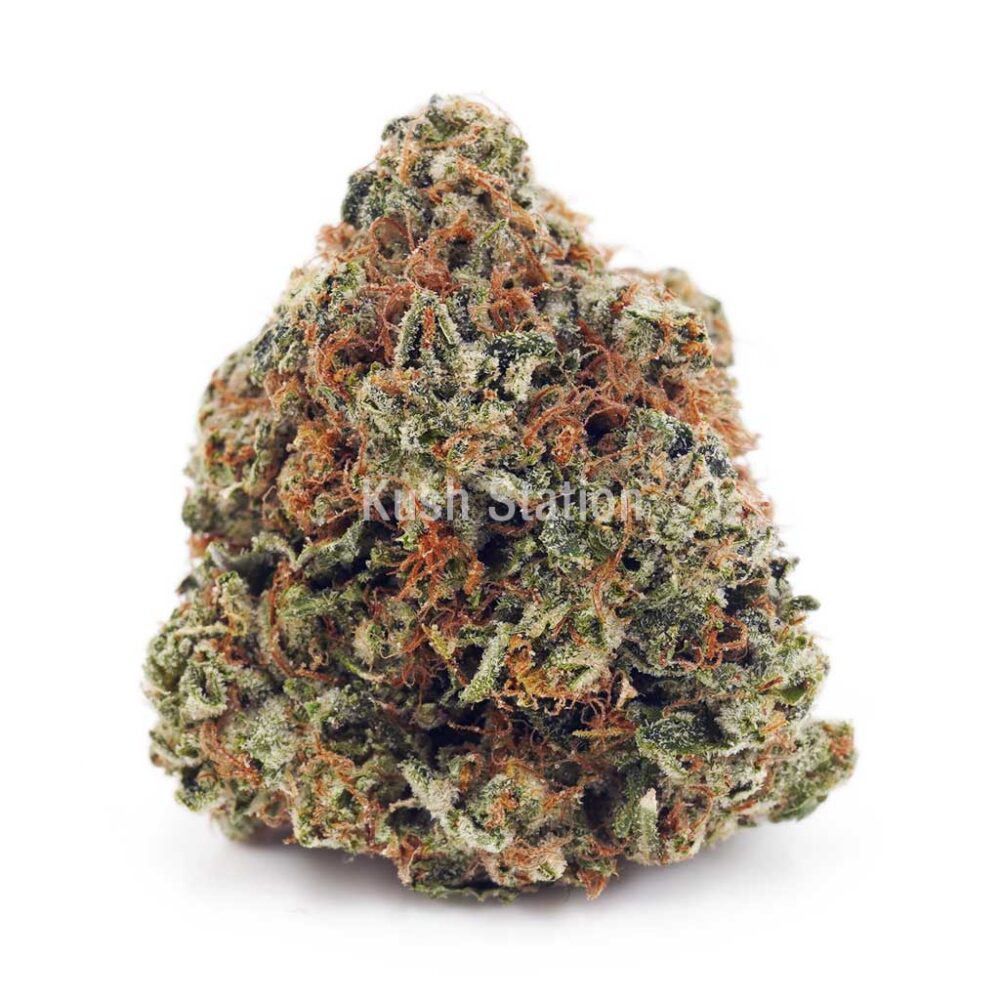
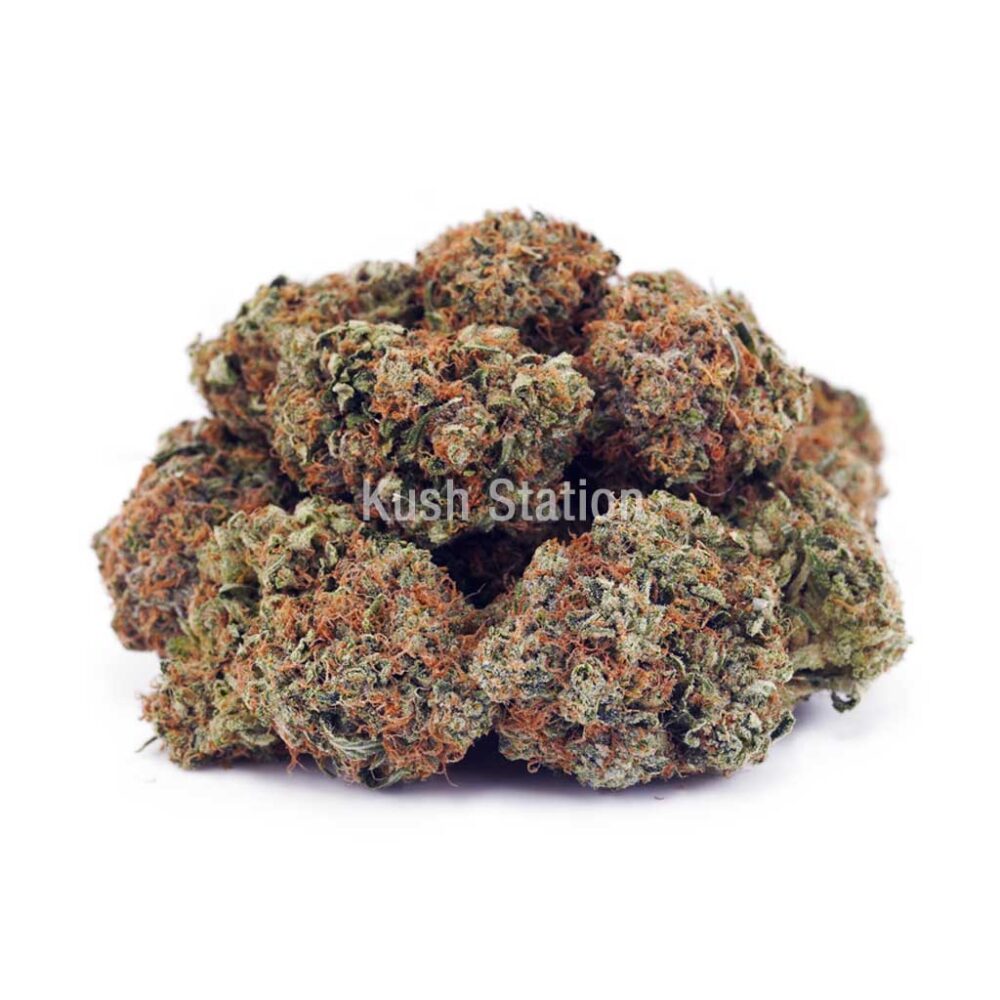
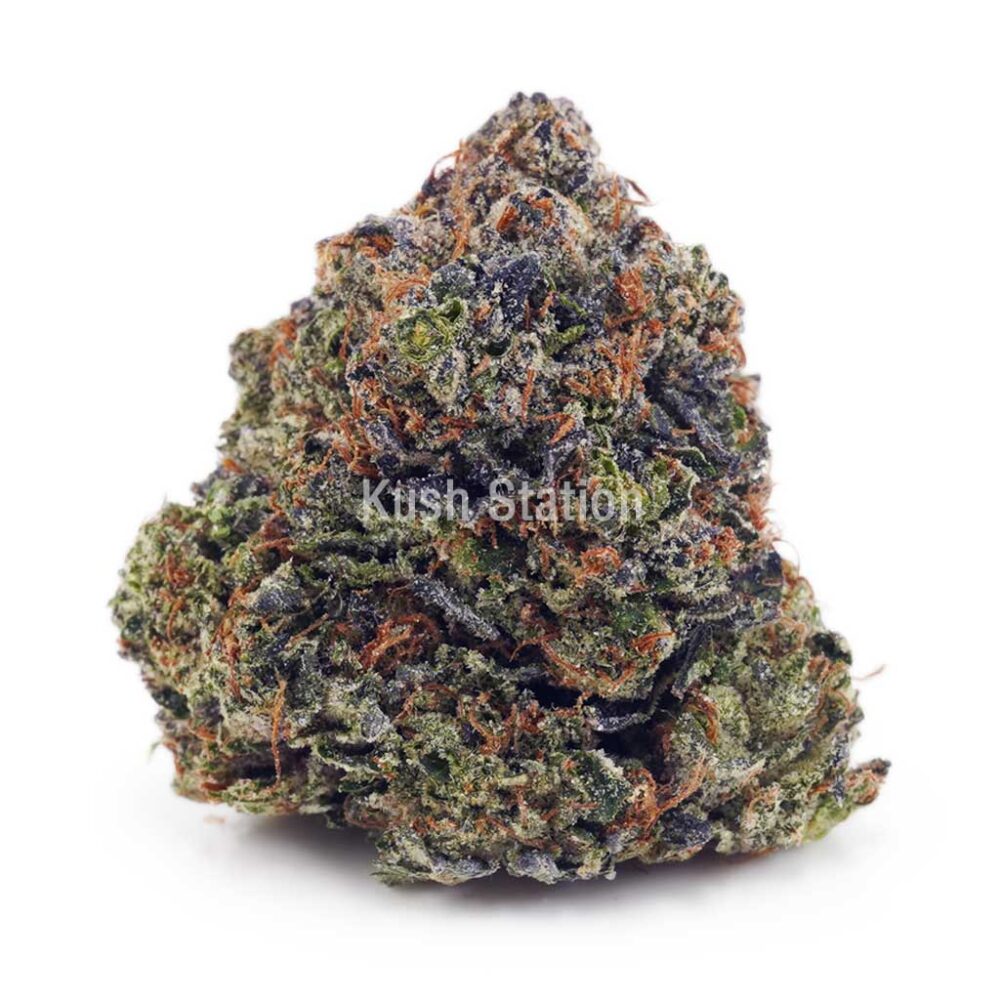
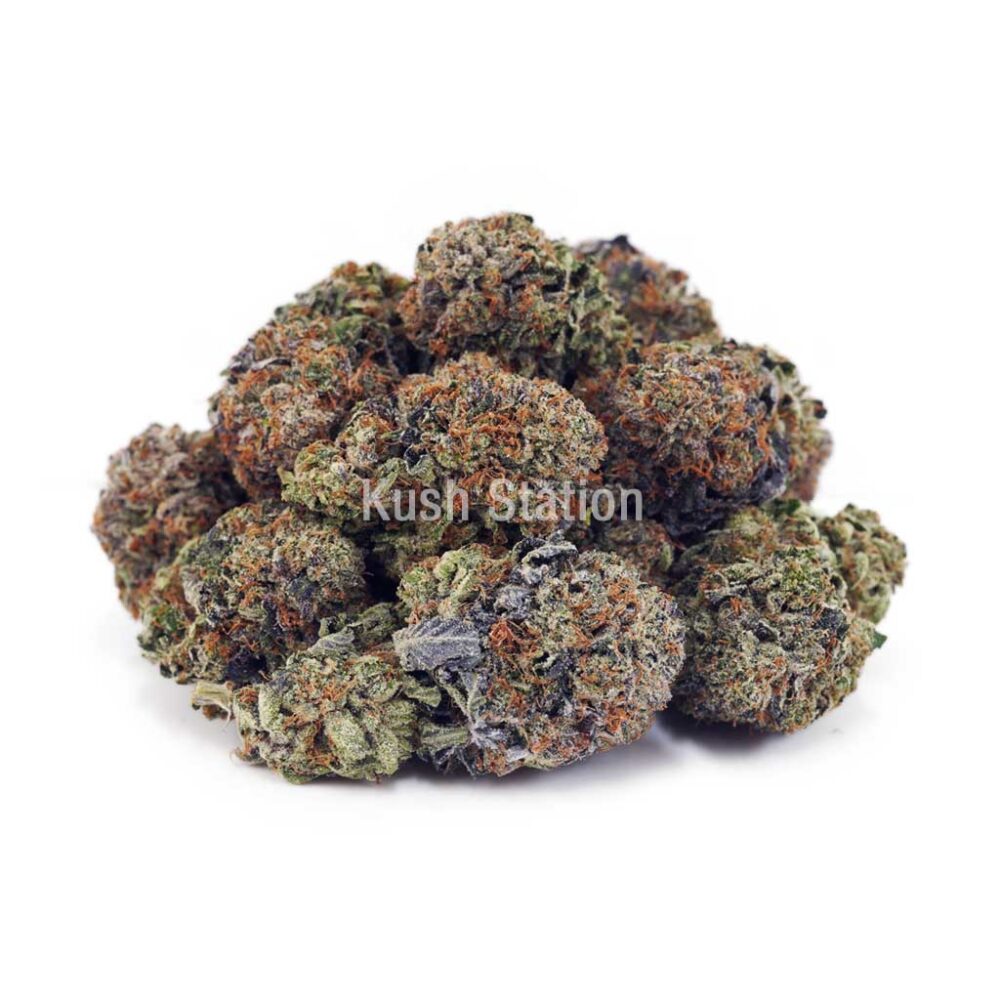
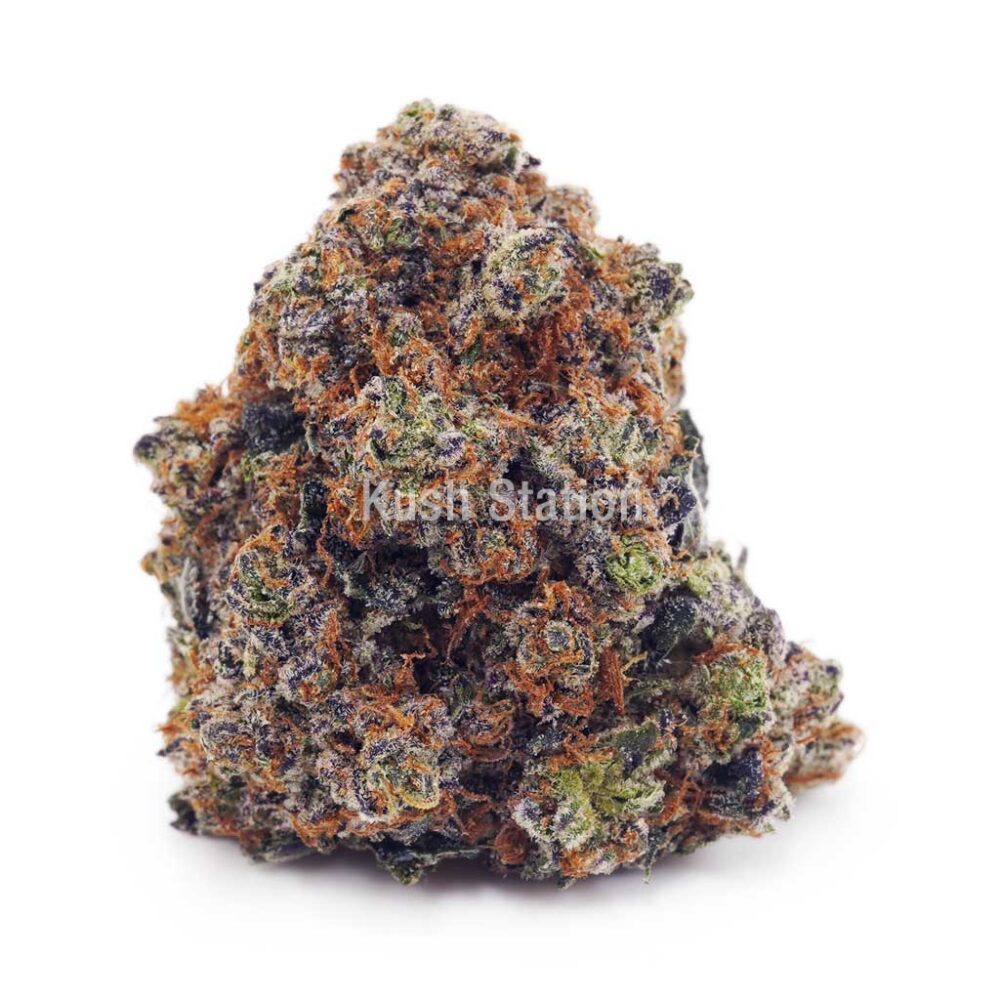
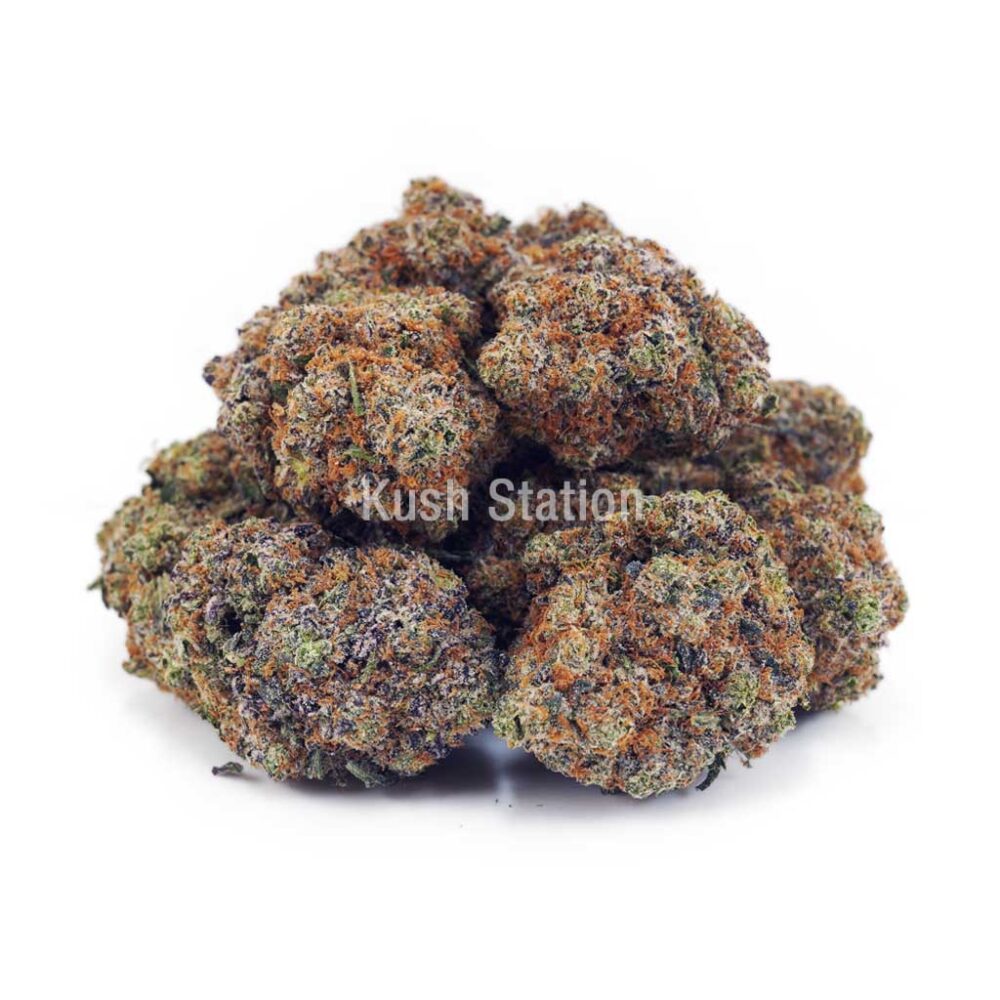
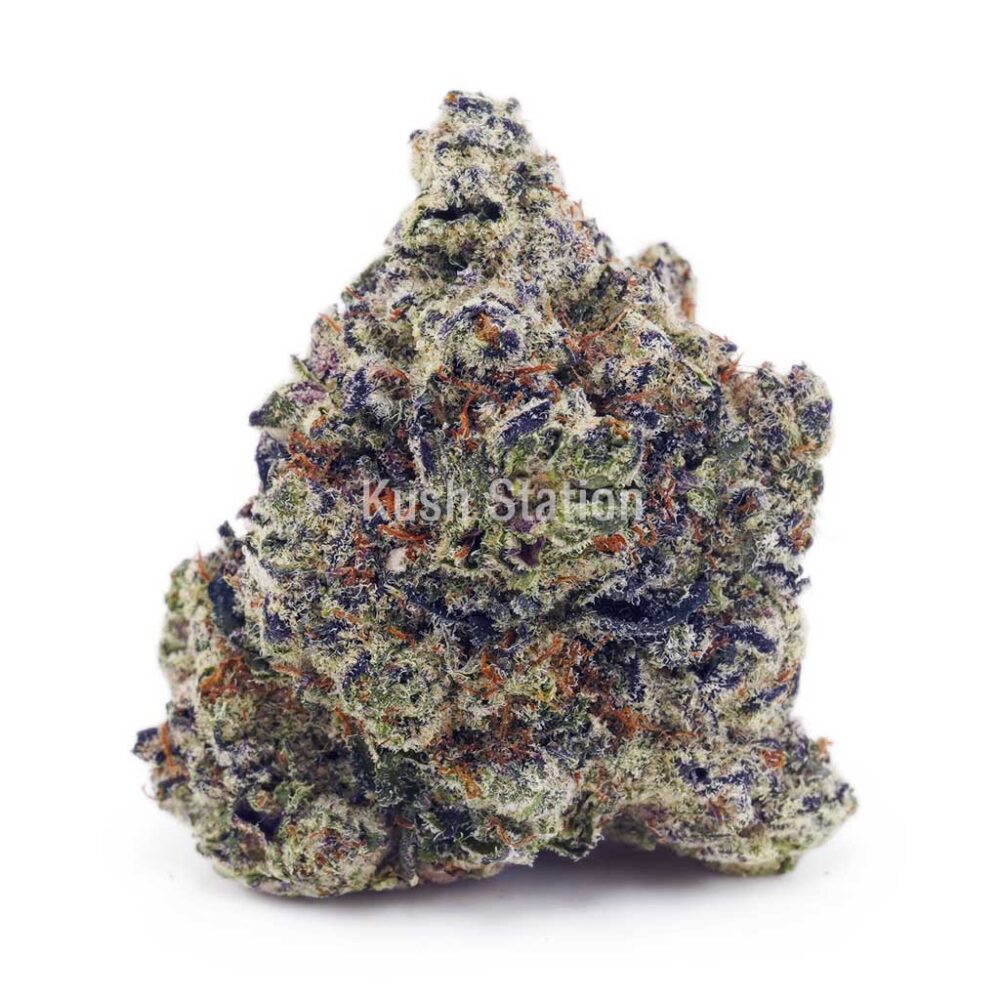
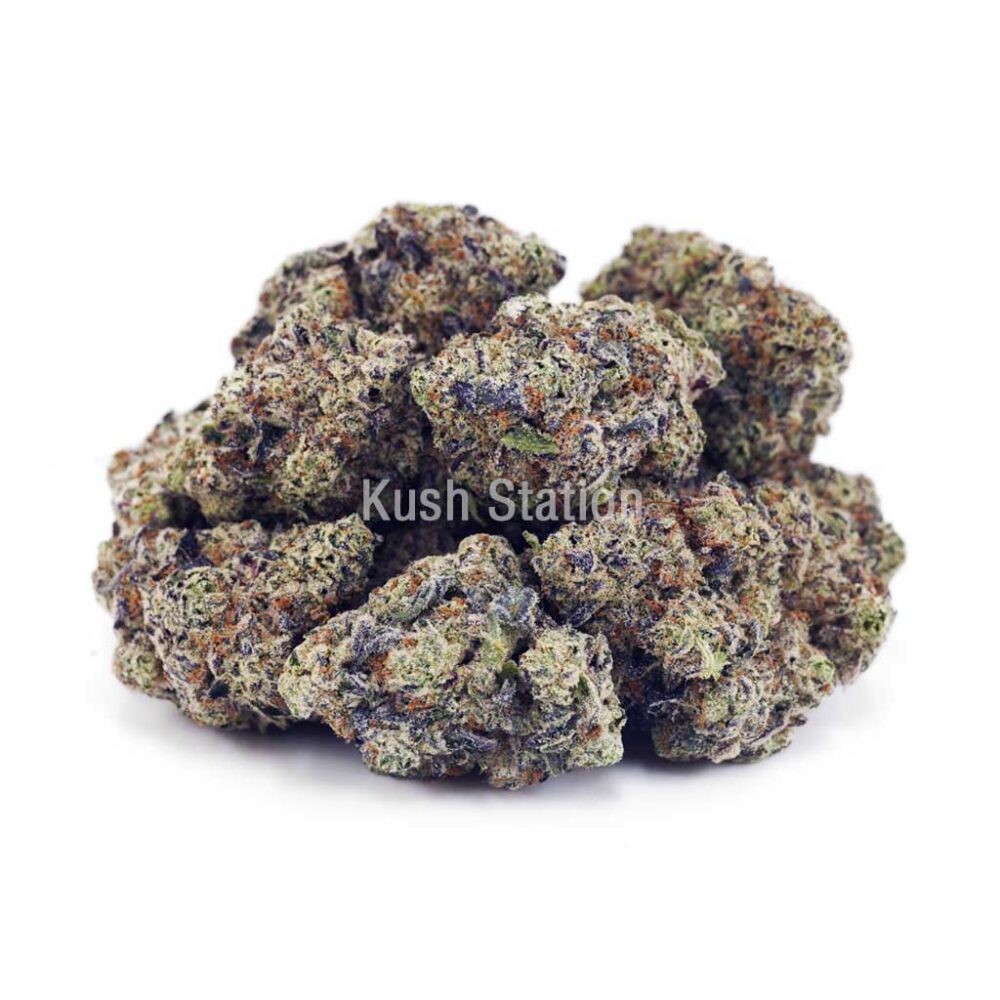
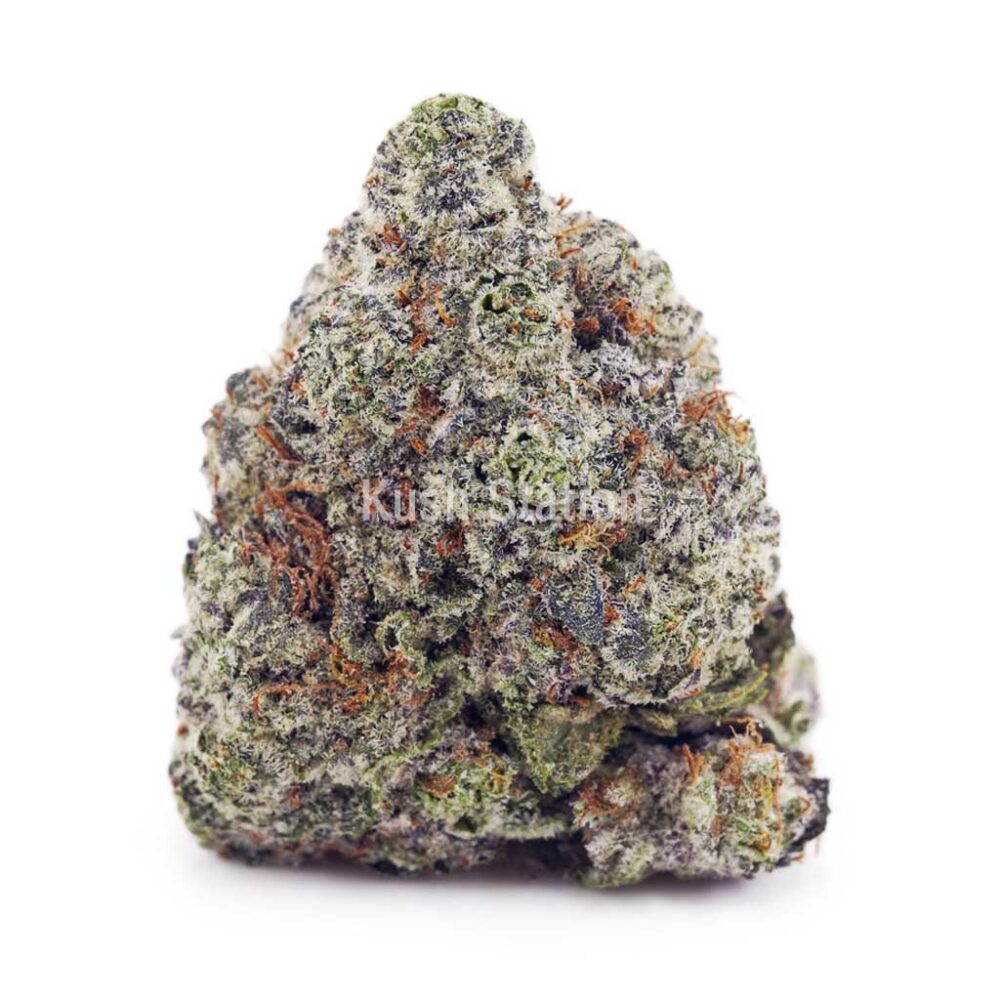
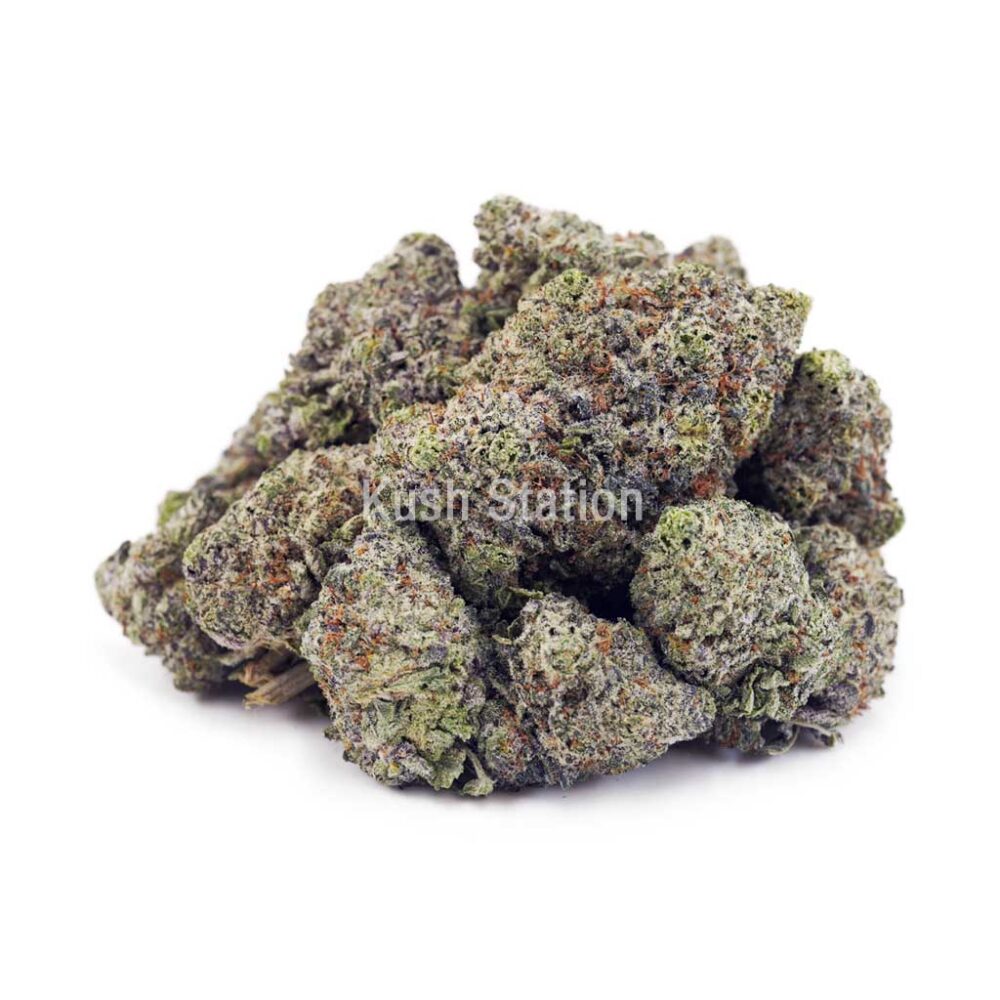
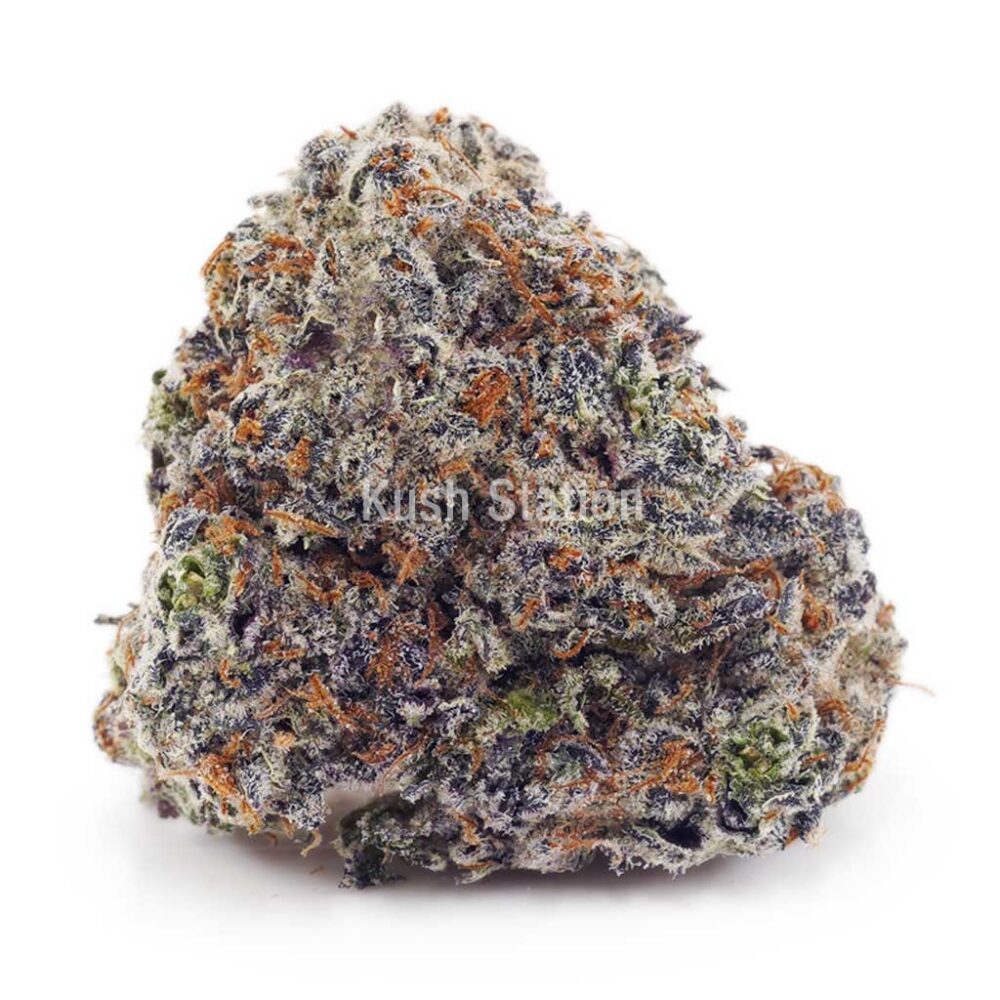
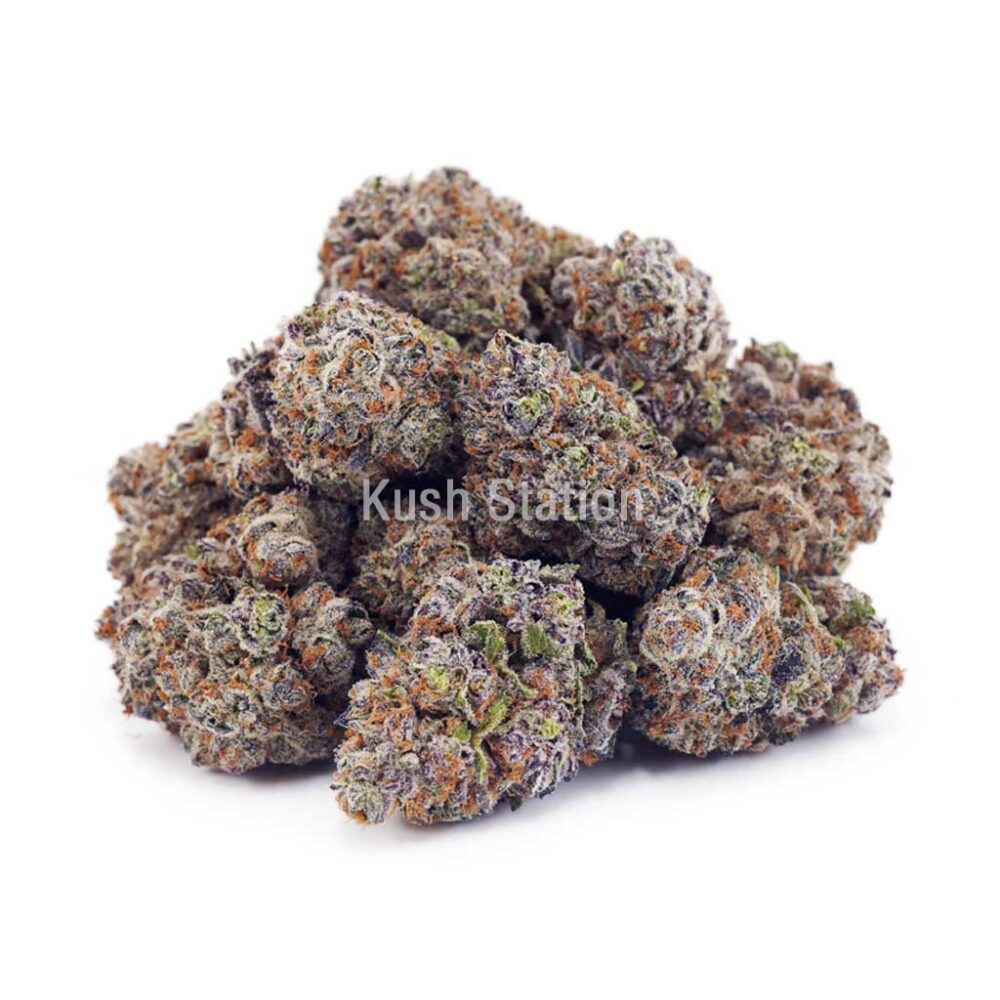
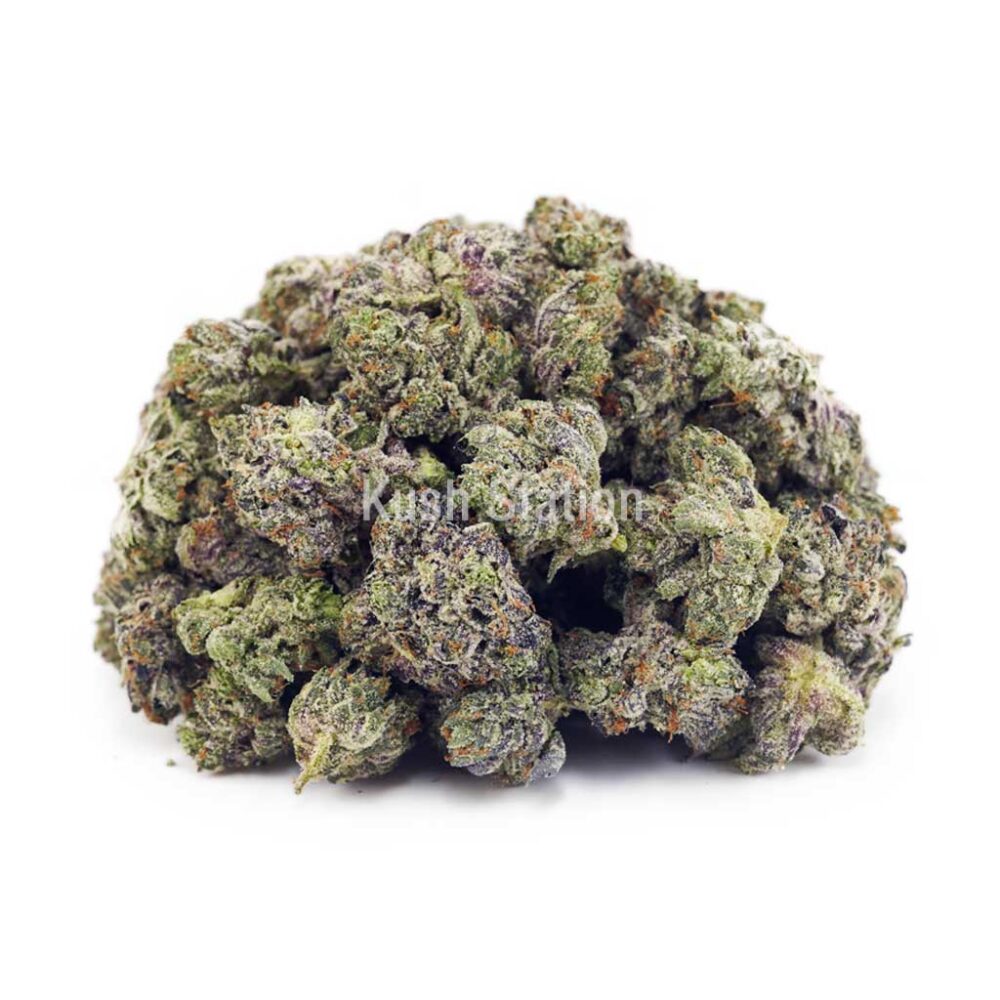
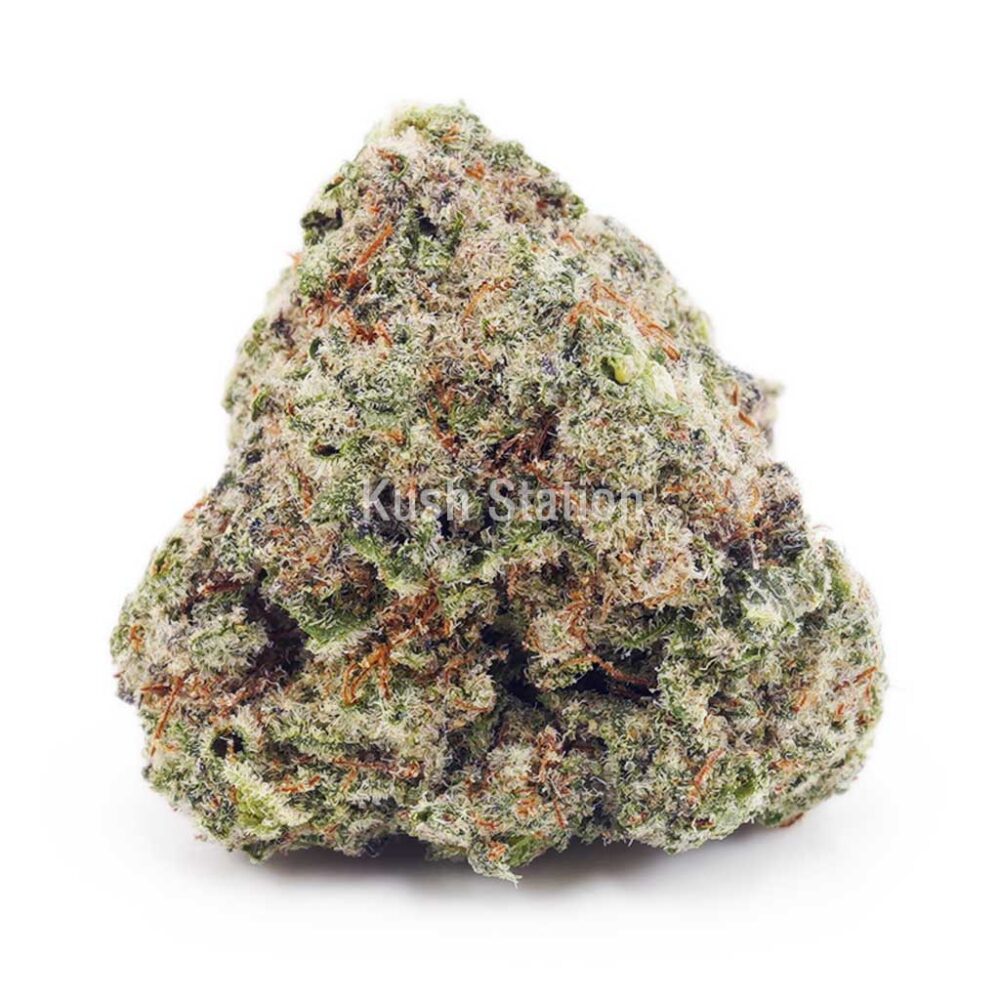
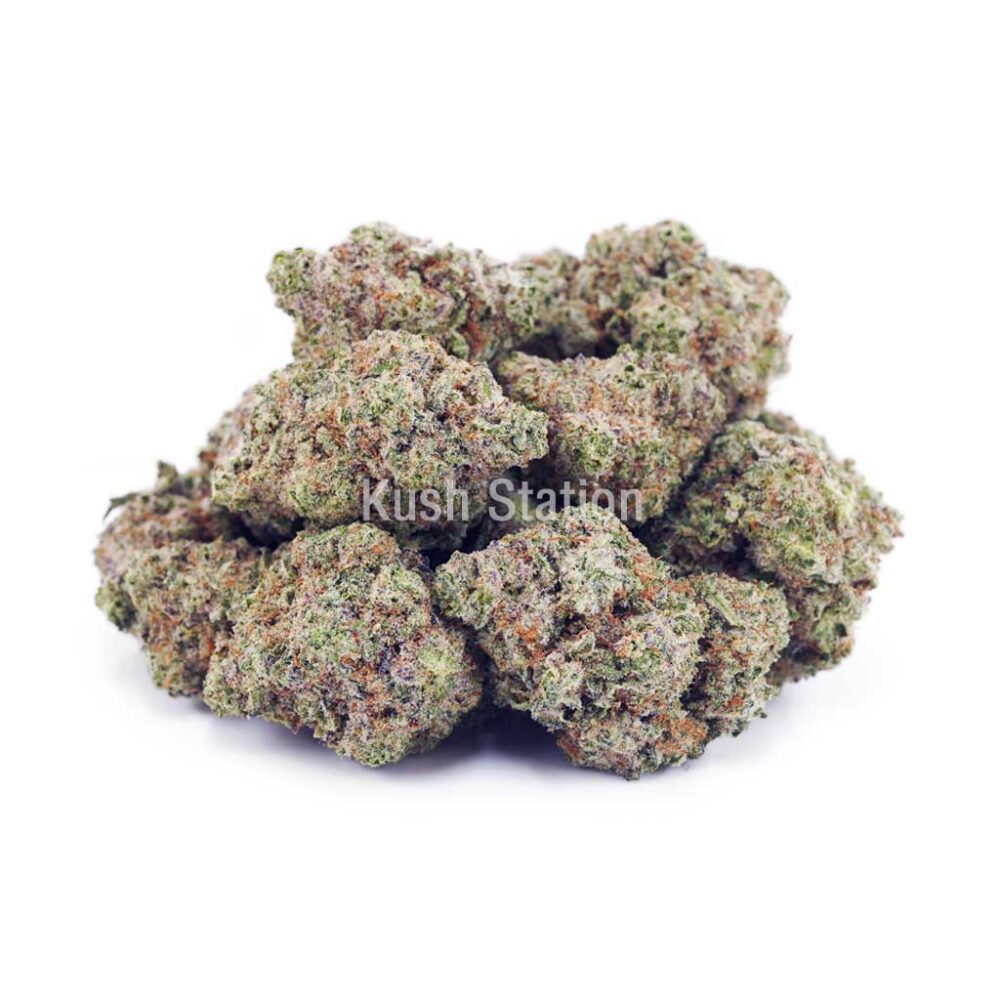
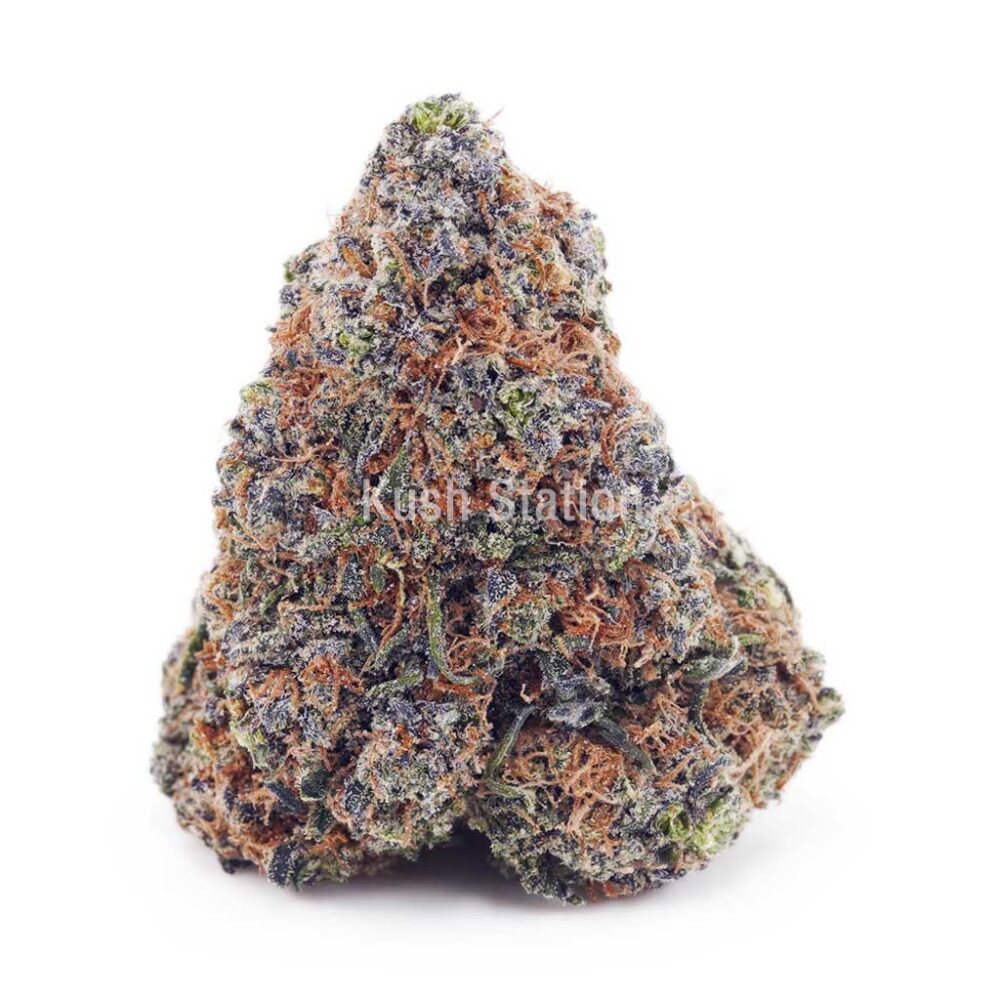
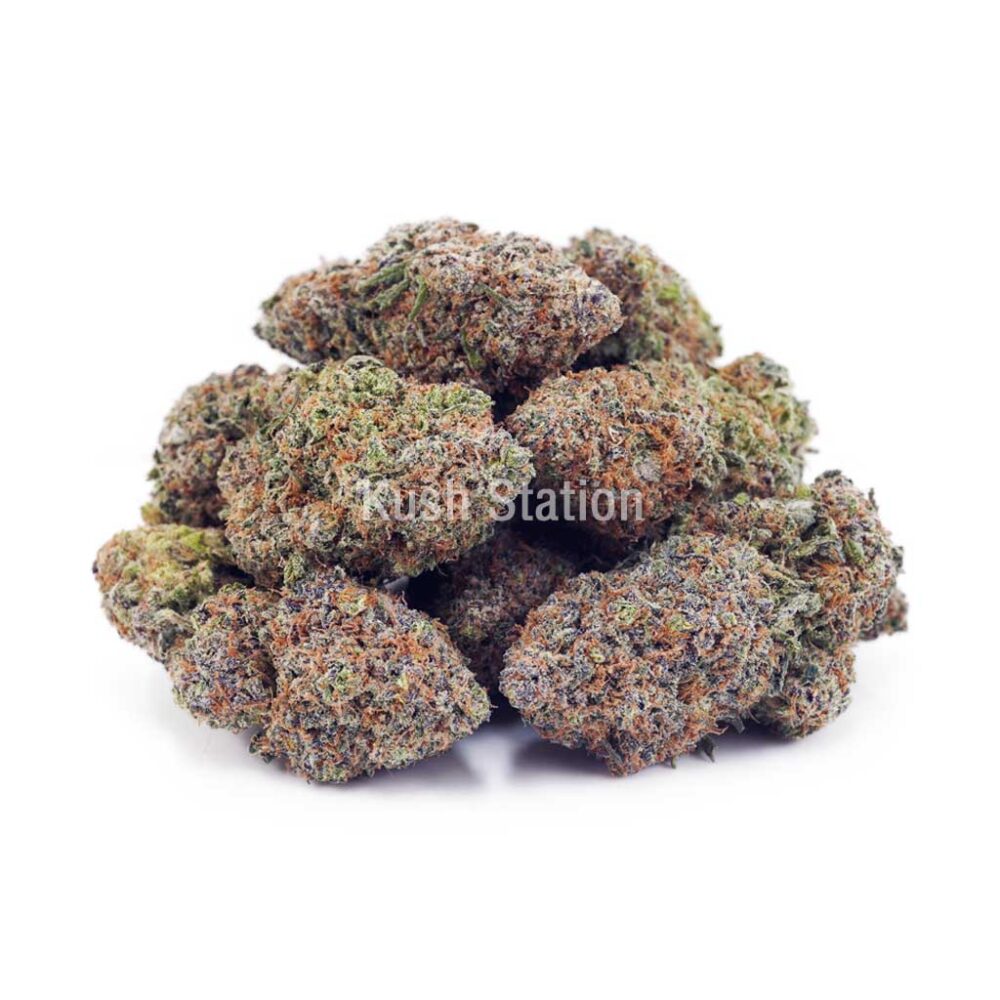
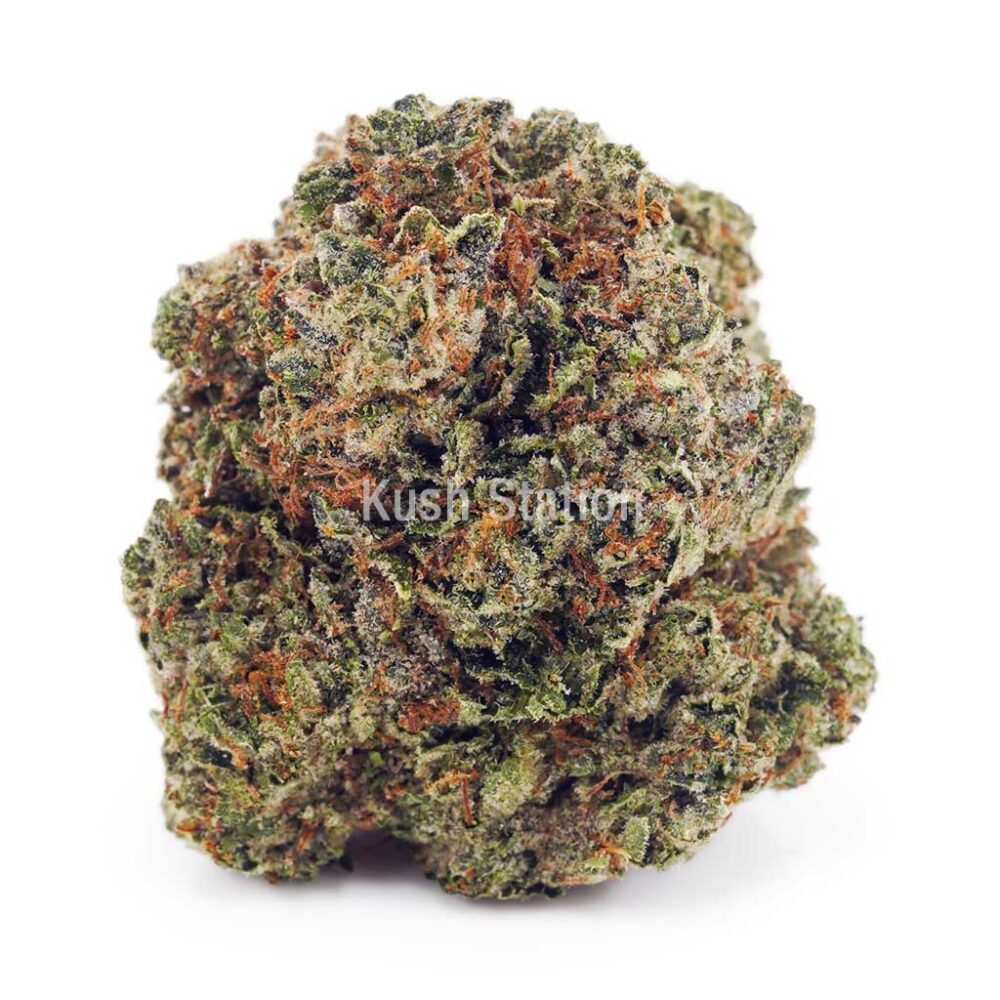
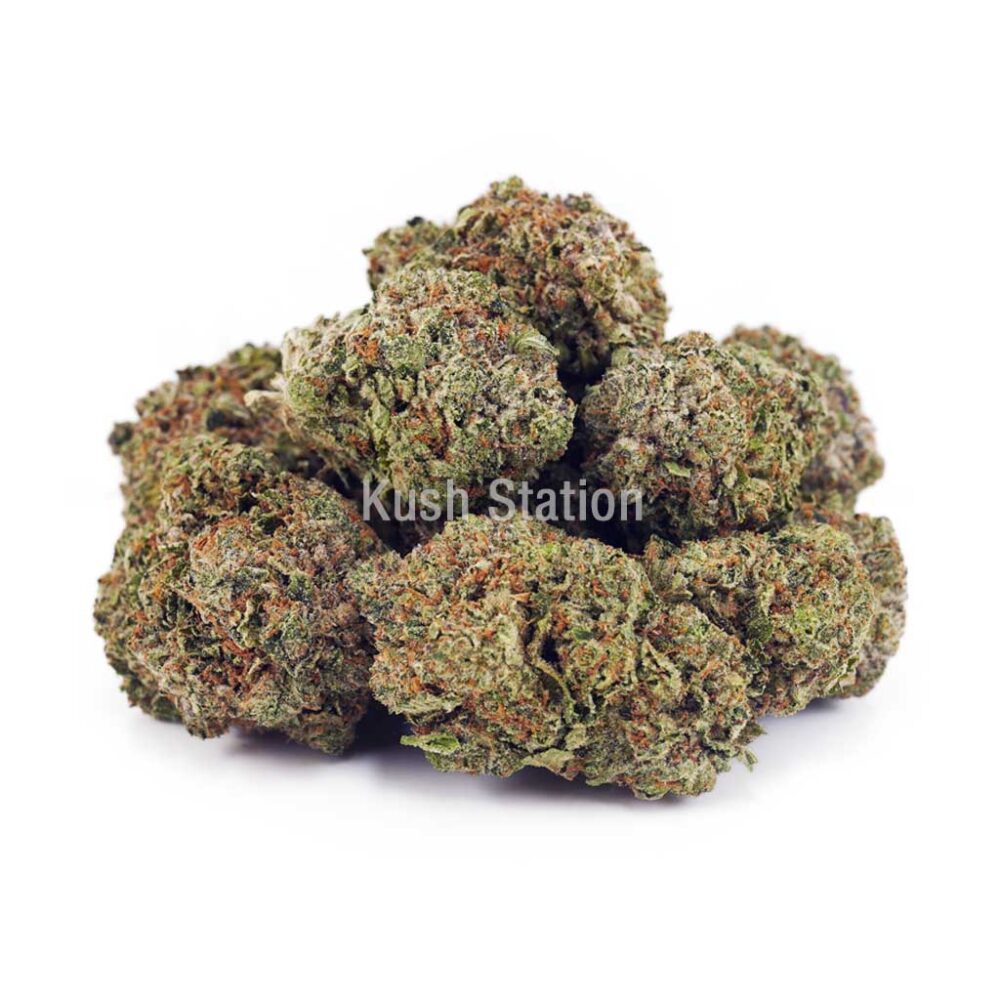
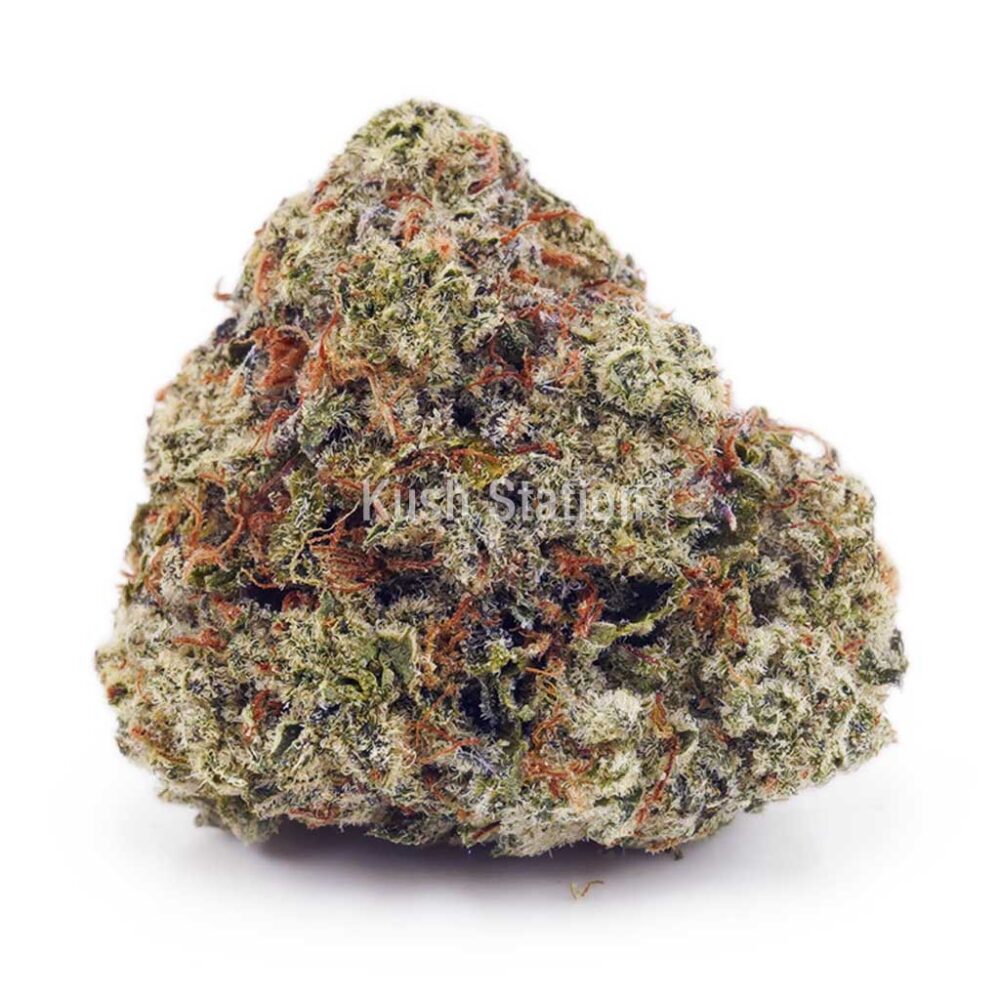
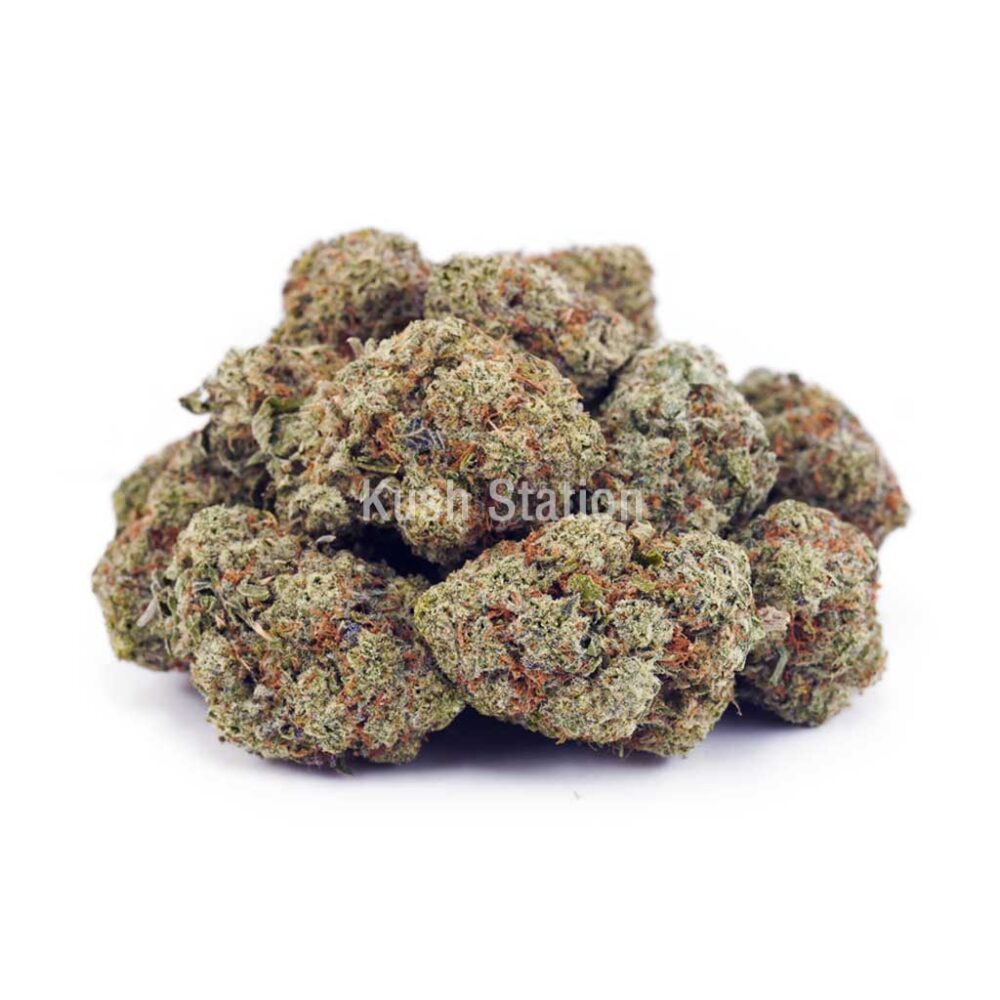
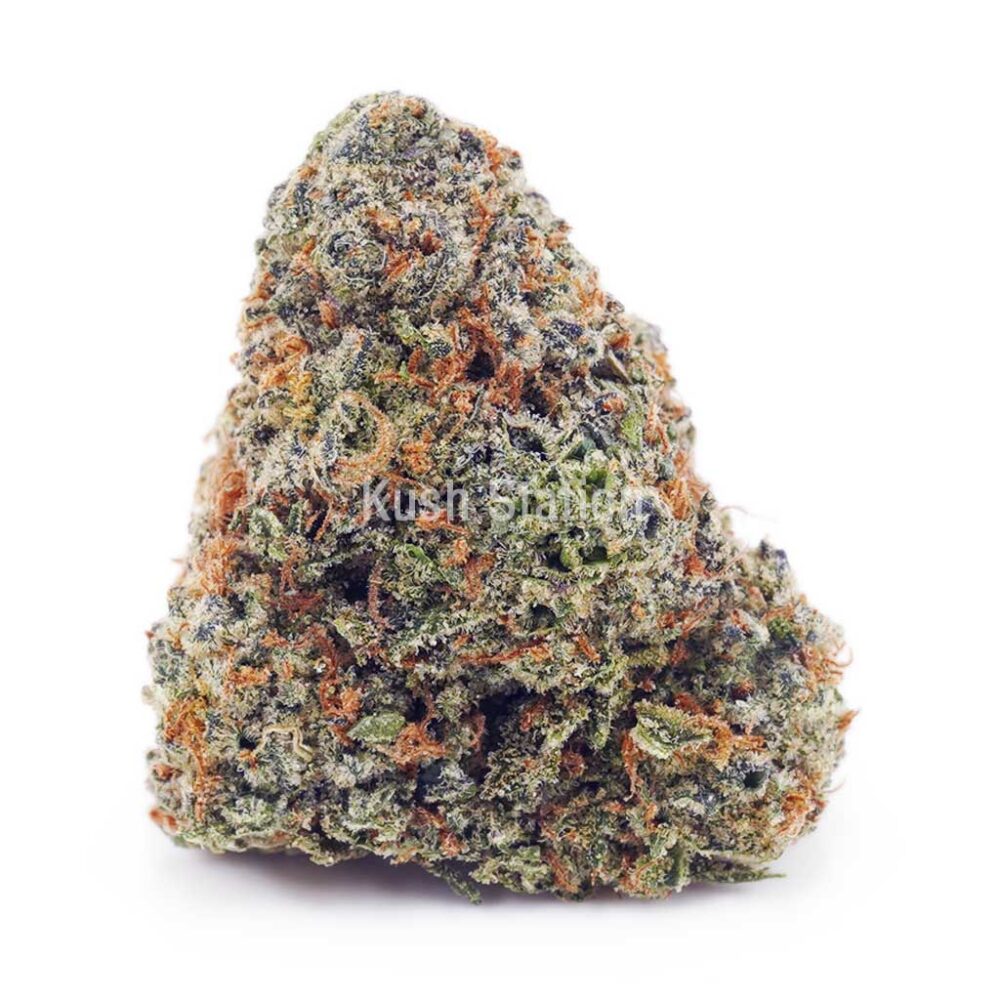
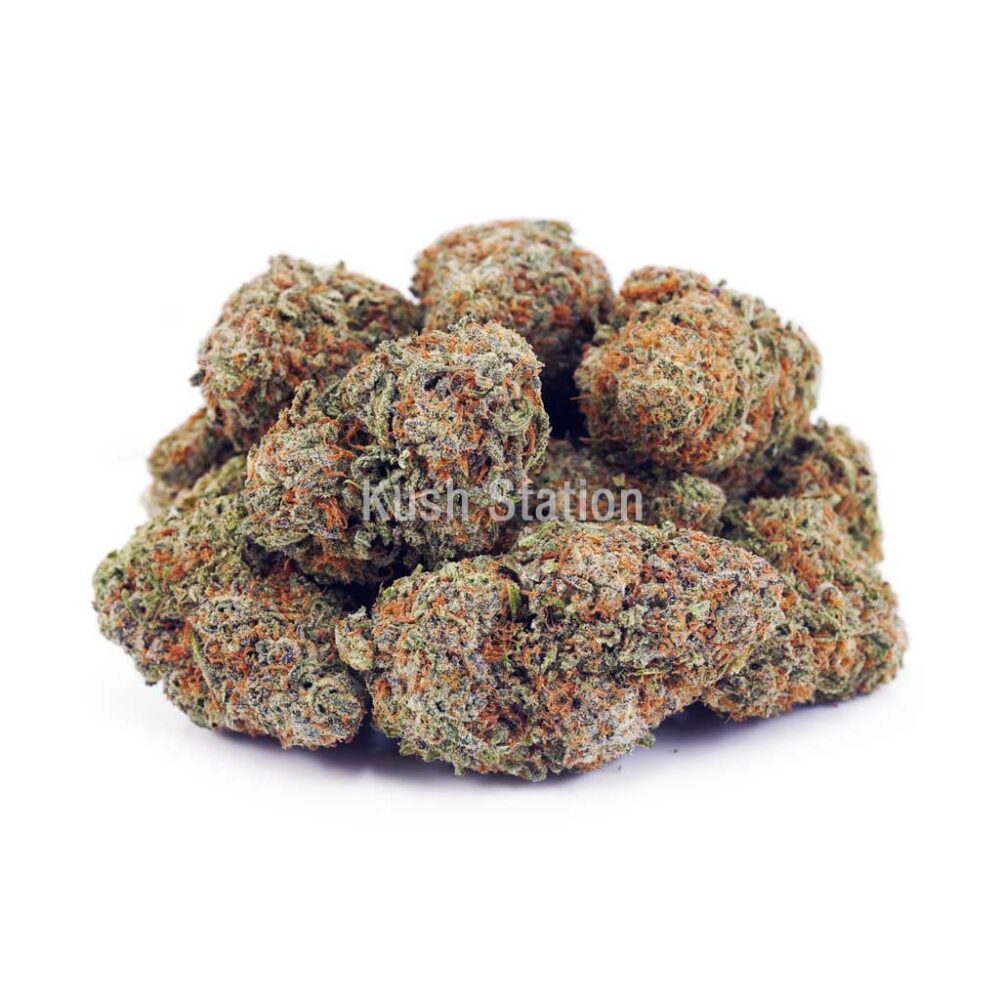
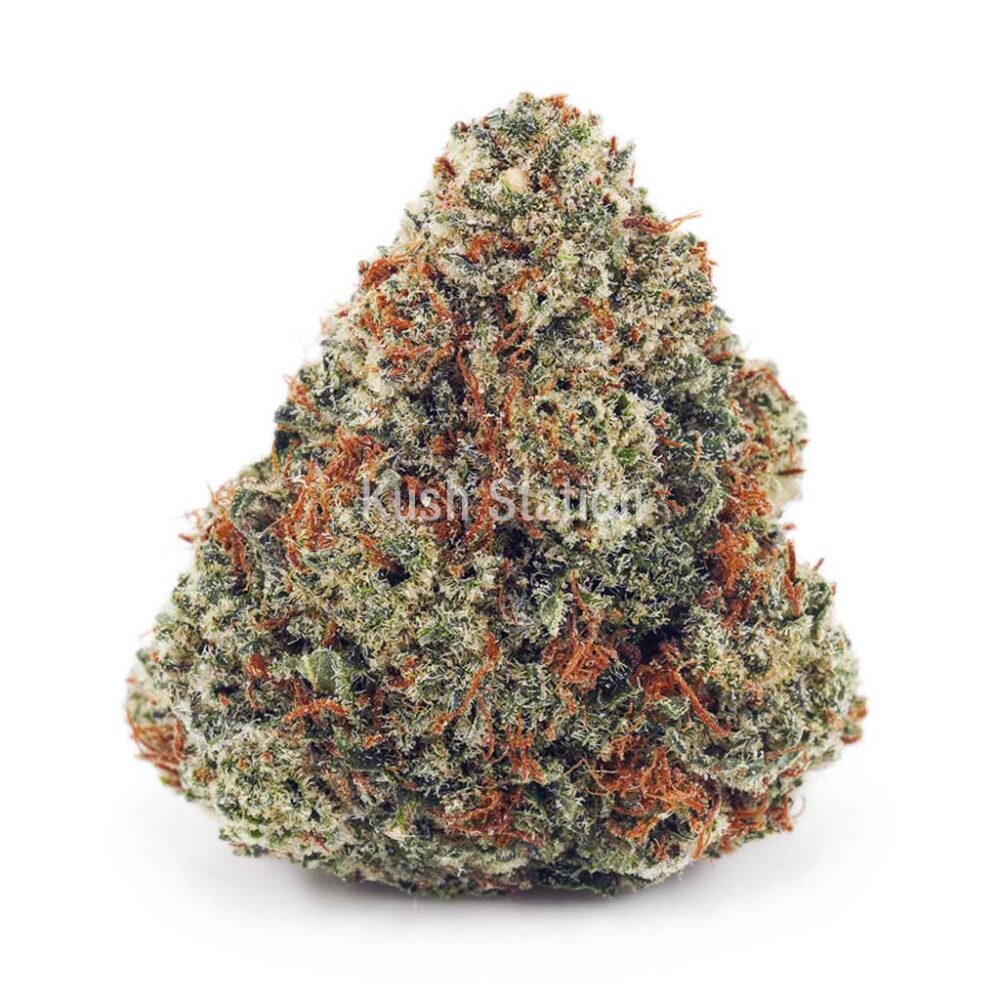
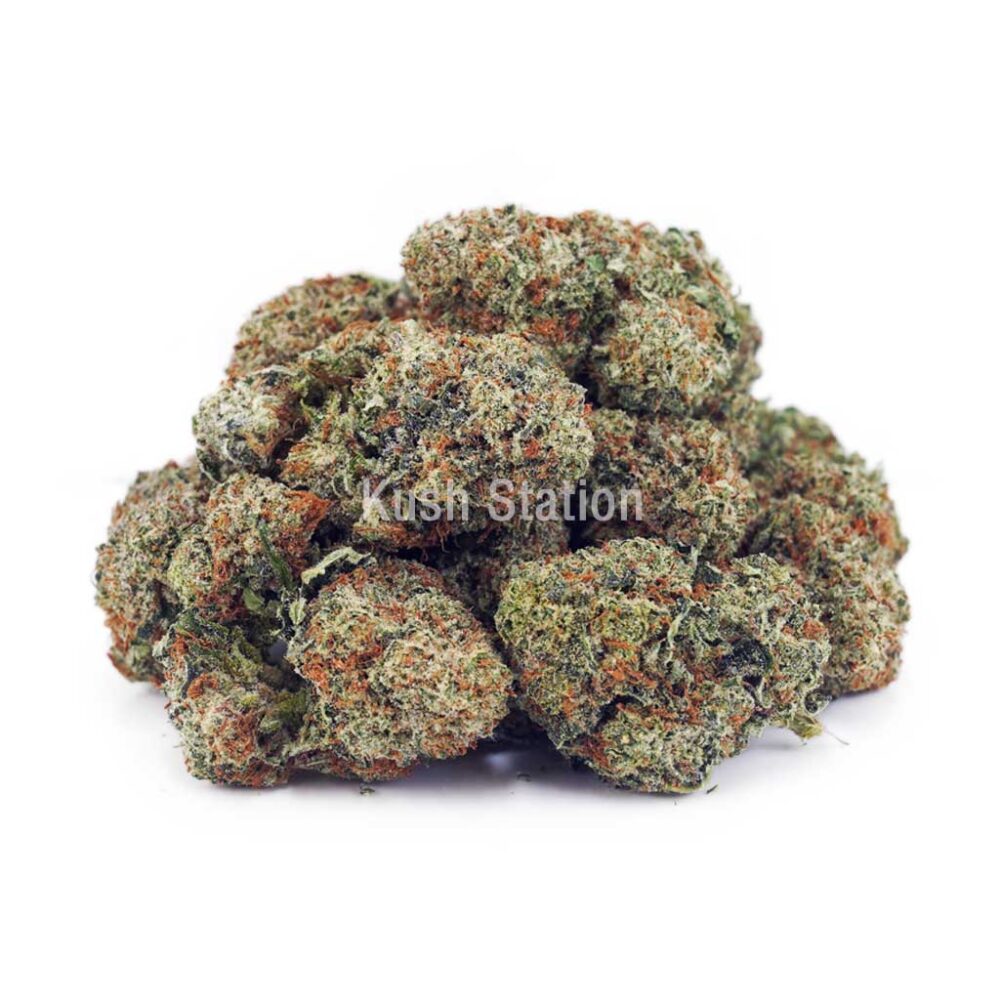
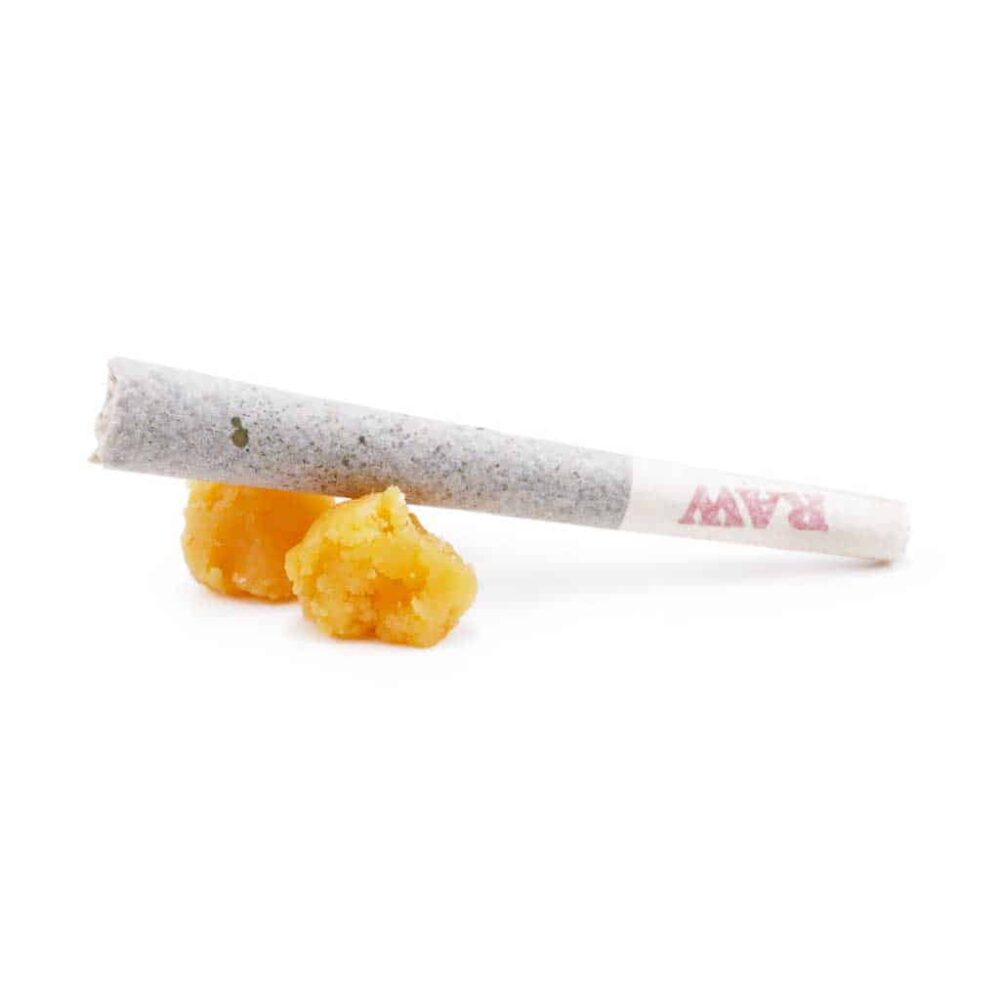
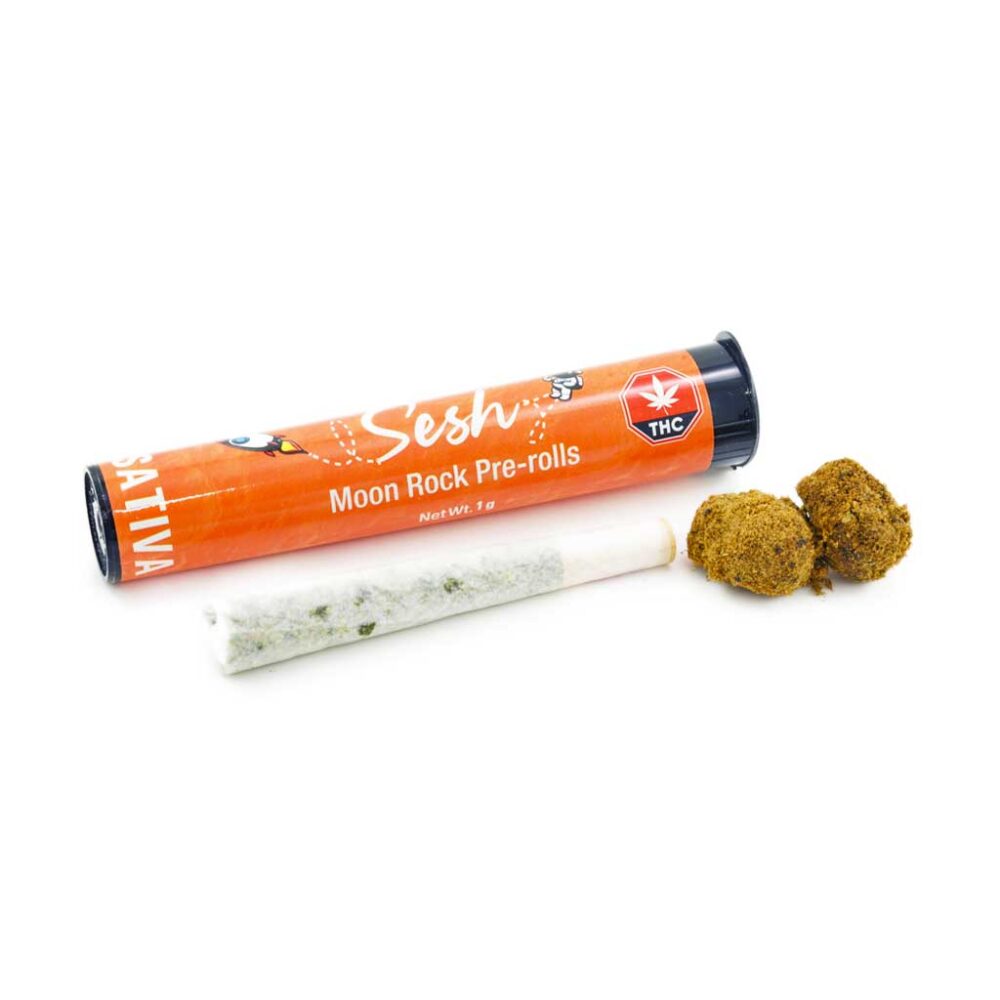
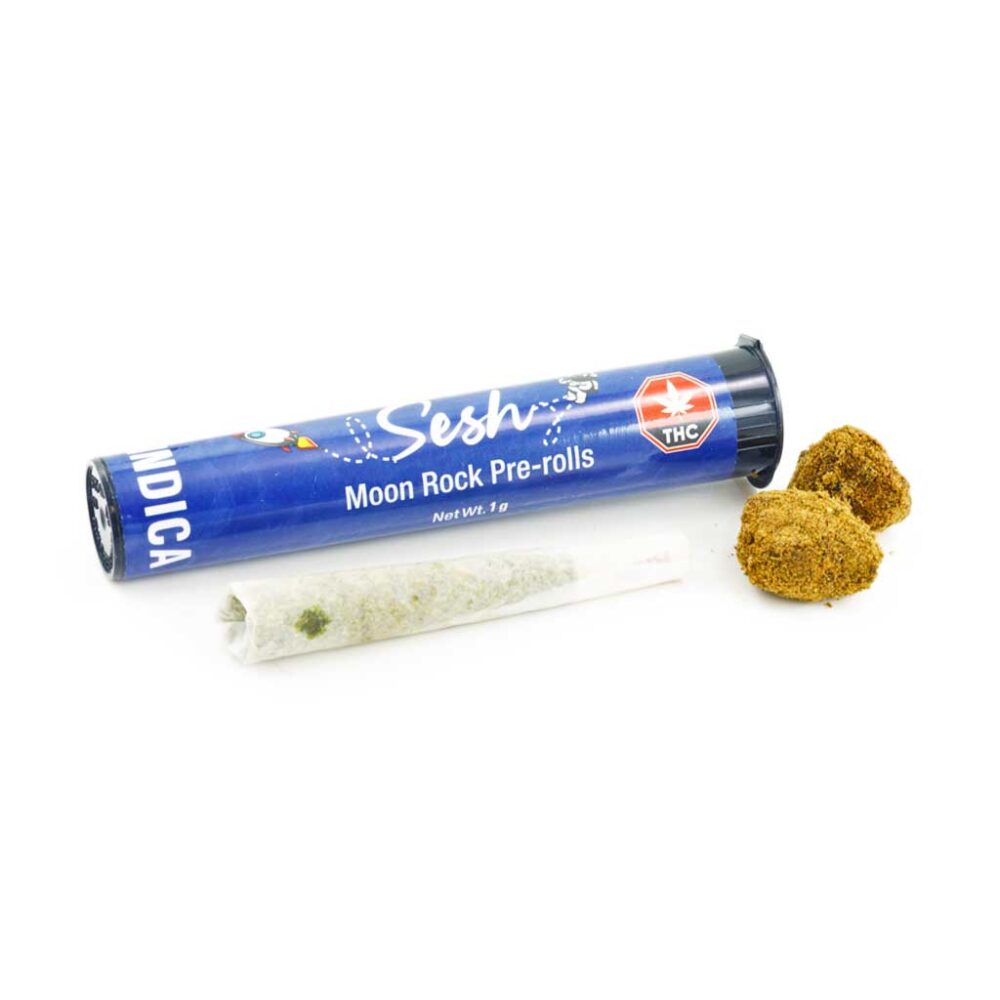
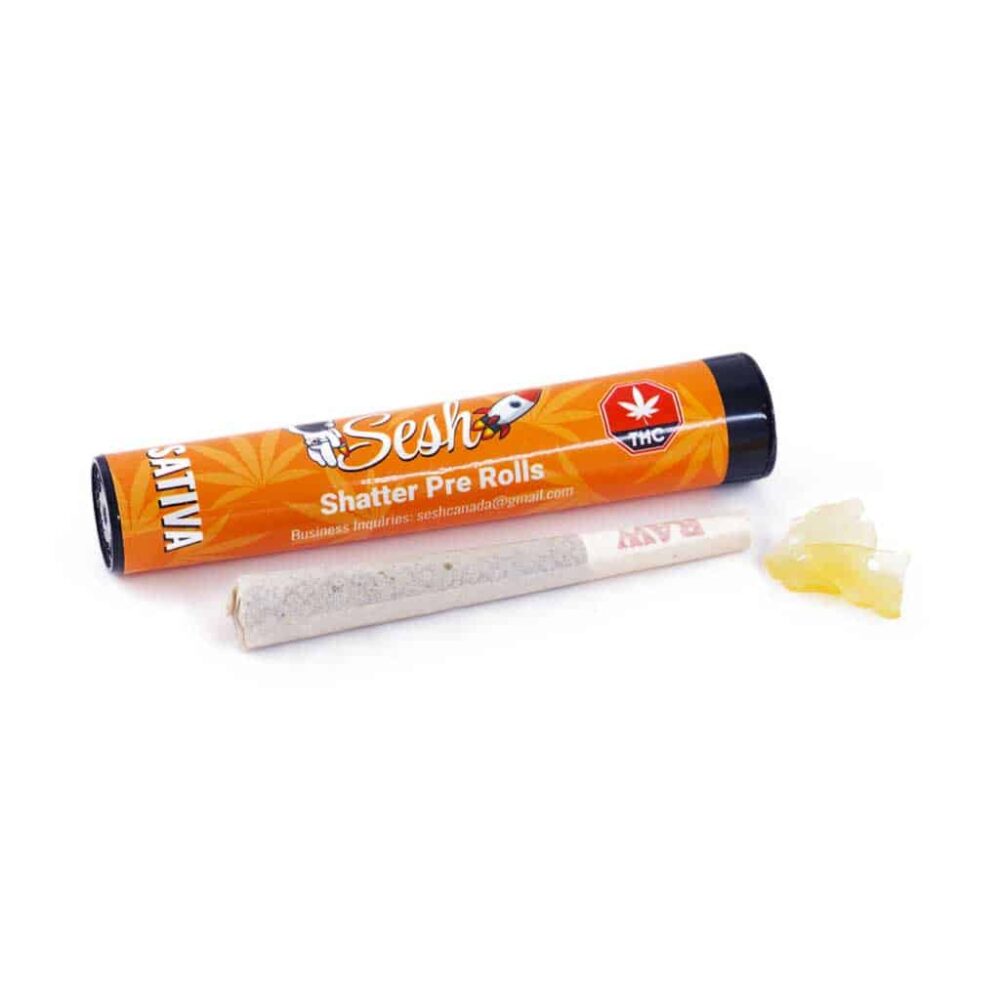
A detailed image may help identify visible features, but it cannot establish everything about a product. Lighting, camera settings, editing, and the choice of sample affect what the viewer sees. A photograph also cannot show a laboratory result. Treat pictures as illustrations unless they are clearly identified as images of the relevant batch. Even then, do not infer microbiological safety or chemical purity from appearance. Attractive packaging and professional photography are evidence of presentation, not proof of authorization or testing. This distinction helps prevent a common reasoning error: allowing one appealing feature to create confidence in unrelated features. Evaluate the photograph, label, documentation, and business claims separately. Questions that remain unanswered should remain unanswered rather than being filled in by assumptions.Interpret Grade Labels Carefully
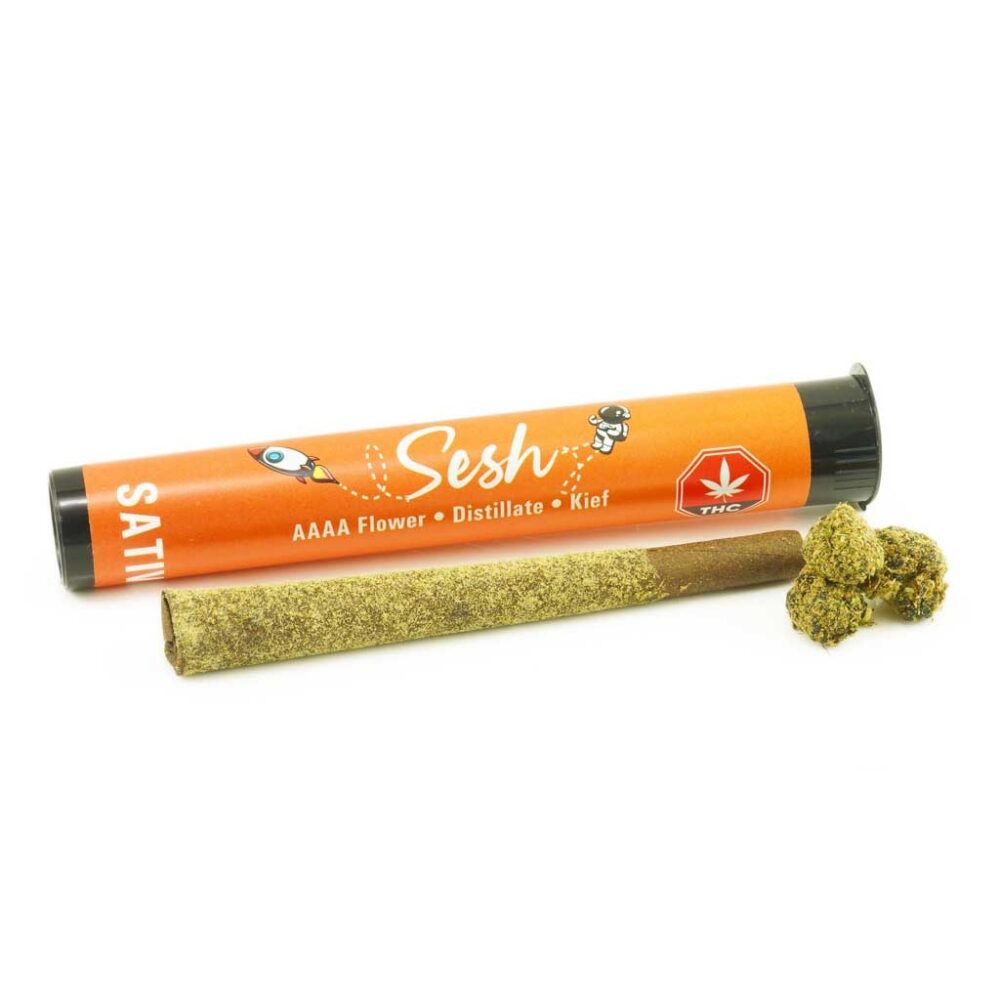
Terms such as AA, AAA, AAAA, premium, and craft appear in cannabis descriptions. Do not assume that every business applies them using the same criteria. Without a stated definition, a grade communicates little beyond the business's own classification. A meaningful explanation should identify what is being assessed. It might discuss appearance, cultivation, trimming, or another characteristic. Ask whether the criteria are published and whether the description explains how the classification was assigned. Separate grading language from testing language. A product can receive a favorable appearance grade without that grade providing information about contaminants. Similarly, a high price does not independently verify the claims attached to it. Clear definitions make information interpretable; impressive labels alone do not.Verify Authorization Independently
Canada's framework distinguishes authorized non-medical retailers from federally licensed sellers serving registered medical patients. Provincial and territorial governments regulate non-medical retail access within their jurisdictions. Health Canada provides links to relevant authorities and explains identifying features of legal products. [3] Use an official government source to check authorization rather than relying only on a website's statement that it is legal. Match the business details carefully. A similar name, a logo, or a professional-looking page does not establish that the business is the entity listed by the regulator. Rules differ across jurisdictions, including age requirements and retail arrangements. Consult the authority for the place where you live or visit. A general article cannot establish permission for every location, and broad delivery claims should not replace a jurisdiction-specific check.Evaluate Testing Documentation
The phrase “lab tested” leaves several questions open. Which laboratory performed the work? What sample was tested? Which substances or characteristics were measured? When was the report issued? Does it correspond to the relevant batch? Read the report's scope before interpreting its conclusion. A cannabinoid result answers a different question from a pesticide or microbial analysis. A report limited to potency should not be described as proving the absence of every possible contaminant. Check that identifiers are consistent across the documentation. If a report belongs to another product or batch, ask why it is being shown. Technical formatting does not remove the need for these basic checks. When you cannot interpret a result, request a plain-language explanation of what the report establishes and what it leaves unknown.Understand Dates, Lots and Recalls
A product name may remain the same across multiple batches. Lot information is therefore useful when asking about a discrepancy or checking a recall. Health Canada's recall notices illustrate how product names, lot numbers, and packaging dates can identify affected items. [4] Preserve the original label and receipt where possible. If a notice appears relevant, compare its identifiers with your package rather than assuming that every item under the same brand is affected. Follow the notice's instructions and seek clarification if the match is uncertain. Dates also need context. Do not silently treat a packaging date as a harvest date or an expiry date. These terms answer different questions. If a description uses “fresh” without explaining its meaning, ask for the specific information behind that description.Store Cannabis Securely
Health Canada recommends keeping cannabis locked away, out of sight and reach of children and pets. Original packaging helps preserve identification and child-resistant features. Edible cannabis should be stored separately from ordinary food and drinks. [5] Build a storage routine that works in your household. Decide who can access the storage area and check that it is secured after handling any package. Consider visitors as well as residents: a home that usually has no children may still receive a visiting child. Keep labels readable and follow the stated storage conditions. Avoid transferring products into containers that could be mistaken for food, medicine, or another household item. If you need to discuss an exposure or product concern with a professional, the original package provides information that an unlabeled container cannot.Recognize Health and Impairment Risks
Cannabis can cause unwanted effects, including anxiety, confusion, sleepiness, and impaired attention or reaction time. Frequent use can increase the risk of dependence. Smoking cannabis also carries respiratory risks. Health Canada describes additional concerns related to pregnancy, breastfeeding, and younger people. [6] Do not drive or operate machinery while impaired. Avoid assuming that familiarity with cannabis eliminates impairment. If you take medications or have a health condition, discuss cannabis with a qualified health professional rather than relying on product copy to assess compatibility. Cannabis is not a substitute for urgent medical care. Severe symptoms or suspected exposure involving a child require prompt professional help. If someone has difficulty breathing, becomes unconscious, or has another medical emergency, call emergency services. Preserve the package to help clinicians identify the product involved.Ask Better Questions About Health Claims
A health claim should identify its evidence and limitations. Research involving a particular formulation, dose, or patient group cannot automatically be applied to every flower product. Testimonials also cannot establish treatment effectiveness. When a description promises relief, ask whether the statement concerns a diagnosed condition, a temporary feeling, or an individual anecdote. Look for the original research instead of an article quoting another article. Notice whether the study actually investigated the claim being made. Useful health information acknowledges uncertainty. It explains who was studied, what was measured, and whether adverse effects were considered. If those details are missing, do not treat confidence in the wording as confidence in the evidence. Bring medical questions to a clinician who can consider your circumstances.Read Reviews With Perspective
Reviews may describe a person's experience, but they cannot verify every factual claim. Separate comments about communication or packaging from assertions about health effects, testing, or legality. Those categories require different kinds of evidence. Check whether a review identifies the relevant product and whether it appears to concern a recent experience. Avoid generalizing from one unusually positive or negative account. A collection of opinions may still leave important factual questions unanswered. Fabricated testimonials and invented reviewer identities undermine informed decisions. Responsible educational writing should never present fictional customer experiences as real evidence. Where reviews are included, their origin and any incentives should be transparent. Readers benefit from knowing how a statement was obtained, not simply seeing a star rating.A Practical Information Checklist
Before drawing conclusions from a cannabis description, ask:- Is the product form and quantity clear?
- Are cannabinoid units explained?
- Does documentation identify the relevant batch?
- Are grade labels defined?
- Can business authorization be checked independently?
- Are health claims supported and qualified?
- Are storage instructions and warnings available?
Sources
- Health Canada, Packaging and labelling guide for cannabis products: https://www.canada.ca/en/health-canada/services/cannabis-regulations-licensed-producers/packaging-labelling-guide-cannabis-products.html
- Public Health Agency of Canada, Canada's lower-risk cannabis use guidelines: https://www.canada.ca/en/health-canada/services/drugs-medication/cannabis/resources/lower-risk-cannabis-use-guidelines.html
- Health Canada, Authorized cannabis retailers in the provinces and territories: https://www.canada.ca/en/health-canada/services/drugs-medication/cannabis/laws-regulations/provinces-territories.html
- Health Canada, example recall identifying product lot and packaging date: https://recalls-rappels.canada.ca/en/alert-recall/tweed-inc-recalls-one-lot-lbs-sunset-indica-dried-cannabis
- Health Canada, Safe storage of cannabis: https://www.canada.ca/en/health-canada/services/drugs-medication/cannabis/personal-use/safe-storage.html
- Health Canada, Health effects of cannabis: https://www.canada.ca/en/health-canada/services/drugs-medication/cannabis/health-effects/effects.html