Nov
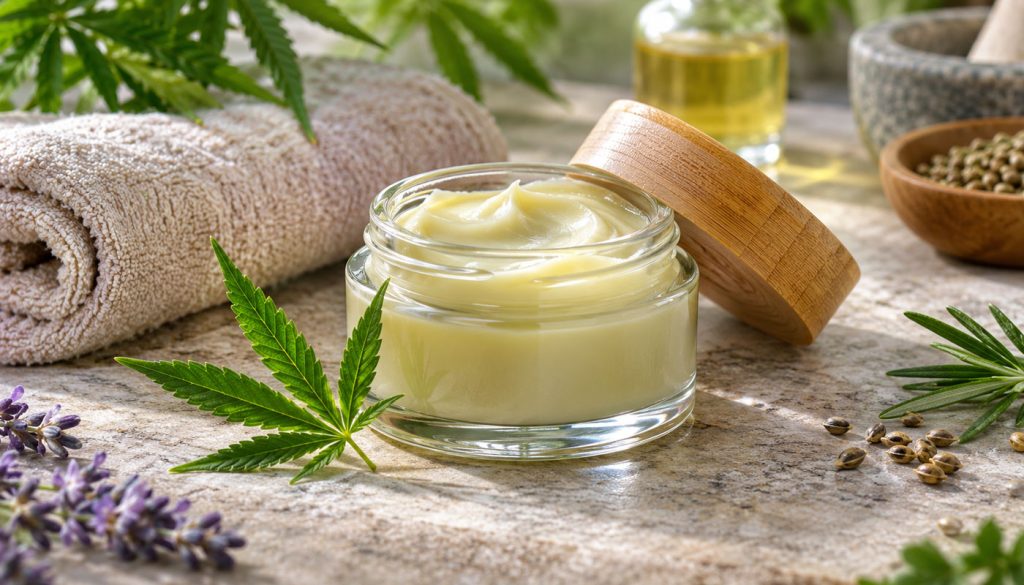
Cannabis topicals have become increasingly popular among people looking for convenient, non-inhaled wellness products. From CBD creams and THC-infused balms to soothing lotions and massage oils, these products offer a way to apply cannabinoids directly to the skin.
But do Topicals for Pain actually work?
Many consumers are interested in cannabis topicals for muscle soreness, joint discomfort, and everyday aches. Unlike smoking cannabis or consuming edibles, topical products are designed for external application, usually targeting a specific area of the body.
Although early studies suggest that certain cannabinoid formulations may have pain-relieving potential, scientific evidence remains limited. Understanding how these products work, their possible benefits, and their limitations can help consumers make informed decisions.
What Are Cannabis Topicals?
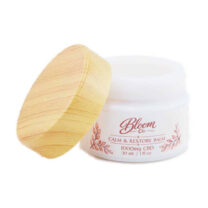
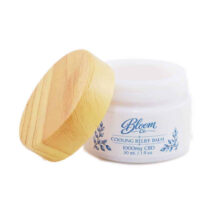
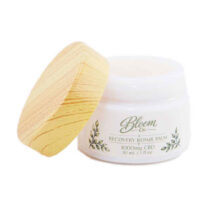
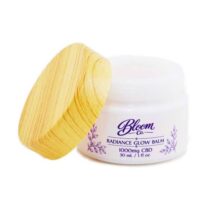
Cannabis topicals are products infused with cannabinoids, such as cannabidiol (CBD) and tetrahydrocannabinol (THC), that are applied directly to the skin.
They are available in several formulations, including:
CBD creams: Moisturizing products containing cannabidiol.
THC balms: Cannabis-infused products formulated for localized application.
Cannabis lotions: Lightweight products designed to spread easily across the skin.
Massage oils: Oil-based formulations intended for massage.
Cooling gels: Products that may contain menthol or other cooling ingredients.
Cannabis salves: Thicker, oil-rich preparations designed to remain on the skin.
Most conventional cannabis topicals are intended to act locally rather than produce the intoxicating effects associated with inhaled or ingested THC. However, absorption depends on the formulation, and transdermal products designed to deliver cannabinoids through the skin may behave differently.
How Do Topicals for Pain Work?
The human body contains an endocannabinoid system (ECS), a complex signalling network involved in regulating several physiological processes, including pain perception, inflammation, and immune activity.
Cannabinoids interact with this system in different ways.
THC can activate cannabinoid receptors, particularly CB1 and CB2 receptors, while CBD interacts with several molecular targets involved in cellular signalling.
When cannabis topicals are applied to the skin, cannabinoids may interact with receptors and other biological targets in the skin and underlying tissues.
However, an important limitation involves skin penetration.
The skin acts as a protective barrier, making it difficult for some compounds to reach deeper tissues. The amount of CBD or THC absorbed depends on the product’s ingredients, concentration, and formulation.
As a result, the presence of cannabinoids in a cream does not automatically guarantee meaningful pain relief.
Potential Benefits of Topicals for Pain
1. Targeted Application
One appealing feature of cannabis topicals is the ability to apply them directly to a particular area.
Rather than consuming a product that circulates throughout the body, users can massage a topical onto their shoulders, knees, hands, or other areas of discomfort.
This localized approach is convenient, although targeted application does not necessarily mean the cannabinoids will penetrate deeply enough to relieve pain.
2. Potential Relief From Joint Discomfort
People experiencing joint stiffness or discomfort often explore CBD and THC creams as part of their wellness routines.
Researchers have investigated topical cannabinoids for conditions such as arthritis and neuropathic pain.
Some small studies have reported encouraging outcomes, but larger clinical trials are necessary to establish consistent effectiveness.
Topicals should not replace treatments prescribed for inflammatory arthritis or other diagnosed joint conditions.
3. Muscle Comfort After Physical Activity
Cannabis topicals are also marketed toward athletes, fitness enthusiasts, and individuals experiencing muscle soreness after exercise.
The act of gently massaging lotion or balm into the skin may temporarily improve comfort and relaxation.
Some formulations also contain menthol, camphor, or other ingredients that produce cooling or warming sensations.
These sensations may help people feel more comfortable, but they should not be confused with proven cannabinoid-specific pain relief.
4. A Non-Inhaled Cannabis Option
One practical benefit of topical cannabis products is that they do not require smoking or vaping.
This allows consumers to avoid respiratory exposure associated with cannabis smoke.
Conventional topicals also generally have a lower potential for systemic intoxicating effects than inhaled or edible THC products, although absorption and individual responses can vary.
5. Skin Moisturization
Many cannabis creams contain familiar skincare ingredients, including shea butter, coconut oil, aloe vera, and other emollients.
These ingredients can help moisturize dry skin, soften rough areas, and improve the skin’s surface feel.
These cosmetic benefits may occur independently of the cannabinoids.
What Does Science Say About Cannabis Topicals?
Scientific interest in Topicals for Pain has grown alongside broader research into cannabinoid-based treatments.
A 2025 systematic review from the U.S. Agency for Healthcare Research and Quality examined cannabis products for chronic pain.
Researchers found that certain THC-containing products may provide small improvements in some types of chronic pain. However, evidence specifically involving topical CBD and other topical cannabinoid preparations remained insufficient for firm conclusions.
One small study of a topical THC, CBD, and CBN formulation reported improvements in symptoms associated with diabetic neuropathy. Nevertheless, individual studies cannot establish that all cannabis topicals are effective.
These findings highlight an important distinction: evidence supporting one formulation or delivery method cannot automatically be applied to every cannabis cream or balm.
Larger, well-controlled clinical trials are needed to determine which formulations work, for which conditions, and over what period.
CBD vs. THC Topicals: What’s the Difference?
CBD and THC are among the most recognizable cannabinoids, but they have different properties.
| Feature | CBD Topicals | THC Topicals |
|---|---|---|
| Main cannabinoid | Cannabidiol | Tetrahydrocannabinol |
| Common formats | Creams, lotions, balms | Balms, lotions, oils |
| Intoxicating effects | CBD is non-intoxicating | Usually unlikely with conventional skin application |
| Pain relief evidence | Limited | Limited |
| Potential skin reactions | Possible irritation or allergy | Possible irritation or allergy |
Some products combine CBD and THC, while others contain additional cannabinoids or botanical ingredients.
Choosing between them should involve reviewing the formulation, cannabinoid content, intended use, and available safety information rather than assuming that a higher concentration produces better results.
How to Use Cannabis Topicals Safely
For individuals considering Topicals for Pain, proper application and product selection are important.
- Read the product label. Follow the manufacturer’s instructions for external use and application frequency.
- Start with a small area. Test a small amount on intact skin to check for irritation.
- Avoid damaged skin. Do not apply products to open wounds, broken skin, or irritated areas unless specifically directed by a healthcare professional.
- Avoid sensitive areas. Keep topicals away from the eyes, mouth, and other sensitive tissues.
- Wash your hands afterward. This helps prevent accidental contact with the eyes or unintended transfer to other people.
- Monitor your response. Stop using the product if redness, itching, burning, or other unusual reactions develop.
Health Canada notes that cannabis topicals may cause localized allergic reactions and that information about their onset, duration, and risks remains limited.
Persistent or worsening pain should be evaluated by a healthcare professional rather than managed solely with cannabis products.
Are Cannabis Topicals Better Than Traditional Pain Creams?
Cannabis topicals and conventional pain-relief creams are not necessarily interchangeable.
Some traditional topical medications, including certain anti-inflammatory gels, have stronger clinical evidence supporting their use for specific musculoskeletal conditions.
Cannabis creams, by comparison, remain an emerging area of research.
The best choice depends on the underlying cause of pain, the individual’s medical history, and the evidence supporting a particular treatment.
For example, persistent joint pain associated with arthritis may require a different approach from temporary soreness after physical activity.
Consumers should also distinguish between products containing cannabinoids and those relying primarily on cooling, warming, or moisturizing ingredients.
Who Might Be Interested in Topicals for Pain?
Cannabis topicals may appeal to adults interested in topical wellness products, especially those who prefer external application over inhalation.
Potential users include people exploring options for everyday muscle comfort, massage routines, dry skin care, or localized discomfort.
However, individuals who are pregnant or breastfeeding, have significant medical conditions, or take prescription medications should seek professional advice before using cannabinoid products.
Importantly, cannabis topicals are not established substitutes for medical treatment, and their effectiveness for persistent pain remains uncertain.
Conclusion: Are Topicals for Pain Worth Trying?
So, do Topicals for Pain really work?
Cannabis-infused creams, balms, and lotions offer a convenient method of applying cannabinoids directly to the skin. Their potential advantages include localized application, moisturizing properties, and avoiding smoke inhalation.
While preliminary research is promising for some formulations, there is not yet enough high-quality evidence to confirm that cannabis topicals consistently relieve pain.
For Canadian adults interested in exploring cannabis wellness products, Kush Station is one online dispensary brand to consider when researching topical cannabis options. Consumers should verify that any retailer is authorized to sell cannabis in their province, review ingredient information, and select appropriately regulated products.
Ultimately, understanding the evidence and choosing products responsibly is the best approach to exploring cannabis topicals for everyday wellness.