
Blog 2026
Weed Munchies Explained: Why They Hit and What Helps
Nov
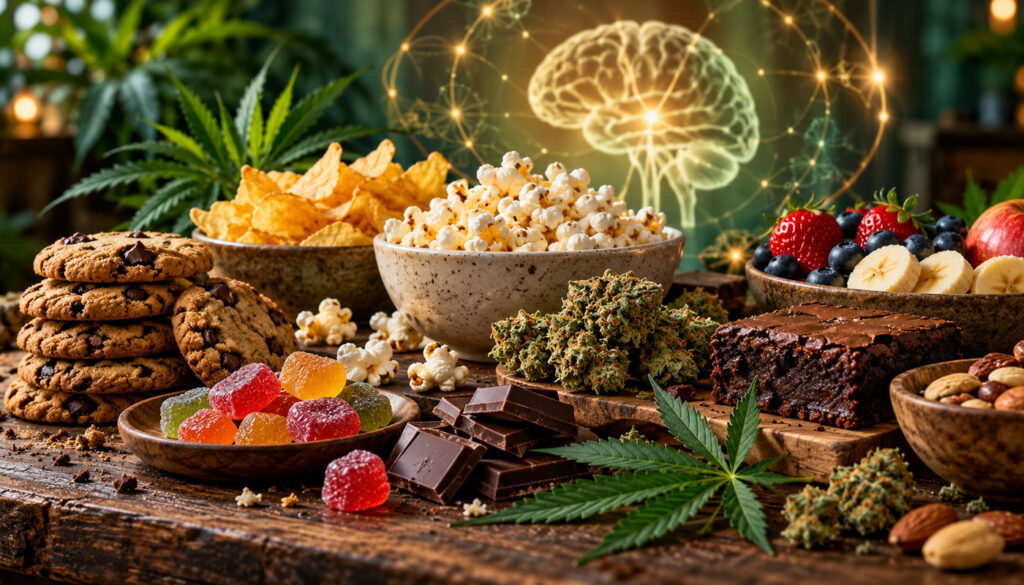
You’re settled into the couch, pleasantly relaxed, when an ordinary bag of chips suddenly feels like a five-star tasting menu. Ten minutes later, you’re pairing peanut butter with cereal and wondering who authorized this culinary experiment. Welcome to weed munchies, the familiar surge in appetite that can follow cannabis use.
The munchies aren’t simply a failure of willpower. THC can affect brain circuits involved in hunger, smell, taste, and reward, making food more compelling even when your body has enough energy. The experience varies widely, though. Your dose, tolerance, consumption method, surroundings, and eating habits can all influence whether you feel mildly snacky or ready to negotiate with the refrigerator.
This evidence-based review explains what weed munchies feel like, why they happen, and what you can realistically do about them. It also examines popular claims about strains, CBD, THCV, and terpenes without treating preliminary research like settled fact. You’ll find practical prevention tactics, fast interventions, healthier snack ideas, and warning signs that deserve medical attention.
The scope is appetite management and harm reduction, not advice on obtaining cannabis or encouragement to use it. Cannabis laws, including the legal age, differ by province and territory, and THC can impair driving, judgment, and coordination. Keep products secured away from children and pets, and never drive while impaired. This article is independent and has no affiliation with a cannabis, supplement, or snack brand.
Key Takeaways
Weed munchies are an increased appetite caused primarily by THC affecting brain circuits tied to hunger, taste, and reward.
THC activates CB1 receptors and alters hormones like ghrelin and dopamine, amplifying food cravings and making flavours more intense.
The intensity of weed munchies varies with THC dose, consumption method, tolerance, and environment, with edibles causing longer, delayed effects.
Prevent weed munchies by eating a satisfying, protein- and fibre-rich meal beforehand and pre-portioning snacks to control intake.
To manage munchies while high, hydrate, try sugar-free gum, eat mindfully using smaller plates, and distract yourself with non-food activities.
No specific cannabis strain or terpene reliably prevents munchies; dose control and environmental preparation are more effective strategies.
What Are Weed Munchies? (Definition, Timing, and What They Feel Like)
Weed munchies are an increase in appetite or food-seeking behaviour associated primarily with THC, cannabis’s main intoxicating compound. You may experience physical hunger, but the sensation is often more complicated: food catches your attention, aromas seem unusually vivid, and eating feels especially rewarding.
Common signs include:
Thinking about food soon after using cannabis
Craving sweet, salty, fatty, or crunchy foods
Eating even though having had a recent meal
Losing track of portions or repeatedly returning for snacks
Feeling dry mouth and mistaking it for hunger
Timing depends heavily on the product. After inhaling cannabis, effects generally begin within minutes, and appetite changes may appear during the first hour. Edibles can take 30 minutes to two hours, or longer, to become noticeable, with effects that may persist for six hours or more. Individual digestion and product formulation make edible timing unpredictable.
Not everyone gets the munchies. Some people notice little change, while others become intensely food-focused. Nausea, anxiety, or an overly strong dose may suppress interest in eating instead. Appetite effects can also change as your tolerance and routines evolve.
A useful distinction: homeostatic hunger reflects an energy need, while hedonic hunger is the desire to eat because food seems pleasurable. THC can turn up the volume on both, but hedonic hunger often explains why dessert still looks irresistible after dinner.
Why Weed Munchies Happen: The Science Behind THC and Hunger
THC influences several interconnected systems rather than pressing one simple “hungry” button. Research points to changes in cannabinoid receptor activity, appetite hormones, reward processing, and sensory perception. In plain English: your brain may notice food more, anticipate greater pleasure from it, and interpret appetite signals differently.
Much of the mechanistic evidence comes from animal studies, which are useful for identifying pathways but don’t perfectly predict human behaviour. Human laboratory findings and the long-standing medical use of cannabinoids for appetite stimulation support the overall connection, yet researchers still don’t have a universal formula for predicting who will experience strong munchies.
Endocannabinoid system basics: CB1 receptors and appetite signalling
Your body naturally produces cannabinoid-like molecules called endocannabinoids. Together with their receptors and metabolic enzymes, they form the endocannabinoid system, which helps regulate appetite, mood, pain, memory, and other functions.
THC partially activates cannabinoid type 1, or CB1, receptors. These receptors are abundant in brain regions involved in appetite and reward, including the hypothalamus. Activating them can alter signals that tell you when food is relevant and worth pursuing.
Animal research published in Nature Neuroscience found that cannabinoids could switch the activity of certain hypothalamic neurons in a surprising direction, promoting eating even though those neurons are normally associated with fullness. Other preclinical work suggests CB1 activity can enhance smell-driven food seeking.
That doesn’t mean THC automatically creates a calorie deficit or genuine nutritional need. It can instead change how strongly your brain responds to food cues. The leftover pizza was already in the refrigerator: THC may simply give it top billing.
Hormones and neurotransmitters: ghrelin, dopamine, and reward-driven eating
Ghrelin is often nicknamed the “hunger hormone.” It’s produced mainly in the stomach and helps signal meal initiation. Some small human studies suggest cannabis or THC may alter ghrelin and other metabolic hormones, but results differ by population, dose, and study design. Hormones are part of the story, not a complete explanation.
Dopamine also matters. It helps regulate motivation, learning, and the anticipation of rewards. Calling it merely a “pleasure chemical” oversimplifies its job, but THC’s interaction with reward circuits may make reaching for another cookie feel unusually worthwhile.
This creates a powerful loop:
You notice a food cue, such as a delivery-app notification.
Your brain predicts an appealing reward.
Eating reinforces the behaviour.
Easy access encourages another round.
The loop is why environmental changes can work better than attempting an internal debate while high. Your future self may be lovely, but they’re not necessarily interested in negotiating with an open family-size bag of Doritos.
Why food tastes better when high: smell, taste, and sensory amplification
Flavour is largely a collaboration between taste and smell. Your tongue detects broad categories such as sweet, salty, sour, bitter, and umami, while aromatic compounds provide much of a food’s distinctive character. Texture, temperature, and sound add still more information.
THC may heighten attention to these signals. A well-known animal study reported in Nature Neuroscience linked cannabinoid signalling in the olfactory system with increased odour detection and food intake. Evidence in humans is less tidy, but many users report stronger aromas and more immersive flavours.
Sensory amplification helps explain why contrasting foods are so appealing: cold ice cream with warm brownies, salty chips with sweet soda, or crisp crackers with creamy cheese. Novelty adds another reward signal.
Dry mouth can complicate matters. Cannabis can reduce saliva production, so juicy, cold, or strongly flavoured foods may feel particularly satisfying. Before assuming you need food, drink water and wait ten minutes. Sometimes “I need snacks immediately” is your mouth asking for moisture with unnecessary drama.
What Affects the Munchies: Dose, Tolerance, Product Type, and Setting
Two people can use the same labelled product and have very different appetite responses. Body composition, metabolism, prior food intake, sleep, medications, and cannabis experience may all matter. Product labels can also be inaccurate where manufacturing and testing aren’t tightly regulated.
Dose deserves special attention. A low THC dose might create mild sensory enhancement, while a larger amount may produce stronger cravings, or discomfort that removes your appetite altogether. More THC doesn’t guarantee more munchies in a neat, linear pattern.
Edibles vs smoking/vaping: onset, duration, and intensity differences
Inhaled THC reaches the bloodstream quickly, so you can usually assess its early effects within minutes. Those effects also tend to fade sooner than edible effects. This quicker feedback can make dose adjustment easier, although smoking exposes your lungs to combustion products and vaping isn’t risk-free.
Swallowed THC takes a slower route through digestion and the liver. The liver converts some THC into 11-hydroxy-THC, an active metabolite that can produce strong, long-lasting effects. The classic mistake is taking more because “nothing is happening,” only for both servings to arrive later like two buses travelling together.
Method Typical onset Typical duration Munchies consideration
Smoking/vaping Minutes Roughly 2–4 hours Faster feedback: cravings may arrive quickly
Edibles 30 minutes–2+ hours Often 6–8+ hours Delayed, prolonged appetite and easier accidental overconsumption
Sublingual products About 15–45 minutes Often 4–6 hours Timing varies depending on how much is swallowed
These are broad ranges, not promises. If you use cannabis, follow the product instructions and avoid redosing too soon, especially with edibles.
THC potency, microdosing, and tolerance breaks
Modern cannabis products can contain substantially more THC than older, lower-potency plant material. Concentrates may deliver a large dose very quickly, and edible packages can contain multiple servings. Check milligrams of THC per serving, not merely the package total.
“Microdosing” has no universally accepted cannabis definition. It generally means taking a dose low enough to minimize intoxication, but even a small amount can impair a sensitive or inexperienced user. If appetite control is the priority, using less THC may reduce the intensity or duration of munchies. It isn’t guaranteed.
Frequent exposure can create tolerance to some cannabis effects. After a tolerance break, your previous dose may feel much stronger, so returning immediately to the old amount can backfire. Start lower rather than assuming your past tolerance remains intact.
Also consider medication interactions and health history. Cannabis may be inappropriate during pregnancy or breastfeeding and can pose added risks for people with certain psychiatric or cardiovascular conditions. A clinician can provide individualized guidance without relying on dispensary folklore.
Context matters: late-night use, boredom, stress, and social eating
Your setting can be as influential as the product. If you use THC at 11 p.m. while watching The Bear beside a stack of takeout menus, your environment is practically holding a snack audition.
Late-night sessions often collide with fatigue. Sleep loss can affect appetite regulation, while tiredness weakens deliberate decision-making. Boredom creates another opening: eating supplies stimulation, movement, and a small reward. Stress can push you toward familiar comfort foods, with or without cannabis.
Social cues matter too. You may mirror friends who are ordering wings or continue grazing because food remains visible. A shared bowl has no natural stopping point, and portion awareness gets fuzzy when conversation is flowing.
Try a quick context audit before using cannabis:
Have you eaten a real meal?
Are you thirsty, stressed, bored, or exhausted?
What food is visible and immediately available?
Is eating part of tonight’s plan or merely the default activity?
Changing one cue, putting snacks away, planning a movie, or scheduling use earlier, can be surprisingly effective.
Do Certain Strains or Cannabinoids Reduce Munchies?
Dispensary labels often suggest that one strain will produce ravenous hunger while another will keep appetite quiet. Treat those promises cautiously. Strain names aren’t standardized across growers, and two products with the same name can have different cannabinoid and terpene profiles.
Your dose and personal response are usually more useful predictors than an indica-versus-sativa label. If appetite matters, record the product’s tested THC and CBD content, serving size, method, timing, and what happened. A simple notes-app log can reveal patterns that marketing categories miss.
CBD, THCV, and balanced ratios: what evidence suggests (and limits)
CBD doesn’t produce the same intoxication as THC and interacts with cannabinoid signalling differently. A CBD-dominant or more balanced THC-to-CBD product may feel less intense for some users, but CBD isn’t a reliable munchies antidote. Research hasn’t established a ratio that consistently prevents increased appetite.
THCV attracts attention because it can behave differently at cannabinoid receptors depending on dose and context. Early research has explored possible metabolic effects, including glucose regulation, but evidence for over-the-counter THCV as an appetite suppressant remains limited. Small trials and animal findings don’t justify treating it as a weight-loss product.
Be skeptical of gummies marketed with phrases such as “diet weed” or “skinny cannabinoid.” Supplements and novel cannabinoid products may face inconsistent testing, and appealing packaging can outrun the science.
If you experiment, change one variable at a time and choose products with independent laboratory results. Don’t combine cannabinoids with prescription weight-loss or diabetes medication without discussing it with your clinician.
Terpenes and appetite: common claims vs what’s actually known
Terpenes are aromatic compounds found in cannabis and many everyday plants. Limonene contributes citrus-like aromas: pinene smells piney: myrcene is earthy or musky. They can shape aroma and potentially influence the overall experience, but confident claims that a particular terpene “kills hunger” are ahead of human evidence.
Why the confusion? Laboratory and animal studies may identify biological activity at concentrated doses, then marketing transforms an early signal into a firm consumer promise. The amount inhaled from a cannabis product may differ dramatically from an experimental dose, and terpene combinations add complexity.
Use terpene information primarily to anticipate aroma and flavour, not as nutritional control. If one product repeatedly leads to less snacking for you, that observation is useful, but it doesn’t prove a terpene caused the result. THC dose, mood, meal timing, and expectations may have changed too.
The practical verdict: product chemistry may influence weed munchies, but there’s no proven terpene shortcut. Dose control and environmental preparation have stronger real-world utility.
How to Prevent Weed Munchies Before You Get High (Best Prep Steps)
The best time to manage munchies is before cannabis affects your judgment. Make the easy choice genuinely easy: eat a satisfying meal, portion anything you plan to snack on, and decide where the kitchen closes for the night.
Think of preparation as setting up bumpers at a bowling alley. You’re not demanding perfect self-control: you’re making it harder for one impulsive turn to become a pantry cleanout.
Eat a protein- and fibre-forward meal first
Using cannabis on an empty stomach can leave ordinary hunger tangled with THC-driven cravings. Beforehand, eat a meal containing protein, fibre-rich carbohydrates, produce, and some fat. This combination tends to be more satisfying than a snack built mainly from refined carbohydrates.
Practical options include:
A chicken or tofu grain bowl with brown rice, black beans, and salsa
Greek yogurt with berries, oats, chia seeds, and walnuts
Eggs with whole-grain toast and avocado
Lentil soup with a side salad
Salmon, roasted vegetables, and potatoes
You don’t need a wellness-influencer masterpiece. A turkey sandwich on whole-grain bread with an apple is perfectly respectable.
Eat normally rather than “saving calories” for later. Restriction can make cravings more intense and may encourage a binge-restrict cycle. If cannabis is medically prescribed to stimulate appetite, your goal may differ: follow the plan established with your healthcare professional.
Pre-portion snacks and remove trigger foods from reach
Never underestimate the persuasive power of an open package. Pour one serving into a bowl, seal the bag, and put it away before you use cannabis. Better yet, prepare a snack plate that provides several textures without requiring endless refills.
For example: sliced strawberries, popcorn, cucumber rounds, hummus, and two squares of dark chocolate. It feels abundant because there’s variety, yet the portion has a clear endpoint.
Make trigger foods inconvenient. Don’t keep a multipack beside the couch, and remove delivery apps from your home screen if late-night ordering is your weak spot. You’re allowed to use modern technology against modern temptation.
A simple budget boundary helps too: decide that unplanned delivery isn’t part of the evening. A $7 homemade snack plate is easier on your wallet than a $34 order that includes fees, dessert, and something you added because the app promised “free delivery” after spending more. Ah yes, free, with assignments.
How to Stop Weed Munchies While High: Practical, Fast-Acting Tactics
Once cravings begin, don’t aim for heroic resistance. Interrupt the automatic sequence and give yourself ten minutes to reassess. Move away from the kitchen, drink something, and choose a deliberate portion if you’re still hungry.
If you feel severely anxious, confused, faint, or physically unwell after cannabis, appetite tactics aren’t the priority. Stop consuming, stay somewhere safe with a trusted sober person, and seek medical help or call your local poison centre at 1-844-POISON-X (1-844-764-7669) (in Quebec, 1-800-463-5060) for guidance. Call 911 for chest pain, trouble breathing, seizures, loss of consciousness, or dangerous behaviour.
Hydration and “mouth hunger” fixes (water, tea, sugar-free gum)
Dry mouth can masquerade as appetite. Start with a glass of cold water, sparkling water, or unsweetened tea. Sip rather than chugging an extreme amount: excessive water intake can also be dangerous.
“Mouth hunger” is the desire for flavour, chewing, or oral stimulation without clear stomach hunger. Try:
Sugar-free gum or a mint
Herbal tea such as peppermint or ginger
Flavoured sparkling water
Crushed ice in water with lemon
Brushing your teeth if you’re finished eating
Wait about ten minutes, then check again. Physical hunger may feel like stomach emptiness, low energy, or a willingness to eat an ordinary meal. A narrow craving, “only frosted cereal will work”, is more likely reward-driven, though the distinction isn’t perfect.
Avoid using alcohol as a substitute. Combining alcohol and cannabis can increase impairment, nausea, and poor decision-making. It turns a snack-management problem into a safety problem remarkably fast.
Mindful eating cues: slow down, smaller plates, and distraction swaps
If you decide to eat, sit at a table and use a plate or bowl. Eating from packaging hides portion cues, while watching short-form videos can make an entire snack disappear between swipes.
Try the “first five bites” exercise: notice the smell, texture, temperature, and flavour of each bite. Then pause. Enjoyment often peaks early and declines as you adapt to the food, but intoxication can make you overlook that shift.
Smaller dishes can create a visual boundary, though they aren’t magic. Combine them with a no-refill pause: finish your portion, leave the kitchen, and wait 15 minutes before deciding whether you want more.
A distraction swap should occupy your hands or attention without creating another food cue. Take a shower, play a low-stakes video game, fold laundry, sketch, or walk somewhere safe with a sober companion. Don’t drive, cycle in traffic, cook over an open flame, or operate equipment while impaired. The cookies can wait: your eyebrows deserve protection.
Healthy Snack Ideas for Weed Munchies (Sweet, Salty, Crunchy)
A healthier munchies snack doesn’t need to taste like punishment. The sweet spot is something flavourful and satisfying with protein, fibre, or high-water-volume produce. Pairing two food groups usually works better than relying on plain vegetables while secretly dreaming about nachos.
Craving Snack idea Why it works
Sweet Greek yogurt, frozen berries, and cinnamon Creamy, cold, protein-rich, and naturally sweet
Chocolate Banana slices with peanut butter and cocoa Combines sweetness, fat, fibre, and richer flavour
Salty Air-popped popcorn with Parmesan or nutritional yeast High volume with a clear portion
Crunchy Apple slices and cheddar Crisp texture plus protein and fat
Savoury Hummus with carrots, cucumber, and pita wedges Multiple textures and more staying power
Cold Frozen grapes or mango Slow to eat and especially appealing with dry mouth
Spicy Roasted chickpeas with chili and lime Crunchy, fibre-rich, and strongly flavoured
Convenience KIND bar, RXBAR, or a single-serve nut pack Portable and pre-portioned: check allergens and labels
For a movie-night plate, try three cups of popcorn, a clementine, and a small cheese portion. For a sweeter option, combine vanilla Greek yogurt with thawed cherries and crushed walnuts. If sodium or blood sugar is a concern, choose products consistent with your clinician’s recommendations rather than assuming a “healthy” label fits your needs.
Keep food safety in mind while impaired. Prepare ingredients beforehand, use microwaveable options, and skip complicated knife work. Also lock cannabis edibles away from regular food. A THC brownie should never sit unmarked beside ordinary brownies, especially in a home with children, guests, or pets.
When Weed Munchies Are a Problem: Weight, Blood Sugar, and Disordered Eating Red Flags
An occasional snack-heavy evening isn’t automatically a health crisis. The pattern becomes concerning when weed munchies repeatedly undermine your physical health, finances, emotional well-being, or sense of control.
Frequent high-calorie eating can contribute to weight gain, although body weight is influenced by many factors and observational cannabis research is complicated. More immediately, large amounts of sugary food can produce substantial glucose excursions. If you have diabetes, intoxication may also make carbohydrate counting, medication decisions, and recognition of low blood sugar more difficult.
Create a safety plan with your diabetes care team. Keep glucose supplies accessible, use monitoring tools as directed, and make sure a trusted person knows how to help. Don’t assume every hunger sensation is “just munchies”, hypoglycemia requires prompt treatment according to your medical plan.
Watch for these red flags:
Eating until you’re painfully full or sick
Feeling unable to stop once you begin
Hiding food or eating episodes from others
Compensating through fasting, vomiting, laxatives, or punishing exercise
Using cannabis specifically to permit or numb a binge
Experiencing persistent shame, anxiety, or weight preoccupation
Continuing even though worsening diabetes, reflux, sleep, or financial problems
These signs deserve compassion, not a stricter snack spreadsheet. A physician, registered dietitian, or eating-disorder specialist can help. In Canada, the National Eating Disorder Information Centre (NEDIC) offers a free helpline (1-866-633-4220) and live chat. If cannabis itself feels difficult to control, Health Canada’s Get help with substance use page lists national and provincial helplines.
The most useful response to weed munchies is usually practical rather than punitive: lower the THC dose, eat before using, prepare one satisfying snack, add a hydration pause, and track what triggers overeating. If those steps don’t help, or if cannabis is creating broader problems, consider reducing or stopping use with professional support.
You don’t need flawless willpower. You need a plan made while sober, when your refrigerator isn’t glowing like a sacred portal. Start with one change tonight: portion your snack before sitting down. Small boundaries are easier to repeat, and repeated boundaries are what eventually reshape the habit.
Frequently Asked Questions about Weed Munchies
What causes weed munchies and why does cannabis increase appetite?
Weed munchies occur because THC in cannabis affects brain systems involved in hunger, smell, taste, and reward. It activates cannabinoid receptors in the brain, making food aromas and flavours more appealing and increasing the desire to eat, even without genuine energy need.
How soon after using cannabis do munchies typically start and how long do they last?
For inhaled cannabis, munchies can begin within minutes and last 2 to 4 hours. Edibles take longer, usually 30 minutes to 2 hours to onset, but their appetite effects can last six hours or more due to slow digestion and metabolite activity.
Can certain cannabis strains or cannabinoids reduce the intensity of munchies?
There’s no conclusive evidence that specific strains or cannabinoids reliably reduce munchies. While CBD and THCV might influence appetite differently, current research does not support claims that these cannabinoids consistently suppress appetite.
What are effective strategies to prevent or manage weed munchies before and after cannabis use?
Prevent munchies by eating a satisfying protein- and fibre-rich meal beforehand, pre-portioning snacks, and removing trigger foods from reach. While high, drink water, chew sugar-free gum, and use mindful eating techniques like smaller plates and slow bites to reduce overeating.
Why does food taste better when high on cannabis?
THC heightens sensory perception by amplifying taste and smell signals. This sensory enhancement makes flavours and aromas more vivid and rewarding, encouraging stronger cravings and enjoyment of varied food textures and combinations.
Are weed munchies dangerous or harmful to health?
While occasional munchies are generally harmless, frequent overeating from cannabis use can impact weight, blood sugar, and emotional well-being. People with diabetes or eating disorders should monitor symptoms and seek medical advice if appetite issues persist or worsen.