
Oct
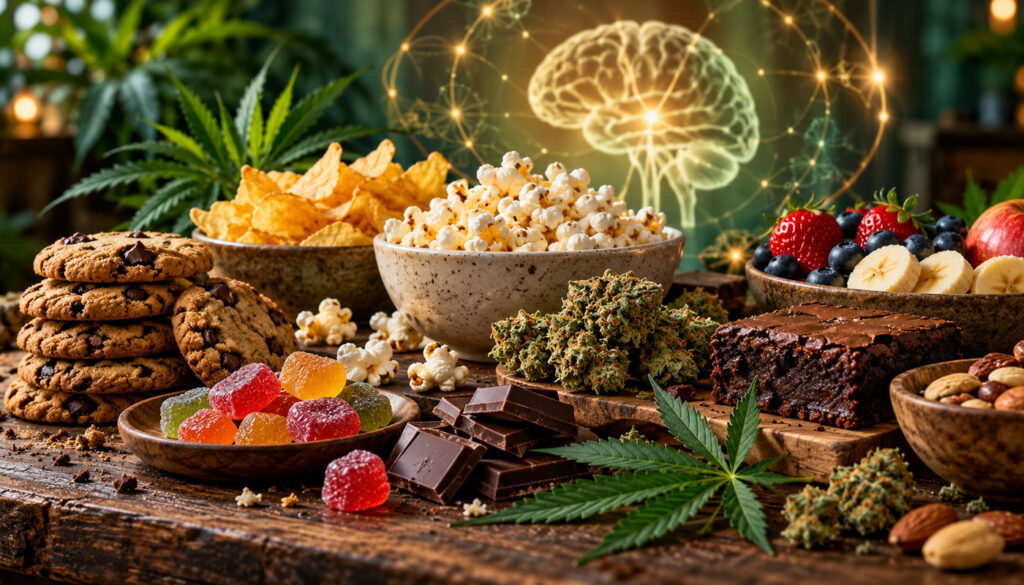
Have you ever noticed that food tastes more delicious after consuming cannabis? Whether it’s a craving for salty chips, sweet chocolate, or your favourite late-night snack, the sudden increase in appetite is commonly known as the Cannabis Munchies.
This familiar experience is more than just a cannabis stereotype. Scientific research suggests that cannabis, particularly tetrahydrocannabinol (THC), interacts with the body’s endocannabinoid system, influencing hunger signals, food cravings, and sensory perception.
But why does cannabis make you hungry, and are there any potential benefits to this effect?
In this guide, we’ll explore the science behind Cannabis Munchies, how THC influences appetite, why food tastes better, and what you should know about managing cannabis-related hunger.
What Are Cannabis Munchies?
Cannabis Munchies refer to the increased appetite and food cravings that some individuals experience after consuming cannabis.
This effect is particularly associated with THC, the primary psychoactive compound found in cannabis.
Unlike ordinary hunger, cannabis-induced cravings may occur even when someone has recently eaten a full meal.
Common signs of Cannabis Munchies include:
- Feeling hungry shortly after consuming cannabis.
- Developing strong cravings for sweet or salty foods.
- Finding familiar meals more flavourful and satisfying.
- Eating larger portions than usual.
- Experiencing increased enjoyment from snacking.
Although the munchies are common, not everyone experiences them. Their intensity depends on individual biology, THC exposure, product composition, and other factors.
The Science Behind Cannabis Munchies
Understanding Cannabis Munchies starts with the body’s endocannabinoid system, or ECS.
This complex signalling network helps regulate several important functions, including appetite, mood, memory, sleep, and energy balance.
How THC Interacts With the Endocannabinoid System
The endocannabinoid system contains cannabinoid receptors known as CB1 and CB2.
CB1 receptors are particularly abundant in the brain and central nervous system.
When THC enters the body, it activates CB1 receptors in regions involved in appetite regulation, food motivation, and sensory processing.
This interaction can make food seem more appealing and encourage eating even when the body has sufficient energy.
Researchers believe these effects help explain why THC is frequently associated with increased appetite.
The Role of the Hypothalamus
The hypothalamus is an important brain region responsible for regulating hunger, thirst, body temperature, and other essential functions.
Animal research has shown that cannabinoid signalling can influence appetite-related neural pathways within the hypothalamus.
Some studies suggest THC may change how certain neurons communicate hunger signals.
However, these mechanisms are complex, and findings from animal studies do not always translate directly to humans.
Cannabis and Food Reward
Another important element of Cannabis Munchies involves the brain’s reward system.
THC can influence neural processes associated with motivation and pleasure, making eating feel especially rewarding.
Foods that are naturally appealing, particularly those high in sugar or fat, may become even more tempting during cannabis intoxication.
This combination of increased hunger and heightened food reward helps explain why cannabis users sometimes reach for snacks they would not ordinarily crave.
Why Does Food Taste Better After Cannabis?
One of the most interesting aspects of Cannabis Munchies is the way cannabis can change the overall eating experience.
Enhanced Sense of Smell
Smell plays an important role in how we perceive flavour.
Research in animals suggests cannabinoid signalling can influence odour sensitivity and food-seeking behaviour.
Because smell and taste work together, changes in aroma perception may contribute to the feeling that food is more flavourful after cannabis consumption.
Human research on this specific mechanism remains limited.
Greater Enjoyment of Flavours
Cannabis may also influence how rewarding different flavours feel.
Sweet desserts, savoury meals, and crunchy snacks can become particularly appealing.
This does not necessarily mean cannabis makes taste receptors more sensitive. Instead, THC may change how the brain interprets and responds to food-related sensory information.
Increased Interest in Snacking
Cannabis-induced appetite is not always driven by nutritional needs.
Sometimes the motivation to eat comes from heightened anticipation and enjoyment rather than physical hunger.
This distinction helps explain why people experiencing Cannabis Munchies may continue snacking even after feeling full.
Do All Cannabis Strains Cause the Munchies?
Not every cannabis product produces the same appetite-related effects.
The likelihood of experiencing Cannabis Munchies depends on several factors.
THC concentration: Higher THC exposure may increase appetite stimulation in some individuals, although responses are not perfectly predictable.
CBD content: Cannabidiol (CBD) does not generally produce the same intoxicating effects as THC, and evidence that it stimulates appetite is limited.
Individual tolerance: Frequent cannabis consumers may experience different appetite responses from occasional users.
Consumption method: Smoking, vaping, and edibles can produce different onset times and durations of effects.
Personal physiology: Metabolism, recent meals, medications, and individual endocannabinoid activity can influence hunger.
Although cannabis strains are often marketed as indica, sativa, or hybrid, these labels do not reliably predict whether a particular product will cause stronger munchies.
Potential Benefits of Cannabis Munchies
While increased snacking may seem like a minor side effect, appetite stimulation has attracted attention in medical research.
1. Appetite Support
Certain medical conditions and treatments can reduce appetite, making it difficult for individuals to maintain adequate nutritional intake.
Cannabinoid-based medicines have been investigated for their potential to stimulate appetite in specific clinical settings.
For example, dronabinol, a pharmaceutical form of THC, has been approved in the United States for treating anorexia associated with weight loss in adults with AIDS.
However, this does not mean ordinary cannabis products are approved or appropriate for treating appetite problems.
2. Increased Interest in Food
Some people experiencing reduced appetite may find eating less appealing than usual.
The appetite-stimulating effects associated with THC have generated research interest because increasing food motivation may help certain patients under medical supervision.
Nevertheless, the response varies, and cannabis can also cause unwanted effects such as dizziness, anxiety, or nausea.
3. Enhanced Eating Enjoyment
Cannabis Munchies can make food feel more enjoyable for some individuals.
Changes in food reward and sensory perception may contribute to a more pleasurable eating experience.
Although this can be appealing, it is important to distinguish enjoyment from a proven medical benefit.
4. Opportunities for Nutritional Awareness
Increased appetite may encourage consumers to think more carefully about their food choices.
Choosing nutritious snacks instead of consistently reaching for highly processed foods can help maintain a more balanced diet.
This benefit comes from healthy eating habits rather than cannabis itself.
How to Manage Cannabis Munchies
Although Cannabis Munchies can be enjoyable, frequent overeating may lead to unwanted calorie consumption.
Fortunately, several simple habits can help manage cannabis-related food cravings.
Choose Healthier Snacks
Prepare nutritious foods before consuming cannabis.
Fresh fruit, yoghurt, nuts, vegetables, and whole-grain crackers can provide satisfying alternatives to candy and highly processed snacks.
Stay Hydrated
Cannabis commonly causes dry mouth, which can sometimes be confused with thirst or hunger.
Drinking water regularly helps maintain hydration and may make it easier to recognize whether you’re genuinely hungry.
Eat Balanced Meals
Consuming regular meals containing protein, fibre, and healthy fats can support satiety.
Avoid skipping meals with the expectation that cannabis-related hunger will compensate for inadequate nutrition.
Pay Attention to THC Exposure
Higher THC exposure can increase the likelihood of unwanted intoxication effects.
Consumers should follow product instructions and avoid taking additional doses simply because the desired effects haven’t appeared yet.
Edibles can take up to four hours to reach their full effects.
Practise Mindful Eating
Rather than eating directly from a large snack package, consider placing a reasonable portion in a separate bowl.
Eating slowly and checking your fullness can help prevent accidental overeating.
Can Cannabis Munchies Lead to Weight Gain?
The relationship between cannabis use and body weight is more complicated than it initially appears.
Although THC can stimulate appetite in the short term, observational studies have reported mixed associations between cannabis consumption, body weight, and metabolic health.
Some population studies have found lower average body mass index among cannabis users, but these findings do not establish that cannabis causes weight loss.
Lifestyle, diet, age, physical activity, and other factors may influence the results.
Regularly consuming excessive calories can still contribute to weight gain, regardless of whether the increased appetite is related to cannabis.
Therefore, maintaining balanced eating habits remains important.
Does CBD Cause Cannabis Munchies?
CBD and THC interact differently with the endocannabinoid system.
Unlike THC, CBD does not strongly activate CB1 receptors and generally does not produce the classic intoxicating effects associated with cannabis.
Current evidence does not establish CBD as a reliable appetite stimulant.
Some individuals may experience changes in appetite while using CBD products, but reduced appetite is also a reported side effect of certain pharmaceutical CBD formulations.
Consumers should not assume CBD will produce the same munchies experience as THC.
Explore Quality Cannabis Products at Kush Station
Understanding Cannabis Munchies can help adult cannabis consumers make more informed decisions about THC concentrations, product types, and their individual responses.
Whether you’re interested in cannabis flower, concentrates, or edibles, choosing clearly labelled products with accurate cannabinoid information is essential.
Kush Station is an online cannabis retailer offering a place to explore different cannabis product categories, including flower and edibles, subject to current availability.
For shoppers considering Kush Station, product quality, independent testing, and compliance with applicable regulations should be verified before purchasing. The availability of a product online does not by itself establish that its sale is legally authorized.
Choose appropriately labelled products from authorized retailers and prioritize responsible consumption.
Final Thoughts
Cannabis Munchies are a fascinating example of how THC interacts with the brain and body’s appetite-regulating systems.
By activating cannabinoid receptors and influencing hunger, food reward, and sensory processing, THC can make meals more appealing and increase the desire to snack.
Although appetite stimulation has potential medical applications in specific circumstances, ordinary cannabis use should not be considered a treatment for appetite loss without professional guidance.
Understanding the science behind Cannabis Munchies allows consumers to better recognize these effects, make thoughtful food choices, and approach cannabis consumption with greater awareness.