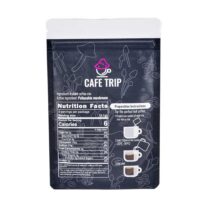
Cafe Trip – Vietnamese Coffee 500mg Psilocybin
$12.00
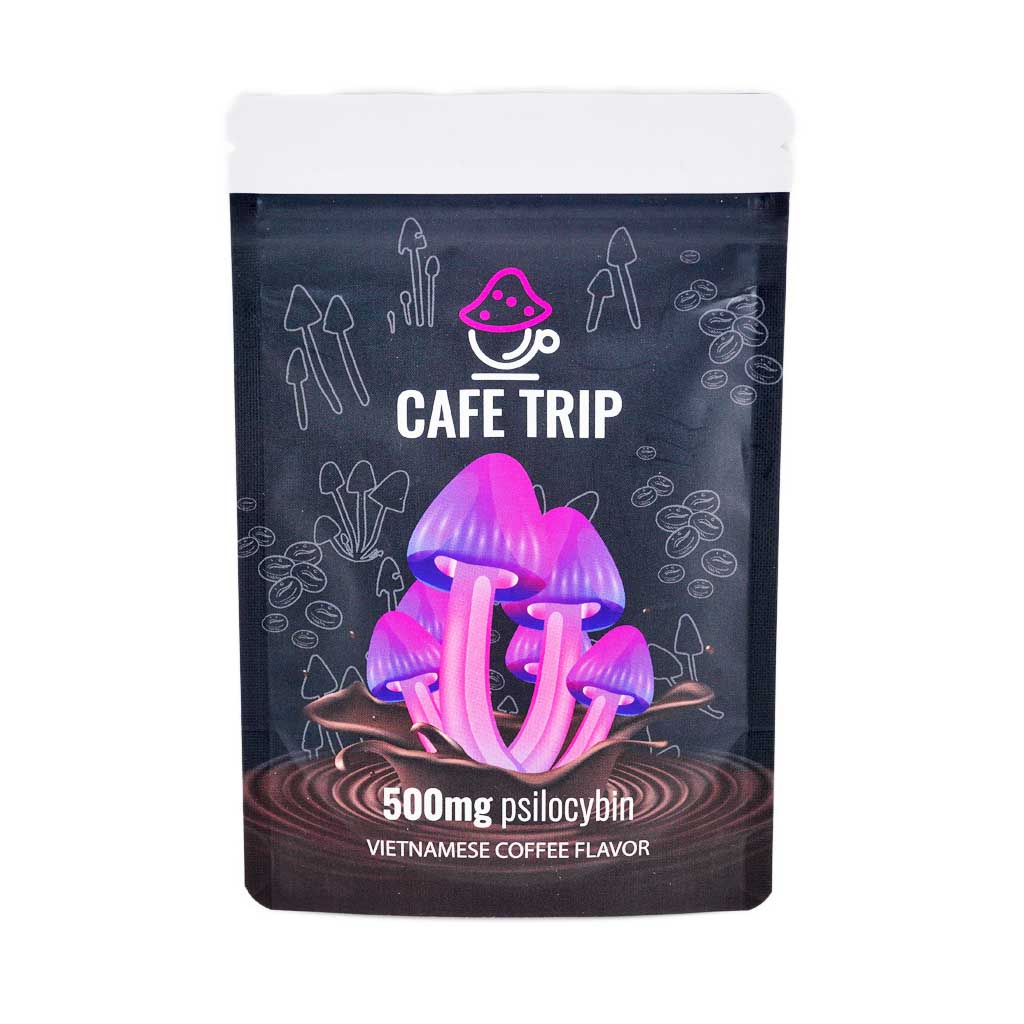
Cafe Trip Vietnamese Coffee 500mg is a lighter-strength option in the Vietnamese coffee range, with 500mg of psilocybin mushrooms per pack blended into bold, dark-roast coffee with a sweet, creamy, condensed-milk-style finish. The rich, caramel-like flavour covers any earthy notes, so it slips easily into your coffee routine. Follow the serving guidance on the label. It comes in discreet, resealable packaging to keep it fresh. Store in a cool, dry place, away from children and pets. For adults only.
If you’ve spotted Cafe Trip Vietnamese Coffee Psilocybin in an online listing, you’re probably wondering what’s actually in the pouch, and whether the number on the label means coffee weight, mushroom content, or something else entirely. That’s a fair question. Products sold under mushroom-coffee branding can vary dramatically in ingredients, strength, labelling, and legal status, particularly when they’re advertised across Canadian marketplaces.
This guide is an independent, harm-reduction overview for adults of legal age only. It doesn’t endorse buying, possessing, or consuming psilocybin products, and it isn’t medical advice. Instead, you’ll learn how to interpret product claims, identify red flags, understand potential risks, and avoid treating a colourful package like a regulated cannabis edible with standardized dosing. If you’re considering any psychoactive product, the safest starting point is accurate information, not a mystery milligram number and a checkout button.
Key Takeaways
- Cafe Trip Vietnamese Coffee Psilocybin combines instant coffee and a mushroom ingredient, but its potency and contents can vary widely and are often unclear without verified lab testing.
- Labels showing milligram amounts may refer to coffee weight, mushroom material, or psilocybin content, so do not assume dosage from the number alone; clear, verified ingredient and dosage info is essential.
- Purchasing psilocybin products like Cafe Trip coffee in Canada involves legal risks, as psilocybin is a controlled substance without a general legal retail pathway, regardless of age.
- Safety precautions include checking for complete ingredient lists, batch numbers, expiry dates, and independent lab certificates; avoid products without transparent and consistent labeling.
- Psilocybin can cause varied effects and interact with medications or health conditions, so consult a healthcare professional before use and avoid mixing with other substances or engaging in risky activities.
- Store products securely away from children and pets, do not consume if the product appears damaged or altered, and have a sober, trusted person present if choosing to use these substances.
Cafe Trip Vietnamese Coffee Psilocybin: Product Overview
What the Vietnamese Coffee product is marketed as
Cafe Trip Vietnamese Coffee Psilocybin is generally presented online as an instant coffee product combined with a mushroom or mushroom-derived ingredient. Listings may frame it as a convenient way to pair a familiar morning drink with a psychedelic experience. Some sellers use phrases such as “microdose,” “premium blend,” or “functional coffee,” but marketing language isn’t proof of the contents or potency.
That distinction matters. A product can look like a coffee sachet, use Vietnamese-coffee imagery, and still have no reliable connection to traditional Vietnamese coffee preparation. “Vietnamese coffee” may refer to the flavour profile, dark roast, robust bitterness, or sweetened coffee, rather than a protected recipe or verified origin.
You should also be cautious when a listing promises relaxation, creativity, focus, or mood improvement. Those are subjective user reports, not guaranteed outcomes or approved medical claims.
Coffee format, packaging, ingredients, and product claims
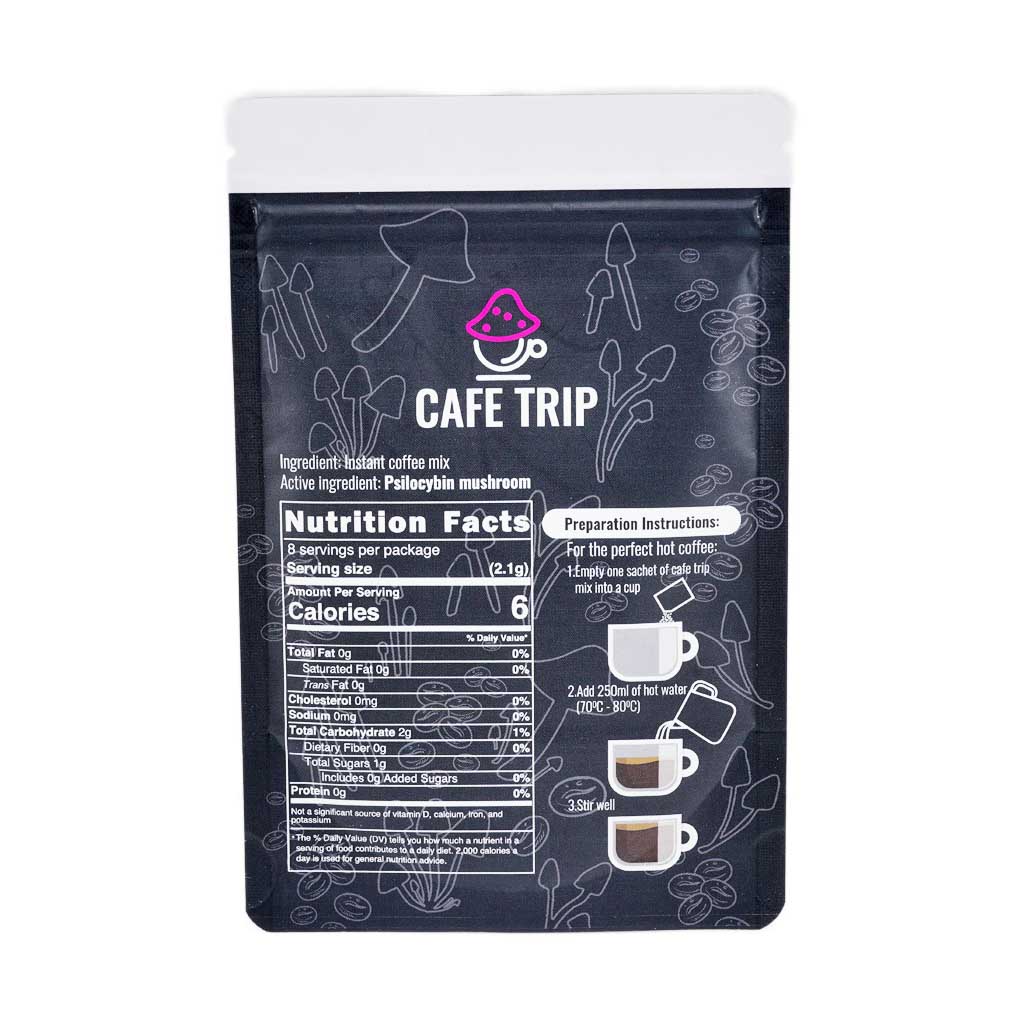
The product is commonly shown in single-serve sachets or small pouches, sometimes with preparation instructions for mixing the contents into hot water. Depending on the listing, ingredients may include instant coffee, sugar or creamer, flavouring, and a claimed mushroom component. Some packages may identify Psilocybe species: others simply say “magic mushrooms,” “mushroom blend,” or “proprietary blend.” Those terms are not interchangeable.
Before you even think about effects, look for:
- A complete ingredient list, not just a product name
- Net weight per sachet and number of servings
- Manufacturer or importer name and contact information
- Lot or batch number and expiry or best-before date
- Clear identification of the active ingredient
- A certificate of analysis from an independent laboratory
A polished label can be copied. A QR code can lead nowhere useful. If the seller cannot explain what the product contains, where it was made, and how it was tested, treat the coffee as an unknown substance, not as a predictable beverage.
Strength, Serving Information, and Labeling Differences
Why listings may show 250 mg, 500 mg, 1500 mg, or 2000 mg
Those numbers are especially easy to misunderstand. A listing showing 250 mg, 500 mg, 1,500 mg, or 2,000 mg may be referring to the total weight of mushroom material in a package, the weight of a mushroom blend, the coffee powder itself, or an alleged amount of active compounds. It does not automatically tell you how much psilocybin is present.
Psilocybin content is usually discussed in milligrams of psilocybin, while dried mushroom material is measured separately. Two batches with the same mushroom weight can contain different amounts of active compounds because species, genetics, growing conditions, storage, and processing all affect potency. If the label doesn’t clearly state what the milligram figure measures, the number is not a usable dose guide.
Online sellers may also reuse one product description across several flavours or package sizes. That can create confusing combinations such as “2,000 mg per bag” beside “500 mg per serving.” Don’t fill in the gaps yourself. Ambiguous dosing is a reason to stop, not a puzzle to solve with guesswork.
How to check the package, batch details, and third-party testing
Start with the physical package rather than a marketplace headline. Compare the printed label with the listing and photograph both if you need to ask the seller questions. Check that the lot number, expiry date, ingredients, and manufacturer information are present and consistent.
A meaningful certificate of analysis should identify the tested sample, date, laboratory, analytical method, and compounds detected. It should ideally report contaminants as well as potency. A generic “lab tested” badge, an undated image, or a PDF that names no laboratory provides little reassurance.
Even genuine testing has limits. One certificate may apply to one batch, not every pouch ever sold. Testing can also fail to detect undisclosed ingredients if the method or screening panel is narrow. For a psychoactive product with uncertain provenance, the prudent choice is not to consume it. “Start low and go slow” is useful harm-reduction language, but it cannot make an unknown product known.
Expected Effects and Important Safety Considerations
Potential effects, onset, duration, and individual variability
People who use psilocybin products commonly describe changes in mood, perception, time awareness, thought patterns, and sensory intensity. Some report laughter or emotional openness: others experience anxiety, confusion, nausea, panic, or an uncomfortable loss of control. Coffee adds another variable: caffeine can increase alertness, jitteriness, a racing heartbeat, or difficulty sleeping, which may feel unpleasant alongside a psychedelic effect.
Timing is unpredictable. An edible or drink may take longer to feel than expected, particularly after a meal, and the experience can last for several hours. Taking more because “nothing is happening yet” is a classic way people accidentally intensify an experience. If you consume any psychoactive product even though the risks, avoid mixing it with alcohol, cannabis, stimulants, or other drugs, and don’t drive, cycle on busy roads, swim, or make important decisions.
Your setting matters too. A quiet, familiar space with a sober, trusted person is safer than a crowded party or a shift at work. Still, a calm room cannot compensate for uncertain strength or an adulterated product.
Caffeine, medication interactions, mental-health risks, and who should avoid it
You should speak with a qualified healthcare professional before considering psilocybin, especially if you take prescription medication or have a medical condition. Potential concerns can involve antidepressants, stimulants, migraine medicines, drugs affecting serotonin, and medications that influence blood pressure or heart rate. Interaction evidence is incomplete, so internet anecdotes aren’t a substitute for a pharmacist’s review.
Avoid psilocybin products if you’re pregnant or breastfeeding, have a history of psychosis or mania, or have been diagnosed with bipolar disorder or another condition that could be worsened by altered perception. Extra caution is warranted if you’re dealing with severe anxiety, suicidal thoughts, uncontrolled heart problems, or a personal or family history of psychotic illness.
Seek urgent help for chest pain, seizures, severe agitation, trouble breathing, dangerously high temperature, loss of consciousness, or behaviour that puts someone at immediate risk. In Canada, call 911 for an emergency or contact your local poison centre for urgent substance-exposure guidance. Stay with the person, keep the packaging nearby, and be honest about what may have been taken.
Legal Status and Buying Considerations in Canada
How psilocybin regulations and age restrictions affect availability
Psilocybin and psilocin are controlled substances in Canada. Unlike regulated cannabis, psilocybin products do not have a general legal retail pathway through provincial cannabis stores or ordinary licensed online cannabis retailers. Limited exemptions, clinical research, and certain authorized programs exist, but they don’t turn every online mushroom-coffee listing into a lawful consumer product.
Age rules can also confuse shoppers. Cannabis purchasing ages differ by province, Alberta is 18, most provinces are 19, and Quebec is 21, but those cannabis age limits don’t create a legal retail permission for psilocybin. Being old enough to buy cannabis doesn’t mean a psilocybin coffee is legal to buy, possess, import, or ship.
Rules and enforcement can change, and provincial borders don’t override federal controlled-substance law. If legality is important to you, check current information from Health Canada and your provincial authority rather than relying on a seller’s “legal nationwide” claim.
Recognizing misleading listings, counterfeit products, and unsafe shipping claims
A seller may advertise discreet packaging, fast Xpresspost delivery, “customs guaranteed,” or “no seizure risk.” None of those claims proves legality, safety, or authenticity. A website that also sells legal cannabis can still list products outside the regulated cannabis framework.
Watch for these red flags:
- No physical business identity or customer-service contact
- Pressure to pay by cryptocurrency, e-transfer, or gift card only
- Dramatically different prices for supposedly identical packages
- Stock photos with inconsistent labels or spelling errors
- Claims that testing is “government approved” without evidence
- Promises of guaranteed effects, medical treatment, or zero risk
- No recall, refund, batch, or complaint process
Counterfeit packaging can contain the wrong substance, or a potent synthetic compound. If the product arrives damaged, unsealed, wet, mouldy, or different from the listing, don’t taste-test it. Photograph the package, keep it away from children and pets, and seek local disposal or public-health advice.
Storage, Shelf Life, and Responsible Handling
If you already possess a mushroom-coffee product, keep it sealed in its original packaging, away from heat, humidity, sunlight, children, pets, and anyone who might mistake it for ordinary instant coffee. A locked, clearly labelled container is better than a kitchen drawer beside the sugar jar, especially when the sachets look like a harmless morning drink.
Do not assume a printed expiry date guarantees potency or safety. Moisture, oxygen, heat, and poor manufacturing can degrade ingredients or encourage contamination. Coffee that smells sour, looks damp or clumped, has damaged seals, or shows unusual discolouration should not be used. Don’t “rescue” it by brewing at a higher temperature: heat is not a reliable way to remove unknown psychoactive compounds or contaminants.
Avoid transferring powder into an unlabelled jar. Keep the original lot information in case you need to contact a poison centre or report a product problem. Never share it with another person, and don’t leave an opened drink unattended at a gathering.
Responsible handling also means planning ahead: no driving, childcare, work, or outdoor hazards: a sober support person if someone chooses to use even though the risks: and a clear plan for emergency help. If uncertainty remains, disposal is the safest option.
Cafe Trip Vietnamese Coffee Psilocybin FAQs
Is the listed milligram amount the coffee weight or psilocybin content?
Usually, you cannot tell from the number alone. A figure such as 500 mg or 2,000 mg may describe total powder, mushroom material, a blend, or an alleged active amount. The label must explicitly define the measurement, identify the active compound, and connect the information to a verified batch. If it doesn’t, treat the strength as unknown. Do not convert mushroom weight into a psilocybin dose using an online chart: natural potency varies, and a questionable label makes the calculation even less reliable.
How is this product different from Cafe Trip French Vanilla Coffee?
The obvious advertised difference is flavour: Vietnamese coffee generally suggests a darker, stronger coffee profile, while French vanilla implies a sweeter vanilla flavour. But flavour doesn’t tell you whether the products contain the same mushroom ingredient, amount, formulation, or batch quality.
Compare the actual package labels, not just product photos. Check serving size, complete ingredients, active-ingredient wording, net weight, lot number, expiry date, manufacturer, and testing documentation. If one listing makes stronger promises or uses a different milligram number, that still doesn’t establish a reliable potency difference.
Conclusion
Cafe Trip Vietnamese Coffee Psilocybin may look like a simple instant coffee, but the important questions are ingredient identity, verified testing, clear dosing, and Canadian legality. Marketing claims and large milligram numbers can’t answer those questions. For adults considering psychoactive products, the safest approach is to avoid unknown formulations, never mix substances, protect children and pets, and get professional advice about medication or mental-health risks. A good cup of coffee shouldn’t require detective work, or a gamble with your wellbeing.
Only logged in customers who have purchased this product may leave a review.
Related products
Reviews
There are no reviews yet.