Mushrooms – Bluey Vuitton
Price range: $5.00 through $600.00 As low as $1.34 per gram
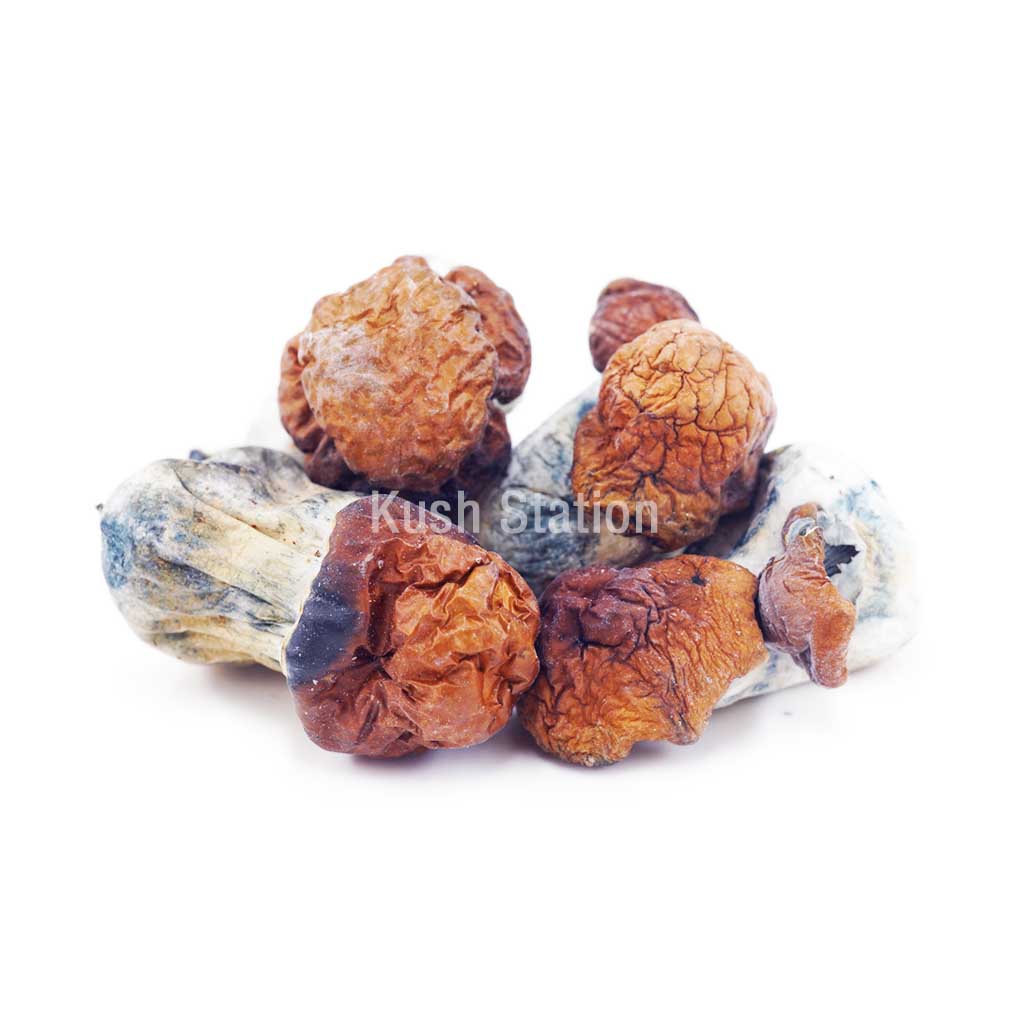
Bluey Vuitton mushrooms are an exotic strain prized for their pale, light-toned caps and the vivid blue bruising that appears wherever they’re handled. They’ve built a strong reputation among experienced mushroom enthusiasts looking for something rarer than the classic strains. Each batch is carefully dried and quality-checked, then sealed in discreet, airtight packaging to lock in freshness. Store in a cool, dry, dark place, away from children and pets. For adults only.
If you’ve come across the name “Bluey Vuitton” while browsing mushroom forums or product listings, you’re probably wondering what it actually refers to, and whether the claims attached to it are trustworthy. The short answer: it’s a name used for a variety of Psilocybe cubensis, but naming and potency claims in this market can be inconsistent. A label alone can’t verify what’s in a sample or how it may affect you.
This guide explains the reported background, appearance, terminology, and risks of Bluey Vuitton mushrooms. It also covers Canadian legal considerations and how to assess online claims without mistaking marketing for evidence. This is educational information, not an endorsement of buying, possessing, or using psilocybin. Rules vary by location, and these products are for adults of legal age only.
Key Takeaways
- “Mushrooms Bluey Vuitton” is a popular name for a Psilocybe cubensis variety but does not guarantee genetic purity, potency, or safety.
- Visual traits like blue bruising are common in psilocybin mushrooms but are unreliable for identifying Bluey Vuitton or confirming safety.
- Potency and effects of Bluey Vuitton mushrooms vary widely; no standardized potency data exists, so user experiences can differ greatly.
- Always verify seller transparency, testing information, and legal status before considering any purchase, as many online claims lack independent verification.
- Psilocybin mushrooms, including Bluey Vuitton, are regulated substances in Canada with varying legal restrictions, so consult official laws and qualified legal advice.
- Safety precautions include avoiding consumption of unidentified mushrooms, seeking medical help in emergencies, and never trusting marketing alone without evidence.
What Are Mushrooms Bluey Vuitton?
“Bluey Vuitton” is a popular name associated with a variety of Psilocybe cubensis, a species of psychedelic mushroom. The name appears in online discussions and some product listings, but it isn’t a regulated designation or a guarantee of a particular genetic line, potency, or effect. That distinction matters: unlike a standardized cannabis product with mandated testing and label requirements, a mushroom sold under a strain name may have little independently verified information behind it.
The “bluey” part likely nods to bluish bruising sometimes seen when mushroom tissue is damaged. Bruising can occur in psilocybin-containing mushrooms, but colour alone can’t confirm species or safety. Nor does a flashy name prove a sample is stronger than other P. cubensis varieties.
For Canadian readers used to checking THC percentages, product format, and licensed-store information, the mushroom marketplace can feel less transparent. Treat Bluey Vuitton as a name used by sellers and enthusiasts, not as a dependable specification.
Bluey Vuitton Background, Naming, and Genetics
Public accounts of Bluey Vuitton’s origins are inconsistent. It’s commonly described online as a selected or cultivated P. cubensis variety, sometimes linked to particular breeders or parent lines. But there’s no widely accepted, independently documented pedigree that lets you trace every product bearing the name back to one verified source.
That’s a familiar problem in unregulated markets: names travel faster than records. A seller may use “Bluey Vuitton” to describe a particular-looking sample, while another may apply the same name to material with a different history. Even when a culture has a documented origin, subsequent handling and selection can introduce variation.
So, what can you reasonably conclude from the label? Only that the seller is using that name. It doesn’t establish genetic purity, exact species identification, or a predictable experience. Be especially cautious of claims that the name guarantees a unique effect or a specific level of strength. Without credible testing and traceable documentation, those are sales claims, not reliable facts.
Key Characteristics and How to Identify Bluey Vuitton
Online descriptions often mention pale or golden caps, thick stems, and blue bruising. These are broad visual impressions, not a dependable identification key. Appearance can change with age, drying, handling, and storage, and many mushroom varieties can share similar features. Photos are even less useful: lighting, filters, and editing can make colours look dramatically different.
A blue mark on a mushroom doesn’t confirm that it’s Bluey Vuitton, or even that it’s a psychedelic species. Conversely, lack of obvious bruising doesn’t prove a sample is inactive. Visual identification of wild mushrooms can be dangerous: some poisonous species resemble edible or psychoactive ones. Don’t rely on a seller’s photo, a forum post, or an image-recognition app to decide whether an unknown mushroom is safe.
For a product listing, look for transparent information about the seller, origin, handling, and any independent analytical testing. If the listing offers only a dramatic strain name and close-up photos, you’re being asked to trust branding rather than evidence. That’s a poor basis for a safety decision.
Potency, Effects, and Experience Expectations
Bluey Vuitton is often marketed as potent, but there isn’t a dependable, universally accepted potency figure for the name. Psilocybin content can vary between individual mushrooms and batches. A strain label can’t tell you how much active compound is present, and appearance isn’t a measuring tool.
People who use psilocybin report changes in perception, mood, and sense of time: responses can range from enjoyable to confusing or frightening. Context, expectations, mental state, and other substances can all influence the experience. No description can promise a particular outcome. Psilocybin can also carry psychological and physical risks, and it isn’t appropriate for everyone. If you take prescription medication or have a health concern, speak with a qualified health professional rather than relying on seller advice.
If someone has used a substance and becomes severely distressed, confused, or physically unwell, seek urgent medical help. Don’t leave them alone or let them drive. A calm environment and a trusted sober person can help while you contact local emergency services or poison-control support.
Bluey Vuitton Spores, Isolated Samples, and Liquid Cultures
Online listings may use terms such as spores, isolates, or liquid cultures. These refer to different biological materials and shouldn’t be confused with dried mushrooms or with a verified finished product. Sellers may present them as research-related items, but the name “Bluey Vuitton” still doesn’t establish identity, quality, or legal status.
This article doesn’t provide instructions for cultivating psychedelic mushrooms. Laws can apply differently to spores, cultures, and materials intended for propagation, and a “microscopy only” label isn’t a universal legal exemption. Before considering any purchase or possession, check current rules with official authorities in your province or territory and get qualified legal advice where needed.
Be wary of sellers who imply that a culture is guaranteed to produce a specific potency or experience. A sample’s label doesn’t replace controlled identification or testing. If your interest is strictly educational, use lawful, non-psychoactive reference materials and institutional resources rather than assuming an online listing is compliant.
Microscopy and Educational Research Applications
Microscopy can help students and researchers examine fungal structures, but a specimen’s appearance under a microscope doesn’t automatically establish its species or legal status. Reliable identification may require multiple methods and qualified expertise. A sample labelled Bluey Vuitton is not a substitute for a documented reference specimen.
If you’re studying fungi, consider university teaching collections, public science resources, or lawful non-psychoactive specimens. Keep records of where a sample came from and follow your institution’s safety and compliance procedures. Don’t assume that research language on a shop page makes the transaction lawful or that a personal purchase counts as institutional research.
There’s also a useful research lesson here: strain names circulating online are not always standardized scientific names. When you read a claim about genetics or effects, check whether it comes from peer-reviewed research, a credible laboratory, or merely an anecdotal listing. Those sources carry very different weight.
Safety, Contamination Risks, and Responsible Handling
Mushroom products can pose risks that a strain label won’t reveal. Misidentification, contamination, mould, poor storage, and unknown strength are all concerns, particularly when products come from sellers without independently verifiable quality controls. Don’t consume a mushroom you can’t confidently identify, and don’t use smell, colour, or a seller’s assurances as a safety test.
If you encounter an unknown product, keep it away from children and pets, avoid handling it unnecessarily, and don’t taste it to “check.” If someone may have eaten an unidentified mushroom, contact poison-control services or emergency care promptly: save the packaging or a photo if doing so is safe. Don’t wait for symptoms to become severe.
For adults who choose to use a psychoactive substance where lawful, risk-reduction basics include avoiding driving, not mixing substances, and having a trusted sober person nearby. These steps don’t make an untested product safe. They simply reduce some avoidable hazards. If a person feels in immediate danger or develops severe symptoms, call emergency services.
Legality and Regulations by Location
In Canada, psilocybin is generally controlled under federal law. Possession, sale, and production can be illegal without specific authorization, such as an applicable exemption. Access through a seller’s website or a storefront doesn’t mean a product is legally authorized. Canada’s legal cannabis system is separate: a licensed cannabis retailer’s rules and product standards don’t automatically apply to mushrooms.
Rules and enforcement can also change, and a product marketed as spores or for research may raise different questions from a product containing psilocybin. Don’t rely on a forum, social-media post, or seller’s FAQ for current legal advice. Check official federal and provincial or territorial sources, and consult a qualified lawyer if the consequences matter to you.
Age limits for cannabis purchases, such as 18 in Alberta and 21 in Quebec, do not establish a legal age for psilocybin products. More broadly, adult status doesn’t make an otherwise restricted substance lawful. If you’re travelling, don’t carry a product across provincial or international borders without confirming the rules.
How to Evaluate Bluey Vuitton Product Claims
The easiest way to get misled is to treat polished branding as proof. A dramatic photo, a “top shelf” label, or a confident claim about potency doesn’t verify what’s in a package. Before giving any listing your attention, consider these questions:
- Is the seller identifiable? Look for clear business information and a way to contact them, not just an anonymous account.
- Are claims backed by independent evidence? Ask whether results are batch-specific and who performed the testing. Be cautious if the answer is vague.
- Does the description distinguish fact from opinion? “Users report” is not the same as a measured result.
- Is the legal status clear? Don’t assume that a “research” label or online availability settles the question.
- Are there pressure tactics? Countdown timers, guaranteed effects, and “limited drop” language can rush you past basic checks.
For cannabis shopping, Canadian consumers often compare licensed sellers by price, THC information, product format, and shipping terms. That familiar checklist doesn’t translate neatly to an unregulated mushroom listing, where important testing and traceability may be absent. If a seller can’t answer reasonable questions, walking away is a practical decision, not a missed opportunity.
Frequently Asked Questions About Bluey Vuitton Mushrooms
The name raises a few recurring questions, especially when listings use similar labels for different materials. Keep the central point in view: a strain name is not a standardized certification, and it can’t establish legality or safety.
Frequently Asked Questions about Mushrooms Bluey Vuitton
What are Mushrooms Bluey Vuitton?
Mushrooms Bluey Vuitton refers to a variety of Psilocybe cubensis mushrooms associated with psychedelic effects, but the name is unregulated and doesn’t guarantee genetics, potency, or safety.
How can I identify Bluey Vuitton mushrooms visually?
Bluey Vuitton mushrooms are often described as having pale or golden caps, thick stems, and blue bruising, but visual traits alone are unreliable for identification and do not confirm safety or species.
Are Bluey Vuitton mushrooms more potent than other Psilocybe cubensis varieties?
There is no dependable, universal potency figure for Bluey Vuitton; potency varies by batch and individual mushrooms, so strain names don’t guarantee stronger effects or consistent psilocybin content.
Is it legal to buy or possess Bluey Vuitton mushrooms in Canada?
Psilocybin mushrooms, including those labeled Bluey Vuitton, are controlled substances in Canada generally illegal to possess or sell without authorization; legal cannabis regulations don’t apply to mushrooms.
What safety precautions should I take regarding Bluey Vuitton mushrooms?
Do not consume mushrooms you cannot confidently identify; avoid relying on color or seller claims. Keep unknown mushrooms away from children and pets, and seek medical help immediately if adverse effects occur.
What should I look for when evaluating Bluey Vuitton product claims online?
Check for identifiable sellers, independent batch-specific testing, clear legal status, and beware of aggressive sales tactics; polished marketing doesn’t confirm safety or potency of Bluey Vuitton mushrooms.
Only logged in customers who have purchased this product may leave a review.
Related products
Reviews
There are no reviews yet.