Mushrooms – Blue Ghost (Exotic)
Price range: $8.00 through $700.00 As low as $1.56 per gram
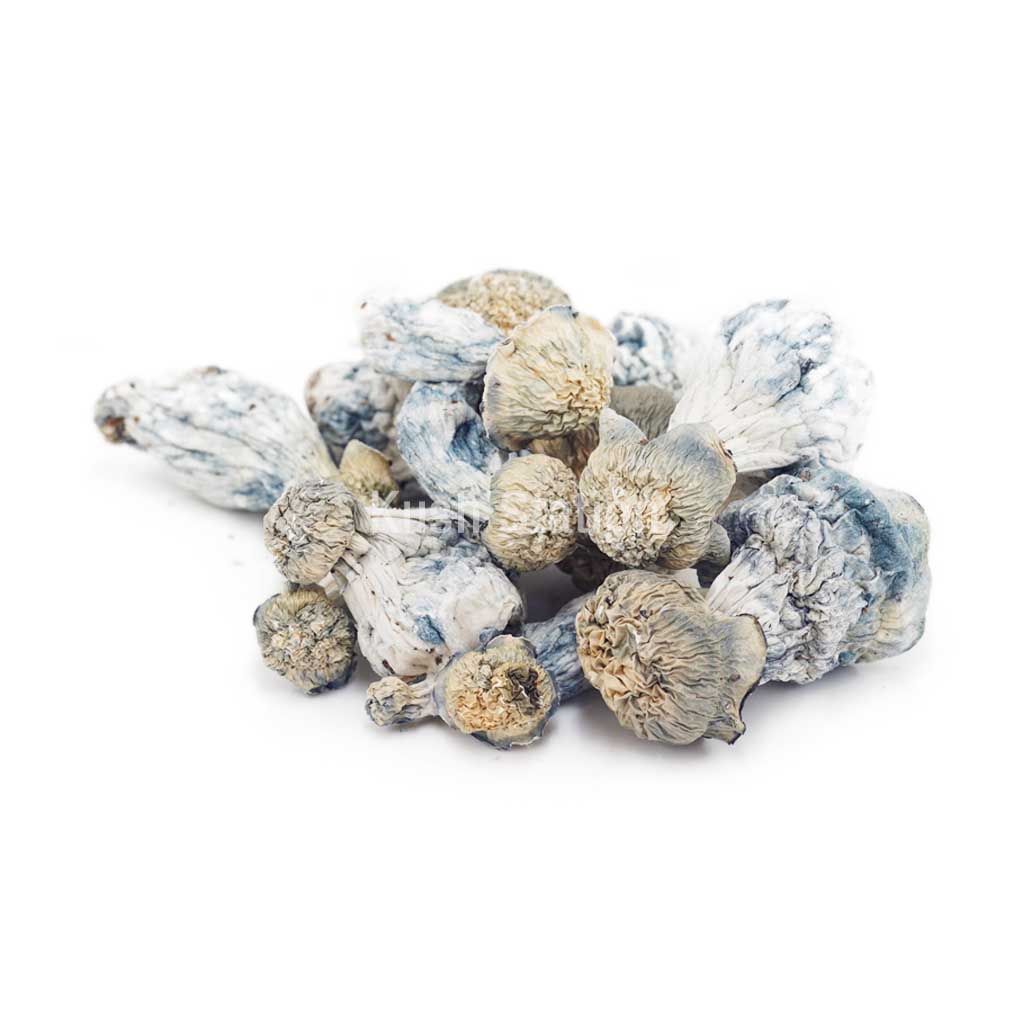
Blue Ghost mushrooms are an exotic strain named for their pale, almost ghostly colouring and the vivid blue bruising that shows wherever they’re touched. They’re a sought-after pick among experienced mushroom enthusiasts looking for something rarer than the classic strains. Each batch is carefully dried and quality-checked, then sealed in discreet, airtight packaging to lock in freshness. Store in a cool, dry, dark place, away from children and pets. For adults only.
Searching for mushrooms blue ghost exotic can lead you into a maze of product pages, dramatic photos, and confident claims about potency. The first thing to know: “Blue Ghost” isn’t a standardized scientific or legal category, so the name alone can’t tell you what a product contains, or how strong it might be.
This guide explains what the label may mean, which visual clues are and aren’t useful, what effects people report, and how to think about safety and Canadian law. It’s informational, not a recommendation to buy or use psilocybin. In Canada, psilocybin remains a controlled substance except where specific legal authorization applies. If you’re an adult of legal age and encounter this name online, treat every unverified claim with care: a polished listing is not the same as reliable identification or lab evidence.
Key Takeaways
- The term ‘mushrooms blue ghost exotic’ is a marketing label without standardized scientific or legal definition, so it doesn’t guarantee the mushroom’s identity or potency.
- Visual features like blue coloring are unreliable for identifying ‘Blue Ghost’ mushrooms due to variations from handling, maturation, or image editing.
- Psilocybin mushrooms labeled as ‘Blue Ghost’ can produce varied and unpredictable effects, and potency often differs greatly without consistent testing.
- Safety risks are significant because of potential misidentification, contamination, and uncertain potency, so consuming unverified products should be avoided.
- In Canada, psilocybin remains controlled, and only legally authorized use avoids legal risk; always seek reliable testing and information before considering use.
What Are Mushrooms Blue Ghost Exotic?
“Mushrooms Blue Ghost Exotic” is a phrase used online for mushrooms or mushroom products described as a particular exotic variety. The wording sounds precise, but it doesn’t establish a recognized species, verified genetic lineage, or consistent chemical profile. “Exotic” is often a sales descriptor rather than a scientific classification. “Blue Ghost” may refer to a seller’s claimed strain, a local nickname, or simply a product name.
That distinction matters. A name on a menu or package is not proof that the contents have been correctly identified, grown from a particular lineage, or tested for active compounds. Even vendors using the same label may be describing different material. Photos can be edited, and appearance changes with age, drying, handling, and storage.
If you’re comparing a listing with familiar cannabis labels such as indica, sativa, or hybrid, keep in mind that those labels don’t translate neatly to psilocybin mushrooms. There’s no dependable way to infer a predictable experience from “Blue Ghost” alone. Think of the name as an unverified claim, not a guarantee.
– Blue Ghost as a Strain, Cultivar, or Marketing Name
In mushroom discussions, people often use “strain” casually to refer to a named line or type. A more careful term may be cultivar when talking about a cultivated variety, but even that depends on reliable records and consistent use of the name. “Blue Ghost” may be presented as one of these, yet the label by itself doesn’t confirm a documented lineage.
Some vendors use evocative names to help products stand out, much as a cannabis menu might feature a memorable cultivar name. That can be useful for browsing, but it can also blur the difference between a traceable product identity and branding. A seller’s description of “rare,” “premium,” or “high potency” is not independent evidence.
For a consumer, the practical question isn’t whether the name sounds authentic. It’s whether the material has been identified, handled, and tested through a credible process, and whether the seller can explain what that testing does and doesn’t establish. Without that information, don’t treat the name as a reliable guide to quality or effects.
How to Recognize Mushrooms Blue Ghost Exotic
The short answer: you can’t reliably identify a mushroom or verify a “Blue Ghost” label from a web photo. Appearance can provide clues for trained identifiers, but it is not a safe consumer test. Colour, shape, and size shift with growing conditions, maturity, drying, and handling: different species can also look deceptively alike.
Some listings highlight blue tones as the defining feature. But blue colouration alone doesn’t confirm a particular cultivar, species, or potency. It may result from bruising, natural pigment, lighting, or image editing, and unusual colour can also signal spoilage or contamination. A picture can’t tell you whether the material contains the compound a seller claims, either.
If the product is dried, visual inspection becomes even less dependable. Features that might help distinguish fresh mushrooms can be obscured, shrivelled, or altered. Don’t eat a wild mushroom, or a product of uncertain identity, because it resembles an online image. When identification is uncertain, the safest choice is not to consume it.
Expected Effects and Potency Considerations
There is no dependable effects profile for something labelled “Blue Ghost.” Psilocybin-containing mushrooms can produce changes in perception, mood, thinking, and sense of time, but the experience is not predictable from a product name or photograph. Users may report euphoria, introspection, visual changes, anxiety, confusion, nausea, or a mix that shifts during the experience.
Potency is a separate uncertainty. The concentration of active compounds may differ between species, batches, and individual mushrooms. A label that says “strong” or gives a confident description without a transparent, batch-matched test result should be treated cautiously. Even a test result isn’t a promise that two portions will produce identical effects.
If you’re accustomed to buying cannabis with a stated THC percentage, don’t assume the same style of label gives comparable certainty here. Psilocybin products are not regulated and quality-controlled like legal cannabis products in Canada. There is no reliable conversion from a strain name, visual appearance, or cannabis tolerance to a predictable mushroom experience.
Health Risks and Safety Precautions
Uncertainty about identity and potency is itself a safety concern. A product sold as an exotic mushroom may be misidentified, contaminated, or different from what the label claims. The experience may also involve impaired judgment or intense distress. Avoiding use is the only way to remove those risks entirely.
If someone has taken an unknown mushroom and becomes severely confused, loses consciousness, has trouble breathing, experiences a seizure, or appears in immediate danger, call 911. Don’t leave them alone or let them drive. Tell responders what may have been taken and when, if you know. For possible poisoning without severe symptoms, contact your provincial poison centre or health service for guidance: don’t wait for symptoms to worsen.
Keep unknown or psychoactive products secured away from children and pets. Discreet shipping packaging, if offered by a seller, is not a substitute for safe storage or legal compliance. A responsible decision starts with recognizing what you cannot confirm, and not letting urgency, a discount, or a reassuring product name fill in the missing facts.
Legality, Testing, and Responsible Evaluation
In Canada, psilocybin is a controlled substance under federal law, and unauthorized possession, production, or sale may carry legal consequences. Specific legal authorization may apply in limited circumstances; don’t assume that a product’s online availability, a seller’s claims, or a label makes it legal. Check current official guidance or consult a qualified legal professional if you need advice about a particular situation.
Testing claims also need careful scrutiny. A result is meaningful only if it comes from a credible laboratory, relates to the specific batch in question, and clearly states what was tested and what the findings can establish. A test may not confirm species, detect every contaminant, or guarantee consistent potency throughout a batch. A certificate or screenshot that cannot be independently verified is not proof of safety.
Evaluate claims conservatively: treat names, appearance, reviews, and potency descriptions as unverified unless supported by reliable evidence. Don’t use a test result to override legal restrictions or uncertainty about identification and contamination. Where identity, legality, or testing cannot be established, the responsible choice is not to consume the product.
Frequently Asked Questions about Mushrooms Blue Ghost Exotic
What does the term ‘Mushrooms Blue Ghost Exotic’ mean?
The term refers to mushrooms or products labeled as a particular exotic variety called ‘Blue Ghost,’ but it’s not a standardized species or verified strain. The name often serves as a marketing label without guarantees about genetic lineage or chemical content.
How reliable is identifying Blue Ghost mushrooms by their appearance?
Visual identification of Blue Ghost mushrooms is unreliable because their color, shape, and size can vary due to growing conditions and handling. Photos alone cannot confirm species or potency, so visual clues should not be trusted for safety or quality assessment.
What effects and potency should I expect from Mushrooms Blue Ghost Exotic?
There is no predictable effect or potency profile for mushrooms labeled as Blue Ghost. Effects vary widely and may include changes in perception, mood, and thinking. Potency can differ between batches, and labels like ‘strong’ are not backed by standardized testing.
Is it legal to buy or use Mushrooms Blue Ghost Exotic in Canada?
In Canada, psilocybin remains a controlled substance except with specific legal authorization. Mushrooms marketed as Blue Ghost are also controlled, so buying or using them without authorization is illegal and potentially unsafe.
How can I stay safe when encountering mushrooms labeled as Blue Ghost Exotic?
To stay safe, avoid consuming mushrooms that lack verified identification and lab testing. Do not rely on names or photos alone. Keep such products away from children and pets, and seek emergency help immediately if severe symptoms occur after ingestion.
Only logged in customers who have purchased this product may leave a review.
Related products
Reviews
There are no reviews yet.