Hash – Hazmat
Price range: $10.00 through $1,600.00 As low as $1.60 per gram
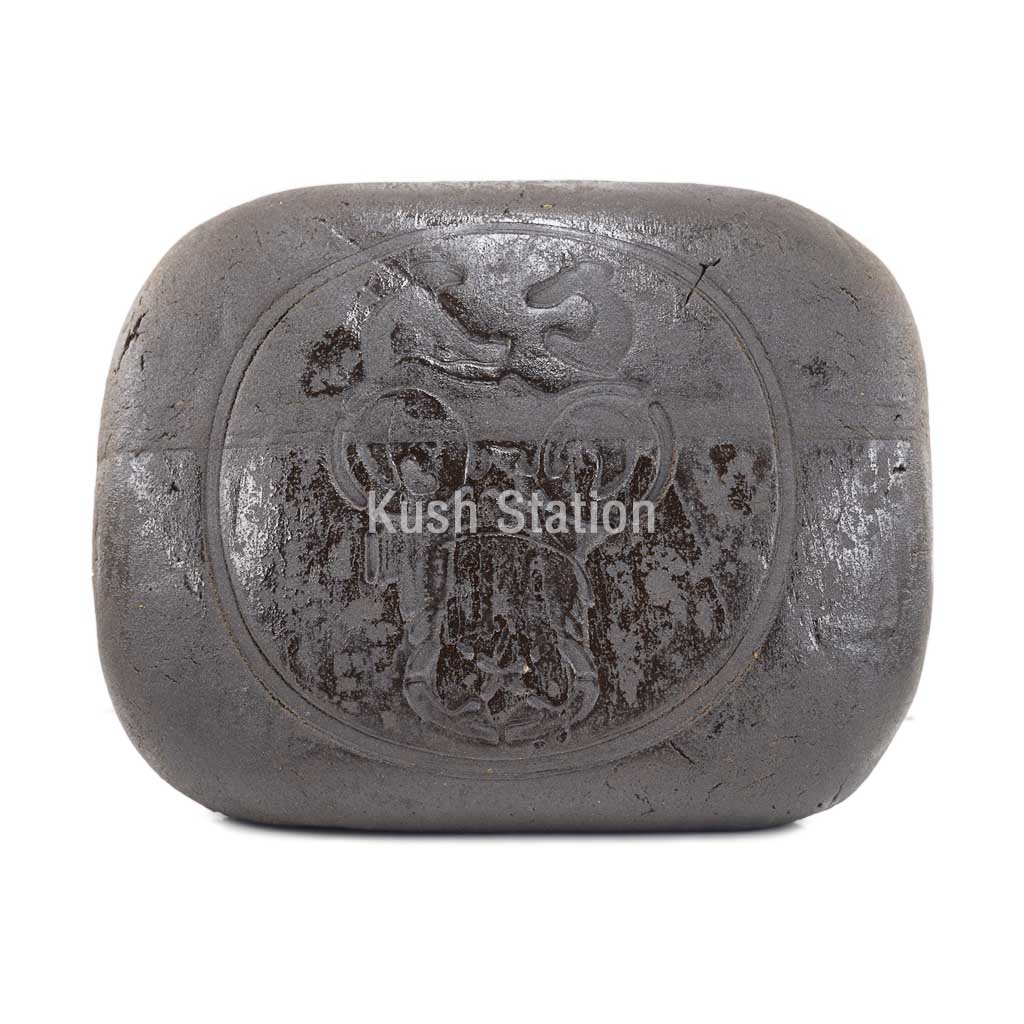
Hazmat Hash is a bold, traditional-style hash made by pressing resin-rich cannabis trichomes into a dense block. It’s known for its pungent, gassy flavour over a rich, earthy base with a sharp, spicy finish. Crumble it over a bowl, add it to a joint, or enjoy it on its own. Because hash is much stronger than regular flower, it’s best suited to experienced users. Follow the guidance on the packaging. It comes in discreet, airtight packaging to keep it fresh. Store in a cool, dark place, away from children and pets. For adults only.
“Hash hazmat” sounds like a warning label, and it’s easy to see why the phrase raises questions when you’re ordering concentrates online. Is the hash itself dangerous to ship? Could it contain leftover chemicals? And what should you do if a package smells odd or you suspect exposure?
The useful distinction is between a finished cannabis product and hazards that might arise during its production, testing, storage or transport. Hash isn’t automatically classified as hazardous material just because it’s concentrated cannabis. But contamination, unsafe extraction practices and incorrect handling can create real risks. Here’s how to think about hash hazmat as an adult cannabis consumer in Canada, what to check before buying, and when to step away and get help. Laws and product rules vary by province and territory, so check the requirements where you live. Cannabis products are for adults of legal age only.
Key Takeaways
- Hash hazmat refers to concerns about hazards during hash production, handling, or transport, not an automatic classification of hash as hazardous material.
- Legal cannabis hash is generally safe to ship within Canada if sourced from authorized retailers who comply with regulations and proper packaging.
- Solvent-free hash methods reduce fire and chemical risks but don’t guarantee safety; contamination and potency still require careful attention.
- Always buy hash from legal, accountable sellers with clear product and lab testing information to minimize risks of contamination or unsafe additives.
- Store hash securely in child-resistant packaging, away from heat, moisture, and unauthorized access to prevent accidental ingestion or spoilage.
- If a package smells unusual, appears damaged, or you suspect exposure to hazardous substances, do not open it and contact emergency services or local regulators immediately.
What Does “Hash Hazmat” Mean?
“Hazmat” is short for hazardous materials: substances that can pose risks to health, safety, property or the environment, particularly during handling or transport. The term “hash hazmat” isn’t a standard product category or a special legal classification for cannabis hash. It’s usually a search phrase people use to ask whether hash is dangerous, whether it can be shipped, or whether making it involves hazardous chemicals.
Those are separate questions. A finished piece of hash may be regulated as cannabis without being a dangerous good under transport rules. Meanwhile, solvents used in some extraction processes can be flammable or toxic, and a poorly made product can contain contaminants. In other words, the risk may relate to how the hash was made or handled, rather than the word “hash” itself.
If you’re shopping online, don’t treat “hazmat” as proof a product is unsafe, or as proof it’s safe. Look for legal sourcing, clear product details and appropriate testing.
Is Cannabis Hash Classified as a Hazardous Material?
In general, cannabis hash isn’t automatically a hazardous material just because it’s a cannabis concentrate. The classification of a shipment depends on the product, its characteristics, how it’s packaged and the rules that apply to the carrier and route. Canadian transport requirements can be technical: a retailer or carrier is responsible for checking the relevant rules, not a buyer trying to decode a label from a product photo.
Legal cannabis also has a separate regulatory framework. In Canada, legal recreational cannabis is sold through provincially or territorially authorized channels, and age requirements differ: generally 18 in Alberta, 19 in most provinces and territories, and 21 in Quebec. Possession and other rules can vary too. Confirm current requirements where you live.
Be especially cautious about cross-border movement. Don’t carry cannabis across Canada’s international borders, even if it’s legal on both sides. For a consumer purchase, choose a legal Canadian seller and follow the seller’s delivery and age-verification requirements. Don’t assume an online marketplace, courier label or “discreet shipping” claim makes an unlicensed shipment legal.
How Hash Is Made—and Where Hazards Can Occur
Hash is made by separating resin-rich trichomes, the tiny structures on cannabis flowers, from plant material, then collecting and sometimes pressing or otherwise processing them. The broad methods matter for safety because they don’t all rely on the same equipment or materials.
Lower-Risk Solvent-Free Methods
Traditional dry-sift and ice-water methods separate trichomes through mechanical action, screens or cold water. They don’t use volatile hydrocarbon solvents as the extraction medium, which removes one particular fire and solvent-exposure hazard. That doesn’t mean every solvent-free product is automatically safe: cleanliness, drying, storage and handling still matter. Damp material stored poorly can spoil, and dirty equipment can introduce contaminants.
For buyers, the method is useful context, not a guarantee. “Solventless” describes a process claim, not a complete safety report. You still want a regulated source and clear product information. If you make hash at home, stick to non-solvent techniques you understand, keep products away from children and pets, and don’t improvise with chemicals or unfamiliar equipment.
Common Safety Risks Associated With Hash
Hash can be potent, and its appearance alone can’t tell you its strength or purity. A product that looks glossy, dark or crumbly isn’t reliably safer or stronger based on looks alone. THC levels, texture and aroma vary with the starting material and production method.
For consumers, the practical risks include unexpectedly high THC, accidental ingestion, contamination and poor storage. Concentrates can be easy to overuse because a small amount may contain a substantial dose. If you’re new to them, avoid guessing from a friend’s serving size or assuming a tiny-looking piece is mild. Keep hash in its original child-resistant package where possible, clearly labelled and out of reach of children and animals.
Contamination, Mold, Residual Solvents, and Unknown Additives
Poorly controlled production or storage can introduce dirt, microbes, mold, residual solvents or unwanted additives. You can’t reliably identify all of these by sight or smell. A strange chemical odour, visible fuzzy growth, damaged packaging or missing product information is a reason not to use it, but a normal smell doesn’t certify safety either.
Buy from authorized sources, check the package for required information and don’t use a product if its seal or contents seem compromised. Contact the retailer or relevant provincial regulator about concerns. Avoid products with vague claims and no traceable producer.
How to Handle and Store Hash Safely
Treat hash like a potent, adult-only product: handle it carefully, store it securely and don’t leave it where someone could mistake it for ordinary food. A cupboard that a curious child can open, or a bedside table shared with a pet, isn’t secure storage.
Use these basics:
- Keep hash in its original, labelled, child-resistant packaging when possible.
- Store it in a cool, dry place, away from direct sunlight, heat sources and moisture. Follow any storage instructions on the label.
- Keep it locked or otherwise inaccessible to children, pets and anyone who shouldn’t use it.
- Wash your hands after handling, especially before preparing food or touching your face.
- Don’t use hash if it looks contaminated, the package is damaged, or the product details don’t match what you ordered.
If you consume it, go slowly. Concentrates can deliver more THC than you expect, and effects may vary between products and people. Avoid combining cannabis with alcohol or other intoxicating substances, and don’t drive or operate machinery while impaired. If you’re unsure about strength, pause rather than taking more right away. Follow local rules for possession and storage, too.
Hash Hazmat Shipping, Transport, and Legal Considerations
When legal cannabis is shipped within Canada, the retailer and delivery provider must follow the rules that apply to the product, packaging, destination and route. As a buyer, you shouldn’t have to arrange special hazardous-material handling for ordinary hash purchased through an authorized retailer. If a seller asks you to mislabel a parcel, bypass age checks or conceal an unlawful shipment, don’t proceed.
For personal transport, provincial and territorial cannabis laws apply. Federal rules also prohibit taking cannabis across Canada’s international borders, including to places where cannabis may be legal. Rules for travel within Canada, public use and possession can differ by province and territory: check current official guidance before travelling.
A few sensible online-order checks can prevent headaches: confirm that the seller is authorized to serve your location, review its shipping and age-verification policies, and make sure the parcel arrives sealed and labelled as expected. If a package leaks, is unusually hot, gives off a strong chemical smell or appears tampered with, don’t open or handle it further. Move away and contact the carrier or local emergency services if there’s an immediate danger. Don’t put yourself at risk to investigate.
How to Recognize Safer, Tested Hash Products
A more reassuring purchase starts with a legal, accountable seller, not a flashy product photo. Canada’s legal cannabis system includes packaging and product requirements, but the exact information and purchasing process can depend on the province or territory. Check the label and seller’s product page rather than assuming that a high-grade label or a premium price means stronger testing.
Look for clear, consistent details such as product name, producer, THC and CBD information where provided, lot or batch identification, package date and required warnings. Packaging should be intact, and the product should arrive as described. If a seller claims independent lab testing, ask what the report covers and whether it corresponds to that specific batch. A vague “lab tested” badge with no traceable information is less helpful than transparent, verifiable details.
| Check | What it helps you assess | Caution sign |
| Authorized source | Whether the seller operates within the legal system for your location | No clear business identity or age checks |
| Label and batch details | Whether you can identify the product and follow its instructions | Missing, inconsistent or unreadable information |
| Testing claim | Whether safety or potency results are documented | Generic claims that can’t be tied to a product |
| Package condition | Whether the order appears intact | Broken seal, leaks or unexpected contents |
No checklist can guarantee a particular experience. If details are unclear, ask the seller before ordering or choose a product with better documentation.
Hash vs. Shatter: Which Concentrate Presents Greater Hazards?
Neither hash nor shatter is automatically the “safer” choice in every situation. The products differ in how they’re made and handled, and risks depend on the specific batch, production controls, packaging and how you use it.
Traditional hash is commonly made by separating trichomes using mechanical methods. Shatter is a glass-like cannabis extract often produced with solvent-based processing, though production methods and formulations vary. That distinction can make solvent handling a bigger concern at the production site for some shatter, not proof that a properly regulated finished product contains dangerous solvent levels. Consumers shouldn’t try to judge residual chemicals by texture or clarity.
| Consideration | Hash | Shatter |
| Typical form | Compressed or loose resin-rich material | Brittle, glass-like extract |
| Production concerns | Clean handling, drying and storage | May involve flammable or toxic solvents during production |
| Consumer concern | Potency, contamination and secure storage | Potency, contamination and secure storage |
| Best buying check | Legal source and clear batch details | Legal source and clear batch details |
If you’re comparing them, focus on reliable sourcing and labelled potency, not appearance or claims that one concentrate is risk-free. New to concentrates? A lower-potency, clearly labelled product may be easier to approach cautiously.
What to Do After Suspected Exposure or a Fire
If you think someone has inhaled fumes, touched an unknown chemical or swallowed hash accidentally, move away from the source if you can do so safely. Don’t try to identify a chemical by sniffing it, and don’t handle a leaking container with bare hands. For serious symptoms, trouble breathing, loss of consciousness, a fire or an immediate threat, call 911. In Canada, you can also contact your provincial or territorial poison centre for guidance: if you can’t find its number quickly, call 911 for an emergency or use the official poison-centre directory.
If a fire involves suspected extraction solvents, leave the area and call emergency services. Flammable vapours can ignite rapidly, and an untrained person should not attempt to fight a chemical fire. Don’t re-enter until authorities say it’s safe.
For a suspected reaction after consuming cannabis, stop using the product and stay with the person in a calm, safe place. Seek urgent medical help for severe symptoms. Keep the packaging available for responders if it’s safe to do so: product and batch details may help them assess what happened. Avoid giving additional substances or relying on internet advice instead of professional guidance.
Hash Hazmat Frequently Asked Questions
Is hash itself considered hazmat in Canada?
Not automatically. “Hash hazmat” isn’t a standard category for finished cannabis. Transport classification depends on the product and applicable rules. Buy through an authorized Canadian retailer and don’t assume that every online seller or shipment is legal.
Can hash contain residual solvents?
Some extraction processes use solvents, and poor process control can leave unwanted residues. You can’t confirm their presence, or absence, by looking at or smelling the product. Choose a legal source with clear product and testing information, and don’t use a product that seems compromised.
Is solventless hash risk-free?
No. Solvent-free production avoids certain solvent-related hazards, but it doesn’t eliminate risks from contamination, moisture, storage, high potency or accidental access. “Solventless” is one detail, not a safety guarantee.
Can I take hash on an international trip?
Don’t take cannabis across Canada’s international borders, even when cannabis is legal at your destination. Check current official rules before travelling, including for domestic trips where provincial requirements may differ.
What’s the safest next step if a product seems suspicious?
Don’t consume or open it further. Keep others away, document the packaging only if it’s safe, and contact the retailer or your provincial regulator. For fumes, fire, serious symptoms or immediate danger, move away and call emergency services.
The short version: “hash hazmat” usually points to questions about production, product quality or shipping, not an automatic danger label on every piece of hash. Buy legally, check the package and batch details, store it securely, and take potency seriously. If anything about a product or parcel feels off, you don’t have to gamble on it: pause and get reliable advice. Cannabis products are for adults of legal age only.
7 reviews for Hash – Hazmat
Only logged in customers who have purchased this product may leave a review.
Related products
Emmett Rousseau (verified owner) –
Opened the package on a rainy evening and the aroma immediately stood out. Rich, warm and earthy with a nice traditional hash profile. Definitely fit the vibe.
Alden (verified owner) –
Hazmat has a nice old-school character that I really enjoyed. The aroma is rich and natural, the texture feels well kept, and there’s a good balance between earthy and slightly sweet notes. Pretty solid addition to the stash
Fletcher (verified owner) –
This one is pretty mint, eh. Nice earthy smell, good texture and that proper hash character. Solid little pickup, bud.
Brooks Callahan (verified owner) –
Cracked the package open just to have a look and ended up sniffing it for way too long lol. Really nice aroma and a good overall texture. No complaints here
Sterling T. (verified owner) –
Really nice hash. Rich aroma, good texture and a proper classic feel
Darian (verified owner) –
What I liked most was the depth of the aroma. It starts earthy and woody, with a subtle sweetness underneath. The flavour profile is simple but really pleasant
Gavin Delorme (verified owner) –
Grim Reaper has a nice classic character without trying too hard. The aroma is rich, the texture is nice and the overall quality feels solid. Definitely a worthwhile addition to the stash.