

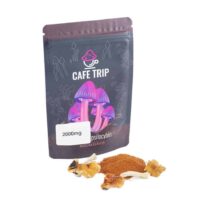
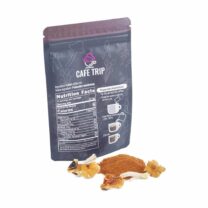
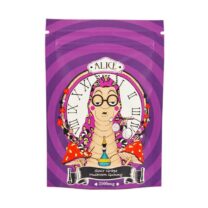
Cafe Trip – Mocha Coffee 2000mg Psilocybin
$20.00
Cafe Trip Mocha Coffee blends rich, roasted coffee with smooth chocolate notes and 2000mg of psilocybin mushrooms per pack, mixed evenly throughout. The deep mocha flavour hides any earthy taste, making it as simple as brewing your usual cup. Because of its strength, it’s best suited to experienced users. Follow the serving guidance on the label. It comes in discreet, resealable packaging to keep it fresh. Store in a cool, dry place, away from children and pets. For adults only.
In stock
A mocha coffee with advertised psilocybin sounds like two familiar things in one cup: a little caffeine and a mushroom experience. But that cosy café framing can make a complicated product feel deceptively simple. If you’re an adult in Canada considering Cafe Trip Mocha Coffee Psilocybin, the important questions aren’t just “Does it taste like coffee?” or “How strong is it?” You also need to know what’s actually in the package, whether the label is trustworthy, how caffeine may change the experience, and whether possession or purchase is legal where you live.
This guide is for adults of legal age, 19+ in most of Canada, 18+ in Alberta, and 21+ in Quebec, who want practical information before buying or consuming a mushroom-infused coffee product. It isn’t a recommendation to use psilocybin, and it doesn’t replace advice from a doctor, pharmacist, poison centre, or emergency service. Product formulas, laws, and packaging can change, so treat the label and local rules as your starting point, not a guarantee.
Key Takeaways
- Cafe Trip Mocha Coffee Psilocybin combines coffee with psychoactive psilocybin and should be treated as a psychoactive substance, not a regular coffee or supplement.
- Verify product details such as serving size, psilocybin active amount, batch code, and lab testing before purchasing or consuming to ensure safety and potency.
- Caffeine can amplify physical sensations like jitters or increased heart rate, which may intensify or complicate the psilocybin experience.
- Avoid mixing this psilocybin coffee with alcohol, cannabis, or other drugs and do not operate vehicles or machinery after consumption.
- Check local legal regulations carefully, as psilocybin possession and sale are heavily restricted and vary by province and country.
- If product labeling or seller transparency is unclear, or you have health issues or are on certain medications, avoid using Cafe Trip Mocha Coffee Psilocybin and consult a healthcare professional.
Cafe Trip Mocha Coffee Psilocybin at a Glance
What the product is and who this guide is for
Cafe Trip Mocha Coffee Psilocybin appears to be marketed as a mocha-flavoured coffee product containing an advertised amount of psilocybin or a mushroom-derived ingredient. The exact format may vary by seller or batch: it could be a pouch, sachets, or individual servings. That distinction matters because “mushroom coffee” is a broad marketing category. Some products contain ordinary functional mushrooms, while others advertise psychoactive compounds. They are not interchangeable.
You should approach this product as an adult psychoactive substance, not as an everyday latte, supplement, or cannabis edible. That’s especially important if you’re used to buying legal weed online and expect consistent THC labels, excise information, and regulated packaging. A coffee product sold through an informal website may not offer the same safeguards.
This overview is most useful if you’re comparing products, checking a package you already have, or trying to spot red flags before ordering. If you can’t identify the ingredient, serving size, manufacturer, and test information, pause. Mystery mocha is fun only as a café order, not as dosing information.
Mocha flavor, coffee ingredients and advertised psilocybin amount
The mocha profile generally suggests coffee, cocoa or chocolate flavouring, sweetener, and powdered ingredients. You may also see instant coffee, creamer, milk derivatives, or plant-based alternatives. Check the allergen panel if you have sensitivities to dairy, soy, gluten, or other additives. Caffeine content is often less obvious than the coffee branding suggests, so look for milligrams per serving rather than assuming it is equivalent to a standard brewed cup.
The advertised psilocybin amount is the most important number, and the one you should treat with the most caution. Some packages state a quantity per pouch: others state a total amount for the full package or use vague language such as “magic mushrooms,” “mushroom blend,” or “proprietary formula.” Those phrases don’t tell you how much active compound is present.
Before considering use, verify three separate details:
- Total package amount: How much product is inside?
- Serving size: Is one sachet one serving, or is a scoop required?
- Active amount per serving: Is psilocybin listed in milligrams, or is the claim only a mushroom weight?
If those details don’t line up, don’t try to do the maths yourself. A neat-looking coffee pouch can still have an unreliable dose.
Cafe Trip Mocha Coffee Psilocybin Ingredients and Label Details
How to verify serving size, potency and batch information
Start with the physical package, not a product title copied onto a marketplace listing. Photograph the front, nutrition panel, ingredient list, lot or batch code, best-before date, manufacturer or importer details, and any certificate-of-analysis link. A credible label should make it possible to connect the product in your hand to a specific batch.
Look for wording that separates mushroom material from active psilocybin. A label saying “2,000 mg mushroom blend” does not necessarily mean 2,000 mg of psilocybin. Species, cultivation conditions, extraction methods, storage, and processing can all affect composition. If the label says “equivalent to” or lists a proprietary blend without a breakdown, you don’t have a reliable potency figure.
Also check whether the serving instruction is realistic and unambiguous. “One scoop” is weak information unless the scoop has a stated weight. “One cup” is unclear if the pouch contains several cups. For products with a psychoactive ingredient, vague serving language is a deal-breaker, not a minor packaging quirk.
Why product claims and mushroom contents may require independent verification
Psilocybin products sold outside an authorized medical, research, or regulated framework may not have undergone dependable identity and potency testing. A seller’s claim that a product is “lab tested” is not the same as showing a current report from an identifiable, independent laboratory. The report should name the product, batch, test date, methods, detected compounds, and laboratory, not merely display a green “tested” badge.
Testing can also reveal unexpected ingredients, including other psychoactive compounds, stimulants, contaminants, or no detectable psilocybin at all. A mushroom name on a label doesn’t prove the contents match that species. Even a genuine report may not represent your package if the lot number differs.
Be wary of testimonials promising a predictable mood, spiritual breakthrough, or guaranteed sleep. User experiences are not potency tests. If you’re accustomed to checking THC percentage, terpene details, and lab information before buying cannabis, apply that same scepticism here, then add another layer, because psilocybin products may sit outside Canada’s ordinary retail cannabis system.
There is no shame in walking away from an unclear product. Your money is replaceable. An unknown dose is harder to return.
How Caffeine and Psilocybin May Affect the Body
Potentially overlapping effects: alertness, heart rate, anxiety and perception
Caffeine is a stimulant. People commonly report increased alertness, focus, jitters, a faster heartbeat, restlessness, or stomach upset after consuming it. Psilocybin can alter perception, mood, thought patterns, and the sense of time. Some people describe a meaningful or pleasant experience: others report anxiety, confusion, nausea, panic, or feeling overwhelmed.
Combining them may make the experience feel more intense or harder to read. Caffeine could add physical sensations, such as a racing heart or trembling, that you then interpret as danger. If you’re already prone to panic, uncomfortable with altered perception, sleep-deprived, or in a stressful setting, mocha may be a less forgiving choice than its café-style presentation implies.
The combination can also encourage a common mistake: taking more because the first effects don’t arrive quickly. That’s risky when the product’s potency is uncertain. Don’t drive, cycle in traffic, operate equipment, swim, or make important decisions after consuming a psychoactive product. Choose a calm, familiar environment and have a trusted, sober adult nearby if you use any substance even though the risks.
Onset, duration and why effects can vary
Timing isn’t dependable enough to use as a dosing clock. Food in your stomach, individual metabolism, caffeine tolerance, sleep, stress, body size, other substances, and the product’s formulation can all influence when effects begin and how long they last. A drink may feel faster than a solid food product, but that doesn’t guarantee immediate or uniform absorption.
Potency variation is an additional problem. Two sachets with the same printed name may not contain identical amounts if manufacturing controls are poor or if one has degraded through heat, moisture, or age. Mixing the powder unevenly can also create inconsistent servings.
If you’ve consumed it and feel nothing, don’t automatically take another serving. Wait, avoid alcohol and cannabis, and keep track of what you consumed and when. “Starting low and going slow” is a harm-reduction principle, not a promise that an unverified product is safe. With an unknown label, the safest amount is not something you can calculate confidently.
Safety Risks, Interactions and Who Should Avoid It
Potential adverse effects and signs of a medical emergency
Reported unwanted effects associated with psilocybin can include anxiety, panic, agitation, confusion, dizziness, nausea, vomiting, headache, impaired coordination, and disturbing changes in perception. Caffeine may contribute to shakiness, palpitations, insomnia, or feeling keyed up. A frightening experience can become more difficult when you’re alone, in public, or surrounded by people you don’t trust.
Seek urgent medical help for chest pain, trouble breathing, fainting, seizure, severe agitation, dangerously high temperature, uncontrolled vomiting, severe confusion, loss of consciousness, or behaviour that puts you or someone else at immediate risk. Call 911 in an emergency. Don’t attempt to restrain someone unless there is an immediate danger, and don’t leave an unconscious person alone. Tell responders what was taken, how much, and when: accurate information helps them provide care.
If symptoms are concerning but not immediately life-threatening, contact a provincial poison centre or a healthcare professional. Keep the packaging available. Please don’t hide the product because you’re worried about getting in trouble, medical teams need facts, not a perfect story.
Medication, health-condition and substance-interaction considerations
Avoid this type of product if you’re pregnant or breastfeeding, under the legal age, or have a personal or family history of psychosis or mania. Extra caution is warranted with significant heart rhythm or blood-pressure problems, severe anxiety, bipolar disorder, or other mental-health conditions. This isn’t a diagnosis checklist: it’s a reason to speak with a clinician before considering use.
Interactions may involve antidepressants, psychiatric medicines, stimulants, migraine medicines, blood-pressure treatments, and other drugs. The risk depends on the specific medicine and your health history. Don’t stop a prescribed medication to make room for psilocybin, and don’t rely on internet anecdotes as an interaction checker. Ask a pharmacist or physician who can review your actual medication list.
Never combine it with alcohol, cannabis, cocaine, amphetamines, MDMA, sedatives, or other psychedelics. Mixing substances makes effects less predictable and makes it harder to identify what is causing a problem. If you’re already feeling unwell, postpone the experiment entirely. There is no prize for pushing through a bad setup.
Legal Status, Testing and Buying Considerations
Why psilocybin laws differ by country, state and province
Psilocybin is not treated like ordinary coffee or legal recreational cannabis. In Canada, access is generally restricted to authorized research, clinical pathways, or specific exemptions: laws and enforcement can change. Provincial and territorial rules don’t automatically make a product legal because an online seller ships it there. Importing, possessing, selling, or advertising it may create separate legal issues.
A website using Canadian spelling, quoting prices in dollars, or offering Xpresspost delivery is not proof of authorization. Nor is a claim that a product is “legal,” “microdose,” “not for human consumption,” or “wellness” focused. Read the rules that apply to your province or territory, including age requirements. Alberta’s legal age is 18: most provinces use 19: Quebec uses 21 for cannabis, but don’t assume a cannabis age rule answers a psilocybin question.
If you’re outside Canada, check the laws where you live and where the package originates. Border rules can be especially strict. When in doubt, consult an official government source or qualified legal professional rather than relying on a seller’s FAQ.
How to assess seller transparency, lab testing, age rules and packaging
Before buying, use this quick screening list:
| Check | Better sign | Red flag |
| Seller identity | Verifiable business name, address, and contact method | Anonymous storefront or only social-media messages |
| Product details | Full ingredients, serving size, batch code, expiry | “Proprietary blend” with no active amount |
| Testing | Batch-matched independent report | Generic certificate or “lab tested” badge |
| Packaging | Sealed, labelled, tamper-evident package | Loose powder, repackaged sachets, missing lot code |
| Age controls | Clear legal-age policy and responsible-use information | No age gate or marketing aimed at minors |
| Shipping | Honest restrictions and discreet, intact packaging | Promises to evade customs or conceal contents |
Don’t send payment or identification until you understand the seller’s privacy policy, refund terms, and shipping limits. A cheap product is not a bargain if it arrives unlabelled, leaks, or exposes your personal data. Save your order confirmation and photos of the package, but avoid posting identifying information publicly.
For Canadian consumers who value reliable THC numbers, discreet delivery, and responsive support when buying cannabis online, this comparison is useful: a legitimate cannabis retailer operates within a clearer regulatory structure than an unverified psilocybin coffee seller. Similar-looking checkout pages do not mean equivalent oversight. When the label, law, or lab evidence is unclear, skip the purchase.
Frequently Asked Questions About Cafe Trip Mocha Coffee Psilocybin
Is Cafe Trip Mocha Coffee Psilocybin the same as mushroom coffee?
Not necessarily. “Mushroom coffee” may refer to coffee blended with non-psychoactive mushrooms such as lion’s mane or chaga, while this product name advertises psilocybin. Read the active-ingredient panel rather than relying on the category name.
How much caffeine is in it?
That depends on the formulation and serving size. Check the package for caffeine in milligrams. If it isn’t listed, you can’t reliably compare the drink with a cup of brewed coffee. Instant coffee, cocoa, and added stimulant ingredients may all affect the total experience.
Can you tell the dose from the mushroom weight?
No. Mushroom weight and psilocybin weight are different measurements. Species, potency, processing, and batch variation matter. A label that lists only total mushroom powder does not provide a dependable active dose.
Can you use it with cannabis?
Combining cannabis and psilocybin may intensify impairment, anxiety, confusion, nausea, or perceptual changes. Avoid mixing them, especially if you’re inexperienced or the psilocybin amount is unknown. Don’t drive or use machinery after either substance.
What should you do if the package has no batch code or lab report?
Treat that as a reason not to consume it. Contact the seller for verifiable documentation: if they can’t provide a report that matches your batch, don’t substitute reviews or screenshots as proof. Keep the package in case a poison centre or healthcare professional needs the information.
What’s the safest practical takeaway?
For an adult considering Cafe Trip Mocha Coffee Psilocybin, verify the ingredients, serving size, active amount, batch testing, and local legal status before anything else. Avoid it if you have relevant health conditions, take interacting medication, are pregnant or breastfeeding, or plan to mix substances. A mocha label can look friendly, but psilocybin deserves the same careful attention you’d give any potent, uncertain product. When the evidence isn’t clear, choosing a different coffee is the sensible call.
Only logged in customers who have purchased this product may leave a review.
Related products
Reviews
There are no reviews yet.