

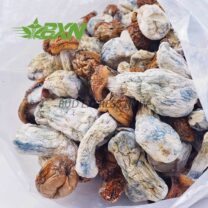
Mushroom – Code Blue
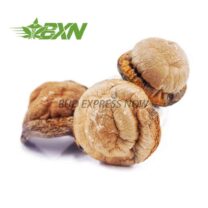
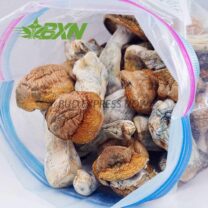
Code Blue mushrooms are a bold strain with a memorable name and a growing following among mushroom enthusiasts. They have sturdy stems, golden-brown caps and a strong reputation that makes them a favourite with users who know what they’re looking for. Each batch is carefully dried and quality-checked, then sealed in discreet, airtight packaging to lock in freshness. Store in a cool, dry, dark place, away from children and pets. For adults only.
If you’ve come across mushroom code blue while browsing strain menus, grower forums, or online mushroom listings, you’re probably wondering what it actually is, and whether the name tells you anything useful. In short, Code Blue is generally described as a psilocybin mushroom cultivar associated with Blue Meanie and Melmac genetics. But names in the mushroom world aren’t regulated like pharmaceutical labels, so potency, appearance, and effects can vary dramatically from one batch to the next.
This guide is for adults of legal age in Canada who want practical, plain-English information before making a decision. It covers reported effects, timelines, identification, risks, legal boundaries, and what research does, and doesn’t, support. It isn’t medical advice, a guarantee of potency, or encouragement to possess or use illegal substances. If you’re considering psilocybin, the safest route is a legal, qualified clinical or supervised setting. Think of this as a map, not a permission slip.
Key Takeaways
- Mushroom Code Blue is a psilocybin cultivar linked to Blue Meanie and Melmac genetics, but its potency and effects can vary widely due to unregulated naming and growing conditions.
- The Code Blue strain is often marketed as potent with strong visual effects, but individual reactions depend on various factors like genetics, dose, and user environment.
- Users should avoid treating the strain name as a dosage guide and must exercise caution, especially if inexperienced or with certain medical or psychiatric conditions.
- Planning a safe setting with trusted sober companions, clear communication, and harm reduction measures is essential when using Code Blue to minimize risks.
- Psilocybin remains illegal in Canada except through special medical or research access, so consumers should understand legal risks and seek licensed, supervised options when possible.
- Emerging research shows therapeutic promise for psilocybin in controlled settings, but recreational use of Code Blue lacks standardized dosing, safety, and proven medical benefits.
What Is Mushroom Code Blue?
Mushroom Code Blue is a name commonly used for a psilocybin mushroom cultivar or hybrid associated with the Psilocybe cubensis group. It’s usually discussed as a cross involving Blue Meanie and Melmac, although naming practices vary between growers and vendors. That distinction matters: unlike a cannabis cultivar sold with laboratory-tested THC and terpene results, an informal mushroom name doesn’t guarantee a consistent chemical profile.
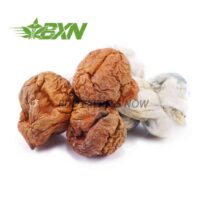
The mushrooms are generally described as having pale to caramel-coloured caps, thick stems, and noticeable blue bruising when handled. Those traits can be interesting, but they aren’t a reliable potency test. Blue colour usually reflects bruising-related oxidation of mushroom compounds, not a precise measurement of psilocybin.
You may see Code Blue described as an “intense,” “visual,” or “strong” variety. Treat those labels as anecdotal marketing language. Two samples carrying the same name can differ because of genetics, growing conditions, maturity, drying, storage, and uneven distribution of active compounds. The online menu may look tidy: biology, unfortunately, didn’t get the memo.
Code Blue Strain Origins & Genetics (Blue Meanie x Melmac)
The commonly reported lineage is Blue Meanie x Melmac. Blue Meanie is a name used for more than one mushroom line, which creates confusion. Some people use it for a particularly vigorous P. cubensis cultivar: others use it loosely for mushrooms marketed as unusually potent. Melmac is generally linked to the Penis Envy family, itself a well-known line within P. cubensis cultivation circles.
That heritage may explain why Code Blue is often described as having substantial stems, dense growth, or stronger-than-average effects. It does not, but, prove that every Code Blue sample contains the same genetics. There’s no universal registry governing these names, and informal crosses can be renamed, stabilised differently, or sold under a familiar label because it sounds appealing.
For shoppers, the useful takeaway is simple: genetics can suggest tendencies, but only validated laboratory analysis can meaningfully confirm alkaloid content. Ask whether a seller provides independent testing, harvest information, and clear handling details. If the answer is vague, or if the product is offered through an unlicensed Canadian online shop, consider that a serious quality and legal warning.
How Potent Is Code Blue? (Psilocybin Strength & Who It’s For)
Code Blue is often marketed as a potent or above-average P. cubensis variety, particularly because of its reported Melmac-related genetics. Still, “potent” is not a dependable number. Psilocybin concentration can vary between mushrooms in the same harvest, and dried weight alone can’t tell you how strong a sample will feel.
That uncertainty makes Code Blue a poor choice for experimentation if you’re inexperienced, anxious about altered perception, or using it without reliable supervision. It’s also unsuitable for anyone under the legal age, pregnant or breastfeeding people, or people with a personal or family history of psychosis or mania. If you take psychiatric medication or have a significant medical condition, speak with a qualified clinician rather than guessing about interactions.
A common mistake is treating a strain name like a dose label. It isn’t. Reports from friends, Reddit posts, and product descriptions may help you understand what people claim to experience, but they cannot predict your reaction. Your mood, expectations, body, environment, sleep, food intake, and other substances all matter.
Code Blue Effects: Mental, Physical & Emotional
People who report using Code Blue commonly mention changes in visual perception, intensified colours, altered time, unusual thought patterns, laughter, introspection, and a sense of emotional openness. Some describe calm or connected feelings: others experience confusion, fear, nausea, restlessness, or a difficult loop of thoughts. There’s no guaranteed “good trip.” Even experienced users can have an unexpectedly rough time.
Physical effects may include dilated pupils, changes in coordination, dizziness, sweating, yawning, stomach discomfort, increased heart rate, and fatigue. The emotional tone can shift quickly, one minute you’re fascinated by the texture of a blanket, and the next you’re convinced the blanket has a complicated opinion about your life choices.
Effects aren’t medical outcomes, and psilocybin shouldn’t be treated as a self-prescribed cure for depression, anxiety, insomnia, or substance use. Research is promising in some controlled settings, but clinical results involve screening, preparation, support, and carefully measured substances. Recreational products don’t reliably reproduce those conditions.
Onset, Peak & Duration: What to Expect Over Time
When psilocybin is swallowed, effects may begin anywhere from roughly 20 to 90 minutes later, depending on the person, food, product form, and stomach contents. Some people feel early physical sensations before perceptual changes. Others notice little at first and then experience a rapid increase, one reason taking more during the waiting period can become risky.
The most intense period often occurs during the following few hours, although the exact timing varies. The overall experience may last several hours, with lingering tiredness, sensitivity, or reflective feelings afterward. Edibles and capsules can be especially difficult to judge because their contents may be uneven or inaccurately labelled.
Plan around the whole day rather than only the peak. Don’t schedule a shift, drive, childcare, flight, or important conversation afterward. Avoid operating a vehicle until you’re completely back to baseline: impairment and poor judgement can outlast the most obvious visual effects.
Dosage Guide for Code Blue (Microdose to Strong)
Because Code Blue products are not reliably standardised, giving a precise “microdose,” “moderate,” or “strong” dosing chart could create false confidence. A gram of one sample may not equal a gram of another, and a named cultivar is not a lab result. I’d rather be boring here than help someone accidentally turn curiosity into an emergency.
If you’re exploring the topic, understand these principles:
- Microdosing is not automatically risk-free. Even small amounts can affect anxiety, concentration, coordination, sleep, or medication response.
- Dried and fresh mushrooms are not interchangeable by weight. Water content changes the measurement substantially.
- Potency can vary within one batch. Grinding may distribute compounds more evenly, but it doesn’t make an unknown product accurately dosed.
- Redosing is a common trap. Delayed onset can tempt people to take more before the first amount has fully developed.
For any legitimate therapeutic program, follow the protocol of the licensed clinician or research team exactly. Don’t combine advice from cannabis forums, a product menu, and a friend who “has done this loads of times” into one improvised experiment.
Set, Setting & Trip Planning (Preparation Checklist)
Your surroundings can shape the experience as much as the product name. A quiet, familiar home with a trusted sober person is lower risk than a crowded party, a public beach, or a weekend away from cell service. If you’re already upset, sleep-deprived, grieving, or under pressure to have a profound experience, postponing may be the wiser call.
A practical checklist includes:
- Put away keys and arrange a safe ride, or stay home entirely.
- Tell a trusted sober person what you’ve taken and how to reach you.
- Keep water, simple food, blankets, and a calm playlist available.
- Remove hazards such as balconies, swimming pools, open flames, and busy roads.
- Keep your phone charged and know your local emergency number.
- Avoid mixing with alcohol, cannabis, stimulants, or other drugs.
- Have a low-stimulation room available if things become overwhelming.
The goal isn’t to control every minute. It’s to make bad decisions harder to reach. A friend who stays calm and avoids arguing about what you’re seeing can be more valuable than an elaborate “trip kit.”
Risks, Side Effects & When to Avoid Code Blue
Possible short-term problems include panic, paranoia, disorientation, vomiting, falls, risky behaviour, and worsening of underlying mental-health symptoms. Rare but serious reactions can involve persistent confusion, severe agitation, dangerous overheating, seizures, or psychosis-like symptoms. Contamination or misidentification adds another layer of danger, especially when mushrooms come from an unknown source.
Avoid psilocybin if you have a personal history of psychosis or mania, or a close family history that makes a clinician concerned. Extra caution is warranted with bipolar disorder, serious cardiovascular issues, seizure disorders, pregnancy, and medications that affect mood or serotonin. Don’t stop prescribed medication to use psilocybin: ask your prescriber about the specific risks.
Call emergency services if someone has collapsed, has trouble breathing, experiences a seizure, becomes dangerously agitated, develops severe chest pain, or may have taken an unknown poisonous mushroom. Stay with them, remove nearby hazards, and be honest with responders about what may have been consumed. That information helps treatment: it isn’t the moment for embarrassment.
Harm Reduction: Safer Use, Interactions, and What to Do if Things Go Wrong
The lowest-risk option is not using an unregulated product. If an adult chooses to proceed even though that, harm reduction starts with avoiding combinations and unknown sources. Alcohol can worsen poor judgement and nausea. Cannabis may intensify anxiety or perceptual changes. Stimulants can increase physical strain. Prescription interactions are complicated, particularly with antidepressants, lithium, stimulants, and other psychiatric medicines, so a pharmacist or prescriber is the right person to ask.
If fear rises, reduce noise and bright light, use a calm voice, remind the person that the effects are temporary, and avoid restraining them unless there is immediate danger. Don’t force food or liquids, and don’t leave someone alone near traffic, water, heights, or fire. Contact emergency help for severe or unusual symptoms.
A sober companion should be genuinely sober, not someone taking “just a little.” Write down approximate timing and any other substances involved. Keep packaging, if available, for responders. Good harm reduction isn’t glamorous, but it beats trying to troubleshoot a crisis with a dying phone battery.
Identification & Quality: Appearance, Blue Bruising, Storage, and Adulteration Risks
Code Blue is often described as having a thick, pale stem and a rounded cap that may range from tan to brown. Blue bruising can appear where the mushroom has been touched or damaged. None of those features confirms identity or safety. Some poisonous mushrooms can resemble edible species, and colour changes alone cannot distinguish them.
Avoid products with mould, sliminess, a strong rotten smell, unexplained moisture, or packaging that provides no source or handling information. Homemade chocolate, gummies, and capsules deserve particular caution because the contents may be unknown, or may contain something other than psilocybin.
Store-bought cannabis standards don’t automatically apply to mushroom products. A polished website, discreet mailer, free shipping, or live-chat support does not equal licensing or laboratory oversight. Don’t put an unknown powder or mushroom into a vape, edible, or beverage simply because a listing says “premium.” There is no safe visual shortcut for adulteration. When identity or contents are uncertain, the safest choice is disposal through appropriate local guidance, not a taste test.
Legality in Canada: Psilocybin Rules, Enforcement Reality & Medical Access Pathways
In Canada, psilocybin and psilocin remain controlled substances under federal law. Unauthorized possession, production, sale, import, and distribution are generally illegal. A website that ships to your province is not proof that the product is lawful. Buying mushroom products alongside legal cannabis can create a misleading impression that both are regulated in the same way.
Some people may access psilocybin through an approved clinical trial or, in exceptional circumstances, an individual exemption or special access pathway. These routes are limited and not the same as ordering recreational mushrooms online. Provincial age rules for cannabis, such as Alberta’s 18-plus and Quebec’s 21-plus rules, do not make psilocybin legal. Legal age requirements also don’t override federal drug law.
Enforcement priorities and local practices can change, but “small amount,” “for personal use,” or “I found it online” should not be treated as a legal guarantee. Before acting, consult current information from Health Canada or a qualified Canadian lawyer. This article is general information, not legal advice.
Therapeutic Interest: What Research Suggests (Benefits vs. Evidence Limits)
Modern research has renewed interest in psilocybin-assisted therapy for conditions such as depression, anxiety related to serious illness, and substance-use disorders. Early trials suggest that carefully screened participants may experience meaningful improvements when psilocybin is combined with structured preparation, professional support, and follow-up. Those findings are encouraging, but they don’t turn Code Blue into a proven treatment.
Research settings typically use measured material, trained facilitators, controlled rooms, medical screening, and clear exclusion criteria. Online products can have uncertain identity and potency, while unstructured use may add anxiety, unsafe behaviour, or medication interactions. Trial results also vary, and larger, longer studies are still needed to understand durability, rare harms, and who benefits most.
If you’re seeking help with mood, sleep, trauma, pain, or substance use, start with a family doctor, nurse practitioner, pharmacist, or licensed therapist. Be honest about cannabis, mushrooms, alcohol, and medications. You won’t get useful guidance if the most important part of the story stays in your pocket.
Frequently Asked Questions About Mushroom Code Blue
What is Mushroom Code Blue and where does it come from?
Mushroom Code Blue is a psilocybin mushroom cultivar typically described as a hybrid between Blue Meanie and Melmac genetics within the Psilocybe cubensis group. However, naming is informal and can vary, so exact genetics and effects may not be consistent.
How potent is the Code Blue mushroom strain?
Code Blue is often marketed as potent due to its Melmac-related genetics, but psilocybin content can vary greatly between samples. Because of this variability, potency is unpredictable, making it unsuitable for inexperienced users or unsupervised use.
What effects can someone expect when using Code Blue mushrooms?
Reported effects include visual changes, intensified colors, altered time perception, laughter, introspection, and emotional openness. Physical effects may include dilated pupils, nausea, dizziness, and increased heart rate, but experiences can vary and may include negative reactions.
What are the legal considerations for possessing Code Blue mushrooms in Canada?
Psilocybin mushrooms, including Code Blue, are controlled substances in Canada and generally illegal to possess, produce, or sell without authorization. Legal access is limited to clinical trials or special exemptions. Buying online does not guarantee legality.
How should someone prepare for a Code Blue mushroom experience safely?
Safety involves having a quiet, familiar environment with a trusted sober companion, avoiding mixing with other substances, removing hazards, planning for a no-drive day, and being ready with water, food, and calm music. Proper trip planning helps reduce risks.
Can Code Blue mushrooms be used for therapeutic purposes?
While clinical research suggests psilocybin-assisted therapy may help certain mental health conditions under professional supervision, recreational use of Code Blue is not a proven treatment and carries risks without structured support.
Only logged in customers who have purchased this product may leave a review.
Related products

Reviews
There are no reviews yet.