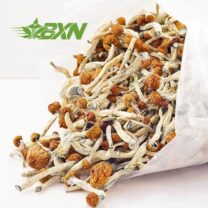
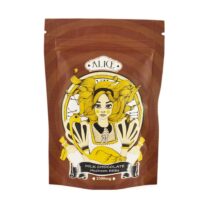
Mushroom – Amazonian
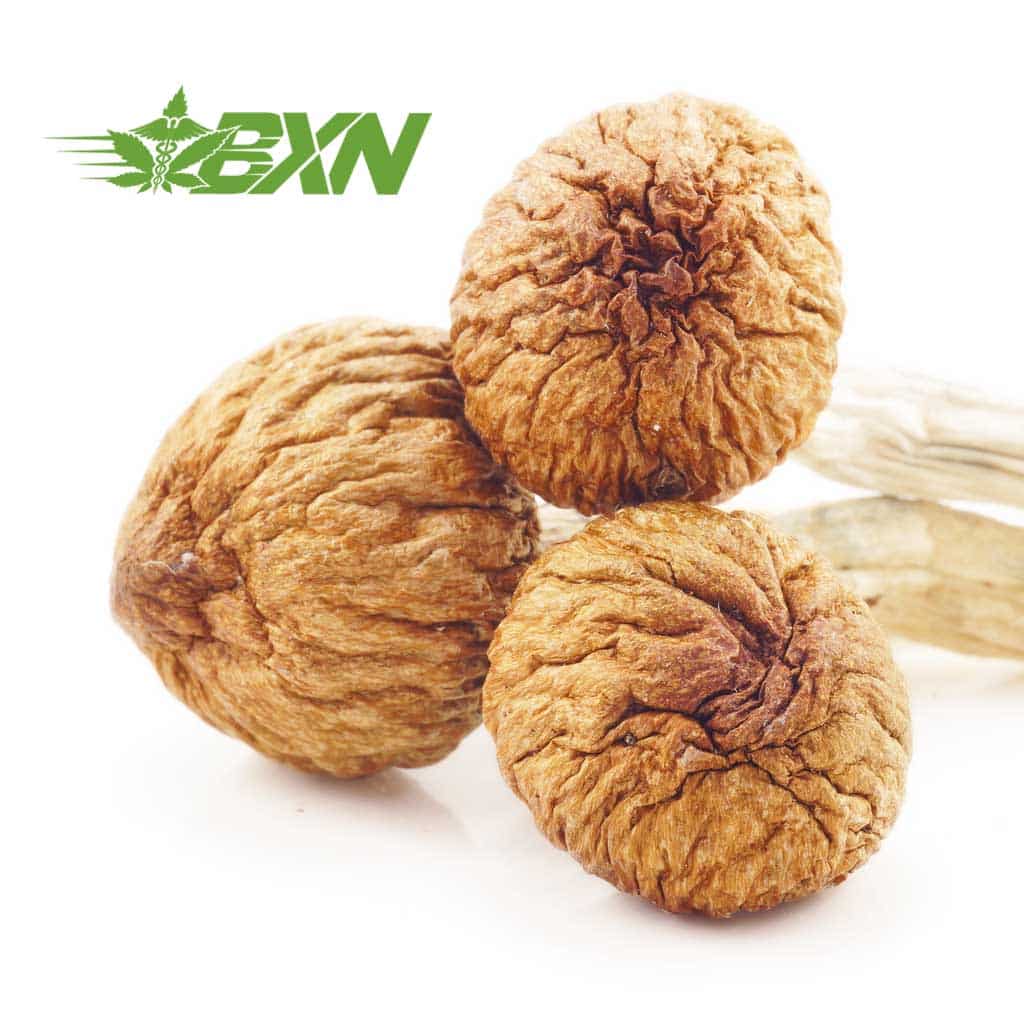
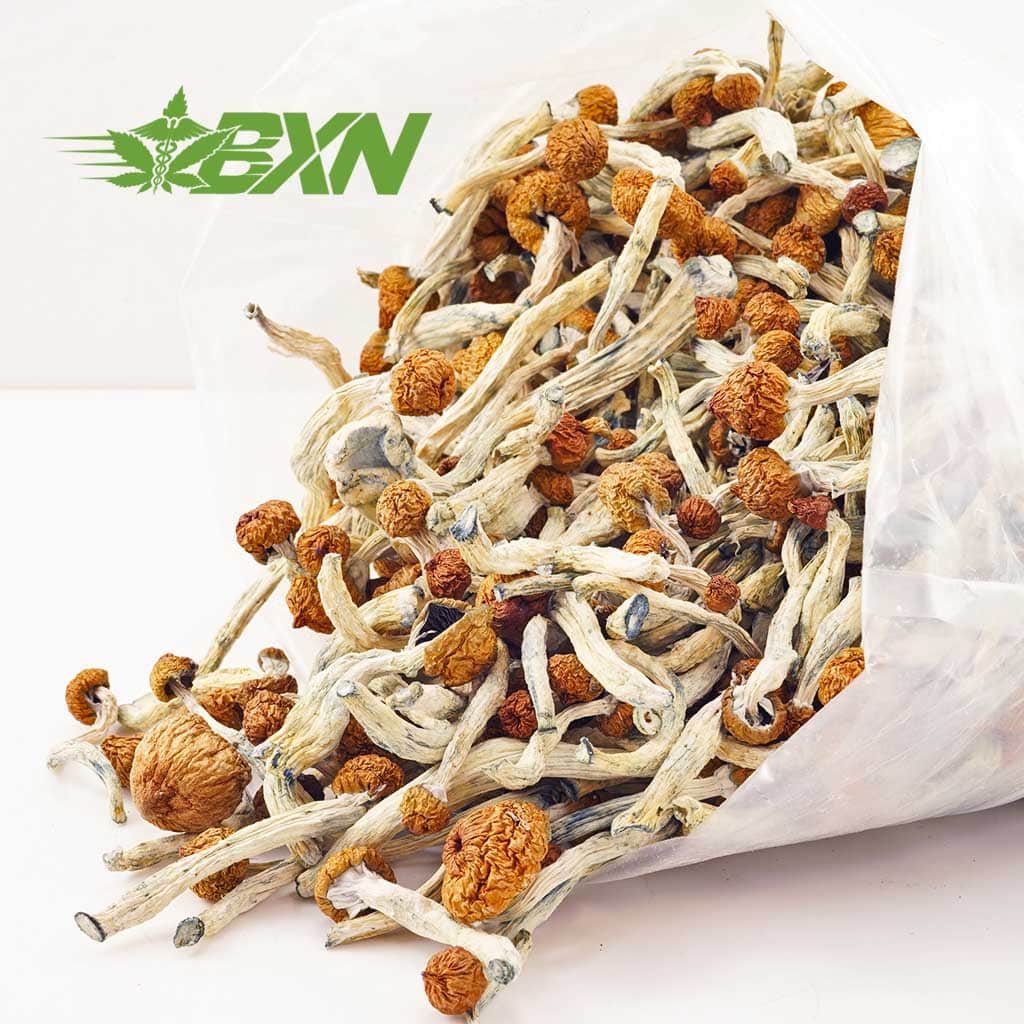
Amazonian mushrooms are a classic strain with roots in the humid rainforests of the Amazon basin. They’re known for their large, golden-brown caps, sturdy stems and a strong, well-rounded reputation among both newer and experienced users. Each batch is carefully dried and quality-checked, then sealed in discreet, airtight packaging to lock in freshness. Store in a cool, dry, dark place, away from children and pets. For adults only.
Searching for “mushroom amazon” can feel like opening a pantry door and finding 10,000 nearly identical jars staring back at you. Lion’s Mane capsules, Reishi powders, dried shiitakes, coffee mixes, “10-mushroom complexes”, which ones are useful, and which are mostly clever packaging?
This guide helps you shop more carefully. You’ll learn how to match a mushroom product to your goal, read supplement labels without needing a biology degree, compare powders with capsules, and spot warning signs in reviews and listings. The focus is practical buying advice, not medical promises. Mushroom supplements aren’t a substitute for treatment, and effects vary from person to person. If you’re pregnant, taking medication, immunocompromised, or managing a health condition, speak with a qualified healthcare professional before using them.
Whether you’re after a morning coffee upgrade, pantry staples, or a simple supplement routine, the aim is the same: spend your money on a product that clearly tells you what it is.
Key Takeaways
- When searching for mushroom products on Amazon, identify your goal—supplement, cooking ingredient, coffee blend, or specific functional mushroom—to narrow choices effectively.
- Lion’s Mane is best for focus and cognition, available as capsules for convenience, powders for customization, or coffee blends for routines, but caffeine sensitivity should guide your choice.
- For immune support, seek clear labeling of mushroom types and quantities in complex blends; beware of vague total blend weights without ingredient details.
- Check mushroom supplement labels for transparency: species name, fruiting body vs. mycelium distinction, beta-glucan content, extraction methods, and third-party testing to ensure quality.
- Mushroom powders add versatility to drinks and cooking but require proper storage and cautious tasting to avoid bitterness; keep usage notes to monitor effects.
- Evaluate Amazon sellers carefully by reviewing recent, specific feedback, verifying seller legitimacy, and avoiding suspiciously low prices or poor labeling to avoid counterfeit or low-quality products.
Why people search “mushroom amazon” (and the 4 main product categories)
The phrase “mushroom amazon” usually reflects one of four shopping missions. You may be looking for a supplement, an ingredient for cooking, a convenient mushroom coffee, or a specific functional mushroom such as Lion’s Mane or Reishi.
1. Capsules and extracts
Capsules are the easiest option if you want a consistent serving with no earthy taste. They’re portable, quick, and generally less messy than powders. The trade-off is that you can’t easily adjust the amount, and two products labelled “Lion’s Mane” may contain very different extracts.
2. Powders and mushroom coffee
Powder works well in coffee, tea, smoothies, oatmeal, sauces, and soups. Mushroom coffee blends often combine coffee with one or more extracts, but the mushroom quantity can be surprisingly small. Always check the actual milligrams per serving rather than relying on a large “mushroom blend” graphic.
3. Culinary mushrooms
Fresh, frozen, dried, and canned mushrooms serve different purposes. Fresh cremini or shiitake are good for weeknight meals: dried porcini or morels add concentrated flavour: canned mushrooms are convenient but softer. These are foods, not the same thing as concentrated supplement extracts.
4. Multi-mushroom formulas
Complexes commonly combine Lion’s Mane, Reishi, Turkey Tail, Maitake, Cordyceps, and Chaga. That sounds comprehensive, but more ingredients don’t automatically mean a better formula. If each mushroom appears in a tiny amount, or the label gives only a total blend weight, you can’t judge the value properly.
A useful first step is to decide whether you want food, flavour, convenience, or a supplement routine. That one decision narrows the Amazon maze considerably.
Best mushroom products on Amazon by goal (quick picks)
Amazon listings change frequently, so it’s wiser to shop by label quality than by a permanent “best product” list. Prices, sellers, formulas, and stock can shift overnight. Use the categories below as a shortlisting tool.
Focus & cognition (Lion’s Mane): capsules vs powder vs coffee blends
Lion’s Mane is the mushroom most often marketed for focus and cognition. Users commonly describe it as a subtle, steady option rather than a dramatic stimulant. In other words, don’t expect it to behave like a double espresso wearing a tiny mushroom hat.
Capsules suit you if convenience and consistent dosing matter. Look for the species name, preferably Hericium erinaceus, a stated amount per serving, and whether the ingredient is fruiting body, mycelium, or both. Powder gives you more control and is easy to add to a smoothie, but its flavour can be mildly woody or bitter. Coffee blends are convenient for morning routines, although coffee’s caffeine may be doing most of the immediately noticeable work.
If you’re sensitive to caffeine, choose a non-coffee powder or capsule. If you want a morning ritual, a blend can be enjoyable, but compare the mushroom dose with a standalone product before assuming it’s a bargain.
Immune support (Turkey Tail, Reishi, Maitake): what “complex blends” really mean
Turkey Tail, Reishi, and Maitake frequently appear in formulas marketed for general immune support. Treat those claims cautiously: supplements aren’t guaranteed to prevent illness or replace medical care.
“Complex blend” can mean a thoughtfully formulated mixture, or a label that hides low amounts behind one impressive-sounding number. For example, “1,500 mg mushroom complex” may not tell you whether that means 500 mg each, 100 mg each, or an undisclosed proprietary ratio. Transparent products list each mushroom and its quantity.
Reishi is often chosen for an evening routine because some users find it relaxing, while Maitake and Turkey Tail are commonly included in broad-spectrum formulas. Those are reported preferences, not promises. If you take anticoagulants, diabetes medication, or immune-affecting medication, ask a pharmacist or doctor before experimenting.
Energy & performance (Cordyceps): dosing formats and timing
Cordyceps products are usually aimed at energy, exercise, or stamina. On labels, you may see Cordyceps militaris or Cordyceps sinensis: the latter name is often used commercially for products that contain cultivated substitutes or related species, so read the ingredient panel carefully.
Capsules are straightforward before a workout or busy day. Powders can go into coffee or a smoothie, while tinctures offer fast, measured liquid servings, but only if the dropper and serving instructions are clear. Start with the label’s lowest suggested serving, particularly if you’re combining it with caffeine or pre-workout products.
A sensible routine is to test one new product at a time for several days. Otherwise, if you feel jittery, tired, or simply nothing at all, you won’t know which ingredient deserves the blame.
Cooking & pantry (fresh, frozen, dried, canned): best uses and value per serving
For food, value depends on the recipe as much as the sticker price. Fresh white mushrooms are inexpensive and versatile, but they spoil quickly. Frozen mushrooms are useful for soups, pasta, and stir-fries. Dried shiitake, porcini, and wood ear mushrooms last much longer and can transform a broth after soaking.
Canned mushrooms are convenient for pizza, casseroles, and quick sauces, though they tend to have a softer texture. Compare the drained weight, not just the can size, when calculating value.
| Format | Best use | Main advantage | Watch for |
| Fresh | Sautéing, omelettes | Texture and flavour | Short shelf life |
| Frozen | Soups and stir-fries | Easy storage | Can release extra water |
| Dried | Broths, risotto, sauces | Strong flavour and long storage | Requires soaking |
| Canned | Fast meals | Convenience | Sodium and soft texture |
For culinary mushrooms, a reputable grocery seller may offer better freshness than an Amazon marketplace listing. Delivery convenience is helpful, but mushrooms are still perishable food, not phone chargers.
How to choose a quality mushroom supplement on Amazon (label checklist)
A polished listing photo can’t tell you whether a supplement is well made. The label can tell you quite a bit, though. Before buying, check the Supplement Facts panel, the manufacturer’s website, the seller identity, and the certificate-of-analysis information if available.
Fruiting body vs mycelium on grain (and why it matters)
The fruiting body is the mushroom structure you typically recognise: cap and stem. Mycelium is the root-like network that grows through a substrate. Neither word alone proves quality, but the distinction matters because mycelium products may contain substantial grain or other growing material.
Look for clear wording such as “fruiting body extract” or “mycelium, rice substrate.” If a product says only “mushroom powder” without identifying the material, you’re missing useful information. Some products intentionally use both, which can be perfectly reasonable if the formula explains the quantities and testing.
Don’t assume “fruiting body” automatically means superior, either. A product still needs proper identification, sensible processing, and independent quality checks.
Beta-glucans vs “polysaccharides” (what numbers to look for)
Beta-glucans are a type of polysaccharide associated with fungal cell walls. When a label highlights “polysaccharides,” that broad term may include compounds that aren’t beta-glucans. A high polysaccharide number hence doesn’t necessarily tell you much about the mushroom’s useful fungal compounds.
Prefer labels that state beta-glucans separately, ideally with a testing method or certificate supporting the figure. Be cautious when a product advertises an enormous “polysaccharide percentage” but gives no beta-glucan amount, species detail, or laboratory evidence.
There isn’t one universal beta-glucan number that makes every mushroom product good. Species and extraction method matter. The key is transparency and comparability between products.
Extraction types: hot-water, dual extract, ratios (10:1, 12:1) explained
Hot-water extraction is commonly used to draw out water-soluble compounds. A dual extract generally combines water extraction with alcohol extraction, which may target a broader range of compounds. “May” is doing important work here: extraction claims should be supported by clear manufacturing information.
A 10:1 or 12:1 ratio means the manufacturer says it used ten or twelve parts raw material to make one part extract. It does not automatically mean the product is ten or twelve times stronger, and ratio claims can be difficult to compare across brands. A 10:1 powder with poor testing is not necessarily better than a modestly concentrated extract from a transparent company.
Check the finished serving amount, not just the ratio on the front label.
Third-party testing, contaminants, and country-of-origin red flags
Look for testing for heavy metals, microbes, pesticides, and species identity. A phrase such as “third-party tested” is encouraging, but ideally the company explains what was tested and makes a certificate of analysis available.
Country of origin is not a simple quality score. Mushrooms can be grown in one country, extracted in another, and encapsulated somewhere else. The red flag is vague sourcing combined with grand claims, no batch information, and no customer-service response.
Before adding anything to your cart, ask:
- Is the full ingredient list visible?
- Is the amount of each mushroom stated?
- Does the product identify fruiting body, mycelium, or both?
- Are beta-glucans listed separately from total polysaccharides?
- Is there recent batch testing?
- Does the seller have a real business identity and responsive support?
If the answer is “no” several times, keep scrolling. Amazon has plenty of scrolling.
Mushroom powder on Amazon: how to use it (coffee, tea, smoothies, cooking)
Mushroom powder is flexible, but it rewards a little experimentation. Start with the serving suggested on the package, especially when you’re new to the ingredient. You can always adjust later: you can’t un-burn the first cup of coffee.
For coffee, stir the powder into a small amount of hot water first to make a paste, then add coffee or milk. This helps prevent floating clumps. Lion’s Mane and Cordyceps blends are common in morning products, while Reishi is often used in evening drinks. If the mixture tastes bitter, try cinnamon, cocoa, oat milk, or a small amount of maple syrup rather than doubling the powder.
For tea, whisk the powder into hot, not aggressively boiling, water. A milk tea approach can make earthy flavours more pleasant. With smoothies, pair the powder with banana, berries, yogurt, nut butter, or protein powder. Strong flavours hide mushrooms better than plain water does.
In cooking, add powder to soups, gravy, ramen broth, lentil dishes, sauces, or savoury oats. Keep the heat and recipe practical: the goal is food you’ll actually eat. Don’t treat a supplement powder as a replacement for culinary mushrooms or a balanced diet.
Store opened powder sealed, dry, and away from heat. Use a clean, dry spoon. If it smells musty, becomes damp, or changes unexpectedly, don’t play kitchen detective, discard it and contact the seller.
One more tip: keep a simple note on your phone with the product, serving size, time taken, caffeine intake, and how you felt. That’s especially useful when a blend contains several active ingredients. You’re not running a clinical trial in your kitchen, but a little record-keeping beats guessing.
Amazon buying tips: reviews, subscriptions, returns, and avoiding counterfeits
Reviews can be useful, but they’re not laboratory reports. Read recent reviews with photos and specific details: Did the seal arrive intact? Was the lot number visible? Did the powder match the description? Be wary of hundreds of vague comments that praise everything from flavour to delivery without discussing the actual product.
Sort by recent and critical reviews. Look for patterns rather than one angry customer or one enthusiastic fan. A complaint about damaged packaging may be a courier issue: repeated complaints about missing seals or different capsules deserve more attention.
Check who is actually selling and shipping the product. Prefer the manufacturer’s official storefront or an authorised seller when possible. Avoid listings with changing brand names, suspiciously low prices, misspelled labels, or product photos that don’t match the current packaging. When an established product suddenly costs half as much, your bargain alarm should make a little noise.
Subscriptions can save time, but don’t subscribe before testing a product and confirming the serving size. Review the renewal price and cancellation terms. Amazon returns may apply to unopened supplements, but policies vary by product and seller: don’t assume a used consumable will be accepted.
If the package arrives opened, unsealed, leaking, or materially different from the listing, don’t consume it. Photograph the packaging, contact the seller, and use Amazon’s reporting or return process. Keep the lot number in case you need to ask the manufacturer about testing.
For Canadian buyers, also check whether the seller clearly identifies the product’s regulatory information where applicable. Supplements marketed in Canada may display a Natural Product Number, but that number alone doesn’t guarantee the product matches every claim in an online listing. Most importantly, remember that “natural” doesn’t mean risk-free. Adults of legal age only should use these products, and anyone taking medication should check with a healthcare professional first.
The best mushroom Amazon purchase is rarely the flashiest one. It’s the product with a clear identity, realistic claims, usable directions, sensible serving information, and a seller willing to answer ordinary questions. Start with one product, begin at the low end of the label’s suggested serving, and give yourself enough time to decide whether it earns a permanent place in your routine.
Mushroom Amazon FAQs
What are the main types of mushroom products available on Amazon?
Amazon offers four main mushroom product categories: capsules and extracts, powders and coffee blends, culinary mushrooms (fresh, frozen, dried, canned), and multi-mushroom complex formulas. Each serves different purposes like supplementation, cooking, or convenience.
How do I choose the best mushroom supplement on Amazon for focus and cognition?
For focus and cognition, look for Lion’s Mane supplements specifying the species name Hericium erinaceus, clear mushroom part used (fruiting body or mycelium), and the exact amount per serving. Capsules offer consistent dosing while powders allow flexible use in drinks and foods.
What should I watch for when buying mushroom coffee blends on Amazon?
Check the actual milligrams of mushroom extract per serving instead of just trusting large “mushroom blend” claims. Mushroom coffee often contains small amounts of extracts and relies on caffeine for effects. Non-coffee powders or capsules are better if you’re caffeine sensitive.
Why is it important to understand the difference between fruiting body and mycelium in mushroom supplements?
The fruiting body is the visible mushroom, while mycelium is the root-like network. Mycelium products may include grain or other material, impacting quality. Look for labels showing clear amounts of each to judge product transparency and potency.
How can I effectively use mushroom powder bought from Amazon?
Mushroom powder can be stirred into coffee (make a paste first), tea, smoothies, or added to soups and sauces. Start with labeled servings, adjust to taste, and try flavor enhancers like cinnamon or maple syrup to balance bitterness.
What should I consider regarding safety before using mushroom supplements from Amazon?
Always consult a healthcare professional if you’re pregnant, taking medications, immunocompromised, or managing health conditions. Choose products with transparent labeling, batch testing, and reputable sellers to avoid contaminants or counterfeit items.
Only logged in customers who have purchased this product may leave a review.
Related products
Reviews
There are no reviews yet.