


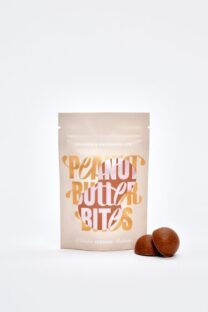
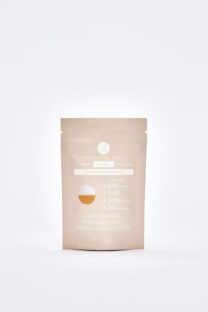
Euphoria Psychedelics – Peanut Butter Bites 1000mg
$16.00
Euphoria Psychedelics Peanut Butter Bites 1000mg are rich, nutty bite-sized treats with 1000mg of psilocybin in total, infused evenly throughout. The smooth peanut butter flavour hides any earthy notes, and the small bites are easy to portion. Because of its high strength, this product is best suited to experienced users. Follow the serving guidance on the label. It comes in discreet, resealable packaging to keep it fresh. Contains peanuts. Store in a cool, dry place away from heat, children and pets. For adults only.
Out of stock
NOTIFY ME WHEN AVAILABLE
If you’re considering Euphoria psychedelics peanut butter bites, the first thing to know is that a colourful wrapper and a “1000mg” claim don’t tell you everything you need to know. With psychedelic edibles, the real questions are more practical: What’s the active ingredient? Is the stated amount for the whole package or each bite? Has the batch been independently tested? And is the product legal where you live? This guide walks you through those details without the usual hype. You’ll learn how to read the label, spot gaps in a product listing, think about dose and timing, and compare peanut butter bites with other edible formats. Because product formulas and regulations can change, treat the packaging and current provincial or federal guidance as the final word. These products are for adults of legal age only, and you should never drive or mix psychedelics with alcohol or other intoxicants.
Key Takeaways
- Euphoria psychedelics peanut butter bites may contain varying psychoactive ingredients like psilocybin or cannabinoids, so always verify the active compound and potency on the label.
- Look for clear packaging details including pieces per pack, serving size, batch number, expiration date, and allergen information to ensure safety and proper dosing.
- Understand that ‘1000mg’ refers to total product content, not necessarily psychoactive dosage; seek lab-verified potency rather than trusting marketing claims.
- Effects from these edible psychedelics can take 30–90+ minutes to onset and last several hours, so dose cautiously and avoid redosing too soon.
- Always check for independent lab testing, legitimate batch information, and seller transparency to avoid counterfeit or unsafe products.
- Consider legality, age restrictions, and never mix with alcohol or other substances; consult healthcare professionals regarding medication interactions before use.
What are euphoria psychedelics peanut butter bites?
Euphoria psychedelics peanut butter bites are marketed as small, portioned edible treats made with peanut butter and chocolate or cocoa, with an added psychoactive ingredient. The important catch is that “psychedelics” can mean very different things. A product may claim to contain psilocybin, a mushroom-derived compound, Amanita-related ingredients, hemp-derived cannabinoids, or a proprietary blend. Those are not interchangeable, and the label should identify the active ingredient clearly.
Some online listings use broad language such as “magic mushrooms,” “mushroom extract,” or “1000mg” without naming the compound or explaining its potency. That’s a warning sign, not a fun mystery. A food-like format can make the product feel harmless, but an edible’s effects may be delayed and difficult to predict. If you’re browsing from Canada, remember that branding and shipping availability do not automatically prove a product is authorized, tested, or legal.
Think of these bites as a product category rather than a guaranteed formula. Check the current package, ingredient panel, batch information, and seller before making any decision.
Product overview: pieces per pack, “cut in half” dosing, and who they’re for
The number of bites in a pack, and the amount in each bite, should be printed on the package, not left to guesswork. Some listings describe a bar or slab that can be cut into sections: others show individually shaped peanut butter pieces. If the label says “cut in half,” treat that as a serving suggestion only when the active ingredient is evenly distributed and the manufacturer supports the claim. Homemade-looking or uneven pieces may not deliver equal amounts.
These products are generally aimed at adults who want a discreet, smoke-free format. That can appeal to someone who dislikes inhaling cannabis or who wants something easy to carry. It also creates a common trap: because the bite looks like candy, people may forget that the onset can be slow. You’re not eating ordinary trail mix.
Before buying, look for:
- A clearly stated number of pieces per package
- Net weight and serving size
- The active ingredient and amount per serving
- A lot or batch number and expiry or best-before date
- Manufacturer or seller contact details
- Allergen information, especially peanuts and dairy
If two listings disagree about pieces per pack or strength, pause. Don’t rely on the more exciting description.
Understanding “1000mg”: total pack vs per piece, active type, and potency expectations
“1000mg” is not a complete dose description. It could refer to the total weight of an extract across the whole package, the weight of a mushroom blend, or, less commonly, the amount per piece. It may even describe the combined weight of several ingredients. Without an identified active compound and a serving breakdown, the number tells you very little about the experience.
For example, if a package contains ten equal pieces and genuinely contains 1,000mg of a named ingredient in total, the arithmetic suggests 100mg per piece. But that does not tell you how much psilocybin, THC, or another active compound is present. Extract strength can vary, and “mushroom powder” weight is not the same as purified active content.
Ask three questions:
- Is the 1,000mg figure for the entire pack or one piece?
- What exact active ingredient does it describe?
- Is there a credible lab report showing measured content for that batch?
If the answer to any of these is vague, don’t treat the product as precisely dosed. Potency expectations should come from verified analytical results, not a large number printed in bold. When the active type is unknown, the safest choice is to avoid the product rather than attempt to reverse-engineer it.
Effects & experience: onset time, duration, and what influences intensity
Edible psychedelics can take longer to produce noticeable effects than inhaled cannabis. Some people report early changes within 30–90 minutes, while others wait longer, especially after a substantial meal. Effects can then build gradually and last several hours, with lingering tiredness or an altered mood afterward. Exact timing varies too much to promise a schedule.
Intensity may be influenced by your previous experience, body size, metabolism, sleep, mood, food intake, and the actual batch strength. Set and setting matter as well: a quiet, familiar room is a very different environment from a crowded party. Peanut butter and chocolate can also make it easy to keep nibbling while you wait, which is how the classic edible mistake happens, taking more before the first amount has fully arrived.
Plan for an uninterrupted day or evening. Keep water nearby, choose a trusted sober person if you’re uncertain, and avoid driving, cycling in traffic, swimming, heights, or operating equipment. If you feel anxious, reduce stimulation, breathe slowly, and remind yourself that the sensation will pass. Severe confusion, chest pain, trouble breathing, seizure, loss of consciousness, or behaviour that puts someone at immediate risk calls for emergency help.
How to dose peanut butter bites safely (beginner to experienced)
Because many products in this category don’t provide reliable active-ingredient testing, there is no universally safe “piece” or spoonful. A responsible approach starts with verification, not bravado. If the label doesn’t identify the active compound and measured amount per piece, you can’t calculate a dependable dose.
For any legally obtained, clearly labelled product, start with the lowest stated serving and wait through the full expected onset window before considering anything else. Don’t redose simply because the first hour feels uneventful. Keep the rest sealed and out of reach of children and pets. Never share with someone who hasn’t knowingly agreed to take it.
Avoid psychedelic edibles if you have a personal or family history of psychosis or mania, or if a healthcare professional has warned you about interactions. Prescription medicines can matter, particularly psychiatric medicines, stimulants, sedatives, and drugs affecting serotonin. A pharmacist or clinician can give advice based on your actual medication list: online anecdotes can’t.
Microdose vs museum dose vs stronger experiences (practical ranges and pacing)
Terms such as “microdose” and “museum dose” are informal, not regulated serving categories. A microdose is usually intended to be sub-perceptual, while a museum dose implies a noticeable but supposedly manageable experience. Neither label guarantees what you’ll feel, especially with an unverified edible.
For beginners, the practical rule is simple: choose a product with transparent testing, use the smallest labelled serving, and don’t increase on the same day. Experienced users still face batch variation, so familiarity isn’t a substitute for caution. Don’t chase a stronger experience because a friend had a mild one: their metabolism, product, and expectations may all differ.
Ingredients, allergens & nutrition: peanut warnings, chocolate/cocoa, and dietary notes
Peanut butter bites commonly contain peanuts, sugar, cocoa or chocolate, oils, milk ingredients, and stabilizers. Read the complete ingredient list if you have a peanut, tree-nut, dairy, soy, or gluten allergy. “May contain” statements matter: shared equipment can create a meaningful risk for highly sensitive people.
Chocolate products may include caffeine, and some use sugar alcohols that can cause stomach upset. A vegan label doesn’t necessarily mean allergen-free, and “natural flavours” still doesn’t identify the psychoactive ingredient. Check whether the product is suitable for your dietary needs rather than assuming a small portion is harmless.
Store edibles in their original child-resistant packaging, away from snacks. Peanut butter and chocolate are especially easy for a child to mistake for ordinary food. If you’re taking the product with food, understand that a heavy or fatty meal may change how quickly effects appear. It’s not a reliable way to control potency, though, so don’t use dinner as a dosing calculator.
Quality & safety checks: lab testing, packaging, storage, and shelf life
A credible psychedelic edible should have more than attractive branding. Look for a batch-specific certificate of analysis from an independent laboratory. Ideally, it identifies the active compounds, measured potency, contaminants, testing date, and matching lot number. A generic PDF, a cropped screenshot, or a QR code that leads nowhere doesn’t establish much.
Inspect the seal, print quality, ingredient panel, and expiry date. Avoid products with leaking wrappers, unusual odours, mould, melted-and-reset chocolate, or packaging that appears tampered with. Storage instructions should be practical, usually cool, dry, dark, and securely out of reach. Heat can soften the product and may affect texture: it doesn’t make an uncertain dose more predictable.
Quality also includes traceability. Can you identify the manufacturer? Is there a customer-service contact? Does the seller explain recalls? If the answer is no, you’re taking on more uncertainty than the marketing admits. I’d rather skip a bargain than gamble on a mystery batch, especially when the edible looks like something that could end up in the wrong lunch bag.
How these compare: peanut butter bites vs mushroom gummies vs chocolate bars
The format changes convenience, taste, and how easily you can portion a serving. It does not automatically make one product safer or more predictable than another. Compare the label and testing record first.
| Format | Potential advantages | Common drawbacks | What to verify |
| Peanut butter bites | Familiar taste, compact, often easy to split | Peanut/dairy allergens: uneven pieces possible | Active ingredient, per-piece amount, allergen panel |
| Mushroom gummies | Portable, no melting chocolate, often individually shaped | “Mushroom” may mean a non-psychoactive blend: sugar and additives | Exact compound, batch testing, serving size |
| Chocolate bars | Familiar texture: scored sections may help portioning | Easy to overeat: heat damage: caffeine | Even distribution, score guidance, storage, lab report |
For a smoke-free consumer who values discretion, any of these may seem convenient. But convenience can hide uncertainty. If a gummy states “mushroom blend” while a bar names a measured active compound and provides matching lab results, the bar is easier to evaluate, even if you prefer gummies. Choose transparency over novelty.
How to spot authentic Euphoria products (common red flags and verification tips)
Authenticity is difficult to confirm from a product photo alone. A legitimate-looking logo can be copied, and online marketplaces may use old images for current stock. Look for consistent spelling, a complete manufacturer address, a lot number, a readable expiry date, and a certificate of analysis that matches the package.
Common red flags include:
- Claims of guaranteed psychedelic effects or “no side effects”
- A huge potency number with no unit breakdown
- No named active ingredient
- Stock photos instead of photos of the actual package
- Pressure to pay by an unusual method or move the conversation off-platform
- Reviews that are identical, overly vague, or all posted within a short period
- Promises of shipping anywhere even though local restrictions
Search the brand’s official channels, compare package details, and ask the seller for batch documentation before purchasing. Don’t mistake a high review count for proof of authenticity. Reviews can help you assess taste or texture, but they cannot replace laboratory verification.
Shipping, legality & age requirements (Canada/US considerations)
Psychedelic products sit in a legally sensitive area, and rules differ between Canada, the United States, provinces, states, and municipalities. A website accepting an order does not mean the product is authorized for sale or lawful to import. Psilocybin remains federally controlled in Canada, while cannabis edibles follow a separate regulated framework. In the US, state rules vary sharply, and interstate shipping can create additional issues.
Age requirements also depend on the jurisdiction and product category. For the Canadian audience, cannabis purchase ages are generally 19, with Alberta at 18 and Quebec at 21: those figures do not make an unapproved psychedelic product legal. Verify current guidance from official government sources before ordering, particularly if a seller promises delivery across borders.
Don’t provide false information to a courier or attempt to conceal restricted goods. Discreet packaging protects privacy, but it isn’t a legal exemption. If a listing is vague about where it ships from, what it contains, or how it handles customs, walk away. Rules change, so check current Health Canada information and your local authority before making a purchase.
Customer reviews: taste, texture, consistency, and value (summary + what to look for)
Customer feedback can be useful for the ordinary food qualities of peanut butter bites: Is the centre smooth or dry? Is the chocolate too sweet? Does the package arrive melted? Are pieces consistent in size? Those details help you decide whether the format suits you.
Reviews are much less reliable for potency. One person’s “mild” may be another person’s overwhelming experience, and products can change between batches. Treat claims such as “worked in ten minutes” or “stronger than anything else” as personal impressions, not measurements. Look for detailed, balanced reviews that mention the batch, packaging, taste, and whether the listing matched what arrived.
Value should include testing and traceability, not just the lowest sticker price. A cheaper pack with an unclear 1,000mg claim may be poor value compared with a properly labelled product, even if the latter costs more. Also check shipping fees, return terms, and whether the seller offers responsive support. No reward points or free gift can compensate for an unknown ingredient.
Do they contain THC or psilocybin? How long do they take to kick in? Can I take with food/meds? What if I took too much?
You cannot answer the THC-versus-psilocybin question from the product name alone. Read the current label and batch report. Some “mushroom” products contain neither THC nor psilocybin, while others may be inaccurately labelled: uncertainty is a reason not to use it.
Onset can range from roughly 30–90 minutes or longer, depending on the product and person. Food may delay or alter the timing. Medication interactions are possible, so ask a pharmacist or clinician before using any psychedelic edible with prescriptions.
If you took too much, don’t take more substances to counteract it. Move somewhere calm, stay with a trusted sober adult, sip water, and avoid driving. Seek urgent medical help for severe agitation, dangerous confusion, chest pain, trouble breathing, seizure, fainting, or suspected poisoning. In Canada, contact your provincial poison centre or emergency services.
Frequently Asked Questions about Euphoria Psychedelics Peanut Butter Bites
What are Euphoria psychedelics peanut butter bites?
They are small edible treats made from peanut butter and chocolate with added psychoactive ingredients like psilocybin, cannabinoid blends, or mushroom extracts. The exact active ingredient should be clearly listed on the packaging.
How do I understand the “1000mg” label on these peanut butter bites?
The “1000mg” figure could refer to the total weight of extract in the whole pack or a single piece, but it doesn’t indicate the exact amount of active psychedelic compound. Always verify active ingredient details and lab testing before use.
How long do the effects of psychedelic peanut butter bites take to start and how long do they last?
Effects typically begin 30 to 90 minutes after consumption, possibly longer depending on food intake, and can last several hours with a gradual come-down. Onset and intensity vary by person and setting.
Can I safely take Euphoria psychedelics peanut butter bites with prescription medications or other substances?
You should avoid psychedelic edibles if you have a history of psychosis or mania or are taking psychiatric, stimulant, sedative, or serotonin-affecting medications. Consult a healthcare professional before use to avoid dangerous interactions.
How should I dose these peanut butter bites if I’m a beginner?
Start with the lowest suggested serving size on a clearly labeled, tested product. Wait through the full expected onset period (up to 2 hours) before considering more. Never redose impulsively or share with others without consent.
Are Euphoria psychedelics peanut butter bites legal and safe to buy?
Legality varies by country, state, or province. Psilocybin is federally controlled in Canada and many US states. Always verify local laws and ensure products have batch testing, clear labels, and legitimate packaging before purchase.
Only logged in customers who have purchased this product may leave a review.
Related products
Reviews
There are no reviews yet.