


Mushroom – Thai
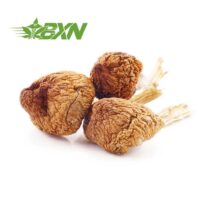
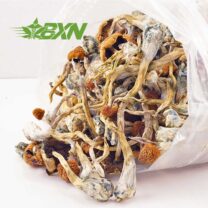
Thai mushrooms are a classic strain with roots in the warm, tropical regions of Thailand. They’re known for their slender stems, light golden caps and a balanced reputation that makes them a popular choice for both newer and experienced users. Each batch is carefully dried and quality-checked, then sealed in discreet, airtight packaging to lock in freshness. Store in a cool, dry, dark place, away from children and pets. For adults only.
Thai cooking has a talent for making a handful of mushrooms taste like a full-on feast. Add garlic, chiles, basil, coconut milk, or a splash of lime, and those humble fungi turn savoury, fragrant, and surprisingly satisfying. If you’re new to Thai food, or you’ve only met mushrooms in a creamy pasta sauce, you’re in for a treat.
This guide breaks down what “mushroom Thai” usually means, which mushrooms work best, and four approachable recipes you can cook at home. You’ll get practical substitutions for hard-to-find ingredients, heat-level options, crisping tricks, and leftover advice. The recipes are vegetarian-friendly, with easy vegan swaps when fish sauce appears. Grab your wok or biggest skillet: dinner is about to get much more interesting.
Key Takeaways
- Mushroom Thai dishes highlight mushrooms’ ability to absorb bold, balanced flavors typical of Thai cuisine, featuring salty, spicy, sweet, and sour notes.
- Oyster, king oyster, shiitake, and button mushrooms are ideal for Thai cooking, with preparation tips to enhance texture and flavor.
- A basic Thai mushroom basil stir-fry is quick, forgiving, and showcases the essential balance of Thai flavors using easily available ingredients.
- Adjust heat levels using Thai chiles, jalapeños, or chili flakes, and offer options at the table to accommodate varied spice preferences.
- Crispy garlic mushrooms require moisture control and proper pan space to achieve ideal crunch, with options for pan-frying, air-frying, or baking.
- For reheating leftovers, separate rice and mushrooms to maintain texture, and re-crisp crispy mushrooms in an air fryer or oven for best results.
What “mushroom thai” means: popular Thai mushroom dishes & flavors
“Mushroom Thai” isn’t one official dish. It’s a useful phrase for Thai-inspired mushroom recipes, from quick basil stir-fries to coconut-based curries and crispy mushroom snacks. In Thai cuisine, mushrooms often play a supporting role alongside bold ingredients rather than being treated as the entire event, but they’re excellent at soaking up flavour.
Expect a lively mix of salty, spicy, sweet, sour, and aromatic notes. Soy sauce or fish sauce brings salt and umami: Thai basil adds a peppery, almost anise-like fragrance: chiles provide heat: lime cuts through richness: and coconut milk rounds everything out.
Common examples include pad hed nang rom, or spicy oyster mushrooms with basil: pad kra pao made with mushrooms instead of meat: tom yum with straw or oyster mushrooms: and red curry loaded with vegetables and fungi. The beauty is flexibility. You can use whatever mushrooms look fresh at the market, adjust the chiles to your comfort level, and still end up with something recognizably Thai-inspired.
If you’re cooking for beginners, start with basil stir-fry. It’s fast, forgiving, and teaches the most important lesson: Thai flavour comes from balance, not simply from turning the heat dial to “dragon.”
Best mushrooms for Thai cooking (oyster, king oyster, shiitake, button) + how to prep
Oyster mushrooms are the natural all-rounder. Their ruffled edges catch sauce beautifully, while their tender, slightly chewy texture works in stir-fries and curries. Tear them by hand into bite-size pieces instead of slicing every one: the uneven edges brown nicely.
King oyster mushrooms have thick, meaty stems and a small cap. Slice them into coins or long planks for pan-frying, or tear them into strips for a satisfying texture. They take a little longer to cook than regular oysters, so give them a head start.
Shiitakes bring a deep, woodsy savouriness. Remove tough stems, then slice the caps. Fresh shiitakes are ideal, but rehydrated dried shiitakes can add intense flavour to curry or noodle dishes. Save the soaking liquid for stock, just strain out any grit.
Button mushrooms are mild and widely available. Halve small ones or quarter larger caps. They release plenty of water, so avoid crowding the pan.
For all fresh mushrooms, brush off dirt with a damp towel or soft brush. A quick rinse is fine if they’re genuinely gritty, but dry them immediately. Mushrooms are little sponges: if they go into the pan wet, they steam before they brown. Trim only the woody ends, and don’t peel them. That’s kitchen busywork nobody requested.
Thai pantry essentials for mushroom dishes (sauces, herbs, chiles, aromatics)
A compact Thai pantry gives you plenty of range. Keep light soy sauce for salt and savoury depth, and use dark soy sauce sparingly when you want colour and a slightly sweeter edge. Fish sauce adds a funky, fermented savouriness: for vegetarian or vegan cooking, replace it with vegan fish sauce, mushroom seasoning, or a little extra soy sauce plus lime.
Thai basil is the easiest basil to find in many North American grocery stores. Holy basil, used traditionally in pad kra pao, is more peppery and clove-like, but either works. Fresh cilantro, lime, garlic, shallots, and lemongrass are also useful. Galangal is wonderful in soups and curries, although ginger is a practical substitute.
For heat, stock fresh Thai bird’s-eye chiles, jalapeños, or dried red-pepper flakes. Thai chiles are tiny but mighty, so handle them carefully and wash your hands before touching your eyes. (Your future self will thank you.)
Finally, coconut milk and Thai red curry paste can turn a tired Tuesday dinner into something special. Look for curry paste without shrimp paste if you’re vegetarian or vegan, and check the label: brands vary dramatically in heat and salt.
Recipe 1: Mushroom Thai Basil Stir-Fry (Pad Kra Pao / Pad Gaprao)
This is the weeknight champion: aromatic, spicy, and ready in roughly 15 minutes. Serve it over jasmine rice, preferably with a fried egg if you eat eggs. The runny yolk softens the chiles in the most delicious way.
Ingredient list + substitutions (holy basil vs Thai basil, vegan/fish sauce options)
For two servings, use:
- 300 g oyster or mixed mushrooms, torn or sliced
- 4 garlic cloves, minced
- 1–2 Thai chiles, sliced, or ½–1 jalapeño
- 1 small shallot, thinly sliced
- 1 tablespoon neutral oil
- 1 tablespoon soy sauce
- 1 teaspoon fish sauce, or vegan fish sauce
- 1 teaspoon oyster sauce, or mushroom stir-fry sauce for a vegan version
- 1 teaspoon sugar
- 2 tablespoons water
- 1 generous handful holy basil or Thai basil leaves
Holy basil gives the most traditional pad kra pao aroma, but Thai basil is a dependable substitute. Regular Italian basil works in a pinch, though its sweeter flavour changes the profile. For a fully vegan dish, use soy sauce, vegan fish sauce, and mushroom-based stir-fry sauce.
Step-by-step method + timing (high-heat stir-fry technique for umami)
- Mix the soy sauce, fish sauce, oyster sauce, sugar, and water in a small bowl. Have everything beside the stove: stir-frying is not the moment to begin a leisurely ingredient hunt.
- Heat a wok or large skillet over medium-high to high heat. Add the oil, then the mushrooms. Cook for 3–5 minutes until they shrink and develop browned edges.
- Push the mushrooms aside. Add garlic, chile, and shallot to the open space and stir for 30–45 seconds, until fragrant but not brown.
- Toss everything together, pour in the sauce, and cook for another 60–90 seconds. The liquid should cling to the mushrooms rather than pool in the pan.
- Turn off the heat and fold in the basil. Its leaves should wilt from the residual heat.
The key is not constant frantic stirring. Let the mushrooms touch the hot pan long enough to brown. That caramelized edge is where much of the savoury magic lives.
Recipe 2: Spicy Oyster Mushrooms with Sweet Basil (Pad Hed Nang Rom)
Pad hed nang rom is a simple, flexible dish that makes oyster mushrooms the star. For two servings, tear 350 g oyster mushrooms into strips. Stir-fry them in 1 tablespoon oil until lightly browned, then add 3 minced garlic cloves, your chosen chile, 1 tablespoon soy sauce, 1 teaspoon vegan fish sauce or fish sauce, ½ teaspoon sugar, and 2 tablespoons water. Finish with a large handful of Thai basil and a squeeze of lime.
You can add sliced onion, bell pepper, or green beans, but don’t bury the mushrooms under a mountain of vegetables. They need room to brown.
Heat level guide + chile options (Thai chiles, jalapeño, chili flakes)
For gentle warmth, use half a jalapeño with the seeds removed. For medium heat, use one whole jalapeño or ¼ teaspoon dried chile flakes. One Thai bird’s-eye chile gives a noticeable kick: two or three will make your forehead perspire in a spiritually cleansing sort of way.
Dried flakes bloom quickly in hot oil, so add them with the garlic. Fresh chiles taste brighter when added near the beginning of the stir-fry. If you’re serving different heat tolerances, cook the mushrooms with no chile and offer sliced chiles at the table. A little lime at the end keeps the dish lively, especially if you’ve gone easy on the heat.
Recipe 3: Crispy Thai Garlic Mushrooms (appetizer or rice bowl topper)
These crispy garlic mushrooms are ideal when you want texture, perhaps as a snack with drinks, an appetizer, or a crunchy topping for rice and noodles. King oyster, button, or oyster mushrooms all work, though oyster mushrooms create especially craggy edges.
Toss 300 g dry mushrooms with 1 tablespoon oil, 1 teaspoon cornstarch, ½ teaspoon salt, and a pinch of white pepper. Pan-fry in a wide skillet over medium-high heat until golden, about 8–12 minutes. Add 4 thinly sliced garlic cloves during the final 2 minutes so they turn golden rather than bitter. Finish with lime zest, sliced Thai basil, and a drizzle of sweet chile sauce.
How to get mushrooms crispy (moisture control, pan-fry vs air-fry/bake)
Moisture is the main villain. Pat the mushrooms dry, use a spacious pan, and cook in batches if necessary. Crowding creates steam, and steam is crispy food’s sworn enemy.
For an air fryer, toss the mushrooms with oil and cornstarch, then cook at 400°F for 10–14 minutes, shaking halfway. An oven works at 425°F for roughly 18–22 minutes on a preheated sheet pan. The results may be slightly less deeply browned than pan-frying, but cleanup is easier.
Don’t sauce the mushrooms too early. Serve the dipping sauce on the side or drizzle it over the finished batch just before eating. Otherwise, your beautiful crunch can disappear faster than a free sample at a farmers’ market.
Recipe 4: Thai Red Curry with Crispy Oyster Mushrooms (with quick curry paste option)
This curry combines silky coconut milk with crisp, browned mushrooms. First, fry 300 g oyster mushrooms in a little oil until golden and set them aside. In the same pot, cook 2 tablespoons Thai red curry paste with 1 teaspoon oil for 1–2 minutes. Add one 400-ml can of full-fat coconut milk, ½ cup vegetable stock, 1 tablespoon soy sauce, and 1 teaspoon sugar. Simmer for 5 minutes, then add sliced bell pepper and bamboo shoots if desired. Return the mushrooms just before serving so they keep some texture.
Curry paste choices (store-bought vs homemade) + coconut milk tips
Store-bought curry paste is the sensible shortcut. Mae Ploy is punchy and salty, while Thai Kitchen is often milder and easier for cautious beginners. Always taste before adding more sauce: curry paste brands differ considerably.
For a quick homemade paste, pound or blend garlic, shallot, ginger, lemongrass, dried red chiles, cilantro stems, and a little ground cumin with oil. It won’t perfectly duplicate a traditional paste, but it will smell fantastic.
Use full-fat coconut milk for a creamy curry. Shake the can first, or whisk it before pouring. If it splits slightly, don’t panic, that can happen when coconut fat separates. Keep the heat moderate and stir gently. Finish with lime juice and Thai basil, then spoon the curry over jasmine rice. Add crispy mushrooms at the table, not during a long simmer.
How to serve Mushroom Thai: rice, noodles, sides, and garnishes
Jasmine rice is the classic partner because it absorbs sauce without competing with the aromatics. Brown rice works too, although its nuttier flavour is more assertive. For a lighter bowl, try rice noodles or steamed cauliflower rice, keeping in mind that noodles need enough sauce to avoid tasting dry.
A Thai-inspired meal becomes more complete with a few fresh contrasts:
- Cucumber slices or a quick cucumber salad
- Lime wedges for brightness
- Bean sprouts for crunch
- Fresh cilantro, Thai basil, or green onion
- Crushed peanuts for texture
- A fried egg on basil stir-fry
For a quick side, toss cucumber, shallot, lime juice, a pinch of sugar, and a little fish sauce or soy sauce. Let it sit for 10 minutes while your main dish cooks.
Portion the meal around your appetite and the richness of the sauce. A curry may need less rice than a dry stir-fry, while crispy mushrooms are easy to keep nibbling long after dinner is technically over. No judgment, just maybe put the serving bowl farther away.
Storage, leftovers & meal prep (reheating without sogginess)
Cool leftovers promptly and refrigerate them in a sealed container for up to three days. Store rice separately from saucy mushrooms when possible. This helps the rice keep its texture and makes reheating more even.
For basil stir-fries and pad hed nang rom, reheat in a hot skillet with a teaspoon of water, just until warmed through. A microwave works, but use short bursts and stir between them. Overheating turns mushrooms rubbery, the culinary equivalent of leaving your favourite playlist on repeat until you can’t stand it.
Keep crispy garlic mushrooms separate from curry, rice, and sauce. Re-crisp them in an air fryer or 400°F oven for 3–6 minutes. Avoid sealing them while warm, since trapped steam softens the coating.
For meal prep, wash and dry mushrooms ahead of time, mix sauces in a jar, and portion aromatics. Cook the mushrooms fresh when you can: the actual stir-fry takes less time than waiting for delivery. If you’re making curry in advance, prepare the sauce and vegetables separately, then add freshly crisped mushrooms just before serving.
Mushroom Thai cooking rewards curiosity more than perfection. Start with the basil stir-fry, adjust the heat gradually, and taste as you go. Once you understand the salty-sweet-sour-spicy balance, you can swap mushrooms, vegetables, and sauces with confidence. Your next bowl might not look exactly like the one from your favourite Thai restaurant, and that’s the point. It’ll be yours, hot from the pan, with plenty of room for a little more lime.
Mushroom Thai: Frequently Asked Questions
What does ‘mushroom Thai’ mean in cooking?
‘Mushroom Thai’ refers to Thai-inspired dishes featuring mushrooms, often stir-fries or curries, where mushrooms absorb bold Thai flavors like garlic, chiles, basil, and coconut milk for a savory, aromatic meal.
Which mushrooms are best for Thai cooking?
Oyster, king oyster, shiitake, and button mushrooms are ideal for Thai dishes, each offering unique textures and flavors. Oyster mushrooms brown well in stir-fries, while shiitakes add woodsiness; preparation includes brushing off dirt and avoiding overcrowding the pan.
How can I make a quick Thai basil mushroom stir-fry at home?
Tear 300g oyster or mixed mushrooms and stir-fry on high heat with garlic, Thai chiles, shallots, soy sauce, fish or vegan fish sauce, oyster sauce, and sugar. Fold in fresh holy or Thai basil at the end for traditional flavor, and serve over jasmine rice.
What are some tips for achieving crispy Thai garlic mushrooms?
To get mushrooms crispy, dry them well, toss in oil and cornstarch, and pan-fry in batches without crowding. Add sliced garlic near the end. Air-frying or baking at high heat also works, and avoid saucing them too early to keep crunch.
Can I make Thai mushroom dishes vegan?
Yes, by substituting fish sauce with vegan fish sauce, mushroom seasoning, or a mix of soy sauce and lime, and using mushroom-based stir-fry sauces instead of oyster sauce, you can easily make vegan-friendly Thai mushroom recipes.
What are good side dishes to serve with Mushroom Thai recipes?
Serve Mushroom Thai dishes with jasmine or brown rice, rice noodles, or cauliflower rice. Add fresh sides like cucumber salad, lime wedges, bean sprouts, fresh herbs, crushed peanuts, or a fried egg to balance flavors and textures.
Only logged in customers who have purchased this product may leave a review.
Related products




Reviews
There are no reviews yet.