

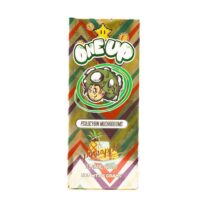
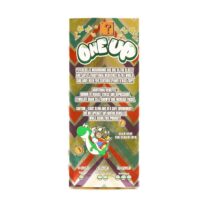
One Up – Psilocybin Mushrooms – Pineapple 3.5G
$30.00
One Up Psilocybin Mushroom Pineapple Chocolate 3.5G combines smooth chocolate with a sweet, tangy pineapple flavour and 3.5G of psilocybin mushrooms, blended evenly throughout the bar. The bright tropical taste covers any earthy notes, and the easy-break squares make it simple to portion. Follow the serving guidance on the label. It comes in discreet packaging to keep it fresh. Store in a cool, dry place away from heat, children and pets. For adults only.
In stock
A pineapple-flavoured chocolate bar can look like a familiar edible, but a product advertised as containing psilocybin mushrooms is a different, and potentially illegal, category. If you’ve come across One Up pineapple chocolate online, the key questions are what the label actually tells you, how unpredictable the contents may be, and what risks deserve your attention. A polished wrapper or a stated mushroom amount isn’t proof of potency, ingredients, or authenticity.
This guide covers the product format, reported effects, label checks, safety considerations, and Canadian legal context. It isn’t a recommendation to buy or use psilocybin. Laws and product rules vary, and these products are not the same as regulated cannabis edibles sold through provincial systems. If you’re an adult considering any psychoactive substance, take the uncertainty seriously, and check current local guidance first.
Key Takeaways
- One Up psilocybin mushrooms pineapple chocolate bars are unregulated products with unpredictable psilocybin content despite advertised mushroom amounts.
- Chocolate format may mask taste and mislead users about dosage consistency due to uneven distribution of active ingredients.
- Psilocybin effects vary widely and can include mood and perception changes as well as physical symptoms; use caution and avoid operating machinery when impaired.
- Labels on One Up pineapple products often lack verified lab testing, detailed ingredient lists, and allergen information, making safety and potency claims unreliable.
- Combining psilocybin with alcohol, cannabis, or medications increases risk; consult health professionals before use and never change prescribed treatments without advice.
- Psilocybin products like One Up pineapple are generally illegal in Canada outside authorized pathways; verify current laws and authenticity before possession or purchase.
What Are One Up Psilocybin Mushrooms Pineapple?
Product format, pineapple flavor and commonly advertised package size
“One Up Psilocybin Mushrooms Pineapple” usually refers to a chocolate bar marketed under the One Up name, with pineapple flavour and claims that it contains mushrooms. Online listings commonly show a multi-piece bar and may advertise a total mushroom weight or a number of squares. Those details can differ between sellers and packaging versions, so don’t assume one listing describes every product carrying the name.
The pineapple note is a flavour claim, not an indicator of what psychoactive ingredient is inside, or how much. Packaging can also be copied, reused, or made to resemble a familiar branded product. A colourful label isn’t a certificate of analysis.
How One Up pineapple chocolate compares with dried mushrooms and gummies
Chocolate may seem easier to portion than dried mushrooms because it’s divided into pieces. In practice, that convenience can be misleading: unless the contents have been independently tested and evenly distributed, one square may not contain the same amount as another. Chocolate also masks the earthy taste some people associate with dried mushrooms, which can make the product feel more like an ordinary treat than it is.
Gummies have the same core concern: a candy format doesn’t establish reliable contents. Dried mushrooms are easier to recognize visually, but appearance still can’t confirm species, potency, or safety. None of these formats should be confused with regulated cannabis edibles, which are subject to a separate legal and labelling framework in Canada.
One Up Psilocybin Mushrooms Pineapple Effects and Experience
Potential psychological and physical effects
Psilocybin can alter perception, mood, and thinking. People report anything from changes in colour or sound and a sense of emotional openness to anxiety, confusion, panic, or frightening thoughts. Physical effects may include nausea, dizziness, changes in coordination, and a faster heart rate. The same person may react differently on different occasions, and a product with uncertain contents adds another layer of unpredictability.
A pleasant setting can’t guarantee a pleasant experience, and “natural” doesn’t mean harmless. Don’t drive, cycle, operate equipment, or take on responsibilities while impaired. If you’re in an unfamiliar environment or feel pressured to take something, stepping away is a sensible choice, not a failure to keep up.
Onset, duration and why experiences can vary
There’s no dependable timing estimate for an unverified chocolate bar. Effects may take time to appear, and eating food, the amount consumed, individual biology, and the actual contents can all affect timing and intensity. That delay can tempt someone to take more too soon: with an unknown product, redosing is especially risky. An advertised serving size cannot make an untested product predictable.
Experiences can also be shaped by sleep, stress, surroundings, and other substances or medicines. If you’ve already taken a product, don’t take more while waiting for an effect, and don’t rely on a seller’s timing claims as a safety guarantee. Stay somewhere safe with a trusted, sober person available. If severe symptoms develop or you’re worried about someone’s immediate safety, seek urgent medical help and tell responders what may have been taken.
Potency, Ingredients and Label Information to Check
Why stated mushroom amounts may not confirm psilocybin content
A label might list grams of mushrooms, but that number doesn’t tell you how much psilocybin or psilocin is present. Mushroom species and batches can vary, and a stated weight is not the same as a measured active-ingredient result. Nor does a printed dosage claim prove that the bar was mixed evenly. Without credible, product-specific laboratory testing, you can’t use the package to calculate a dependable dose.
This is unlike shopping for legal cannabis edibles from an authorized Canadian retailer, where regulated packaging includes required THC information and other controls. Even regulated labels have limits, but an unverified mushroom product may lack meaningful oversight altogether. Treat claims such as “strong,” “microdose,” or “X grams per square” as marketing unless reliable evidence backs them up.
Ingredient, allergen, batch and third-party testing considerations
If you encounter the product, inspect the entire label, but remember that inspection cannot authenticate it. Look for a complete ingredient list, allergen statements, a lot or batch identifier, manufacturer details, and a testing report that clearly matches that exact batch and product. A QR code, logo, or generic lab document can be copied: check that the laboratory and report are independently verifiable and that results identify what was tested.
Chocolate may contain milk, soy, nuts, or other allergens, and a vague label may not disclose them reliably. There may also be concern about contaminants or ingredients that aren’t listed. Don’t eat a product if the package is damaged, unsealed, oddly printed, past its date, or missing basic information. And don’t treat a seller’s assurance or customer reviews as a substitute for verified testing.
Safety and Harm-Reduction Guidance
Avoid mixing with alcohol, cannabis, medications or other substances
Combining psychoactive substances can make effects less predictable. Alcohol may impair judgement and coordination: cannabis can intensify confusion or anxiety for some people. Medicines and other drugs can also affect how you feel, and the possible interactions depend on the substances involved and your health. There isn’t a reliable online rule that makes a combination safe, especially when the product’s contents are uncertain.
If you take prescription or over-the-counter medication, don’t stop or change it to accommodate a mushroom product. Ask a qualified health professional about concerns, and be candid about what you’re considering. Avoid using alone, and don’t get behind the wheel. If you or a friend has taken something, keep the package if available so medical responders can see its claims: don’t delay urgent care while trying to identify it.
Who should avoid psilocybin products and when to seek help
Psilocybin may pose particular risks for people with a personal or family history of psychosis or certain serious mental health conditions, and for anyone who is pregnant or breastfeeding. Because an unverified bar may contain unexpected substances, people with significant health conditions or medication concerns should be especially cautious and consult a clinician rather than relying on a seller’s advice. This is general safety information, not a diagnosis or personal medical recommendation.
Call 911 or seek emergency help for severe confusion, loss of consciousness, seizures, trouble breathing, chest pain, dangerous behaviour, or any situation where someone may harm themselves or another person. Stay with the person if it’s safe to do so, keep them away from traffic and hazards, and tell responders what you know. For non-emergency poisoning concerns in Canada, contact your provincial or territorial poison centre: if symptoms are severe, call emergency services first.
Is One Up Psilocybin Mushrooms Pineapple Legal and Authentic?
Check local laws before possessing or purchasing psilocybin products
In Canada, psilocybin is generally controlled under federal law. Legal access is limited to specific pathways, such as authorized clinical trials or an individual exemption: ordinary retail sale is not the same as buying regulated cannabis. Rules and enforcement details can change, so check current information from Health Canada and your provincial or territorial authorities before possessing, purchasing, or transporting a product. Don’t assume that an online listing, a Canadian shipping address, or a seller’s claim makes it legal.
Age requirements for cannabis, 18 in Alberta, 19 in most provinces and territories, and 21 in Quebec, do not make psilocybin products legal for retail purchase. Cannabis purchasing rules and psilocybin laws are separate. If you’re unsure, don’t order or carry the product: get current legal guidance from an authoritative source.
How to identify misleading labels, counterfeit packaging and unverified sellers
A familiar brand name and professional-looking wrapper can be copied. Be cautious if a seller makes sweeping claims such as “government approved,” guarantees a precise psychedelic dose without verifiable batch testing, or pressures you with limited-time deals. Other warning signs include no traceable business information, inconsistent product photos, missing ingredient or allergen details, and payment methods that offer little recourse.
A review section or social media post isn’t proof of authenticity. Neither is discreet shipping: shipping practices say nothing about what’s inside or whether a product is lawful. Don’t share personal or payment information with a seller you can’t verify, and don’t rely on a package arriving safely as evidence that it meets health or legal standards. For regulated cannabis in Canada, use an authorized provincial or territorial retailer and check the official cannabis rules for your location.
Bottom line: One Up pineapple chocolate may be advertised as a familiar, portioned edible, but its packaging cannot establish what it contains, how potent it is, or whether it’s authentic. Check current law, take health risks seriously, and don’t mistake an online product listing for reliable testing or legal approval.
Frequently Asked Questions About One Up Psilocybin Mushrooms Pineapple
What are One Up Psilocybin Mushrooms Pineapple products?
They are typically pineapple-flavored chocolate bars marketed as containing psilocybin mushrooms. However, packaging and stated mushroom amounts do not guarantee potency, authenticity, or safety due to lack of reliable testing and variable contents.
How do One Up pineapple chocolates compare to dried psilocybin mushrooms?
Chocolate bars are divided into pieces for portioning, but contents may be unevenly distributed and potency unpredictable. Unlike dried mushrooms, chocolate hides the earthy taste and does not confirm species or psilocybin content. Gummies share similar unpredictability issues.
What effects can I expect from consuming One Up Psilocybin Mushrooms Pineapple?
Psilocybin may alter perception, mood, and thinking, causing effects from emotional openness to anxiety or panic. Physical effects include nausea and dizziness. Experiences vary widely by individual, product content, and setting, so unpredictability is high with untested products.
Why is the stated mushroom weight on the One Up pineapple chocolate unreliable?
The grams listed refer only to total mushroom weight, which doesn’t indicate psilocybin or psilocin levels. Variations in species, batch, and uneven mixing mean dosage claims are marketing unless backed by independent lab testing specific to that batch.
Is One Up Psilocybin Mushrooms Pineapple legal in Canada?
Psilocybin is federally controlled in Canada and legal access is limited to authorized exceptions like clinical trials. Ordinary retail sale, including products like One Up pineapple chocolate, is illegal. Check current federal and provincial laws before possessing or purchasing.
What safety precautions should I take if considering psilocybin products like One Up pineapple chocolate?
Avoid mixing with alcohol, cannabis, or medications, and never operate vehicles or equipment while impaired. Individuals with psychiatric histories or pregnancy should avoid use. Always have a trusted sober person nearby and seek immediate medical help for severe symptoms.
Only logged in customers who have purchased this product may leave a review.
Related products
Reviews
There are no reviews yet.