


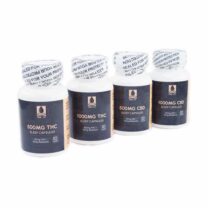

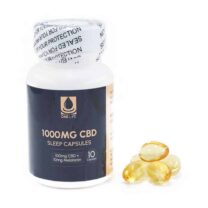


One Life Soft Gel Capsules – Sleep Capsules
Price range: $40.00 through $70.00
One Life Sleep Soft Gel Capsules are part of the brand’s soft gel range, offering smooth, easy-to-swallow capsules with a pre-measured blend in every one. There’s no dropper, no measuring and no earthy taste, and the compact bottle is easy to keep on your bedside table or take with you. Follow the serving guidance on the label. Store in a cool, dry place, away from children and pets. For adults only.
Trying to make sense of one life soft gel capsules sleep capsules can feel like decoding a tiny bottle written by three different people. Is the capsule mainly melatonin, cannabis oil, CBN, or some combination? And how do you know whether the listing you found actually matches the product in the package?
This guide walks you through the label, common One Life formulations, timing, safety, Canadian purchase rules, and the checks worth making before you click “add to cart.” It’s written for adults of legal age in Canada who want a smoke-free option and prefer discreet online ordering. You’ll find practical information rather than promises: cannabis and melatonin affect people differently, and no capsule can guarantee sleep or treat a health condition.
One important note before we begin: product names, formulas, and provincial rules can change. Always compare the current package, seller information, and provincial guidance before taking anything.
Key Takeaways
- One Life soft gel capsules sleep capsules offer a smoke-free, discreet option containing cannabis extracts, melatonin, or CBN to support evening relaxation and sleep routines.
- Always check the product label closely for specific milligram amounts of THC, CBD, CBN, and melatonin per capsule, rather than relying on product names or ratios alone.
- Start with the lowest recommended serving and allow ample time for effects to appear before considering more, as capsule onset can be delayed and effects vary individually.
- Purchase only from authorized, reputable Canadian retailers to ensure accurate labeling, product freshness, legal compliance, and customer support.
- Avoid driving, alcohol, and combining these capsules with other sedatives; consult a healthcare professional if you have medical conditions or take other medications.
One Life Soft Gel Capsules Sleep Capsules: What Are They?
One Life soft gel sleep capsules are ingestible, oil-based capsules marketed for evening relaxation and sleep routines. Depending on the specific product, they may contain cannabis extracts, melatonin, CBN, or a blend of these ingredients. The soft gel format is smoke-free, portable, and relatively easy to keep private, useful if you’d rather not light up or deal with a vape battery at bedtime.
The catch is that “sleep capsules” isn’t a standardized product category. Two bottles with similar wording may have very different cannabinoid amounts and different expected effects. One formula may be primarily THC and CBD cannabis oil: another may pair cannabis with melatonin: a CBN product may contain little or no THC.
What users report can include drowsiness, physical calm, fewer racing thoughts, or simply a slower evening. Others may feel groggy, anxious, dizzy, or unaffected. Your response depends on tolerance, body chemistry, food, other substances, and the product’s actual potency. Think of the capsule as one part of a bedtime routine, not a guaranteed off switch.
One Life Soft Gel Capsule Options: 5:1 Indica Oil/Melatonin and CBN
Listings for One Life capsules commonly refer to two broad options: a 5:1 indica oil/melatonin capsule and a CBN capsule. The wording matters. A 5:1 product suggests a ratio between cannabis oil and melatonin, but you still need the package to confirm whether that ratio is by weight, volume, or the brand’s own formulation language. It doesn’t automatically tell you the milligrams of THC, CBD, or melatonin per capsule.
CBN capsules are usually positioned as a cannabis-based nighttime option. CBN is a cannabinoid, but marketing descriptions shouldn’t be treated as proof that it will make everyone sleepy. Some products combine CBN with THC, CBD, or other ingredients: others use CBN alone. Read the cannabinoid panel rather than relying on the front label.
| Listing wording | What you should confirm | Why it matters |
| 5:1 indica oil/melatonin | THC, CBD, melatonin mg per capsule | The ratio alone doesn’t reveal your dose |
| CBN capsules | CBN amount and any THC/CBD | CBN products can vary substantially |
| Sleep soft gels | Full ingredient and serving panel | “Sleep” is a use description, not a potency standard |
How to tell which One Life product matches the listing
Match the listing to the physical label in this order: product name, package size, cannabinoid amounts, melatonin amount, lot or batch details, and expiry date. Product photographs can be outdated, especially after a formula or package redesign. If the online listing says “5:1” but the bottle says CBN, don’t assume they’re interchangeable.
A reputable Canadian seller should provide a clear product image and explain the serving size. If the description is vague, the price seems suspiciously low, or the seller refuses to identify ingredients, pause before buying. A quick message to customer support can prevent an expensive, and potentially unpleasant, guess.
Ingredients, Ratios, and Capsule Format
Soft gels typically contain an oil base, cannabinoids or other active ingredients, and capsule materials such as gelatin or a vegetarian alternative. The oil base can help carry fat-soluble compounds, but it doesn’t make the product instantly active. Your body still has to digest it.
Look for separate amounts of THC, CBD, CBN, and melatonin, preferably in milligrams per capsule and per package. “Indica oil” describes the source or product positioning: it doesn’t replace a cannabinoid dose. Indica, sativa, and hybrid labels can be useful shorthand, but the actual formula and your personal response matter more than the category on the front.
A ratio is not the same thing as a dose. For example, a 5:1 ratio could theoretically describe five parts cannabis oil to one part melatonin, but without absolute amounts you can’t calculate how strong one capsule is. That’s why the serving panel deserves more attention than the biggest text on the bottle.
Check inactive ingredients too. If you avoid animal-derived gelatin, have food allergies, or follow a particular diet, confirm the capsule shell and carrier oil. Ingredients can also change between batches, so retain the package until you know how your body responds.
How to Read the Product Label and Serving Information
Start with the serving size. If the label says one capsule per serving, locate the milligrams listed for one capsule, not merely the total amount in the bottle. A bottle containing 30 capsules may show a total cannabinoid quantity that looks impressive but says little about the strength of each soft gel.
Then check these details:
- THC per capsule: the main intoxicating cannabinoid for most consumers.
- CBD and CBN per capsule: amounts that may influence the overall experience but don’t predict your response perfectly.
- Melatonin per capsule: especially important if you already use a separate melatonin product.
- Suggested use: follow the package rather than improvising a larger serving.
- Lot number and expiry: useful for quality questions or a product complaint.
- Warnings: pay attention to pregnancy, medication, age, and driving cautions.
If the label lists a total amount but not a per-capsule amount, ask the seller for clarification. For beginners, this is a deal-breaker. You shouldn’t need a calculator, magnifying glass, and detective hat to figure out what you’re taking.
How to Use the Capsules Responsibly
If you’re new to cannabis capsules, begin with the lowest labelled serving, or less only if the product can be safely divided and the label or pharmacist supports that approach. Don’t open, crush, or split a soft gel unless the manufacturer specifically says it’s appropriate. Take it with water and give the product plenty of time before deciding whether it “worked.”
Choose a night when you have no driving, work, childcare, or important decisions planned. Keep the routine boring on purpose: take the capsule, avoid stacking products, and stay somewhere familiar. Write down the product, amount, time, food intake, and how you felt the next morning. I know, it sounds slightly nerdy. It’s also far more useful than trying to remember what happened at 11:47 p.m.
Never compensate for a slow start by taking several capsules. Oral cannabis can have delayed and long-lasting effects. If you feel uncomfortable, move to a calm space, sip water, and seek help if symptoms are severe or unusual. Store the bottle locked away from children, pets, and anyone who shouldn’t access it.
Timing and Effects: What to Know Before Taking a Capsule
Edible and capsule effects generally take longer to appear than inhaled cannabis. Some people notice changes within an hour: for others, the onset takes longer, and the strongest effects may arrive later. Digestion, the contents of your stomach, metabolism, and previous cannabis use all play a role.
For that reason, taking a capsule immediately before lights-out may not be the best first experiment. A cautious consumer might try it on an evening with a broad window, when there’s no need to be asleep by a precise time and no early-morning drive. Follow the product directions, then wait rather than chasing the effect.
Reported experiences vary. THC may feel relaxing to one person and mentally busy to another. Melatonin may fit one person’s routine but leave someone else groggy. CBN is often chosen for nighttime use, yet individual results remain unpredictable. Combining ingredients can make it harder to identify what caused a reaction.
If you wake with lingering impairment, headache, dizziness, or a “cotton-wool” feeling, don’t repeat the same dose automatically. Reduce exposure or stop and speak with a healthcare professional, especially if the effect keeps happening.
Safety Considerations, Interactions, and Who Should Avoid Them
Cannabis and melatonin can interact with other substances and medicines. Before using a sleep capsule, speak with a doctor or pharmacist if you take prescription medication, have a medical condition, or are unsure how cannabinoids may affect you. This is particularly important with medicines that cause drowsiness or affect the nervous system, and with products where the label doesn’t clearly state THC content.
Avoid these capsules during pregnancy or breastfeeding unless a qualified healthcare professional specifically advises otherwise. They may also be unsuitable for people with a history of serious cannabis reactions, certain mental-health concerns, severe liver problems, or allergies to listed ingredients. That isn’t a diagnosis list: it’s a prompt to ask for personal guidance rather than relying on a product page.
Potential unwanted effects can include sleepiness, dizziness, dry mouth, impaired coordination, nausea, anxiety, or next-day grogginess. If you experience chest pain, trouble breathing, fainting, severe confusion, or a serious allergic reaction, seek urgent medical help.
Avoid driving, alcohol, and combining with other sedating products
Don’t drive, cycle in traffic, operate equipment, or make risky decisions after taking a cannabis or melatonin capsule. You may feel “fine” while your reaction time is still impaired. Avoid alcohol, sleeping pills, sedating antihistamines, opioids, and other cannabis products unless a healthcare professional has advised you. Combining depressant substances can intensify drowsiness and coordination problems.
Keep the capsule away from children and pets. Accidental ingestion can be dangerous, and a pet should never receive a human cannabis product.
Age Requirements and Cannabis Purchase Rules in Canada
Cannabis purchase rules depend on your province or territory. In most of Canada, the legal age is 19. Alberta permits adults aged 18 and over, while Quebec’s legal age is 21. You must meet the applicable age requirement where you’re purchasing or receiving the product.
For legal consumer cannabis, buy through an authorized provincial retailer or a federally licensed medical source, depending on your situation. Provincial online stores and licensed retailers are the safer route for product traceability, packaging requirements, and privacy protections. An unlicensed website may advertise huge menus and bargain prices, but it may not provide reliable potency, testing, secure payment, or legitimate customer support.
Rules also govern possession, delivery, public use, and shipping. Don’t assume that a website’s claim of “Canada-wide delivery” makes its products legal. Check your provincial cannabis regulator or government guidance before ordering, particularly if you live in a rural or remote community.
You must also be of legal age to receive the parcel. Expect age verification, and don’t ask someone else to accept a cannabis delivery on your behalf if that violates the retailer’s rules.
What to Check Before Buying One Life Soft Gel Capsules
Before you buy one life soft gel capsules sleep capsules, run through a quick checklist. It takes two minutes and can save you from the classic online-shopping plot twist: the product arrives, and the important information is mysteriously absent.
- Seller legitimacy: Is the retailer authorized or clearly operating within Canadian rules?
- Exact formula: Does the page identify THC, CBD, CBN, and melatonin per capsule?
- Current product photo: Does the image match the written description?
- Serving guidance: Is the suggested serving clear, with relevant warnings?
- Expiry and lot information: Can the seller explain how freshness is managed?
- Shipping and privacy: Are packaging, age verification, delivery tracking, and return policies explained?
- Customer support: Can you get a direct answer before purchasing?
Price matters, but it shouldn’t be the only filter. A discount is less attractive when the label is unclear or the product arrives warm, damaged, or different from the listing. If you’re comparing online options, consider the cost per capsule and the cannabinoid amount, not just the bottle price.
For a first purchase, a smaller package is usually more sensible than buying a bulk deal. You’re testing your response, not stocking a bunker.
Frequently Asked Questions
Do One Life soft gel capsules contain melatonin or cannabis ingredients?
It depends on the specific One Life product. A 5:1 indica oil/melatonin listing indicates a combination formula, while a CBN listing points to a cannabinoid-focused product. Neither name alone tells you the precise THC, CBD, CBN, or melatonin amount. Check the current package and supplement facts or cannabis label for milligrams per capsule. If those details are missing, ask the retailer before ordering.
Also remember that “indica” and “sleep” are product descriptors, not guarantees. Your reaction can differ from another person’s, even when you take the same capsule. Don’t add a separate melatonin or cannabis product until you understand what the first capsule contains.
What is the difference between One Life 5:1 capsules and CBN capsules?
The 5:1 option is described as a ratio-based blend of indica cannabis oil and melatonin. Its effects may reflect both ingredients, and its actual strength depends on the milligrams listed per capsule. A CBN capsule centres on cannabinol and may also include THC, CBD, or other ingredients depending on the formulation.
The practical difference is that you should compare the full ingredient panels, not the product names. If you prefer to avoid melatonin, confirm that the CBN product contains none. If you’re sensitive to THC, look specifically for THC milligrams and don’t rely on “CBN” appearing prominently on the front.
For either product, start cautiously, avoid alcohol and driving, and give the capsule time before taking more. Buy only from a legal, reputable Canadian source and use these products only if you’re an adult of legal age in your province.
Bottom line: one life soft gel capsules sleep capsules may suit adults seeking a discreet, smoke-free evening option, but the label is the real source of truth. Verify the formula, use the smallest sensible serving, and treat your first trial like a quiet experiment, not a race to sleep.
Only logged in customers who have purchased this product may leave a review.
Related products

Reviews
There are no reviews yet.