


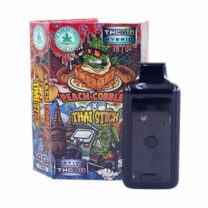
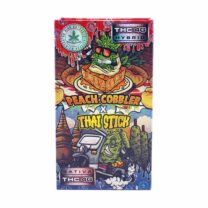
So High Extracts – Dual Chamber Pen – Peach Cobbler + Thai Stick (4 Grams + 4 Grams)
$100.00
The So High Extracts Dual Chamber Pen pairs a sweet dessert with a heritage strain, with 4 grams of Peach Cobbler and 4 grams of Thai Stick. Switch between the warm, baked peach with a buttery, cinnamon-spiced finish and the earthy, herbal flavour of this classic Thai strain whenever you like. With 8 grams in total, it outlasts most disposables, and there’s nothing to charge or set up before you start. Follow the guidance on the packaging. Keep away from heat, children and pets. For adults only.
In stock
If you’re shopping online for a discreet vape with two distinct flavour lanes, the So High Extracts dual chamber pen peach cobbler thai stick is designed to make switching easy: Peach Cobbler on one side, Thai Stick on the other. That sounds convenient, and it can be, but the important details are less glamorous than the flavour names. You’ll want to confirm the oil type, potency, ingredients, lab results, hardware, and authenticity before adding one to your cart.
This guide explains what you can reasonably expect, what to check on the package, and how to use a dual-chamber pen without wasting oil or ending up with a burnt, clogged mouthpiece. Because product batches can vary, treat this as a practical buying and use guide rather than a substitute for the label or a current certificate of analysis. Cannabis products are for adults of legal age only: 19+ in most of Canada, 18+ in Alberta, and 21+ in Quebec. Start low, go slowly, and don’t drive after using cannabis.
Key Takeaways
- The So High Extracts dual chamber pen peach cobbler thai stick offers two distinct flavors—Peach Cobbler and Thai Stick—in one discreet vape device, ideal for variety without multiple pens.
- Before purchasing, verify important details such as oil type (distillate, live resin, or full-spectrum), potency, ingredients, lab results, and authenticity including batch-matched certificates of analysis.
- Use the dual-chamber pen gently by starting at the lowest temperature with short draws, switching chambers carefully, and allowing time between puffs to avoid wasted oil and harsh hits.
- Peach Cobbler flavor tends to be sweet and fruity, while Thai Stick is more earthy and herbal; flavor names indicate profiles, not guaranteed genetics or effects, so user experience may vary.
- Check device specs like oil volume, battery life, charging method, and airflow design to ensure convenience and avoid performance issues during use.
- Always buy from reputable, legal sources and inspect packaging and QR codes for authenticity to avoid counterfeit products and ensure safety.
So High Extracts dual chamber pen peach cobbler thai stick: Quick overview (who it’s for + what to expect)
The So High Extracts dual chamber pen peach cobbler thai stick is aimed at adult consumers who want variety without carrying two separate vape devices. A dual-chamber design typically houses two oils in one body, letting you choose one chamber at a time, or alternate between them if the hardware allows it.
It may suit you if you:
- Prefer discreet, low-odour consumption at home or while travelling legally.
- Enjoy comparing fruity dessert profiles with earthy, herbal ones.
- Want a simple option instead of loading a concentrate rig.
- Don’t want to commit to one strain-style flavour for the whole device.
The catch? “Peach Cobbler” and “Thai Stick” are names, not guarantees of a specific genetic lineage or effect. Online listings can also omit key information, such as whether the oil is distillate or live resin, the total fill volume, or the batch number. Before buying, look for a sealed package, clear THC/CBD information, ingredient disclosure, and a working lot or QR code.
Think of it as a convenience-focused flavour sampler, not automatically a craft-extract product. It is also worth checking whether the two chambers contain equal amounts. A product may advertise a combined weight while dividing the oil unevenly, so the chamber layout and fill markings matter if you expect to use both flavours equally.
Dual-chamber pen basics: how it works, switching chambers, and how to blend flavours
Most dual-chamber pens use separate reservoirs connected to either individual heating elements or a selector mechanism. Depending on the model, you may switch chambers with a button, slider, twist mechanism, or separate mouthpiece controls. Don’t assume the controls are universal: read the insert before taking your first pull.
Some devices activate with a button, while others are draw-activated. If there’s a selector, move it gently while the pen is idle. Forcing a stiff dial is a good way to turn a small problem into an expensive paperweight. If the device has one shared mouthpiece, a little flavour carryover between chambers may be normal; separate air paths usually keep the profiles more distinct.
To blend flavours, take a small puff from Peach Cobbler, wait a few minutes, then try Thai Stick. This is more controlled than repeatedly flipping between chambers during one long draw. You’ll notice a mixed profile, fruit and sweetness layered over earth, spice, or herbal notes, but the result won’t necessarily equal a new strain.
Also check whether the device is rechargeable and whether each chamber has its own indicator light. If one side stops working, the other may still function. That’s convenient, but it can make troubleshooting slightly less obvious. Avoid switching selectors while pressing the activation button, and do not assume that using both chambers simultaneously is supported.
Peach Cobbler chamber: flavour notes, aroma, and likely terpene profile
A Peach Cobbler-style chamber is generally expected to lean sweet, fruity, and dessert-like. You might pick up peach candy, baked pastry, soft vanilla, or a faint creamy finish. In practice, the intensity depends heavily on the oil, flavour formulation, coil temperature, and storage conditions.
The likely terpene direction is fruit-forward rather than strictly tied to a verified Peach Cobbler cultivar. Terpenes commonly associated with sweet or fruity cannabis profiles can include myrcene, limonene, and linalool, but you shouldn’t treat those as confirmed unless they appear on a lab report. A product name alone can’t tell you the actual terpene percentages.
Distillate with added flavour may taste brighter and more consistent from puff to puff, while a resin or broader extract may bring in more plant-like, peppery, or earthy notes beneath the peach. Neither description confirms the oil type. Use the ingredients panel and COA rather than the flavour name to identify what is actually in the chamber.
If the first puff tastes like warm fruit and the next tastes sharply chemical, stop and inspect the package and device. A little variation is normal as the oil warms: a solvent-like taste, harsh irritation, or burnt sugar flavour is not something to push through.
For a smoother experience, use a short draw at the lowest effective setting. Dessert flavours can become cloying or toasted when overheated, like leaving peach pie in the oven while answering one “quick” email that somehow takes 45 minutes.
Thai Stick chamber: flavour notes, aroma, and likely terpene profile
Thai Stick is traditionally associated with tropical, herbal, spicy, and earthy cannabis aromas. In a modern vape product, the name may describe a flavour direction rather than authenticated Thai genetics. Expect possibilities such as pine, pepper, dry herbs, citrus peel, or a slightly woody finish.
Potential terpene associations include terpinolene, pinene, caryophyllene, or limonene, although the actual profile depends on the batch and extraction process. Check the certificate of analysis if terpene information matters to you.
Compared with Peach Cobbler, this chamber may feel less dessert-like and more savoury or classic. That makes it useful when you want a change of pace without carrying a second pen. Keep your expectations flexible, though. Some products use botanical flavouring to create a familiar profile, while others use cannabis-derived terpenes or strain-specific extract.
A strong peppery note isn’t automatically a flaw, but a burnt or metallic taste is a warning sign. If Thai Stick tastes harsh from the very first small pull, don’t keep increasing the temperature to “fix” it. Heat rarely repairs poor oil or a damaged coil.
Because aroma can be influenced by both the extract and added terpenes, the Thai Stick name should not be used to infer a particular cannabinoid balance or predictable effect. Compare the printed cannabinoid and ingredient information with the marketing description before drawing conclusions.
Effects & experience: Peach Cobbler vs Thai Stick (and what a mixed session feels like)
Flavour and effects aren’t interchangeable. A sweet Peach Cobbler profile doesn’t prove the product will feel relaxing, and a Thai Stick label doesn’t guarantee an energising experience. Effects vary with THC strength, your tolerance, how much you inhale, and whether you’ve used cannabis recently.
Users often describe dessert-forward products as comfortable or mellow, while earthy and herbal profiles are sometimes described as more alert or heady. Those are reports, not promises. Your experience may be completely different, especially if the oil is high-THC distillate with added terpenes rather than a full-spectrum extract.
For a first session, take one short puff and wait at least 10–15 minutes before deciding whether you need more. Vapes can feel quick, which makes accidental overconsumption surprisingly easy. A mixed session can feel more rounded simply because you’re combining two flavour profiles, but it also makes it harder to identify which chamber suits you.
A useful approach is to test each side on separate occasions. Note the chamber, number of puffs, timing, and how you felt. It’s not very glamorous science, but it beats guessing. Avoid combining an unfamiliar high-potency vape with alcohol or other intoxicants, and stop if you experience severe anxiety, chest discomfort, confusion, or other concerning symptoms.
Potency, oil type & ingredients: distillate vs live resin, additives, and what to look for on the label
The label should tell you the total THC and CBD content, usually as a percentage and sometimes as milligrams per device. Confirm whether the figure applies to the entire pen or each chamber. A “2 g” device may divide that amount between two reservoirs, not provide 2 g in each one.
Oil type matters:
| Oil type | What it usually means | What to check |
| Distillate | Highly refined oil, often with flavour terpenes added back | Ingredient list and terpene source |
| Live resin | Extract made from fresher, preserved plant material | Extraction details and batch testing |
| Full-spectrum extract | Broader mix of cannabinoids and terpenes | Cannabinoid and terpene profile |
Look for cannabis extract, terpenes, and a clear ingredient list. Be cautious when a listing makes vague claims such as “100% pure” without naming the oil or providing batch information. Avoid products with undisclosed thinning agents or mystery flavour additives. The presence of terpenes does not by itself identify whether they are cannabis-derived or botanical.
Also compare the serving or dose information with the total amount in the device. A percentage describes concentration, while the total milligram amount describes how much cannabinoid is present across the package. Those figures answer different questions and should not be treated as interchangeable.
If you’re new to vaping, potency should guide your pace, not the number of flavours. A high-THC pen can be intense even when the puff tastes like peach pie.
Lab testing & safety: what COAs should include (potency, solvents, pesticides, heavy metals)
A certificate of analysis, or COA, is one of the best ways to evaluate a cannabis vape beyond the marketing copy. Ideally, the report should match the product’s lot number and show the testing laboratory, sample identity, and test date.
Look for results covering:
- Cannabinoid potency, including THC and CBD.
- Residual solvents from extraction.
- Pesticides and fungicides.
- Heavy metals such as lead, arsenic, cadmium, and mercury.
- Microbial contamination, where applicable.
- Ingredients or terpene information, if claimed.
A QR code that leads only to a generic homepage isn’t the same as a batch-matched COA. Scan it, compare the lot number, and make sure the report describes the same product and format. Check that the document is readable and not merely a marketing graphic with no actual test results.
Canadian consumers should also check that the seller follows applicable provincial and federal rules. Unregulated online products may have attractive pricing but weaker quality controls. If the package lacks a lot number, safety information, or credible testing documentation, the sensible move is to skip it. No flavour profile is worth playing chemical roulette.
Device specs & performance: grams/mL, battery, charging, airflow, coil, and expected puff count
Before ordering, confirm the total oil volume in grams or millilitres and how it’s divided between the chambers. The listing should also identify whether the battery is rechargeable, what charging port it uses, and whether a cable is included.
Performance depends on more than the advertised fill. Airflow, coil design, oil viscosity, and draw length all affect the experience. A very open airflow may produce larger clouds but can use oil quickly. Tight airflow may feel restricted and encourage longer, hotter pulls.
Puff-count estimates are rough. A short two-second draw and a long eight-second draw consume very different amounts of oil, so treat any number as a range, not a promise. Battery life can also vary if the device has separate heating elements or indicator lights.
Before checkout, look for:
- Total grams or millilitres and chamber split.
- Rechargeable battery details.
- USB-C or other charging information.
- Mouthpiece and airflow design.
- Disposable versus reusable hardware.
- Manufacturer or seller warranty policy.
Ask whether the two chambers use separate coils or share one heating path. Separate coils may preserve flavour separation, while a shared path can allow more carryover between profiles. This detail is often absent from short product listings, so the package insert or manufacturer information is more useful than a seller’s generic photograph.
A pen that performs beautifully but cannot be charged after half a chamber is finished isn’t exactly a triumph of engineering.
How to use for best results: draw technique, temperature tips, and preventing clogs/burnt hits
Start with the lowest heat setting available. Use a gentle, short draw, roughly two to three seconds, rather than pulling hard. A forceful inhale can flood the coil, draw oil into the airway, or make the pen feel hotter than intended.
Wait a few minutes between puffs. This helps you assess the effect before adding more and reduces the chance of turning a calm evening into an unplanned sofa expedition.
To protect flavour and hardware:
- Keep the pen upright when possible.
- Don’t take repeated back-to-back pulls.
- Let the coil rest if the mouthpiece feels warm.
- Avoid charging on flammable surfaces or overnight.
- Don’t share the mouthpiece, especially during cold and flu season.
If the pen has preheat, use it briefly. Long preheat cycles can thin the oil too much and contribute to leaking. You don’t need to chase a huge cloud: a smaller draw often tastes better and wastes less product.
If you’re consuming indoors, ventilate the room and keep the device away from children and pets. Do not use a damaged device, a device that becomes unusually hot, or one with oil near the charging connection.
Real vs fake: authenticity checks (packaging, QR/lot, hardware tells, and red flags)
Counterfeit vape products can copy labels surprisingly well, so use several checks rather than relying on one shiny sticker. Packaging should be sealed, professionally printed, and consistent with the seller’s product information. Check spelling, warnings, cannabinoid details, lot number, and package date.
The QR code should lead to useful, product-specific information, not a random landing page or a form asking for excessive personal data. Compare the lot number on the box with the device and the COA when available.
Hardware clues include crooked branding, loose mouthpieces, leaking reservoirs, unusual plastic odours, or a charging port that feels poorly fitted. None of these alone proves a fake, but several together are a strong reason to stop.
Red flags include:
- Dramatically low pricing with no explanation.
- Claims of impossible THC percentages.
- No ingredient list or lab information.
- Seller refuses to provide batch details.
- Packaging that arrives open, crushed, or wet.
Buy from a reputable, legal source, keep your receipt, and photograph questionable packaging before contacting support. Don’t inhale an unknown oil just to see whether it’s “probably fine.” A legitimate-looking logo is not proof that the oil, battery, or COA is genuine.
Troubleshooting: not hitting, blinking, clogged airway, leaking, weak flavour, harsh pulls
If the pen isn’t hitting, first check whether it’s charged and switched to the intended chamber. A blinking light can indicate a low battery, connection problem, or timeout. Let the device cool, then try a gentle draw rather than repeatedly pressing the button.
For a clogged airway, keep the pen upright and allow it to reach room temperature. If the manufacturer provides a safe preheat function, use a short cycle. Don’t poke the mouthpiece with a metal object or use a lighter: both can damage the hardware.
Leaking may result from heat, pressure, overfilling, or storage on its side. Wipe the exterior with a clean tissue and stop using it if oil reaches the mouthpiece or battery area.
Weak flavour can come from a nearly empty chamber, low battery, stale oil, or a coil that has been overheated. Harsh pulls usually call for shorter draws and lower heat. If the taste remains burnt, chemical, or metallic, discontinue use and contact the seller with the lot number and photos.
Never open, refill, or modify a sealed dual-chamber device unless the manufacturer explicitly designed it for that purpose. If one chamber works and the other does not, record which selector position or indicator behaviour you observed; that information can help the seller identify a chamber or connection fault.
Storage & shelf life: keeping both chambers fresh (temperature, light, and travel tips)
Store the pen somewhere cool, dry, and dark. A drawer is usually better than a sunny windowsill, car console, or steamy bathroom. Excess heat can thin the oil, increase leaking, and flatten delicate flavour compounds. Freezing is generally unnecessary and can create condensation or make the oil difficult to use.
Keep the device upright with the mouthpiece covered if it has a cap. Avoid leaving it in a hot vehicle, Canadian summers may be short, but parked cars can still turn into tiny greenhouses. Let a cold device return to room temperature before using it so condensation and thickened oil do not affect airflow.
Shelf life depends on the oil, packaging, and storage conditions. Use the package date and best-before guidance rather than assuming every vape stays fresh indefinitely. If the oil changes dramatically in colour, develops particles, leaks, or smells unusual, don’t use it.
For legal travel, check the rules for your destination and transport method. Never cross the Canadian border with cannabis, even if it’s legally purchased in Canada. Keep the original packaging and store the device securely away from children and pets.
Conclusion
The So High Extracts dual chamber pen peach cobbler thai stick can be appealing if you want two contrasting flavour profiles in one compact device. Its real value depends on details you can verify: oil type, potency, ingredients, batch-matched testing, hardware quality, and seller credibility. Start with a small draw, test each chamber separately, and store the pen properly. If the label or lab information feels vague, walk away, your lungs deserve better than a mystery cartridge.
Frequently Asked Questions about So High Extracts Dual Chamber Pen Peach Cobbler Thai Stick
What is the So High Extracts dual chamber pen peach cobbler thai stick?
It’s a vape pen featuring two separate flavour chambers—Peach Cobbler and Thai Stick—allowing users to enjoy distinct cannabis flavour profiles in one discreet, portable device. The exact oil type, fill amount, potency, and hardware configuration can vary by product batch, so confirm those details on the package.
How do I switch between the Peach Cobbler and Thai Stick flavours on the dual chamber pen?
Switching depends on the device model and may involve a button, slider, twist mechanism, or separate mouthpiece controls. Always read the user insert to avoid damaging the pen, and move any selector gently while the device is idle.
What should I check before buying the So High Extracts dual chamber pen online?
Confirm the oil type, potency, ingredient list, lab results, authenticity via batch number or QR code, and hardware features like battery and charging options to ensure quality and safety. Also check whether the advertised weight refers to the entire device or to each chamber.
What flavours and terpene profiles can I expect from the Peach Cobbler and Thai Stick chambers?
Peach Cobbler typically offers sweet, fruity, dessert-like notes with possible terpenes like myrcene and limonene. Thai Stick leans toward tropical, herbal, and earthy aromas with terpenes such as pinene and caryophyllene. These are possible profile associations, not confirmed ingredients unless supported by the batch-specific label or COA.
How should I use the dual chamber pen to get the best vaping experience?
Start with low heat and short, gentle draws. Wait several minutes between puffs to gauge effects and avoid overheating; keep the pen upright and avoid back-to-back pulls to preserve flavour and hardware. Test each chamber separately before attempting to combine the profiles.
What safety and authenticity checks are important when purchasing this vape pen?
Look for sealed, professional packaging with correct labels, a functional QR code linked to batch-specific lab results, and beware of suspiciously low prices, missing ingredient lists, or poor hardware quality. Do not use the pen if it is leaking, damaged, unusually hot, or produces a chemical or metallic taste.
Only logged in customers who have purchased this product may leave a review.
Related products
So High Extracts
So High Extracts
Reviews
There are no reviews yet.