


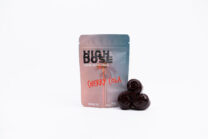
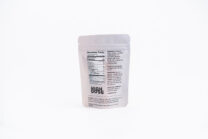
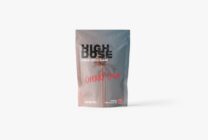
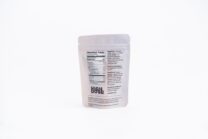
High Dose – Cherry Cola 500/1000/1500MG THC
High Dose Cherry Cola edibles bring a classic fizzy cherry cola flavour in three strengths: 500 mg, 1000 mg and 1500 mg THC per package. Made for experienced adult consumers with a high tolerance. Start with a small portion, wait at least 2 hours before taking more, and store sealed, out of reach of children and pets. 19+ only.
High dose cherry cola THC products can look like a fun throwback to a fizzy soda, until the label leaves you wondering whether “500 mg” means 500 mg per gummy, per package, or something else entirely. If you’re shopping online in Canada, that distinction matters.
This guide explains what sellers usually mean by high dose cherry cola THC, how to compare gummies and beverages, and how to read potency, ingredients, and lab results without needing a chemistry degree. You’ll also find a cautious dosing approach for adults of legal age, including beginners and experienced consumers. Effects vary from person to person, so treat the numbers as a starting point, not a promise. And, naturally, don’t drive, mix THC with alcohol, or use cannabis if you’re under the legal age in your province or territory.
Key Takeaways
- High dose cherry cola THC products vary widely, so always check the actual THC milligrams per serving and total package before use.
- Cherry cola THC comes in different forms—gummies, beverages, and flower strain—with differing onset times and potencies.
- Start with a low dose, especially if new to THC; beginners should aim for 1-2.5 mg and increase cautiously based on effects.
- Read labels carefully for ingredients, allergens, and lab-tested potency to avoid counterfeit or unsafe products.
- Avoid mixing THC with alcohol or other substances and never drive after consumption to ensure safety.
- Purchase cherry cola THC products only from licensed, authorized retailers to guarantee product authenticity and compliance.
What is high dose cherry cola thc (and what products people mean)
“High dose cherry cola THC” isn’t one standardized product name. It usually combines a cherry-cola flavour with a relatively strong amount of THC, the intoxicating cannabinoid in cannabis. Depending on the listing, you may be looking at gummies, a cannabis beverage, a vape flavour, or even a flower strain marketed as “Cherry Cola.”
The phrase high dose is especially slippery. One shop might use it for a package containing 500 mg of THC, while another might describe a product with 10 mg per piece as high potency. Always look for the actual THC amount in milligrams, the number of servings, and the serving size. Don’t rely on the flavour name or a bold graphic on the front of the package.
Common product types: High Dose Cherry Cola gummies vs cherry cola THC drinks vs “Cherry Cola” strain
Cherry cola gummies are edible cannabis products made with flavouring, sweeteners, and either gelatin or a plant-based gelling agent. They’re discreet, portable, and easy to portion, provided the label clearly states the amount per gummy.
Cherry cola THC drinks may be ready-to-drink cans, drink powders, or syrups. Some use conventional THC emulsions: others use “nano” or fast-acting formulations designed to disperse THC more efficiently in liquid. Faster onset is possible, but it’s not guaranteed.
A “Cherry Cola” strain is different again. It refers to a cannabis cultivar or product name, not a pre-measured edible. Its THC level, terpene profile, and reported effects can vary between growers and batches. If you’re buying flower, check the package’s lot-specific information rather than assuming every Cherry Cola product is identical.
In short: identify the format first, then confirm the total THC and THC per serving. That two-minute check can prevent a very long evening.
High Dose Cherry Cola Gummies: strength options (500mg vs 1500mg) and how to read the label
A 500 mg or 1500 mg number sounds straightforward, but it usually describes the entire package, not one gummy. For example, a 500 mg package containing 50 equal pieces would contain 10 mg per gummy. A 1500 mg package with 30 pieces would contain 50 mg per gummy, five times as much per piece.
Here’s a quick comparison:
| Label example | Pieces in pack | Approx. THC per piece |
| 500 mg total | 50 | 10 mg |
| 500 mg total | 10 | 50 mg |
| 1,500 mg total | 30 | 50 mg |
| 1,500 mg total | 60 | 25 mg |
These are calculations, not assumptions about any particular brand. Confirm the package’s stated serving size, since pieces may not always be perfectly uniform. A product listing that says only “500 mg gummies” is incomplete information: ask the retailer for clarification before ordering.
Total mg vs mg per piece: calculating your real dose and servings per pack
Use this simple formula:
Total THC in the package ÷ number of pieces = approximate THC per piece.
Then multiply the per-piece amount by the fraction you plan to eat. If each gummy contains 25 mg and you eat one-quarter, your intended dose is about 6.25 mg. Cutting or dividing gummies can be imprecise, particularly if the THC isn’t evenly distributed, so this method is only an estimate.
Also check whether the number refers to THC or total cannabinoids. CBD, CBG, and other cannabinoids may appear in the same product but don’t count toward the THC number. Look for manufacturing date, expiry date, lot number, storage directions, and clear contact information. If the label hides the per-serving figure in tiny print, that’s a yellow flag, not a challenge to your eyesight.
Effects, onset time, and duration (edibles vs nano THC beverages)
With gummies, many people report initial effects somewhere around 30 minutes to two hours after eating them. The strongest effects may arrive later, and the overall experience can last several hours. Some consumers feel residual drowsiness or grogginess longer than that. Your experience may be quicker or slower, so don’t use the clock as permission to immediately take more.
THC beverages can feel different. A standard cannabis drink may follow a broadly similar edible timeline, while a nano-emulsified beverage is often marketed as fast-acting. Some users notice effects within 15–30 minutes, but individual results vary and “nano” doesn’t make a strong drink harmless. Read the can’s total THC and serving guidance just as carefully as you would with a gummy.
Reported effects can include relaxation, a brighter mood, altered time perception, sleepiness, dry mouth, increased appetite, or impaired coordination. Others report anxiety, dizziness, racing thoughts, or feeling uncomfortably overwhelmed. There’s no prize for pushing through the latter.
What changes effects: tolerance, food, metabolism, cannabinoids, and set/setting
Your tolerance is only one piece of the puzzle. Food in your stomach, your metabolism, body chemistry, prior cannabis experience, and whether the product contains CBD or other cannabinoids may all influence the experience. A fatty meal can also change how some edible products feel, but it isn’t a reliable dosing strategy.
Your set and setting matter, too. Taking a high-potency gummy before a stressful appointment is very different from trying a measured amount at home on a quiet evening. For a first attempt, choose a familiar place, keep water nearby, and avoid plans that require driving, cycling, childcare, or important decisions. Your future self will appreciate the boring preparation.
Safe dosing guide for high-potency edibles (beginner to experienced)
There is no universally correct THC dose. A serving that feels mild to one adult may feel intense to another. If you’re new to edibles, approach a high-dose product as a package to divide into small, clearly understood portions, not as something to finish because the bag is open.
A cautious framework many adults use is:
- New to THC: consider about 1–2.5 mg THC, if a product can be measured that precisely.
- Occasional consumer: some choose around 2.5–5 mg, depending on prior experience.
- Experienced consumer: don’t assume tolerance makes a 25 mg or 50 mg serving predictable. Increase gradually and only when you know how the previous amount affected you.
These are conservative reference points, not medical instructions or a recommendation to consume. In Canada, regulated products may have strict package and serving limits, while online listings can be inconsistent or potentially non-compliant. That makes verified labeling particularly important.
Step-by-step: start low, wait long enough, and avoid re-dosing too soon
- Check the label twice. Confirm THC per piece, package total, serving size, and whether the product is intended to be divided.
- Choose a small amount. If the gummy is too strong to portion accurately, choose a lower-potency product instead.
- Take it in a safe setting. Keep your evening free, and don’t combine cannabis with alcohol, sedatives, or other intoxicating substances.
- Wait at least two hours before reconsidering. With gummies, waiting longer, up to four hours, may be wiser because effects can continue building.
- Stop when you’ve reached enough. More THC doesn’t necessarily mean more relaxation: it can simply mean more impairment.
- Record what happened. Note the product, amount, timing, food, and effects. It sounds a little nerdy, but it turns guesswork into useful information.
If someone becomes severely confused, cannot stay awake, has trouble breathing, experiences chest pain, or is otherwise in danger, seek urgent medical help. Keep cannabis products locked away from children and pets: edibles can look remarkably like ordinary candy.
Ingredients, allergens, and nutrition: what to look for in cherry cola THC gummies
Cherry cola gummies can contain more than cannabis extract and flavouring. Read the ingredient panel if you manage allergies, follow a vegan diet, or are watching sugar intake.
Gelatin versus vegan formulas: Traditional gummies often use gelatin, which is animal-derived. Pectin-based gummies are commonly marketed as vegan, but check the full ingredient list and any allergen statement rather than trusting a green leaf on the front.
Sugar and sweeteners: A serving may contain sugar, glucose syrup, or sugar alcohols. Sugar-free products can still taste sweet because of ingredients such as erythritol or other sweeteners, which some people find hard on the stomach. A 50-piece bag can also turn “just one gummy” into a surprisingly sugary habit if you’re taking several servings.
Flavours and colours: Cherry-cola flavour may come from natural flavours, artificial flavours, or a mixture. Colours can include food dyes or plant-based colouring. Neither option automatically tells you how effective or safe the THC is: it simply helps you decide what fits your preferences.
Look for allergens such as soy, coconut, dairy, wheat, or tree nuts, plus warnings about shared manufacturing equipment. Check storage instructions, too. Heat and moisture can affect texture and may not be kind to a gummy’s quality. Store the package sealed, cool, and clearly separated from regular snacks, especially if children or visiting relatives might rummage through the pantry.
Lab testing & authenticity checks (COA, contaminants, and counterfeit red flags)
A certificate of analysis, or COA, is a laboratory report showing what was found in a specific batch. Depending on the product and jurisdiction, it may include cannabinoid potency, pesticides, heavy metals, microbial contamination, residual solvents, and other screening results.
A useful COA should match the product’s brand, name, batch or lot number, and testing date. It should identify the laboratory and show actual results, not merely say “lab tested.” Compare the COA with the package in your hand or the listing you’re considering. A report for a different flavour or old lot doesn’t prove much about your current product.
Be cautious if:
- the seller refuses to provide a batch-specific report:
- the label has spelling errors, blurry printing, or no lot number:
- potency claims seem wildly high but lack detailed testing:
- packaging imitates a familiar candy brand:
- the product arrives unsealed, leaking, or with a broken tamper indicator: or
- the retailer makes guaranteed claims about effects.
For Canadian buyers, use a licensed retailer authorized in your province or territory whenever possible. A polished website, free gift, or “limited drop” countdown doesn’t establish authenticity. Neither does a five-star review from an unknown account. If the deal feels like it was assembled by three raccoons in a trench coat, pause and verify the seller, payment process, privacy policy, and return contact before ordering.
Legal & safety FAQs: Delta-9 vs Delta-8, travel/shipping, and mixing with alcohol
What’s the difference between Delta-9 and Delta-8 THC? Delta-9 THC is the familiar intoxicating THC found in cannabis. Delta-8 is a related cannabinoid that can also be intoxicating, and products may differ in how they’re made, labelled, and regulated. Don’t assume Delta-8 is mild, risk-free, or covered by the same rules as a regulated Canadian cannabis product. Check current federal and provincial requirements and buy only through authorized channels.
Can you travel with cherry cola THC? Cannabis rules vary by location. In Canada, adults may generally carry cannabis within the country within legal possession limits, but taking cannabis across the international border, including into the United States, is illegal, even if it’s legal where you’re going. Don’t put edibles in checked luggage for an international trip. For domestic travel, check current Government of Canada cannabis guidance and your carrier’s rules.
Can you mix THC with alcohol? It’s safest not to. Alcohol can intensify impairment, dizziness, nausea, poor coordination, and risky decision-making. The same caution applies to other intoxicating substances and medications that cause drowsiness. If you’ve already combined them and feel unwell, stop consuming, stay with someone you trust, and seek medical assistance when needed.
Can you order online? Use a legal, authorized retailer that ships according to Canadian rules. Confirm discreet packaging, delivery coverage, age verification, and customer support before paying. Don’t leave high-dose products in a mailbox or porch where heat, theft, children, or pets could become a problem.
The practical takeaway is simple: buy from a verifiable source, read the actual THC-per-serving number, start with far less than the package total, and give the product time. Cherry cola should taste nostalgic, not become the reason you spend the evening negotiating with your ceiling fan.
Frequently Asked Questions about High Dose Cherry Cola THC
What does “high dose” mean in high dose cherry cola THC gummies?
“High dose” typically refers to the total THC amount in the package, not per gummy. For example, a 500 mg package may contain 50 gummies with 10 mg each. Always check the package for total THC and THC per serving for accurate dosing.
How do the effects and onset times differ between cherry cola THC gummies and beverages?
Gummies often take 30 minutes to 2 hours to kick in, lasting several hours. THC beverages, especially nano-emulsified types, may act faster, sometimes within 15–30 minutes, but effects vary individually. Always follow serving guidance carefully.
What is the best way to dose high dose cherry cola THC products safely?
Start with a small portion based on THC per piece—beginners might try 1–2.5 mg. Wait at least two hours before re-dosing, use them in a safe environment, and avoid mixing with alcohol or other intoxicants. Increase dosage gradually based on experience.
Are cherry cola THC gummies vegan and what ingredients should I watch for?
Some cherry cola gummies use gelatin (animal-derived), while others use pectin-based vegan formulas. Check ingredient lists for allergens like soy, dairy, or nuts, and note sugar or sweetener types, especially if monitoring sugar intake or allergies.
Can I travel with cherry cola THC products in Canada?
Within Canada, adults can carry cannabis in legal amounts, but transporting cannabis across international borders, including into the US, is illegal. Always verify local laws and airline rules before traveling with cannabis products.
What should I look for on the label to confirm authenticity and safety of high dose cherry cola THC products?
Look for clear THC per serving info, lot number, expiry date, and a batch-specific Certificate of Analysis (COA) showing lab results. Avoid products with vague or suspicious labeling, spelling errors, or packaging that mimics candy brands.
Only logged in customers who have purchased this product may leave a review.
Related products
Reviews
There are no reviews yet.